
Scrubber Towers for Rare Earth Processing Plants: What Should EPC Buyers Specify?
Scrubber towers for rare earth processing plants need a clearly defined gas-treatment duty before equipment suppliers can prepare meaningful proposals. Gas composition, temperature, particulate loading and required outlet conditions determine whether a proposed system is appropriate.
For EPC buyers, specifying a complete tower also means coordinating corrosion protection, liquid handling, inspection and delivery. An inquiry that states only gas flow and a removal percentage leaves important engineering and commercial questions unresolved.
One wet scrubber can be assumed to remove acid gases, dust and organic vapors to the same required level.False
Pollutant form, solubility, loading and outlet criteria differ. Some streams require conditioning or multiple treatment stages supported by process evaluation.
A scrubber tower purchase should define the liquid-waste boundary as well as the gas outlet requirement.True
Wet scrubbing transfers contaminants into a circulating liquid or reaction products, so makeup, blowdown and downstream treatment responsibilities must be assigned.
A Recent Rare Earth Project Provides the Context
On September 14, 2026, Aclara announced that its planned Project Dynamo rare earth separation facility in Louisiana had secured an air permit, advancing the development toward a planned first-quarter 2027 construction start. The announcement appears in Aclara’s official news listing.
The milestone highlights the connection between industrial project development and emissions-control planning. It does not establish a publicly available procurement specification for every treatment system.
The considerations below are general equipment-procurement guidance. They do not describe Project Dynamo’s confirmed scrubber design, identify its equipment suppliers or imply WSHI involvement.
Where Do Scrubber Towers Fit in Rare Earth Processing?
Rare earth processing routes differ in feedstock, chemistry and equipment arrangement. Where acid-bearing gases or other absorbable contaminants are present, wet scrubbing may form part of the selected emissions-control system.
Potential gas sources must be identified from the actual process. A tower serving a specific enclosed process vent can have different requirements from equipment handling a combined ventilation stream.
The U.S. EPA’s Clean Air Technology Center resources include packed-bed and packed-tower wet-scrubber guidance for gaseous pollutants. This general guidance supports evaluating the gas and absorbing liquid together; it does not establish suitability for an unspecified rare earth process.
For complete industrial scrubber towers, buyers should request a duty-specific proposal based on verified process information.
Define the Inlet Gas Before Selecting Equipment
Composition and Pollutant Form
Identify the substances requiring treatment and distinguish gases, vapors, droplets and solid particles. These forms may require different treatment functions.
Where hydrogen chloride or another acid gas is present, its concentration and mass flow should be stated. However, a general description such as “acid fumes” is insufficient to define all relevant contaminants.
Include substances that could affect compatibility, foaming, deposits or liquid-waste handling. If the process involves organic vapors, they should be identified separately rather than assumed to be removed by the same acid-gas treatment arrangement.
Flow, Temperature and Moisture
Provide normal, minimum and maximum gas flow, together with pressure, temperature and moisture conditions. State whether volumetric flow is expressed at actual or standard conditions and identify the reference basis.
This information matters when comparing bids. Two proposals using different flow references may appear to quote the same capacity while describing different operating duties.
Temperature and moisture also influence the liquid balance and operating environment. Suppliers should identify the inlet conditions used in their process assessment.
Variability and Combined Vent Streams
Batch operation, startup and changes in production can alter gas loading. The process team should establish which conditions govern the design and which combinations of sources can occur simultaneously.
Combining vents may be practical, but compatibility and loading should be assessed before the streams are assigned to one tower. A larger combined flow does not automatically make a shared treatment system the best option.
Specify Outlet Requirements Clearly
An outlet specification should identify the pollutant, concentration basis, operating conditions and required verification method. Applicable permit or regulatory requirements should be supplied by the owner’s environmental team.
A percentage-removal target alone may be incomplete. The relationship between inlet loading and outlet concentration needs to be understood, particularly where feed conditions vary.
Separate requirements for gaseous pollutants from any requirements for particulate matter or liquid carryover. A tower designed around one treatment function should not be assumed to satisfy every outlet criterion without supporting evaluation.
The purchase agreement should also identify who is responsible for process performance. Mechanical manufacture to an approved drawing is different from guaranteeing the performance of the installed treatment system.
Select the Treatment Arrangement as a Complete System
The appropriate arrangement depends on the gas and the selected liquid chemistry. Some duties may require gas conditioning or a separate particulate-control stage before absorption. Others may need additional treatment downstream.
These requirements should be established by the process designer. Procurement should then translate the approved arrangement into an equipment list with clear ownership of each stage.
For process towers and columns, the inquiry should define the complete functional assembly and its interfaces. Process equipment supplied as part of the tower should remain within that complete-equipment scope.
The EPA’s wet-scrubber monitoring guidance identifies operating parameters used to assess gaseous-pollutant control, including liquid flow, pressure differential and liquid condition. Monitoring requirements should be coordinated with the system’s approved operating basis.
Review Materials and Corrosion Protection
Material selection should consider the gas, circulating liquid, reaction products, cleaning chemicals and operating temperatures. The chemistry within the liquid circuit may differ substantially from that of the incoming gas.
A broad request for stainless steel or corrosion-resistant construction is not enough. The specification should identify the approved material or lining basis and the conditions supporting that choice.
If lined construction is proposed, define the required inspection and acceptance records for the lining system. The responsibilities for surface preparation, application and repair should be clear.
Different projects may justify different materials. The manufacturer should confirm whether the proposed construction falls within its actual supply capability rather than assume that every wet-scrubber material option is available.
Include Pressure and External Loads
A scrubber operating close to atmospheric pressure still needs an appropriate mechanical design basis. Relevant suction conditions, liquid loads, support loads and site environmental loads should be addressed.
The applicable construction standard depends on the equipment and jurisdiction. Buyers should not assume that every scrubber tower is a pressure vessel governed by the same code.
Define the Liquid Circuit and Wastewater Boundary
Scrubbing transfers contaminants into a liquid stream or produces reaction products that need management. The project should identify liquid makeup, circulation, reagent supply and the required withdrawal of spent liquid.
The liquid balance needs to account for the selected operating conditions. Concentration, suspended solids and deposition can influence maintenance and the downstream treatment requirements.
Avoid treating the scrubber as an isolated air-treatment purchase. Its liquid discharge must have an identified destination, with responsibility for treatment or disposal assigned.
Where separate storage is required, specify working capacity and the relevant operating conditions for large industrial storage tanks. WSHI’s relevant storage scope is tanks above 1,000 liters.
If liquid cooling is necessary, provide the duty and utility conditions for the associated industrial heat exchanger. Neither a separate tank nor a cooler should be added automatically without a process requirement.
Prepare a Comparable Equipment Inquiry
A useful request for quotation should give each bidder the same technical and commercial basis.
| Inquiry item | Information to establish |
|---|---|
| Gas duty | Composition, pollutant form, flow range, temperature and pressure |
| Performance requirement | Outlet criteria, reference conditions and acceptance method |
| Liquid system | Selected chemistry, makeup, withdrawal and downstream destination |
| Materials | Approved construction and corrosion-protection basis |
| Supply boundary | Complete tower, associated equipment and excluded work |
| Inspection | Manufacturing records, examination and testing requirements |
| Delivery | Shipping configuration, destination and site responsibilities |
Ask bidders to identify assumptions and deviations. A lower price may reflect a narrower scope, different inlet conditions or an excluded performance commitment.
Where process information remains preliminary, label it clearly. Budget estimates should state what must be confirmed before design completion and fabrication release.
Manufacturing and Quality Control
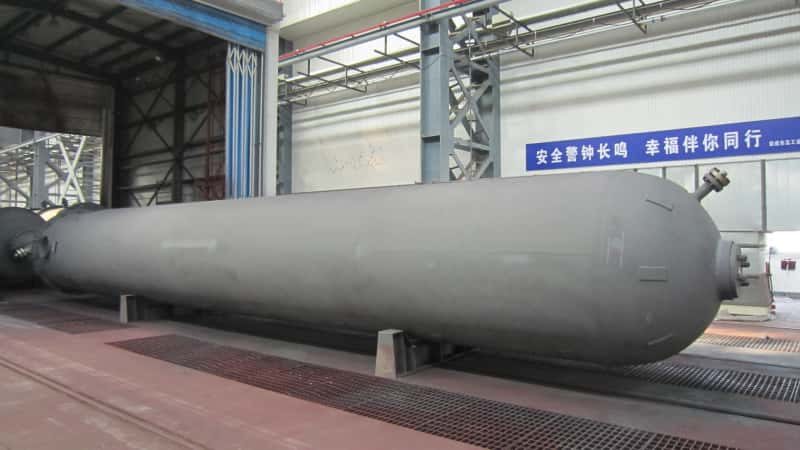
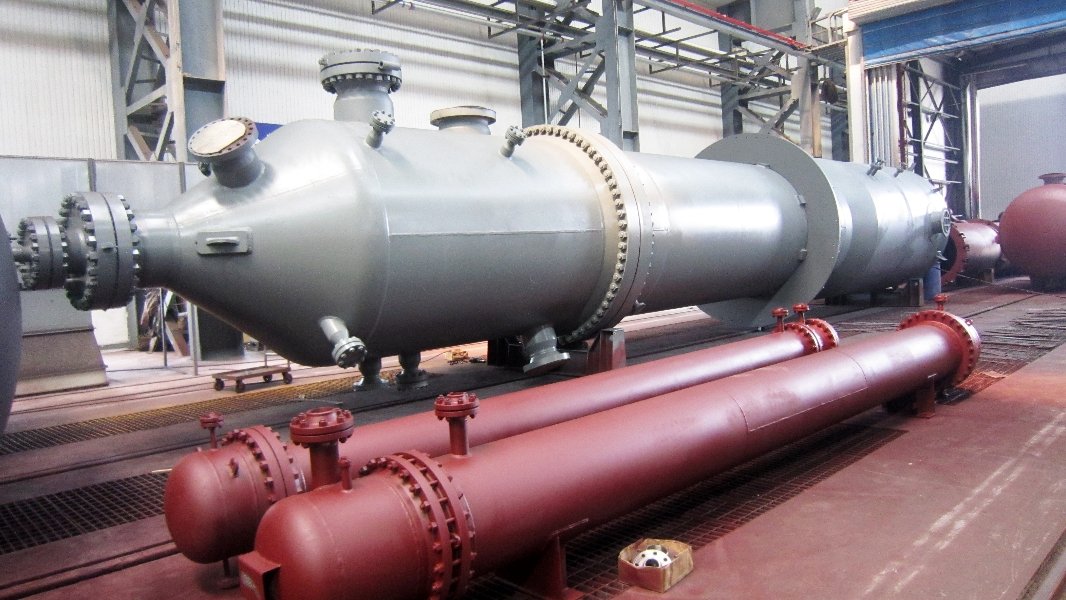
Manufacturing review should address material traceability, welding documentation, dimensions, required examinations and the specified coating or lining controls.
The inspection plan should follow the equipment’s actual construction requirements. Pressure testing, leakage testing and lining inspection have different purposes and should be specified where applicable.
WSHI’s manufacturing capability includes engineering coordination, material procurement, welding fabrication, nondestructive examination, pressure testing, coating and heavy-equipment delivery activities. The required scope and construction method should be confirmed for each tower inquiry.
Manufacturing acceptance does not by itself demonstrate emissions performance. The contract should separately define site testing conditions, measurement responsibilities and the process limits within which any performance commitment applies.
Plan Delivery and Installation Before Fabrication
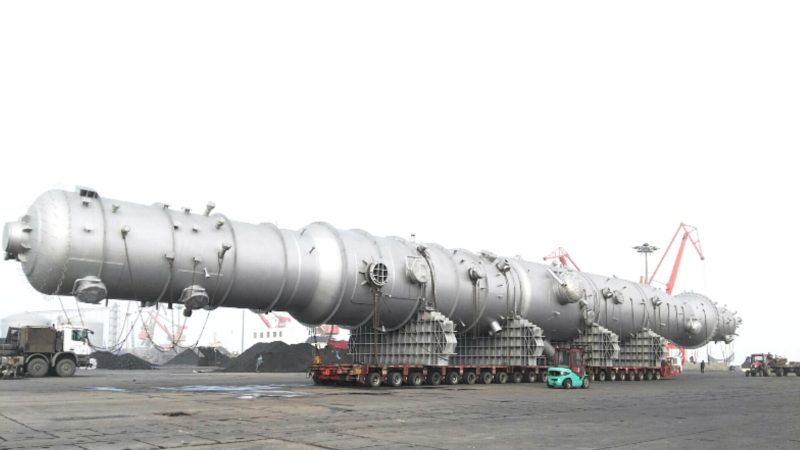
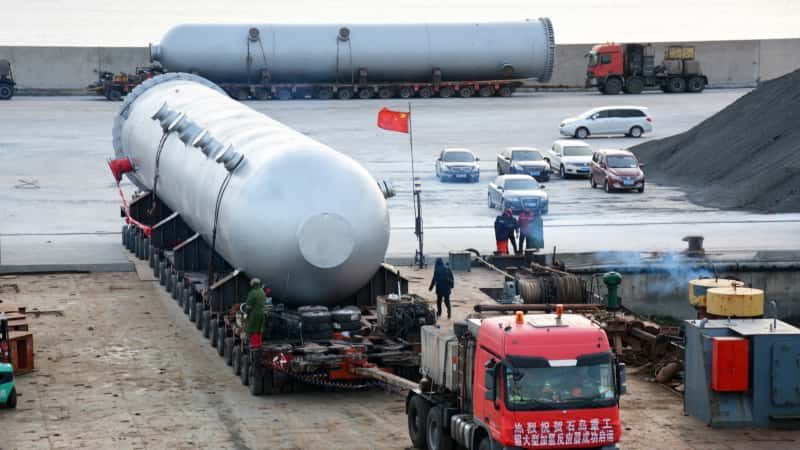
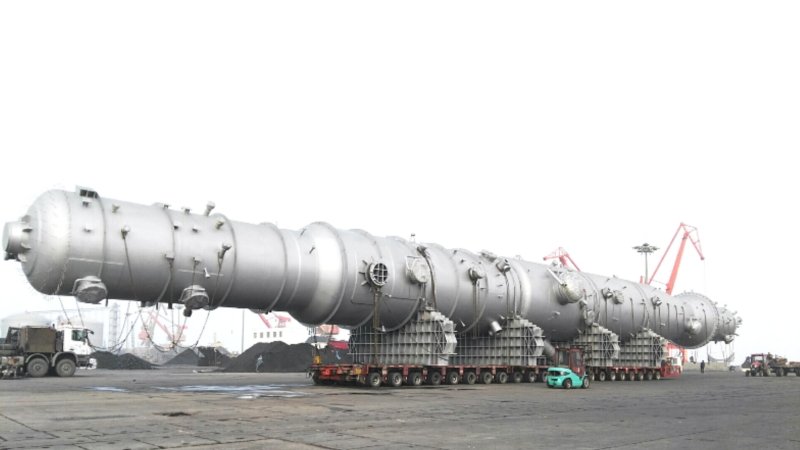
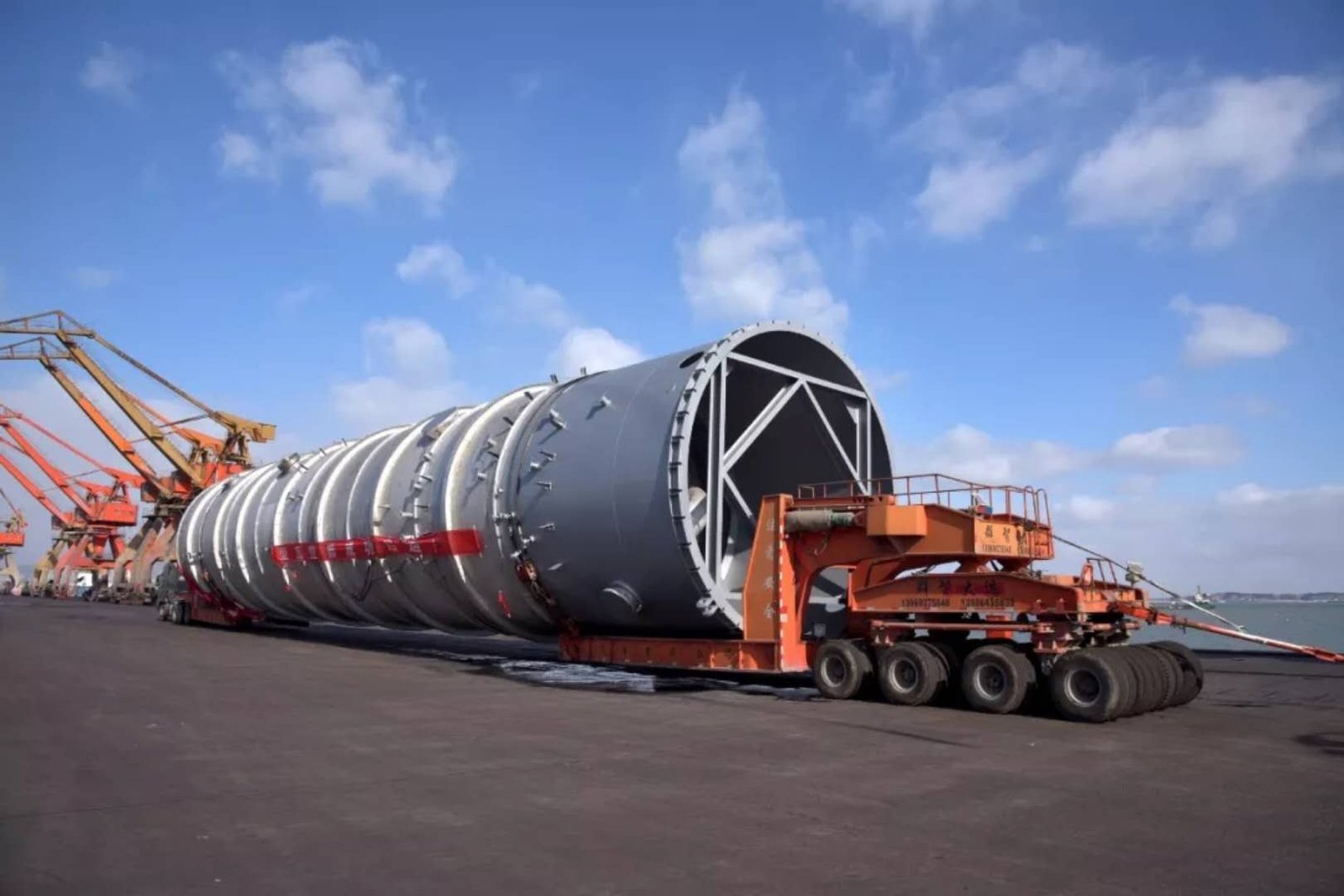
Large scrubber towers may need transport and lifting review while their arrangement is still being developed. Confirm whether the equipment will be shipped complete or in sections and assign responsibility for any field assembly.
Protective systems can be affected by handling and site work. The delivery plan should therefore address preservation, transport supports and inspection after arrival where required.
The contract should state whether delivery ends at the factory, port or project site. Unloading, erection, connection to ventilation and liquid systems, and commissioning should have identified owners.
FAQ
Does every rare earth plant need the same scrubber system?
No. Requirements depend on the processing route, gas sources, contaminants and applicable outlet criteria. A specification from another plant should not be reused without engineering review.
Can one wet scrubber remove acid gases, dust and organic vapors?
That cannot be assumed. The different pollutant forms and their treatment requirements must be assessed. Some streams may require several treatment stages.
Is stainless steel always suitable for an acid-gas scrubber?
No. Suitability depends on the complete chemical and temperature environment, including the circulating liquid and cleaning conditions. Material selection requires a project-specific basis.
What should buyers confirm before placing an order?
Confirm the gas analysis, performance criteria, materials, liquid-waste boundary, complete supply scope and acceptance requirements. Resolve responsibility for process design and site performance testing.
Discuss Your Scrubber Tower Requirements
Scrubber towers for rare earth processing should be specified around the actual gas duty and the complete treatment system. Clear inlet data, materials and supply responsibilities give equipment manufacturers a sound basis for evaluation.
For a rare earth or chemical processing project, contact our engineering team with your gas analysis, operating conditions, outlet requirements and equipment list. WSHI can review the proposed complete tower, associated vessels and delivery scope, and identify the information needed for a manufacturing quotation.