
A seawater-cooled shell-and-tube heat exchanger should not be specified by copying a conventional cooling-water datasheet and changing the fluid name. Seawater composition, seasonal temperature, suspended material, biological activity and shutdown conditions can affect equipment selection. For EPC buyers, the purchasing objective is a complete exchanger suited to the actual service, supported by a clear materials assessment, thermal design basis and maintenance plan. These requirements should be established before comparing supplier prices.
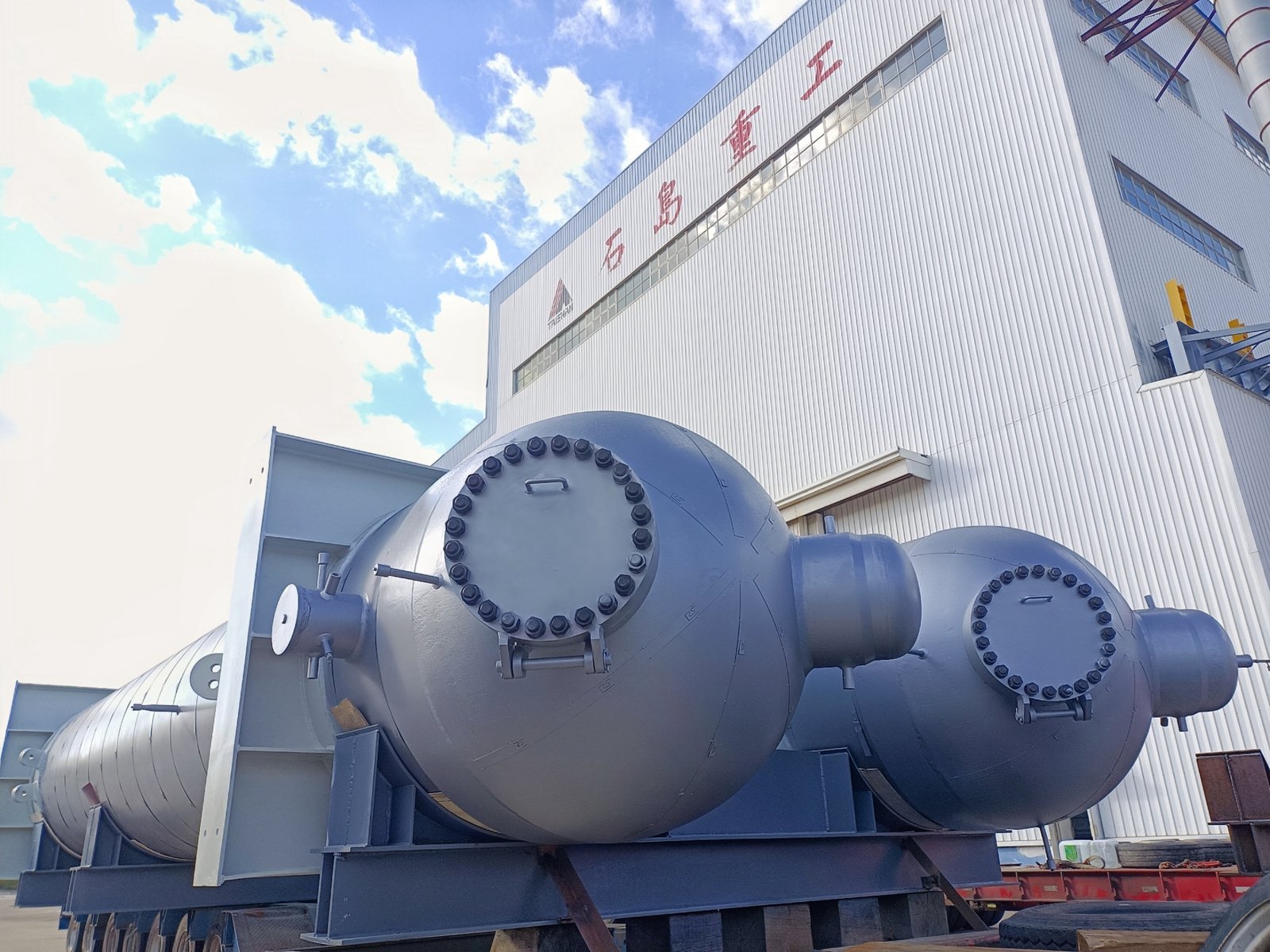
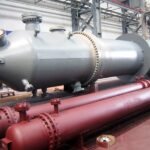
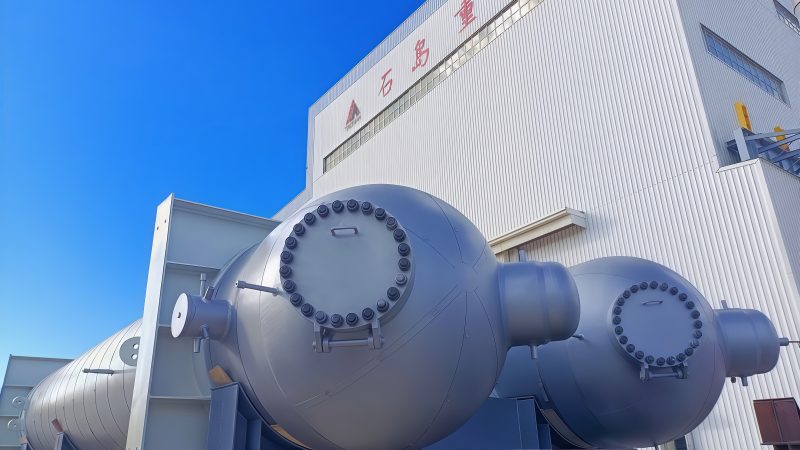
Representative heat exchanger. This image does not establish seawater-service suitability or a particular alloy specification.
Define Where Seawater Enters the Cooling System
Direct Seawater Cooling
In a direct arrangement, seawater passes through the exchanger that cools the process stream. The seawater-wetted surfaces must therefore be assessed for the actual exposure conditions, while the opposite side must meet its own process requirements.
Confirm the proposed stream allocation and its engineering basis. Access for cleaning, pressure differences, materials and the consequences of leakage should all be considered. The purchaser should not assume that one arrangement is universally correct for every duty.
An Intermediate Cooling Loop
An alternative arrangement uses seawater to cool an intermediate fluid, which then serves process equipment. This can limit the number of exchangers directly exposed to seawater, but it introduces additional equipment, pumping requirements and temperature differences.
The process designer should compare complete arrangements rather than assume the intermediate loop is always preferable. Buyers sourcing shell and tube heat exchangers should identify which duty is being quoted and where the supplier’s thermal responsibility begins and ends.
Provide a Representative Seawater Analysis
“Natural seawater” is not a complete fluid specification. Provide available information on salinity or chloride content, temperature range, pH, suspended solids and relevant contaminants. Identify the intake location and known variations associated with tides, rainfall, seasonal conditions or nearby discharges.
Also describe upstream treatment and any chemicals that may reach the exchanger. The materials assessment should reflect treated conditions as well as the raw-water analysis. A sample taken under favorable conditions may not represent the full exposure envelope.
Where information is incomplete, identify the sampling or specialist assessment required. Do not replace missing site data with an unsupported assumption that all seawater behaves alike.
Select Materials for the Actual Exposure
Avoid Generic “Marine-Grade” Specifications
A general stainless-steel description does not establish suitability for continuous seawater contact. The Nickel Institute’s guidance on stainless steels in naturally occurring waters addresses differences between freshwater, chloride-containing water and seawater service.
Potential material families may include suitable copper-nickel alloys, titanium or appropriately selected high-alloy stainless steels. These are candidates for engineering assessment, not interchangeable recommendations. Temperature, water quality, construction details and operating conditions influence the selection.
Ask the responsible materials engineer to approve the specification and its service limits. The fabricator should then confirm its ability to manufacture the complete exchanger using the required materials and procedures.
Review the Complete Wetted Arrangement
Selecting a resistant heat-transfer surface does not resolve every materials issue in the assembled exchanger. The assessment must cover the complete seawater-wetted construction and relevant combinations of materials.
Where coatings or other protective measures form part of the design, define their application, inspection and maintenance requirements. They should not be treated as an unspecified substitute for an appropriate construction basis.
The Copper Development Association’s seawater-system design guidance also illustrates why alloy selection, flow conditions and operating practices need coordinated review. Its recommendations are material-specific and should not be applied indiscriminately to other alloys.
Establish Seasonal Thermal and Hydraulic Conditions
The cooling duty should be checked against the seawater conditions available at the exchanger, not only the temperature measured at the intake. Provide the required design cases, including relevant seasonal supply temperatures and available flow.
Specify allowable pressure drop and the available pressure at the equipment boundary. The exchanger designer needs these limits to evaluate thermal performance and hydraulic behavior together. A proposal that achieves the heat duty using an unavailable seawater flow is not a viable match for the project.
Avoid a universal flow-velocity specification without considering the materials and service. The designer should assess deposit control, erosion-related concerns, pressure loss and heat transfer within the complete arrangement.
Address Fouling Without Assuming a Fixed Cleaning Interval
Suspended material, biological growth and other deposits can affect seawater-side performance. The likely mechanisms depend on the intake and operation. Procurement should identify the expected conditions and the assumptions used in the thermal rating.
A fouling allowance is not a guarantee that the exchanger will operate for a stated period without cleaning. If an operating interval is important to the project, agree on the evidence, conditions and responsibilities supporting that commitment.
Upstream screening or water treatment may be relevant, but those systems need their own design and supply boundaries. Do not assume that an exchanger quotation includes a complete seawater intake or treatment package.
Match the Configuration to Inspection and Cleaning
The proposed cleaning approach should be compatible with the materials and provide access to the relevant surfaces. Ask how inspection and cleaning will be performed, what dismantling is needed and which clearances the installed layout must preserve.
A compact arrangement can be difficult to maintain if nearby structures prevent the required access. Review these constraints before approving the equipment layout rather than discovering them during the first shutdown.
Cleaning chemistry, concentrations and procedures require project-specific approval. They should not be selected from a generic article or assumed acceptable merely because they are used on another exchanger.
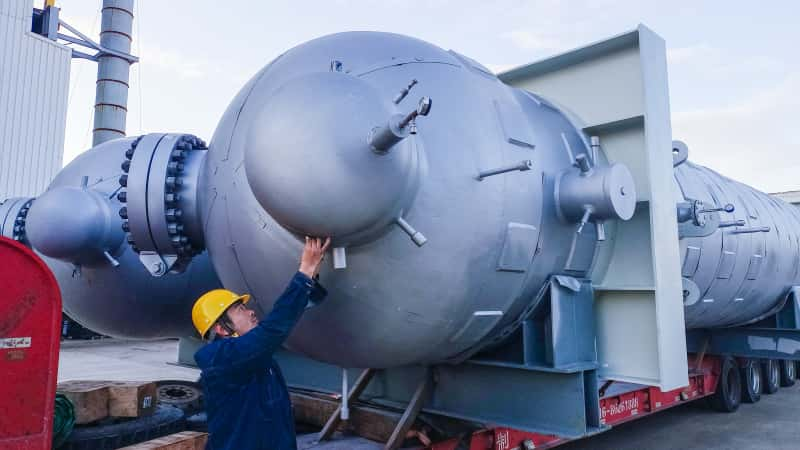
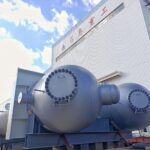
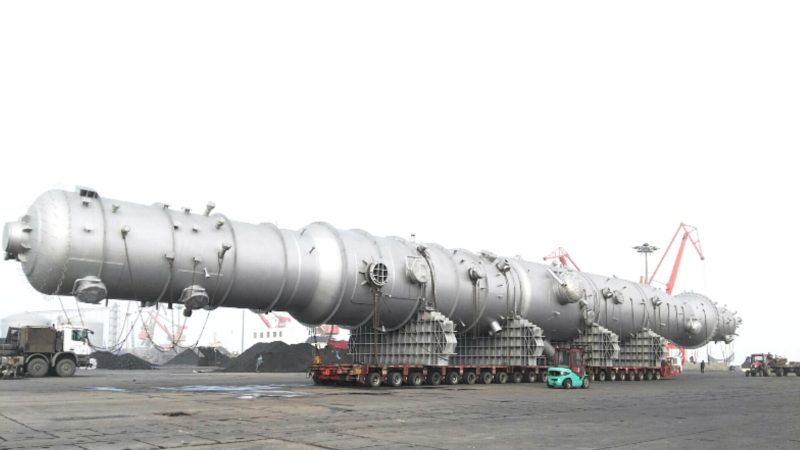
Representative exchanger configuration. Seawater duty and cleaning access must be evaluated for the actual proposed equipment.
Include Shutdown and Standby Conditions
An exchanger’s exposure does not necessarily end when production stops. Retained water, stagnant conditions and changes in the surrounding environment may affect preservation requirements. Describe expected shutdown duration and frequency in the enquiry.
The materials and operations teams should establish an appropriate shutdown and preservation basis. Do not prescribe the same method for every alloy or assume that leaving the equipment filled is always acceptable.
For projects with seasonal operation or standby equipment, clarify who maintains preservation and what checks are required before return to service. These responsibilities should be documented without turning the purchase specification into an improvised operating procedure.
Define Leakage Consequences and Acceptance Requirements
Both fluids need consideration when assessing a potential leak. The project team should evaluate the consequences of seawater entering the process and of process fluid entering the cooling system under relevant operating conditions.
The resulting design, monitoring and protection requirements belong in the approved engineering basis. A general statement that the fluids remain separated is not a substitute for reviewing credible failure consequences.
For thermal acceptance, state the guaranteed duty, reference conditions and allowable pressure drops. Mechanical testing and thermal performance verification serve different purposes. Agree on the required inspection records and any site performance-test responsibilities before award.
Confirm Manufacturing Capability and Delivery Scope
Specialized materials may require particular procurement, fabrication and inspection arrangements. Ask the manufacturer to confirm the actual material specifications, applicable procedures and required qualifications rather than relying on a broad corrosion-resistance claim.
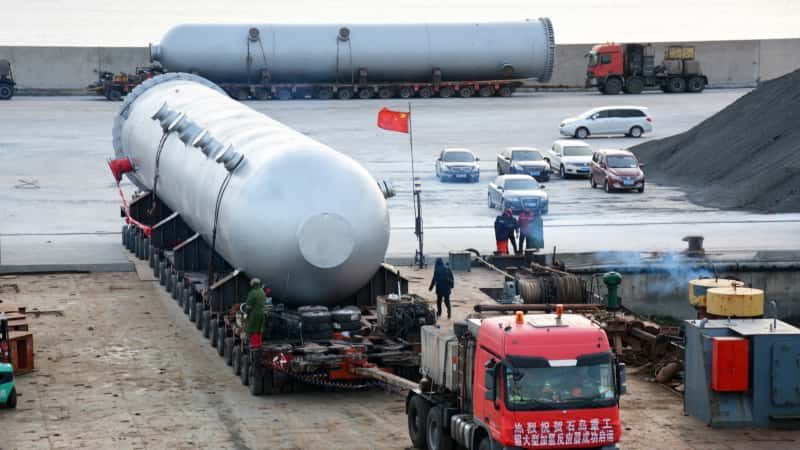
WSHI’s activities include engineering coordination, material procurement, welding fabrication, nondestructive examination, pressure testing where applicable, coating and heavy-equipment delivery. Buyers reviewing WSHI manufacturing capabilities should confirm project-specific suitability. This does not imply that every seawater-service alloy or construction method is automatically available.
For custom heat exchanger procurement, define preservation, transport, unloading and installation responsibilities. Engineering submissions needed for foundations and connected piping should be scheduled alongside fabrication milestones.
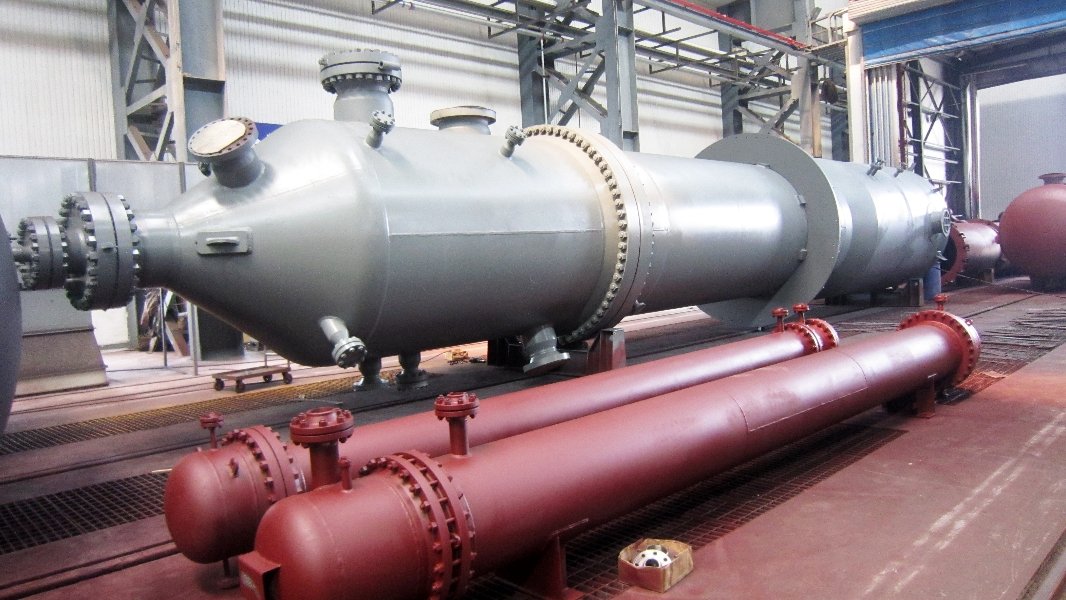
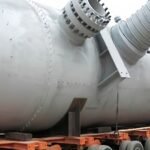
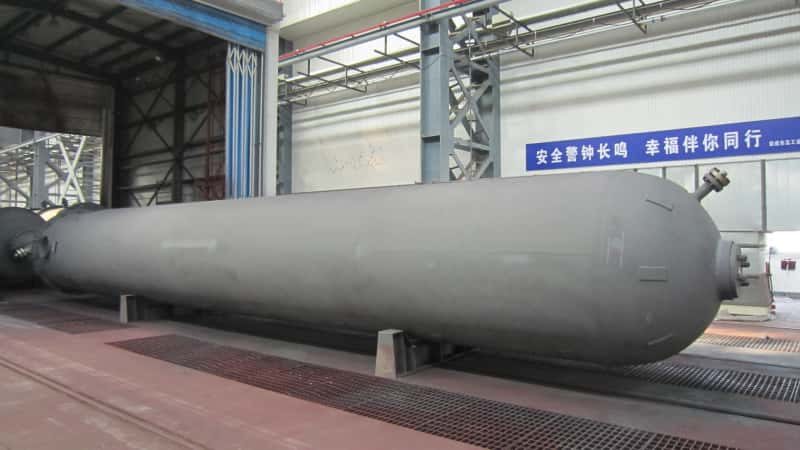
Representative fabrication workshop. Project-specific materials and manufacturing requirements must be verified before contract award.
FAQ
Is ordinary stainless steel automatically suitable for seawater?
No. Suitability depends on the specific grade, temperature, water chemistry, construction and operating conditions. A service-specific materials review is necessary.
Is titanium always the best choice?
No universal material choice fits every project. The complete service, construction requirements, economics and supplier capability must be assessed.
Can a larger fouling allowance eliminate cleaning requirements?
No. Additional thermal allowance does not prevent deposits or establish that flow passages will remain clear. Maintenance requirements need separate consideration.
What should buyers provide for an initial quotation?
Provide the seawater analysis, seasonal conditions, process-stream data, utility limits, proposed materials basis, cleaning requirements and required delivery scope.
Discuss Your Seawater Cooling Duty
A seawater-cooled shell-and-tube heat exchanger should be specified around the actual water conditions and complete process duty. If your project requires a custom exchanger, contact our engineering team with the process datasheets, seawater analysis and preliminary materials requirements. These inputs support a focused review of manufacturing feasibility, inspection, maintenance access and project delivery.