
A shell-and-tube heat exchanger replacement must satisfy two requirements: perform the required thermal duty and fit the existing installation. Matching the old equipment’s dimensions does not automatically establish thermal suitability, while a redesigned exchanger may introduce piping, foundation or maintenance conflicts. Before requesting quotations, procurement teams should bring together the original equipment records, current operating data and verified site measurements.
This article focuses on purchasing a complete replacement exchanger for an industrial plant, rather than individual replacement components.
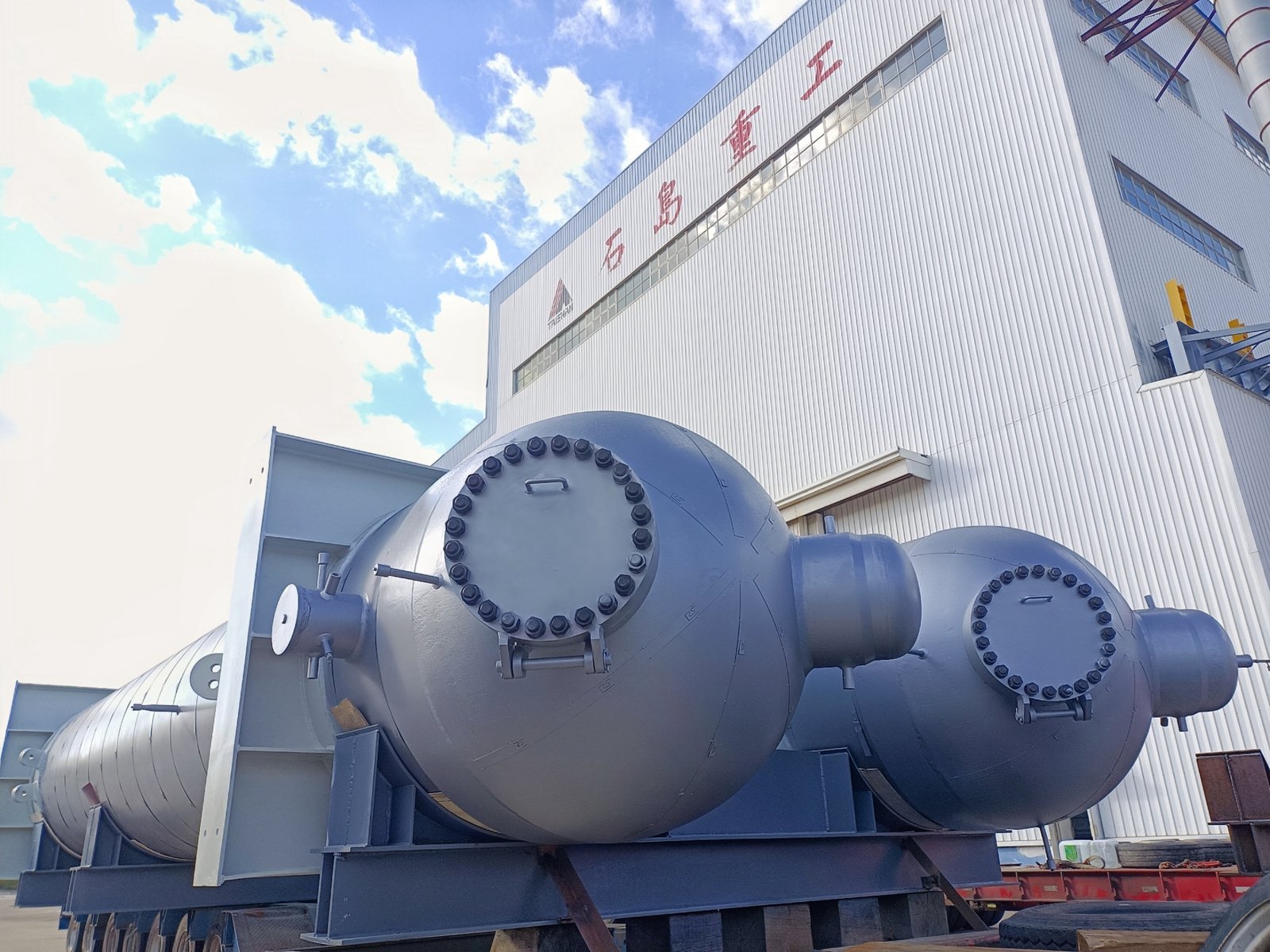
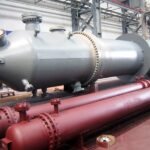
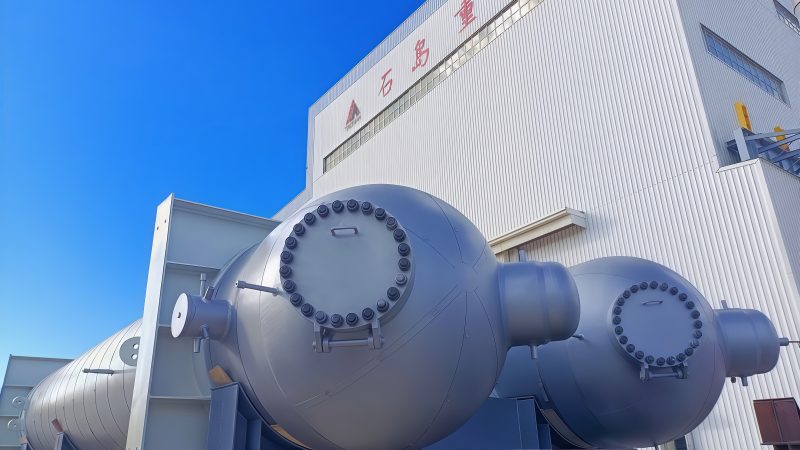
Representative equipment image. The configuration of a replacement exchanger must follow approved process and installation requirements.
Start by Defining Why the Exchanger Is Being Replaced
Replacement projects commonly follow deterioration, recurring maintenance problems, insufficient capacity or changes in plant operation. The reason matters because it determines whether reproducing the original design is appropriate.
If the existing exchanger performs satisfactorily but has reached the end of its assessed service life, preserving its operating characteristics and installation interfaces may be the main objective. If it repeatedly misses outlet-temperature targets or develops recurring damage, copying its original specification could carry the same unresolved problem into the new equipment.
For a custom shell-and-tube heat exchanger, the inquiry should state whether the project requires an equivalent replacement, a capacity upgrade or a redesigned unit within an existing installation envelope. These are different quotation bases.
Reconcile Original Records with the Installed Equipment
Start with the available datasheets, general arrangement drawings, fabrication records, nameplate information and previous modification records. Identify which documents describe the equipment as originally ordered and which represent its final installed condition.
An old drawing should be treated as an input to verification, not automatic proof of the current installation. Field modifications, undocumented piping changes or altered insulation arrangements can affect replacement requirements.
Confirm Critical Dimensions on Site
Assign responsibility for checking nozzle locations and orientations, connection specifications, support spacing, equipment elevation and overall installation clearances. Record the measurement reference points so the supplier and site team use the same coordinate system.
The survey should also consider removal and installation access. An exchanger may fit its operating position but be difficult to move through the available route. Maintenance access, including the clearance required by the selected exchanger configuration, should be reviewed separately from the space needed for initial installation.
Verify Current Process Conditions Before Ordering
The original design case may no longer represent actual plant operation. Feed composition, production rate, cooling-water temperature, available steam conditions and operating practices may have changed since commissioning.
Provide information for both sides of the exchanger: stream composition, flow range, inlet conditions, required outlet conditions, operating pressures and allowable pressure drops. Include relevant physical properties and identify whether heating, cooling, condensation or vaporization is involved.
Separate Operating Requirements from Mechanical Design Conditions
Normal operating pressure and temperature are not substitutes for approved mechanical design conditions. The responsible engineer should establish the applicable design envelope, including relevant startup, shutdown, cleaning and upset conditions.
Where differential pressure or vacuum can occur, those conditions should be identified for engineering assessment. Buyers should not assume that an existing equipment rating covers a changed service simply because the new exchanger has a similar size.
Define How Performance Will Be Evaluated
Specify the required duty at agreed process and utility conditions. Where several operating cases matter, identify which must be guaranteed and which require evaluation only.
Historical operating data can help establish realistic requirements, but performance recorded during fouled operation should not be treated as a clean-equipment design point without review. Agree who performs thermal sizing and how any performance commitment will be verified.
Check Materials Against Service History
Existing material specifications are useful, but they should be reviewed alongside inspection findings and operating experience. Repeated corrosion, erosion or leakage deserves investigation before the same construction is ordered again.
Provide relevant inspection reports, cleaning history and information about changes in fluid chemistry. Ask the responsible materials engineer to evaluate proposed changes rather than selecting an alloy solely because it is described as more corrosion resistant.
Material changes can also affect thermal behavior, fabrication requirements, cost and delivery. The complete proposal should therefore be reviewed as an integrated exchanger design. For broader industrial heat exchanger manufacturing inquiries, the actual service conditions should remain the starting point.
Confirm Compatibility with Foundations and Connected Piping
A replacement exchanger with matching connection sizes can still differ in nozzle position, support arrangement, weight or thermal movement. These differences need to be identified before fabrication release.
The site engineering team should review relevant equipment weights and support reactions, including operating and testing conditions where applicable. Existing foundations should not be assumed adequate simply because the replacement occupies a similar footprint.
Connected piping also requires review when interface positions, allowable loads or movement assumptions change. If a proposed improvement creates additional site work, show that work explicitly in the technical comparison. A lower equipment price may not produce a lower installed project cost.
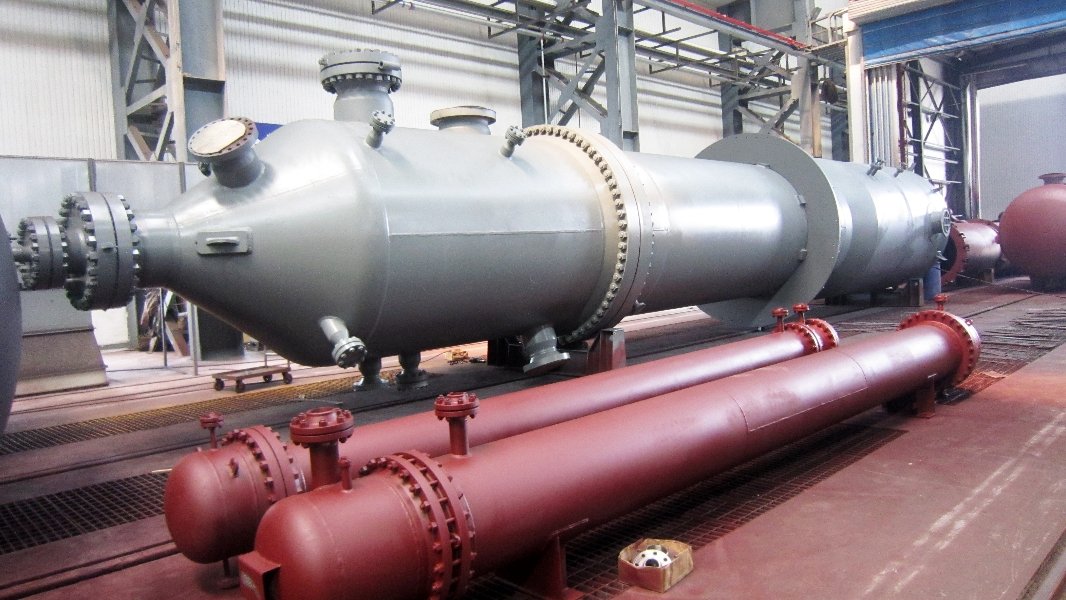
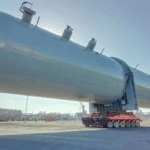
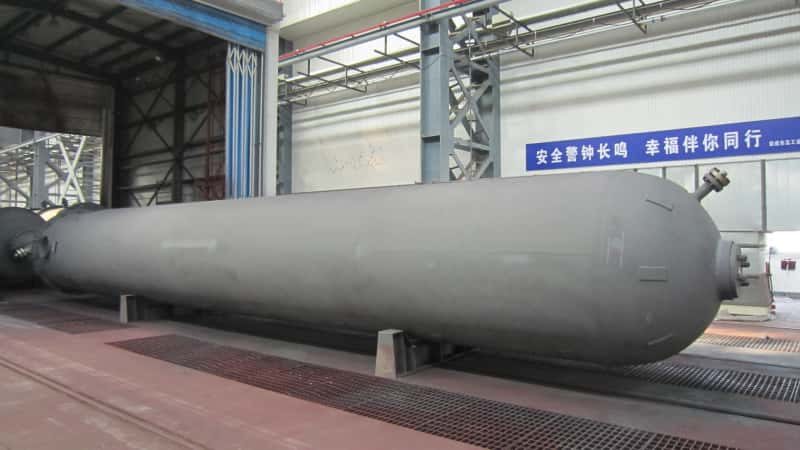
Representative workshop image. Replacement projects require dimensional control against approved drawings and installation interfaces.
Agree Manufacturing and Inspection Requirements
The purchase specification should identify applicable construction rules, editions, purchaser requirements and destination obligations. The ASME Boiler and Pressure Vessel Code provides a pressure-equipment construction framework where specified. The TEMA Standards provide exchanger-specific requirements where adopted by the project. Neither reference alone establishes that a particular supplier holds the required certification.
Agree the inspection and test plan before production. It should address material traceability, welding documentation, required examinations, dimensional verification and applicable pressure or leakage testing. Acceptance criteria and witness points should be clearly assigned.
For replacement work, dimensional inspection deserves particular attention. The purchaser should identify which interfaces require documented verification before shipment. This is more useful than relying on a general statement that the equipment will match the old unit.
Compare Complete Supply and Delivery Boundaries
Supplier proposals should state whether they cover thermal design, mechanical design, fabrication, surface protection, inspection, documentation, export packing and transport. Exclusions should be visible in the quotation comparison.
Site surveys, foundation changes, removal of existing equipment, installation and commissioning may belong to other contractors. They should not be assumed included in a complete-equipment order. Reviewing WSHI’s manufacturing capability can support supplier discussions, while project-specific responsibilities still need written agreement.
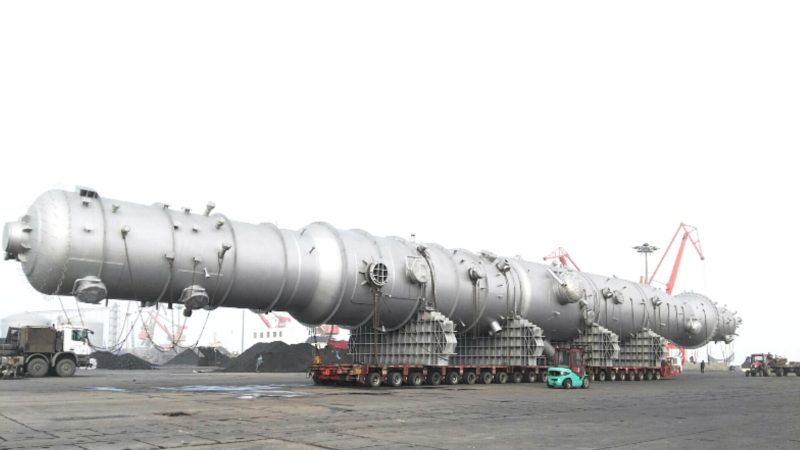
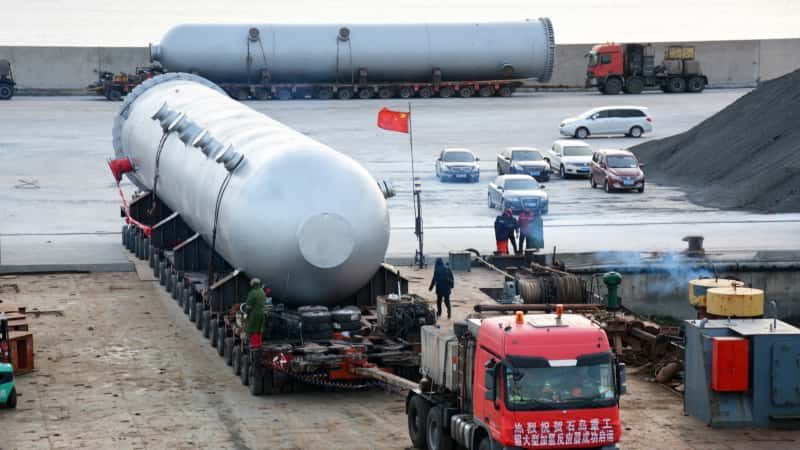
For overseas delivery, confirm the handover point, shipping dimensions, lifting information and preservation requirements. Where insulation or other site work affects the shipping configuration, resolve that interface early.
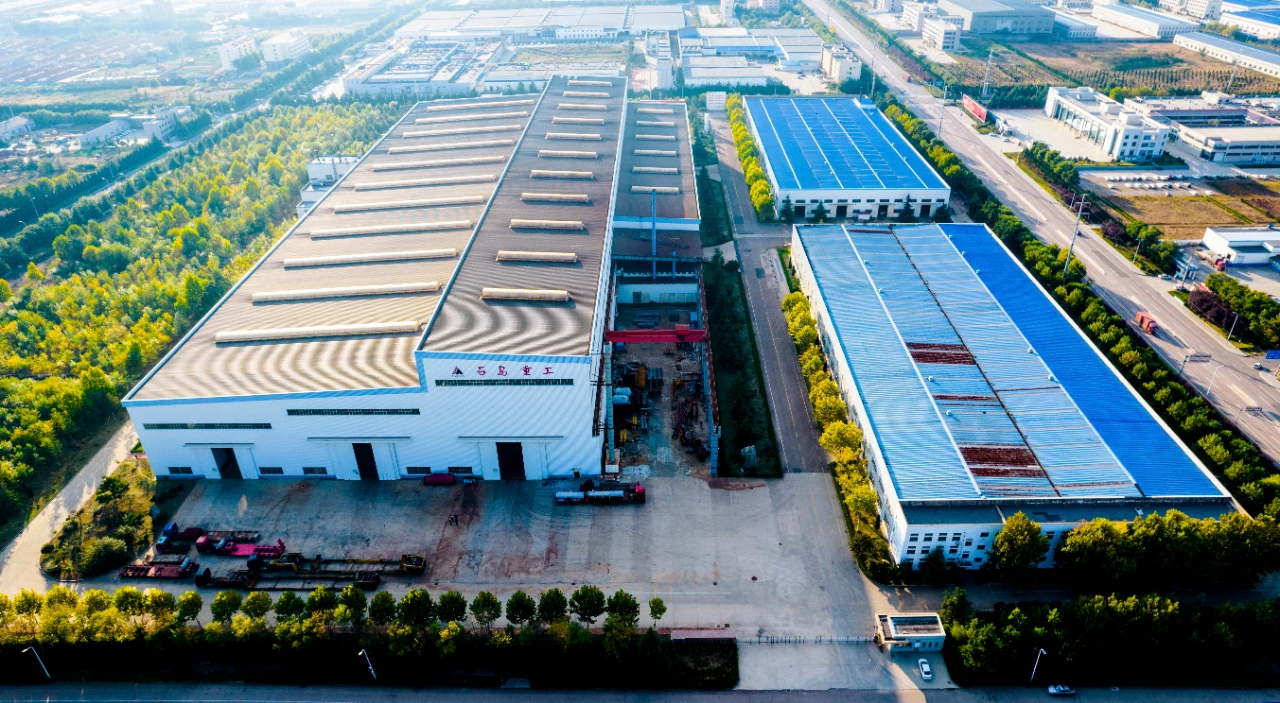
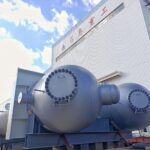
Representative manufacturing image. Fabrication completion, document release and shipment readiness should be coordinated with the project schedule.
Plan Backward from the Shutdown Window
The required date is usually when the equipment must be available for installation, not when it leaves the factory. Work backward through transport, customs clearance where applicable, receiving inspection and site preparation.
The manufacturing schedule should identify drawing approval, material procurement, fabrication, inspection and final release milestones. A short quoted lead time is meaningful only when its assumptions are clear.
If the exchanger will arrive before the shutdown, establish storage and preservation responsibilities. If it will arrive close to installation, agree how shipping delays or outstanding documentation will be handled. Do not remove approval or inspection steps simply to make an unrealistic schedule appear achievable.
FAQ
Can a manufacturer produce a replacement from the old drawing alone?
The drawing can support an initial review, but its revision status, completeness and agreement with the installed equipment should be checked. Current process requirements and applicable project requirements also need confirmation before fabrication.
Does “like-for-like” mean no engineering review is needed?
No. The term should be defined in the purchase specification. Identical external dimensions do not prove equivalent materials, mechanical suitability or thermal performance.
Can capacity be increased without changing the installation footprint?
Possibly, but this requires thermal and mechanical assessment. Available pressure drop, utility conditions, maintenance access and installation constraints may limit what can be achieved. Capacity increases should not be promised from dimensions alone.
What should buyers submit with a replacement inquiry?
Provide available drawings and datasheets, current operating requirements, the reason for replacement, relevant inspection history, verified interface dimensions, delivery location and shutdown schedule. Clearly mark missing or preliminary information.
Prepare a Replacement Inquiry Around the Actual Plant
Successful shell-and-tube heat exchanger replacement depends on aligning process requirements, verified site interfaces and manufacturing responsibilities before production begins.
For a complete custom replacement exchanger, contact our engineering team with the existing drawings, current operating conditions and required delivery window. These inputs support a focused review of fabrication requirements, installation interfaces, documentation and project delivery scope.