
A solvent recovery column designed around one average feed composition may not meet the same production targets when water content changes. For chemical manufacturers and EPC buyers, the purchasing question is not simply how much liquid the column can process. It is whether the complete recovery arrangement can deliver the required solvent quality across an agreed range of feed conditions.
Before requesting quotations, define the water-content range, solvent composition, product specification and available utilities. These inputs help the process designer establish a feasible separation route and give equipment manufacturers a clear basis for fabrication.
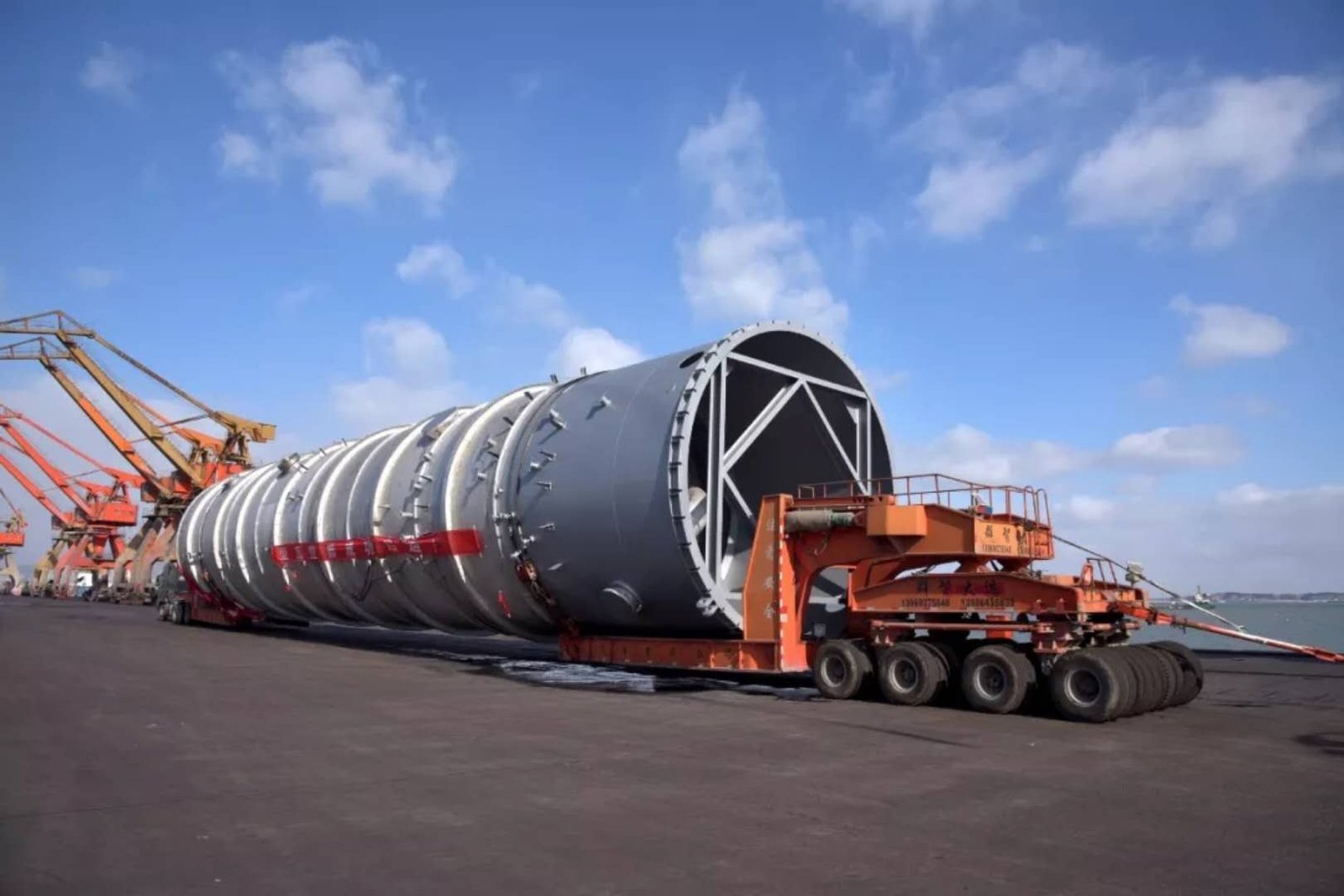
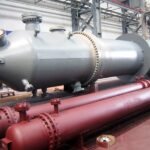
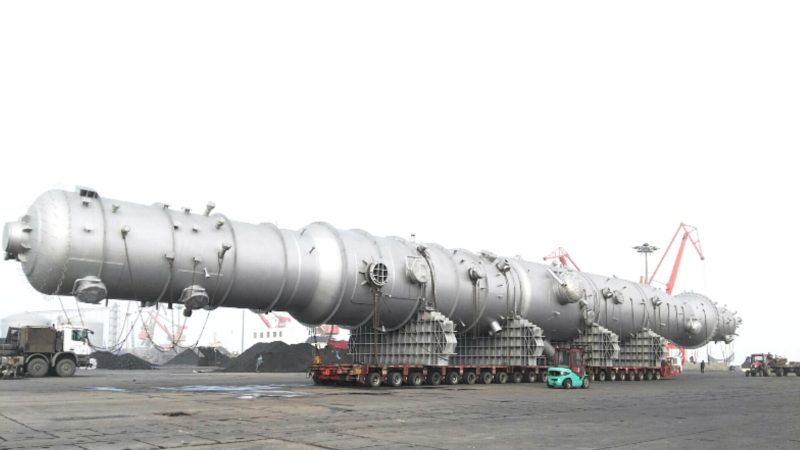
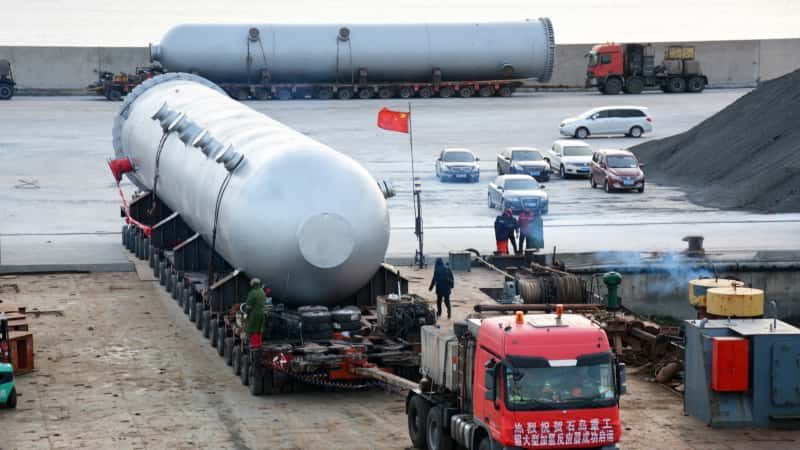
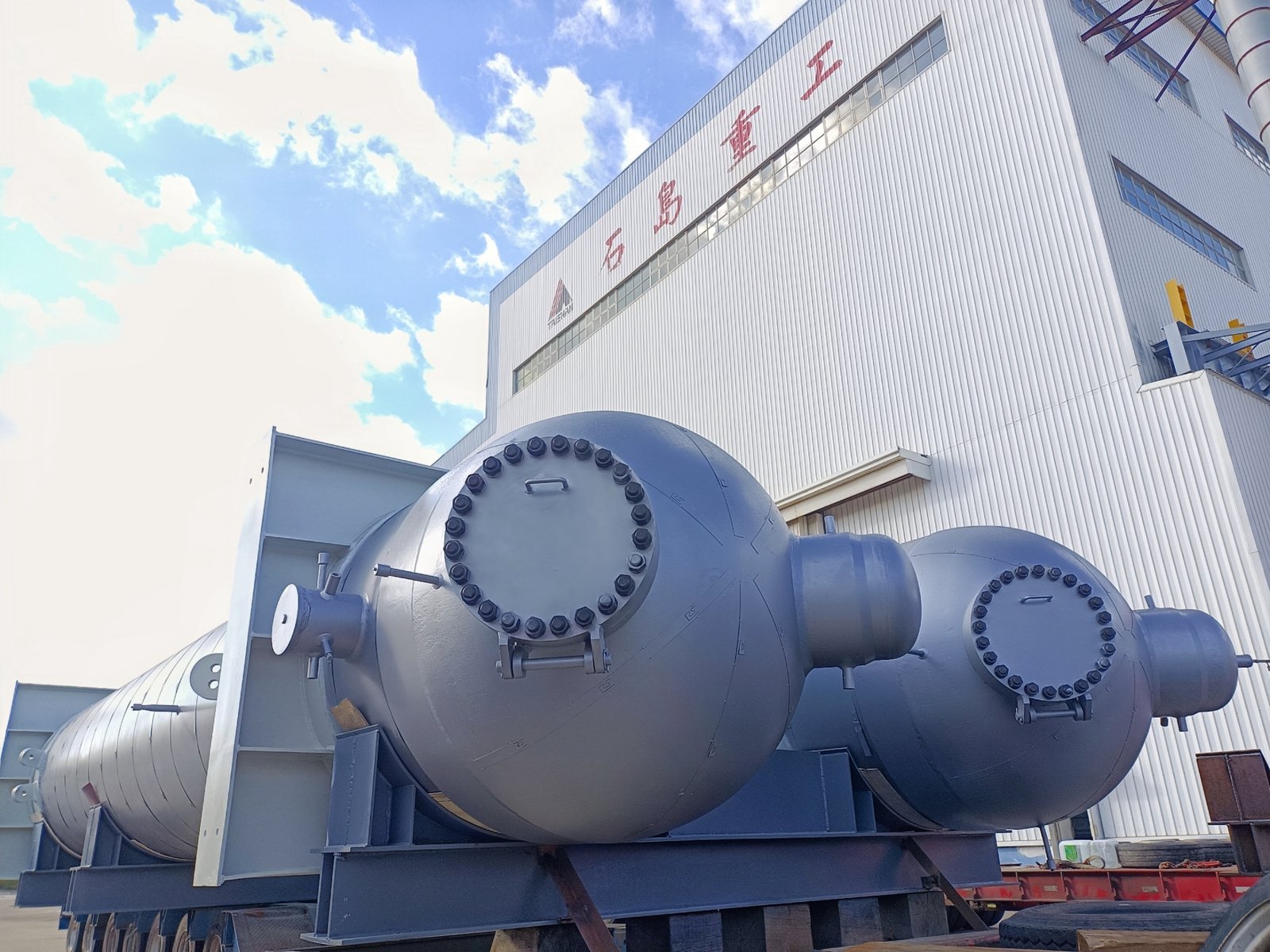
Representative process-column equipment. This image does not document a specific solvent recovery installation or demonstrate a guaranteed separation duty.
Define the Recovery Objective Before Selecting a Column
Solvent recovery columns separate mixtures according to their vapor-liquid behavior under specified conditions. They may form part of systems that also include heating equipment, condensers, receivers and additional treatment stages.
The required product should be defined before the equipment arrangement. Recovering a solvent-rich stream for further processing is different from producing solvent suitable for immediate reuse in a moisture-sensitive process.
The EPA’s overview of waste solvent reclamation describes distillation among the methods used to separate contaminated solvent streams. It provides general process background, not proof that a particular column can achieve a proposed purity or recovery target.
For buyers evaluating process towers and columns, the equipment inquiry should connect the separation objective to an approved process basis rather than begin with a preferred tower diameter or height.
Provide a Feed Range, Not One Average Analysis
List the solvents, water and relevant impurities in the incoming stream. Identify the composition basis, analytical method and whether the sample represents one batch, a blended inventory or a sustained operating period.
Provide the expected minimum, normal and maximum water content together with corresponding flow rates. These values should describe realistic operating combinations. Combining unrelated maximum values can create an artificial design case, while relying on averages can overlook an important operating requirement.
Explain Why Water Content Changes
Variability may result from production recipes, equipment cleaning, upstream separation or the blending of recovered streams. Describe the source and frequency of these changes.
A system receiving gradual composition changes may need a different operating assessment from one receiving sharply different batches. Identify whether feed can be held, tested or segregated before processing, and assign responsibility for any proposed feed-conditioning strategy.
Include relevant impurities even when their concentrations are low. Their effect on product quality, material compatibility or residue behavior may be more important than their contribution to total flow.
Separate Solvent Purity from Solvent Recovery
Purity and recovery are different purchasing requirements. A high-purity product does not establish that most of the incoming solvent has been recovered, and a high recovery percentage does not establish that the product meets its reuse specification.
Specify the permitted water content and other relevant product limits. State whether solvent purity is measured on a wet or dry basis so that quotations use the same definition.
Define recovery against an agreed component balance. For batch operation, identify whether startup material, off-specification fractions and retained inventory are included in the assessment. For continuous operation, state the conditions and period over which performance will be evaluated.
If the project requires several product grades, provide a specification for each. Do not assume that one guaranteed operating case covers every proposed use.
Confirm Whether Ordinary Distillation Is Sufficient
Water and solvent do not always separate to the required purity through a conventional distillation step. Some mixtures exhibit azeotropic behavior, and multicomponent feeds may introduce additional separation constraints.
NPTEL’s explanation of azeotropic behavior describes how vapor and liquid compositions become equal at an azeotropic condition. This is one reason why adding column height or increasing heat input cannot be assumed to achieve any desired solvent dryness.
The process designer should establish suitable phase-equilibrium data and assess the proposed separation route. Additional dehydration or another process step may be required, but its selection must follow the actual mixture and product objective.
Do Not Treat Vacuum as a Universal Solution
Operating pressure can affect the separation and temperature conditions, but vacuum operation does not automatically resolve every azeotrope or purity limitation. Any proposed pressure change requires evaluation of the complete process and mechanical design.
Buyers should request the basis for the selected operating pressure, including its implications for utilities, equipment sizing and downstream systems.
Evaluate the Full Operating Envelope
Ask the process designer to identify which feed cases determine the column duty and which constrain operation. Changes in water content can alter the required separation effort and the associated vapor and liquid traffic, but the direction and magnitude depend on the mixture and operating objective.
A supplier should not promise identical throughput, purity and recovery for an undefined feed range. Where performance varies across the approved envelope, the proposal should state the relationship clearly.
If flexibility requires changes in operating conditions, describe those requirements and identify who develops the operating strategy. Mechanical manufacture of the column should remain distinct from process simulation, control-system design and overall recovery guarantees.
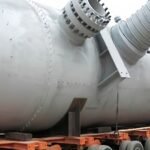
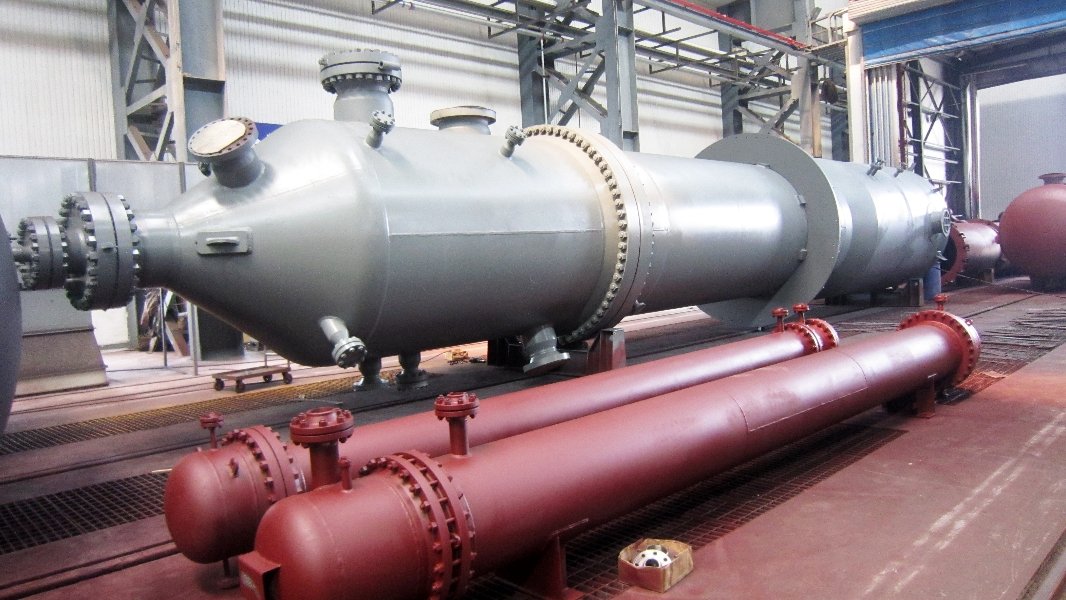
Representative heat-transfer equipment. Reboiler and condenser requirements should be evaluated against the same feed cases as the recovery column.
Match Reboiler and Condenser Duties to the Feed Cases
Provide available heating-medium conditions, cooling supply temperatures, utility limitations and allowable pressure losses. Evaluate reboiler and condenser requirements for the approved operating cases rather than applying one average duty to the entire feed range.
For associated industrial heat exchangers, identify potential fouling, residue concentration and cleaning requirements. The thermal design should account for the actual streams and intended operating conditions.
The receiving and separation arrangements also require review. If condensed liquid may form more than one phase, the process designer must establish how it will be handled. A generic receiver should not be assumed to perform a specified liquid-liquid separation without an appropriate design basis.
Specify Materials and Residue Handling
Material selection should consider the feed, recovered solvent, aqueous streams, concentrated residues and cleaning exposure. A material suitable for the principal solvent may not be suitable for every impurity or concentrated bottom stream.
Identify known concerns such as solids, deposits, thermally unstable substances or polymerization tendencies for specialist evaluation. The purchasing specification should not prescribe operating solutions without an approved process and safety basis.
Define where each outlet stream goes. Water-rich streams and residues should not be described as suitable for discharge or disposal without the relevant assessment. Recovery equipment reduces or separates waste streams; it does not automatically establish their regulatory status.
Define the Complete Equipment Supply Boundary
The approved flowsheet should determine whether the order includes the column, reboiler, condenser, receivers, separation vessels and storage equipment. List complete equipment items and allocate responsibility for their design and integration.
Associated custom pressure vessels need approved service conditions and inspection requirements. Where storage is included, this project scope concerns complete industrial tanks above 1,000 liters.
Clarify whether vacuum equipment, additional dehydration, controls, field piping and commissioning are included or supplied by others. A quotation for a fabricated recovery column is not equivalent to a quotation for a complete solvent recovery plant.
Agree Manufacturing, Testing and Delivery Requirements
Before fabrication, confirm the construction requirements, materials, welding documentation, examinations and applicable testing. Establish drawing approval responsibilities and inspection hold points.
Mechanical acceptance and process-performance acceptance should be defined separately. A pressure test does not demonstrate solvent purity, water removal or recovery efficiency.
Performance testing should specify feed conditions, utility availability, sampling methods and acceptance criteria. For batch systems, agree which parts of the operating cycle are included. For continuous systems, define the conditions required before collecting acceptance data.
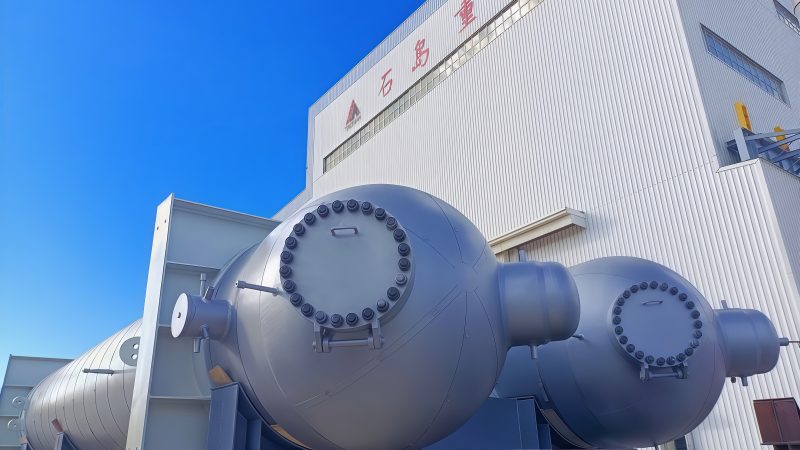
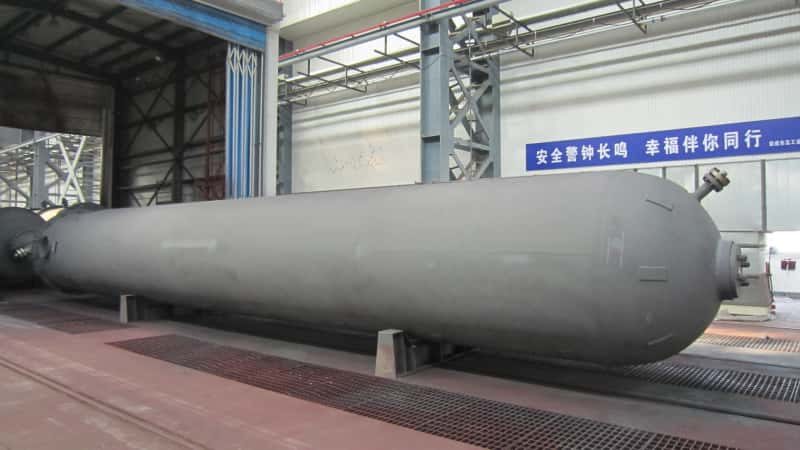
Representative manufacturing workshop. Approved drawings, inspection records and equipment interfaces should remain coordinated throughout fabrication.
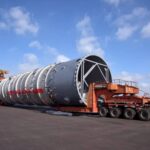
Delivery planning should include shipment dimensions, preservation, site access and installation sequence. Confirm whether equipment arrives separately or in an agreed assembly, and identify the work remaining after delivery.
FAQ
Can one recovery column handle different water contents?
Potentially, if the process design supports the specified feed range. Throughput, product quality and utility requirements must be evaluated together. Suitability should not be assumed from nominal column capacity.
Will a taller column always produce drier solvent?
No. Separation depends on the mixture’s equilibrium behavior, operating conditions and process arrangement. Some purity targets require a different or additional separation step.
Is a decanter sufficient to remove water?
Only where the liquid-phase behavior and required product specification support that approach. Phase separation does not automatically remove dissolved water to the required level.
What should buyers submit with an initial inquiry?
Provide representative feed analyses, water-content variability, required purity and recovery, flow cases, utility conditions, residue information and the proposed supply boundary. Clearly identify preliminary data and unresolved process decisions.
Build the Inquiry Around the Required Product
Solvent recovery columns should be purchased against defined feed cases and measurable product requirements. Clear responsibilities for process design, equipment manufacture and performance verification help buyers compare proposals on a consistent basis.
For complete recovery columns, heat exchangers and associated process vessels, discuss your project requirements with our engineering team. Share the feed composition range, target solvent specification and available process documents so the team can review manufacturing requirements, documentation and delivery scope.