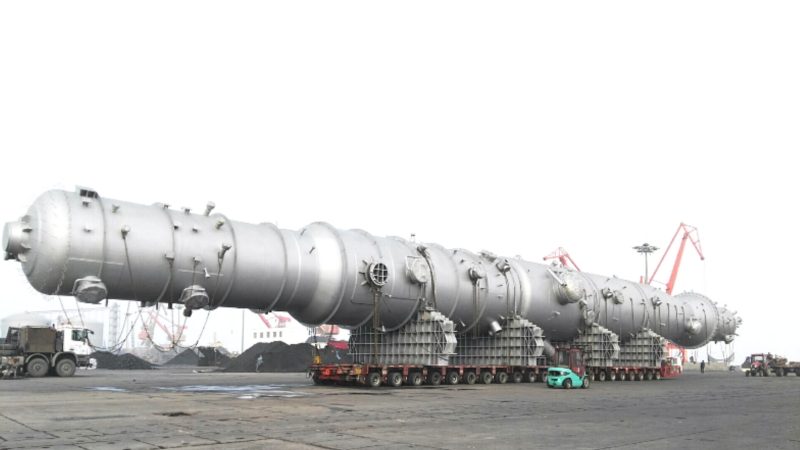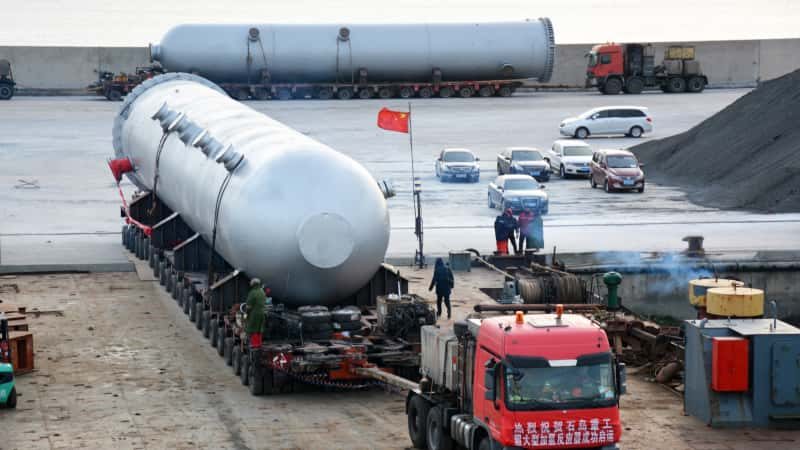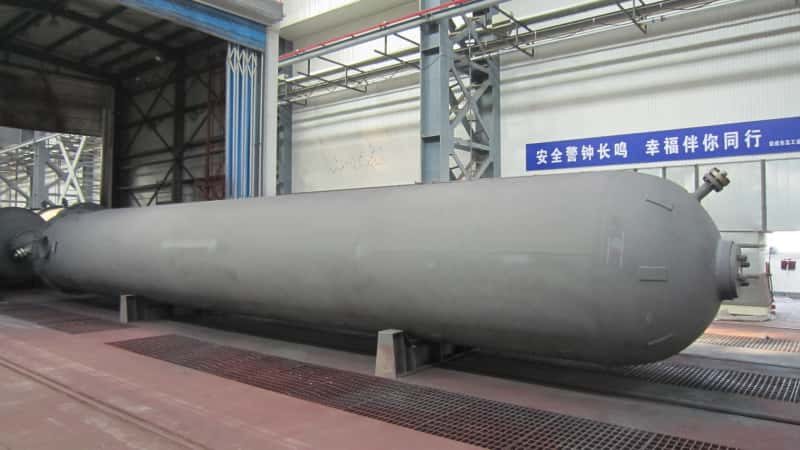

Solvent recovery equipment is becoming increasingly relevant in EV battery recycling process lines, especially where solvent-based separation, washing, delamination, electrolyte handling, wastewater treatment, or emissions control is involved. For EPC buyers and recycling project managers, the procurement challenge is not only choosing a solvent recovery method. It is defining a complete equipment package that may include reaction vessels, evaporators, condensers, heat exchangers, separation vessels, large storage tanks, and off-gas treatment equipment.
A University of Waterloo 2026 chemical engineering project abstract discussed a safer solvent-based delamination system for EV battery electrode recycling, replacing NMP with propylene carbonate in a pilot design concept. EPA also notes that lithium-ion battery recycling is important for recovering critical minerals, while warning that discarded lithium-ion batteries may present ignitability and reactivity hazards. These signals show why battery recycling equipment must be planned with careful attention to process safety, solvent compatibility, materials, and compliance.
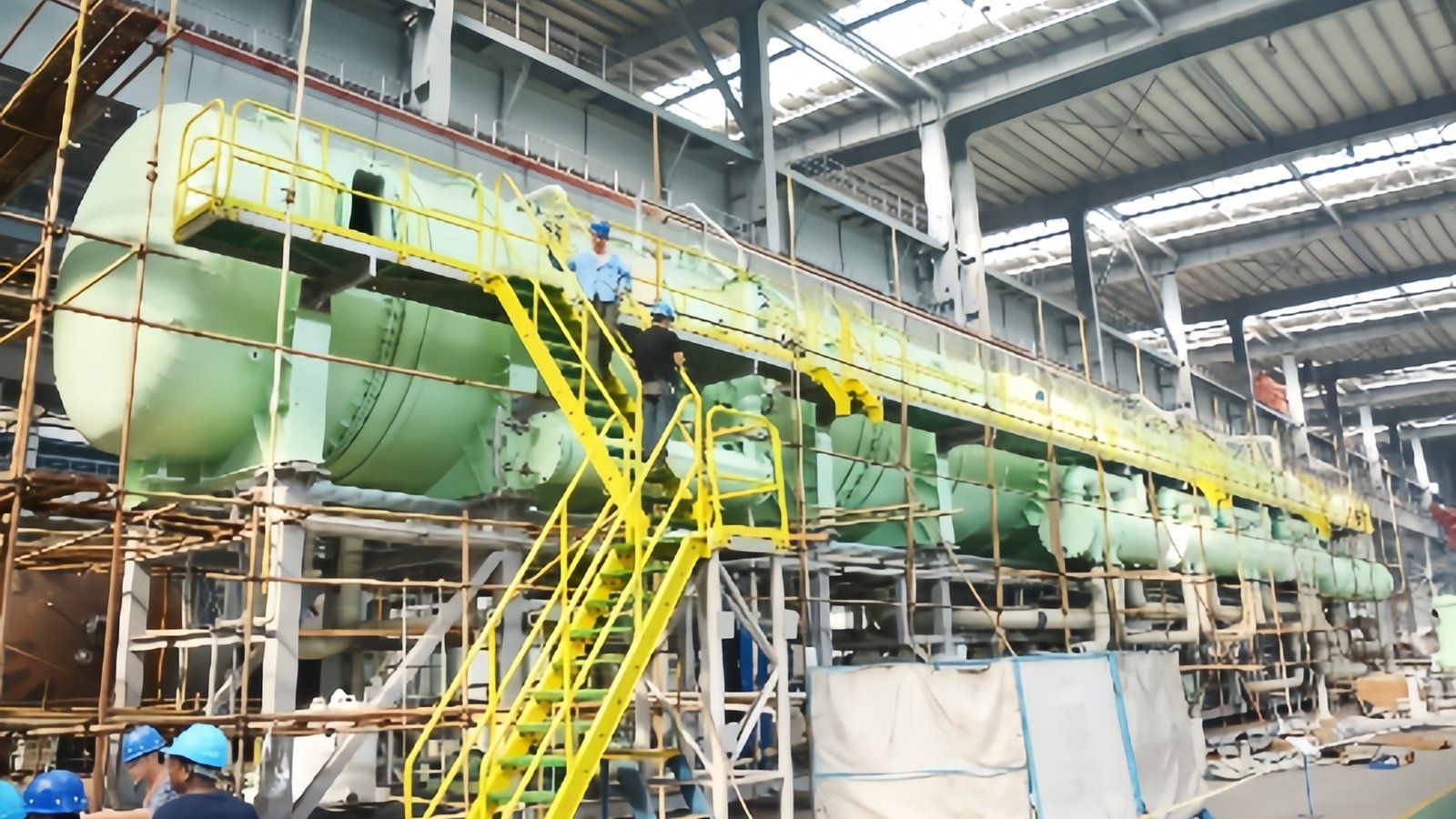
Solvent recovery equipment for EV battery recycling should be planned as a complete process package, not as an isolated utility item.True
Solvent chemistry, evaporation, condensation, storage, off-gas treatment, materials, inspection, and delivery interfaces all affect equipment selection.
A solvent recovery quotation can be accurate without solvent composition or wastewater data.False
Solvent type, water content, salts, solids, flash point, pH, boiling range, and residue behavior directly affect material selection, thermal design, safety review, and maintenance planning.
What Is Solvent Recovery Equipment in Battery Recycling?
Solvent recovery equipment is used to separate, recover, condense, reuse, or treat solvents and solvent-containing streams generated in battery recycling processes. Depending on the process route, solvents may be used for electrode delamination, binder removal, washing, electrolyte extraction, black mass processing support, or downstream treatment.
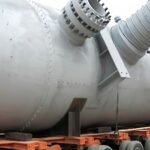
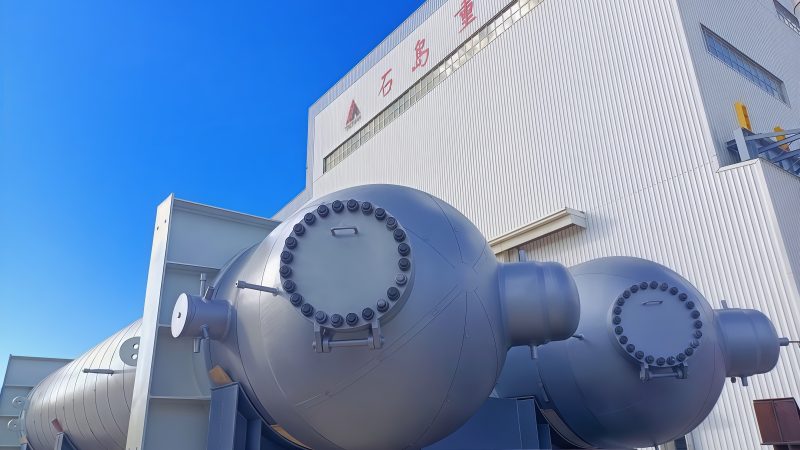
The equipment scope may include custom pressure vessels, stirred process vessels, evaporators, condensers, industrial heat exchangers, separators, scrubber towers, condensate vessels, and industrial storage tanks above 1,000L.
The solvent chemistry, recovery target, and separation performance should be defined by the technology provider or EPC designer. The manufacturer’s role is to fabricate approved equipment according to drawings, datasheets, material specifications, inspection requirements, and delivery boundaries.
Where Solvent Recovery Is Used in EV Battery Recycling
Electrode Delamination and Binder Removal
Some recycling routes use solvents to separate active electrode material from current collectors or to weaken binder systems. The University of Waterloo project abstract describes a solvent-based electrode delamination concept using propylene carbonate as a lower-toxicity alternative to NMP, together with ultrasonication.
For industrial procurement, this kind of process may require vessels for solvent contact, washing, slurry handling, liquid-solid separation support, solvent recovery, and safe storage. Equipment specifications should be based on actual process data rather than laboratory assumptions.
Electrolyte and Wash Stream Handling
Battery recycling may generate solvent-containing wash streams, electrolyte residues, contaminated liquids, or mixed organic-inorganic wastewater. These streams may require evaporation, condensation, neutralization, temporary holding, or off-site treatment depending on project design and regulation.
Pilot and Commercial Recycling Lines
Pilot lines may require flexible vessels and smaller process packages, while commercial lines require more robust equipment planning around throughput, cleaning, maintenance, solvent inventory, emissions control, wastewater management, and documentation. WSHI’s content should remain focused on industrial and project-based equipment, not small containers or lab-scale accessories.
Key Equipment in a Complete Solvent Recovery Package
Process and Reaction Vessels
Solvent recovery lines may require vessels for mixing, washing, extraction, delamination, slurry conditioning, or intermediate holding. These vessels should be specified as complete fabricated equipment with defined volume, pressure condition, temperature range, material, corrosion allowance, support arrangement, nozzles, coating or lining, and inspection requirements.
For battery recycling projects, buyers can review pressure vessels for new energy when process vessels must meet project-specific pressure, material, and documentation requirements.
Evaporators and Concentration Equipment
Evaporators may be used to concentrate solvent-containing streams, reduce wastewater volume, recover reusable solvent, or separate volatile components from heavier residues. The correct evaporator configuration depends on boiling point, solvent-water ratio, solids content, viscosity, heat sensitivity, fouling tendency, and residue handling.
If the stream contains salts, binder residues, fine solids, or unstable mixtures, buyers should clearly state scaling, foaming, or cleaning concerns before quotation.
Condensers and Heat Exchangers
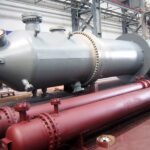
Condensers and heat exchangers are central to solvent recovery because vapor streams must be cooled and condensed safely. A shell and tube heat exchanger may be considered for many industrial duties depending on pressure, temperature, vapor composition, fouling risk, corrosion, and maintenance access.
EPC buyers should provide heat duty, inlet and outlet temperatures, solvent composition, cooling medium, allowable pressure drop, material requirements, and cleaning expectations.
Separation and Condensate Vessels
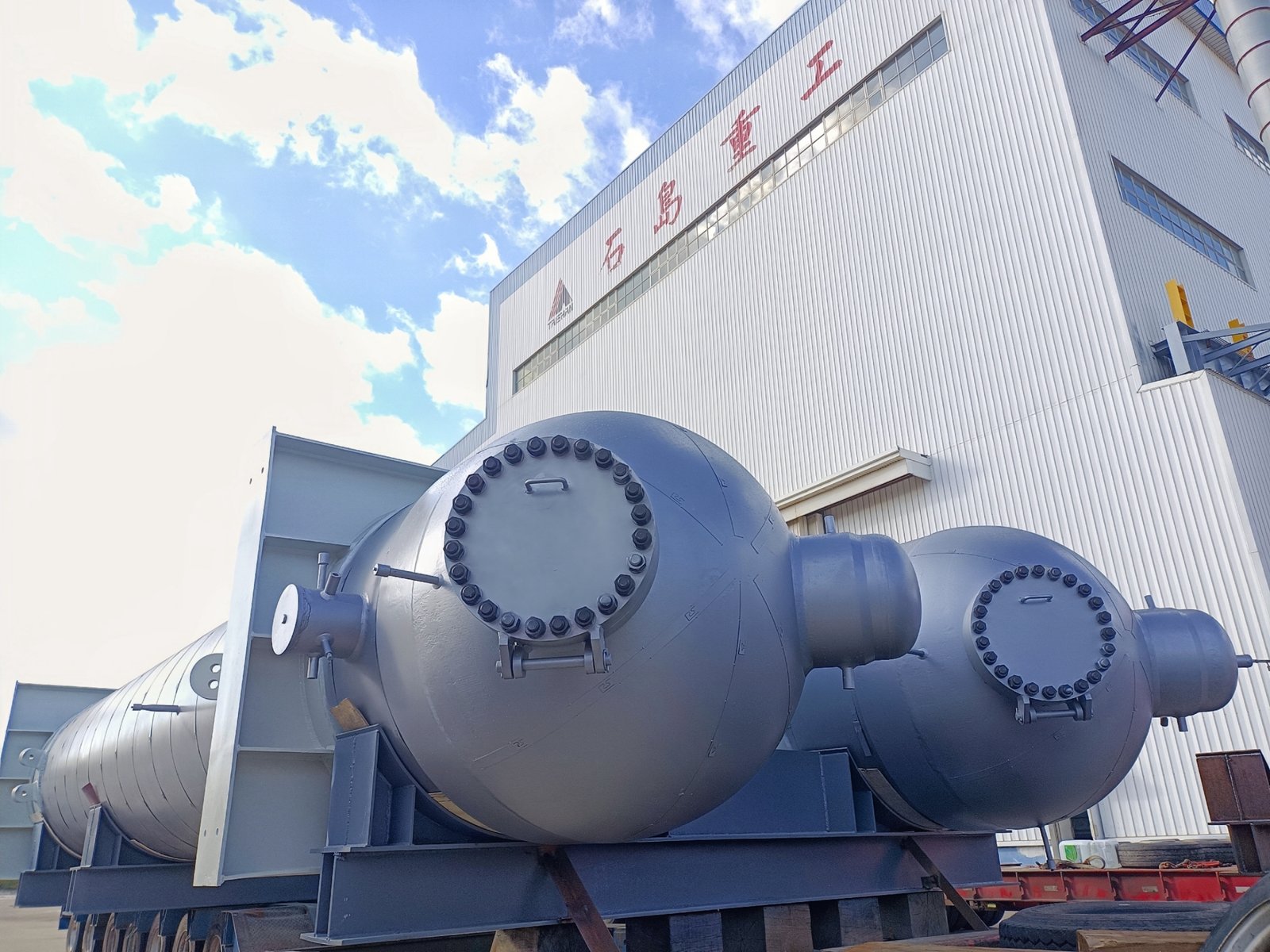
Solvent recovery systems may need condensate receivers, phase separation vessels, knock-out vessels, or gas-liquid separators. These vessels help collect recovered solvent, separate aqueous and organic phases, protect vacuum systems, or stabilize downstream handling.
The inquiry should define phase composition, vapor-liquid flow, operating pressure, temperature, solvent compatibility, explosion or flammability considerations, and inspection requirements.
Large Storage Tanks Above 1,000L
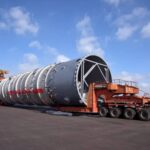
Battery recycling process lines may need large tanks above 1,000L for fresh solvent, recovered solvent, wash liquid, wastewater, condensate, neutralization liquids, or off-spec material. Tank design should consider solvent compatibility, vapor pressure, flammability, corrosion, coating or lining, venting, secondary containment, and site layout.
For this manufacturer’s scope, storage tanks should be positioned as complete industrial equipment, not small chemical drums or portable tanks.
Off-Gas and Scrubber Equipment
Solvent recovery may generate vapor, odor, VOC-containing streams, acidic gases, or other emissions depending on the process. Off-gas treatment may include condensers, scrubber towers, activated carbon systems, or other treatment methods selected by the EPC designer.
Where fabricated towers are required, scrubber towers should be specified as complete equipment with defined materials, corrosion protection, nozzles, supports, inspection scope, and delivery boundary.
What EPC Buyers Should Confirm Before Procurement
Solvent and Stream Composition
Buyers should provide solvent type, water content, dissolved salts, binder residues, electrolyte components, suspended solids, pH, flash point concerns, boiling range, and expected composition variation. A solvent recovery system cannot be specified reliably from the word “solvent” alone.
Operating Pressure and Temperature
Evaporation and condensation may involve vacuum, atmospheric, or pressure conditions. Buyers should clearly define operating pressure, design pressure, operating temperature, design temperature, vacuum condition if applicable, and thermal cycling expectations.
Materials and Compatibility
Solvents, battery residues, fluorinated binders, electrolyte decomposition products, salts, and acidic or alkaline wash streams can create material compatibility risks. Material grade, corrosion allowance, gasket compatibility, lining, coating, and surface treatment should be reviewed by qualified engineers.
Safety and Hazard Controls
Lithium-ion battery recycling can involve fire risk, reactive residues, flammable solvents, toxic vapors, and hazardous waste issues. EPA’s lithium-ion battery recycling FAQ notes that many discarded lithium batteries are likely hazardous waste due to ignitability and reactivity. Solvent handling also requires review of ventilation, hazardous area classification, pressure relief, spill control, emissions treatment, and local requirements.
Inspection, Testing, and Documentation
EPC buyers should define material certificates, welding documentation, dimensional inspection, NDE, pressure or leak testing, coating inspection, final data books, export packing, lifting marks, and delivery terms before fabrication begins.
As a large-scale pressure vessel manufacturer, WSHI supports project-based fabrication of pressure vessels, evaporator-related equipment, heat exchangers, separators, scrubber towers, and large tanks. Buyers can also download the pressure vessel catalog before preparing a formal inquiry.
Common Procurement Mistakes
One mistake is treating solvent recovery as a utility add-on. In battery recycling lines, solvent handling can affect safety, emissions, wastewater, materials, and operating continuity.
Another mistake is requesting equipment pricing without solvent composition and waste stream data. This can lead to incorrect material assumptions, missing corrosion protection, or unrealistic maintenance expectations.
A third mistake is buying isolated equipment items instead of defining the complete process boundary. EPC buyers should coordinate vessels, evaporators, condensers, heat exchangers, tanks, off-gas treatment, wastewater handling, documentation, and delivery as one package.
FAQ
What equipment is used for solvent recovery in EV battery recycling?
Typical equipment may include process vessels, evaporators, condensers, heat exchangers, condensate receivers, gas-liquid separators, scrubber towers, wastewater tanks, and large solvent storage tanks.
Why is solvent composition important before ordering equipment?
Solvent composition affects boiling behavior, corrosion, material compatibility, vapor handling, flammability, fouling, coating selection, and inspection requirements. Buyers should provide detailed stream data before quotation.
Can evaporators be used in battery recycling wastewater treatment?
Yes, evaporators may be used to concentrate solvent-containing or wastewater streams, depending on the process design. Feed composition, scaling risk, residue handling, and emissions control should be reviewed carefully.
What tank size should be considered for industrial solvent recovery projects?
For EPC and industrial recycling projects, storage tanks should generally be planned as large project tanks above 1,000L, with capacity based on solvent inventory, process flow, safety storage, and site operation needs.
Can WSHI guarantee solvent recovery efficiency?
No. WSHI supports equipment manufacturing evaluation based on approved drawings and specifications. Recovery efficiency, solvent selection, battery recycling performance, emissions compliance, and hazardous waste classification should be confirmed by the technology provider, EPC designer, and qualified specialists.
Conclusion
Solvent recovery equipment for EV battery recycling process lines should be planned as a complete industrial system. Reaction vessels, evaporators, condensers, heat exchangers, separation vessels, large storage tanks, and off-gas treatment equipment must match solvent chemistry, battery residue characteristics, safety requirements, inspection scope, and delivery schedule.
If you are planning an EV battery recycling, solvent recovery, black mass processing support, wastewater treatment, or new energy materials project, WSHI can support manufacturing evaluation for complete process equipment based on your drawings, datasheets, solvent composition, operating conditions, material requirements, inspection scope, and delivery expectations. You can contact our engineering team to discuss your project before quotation.