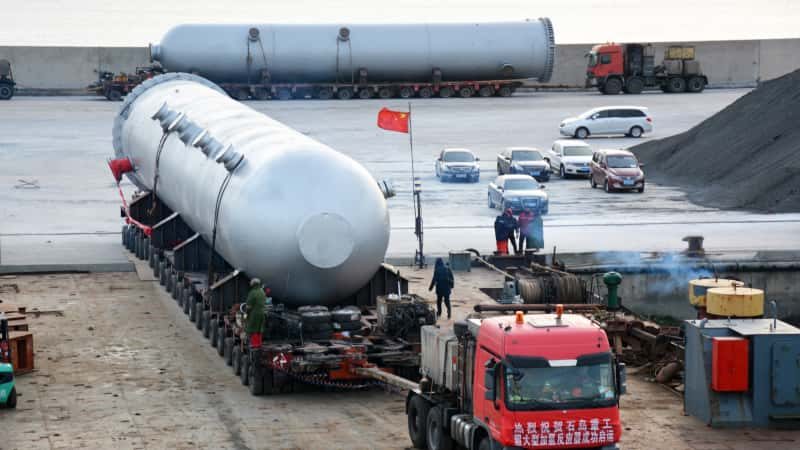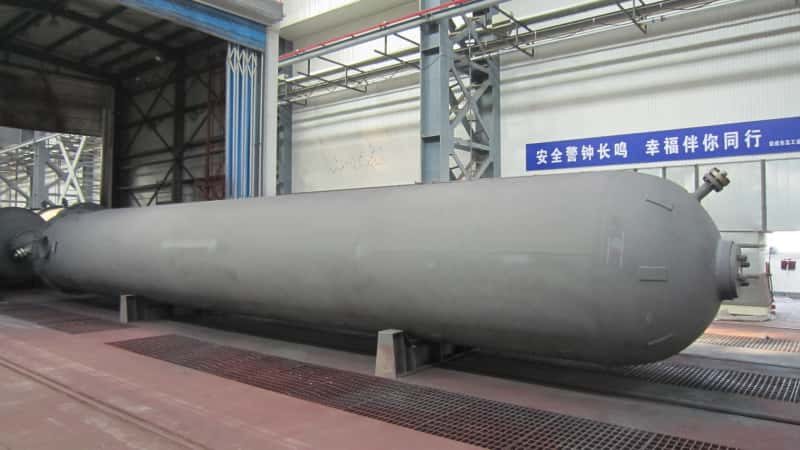

Synthetic methane production equipment is gaining attention as green hydrogen and captured CO2 are used to produce renewable methane for industrial energy, gas grid, and transport fuel applications. For EPC buyers, the key question is not only how the methanation process works. It is how the complete equipment package should be specified: reactor vessels, heat exchangers, gas-liquid separators, buffer vessels, purification-related vessels, large storage equipment, inspection documents, and delivery scope.
For WSHI’s manufacturing scope, this article focuses on complete project-based pressure equipment and fabricated equipment, not small internals or accessories as standalone products. Reactor internals, nozzles, instruments, demisters, valves, and fittings should be discussed only as part of a complete vessel or process equipment package.
Recent project activity keeps this topic current. In August 2026, P2X Solutions and avanca/Alternoil announced a long-term agreement for synthetic methane supply, with deliveries expected to begin in Q4 2026. The announcement states that P2X Solutions produces synthetic methane at its methanation plant in Harjavalta, where green hydrogen is processed with captured carbon dioxide. For equipment manufacturers, the relevant opportunity is the industrial equipment used in methanation and supporting process systems.
Synthetic methane production equipment is only the methanation reactor.False
A complete project may also require heat exchangers, condensers, gas-liquid separators, condensate vessels, hydrogen and CO2 buffer vessels, purification-related vessels, storage equipment, QA documentation, and delivery planning.
EPC buyers should specify methanation equipment from actual feed gas, pressure, temperature, heat duty, material, and inspection data.True
Synthetic methane projects involve hydrogen, CO2, methane, water formation, heat release, and pressure equipment, so generic vessel sizing is not enough for reliable procurement.
Why Synthetic Methane Production Is a Current Project Topic
Power-to-gas and e-methane projects are moving from research and demonstration toward commercial fuel and gas supply chains. NEDO explains that methanation produces methane by reacting hydrogen with CO2, and that methane produced with renewable-electricity-based hydrogen is commonly known as e-methane. A ScienceDirect paper on synthetic natural gas production from CO2 and hydrogen also describes power-to-gas as a route where renewable electricity produces hydrogen that is combined with CO2 and converted into methane through the Sabatier reaction.
Synthetic methane production can involve custom pressure vessels, reactor vessels, industrial heat exchangers, gas-liquid separators, CO2 and hydrogen buffer vessels, cooling equipment, condensate handling, and large industrial storage tanks. This article focuses on synthetic methane and CO2 utilization equipment, not LNG equipment.
What Is Synthetic Methane Production Equipment?
Synthetic methane production equipment supports the conversion of hydrogen and carbon dioxide into methane. In many technical references, this is described as methanation or the Sabatier reaction. A full project may include hydrogen and CO2 feed preparation equipment, buffer vessels for feed gas stabilization, methanation reactor vessels, heat exchangers for reaction heat management, gas-liquid separation vessels, condensers, condensate collection vessels, product cooling and drying interfaces, off-spec or recycle gas handling equipment, and large industrial storage equipment where required.
For EPC buyers, each equipment item should be reviewed as part of a complete process package. Buying one vessel without confirming upstream and downstream interfaces can create problems in pressure control, heat removal, condensate handling, safety review, and site installation.
Main Equipment Used in Synthetic Methane Projects
Methanation Reactor Vessels
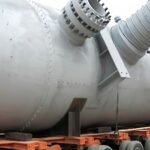
The methanation reactor is the core process vessel where hydrogen and CO2 are converted into methane. Depending on the selected process, the reactor may be fixed-bed, multi-stage, biological, sorption-enhanced, SOEC-related, or based on another licensed technology.
For pressure vessel procurement, buyers should not define the reactor only by volume. The RFQ should include operating pressure, design pressure, operating temperature, design temperature, feed composition, catalyst or process package requirements, heat removal philosophy, corrosion data, inspection requirements, and applicable standards.
If the process licensor defines reactor internals or catalyst arrangements, the vessel manufacturer’s scope should still remain focused on the complete reactor pressure boundary, material procurement, welding, testing, documentation, and delivery condition.
Heat Exchangers for Reaction Heat Management
Methanation is heat-sensitive, and temperature control can affect conversion, catalyst life, downstream separation, and plant stability. Heat exchangers may be used for feed preheating, reactor cooling, inter-stage cooling, product cooling, condensation, and heat recovery.
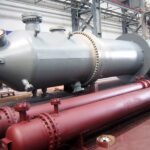
EPC buyers should define heat duty, fluid composition, allowable pressure drop, design pressure, design temperature, fouling assumptions, material requirements, cleaning access, and inspection scope. Where project-specific fabricated exchangers are needed, shell and tube heat exchangers may be considered.
Gas-Liquid Separators and Condensate Vessels
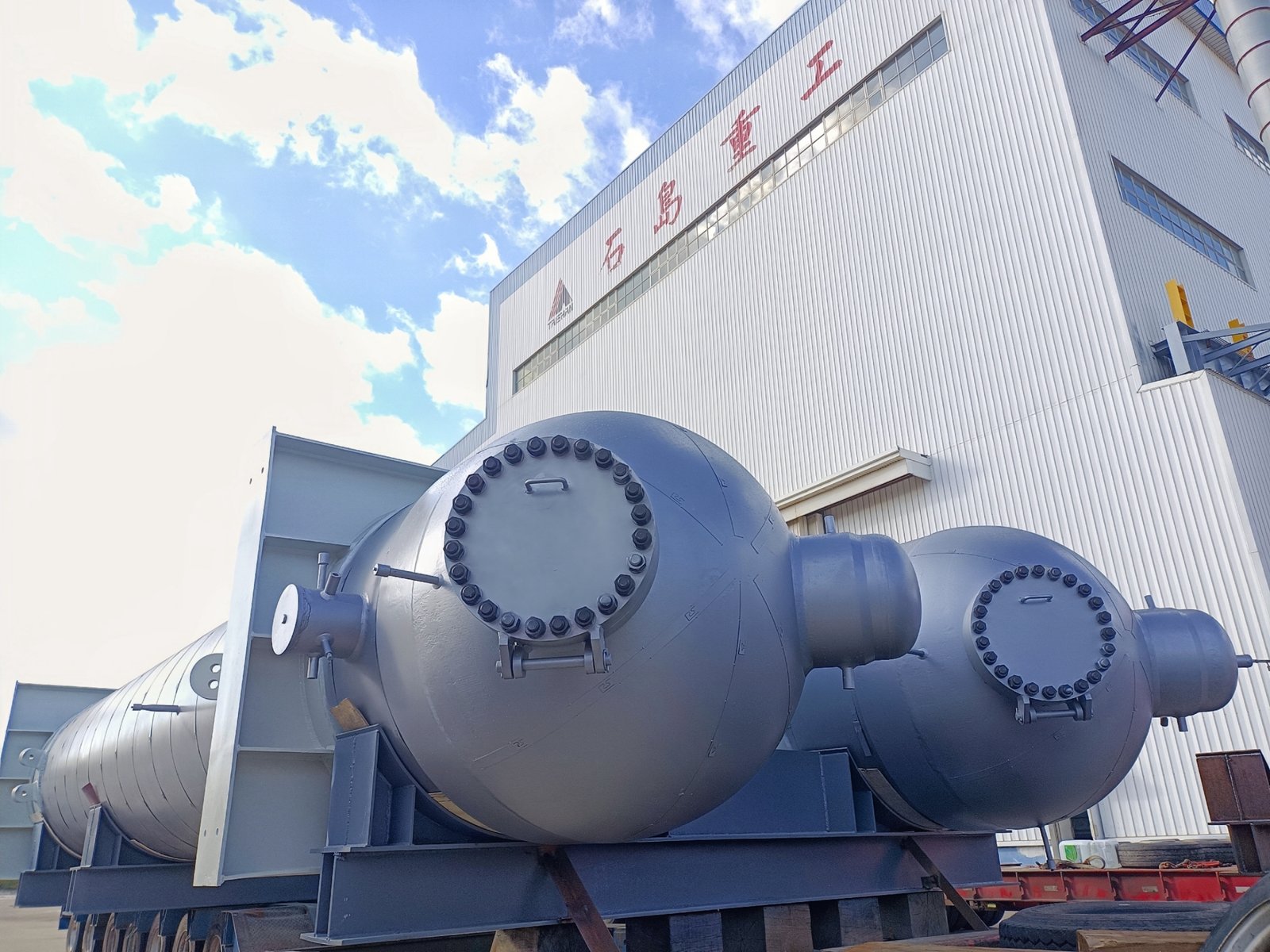
Methanation produces water as a reaction product. After cooling, condensate must be separated from product gas before drying, compression, recycle, or storage. Gas-liquid separators and condensate vessels should be specified according to gas flow, liquid loading, pressure, temperature, material, carryover requirement, level control philosophy, inspection scope, and documentation.
This equipment should be purchased as complete engineered vessels, not as standalone small internals or accessories. The procurement focus should be on finished pressure vessels that match the process duty and site interfaces.
Hydrogen, CO2, and Product Buffer Vessels
Synthetic methane plants may need buffer vessels to stabilize feed gas, manage flow fluctuation from electrolyzers, smooth CO2 supply variation, or protect downstream equipment. This is especially important when green hydrogen production follows variable renewable power.
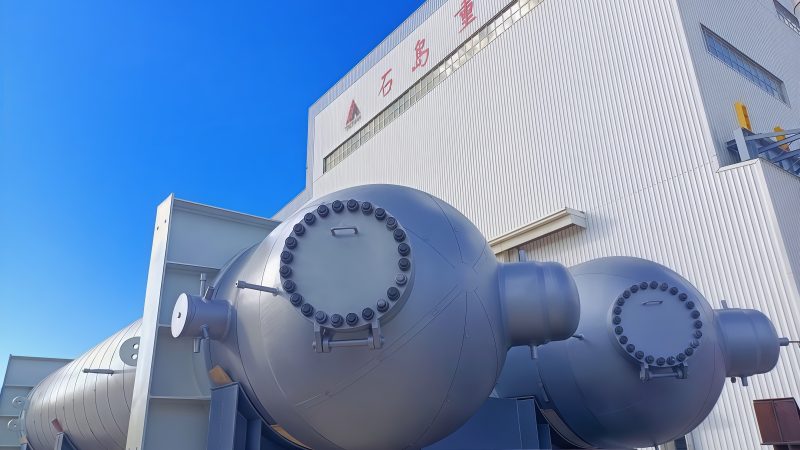
Buffer vessels should be reviewed based on gas composition, cyclic operation, pressure range, safety systems, material compatibility, nozzle arrangement, support design, testing, and delivery conditions. For new energy project applications, buyers can review WSHI’s pressure vessels for new energy capabilities.
Large Storage and Utility Tanks
Depending on the plant boundary, synthetic methane projects may require large storage tanks for process water, condensate, chemicals, utility liquids, or other project media. Any storage content should be industrial scale and above 1,000 liters.
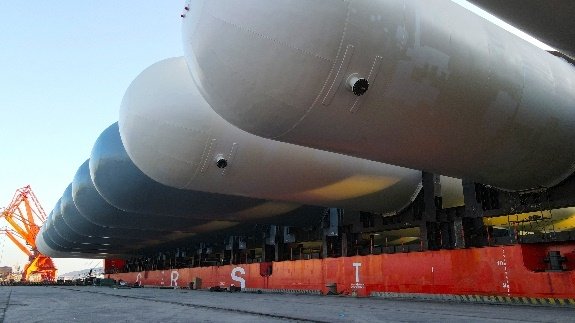
For gas product storage or pressurized gas handling, the correct equipment type depends on pressure, temperature, product phase, site layout, and project standards. Buyers can review industrial storage tanks and liquefied gas storage tanks where the project involves LPG, propane, butane, or other applicable pressurized gas storage needs.
Equipment Package Checklist for EPC Buyers
| Equipment Area | Typical Complete Equipment | Buyer Review Point |
|---|---|---|
| Reaction section | Methanation reactor vessels, process vessels, licensed-package interfaces | Feed composition, pressure, temperature, heat release, catalyst interface, inspection scope |
| Thermal management | Feed preheaters, inter-stage coolers, product coolers, condensers, heat recovery exchangers | Heat duty, pressure drop, fluid properties, materials, cleaning access, documentation |
| Condensate handling | Gas-liquid separators, condensate vessels, drain vessels, collection vessels | Water formation, carryover limits, level control, corrosion data, NDE and testing |
| Feed and product buffering | Hydrogen buffer vessels, CO2 buffer vessels, recycle gas vessels, product buffer vessels | Cyclic pressure, safety systems, gas composition, nozzle layout, support design |
| Storage and utilities | Large utility tanks, process water tanks, condensate tanks, applicable pressurized gas storage | Capacity above 1,000 liters, material, coating, phase condition, delivery boundary |
Key Selection Factors for EPC Buyers
Feed Gas Composition
Synthetic methane equipment should be specified from actual feed data. Important inputs include hydrogen purity, CO2 purity, moisture, oxygen traces, sulfur compounds, nitrogen, methane recycle, pressure, temperature, and expected variation.
Feed gas quality affects catalyst protection, material selection, heat exchanger duty, condensate formation, gas-liquid separation, and downstream product quality.
Pressure, Temperature, and Heat Release
Methanation involves pressure equipment and thermal control. Buyers should define normal operating cases, design cases, startup, shutdown, turndown, and upset conditions. Heat release should be reviewed carefully because it influences reactor design, exchanger sizing, temperature control, and materials.
No article should promise fixed conversion, purity, or efficiency without project-specific engineering data. Those results depend on process design, catalyst, feed composition, operating conditions, and downstream treatment.
Material Compatibility and Safety
Hydrogen, CO2, methane, water, and trace impurities may create different material and safety considerations. Material selection should consider pressure, temperature, wet CO2 corrosion risk, hydrogen exposure, condensate chemistry, cleaning procedures, and owner specifications.
Hydrogen and methane are safety-sensitive gases. Hazardous area classification, ventilation, relief systems, leak detection, grounding, and operational procedures must be defined by the EPC contractor, owner, and qualified safety authority.
Code, Inspection, and Documentation
Pressure vessels and heat exchangers may need to follow ASME, GB, EN, or project-specific standards. The RFQ should define applicable code, design requirements, NDE scope, pressure test requirements, coating requirements, third-party inspection, and final documentation. For pressure vessel background, buyers may refer to ASME BPVC Section VIII Division 1, while final compliance should always follow the latest project specification and regulatory requirements.
Manufacturing and Delivery Considerations
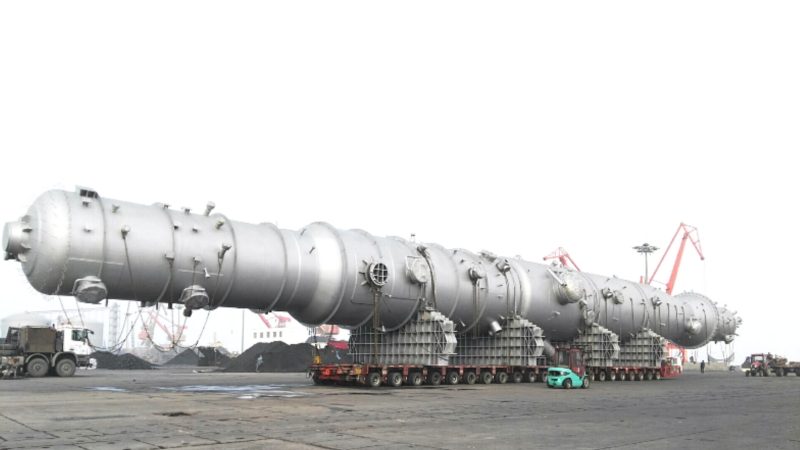
Synthetic methane plants often involve multiple fabricated equipment types. A practical manufacturer review should include drawing review, material procurement, welding capability, dimensional inspection, NDE, pressure testing, surface treatment, final documentation, packing, and large equipment transport.
As a large-scale pressure vessel manufacturer, WSHI focuses on complete project-based equipment manufacturing, including custom pressure vessels, heat exchangers, process vessels, storage tanks, and fabricated equipment for petrochemical, gas processing, new energy, and environmental engineering projects. EPC teams can also download the pressure vessel catalog when preparing early-stage equipment lists.
Common Procurement Mistakes
One common mistake is focusing only on the methanation reactor while leaving heat exchangers, separators, buffer vessels, condensate handling, and storage boundaries unclear. These systems work together and should be reviewed as an integrated equipment package.
Another mistake is issuing an RFQ without feed gas data. Missing H2 purity, CO2 composition, pressure, temperature, impurities, and flow variation can make quotations difficult to compare.
A third mistake is treating safety and inspection as late-stage details. Hydrogen, methane, CO2, and pressure equipment require early review of material, code, NDE, pressure testing, and documentation requirements.
What Should Buyers Prepare Before RFQ?
| RFQ Item | Information to Provide |
|---|---|
| Process basis | Process datasheets, PFD or P&ID, methanation process requirements, package boundary |
| Feed gas data | H2 and CO2 composition, flow range, moisture, impurities, pressure, temperature, recycle data |
| Thermal requirements | Heat duty, cooling medium, condensation requirement, allowable pressure drop, heat recovery needs |
| Mechanical requirements | Operating/design pressure, operating/design temperature, materials, corrosion data, nozzle layout |
| Quality requirements | Applicable codes, NDE, pressure testing, coating or lining, third-party inspection, documentation |
| Delivery scope | Destination, packing, transport limits, lifting requirements, delivery terms, project schedule |
FAQ
What equipment is used in synthetic methane production?
Typical equipment may include methanation reactor vessels, heat exchangers, gas-liquid separators, condensers, condensate vessels, hydrogen and CO2 buffer vessels, purification-related vessels, and large storage equipment.
Is synthetic methane production the same as LNG equipment?
No. This article focuses on methanation equipment for producing methane from green hydrogen and CO2. It does not focus on LNG production equipment.
Why are heat exchangers important in methanation projects?
Heat exchangers help manage reaction heat, feed preheating, product cooling, condensation, and heat recovery. Their design depends on heat duty, pressure, temperature, gas composition, and fouling expectations.
What should EPC buyers prepare before ordering methanation vessels?
Buyers should prepare process datasheets, gas composition, flow rate, pressure, temperature, material requirements, drawings, applicable standards, NDE scope, pressure testing requirements, and delivery terms.
Are synthetic methane pressure vessels standard products?
Usually not. Reactor vessels, separators, buffer vessels, and heat exchangers should be customized according to process conditions, safety requirements, inspection scope, site layout, and project standards.
Conclusion
Synthetic methane production equipment should be planned as a complete project equipment scope. Methanation reactor vessels, heat exchangers, gas-liquid separators, condensate vessels, feed buffer vessels, pressure vessels, and large industrial storage equipment all affect plant reliability, safety, process stability, inspection, and delivery.
If you are preparing a synthetic methane, e-methane, green hydrogen, CO2 utilization, power-to-gas, or renewable fuel project, you can discuss your project requirements with WSHI. Sharing datasheets, drawings, feed gas composition, operating conditions, material requirements, inspection scope, and delivery terms will help support feasibility review for custom pressure vessels, reactor vessels, heat exchangers, gas-liquid separators, buffer vessels, and large industrial storage tanks.