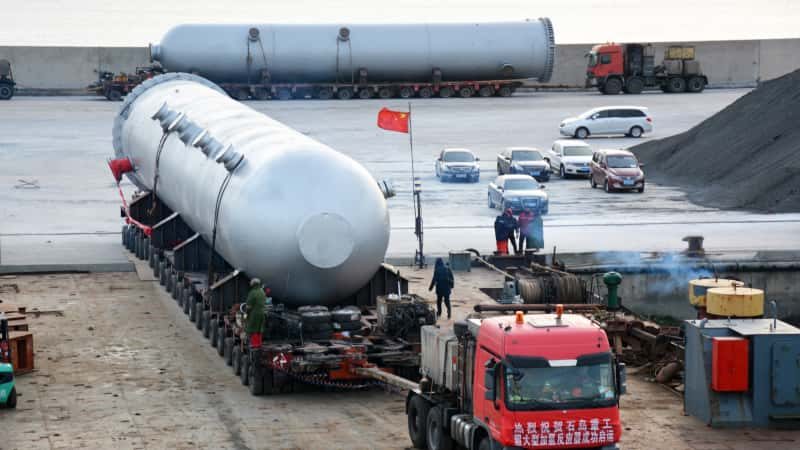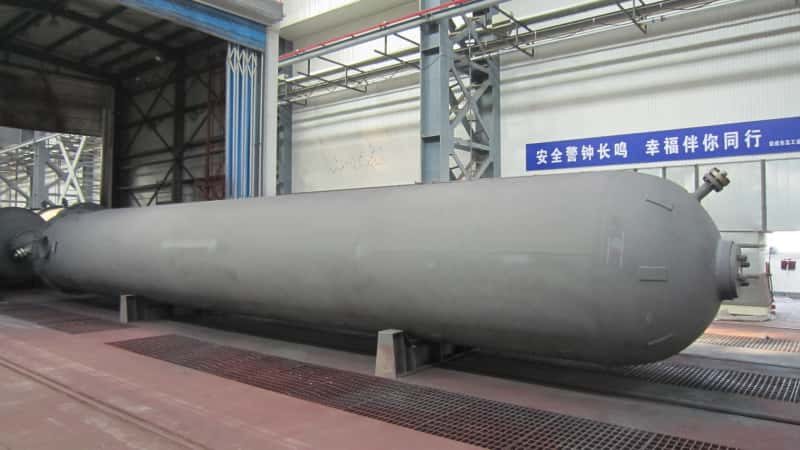

Gas-liquid separators are widely used in chemical plants, gas processing facilities, petrochemical units, and utility systems where mixed gas and liquid streams must be separated before downstream equipment. For EPC buyers, the choice between a vertical and horizontal gas-liquid separator is not only a process question. It also affects vessel size, plot space, nozzle arrangement, inspection requirements, transport planning, and project delivery.
This guide explains how EPC buyers can compare vertical and horizontal separators when purchasing complete separator vessels, not small internal parts or accessories. Final sizing and design should always be based on process datasheets, approved drawings, applicable pressure vessel codes, and project engineering review.
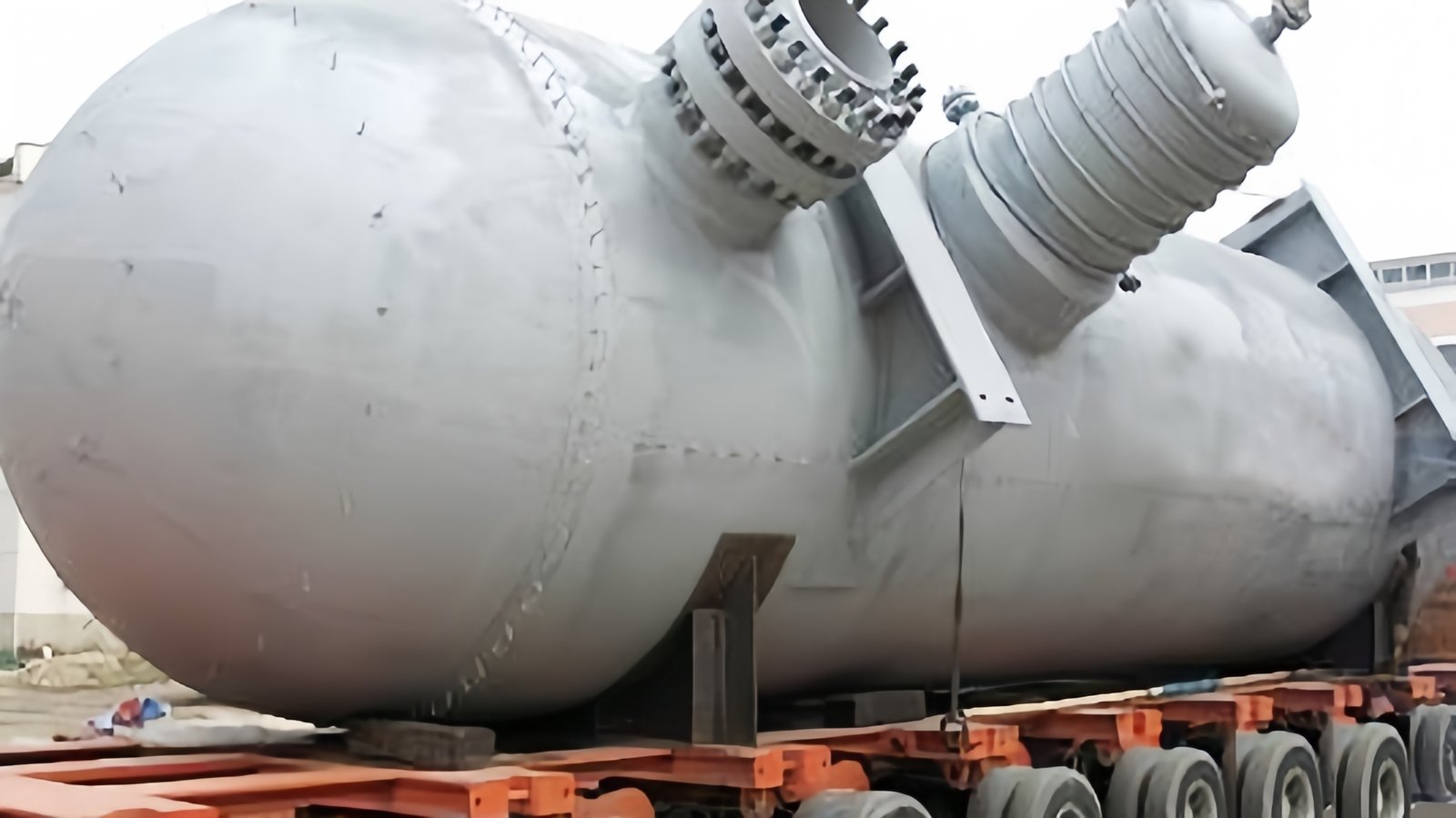
Vertical and horizontal gas-liquid separators are selected by project conditions, not by one universal best type.True
Gas flow, liquid load, residence time, plot space, pressure, temperature, materials, inspection scope, and delivery constraints all affect separator orientation.
What Is a Gas-Liquid Separator?
A gas-liquid separator is a pressure vessel used to separate liquid droplets, condensate, or entrained liquid from a gas stream. It may be installed upstream of compressors, heat exchangers, reactors, scrubbers, pipelines, gas treatment units, or storage systems.
In industrial projects, separators are usually custom-fabricated according to process conditions. The vessel may be vertical or horizontal depending on gas flow rate, liquid load, residence time, plot space, pressure, temperature, and maintenance needs.
WSHI supplies custom pressure vessels and complete separator vessels for oil and gas, petrochemical, chemical, new energy, and environmental engineering applications. Separator selection should be handled as part of the complete pressure vessel procurement scope.
Vertical Gas-Liquid Separators
A vertical gas-liquid separator has a tall upright vessel body. Gas and liquid enter the vessel, velocity is reduced, heavier liquid falls downward, and separated gas exits from the upper section. The exact flow path depends on the process design and project specification.
When Vertical Separators Are Commonly Considered
Vertical separators are often considered when plot space is limited, liquid volume is moderate, or the project needs a smaller footprint. They may also be useful where liquid removal from the bottom is straightforward and the equipment layout favors a vertical vessel.
Typical applications may include natural gas treatment, chemical process gas separation, compressor suction protection, flash separation, condensate collection before downstream equipment, utility gas systems, and plant process areas. Vertical separators can be easier to place in congested layouts, but they may require more vertical clearance, lifting planning, and support review.
Horizontal Gas-Liquid Separators
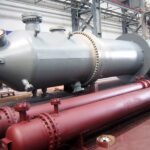
A horizontal gas-liquid separator has a longer vessel body installed on saddles or other support structures. The gas and liquid have more horizontal flow area and liquid holdup volume compared with many vertical arrangements.
When Horizontal Separators Are Commonly Considered
Horizontal separators are often considered when the process has higher liquid load, foaming tendency, larger gas flow, or longer residence time requirements. They can provide more liquid surface area and may be suitable where the project has enough plot space.
Typical applications may include oil and gas production separation, gas processing facilities, condensate handling systems, petrochemical mixed-phase streams, refinery service, chemical plant separation service, and large process units with higher liquid volume. Horizontal separators may need more ground area, but they can offer practical advantages for liquid handling, inspection access, and process stability in some services.

Key Comparison Factors for EPC Buyers
Gas Flow Rate and Liquid Load
The first comparison point is the gas and liquid flow condition. A vertical separator may be suitable for lower to moderate liquid loading and compact layouts. A horizontal separator may be more suitable where the stream has higher liquid volume, larger gas flow, or longer liquid residence requirements.
Buyers should provide normal, minimum, and maximum flow rates, gas density, liquid density, viscosity, droplet size assumptions if available, pressure, temperature, and phase behavior. Without this data, separator comparison becomes too general for reliable procurement.
Plot Space and Installation Layout
Vertical separators use less ground area but require height clearance. Horizontal separators require more plot length but usually have a lower installed height. EPC teams should review surrounding equipment, piping routes, platform requirements, lifting plan, foundation conditions, and maintenance access.
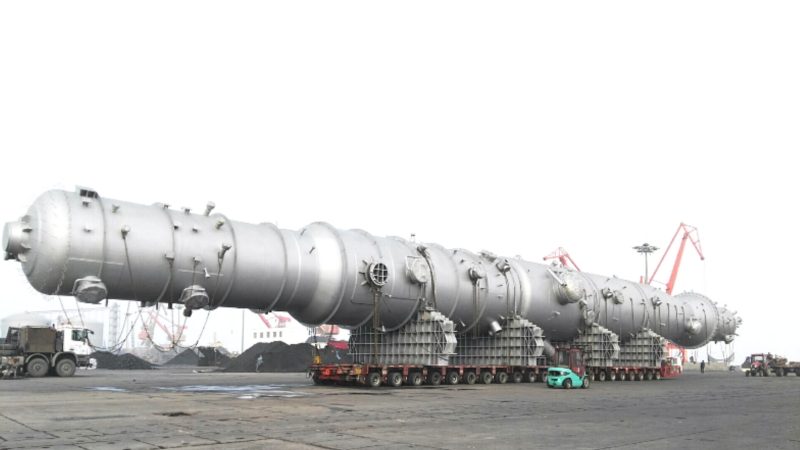
For modular projects or overseas EPC packages, separator orientation can also affect shipping size and site installation method.
Liquid Residence Time and Surge Capacity
Some separator services require liquid residence time or surge volume to stabilize downstream flow. Horizontal separators often provide more practical liquid holdup volume for certain services. Vertical separators may still work well when liquid load is limited and fast drainage is possible.
The required residence time should come from the process design. Equipment buyers should avoid choosing vessel orientation based only on general preference.
Pressure Vessel Design Conditions
Both vertical and horizontal gas-liquid separators are pressure vessels when they operate above the applicable pressure threshold. Their design should follow the project code and destination-country requirements. For many projects, ASME BPVC Section VIII may be specified, but the final code basis must be confirmed by the project team.
Official references such as 29 CFR 1910.169 and 29 CFR 1910.119 show why pressure equipment and process safety requirements need qualified engineering review. This article should not be treated as a regulatory conclusion.
Materials and Corrosion Allowance
Separator material depends on gas composition, liquid composition, water content, chlorides, sulfur compounds, acid gas, solvent content, temperature, pressure, and corrosion risk. EPC buyers should provide the required material grade and corrosion allowance, or request engineering review based on process data.
For chemical or sour service, material selection should be reviewed carefully against project specifications and applicable standards. Any material substitution should go through formal technical approval.
Nozzle Orientation and Project Interfaces
Separator orientation affects inlet nozzle position, gas outlet, liquid outlet, drains, vents, instrumentation interfaces, supports, and piping arrangement. These details should be defined within the complete vessel drawing and project scope.
The goal is not to purchase small fittings separately. The goal is to ensure the complete separator vessel arrives with interfaces that match the site piping and installation plan.
Inspection, Testing, and Documentation
EPC buyers should define inspection and documentation before fabrication starts. Depending on the project specification, the separator may require material certificates, welding documentation, dimensional inspection, NDE, hydrostatic testing, coating inspection, and final data books.
For export projects, document language, inspection hold points, third-party inspection, packing, lifting marks, and delivery terms should also be confirmed early.
Separator orientation should be decided from process data, layout, and project interfaces rather than price alone.True
A lower vessel price can be offset by poor liquid handling, insufficient residence time, difficult maintenance access, transport problems, or piping rework.
Manufacturing and Delivery Considerations
The manufacturer’s role is to convert approved process and mechanical requirements into a complete fabricated separator vessel. This includes drawing review, material procurement, forming, welding, assembly, inspection, testing, surface treatment, and delivery preparation.
As a large-scale pressure vessel manufacturer, WSHI supports project-based manufacturing of pressure vessels for oil and gas, petrochemical equipment, chemical process vessels, separators, heat exchangers, and towers. For projects that also require heat transfer equipment, buyers can review industrial heat exchangers as part of the wider equipment package.
What Buyers Should Prepare Before Requesting a Quotation
- Process datasheet and mechanical drawing
- Vertical or horizontal preference, if already defined
- Gas and liquid flow rates
- Operating and design pressure
- Operating and design temperature
- Gas and liquid composition
- Liquid load, foaming risk, and solids risk if applicable
- Material grade and corrosion allowance
- Applicable design code and owner specification
- NDE, pressure test, and inspection requirements
- Coating or painting requirements
- Site layout, transport limits, and delivery terms
Buyers can also download the pressure vessel catalog before preparing a formal inquiry.
FAQ
Which is better, a vertical or horizontal gas-liquid separator?
Neither type is universally better. A vertical separator may be better for compact layouts and moderate liquid load, while a horizontal separator may be better for higher liquid volume, larger gas flow, or longer residence time. Final selection should be based on process design.
What data is needed to size a gas-liquid separator?
Buyers should provide gas and liquid flow rates, pressure, temperature, gas and liquid composition, density, viscosity, liquid load, required separation efficiency, material requirements, and project standards.
Are gas-liquid separators pressure vessels?
In many industrial applications, gas-liquid separators are pressure vessels because they operate under internal pressure. The applicable code depends on pressure level, service, owner specification, and destination-country regulations.
Can the same manufacturer supply separators and other process equipment?
A project-based manufacturer may supply complete separator vessels along with pressure vessels, heat exchangers, towers, and related static equipment. Buyers should confirm manufacturing scope, quality control process, documentation capability, and export delivery support.
Why should EPC buyers avoid purchasing only separator components?
For industrial projects, separation performance, pressure containment, nozzle orientation, inspection, and site installation depend on the complete vessel design. Small components should be handled only within the complete separator equipment scope.
Conclusion
Vertical and horizontal gas-liquid separators can both be effective, but they serve different project conditions. Vertical separators are often useful where footprint is limited and liquid loading is moderate. Horizontal separators may be preferred where higher liquid load, larger gas flow, or more residence volume is required.
For EPC buyers, the best selection depends on process data, layout, material compatibility, pressure vessel code, inspection requirements, and delivery planning. If you are selecting gas-liquid separators for chemical, petrochemical, oil and gas, natural gas treatment, or environmental engineering projects, WSHI can support manufacturing evaluation for complete separator vessels based on your drawings, datasheets, operating conditions, and delivery expectations. You can contact our engineering team to discuss your project before quotation.