
Wastewater evaporator condensate may be suitable for reuse, but condensation alone does not establish that the water meets a chemical plant’s requirements. The answer depends on the wastewater composition, the evaporation and separation process, and the intended reuse destination. For EPC buyers, these conditions should become equipment specifications and acceptance criteria before purchasing an evaporator, condenser or storage vessel. Otherwise, a system may achieve its water-removal target without producing water suitable for the proposed application.
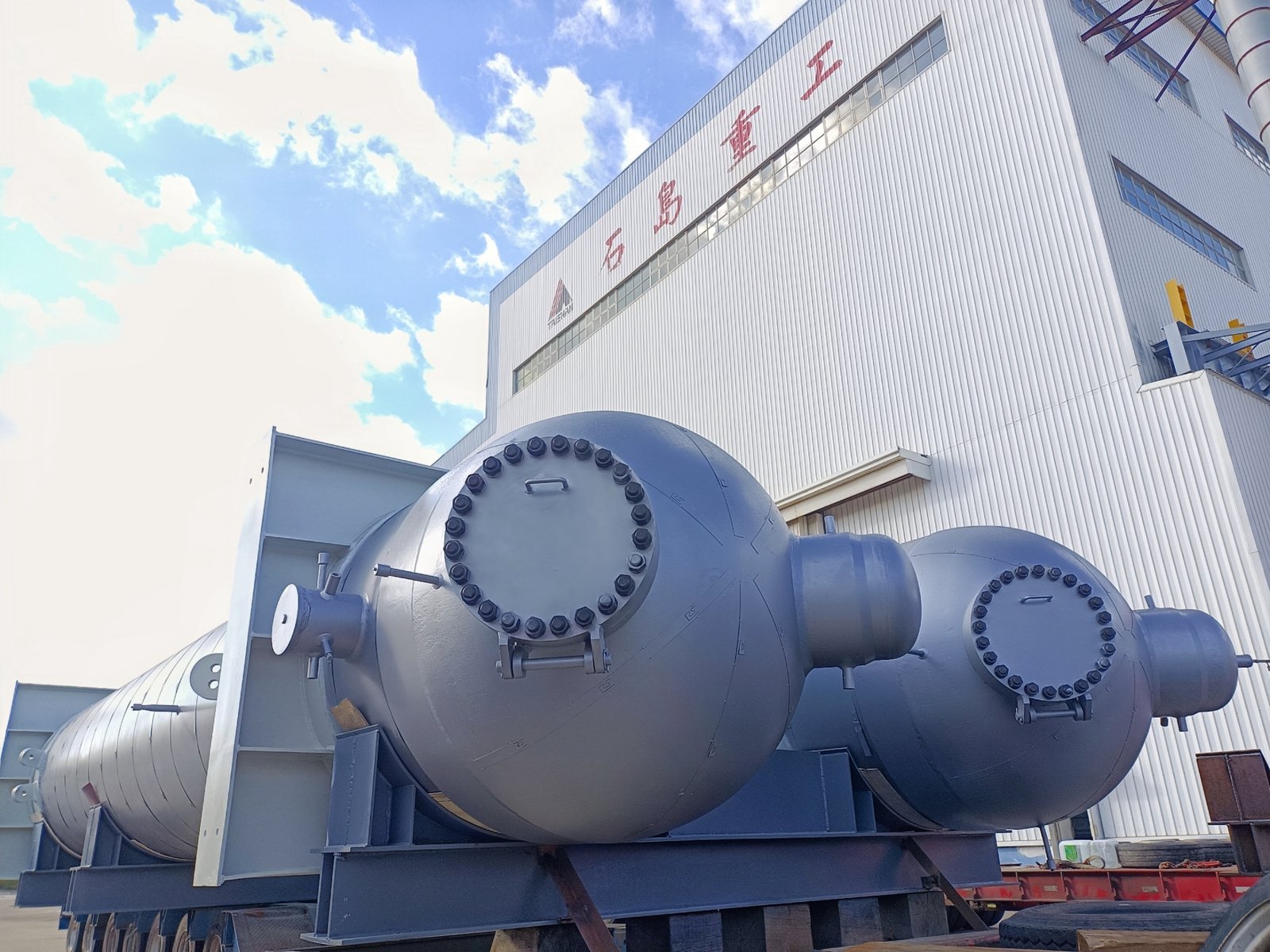
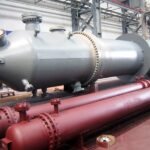
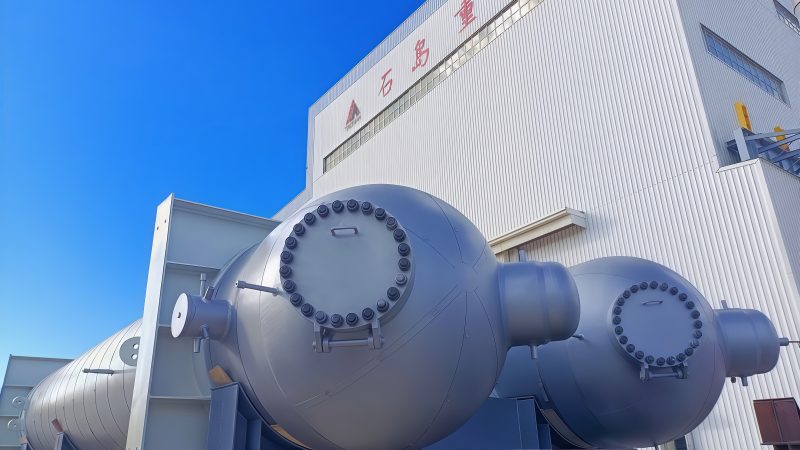
Representative heat-transfer equipment. A wastewater evaporation condenser requires a project-specific thermal and materials assessment.
Start With the Intended Reuse Destination
“Reusable water” is not a single quality grade. Cooling-system makeup, process washing and water incorporated into a product can have different requirements. Boiler-system makeup also requires assessment against the particular water-treatment and equipment specifications; evaporator condensate should not be assumed ready for direct use.
The US Environmental Protection Agency describes a fit-for-purpose approach in which treatment requirements depend on the source and intended use. That principle provides a useful starting point for procurement: identify the receiving application before defining the required treatment outcome. Source: EPA research on fit-for-purpose water reuse.
The owner should provide an approved water-quality specification, the required supply rate and any restrictions on variability. If several reuse destinations are proposed, assess them separately. Water acceptable for one application may still create corrosion, fouling, product-quality or exposure concerns in another.
Why Evaporator Condensate Is Not Automatically Clean Water
Volatile Constituents Can Follow the Vapor
Evaporation separates water from many nonvolatile constituents, but it is not a universal contaminant-removal process. Depending on the feed and operating conditions, some compounds can enter the vapor and subsequently appear in the condensate. EPA’s technical report on evaporation specifically identifies potential condensate contamination by volatile organics and the possible need for further treatment. Source: EPA evaporation technology report.
For procurement, this means a wastewater description limited to salt concentration or total solids may be insufficient. The process designer needs relevant information on organic compounds, ammonia where present, cleaning residues and other constituents that could influence vapor or condensate composition. The necessary analytical scope should follow the actual production processes.
Liquid Carryover Is a Different Mechanism
Entrained droplets can carry dissolved or suspended contaminants from the concentrating liquid into the vapor-handling system. This differs from a contaminant entering the vapor through volatility. Improving liquid separation does not automatically remove substances already present in the vapor phase.
Buyers should therefore request a complete assessment of evaporation, vapor-liquid separation and condensation. Clear appearance or low conductivity alone does not establish suitability for reuse, particularly where organic contaminants are relevant.
Build a Representative Feed and Operating Basis
Provide analyses that reflect normal production and meaningful variations, rather than relying on a single convenient sample. Product changes, cleaning campaigns and intermittent discharges may alter wastewater composition. Identify which streams will enter the evaporation system and whether some should be segregated.
The design basis should also include the target concentrate condition and relevant operating cases. Where uncertainty could materially affect condensate quality, the process engineer should determine whether laboratory or pilot testing is needed. Testing should address the proposed feed range and recovery objective, not merely demonstrate that water can be evaporated.
Separate the water-recovery target from the accepted-reuse-water target. Condensate requiring diversion or further treatment should not automatically be counted as water available for immediate reuse. This distinction makes supplier proposals and project economics more meaningful.
Specify the Evaporator and Separation Duties Together
The equipment enquiry should define the required evaporation duty, feed range, concentration target and relevant operating envelope. It should identify who is responsible for process performance and which assumptions support any condensate-quality commitment.
For associated custom pressure vessels, define the separation or collection duty as well as the mechanical requirements. Vapor loading, liquid behavior and operating variability need coordination with the process designer. The purchasing focus should remain the complete evaporator and vessel arrangement, not individual replacement components.
A mechanical fabricator working to approved drawings may not own the evaporation-process design or downstream water-quality guarantee. Make that distinction explicit before placing the order. A pressure test and manufacturing inspection demonstrate specified aspects of equipment conformity; they do not prove that the complete process will achieve a reuse-water target.
Match the Condenser to the Actual Vapor Stream
A condenser specification should include vapor composition, flow range, operating pressure, required outlet conditions and available cooling utilities. Assuming the stream is pure water vapor can overlook relevant contaminants or noncondensable gases.
When evaluating shell and tube heat exchangers, review thermal duty, materials, allowable pressure drop and maintenance requirements against the approved process basis. Seasonal utility conditions should be included where they affect the required performance.
The design must also account for the destination of uncondensed gases. Condensation does not establish that the remaining gas can be released without assessment. Assign responsibility for this stream and any necessary treatment within the overall project scope.
Define Storage and Off-Specification Water Handling
Condensate production and plant water demand may not occur at the same rate or time. Collection and storage requirements should reflect that mismatch, together with the sampling, testing and release arrangements established by the owner.
For industrial storage tanks above 1,000 liters, specify working capacity, temperature, expected composition, materials and the intended residence conditions. Do not assume a tank suitable for ordinary service water is automatically suitable for every process condensate.
Provide an approved destination for water that has not met acceptance requirements. Startup, feed changes or process disturbances may require holding, reprocessing or transfer to another treatment system. The routing philosophy should prevent unapproved water from entering the accepted-reuse inventory. Uncontrolled blending should not be treated as a substitute for quality verification.
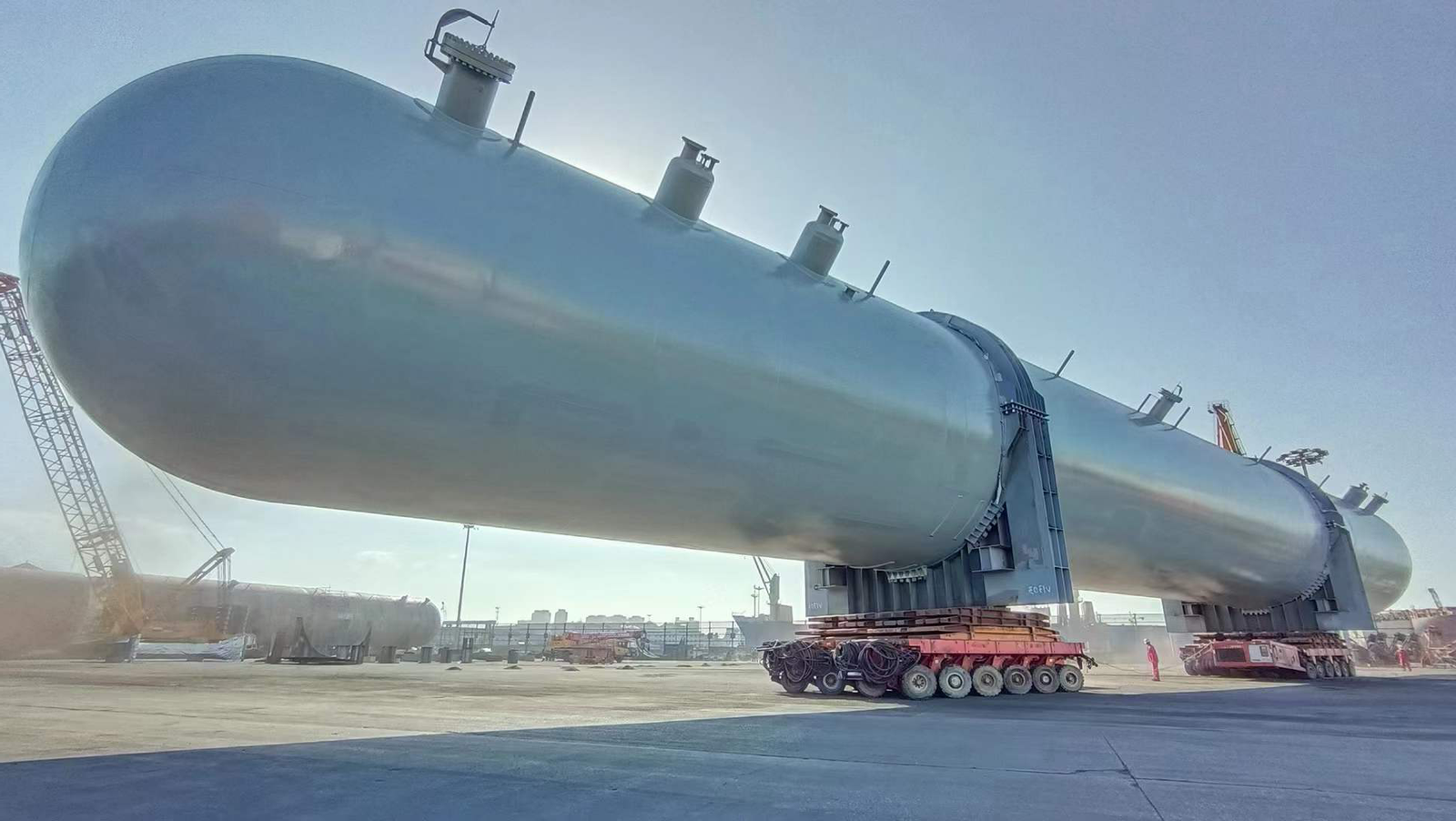
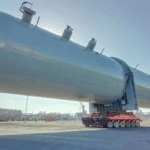
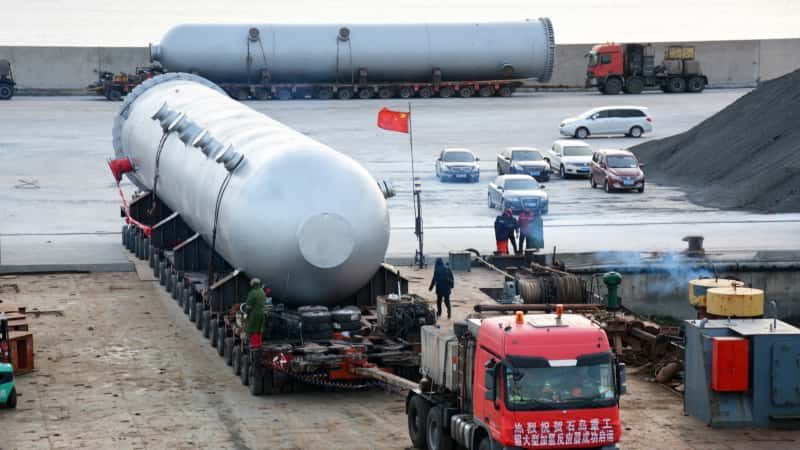
Representative storage equipment. Condensate holding and off-specification duties require confirmed capacity, materials and operating conditions.
Agree on Acceptance Criteria Before Comparing Quotations
A useful acceptance specification identifies the quality parameters, limits, sampling locations, analytical methods and operating conditions under which performance will be assessed. The chosen parameters should follow the receiving application and feed-related risks, not a generic list copied from another project.
Clarify whether compliance is required at the condenser outlet, after polishing, or at the final reuse connection. These are different contractual boundaries. If further treatment is necessary, assign its design, supply and performance responsibilities explicitly.
Also define how feed deviations, startup periods and failed tests will be handled. A proposal guaranteeing evaporation capacity alone is not directly comparable with one that includes a verified final-water specification. EPA’s industrial water reuse resources provide regulatory reference material, but applicable requirements must be checked for the project’s location and use.
Review Manufacturing and Delivery as Part of the Package
Once process responsibilities are established, translate the approved requirements into equipment drawings, material specifications and an inspection plan. Relevant deliverables may include material traceability, welding records, required examinations, applicable pressure or vacuum design documentation, testing and dimensional checks.
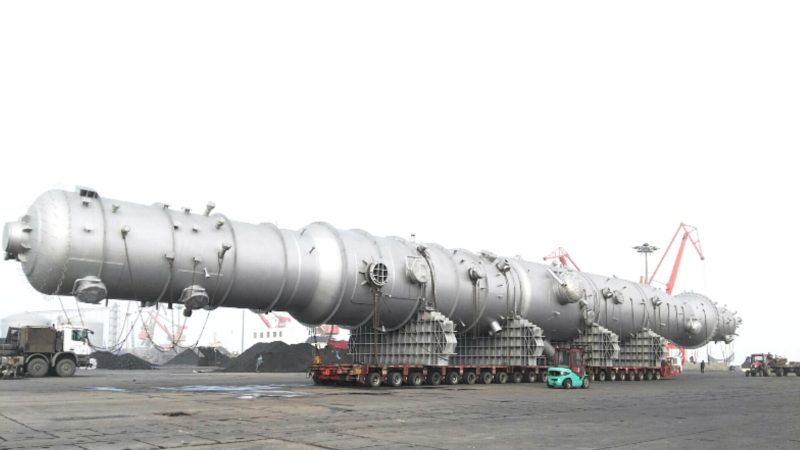
WSHI’s scope includes engineering coordination, material procurement, welding fabrication, nondestructive examination, pressure testing where applicable, coating and heavy-equipment delivery. Review WSHI manufacturing capabilities against the actual equipment package rather than assuming whole-plant treatment performance is included.
Delivery planning should address preservation, transport constraints and installation interfaces. Documents needed for foundations and connected equipment should be scheduled before shipment, while commissioning and water-quality verification responsibilities should remain clearly assigned.
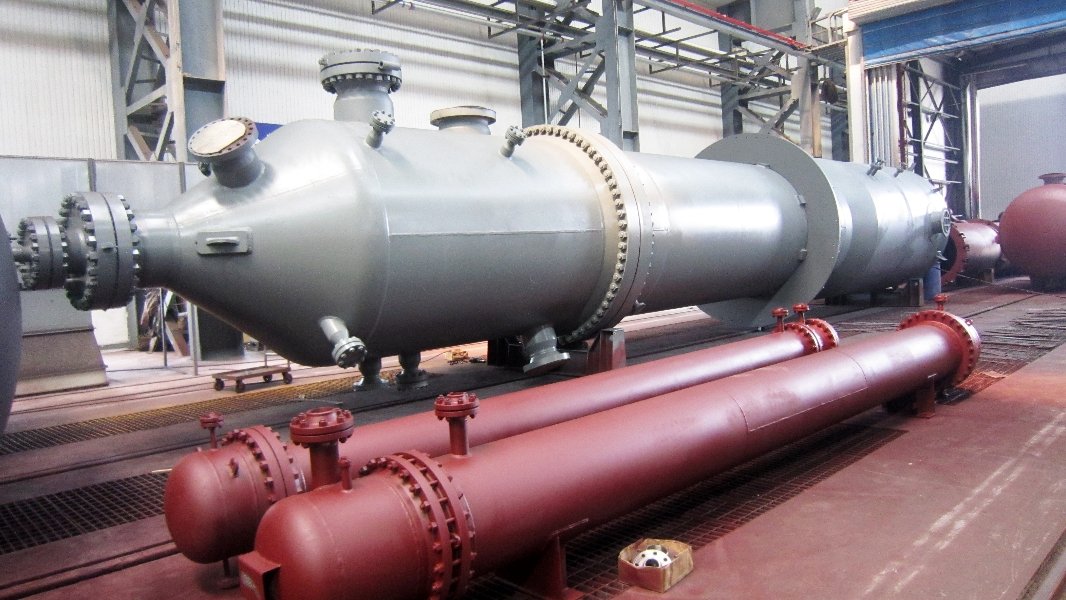
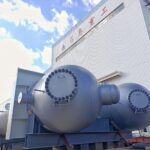
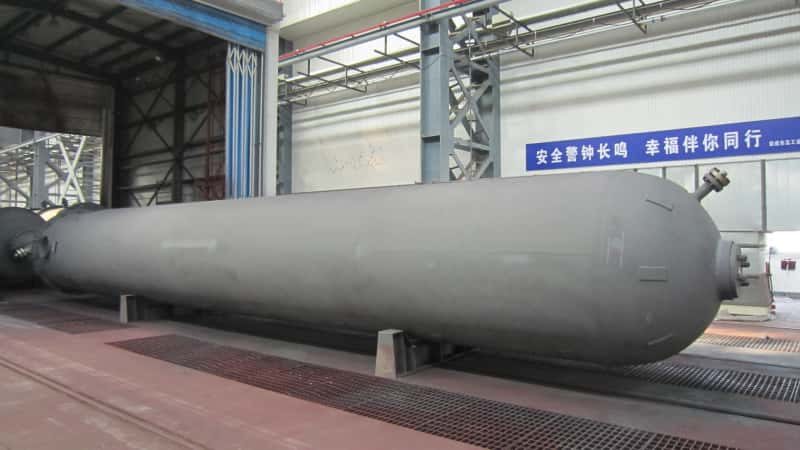
Representative fabrication workshop. Manufacturing verification and process-water acceptance are separate project activities.
FAQ
Can wastewater evaporator condensate be reused directly?
Sometimes, but only after its quality is demonstrated to meet the intended application and applicable requirements. Some condensate needs further treatment before reuse.
Does low conductivity mean the condensate is suitable?
No. Conductivity does not establish the absence of all relevant contaminants. The testing programme must reflect the feed and reuse destination.
Does better vapor-liquid separation remove volatile contaminants?
Not necessarily. Droplet separation addresses liquid carryover, while volatile constituents require a separate process assessment.
What should buyers provide before requesting quotations?
Provide representative wastewater analyses, the concentration and recovery targets, the intended reuse specification, utility conditions, storage needs and the proposed equipment and performance boundaries.
Discuss Your Evaporation and Condensate Equipment Requirements
Wastewater evaporator condensate reuse becomes a practical procurement objective when the receiving application, process assumptions and acceptance criteria are clear. If your project requires complete evaporation equipment, condensers, separation vessels or storage tanks above 1,000 liters, contact our engineering team with the feed analyses, approved water-quality targets and preliminary drawings. These inputs support a focused review of manufacturing feasibility, inspection requirements and delivery scope.