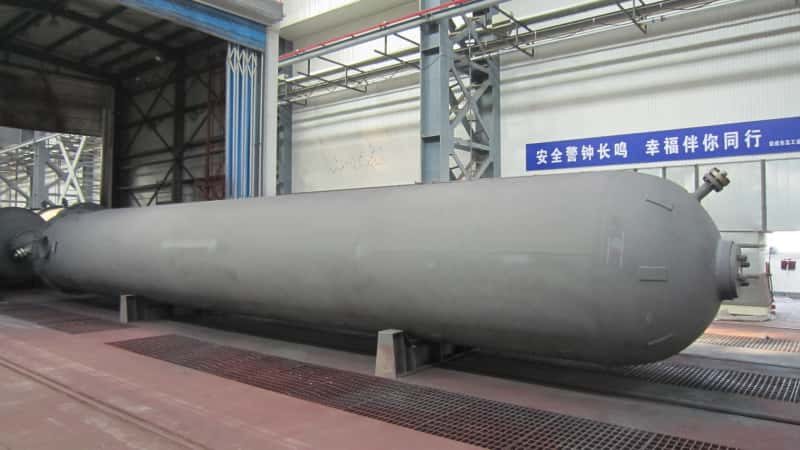

For refinery, petrochemical, hydrogen, ammonia, methanol, and high-pressure process units, a breech lock type heat exchanger is not a standard commodity item. It is a critical pressure equipment purchase that requires careful supplier evaluation. EPC contractors, engineering buyers, and project managers need to assess whether a manufacturer can understand high-pressure service, review drawings, control welding quality, manage materials, perform inspection and testing, and support delivery documentation.
Unlike conventional shell and tube exchangers with large channel cover flanges, breech lock designs are typically considered for demanding high-pressure and high-temperature services where compact construction, sealing reliability, and maintainability are important. The final design should always be confirmed by qualified engineers according to project specifications and applicable codes.

What Is a Breech Lock Type Heat Exchanger?
A breech lock type heat exchanger is a special type of shell and tube heat exchanger designed for high-pressure service. Its closure structure differs from many conventional bolted channel cover designs. In suitable applications, the breech lock structure can help manage high pressure while supporting maintenance access.
These exchangers may be used in severe services such as hydroprocessing, hydrogen-rich process streams, ammonia or methanol systems, refining units, and other high-pressure chemical processes. Buyers can compare this equipment category with broader industrial heat exchangers when planning an EPC equipment package.
Because the equipment is technically demanding, supplier selection should focus on engineering coordination and manufacturing capability, not only price.
Where Are Breech Lock Heat Exchangers Used?
Refinery and Petrochemical Units
Refineries and petrochemical plants may require high-pressure heat exchangers for hydrogen service, hydroprocessing, feed-effluent exchange, process heating, cooling, condensation, or energy recovery. In these units, equipment reliability can affect operating stability and maintenance planning.
For downstream projects, buyers may also review petrochemical pressure vessels and pressure vessels for oil and gas when planning related separators, drums, towers, and storage vessels.
Hydrogen, Ammonia, and Methanol Projects
Hydrogen-rich service, ammonia synthesis, methanol production, and related new energy chemical projects may involve high pressure, high temperature, special materials, and strict inspection requirements. In these projects, a breech lock type heat exchanger may be evaluated when the process and mechanical design justify this structure.
For ammonia or chemical applications, pressure vessels for chemical plants may also be part of the same procurement package.
High-Pressure Process Equipment Packages
Breech lock exchangers are often supplied as part of a larger process equipment scope that may include pressure vessels, separators, reactors, columns, and storage equipment. EPC buyers should confirm interface requirements between the exchanger and connected equipment before fabrication begins.
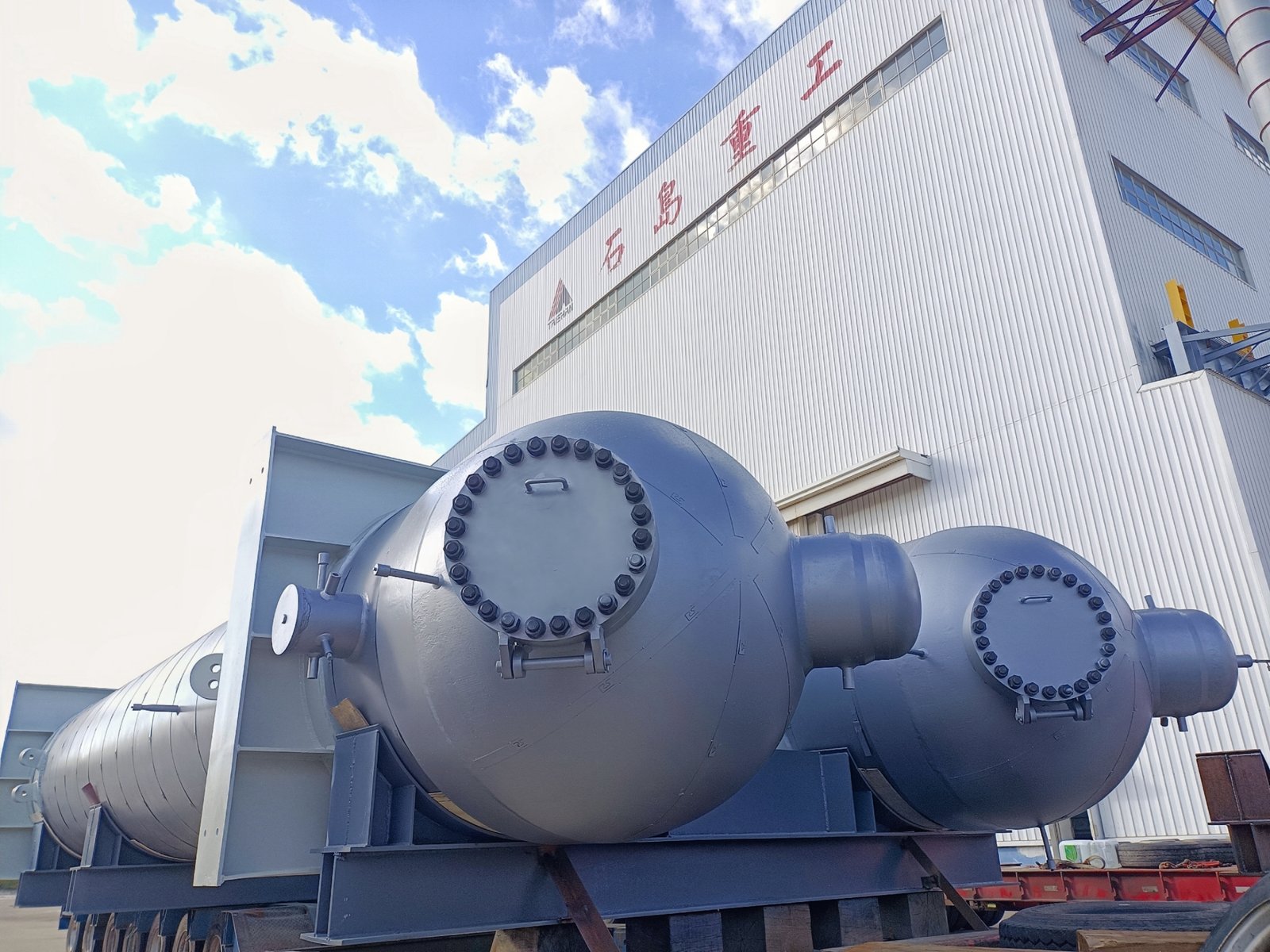
Key Criteria for Evaluating Manufacturers and Suppliers
1. Engineering Review Capability
A qualified supplier should be able to review process datasheets, mechanical drawings, design pressure, design temperature, heat duty, fluid properties, corrosion conditions, nozzle loads, maintenance requirements, and inspection scope.
For high-pressure exchangers, drawing review is especially important. The manufacturer should check manufacturability, closure details, tube-to-tubesheet requirements, welding access, lifting design, transport dimensions, and assembly sequence before production starts.
A capable large-scale pressure vessel manufacturer should support technical communication with EPC engineers rather than simply quoting from incomplete drawings.
2. Experience With High-Pressure Fabrication
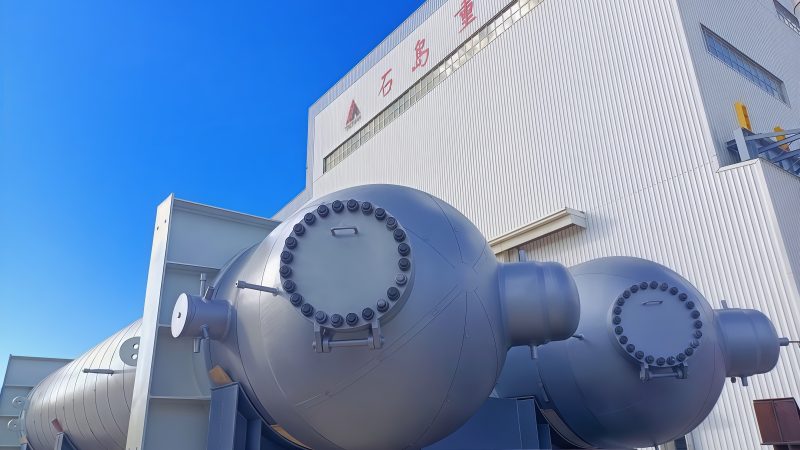
Breech lock heat exchangers require strong heavy fabrication capability. Buyers should evaluate whether the manufacturer can handle thick-wall shells, precision machining, tubesheet work, controlled welding, heavy lifting, assembly accuracy, and dimensional inspection.
For high-pressure equipment, small deviations can create major problems during assembly, testing, or site installation. Manufacturing capability should therefore be assessed through workshop equipment, quality procedures, inspection records, and ability to manage large non-standard pressure equipment.
3. Material Control and Traceability
Material selection depends on pressure, temperature, fluid composition, hydrogen exposure, corrosion risk, and project specification. Depending on service conditions, materials may include carbon steel, alloy steel, stainless steel, clad plate, special tubes, forged components, or other specified materials.
Buyers should confirm how the supplier manages material certificates, heat number traceability, incoming inspection, material marking, welding consumables, and substitution control. Any material change should follow formal engineering approval.
4. Welding and Heat Treatment Control
Welding quality is central to exchanger reliability. The supplier should manage welding procedure qualification, welder qualification, groove preparation, preheating when required, interpass temperature control, weld repair procedures, and post-weld heat treatment if specified.
For high-pressure or hydrogen-related applications, welding and heat treatment requirements should be reviewed carefully by qualified engineers. The article should not be used as a substitute for project-specific engineering judgment.

5. Inspection, NDT, and Pressure Testing
Inspection scope should be agreed before fabrication begins. Depending on the design code, material, wall thickness, joint type, and project specification, non-destructive testing may include radiographic testing, ultrasonic testing, magnetic particle testing, liquid penetrant testing, and visual inspection.
Pressure testing, leak testing, dimensional inspection, tube-side and shell-side checks, and final documentation should follow approved procedures. For EPC projects, inspection hold points and third-party inspection requirements should be clearly defined in the purchase order or technical agreement.
6. Standards and Technical Documentation
Breech lock exchangers may be specified with reference to pressure vessel and shell-and-tube heat exchanger standards depending on the project. Common references may include ASME Section VIII, TEMA standards, and API Standard 660 for shell-and-tube heat exchangers in petroleum, petrochemical, and natural gas industries.
ASME also provides technical criteria related to shell-and-tube heat exchangers under Section VIII Division 1 context. Buyers should not assume all standards apply automatically. The governing code, design basis, inspection scope, and documentation requirements should be confirmed by the engineering team and relevant inspection authority.
Common Mistakes When Comparing Suppliers
Choosing Only by Lowest Price
The lowest quotation may exclude key items such as special materials, NDT scope, heat treatment, machining requirements, spare gaskets, third-party inspection support, export packing, or complete documentation. EPC buyers should compare suppliers on the same technical and commercial scope.
Sending Incomplete Datasheets
A request that only says “breech lock heat exchanger” is not enough. The manufacturer needs heat duty, fluids, pressure, temperature, fouling factor, allowable pressure drop, material requirements, design code, inspection requirements, and delivery conditions.
Ignoring Maintenance Access
Breech lock exchangers are often selected partly because maintenance access matters in high-pressure service. Buyers should review opening method, bundle handling, gasket replacement, site lifting space, and maintenance clearance before finalizing the design.
Overlooking Delivery Constraints
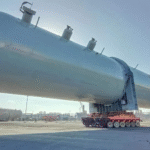
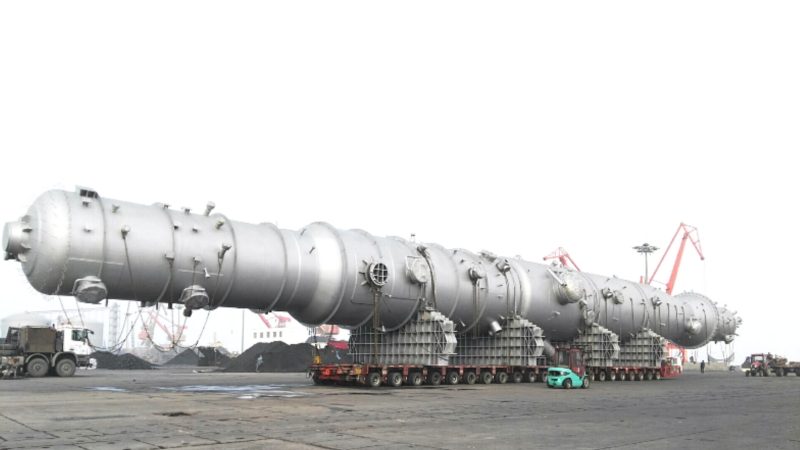
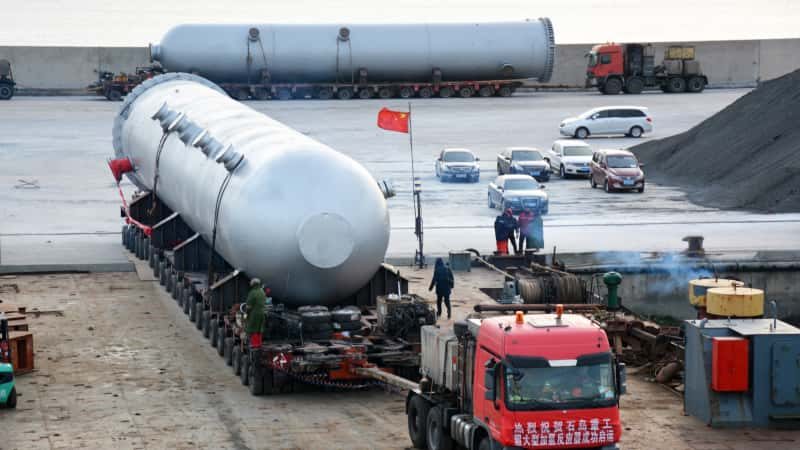
High-pressure exchangers can be heavy and oversized. Transport dimensions, lifting points, saddle design, packing, port delivery, and site unloading conditions should be reviewed before fabrication starts.
What Buyers Should Ask Before Placing an Order
Before selecting a breech lock type heat exchanger manufacturer, buyers should ask:
- Can the supplier review thermal and mechanical datasheets?
- Has the supplier confirmed manufacturability of the closure structure?
- Are material requirements and traceability clearly defined?
- What welding, heat treatment, and NDT procedures will be used?
- What inspection hold points are included?
- What pressure testing and leak testing are required?
- What documents will be included in the final dossier?
- Can the supplier support export packing and large equipment delivery?
- Are technical deviations handled through formal approval?
These questions help buyers evaluate execution risk before committing to a supplier.
What to Prepare Before Requesting a Quotation
Before requesting a quotation, EPC buyers should prepare:
- Process datasheet
- Heat duty and thermal design data
- Shell-side and tube-side fluids
- Flow rates, pressure, and temperature
- Design pressure and design temperature
- Fouling factor and allowable pressure drop
- Material requirements
- Corrosion allowance
- Tube, tubesheet, and closure requirements
- Nozzle schedule and nozzle loads
- Applicable design code and project standard
- NDT, inspection, and testing requirements
- Heat treatment requirements, if applicable
- Coating or insulation requirements
- Delivery destination and transport limits
- Documentation requirements
If the project is still in early engineering, preliminary data can still help the supplier identify feasibility concerns.
FAQ
What is a breech lock type heat exchanger used for?
A breech lock type heat exchanger is typically considered for high-pressure and high-temperature services in refinery, petrochemical, hydrogen, ammonia, methanol, and other demanding process units. Final suitability depends on project-specific design conditions.
How is it different from a conventional shell and tube heat exchanger?
It uses a special closure structure that differs from many conventional bolted channel cover designs. The detailed design should be reviewed according to project requirements, pressure conditions, maintenance needs, and applicable standards.
What should buyers evaluate in a manufacturer?
Buyers should evaluate engineering review capability, high-pressure fabrication experience, material traceability, welding control, machining capability, NDT, pressure testing, documentation, and delivery support.
What standards may be involved?
Depending on the project, standards may include ASME pressure vessel requirements, TEMA shell-and-tube exchanger standards, API Standard 660, and project-specific specifications. Applicability must be confirmed by qualified engineers.
Why does delivery planning matter?
Breech lock exchangers can be heavy and dimensionally sensitive. Early review of lifting points, transport route, packing, port delivery, and site unloading conditions helps reduce schedule and installation risk.
Conclusion
Evaluating breech lock type heat exchanger manufacturers and suppliers requires more than comparing price. EPC buyers should review engineering capability, high-pressure fabrication experience, material control, welding quality, inspection planning, documentation, and delivery support.
If you are sourcing breech lock heat exchangers, shell and tube heat exchangers, pressure vessels, separators, towers, or other custom process equipment for refinery, petrochemical, hydrogen, ammonia, methanol, or EPC projects, you can discuss your project requirements with an engineering and manufacturing team. Sharing datasheets, drawings, operating conditions, material requirements, inspection needs, and delivery terms will help support technical communication and fabrication evaluation.