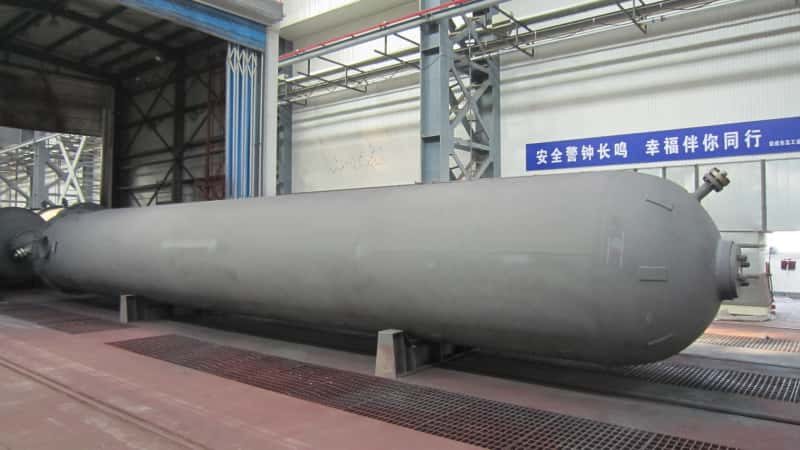
Coke oven gas is a valuable by-product from coking, steel and coal chemical operations. It may contain hydrogen, methane, carbon monoxide, carbon dioxide, nitrogen, sulfur compounds, tar, ammonia, moisture and other trace contaminants depending on the upstream process. For coal chemical and metallurgical gas utilization projects, coke oven gas purification equipment is needed before the gas can be used for hydrogen recovery, syngas preparation, chemical synthesis or downstream fuel applications.
For EPC contractors and industrial project buyers, the key issue is not a single purifier or small component. A practical coke oven gas purification project often requires a complete equipment scope, including scrubber towers, gas-liquid separators, knock-out drums, heat exchangers, buffer vessels, pressure vessels and large holding tanks. This article explains what buyers should review before procurement.
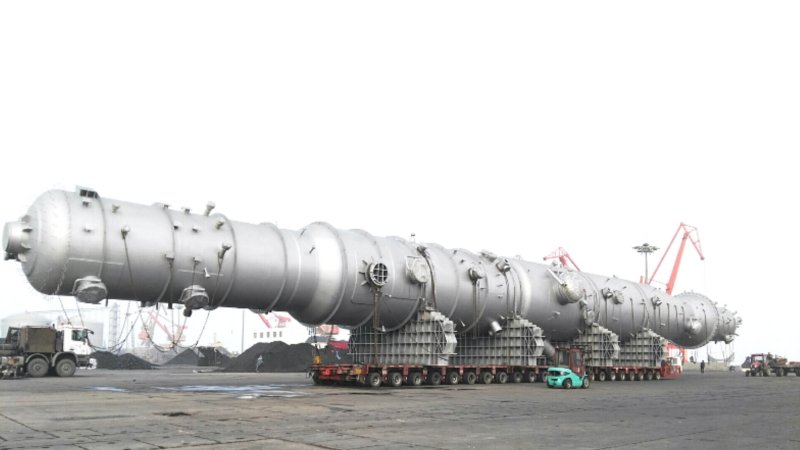
Coke oven gas purification equipment should be specified from actual gas composition and downstream gas quality requirements.True
Tar, sulfur compounds, ammonia, moisture, particulates and gas composition can affect scrubber design, separator sizing, heat exchanger duty, materials, corrosion protection and hydrogen recovery interfaces.
A fabricated scrubber tower or separator alone can guarantee hydrogen purity or recovery rate.False
Hydrogen purity and recovery depend on the complete process technology, gas composition, operating control and supplier responsibility boundary, not the pressure vessel name alone.
Why Coke Oven Gas Purification Matters
Coke oven gas can be reused as fuel, converted into chemical feedstock or processed for hydrogen-rich streams. Research programs such as Fraunhofer UMSICHT gas purification work show continued interest in purifying metallurgical gases, including coke oven gas, for chemical production and hydrogen recovery. However, raw gas usually requires treatment before it can meet downstream process requirements.
Purification may be needed to remove tar, dust, sulfur compounds, ammonia, moisture, carbon dioxide, oxygen traces or other impurities. The required gas quality depends on the final use, such as hydrogen recovery, methanol synthesis, ammonia synthesis, fuel gas supply or other coal chemical applications.
For EPC procurement, this means equipment must be selected according to actual gas composition, process pressure, operating temperature, impurity profile, corrosion risk and downstream requirements. Buyers can review process towers and columns and custom pressure vessels together when planning a complete purification package.
Main Equipment in a Coke Oven Gas Purification Package
Scrubber Towers
Scrubber towers are commonly used for gas cleaning, cooling, absorption or removal of selected contaminants. In coke oven gas projects, scrubbers may be used to handle tar mist, ammonia, acid gases, particulates or water-soluble impurities depending on the process design.
When sourcing a scrubber tower, EPC buyers should confirm gas flow rate, liquid flow rate, operating pressure, design pressure, operating temperature, gas composition, scrubbing liquid chemistry, corrosion allowance, material requirements and inspection scope.
The procurement focus should be the complete fabricated tower, including pressure boundary, shell, heads, supports, nozzles, inspection openings, coating, testing and documentation.
Gas-Liquid Separators and Knock-Out Drums
Gas-liquid separators and knock-out drums are important for removing bulk liquids, condensate or entrained droplets from coke oven gas streams. They help protect downstream compressors, purification units, heat exchangers and hydrogen recovery equipment.
For separator procurement, buyers should provide gas flow, liquid loading, pressure, temperature, expected contaminants, drainage requirements and control interface information. The vessel should be reviewed as a complete pressure equipment item rather than a single internal separation element.
Heat Exchangers and Gas Coolers
Temperature control is often required before or after gas cleaning. Heat exchangers may be used for cooling, condensation, heat recovery or process gas conditioning.
When working with a heat exchanger manufacturer, EPC buyers should provide gas composition, inlet and outlet temperatures, heat duty, pressure drop limits, fouling tendency, condensate behavior and material requirements. If the gas contains tar, sulfur or corrosive moisture, cleaning access and fouling management should be considered carefully.
Buffer Vessels and Pressure Vessels
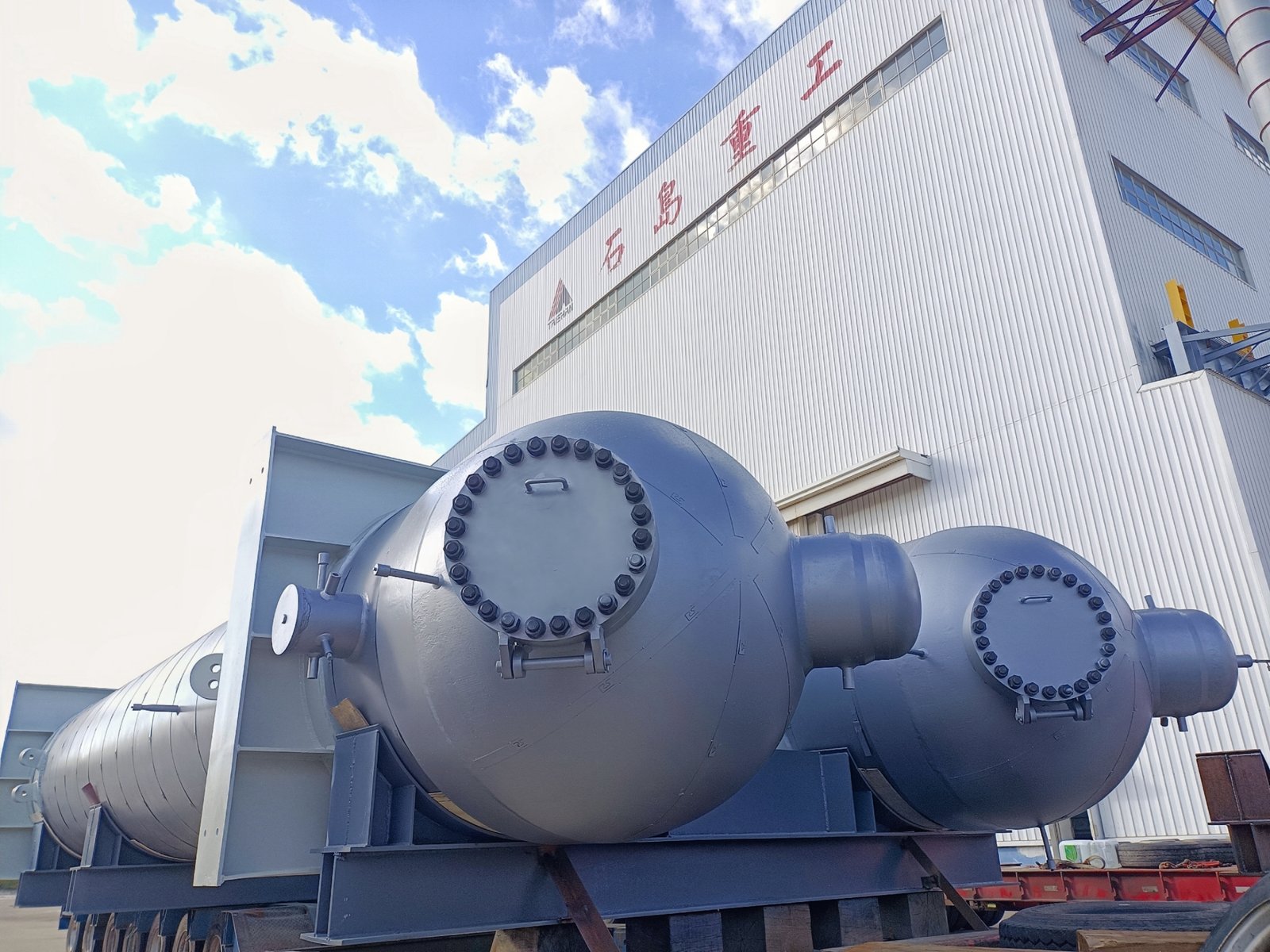
Coke oven gas flow and composition may fluctuate with upstream operation. Buffer vessels, surge drums and other pressure vessels can help stabilize flow, separate liquid carryover and protect downstream units.
For coal chemical and gas purification projects, buyers may need pressure vessels for chemical plants together with separators, scrubbers and exchangers. Design pressure, cyclic operation, corrosion allowance, material selection and inspection requirements should be reviewed before fabrication.
Large Holding Tanks Above 1,000L
Gas cleaning systems may generate scrubbing liquid, condensate, wastewater or recovered liquid streams. Large industrial tanks above 1,000 liters may be needed for temporary holding, neutralization feed, condensate collection or wastewater transfer.
For these applications, buyers should review industrial storage tanks according to medium composition, corrosion protection, capacity, venting, coating, inspection and delivery boundary. The article scope is large project tanks, not small containers.
Equipment Scope Overview
| Equipment category | Typical role | Key RFQ data |
|---|---|---|
| Scrubber tower | Gas cleaning, cooling, absorption or removal of selected contaminants | Gas flow, scrubbing liquid, contaminant profile, pressure, temperature and materials |
| Gas-liquid separator | Removal of condensate, droplets or liquid carryover | Gas flow, liquid loading, drainage, level control and internals interface |
| Heat exchanger or gas cooler | Cooling, condensation, heat recovery or gas conditioning | Heat duty, pressure drop, fouling tendency, condensate behavior and cleaning access |
| Buffer vessel or surge drum | Flow stabilization and downstream equipment protection | Operating range, design pressure, cyclic conditions, nozzles and supports |
| Large holding tank above 1,000L | Scrubbing liquid, condensate, wastewater or recovered liquid storage | Capacity, medium composition, corrosion protection, venting, coating and delivery boundary |
Key Selection Factors for EPC Buyers
Raw Gas Composition
Coke oven gas composition can vary significantly. Buyers should provide hydrogen, methane, carbon monoxide, carbon dioxide, nitrogen, oxygen, hydrogen sulfide, ammonia, tar, moisture and particulate data where available. Trace contaminants can strongly influence material selection, corrosion risk and downstream purification requirements.
Target Gas Quality
The required purification level depends on the downstream use. Hydrogen recovery, fuel gas conditioning, syngas preparation and chemical synthesis may require different gas quality. Buyers should define the target outlet condition based on the process package or end-user requirement.
A vessel manufacturer can fabricate equipment according to drawings and specifications, but gas purity performance depends on the full process design, operation and purification technology.
Pressure and Temperature
Operating pressure, design pressure, operating temperature and design temperature should be clearly defined. Gas cooling, compression and purification steps may expose equipment to different pressure and temperature conditions.
For pressure-containing equipment, applicable codes and inspection requirements should be confirmed by the project engineering team.
Corrosion and Fouling Risk
Coke oven gas may contain sulfur compounds, ammonia, tar, moisture and other corrosive or fouling substances. These can affect scrubber towers, separators, exchangers and storage tanks.
Material selection may include carbon steel, stainless steel, low-alloy steel, lined structures or other project-specified materials. Final selection should be based on actual gas and liquid chemistry, operating temperature, corrosion allowance and project specifications.
Waste Liquid Handling
Gas cleaning does not remove contaminants from the project boundary. It often transfers them into liquid waste, condensate or sludge. EPC buyers should review large holding tanks, wastewater routing, drainage vessels and downstream treatment interfaces as part of the complete equipment package.
Manufacturing and Quality Control Review
Drawing and Datasheet Review
Before fabrication, the manufacturer should review equipment drawings, datasheets, material specifications, nozzle orientation, support structure, lifting points, inspection openings, weld details and transportation limits. This review helps reduce site installation conflicts and late-stage design changes.
Welding and NDT
Scrubber towers, separators, pressure vessels and heat exchangers require controlled welding and inspection. Depending on the equipment type and code, inspection may include visual inspection, radiographic testing, ultrasonic testing, magnetic particle testing, penetrant testing, hydrostatic testing or leak testing.
Coating, Lining and Surface Protection
Coke oven gas purification can create corrosive service conditions. Internal lining, external coating, corrosion allowance and surface preparation should be confirmed according to gas and liquid chemistry. For export projects, packing and coating protection during sea transport should also be reviewed.
Delivery and Installation Boundary
Coal chemical and steel plant projects may involve large equipment, heavy lifting and constrained installation areas. EPC buyers should confirm shipping dimensions, lifting weight, saddle design, transport route, port delivery and site access before production is complete.
RFQ Checklist for Coke Oven Gas Purification Equipment
| RFQ item | Why it matters |
|---|---|
| Process flow diagram and equipment arrangement | Defines package boundary, interfaces, layout and delivery scope |
| Raw coke oven gas composition | Supports materials, corrosion review, fouling review and downstream purification planning |
| Target gas quality | Clarifies whether the project supports hydrogen recovery, fuel gas, syngas or chemical synthesis |
| Gas and liquid flow rates | Guides scrubber, separator, cooler and drainage equipment sizing |
| Pressure and temperature data | Defines pressure boundary, wall thickness, code requirements and inspection scope |
| Tar, sulfur, ammonia and moisture profile | Highlights fouling, corrosion, waste liquid and cleaning risks |
| Material, coating and lining requirements | Prevents underspecified corrosion protection and quotation gaps |
| NDT, testing and documentation requirements | Supports EPC quality review, third-party inspection and project handover |
If the gas composition is variable, buyers should provide normal, maximum and upset-condition data where available.
Common Procurement Mistakes
Treating Gas Purification as One Standard Equipment Item
Coke oven gas purification usually requires several connected equipment items. A scrubber tower, separator, cooler and buffer vessel should be reviewed as part of the complete process equipment scope.
Ignoring Tar and Fouling
Tar and heavy contaminants can create fouling and maintenance problems. Buyers should define gas cleanliness, condensate behavior and cleaning expectations before equipment selection.
Overlooking Corrosive Liquid Streams
Scrubbing liquid and condensate may be corrosive. Tanks, vessels and drainage points should be reviewed for material compatibility and corrosion protection.
Making Unsupported Hydrogen Recovery Claims
Hydrogen recovery depends on the complete process design, purification technology, operation and gas composition. Equipment manufacturers should avoid promising hydrogen purity or recovery rates unless supported by verified process data and supplier responsibility boundaries.
FAQ
What is coke oven gas purification equipment used for?
It is used to remove or reduce contaminants such as tar, moisture, sulfur compounds, ammonia, particulates or other impurities before hydrogen recovery, syngas preparation, fuel use or chemical synthesis.
What equipment is commonly included in a coke oven gas purification package?
A complete package may include scrubber towers, gas-liquid separators, knock-out drums, heat exchangers, buffer vessels, pressure vessels and large holding tanks.
What data is needed before requesting a quotation?
Buyers should provide gas composition, flow rate, pressure, temperature, contaminant profile, target gas quality, materials, corrosion allowance, drawings, inspection requirements and delivery terms.
Can equipment manufacturers guarantee hydrogen purity?
Manufacturers can fabricate equipment according to drawings and specifications, but hydrogen purity depends on the complete purification process, operating conditions and technology package.
Why is corrosion protection important in coke oven gas purification?
Coke oven gas and scrubbing liquids may contain sulfur compounds, ammonia, tar, moisture and acidic or alkaline contaminants. Material and coating choices should be based on actual service conditions.
Conclusion
Coke oven gas purification equipment supports coal chemical hydrogen recovery, metallurgical gas utilization and syngas preparation projects. EPC buyers should evaluate scrubber towers, separators, heat exchangers, buffer vessels, pressure vessels and large holding tanks as complete project equipment.
If you are preparing procurement for a coke oven gas purification, coal chemical hydrogen recovery or industrial gas cleaning project, you can share gas composition, drawings, datasheets, operating conditions and delivery requirements with our engineering team. WSHI can support manufacturing feasibility review for scrubber towers, gas-liquid separators, heat exchangers, pressure vessels, industrial storage tanks and related custom process equipment.