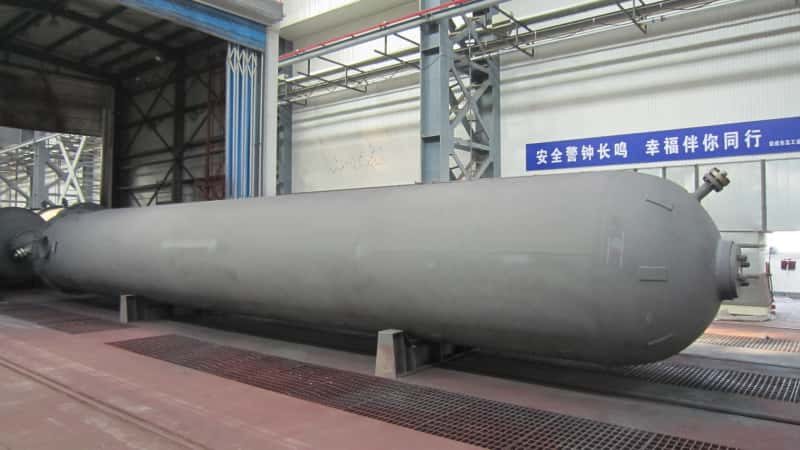

FPSO projects require compact, reliable, and carefully integrated equipment for separating, conditioning, and handling offshore production fluids. For EPC contractors, offshore project managers, and engineering procurement teams, selecting FPSO gas treatment equipment is not simply a matter of ordering individual vessels. Separators, knockout drums, heat exchangers, receivers, and auxiliary pressure vessels must fit the process design, topsides layout, weight limits, inspection scope, safety requirements, and offshore delivery plan.
Recent activity in offshore Brazil again highlights this demand. On May 29, 2026, SBM Offshore announced contracts for two Petrobras FPSOs for the Sergipe-Alagoas deepwater development. Each FPSO is planned to process oil and treat gas as part of an integrated offshore production system. For equipment buyers, projects of this type reinforce the importance of pressure equipment that can support gas treatment under demanding offshore conditions.

What Is an FPSO Gas Treatment System?
An FPSO, or floating production storage and offloading unit, receives hydrocarbons from offshore wells, processes the produced fluids, stores stabilized oil, and supports export or offloading operations. Depending on the project, the topsides process may handle oil, gas, produced water, condensate, and utility streams.
Gas treatment is one part of this larger system. Its purpose may include:
- Separating gas from liquids
- Removing entrained condensate or produced water
- Conditioning gas before compression
- Cooling gas between compression stages
- Protecting compressors and downstream equipment
- Managing liquid slugs and pressure fluctuations
- Supporting fuel gas systems
- Preparing gas for export, reinjection, or another approved destination
The exact process route depends on reservoir conditions, gas composition, pressure, temperature, water content, export requirements, reinjection strategy, and the overall FPSO design.
DNV describes FPSOs as important production, storage, and offloading assets for offshore hydrocarbon developments, particularly in remote and deep-water locations. Equipment suppliers must therefore consider offshore-specific constraints alongside conventional pressure vessel manufacturing requirements.
Main Pressure Equipment Used in FPSO Gas Treatment
1. Gas-Liquid Separators
Gas-liquid separators are among the most important vessels in offshore production. They remove liquid droplets, condensate, produced water, or hydrocarbon liquids from gas streams before downstream treatment or compression.
Depending on the process, an FPSO may require two-phase or three-phase separators. A two-phase separator divides a stream into gas and liquid. A three-phase separator may separate gas, hydrocarbon liquid, and water. The correct design depends on feed conditions, residence time, droplet behavior, liquid loading, pressure, and process objectives.
For buyers evaluating offshore separators, custom pressure vessels and broader pressure vessels for oil and gas provide useful reference categories.
2. Knockout Drums
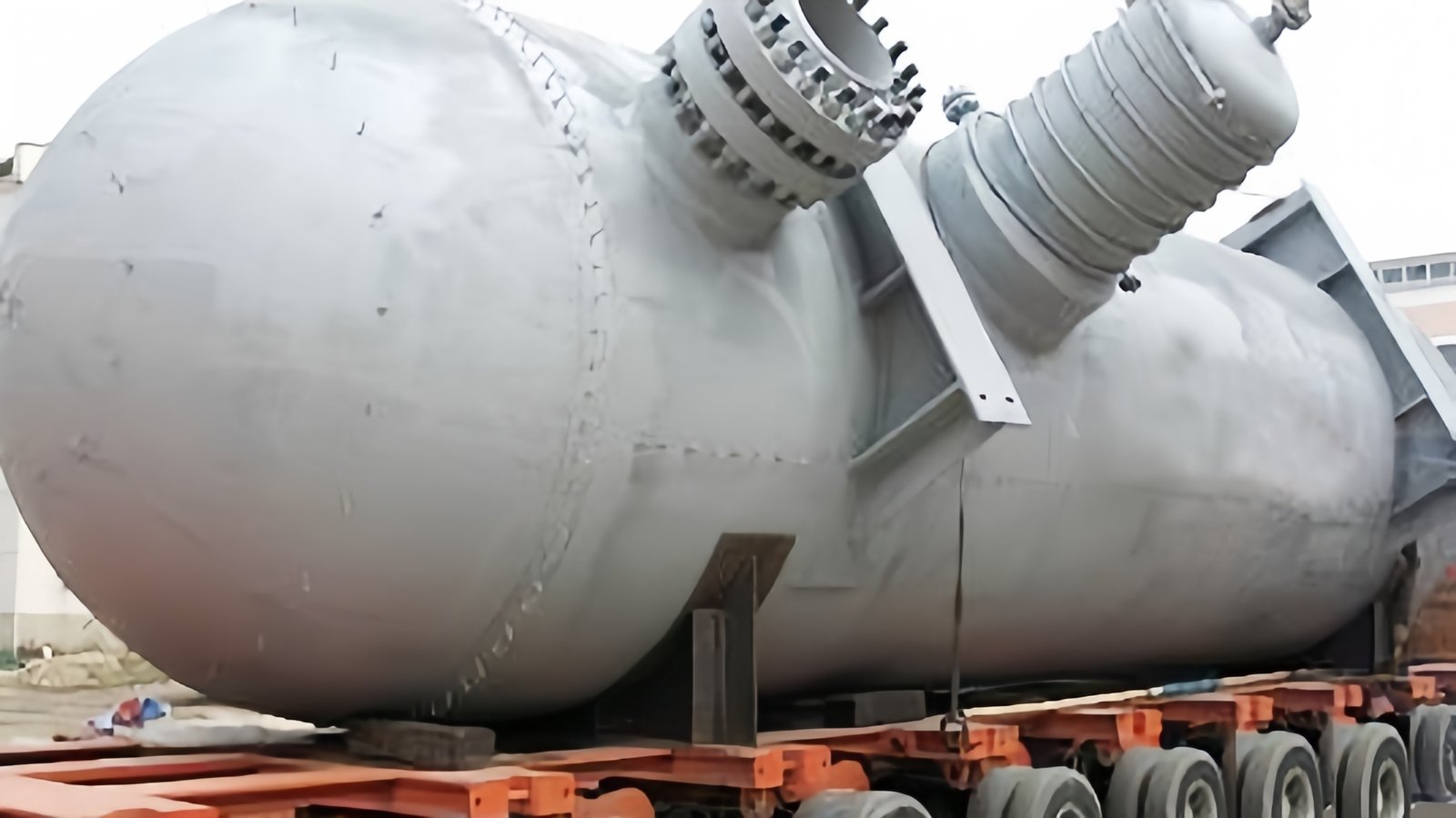
Knockout drums are used to capture liquid carryover, slugs, or condensate from gas streams. They may be installed upstream of compressors, flare systems, fuel gas systems, or other sensitive equipment.
A compressor suction knockout drum is especially important because liquid carryover can damage downstream machinery. Buyers should define expected gas flow, liquid loading, pressure, temperature, surge conditions, internal requirements, instrumentation, and drainage strategy.
Knockout drum design may also include:
- Inlet devices
- Demister pads or vane packs
- Level instruments
- High-level alarms
- Drain connections
- Pressure relief interfaces
- Inspection manways
- Internal corrosion allowance
3. Filter Separators and Scrubber Vessels
Some gas streams require additional filtration or polishing before compression, export, or fuel gas use. Filter separators and scrubber vessels can help remove fine droplets, particulates, or contaminants where required by the approved process design.
These vessels should not be treated as interchangeable. A bulk separator, compressor scrubber, filter separator, and fuel gas scrubber perform different functions. The equipment datasheet should clearly define the required duty and internal configuration.
4. Heat Exchangers and Gas Coolers
FPSO gas treatment systems often use heat exchangers for cooling, condensation, heat recovery, and compression-stage temperature control. Cooling gas can help condense liquids for removal in downstream separators and support compressor operation.
Depending on the service, EPC buyers may evaluate industrial heat exchangers or a shell and tube heat exchanger as part of the gas treatment package.
5. Receivers, Accumulators, and Buffer Vessels
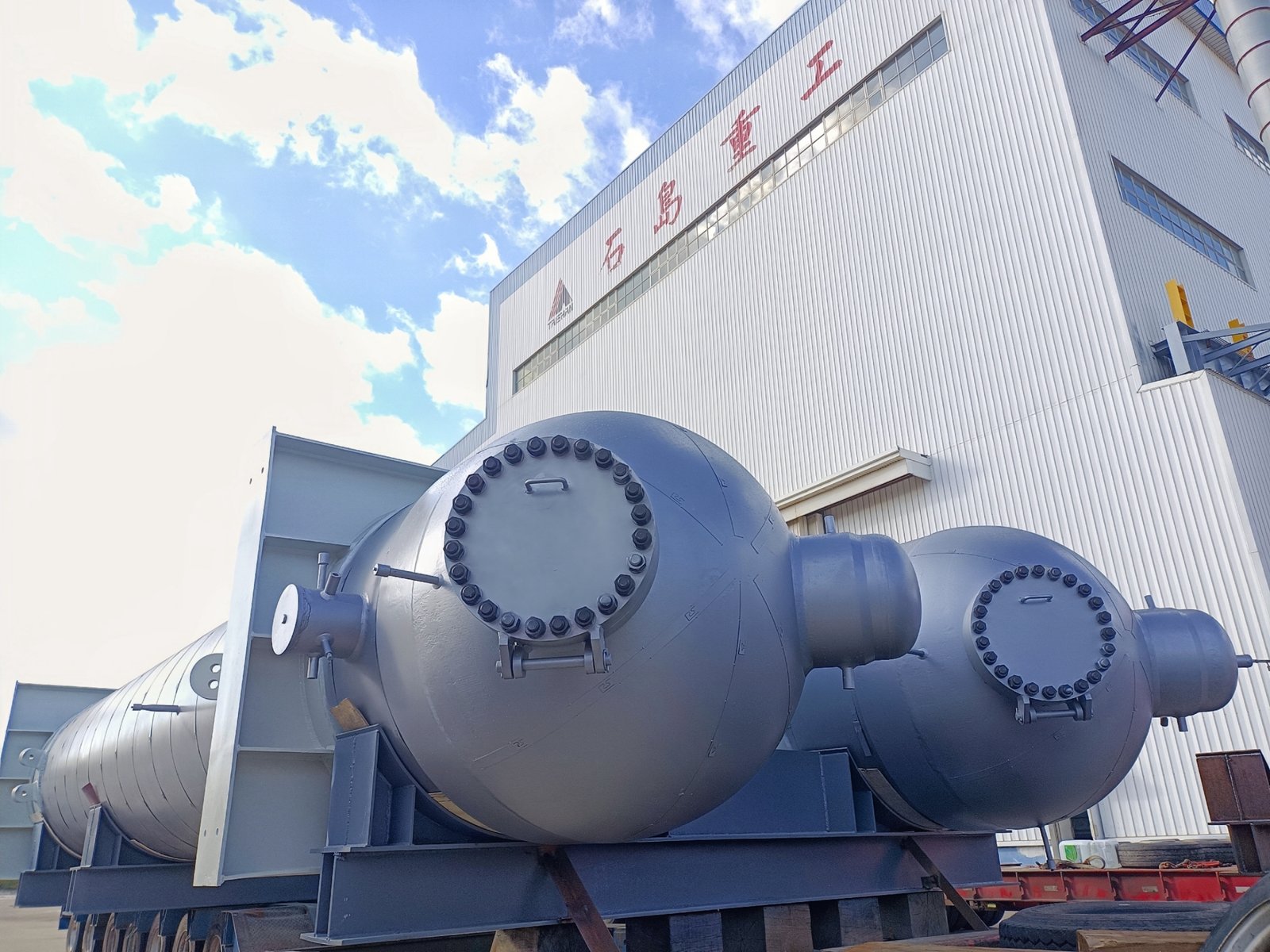
Receivers and accumulators may be used to stabilize process flow, collect liquids, manage condensate, or support utility systems. Buffer vessels can help reduce pressure fluctuations or provide temporary process capacity.
In offshore projects, these vessels must be reviewed carefully because topsides space and weight are limited. Nozzle orientation, support design, maintenance access, lifting method, and module integration should be considered early.
6. Fuel Gas System Vessels
FPSOs may use treated gas for onboard fuel systems, depending on the approved project design. Fuel gas systems can involve scrubber vessels, filter separators, heaters, coolers, receivers, and pressure control equipment.
The required treatment depends on gas composition and the needs of downstream consumers. Equipment suppliers should manufacture vessels according to approved datasheets rather than making assumptions about fuel gas quality.
7. Auxiliary Storage and Process Vessels
FPSO topsides may also require chemical storage tanks, closed-drain vessels, condensate vessels, utility drums, produced-water equipment, and other custom process vessels.
Some equipment may be pressure-rated, while other tanks may operate at atmospheric or low pressure. Buyers should define the applicable design basis for each item. For wider equipment planning, industrial storage tanks can be reviewed alongside pressure vessels and separators.
Why FPSO Equipment Procurement Is Different
Limited Topsides Space
FPSO topsides have strict space constraints. Equipment dimensions affect module layout, piping routes, maintenance clearance, lifting access, and installation sequence. A vessel that is acceptable for an onshore gas plant may require a different arrangement offshore.
Weight Control
Weight matters throughout the FPSO design process. Vessel shell thickness, internals, supports, insulation, operating liquid inventory, lifting structure, and piping loads can affect topsides weight. Equipment suppliers should work from approved mechanical datasheets and weight-control requirements.
Offshore Corrosion Conditions
Offshore equipment may face salt-laden air, humidity, external corrosion risk, process contaminants, and demanding maintenance conditions. Material selection, corrosion allowance, coating, insulation interfaces, and surface protection should be reviewed carefully.
Inspection and Maintenance Access
Offshore inspection and maintenance can be more difficult than onshore work. Manways, internal access, removable parts, lifting points, drainage, instrumentation access, and replacement strategy should be considered before fabrication.
Safety Integration
Individual vessels operate within a complete offshore safety system. Relief interfaces, alarms, shutdown logic, level instruments, pressure instruments, and drainage connections must align with the approved process safety design.
API publishes standards for offshore operations and process safety. Its standards reading room provides access to key industry references. The governing standards for a specific FPSO project should be confirmed by the EPC contractor, owner, class society, and relevant authorities.
Key Selection Factors for FPSO Gas Treatment Equipment
Gas Composition and Flow Conditions
Buyers should provide complete process data, including:
- Gas composition
- Gas flow rate and turndown conditions
- Design pressure and operating pressure
- Design temperature and operating temperature
- Condensate and water content
- Liquid slug expectations
- Corrosion risk
- Sour service considerations, if applicable
- Solids or particulate loading
- Upset conditions
Incomplete data can lead to unsuitable materials, incorrect vessel sizing, or unclear inspection requirements.
Vessel Function and Internals
A separator vessel should be designed around its process duty. Internals may include inlet devices, baffles, coalescers, vane packs, mist eliminators, weirs, vortex breakers, or other components.
The supplier, EPC contractor, process designer, and internals vendor should clarify who is responsible for internals design, interface dimensions, support rings, installation, and inspection.
Materials and Corrosion Control
Material selection depends on gas composition, pressure, temperature, water content, acid gas components, chlorides, corrosion allowance, and project specifications. Carbon steel may be suitable for some applications, while low-temperature steel, stainless steel, clad plate, or other materials may be required for different services.
Final material decisions should follow project engineering documents and applicable standards. Any substitution should be formally reviewed and approved.
Nozzle Loads and Structural Interfaces
Offshore vessels can be exposed to significant piping loads and module constraints. Buyers should confirm nozzle orientation, nozzle loads, support design, saddle position, lifting lugs, sea-fastening interfaces, platform access, and maintenance envelope.
Relief and Depressurization Interfaces
Pressure relief and depressurization requirements should be coordinated with the overall process safety design. API Standard 521 provides guidance related to pressure-relieving and depressurizing systems in petroleum production and processing facilities.
The vessel manufacturer should receive approved relief-related requirements from the EPC engineering team. It should not independently define the plant safety philosophy.
Manufacturing and Quality Control Considerations
Engineering Review Before Fabrication
Before production begins, the manufacturer should review process datasheets, mechanical drawings, material specifications, internals interfaces, nozzle loads, support details, welding requirements, NDT scope, coating system, packing requirements, and delivery conditions.
A large-scale pressure vessel manufacturer should support manufacturability review, dimensional control, documentation planning, and logistics coordination for large non-standard equipment.

Welding and Fabrication Control
Manufacturing may include material inspection, plate cutting, shell rolling, head forming, fit-up, seam welding, nozzle installation, internal support welding, vessel assembly, and dimensional inspection.
Welding procedures, welder qualifications, heat treatment requirements, and weld repair procedures should follow approved project requirements. If sour service or demanding corrosion conditions apply, additional project-specific controls may be needed.
NDT, Testing, and Documentation
Inspection scope depends on vessel type, design code, material, wall thickness, joint design, service conditions, and project specifications. Inspection may include:
- Material certificate review
- Visual inspection
- Dimensional inspection
- Radiographic testing
- Ultrasonic testing
- Magnetic particle testing
- Liquid penetrant testing
- Pressure testing
- Leak testing
- Coating inspection
- Final document review
OSHA provides general references for pressure vessel standards, including links to inspection-related standards. FPSO projects may also involve class society and jurisdiction-specific requirements.
Coating, Packing, and Offshore Delivery
Offshore projects require careful surface protection and packing. Buyers should define blasting grade, coating system, dry film thickness, inspection method, preservation requirements, lifting protection, shipping supports, and storage conditions.
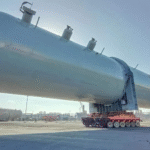
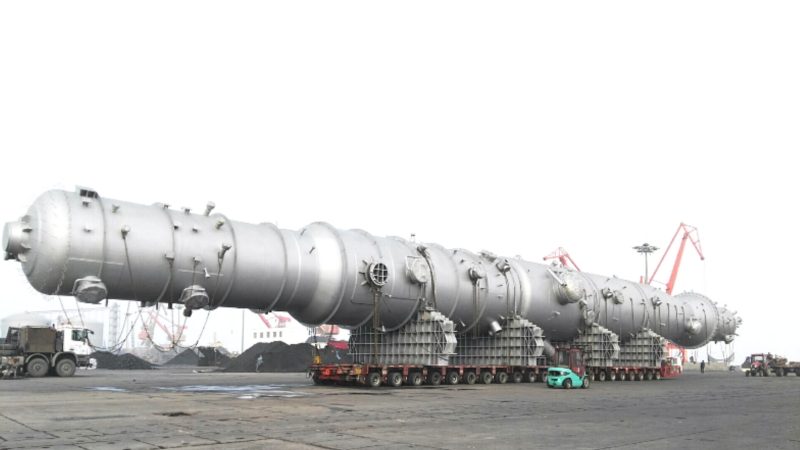
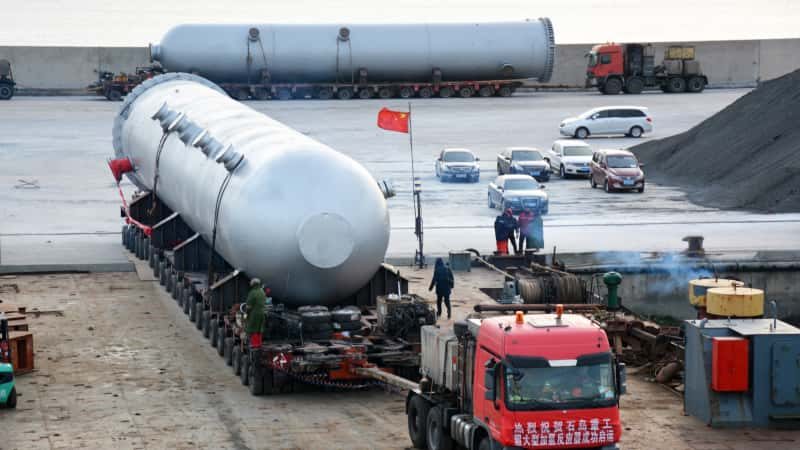
For export delivery, planning should include workshop lifting, inland transport, port handling, sea shipment, module yard delivery, and final documentation.
Common Procurement Mistakes
Treating Offshore Vessels Like Standard Onshore Equipment
FPSO equipment must fit topsides space, weight, structural, safety, maintenance, and delivery constraints. Offshore requirements should be shared with the manufacturer from the start.
Comparing Suppliers Only by Price
A lower quotation may exclude internals, NDT, coating, documentation, third-party inspection support, packing, or delivery requirements. EPC buyers should compare suppliers on the same technical and commercial scope.
Sending Incomplete Datasheets
A request for “one offshore separator” is not enough. The supplier needs process conditions, gas composition, liquid loading, internals requirements, nozzle loads, materials, inspection scope, and delivery terms.
Ignoring Interfaces with Compressors and Modules
Separator vessels, knockout drums, and coolers often connect closely with compressor packages and module layouts. Interface dimensions, liquid drainage, nozzle orientation, and maintenance access should be confirmed early.
What Buyers Should Prepare Before Requesting a Quotation
Before requesting a quotation for FPSO gas treatment equipment, buyers should prepare:
- Process description and equipment list
- Process datasheets
- Gas composition and flow rate
- Liquid loading and slug conditions
- Design and operating pressure
- Design and operating temperature
- Material specification
- Corrosion allowance
- Sour service requirements, if applicable
- Internals scope and interface requirements
- Nozzle schedule and nozzle loads
- Support, lifting, and module integration requirements
- Applicable design code and project standards
- Class society requirements, if applicable
- NDT, inspection, and testing requirements
- Coating and preservation specification
- Packing and delivery destination
- Documentation requirements
If the project is still in early engineering, preliminary datasheets can help the manufacturer identify feasibility concerns and missing information.
FAQ
What pressure vessels are used in FPSO gas treatment systems?
Common equipment includes gas-liquid separators, knockout drums, compressor suction scrubbers, filter separators, receivers, accumulators, fuel gas vessels, condensate vessels, and auxiliary process drums.
Why are knockout drums important on FPSOs?
Knockout drums help remove liquid carryover or slugs from gas streams before compressors, flare systems, or other sensitive equipment. Their design depends on actual process conditions.
What makes FPSO equipment different from onshore gas plant equipment?
FPSO equipment must meet offshore space, weight, corrosion protection, maintenance access, safety integration, module layout, class, and delivery requirements.
What information is needed to quote an offshore separator vessel?
Buyers should provide process datasheets, gas composition, liquid loading, pressure, temperature, material requirements, internals scope, nozzle schedule, nozzle loads, inspection requirements, and delivery terms.
Can one manufacturer supply multiple FPSO pressure equipment items?
A manufacturer may support separators, knockout drums, receivers, heat exchangers, storage vessels, and other custom process equipment if the workshop capability and project requirements are aligned.
Conclusion
FPSO gas treatment systems rely on separators, knockout drums, heat exchangers, receivers, and auxiliary pressure vessels to manage offshore production gas safely and reliably. For EPC contractors and project buyers, equipment selection should account for process conditions, topsides space, weight, materials, corrosion control, internals, inspection, documentation, and delivery constraints.
If you are sourcing FPSO gas treatment equipment, offshore separator vessels, heat exchangers, pressure vessels, storage tanks, or other custom equipment for offshore, oil and gas, petrochemical, or EPC projects, you can discuss your project requirements with an engineering and manufacturing team. Sharing process datasheets, drawings, material requirements, inspection needs, and delivery terms will help support technical communication and fabrication evaluation.