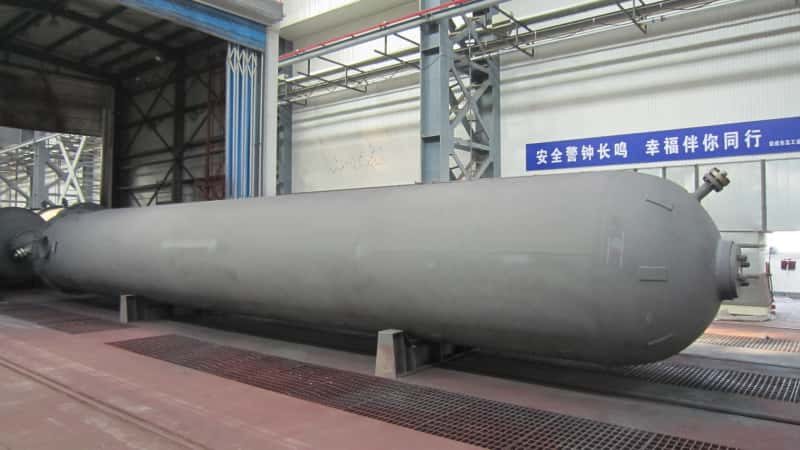

In chemical, petrochemical, solvent recovery, evaporation, and environmental process systems, an industrial process condenser is not just a general cooling device. It is a complete heat transfer equipment package that converts vapor into liquid, supports product recovery, reduces vent losses, and helps stabilize downstream process conditions. For EPC buyers, condenser procurement should focus on process duty, vapor composition, cooling medium, pressure and temperature conditions, material selection, inspection requirements, maintenance access, and site installation constraints.
WSHI focuses on complete project-based equipment, including industrial heat exchangers, custom pressure vessels, evaporator-related equipment, towers, and storage vessels above 1,000 liters. This guide is written for buyers planning complete condenser equipment for chemical plants, petrochemical units, distillation systems, evaporation systems, solvent recovery projects, and environmental process systems.
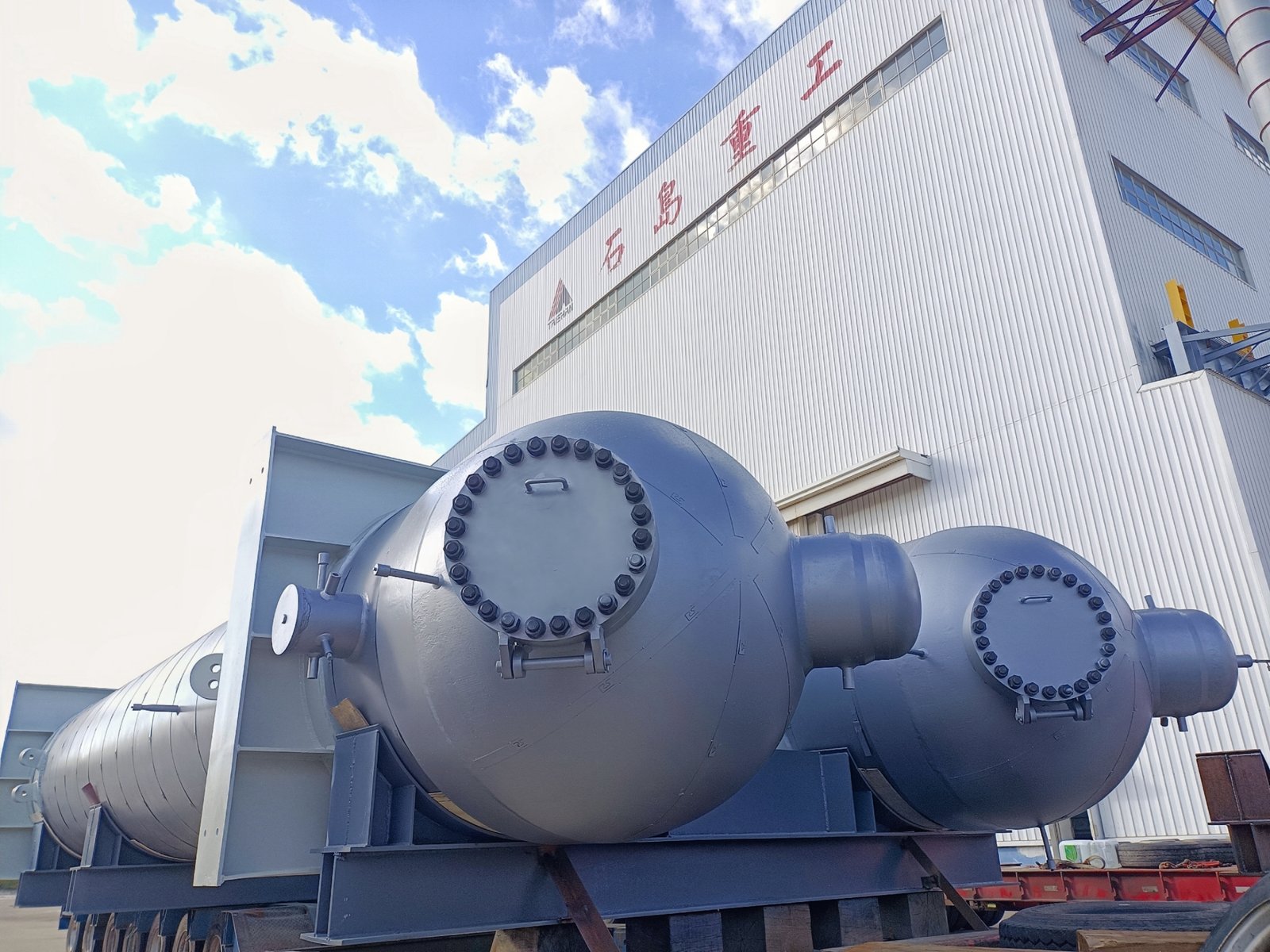
For technical context, TEMA standards are widely used for shell and tube heat exchanger mechanical design practice, while ASME BPVC Section VIII Division 1 may be relevant when a condenser is designed as pressure equipment. Final code basis, inspection scope, and safety requirements should be confirmed by the owner, EPC contractor, inspection authority, and qualified engineers.
A process condenser can be specified only by cooling duty.False
Cooling duty is not enough. Buyers should also define vapor composition, non-condensable gas content, pressure, temperature, cooling medium, fouling risk, materials, inspection scope, cleaning access, and delivery conditions.
Industrial condensers should be reviewed as part of the complete process system.True
Condenser performance affects product recovery, reflux stability, vapor pressure control, utility use, vent treatment, and downstream process conditions.
What Is an Industrial Process Condenser?
An industrial process condenser is a heat exchanger used to cool vapor and condense it into liquid. The condensed liquid may be recovered as product, reflux, solvent, condensate, wastewater, or another process stream depending on the system design.
Common applications include distillation overhead condensation, solvent recovery systems, evaporator vapor condensation, petrochemical vapor recovery, reactor vent condensation, stripping and absorption systems, wastewater evaporation systems, and chemical process vapor handling.
In many industrial projects, a condenser is designed as a shell and tube heat exchanger because this structure can be customized for pressure, temperature, corrosion, cleaning, inspection, and maintenance requirements.
Why Condenser Procurement Is Different from General Heat Exchanger Procurement
A process condenser does more than remove heat. It may affect product recovery, reflux stability, vapor pressure control, downstream vent treatment, utility consumption, and environmental performance. A condenser quotation based only on heat transfer area or nominal cooling duty is usually not enough for industrial procurement.
EPC buyers should confirm vapor composition, condensing duty, cooling medium, operating pressure, design pressure, operating temperature, design temperature, non-condensable gas content, fouling or scaling risk, material and corrosion requirements, cleaning and maintenance access, inspection scope, testing scope, installation conditions, and delivery constraints.
| Condenser Review Area | What EPC Buyers Should Confirm | Why It Matters |
|---|---|---|
| Vapor stream | Composition, flow rate, pressure, temperature, boiling range, non-condensables | Controls condensation behavior, surface area, pressure drop, and vent handling |
| Cooling medium | Cooling water, chilled water, glycol, air, or process-side cooling fluid | Affects temperature approach, materials, fouling risk, and utility demand |
| Pressure boundary | Shell-side and tube-side operating/design pressure and temperature | Determines code basis, wall thickness, flanges, gaskets, and testing |
| Materials | Vapor-side corrosion, cooling-water chemistry, chloride risk, solvent compatibility | Reduces corrosion risk and helps define service life |
| Maintenance | Tube cleaning, bundle access, lifting space, isolation, inspection access | Supports long-term performance and reduces downtime |
| Documentation | Datasheets, drawings, material certificates, NDT reports, test records, data book | Supports project handover, audit review, and future maintenance |
Main Applications in Chemical and Petrochemical Plants
Distillation Overhead Condensers
Distillation columns often use overhead condensers to condense vapor leaving the top of the column. The condensate may be returned as reflux, sent to product storage, or routed to downstream separation.
For projects involving process towers and columns, condenser duty should be reviewed together with column pressure, reflux ratio, vapor flow, cooling medium, product recovery requirements, and control strategy.
Solvent Recovery Condensers
Solvent recovery systems use condensers to recover valuable solvents from vapor streams. The condenser may be installed after distillation, stripping, evaporation, drying, or vapor extraction equipment.
Buyers should provide solvent composition, vapor load, boiling range, non-condensable gas content, cooling water or chilled water conditions, and required recovery objectives. Material compatibility is especially important where solvents, acids, chlorides, or mixed organic streams are involved.
Evaporator Vapor Condensers
Evaporation systems may require condensers for vapor from concentration, wastewater treatment, or crystallization processes. In these services, fouling, scaling, corrosion, and condensate quality may be more challenging than in clean utility applications.
For environmental and wastewater-related projects, condenser selection should be reviewed together with evaporator duty, vapor composition, condensate handling, cleaning method, and downstream treatment requirements.
Petrochemical Vapor Recovery Condensers
Petrochemical plants may use condensers for hydrocarbon vapor recovery, process cooling, reactor vent condensation, and off-gas treatment support. In these applications, pressure rating, material selection, safety review, and inspection requirements are often more demanding.
For petrochemical pressure vessels, condenser equipment should be treated as part of the full process equipment package, not as a standalone cooling item.
Key Selection Factors for EPC Buyers
Vapor Composition and Condensing Load
The vapor stream is the starting point. Buyers should define whether the vapor contains water vapor, hydrocarbons, solvents, acid gases, non-condensable gases, entrained droplets, polymerizing components, or corrosive compounds.
Condensing load should be calculated by the process engineering team. The equipment manufacturer should not assume vapor composition or process performance without project data.
Cooling Medium and Utility Conditions
Cooling water, chilled water, air cooling, glycol, or another cooling medium may be used depending on the process. The cooling medium affects temperature approach, heat transfer area, material choice, fouling risk, and utility consumption.
Buyers should provide inlet and outlet temperatures, flow rate, allowable pressure drop, water quality, seasonal design conditions, and fouling allowance where available.
Pressure and Temperature Design
Both shell-side and tube-side pressure boundaries must be defined. Some condensers operate under vacuum, while others handle elevated pressure vapor streams.
If the condenser is pressure equipment, applicable standards such as ASME Section VIII or other local codes may be required depending on project location and specifications. The final code basis should be confirmed by the owner, EPC contractor, and qualified engineers.
Material Selection and Corrosion Protection
Material selection should consider both vapor-side and cooling-side conditions. Carbon steel, stainless steel, duplex stainless steel, alloy materials, clad construction, or other project-specified materials may be considered depending on corrosion risk, temperature, pressure, cleanliness, and service life requirements.
Cooling water chemistry can also affect material selection. Chlorides, dissolved oxygen, fouling tendency, scaling risk, and water treatment chemicals should be reviewed before finalizing materials.
Cleaning and Maintenance Access
Condensers may face scaling, fouling, polymer deposits, or corrosion products. EPC buyers should consider whether the design allows tube cleaning, bundle access, inspection, and maintenance.
Maintenance space should be reviewed with the site layout. A condenser that cannot be accessed for cleaning may create long-term operating problems even if the initial thermal design is correct.
Manufacturing and Quality Control Considerations
Industrial process condensers require controlled fabrication because they combine heat exchanger construction with pressure equipment requirements. Manufacturing may include shell rolling, tube sheet machining, tube bundle assembly, tube-to-tubesheet joining, nozzle installation, welding, dimensional inspection, NDT, pressure testing, surface treatment, coating, packing, and final documentation.
For custom heat exchangers, EPC buyers should confirm approved drawings and datasheets, material certificates, welding procedure requirements, tube and tubesheet material requirements, tube-to-tubesheet joint requirements, NDT scope, hydrostatic or pneumatic test requirements where applicable, dimensional inspection, coating or surface treatment, packing, and delivery method.
A large-scale pressure vessel manufacturer with heat exchanger manufacturing capability can help coordinate pressure part fabrication, inspection, testing, coating, packing, and shipment.

What Buyers Should Prepare Before Requesting a Quotation
| RFQ Input | Recommended Information |
|---|---|
| Process duty | Condensing duty, vapor flow, recovery target, reflux or condensate destination |
| Vapor data | Composition, boiling range, non-condensables, entrained liquid, corrosive components |
| Cooling medium | Fluid type, flow rate, inlet/outlet temperature, allowable pressure drop, water quality |
| Pressure and temperature | Operating and design pressure/temperature for both shell side and tube side |
| Materials | Material grade, corrosion allowance, coating, gasket and bolting requirements |
| Quality requirements | Applicable code, NDT, pressure testing, leak testing, inspection hold points |
| Delivery | Destination, packing, lifting points, transport limits, export documents |
Common Procurement Mistakes
One common mistake is treating a process condenser as a standard cooler. Condensation involves vapor behavior, non-condensable gases, pressure control, and product recovery, so the process role must be clearly defined.
Another mistake is requesting a quotation with only a cooling duty. Buyers should also provide vapor composition, pressure, temperature, cooling medium, fouling risk, material requirements, inspection scope, and delivery requirements.
A third mistake is ignoring site maintenance. Tube cleaning, bundle removal, lifting access, isolation space, and replacement strategy should be considered before fabrication.
Inspection and Documentation Scope
Inspection scope depends on equipment type, design code, material, wall thickness, service conditions, and project specifications. Common activities may include material certificate review, visual inspection, dimensional inspection, radiographic testing, ultrasonic testing, magnetic particle testing, liquid penetrant testing, pressure testing, leak testing, coating inspection, and final document review.
| Document or Record | Purpose for EPC Buyers |
|---|---|
| Approved drawings | Confirm dimensions, nozzles, supports, materials, and maintenance access |
| Thermal and mechanical datasheets | Confirm duty, fluids, pressure drop limits, design conditions, and code basis |
| Material certificates | Confirm material grade, heat number, chemistry, and mechanical properties |
| Welding records | Confirm welding procedure, welder qualification, and weld tracking where required |
| NDT reports | Confirm inspection scope and results according to project requirements |
| Pressure or leak test reports | Confirm testing method, pressure, duration, medium, and acceptance result |
| Final data book | Supports project handover, maintenance, future inspection, and audit review |
FAQ
What is an industrial process condenser used for?
It is used to cool vapor and convert it into liquid for product recovery, reflux, condensate handling, solvent recovery, or downstream treatment in chemical and petrochemical systems.
Is a process condenser different from a general heat exchanger?
Yes. A process condenser is a heat exchanger with a specific condensation duty. It must consider vapor composition, non-condensable gases, pressure control, fouling, corrosion, and product recovery.
What information is needed for a condenser quotation?
Buyers should provide vapor composition, condensing duty, pressure, temperature, cooling medium, material requirements, drawings, inspection scope, testing requirements, and delivery destination.
Can a shell and tube heat exchanger be used as a condenser?
Yes. Shell and tube designs are commonly used for industrial condensers, but the final design should match the process duty, pressure boundary, materials, maintenance strategy, and project specifications.
Does WSHI supply small condenser parts?
WSHI focuses on complete project-based condensers, heat exchangers, pressure vessels, and process equipment, not standalone small parts or accessories.
Conclusion
An industrial process condenser should be specified as complete heat transfer equipment for the process system, not as a generic cooling item. EPC buyers should confirm vapor composition, condensing load, cooling medium, pressure and temperature conditions, materials, cleaning access, inspection requirements, documentation, and delivery constraints before procurement.
If you are planning a chemical, petrochemical, solvent recovery, evaporation, or environmental process project, you can discuss your project requirements with an engineering team or download the pressure vessel catalog. Sharing drawings, datasheets, vapor conditions, material requirements, inspection scope, and delivery terms will help support manufacturing feasibility review.