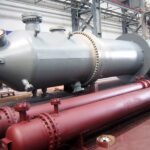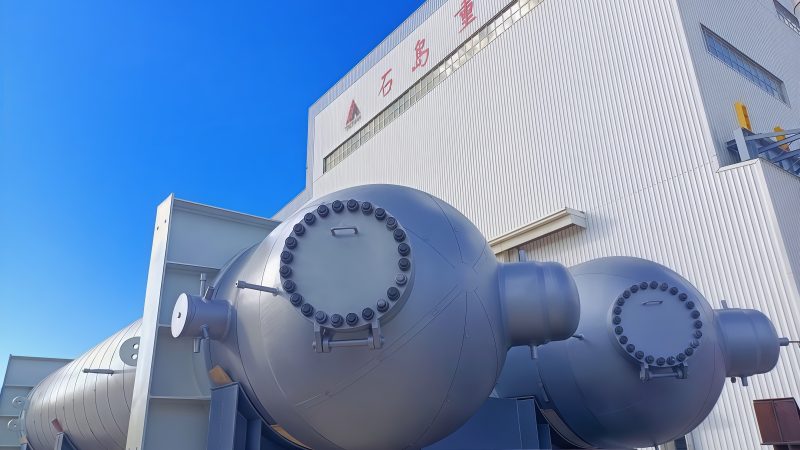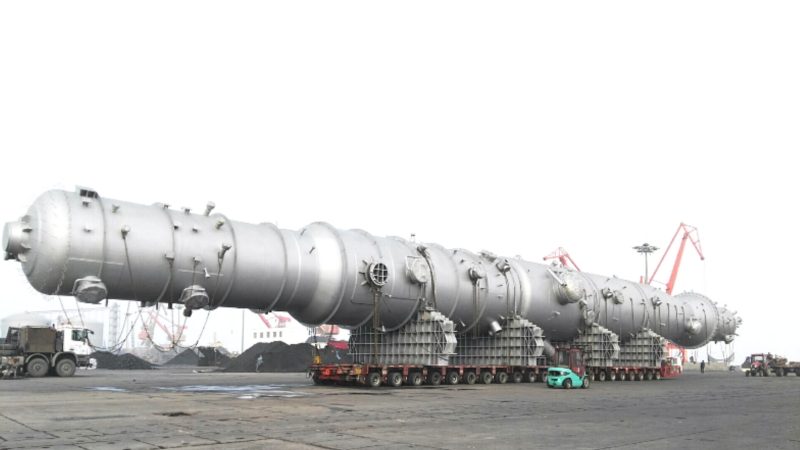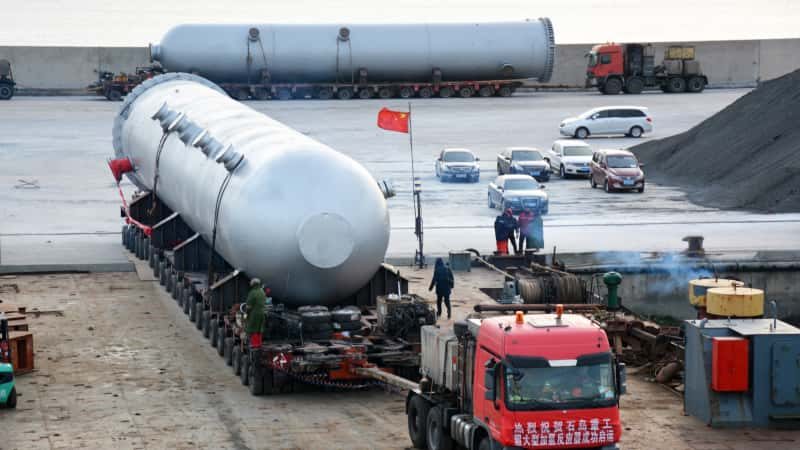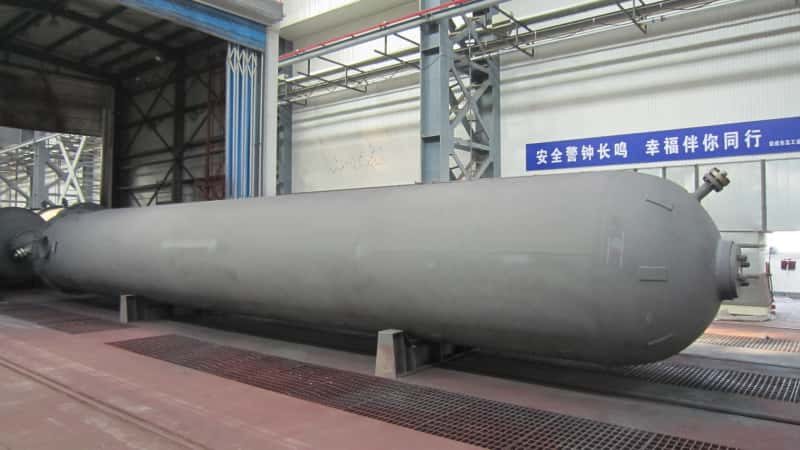

In distillation, solvent recovery, evaporation, and petrochemical separation systems, a shell and tube reboiler is not just a general heat exchanger. It is a complete process heating equipment package that provides vapor generation, supports separation efficiency, and directly affects plant stability.
For EPC buyers, reboiler procurement should be based on process duty, fluid properties, pressure and temperature conditions, circulation method, material selection, inspection requirements, maintenance access, and site installation needs.
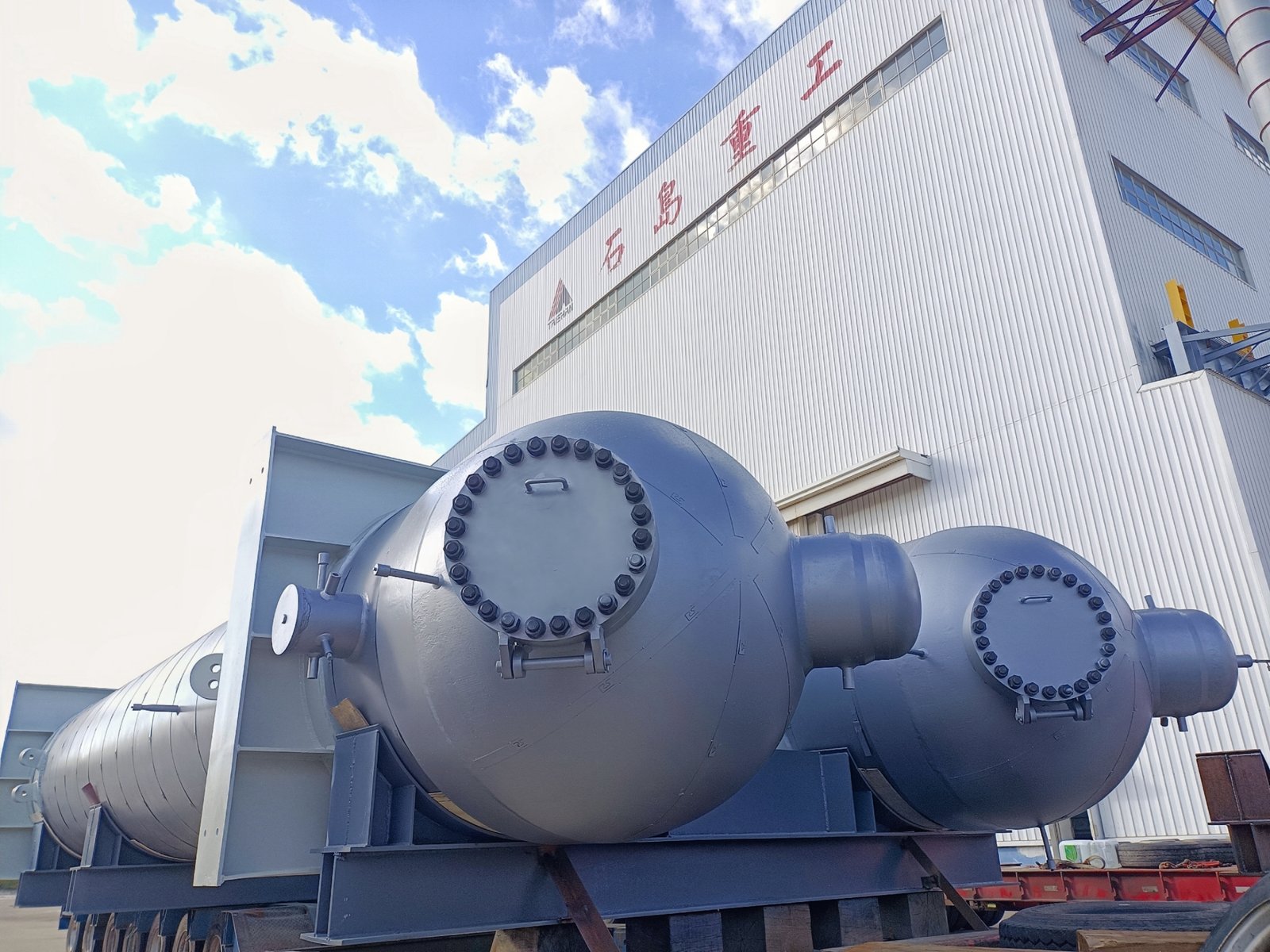
WSHI focuses on complete project-based equipment, including industrial heat exchangers, custom pressure vessels, evaporator-related equipment, towers, and process vessels. This guide is written for buyers who need complete reboiler systems for chemical, petrochemical, solvent recovery, evaporation, and industrial process projects.
For technical context, TEMA standards are widely used for shell and tube heat exchanger mechanical design practice, while ASME BPVC Section VIII Division 1 may be relevant when the equipment is designed as pressure equipment, depending on project scope and jurisdiction. Final design requirements should be confirmed by the owner, EPC contractor, licensor, and qualified engineers.
A shell and tube reboiler can be purchased only by heat transfer area.False
Heat transfer area is not enough. Buyers should define process duty, vaporization requirement, heating medium, fluid properties, fouling risk, pressure, temperature, materials, inspection scope, installation layout, and maintenance access.
A reboiler should be reviewed as part of the distillation, evaporation, or process heating system.True
Reboiler performance depends on column duty, circulation method, piping layout, pressure drop, heat source, fouling behavior, control strategy, and site installation conditions.
What Is a Shell and Tube Reboiler System?
A shell and tube reboiler is a heat exchanger used to supply heat to a distillation column, evaporation unit, stripping system, or process separation system. It transfers heat from steam, thermal oil, hot process fluid, or another heating medium to a process liquid, generating vapor that returns to the column or process system.
Common reboiler applications include distillation column bottom heating, solvent recovery systems, petrochemical fractionation units, evaporation and concentration systems, stripping systems, chemical purification processes, and refinery or chemical plant process heating.
For projects using process towers and columns, the reboiler should be reviewed together with column duty, bottom liquid properties, circulation method, vapor return, control strategy, and site layout.
Why Reboiler Procurement Is Different from General Heat Exchanger Procurement
A general heat exchanger may only need to meet a heating or cooling duty. A reboiler must also support process vapor generation and separation performance. Poorly specified reboilers can lead to unstable column operation, inadequate vaporization, fouling, pressure drop problems, liquid level instability, or maintenance difficulty.
A shell and tube heat exchanger used as a reboiler should be specified according to the actual process duty, not only by heat transfer area.
| Selection Area | What EPC Buyers Should Confirm | Why It Matters |
|---|---|---|
| Process duty | Heat duty, vaporization rate, column duty, evaporator duty, operating cases | Controls sizing, circulation method, control stability, and separation performance |
| Heating medium | Steam, thermal oil, hot water, hot process fluid, process vapor | Affects pressure rating, temperature, material, condensate removal, and control method |
| Fluid properties | Viscosity, density, boiling range, fouling tendency, corrosion, solids, heat sensitivity | Drives flow arrangement, material selection, cleaning access, and fouling allowance |
| Pressure and temperature | Shell-side and tube-side operating/design pressure and temperature, vacuum if applicable | Determines code basis, wall thickness, test pressure, gaskets, and flange ratings |
| Maintenance access | Mechanical cleaning, bundle removal, lifting space, fouling management, inspection openings | Reduces downtime and supports long-term process reliability |
| Delivery constraints | Overall dimensions, lifting points, packing, transport route, port delivery, site installation | Prevents late logistics problems and installation delay |
Common Types of Shell and Tube Reboilers
Kettle Reboilers
Kettle reboilers are often used where liquid residence volume and vapor disengagement are required. They may be selected for distillation and separation systems where steady boiling and vapor return are important. Their larger shell volume can be useful, but equipment footprint, liquid hold-up, support design, and maintenance access should be considered.
Thermosiphon Reboilers
Thermosiphon reboilers use natural circulation driven by density difference between liquid and vapor-liquid mixture. They can be vertical or horizontal depending on the process design. Correct elevation, piping arrangement, pressure drop control, and column connection layout are important for stable operation.
Forced Circulation Reboilers
Forced circulation reboilers use pumps to circulate process liquid through the exchanger. They may be considered where natural circulation is not suitable, or where fouling, viscosity, heat sensitivity, or process control requirements need more controlled flow.
The final type should be selected by the process engineering team based on fluid behavior, column design, fouling risk, heat source, operating strategy, and project requirements.

Key Selection Factors for EPC Buyers
Process Fluid and Fouling Risk
The process liquid determines much of the reboiler design. Heavy hydrocarbons, solvents, salts, polymerizing fluids, wastewater concentrate, or heat-sensitive materials may require different flow arrangements, materials, surface treatment, or cleaning access.
Buyers should provide viscosity, density, boiling range, vaporization requirement, fouling tendency, corrosive components, solids, scaling risk, and any known polymerization risk. Without this information, quotations may not reflect the real service condition.
Heating Medium
The heating medium may be steam, thermal oil, hot water, process vapor, or another hot fluid. Each option affects pressure rating, temperature, material selection, control strategy, and safety review.
Steam-heated reboilers may need condensate removal and pressure control review. Thermal oil service requires attention to operating temperature, fluid stability, and fire safety requirements. Process-to-process heating may require more careful material and pressure boundary review.
Pressure and Temperature Design
A reboiler may operate under vacuum, atmospheric pressure, or elevated pressure depending on the process. Both shell-side and tube-side conditions must be defined clearly. If the reboiler is designed as pressure equipment, applicable standards such as ASME Section VIII or other local codes may be required depending on project location and specifications.
Material Selection and Corrosion Control
Material selection should reflect both the heating medium and the process-side fluid. Carbon steel, stainless steel, duplex stainless steel, alloy materials, clad construction, or other project-specified materials may be considered depending on temperature, pressure, corrosion, cleanliness, and service life requirements.
The manufacturer should not independently guess material compatibility. Buyers should provide material specifications, corrosion data, and project standards for review.
Cleaning and Maintenance Access
Reboilers can be exposed to fouling and scaling. Buyers should consider whether the design allows mechanical cleaning, chemical cleaning, tube bundle removal, inspection access, or replacement of gaskets and tube-side components. Maintenance access should be coordinated with site layout, lifting space, pipe routing, and nearby equipment.
Manufacturing and Quality Control
A shell and tube reboiler requires controlled fabrication because it combines heat exchanger construction with pressure equipment requirements. Manufacturing may include shell rolling, tube sheet machining, tube bundle assembly, tube-to-tubesheet joining, nozzle installation, welding, NDT, pressure testing, coating, packing, and final documentation.
For custom heat exchangers, EPC buyers should confirm approved drawings and datasheets, material certificates, welding procedure requirements, tube and tubesheet material requirements, NDT scope, hydrostatic or pneumatic test requirements where applicable, dimensional inspection, surface treatment, coating, final documentation, and delivery method.

| Manufacturing Item | Buyer Review Point |
|---|---|
| Thermal and mechanical datasheets | Confirm duty, fluids, flow rates, pressure drop limits, fouling factors, and design cases |
| Tube bundle and tubesheets | Review tube material, tube count, tube layout, baffles, tube-to-tubesheet method, and cleaning access |
| Welding and fabrication | Confirm WPS, PQR, welder qualifications, nozzle welding, shell welding, and repair procedures |
| Inspection and testing | Define RT, UT, MT, PT, leak testing, hydrostatic testing, dimensional checks, and hold points |
| Coating and preservation | Confirm surface preparation, external coating, flange protection, drying, packing, and storage protection |
| Final documentation | Request drawings, calculations, material records, welding records, NDT reports, test reports, and data book |
Common Procurement Mistakes
One common mistake is buying a reboiler as if it were a standard exchanger. A reboiler must match column operation, vapor generation, pressure drop, and maintenance strategy. Another mistake is requesting a quotation with only heat transfer area. The supplier also needs fluid properties, heat duty, pressure, temperature, fouling data, materials, inspection scope, and delivery requirements.
A third mistake is ignoring installation conditions. Thermosiphon reboilers, in particular, depend on correct elevation and piping arrangement. Even a well-made exchanger can perform poorly if the system layout is not suitable.
What Buyers Should Prepare Before Requesting a Quotation
| RFQ Item | Recommended Information |
|---|---|
| Process duty | Column or evaporator duty, heat duty, vaporization requirement, operating cases |
| Fluid data | Process fluid and heating medium, flow rates, properties, boiling range, fouling tendency |
| Pressure and temperature | Shell-side and tube-side operating/design pressure and temperature, vacuum if any |
| Reboiler type | Kettle, vertical thermosiphon, horizontal thermosiphon, forced circulation, or project-specified type |
| Materials and corrosion | Material grades, corrosion allowance, coating, cleaning method, service life, owner specification |
| Inspection and testing | NDT, pressure testing, leak testing, third-party inspection, data book, code requirements |
| Delivery and installation | Destination, lifting, transport limits, packing, nozzle protection, elevation and layout constraints |
Why Custom Manufacturing Matters
Reboilers are usually project-specific. The same heat duty may require different equipment depending on process fluid, heating medium, column design, fouling risk, pressure rating, maintenance strategy, and site layout.
WSHI supports project-based manufacturing for shell and tube heat exchangers, pressure vessels, evaporator-related equipment, and custom chemical equipment. As a large-scale pressure vessel manufacturer with heat exchanger manufacturing capability, WSHI can help coordinate pressure part fabrication, inspection, testing, packing, and shipment. For petrochemical pressure vessels and chemical process projects, custom manufacturing helps align equipment with drawings, inspection requirements, and delivery schedules.
FAQ
What is a shell and tube reboiler used for?
It is used to supply heat to a distillation column, evaporation system, stripping system, or separation process, generating vapor needed for process operation.
Is a reboiler the same as a general heat exchanger?
A reboiler is a type of heat exchanger, but its process role is more specific. It must support vapor generation, column operation, and process stability.
What information is needed for a reboiler quotation?
Buyers should provide heat duty, process fluid properties, heating medium, pressure, temperature, fouling tendency, material requirements, drawings, inspection scope, testing requirements, and delivery destination.
Which reboiler type should be selected?
Kettle, thermosiphon, and forced circulation reboilers may be used in different applications. Final selection should be made by the process engineering team based on operating conditions.
Can WSHI manufacture complete reboiler equipment?
WSHI focuses on complete project-based heat exchangers, pressure vessels, evaporator-related equipment, and process equipment, rather than small parts or standalone components.
Conclusion
A shell and tube reboiler should be specified as complete process heating equipment for the distillation or evaporation system, not as a generic heat exchanger. EPC buyers should confirm process duty, fluid properties, heating medium, pressure and temperature conditions, materials, cleaning access, inspection requirements, documentation, and delivery constraints before procurement.
If you are planning a distillation, evaporation, solvent recovery, petrochemical, or chemical processing project, you can discuss your project requirements with an engineering team or download the pressure vessel catalog. Sharing drawings, datasheets, process conditions, material requirements, inspection scope, and delivery terms will help support manufacturing feasibility review.