Waste-to-methanol and sustainable aviation fuel (SAF) projects are attracting renewed attention as developers look for alternative routes to convert municipal solid waste, construction waste and other feedstocks into lower-carbon fuels and chemical intermediates. ARENA’s Waste to SAF using MIHG Technology Project, last updated on July 10, 2026, notes that Wildfire Energy will build and operate a methanol pilot plant in Queensland and complete a waste-feedstock-to-SAF feasibility study.
For EPC buyers, this type of project is not only about gasification technology or fuel-market positioning. It also requires careful procurement of complete process equipment, including reactors, heat exchangers, gas cleaning vessels, separators, pressure vessels and large storage tanks. This article explains what buyers should review before sourcing equipment for waste-to-methanol and SAF pilot plant projects.
Why Waste-to-Methanol Projects Need Complete Equipment Review
Waste-to-methanol projects typically involve several process steps: feedstock preparation, gasification, syngas cooling and cleaning, compression or conditioning, methanol synthesis, separation, condensation, storage and downstream fuel conversion evaluation.
Each step creates equipment requirements. A project may need high-temperature process vessels, gas coolers, scrubbers, knock-out drums, separators, heat exchangers, methanol synthesis reactors, condensers and storage tanks. For EPC procurement, these items should be reviewed as connected equipment packages rather than isolated purchases.
Methanol synthesis generally depends on catalytic conversion of syngas under controlled pressure and temperature. For buyers, this means syngas composition, pressure, temperature, contaminants and heat release must be considered when preparing equipment RFQs.
Main Equipment in Waste-to-Methanol and SAF Pilot Plants
Gasification and Syngas Conditioning Vessels
Waste gasification produces syngas that may contain hydrogen, carbon monoxide, carbon dioxide, methane, water vapor, tar, particulates, acid gases and trace contaminants depending on feedstock and technology. Before methanol synthesis or downstream evaluation, this gas usually needs cooling, cleaning and conditioning.
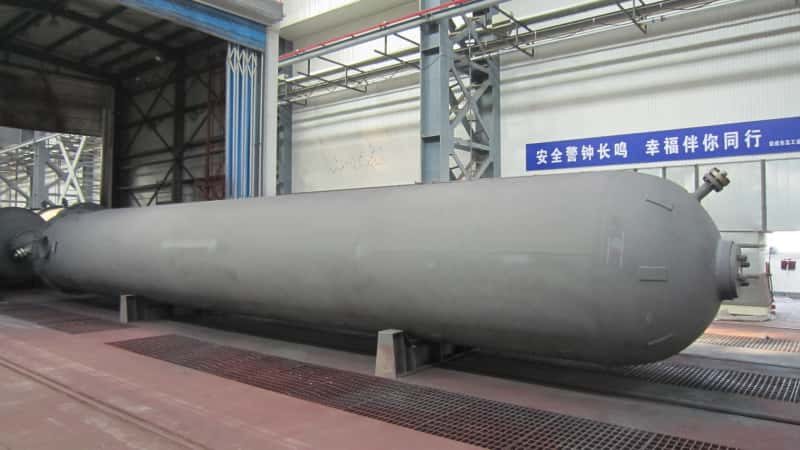
Equipment may include gas cleaning vessels, scrubber towers, knock-out drums, condensate vessels and buffer vessels. Buyers can review custom pressure vessels when planning pressure-containing syngas equipment.
Methanol Synthesis Reactors
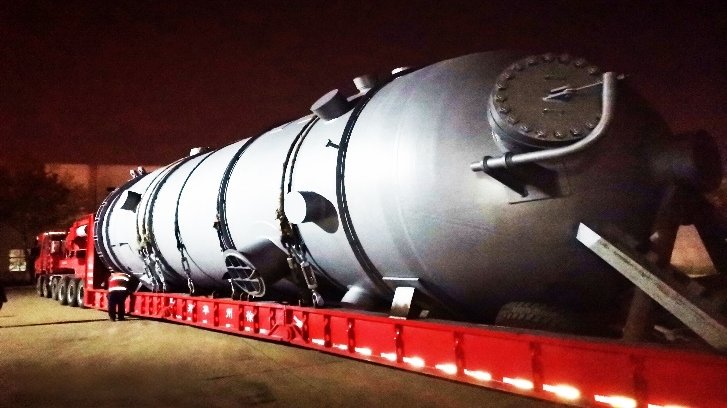
A methanol synthesis reactor is one of the core items in a waste-to-methanol project. The reactor must match the process technology package, syngas composition, pressure, temperature, catalyst requirements and heat management strategy.
For procurement, buyers should avoid unsupported design assumptions. Reactor fabrication should follow approved process datasheets, mechanical drawings, material requirements and inspection specifications. WSHI’s custom pressure vessel manufacturing capability may be relevant when EPC teams need project-based reactors or reaction vessels.
Heat Exchangers and Gas Coolers
Heat exchangers are used throughout waste-to-methanol systems for syngas cooling, heat recovery, condensation, feed preheating and utility integration. Because gasification and methanol synthesis involve strong heat-management requirements, exchanger selection should be based on real process data.
When sourcing from a heat exchanger manufacturer, buyers should provide heat duty, gas composition, fluid properties, inlet and outlet temperatures, pressure drop limits, fouling tendency, material requirements and cleaning expectations.
Separators and Knock-Out Drums
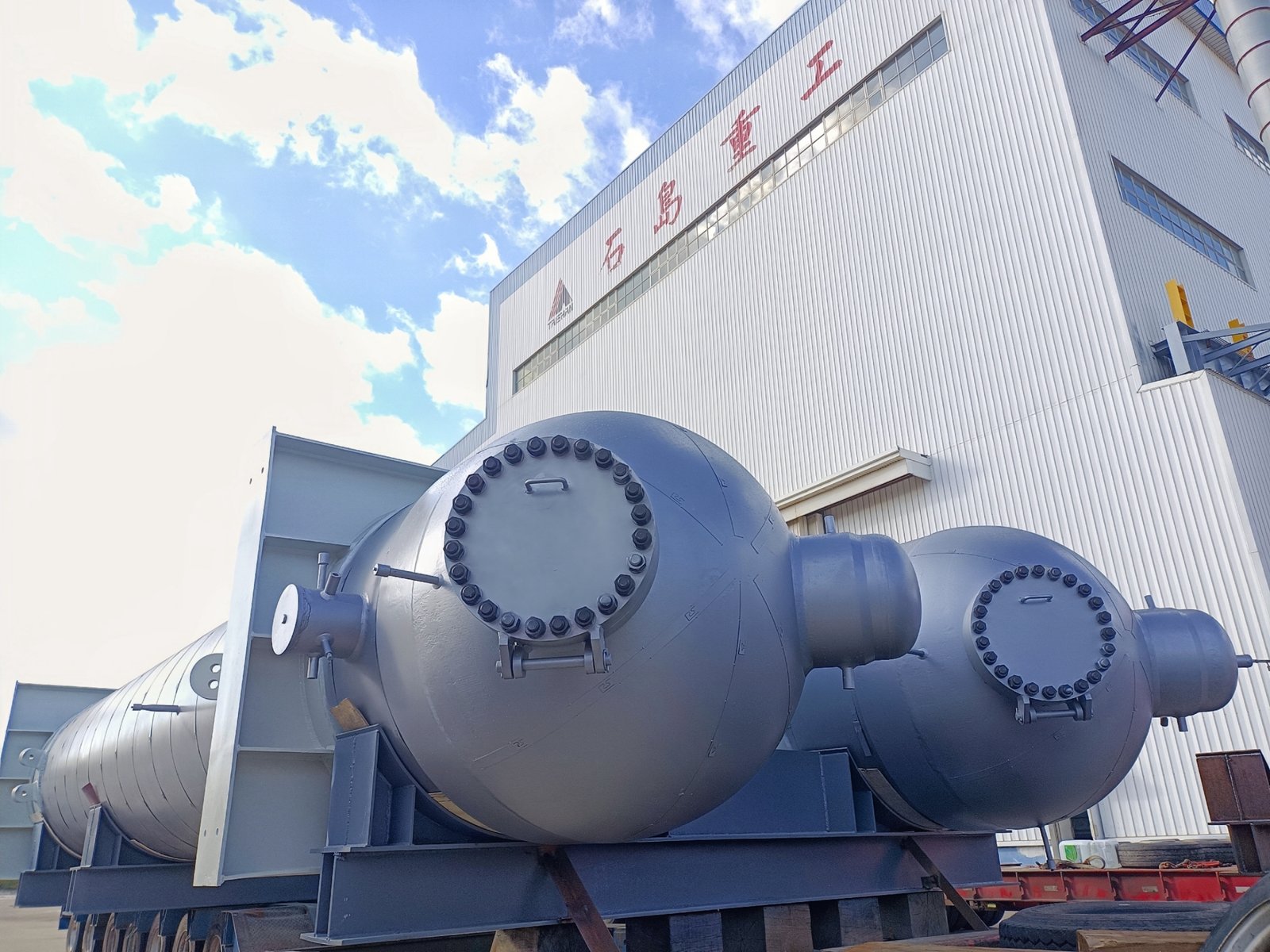
Waste-derived syngas can carry moisture, condensate, tar mist or fine droplets after cooling and treatment. Gas-liquid separators and knock-out drums help protect downstream compressors, reactors, purification units and condensers.
The procurement focus should remain on complete separator vessels, including pressure boundary, supports, nozzles, coating, testing and documentation. Internal separation details should follow approved drawings and stay within the complete vessel scope.
Large Storage Tanks Above 1,000L
Pilot and demonstration plants may require tanks for process water, condensate, methanol, intermediate liquids, wastewater, scrubbing liquid or utilities. These tanks should be specified as large industrial storage tanks above 1,000 liters, not small containers.
For chemical or fuel-related service, industrial storage tanks should be reviewed for medium compatibility, venting, corrosion protection, coating, inspection requirements and delivery boundary.
Key Procurement Factors EPC Buyers Should Review
1. Feedstock and Syngas Composition
Waste feedstocks can vary widely. Municipal solid waste and construction waste may produce different syngas compositions and contaminant profiles. EPC buyers should confirm expected hydrogen, carbon monoxide, carbon dioxide, methane, water vapor, sulfur compounds, chlorides, particulates and tar behavior where available.
2. Pressure and Temperature Conditions
Reactors, separators, scrubbers and heat exchangers may operate under different pressure and temperature conditions. Buyers should define operating pressure, design pressure, operating temperature and design temperature for each equipment item.
For pressure-containing vessels, ASME BPVC Section VIII or other applicable standards may be referenced depending on project requirements. Final code selection must follow project specifications and local regulations.
3. Fouling and Corrosion Risk
Waste-derived syngas may create fouling, tar deposition, corrosion or particulate accumulation. Heat exchangers, scrubbers, separators and condensate vessels should be reviewed for cleaning access, material compatibility and corrosion allowance.
Material selection may include carbon steel, stainless steel, low-alloy steel or other project-specified materials depending on service conditions.
4. Pilot Plant Flexibility
Pilot plants often test variable feedstocks and operating conditions. Equipment may need to handle changing flow rates, composition shifts, intermittent operation and future process adjustments. Buyers should clarify normal, maximum and turndown conditions before finalizing RFQs.
5. Documentation and Inspection
EPC buyers should define material certificates, welding records, NDT reports, pressure test records, dimensional inspection reports, coating records and final data book requirements. For export or funded demonstration projects, documentation may be especially important for handover and review.
RFQ Checklist for Waste-to-Methanol Equipment
Before requesting a quotation, EPC buyers should prepare:
- Process flow diagram
- Equipment datasheets
- Syngas composition
- Flow rate and turndown range
- Operating and design pressure
- Operating and design temperature
- Contaminant profile
- Fouling and corrosion information
- Material requirements
- Heat duty for exchangers
- Reactor drawings and technology package requirements
- Separator and vessel sizing basis
- Tank capacity requirements above 1,000L
- NDT and pressure testing requirements
- Coating or lining specification
- Documentation and delivery requirements
Common Procurement Mistakes
Treating the Project as Only a Fuel Technology Story
Waste-to-methanol and SAF projects still rely on heavy industrial equipment. Without reliable reactors, heat exchangers, pressure vessels and storage systems, process integration becomes difficult.
Underestimating Waste Feedstock Variability
Waste-derived syngas can vary by feedstock. Equipment should be reviewed for expected composition range, contaminants and operating flexibility.
Ignoring Fouling and Cleaning Access
Tar, particulates and condensate can affect heat exchangers and vessels. Cleaning access and maintenance boundaries should be considered during procurement.
Making Unsupported Low-Carbon Claims
Equipment manufacturers should not claim SAF yield, emissions reduction or fuel qualification unless supported by verified process data and project responsibility boundaries.
FAQ
What equipment is used in a waste-to-methanol pilot plant?
Typical equipment may include gasification-related vessels, syngas cleaning vessels, methanol synthesis reactors, heat exchangers, separators, condensers and large storage tanks.
Why are heat exchangers important in waste-to-methanol projects?
Heat exchangers support syngas cooling, condensation, heat recovery, feed preheating and process temperature control.
What data should EPC buyers provide before requesting a quotation?
Buyers should provide process flow diagrams, datasheets, syngas composition, pressure, temperature, flow rate, contaminant profile, material requirements, inspection scope and delivery terms.
Can equipment manufacturers guarantee SAF production?
No. SAF production depends on the complete process technology, feedstock, operation and downstream conversion route. Equipment manufacturers can fabricate equipment according to specifications.
Are storage tanks in these projects small tanks?
This article focuses on industrial project tanks above 1,000 liters, used for process liquids, methanol, condensate, wastewater or utilities.
Conclusion
Waste-to-methanol and SAF pilot plants create strong equipment opportunities for EPC buyers, but the procurement scope must be technically grounded. Buyers should review reactors, syngas vessels, separators, heat exchangers, condensers and large storage tanks according to actual process conditions, inspection requirements and delivery constraints.
If you are preparing procurement for a waste-to-methanol, SAF pilot plant, syngas conversion or low-carbon chemical project, you can share drawings, datasheets, gas composition, operating conditions and delivery requirements with our engineering team. WSHI can support manufacturing feasibility review for reactors, pressure vessels, heat exchangers, separators, large storage tanks and related custom process equipment.