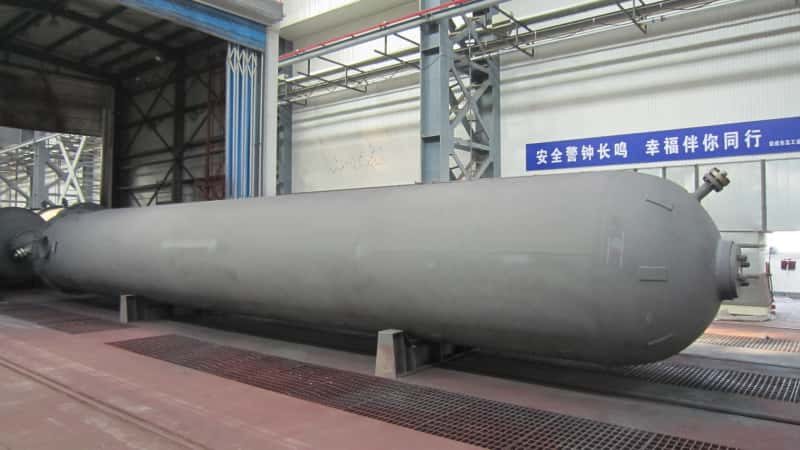

How Do EPC Buyers Specify Forced Circulation Evaporators for Industrial Wastewater?
Forced circulation evaporators are often considered for industrial wastewater streams that are high in dissolved solids, scaling components, suspended solids or difficult-to-handle chemicals. For EPC buyers, the key question is not only whether evaporation can reduce wastewater volume. The real procurement challenge is how to define the complete evaporator system, including circulation flow, heat exchangers, vapor-liquid separation vessels, concentrate handling, large storage tanks above 1,000L, materials, inspection and delivery boundaries.
Industrial wastewater evaporator projects should be specified as complete process equipment packages, not as small standalone components. A complete RFQ should connect water analysis, evaporation duty, materials, corrosion protection, cleaning access, inspection scope and delivery planning.
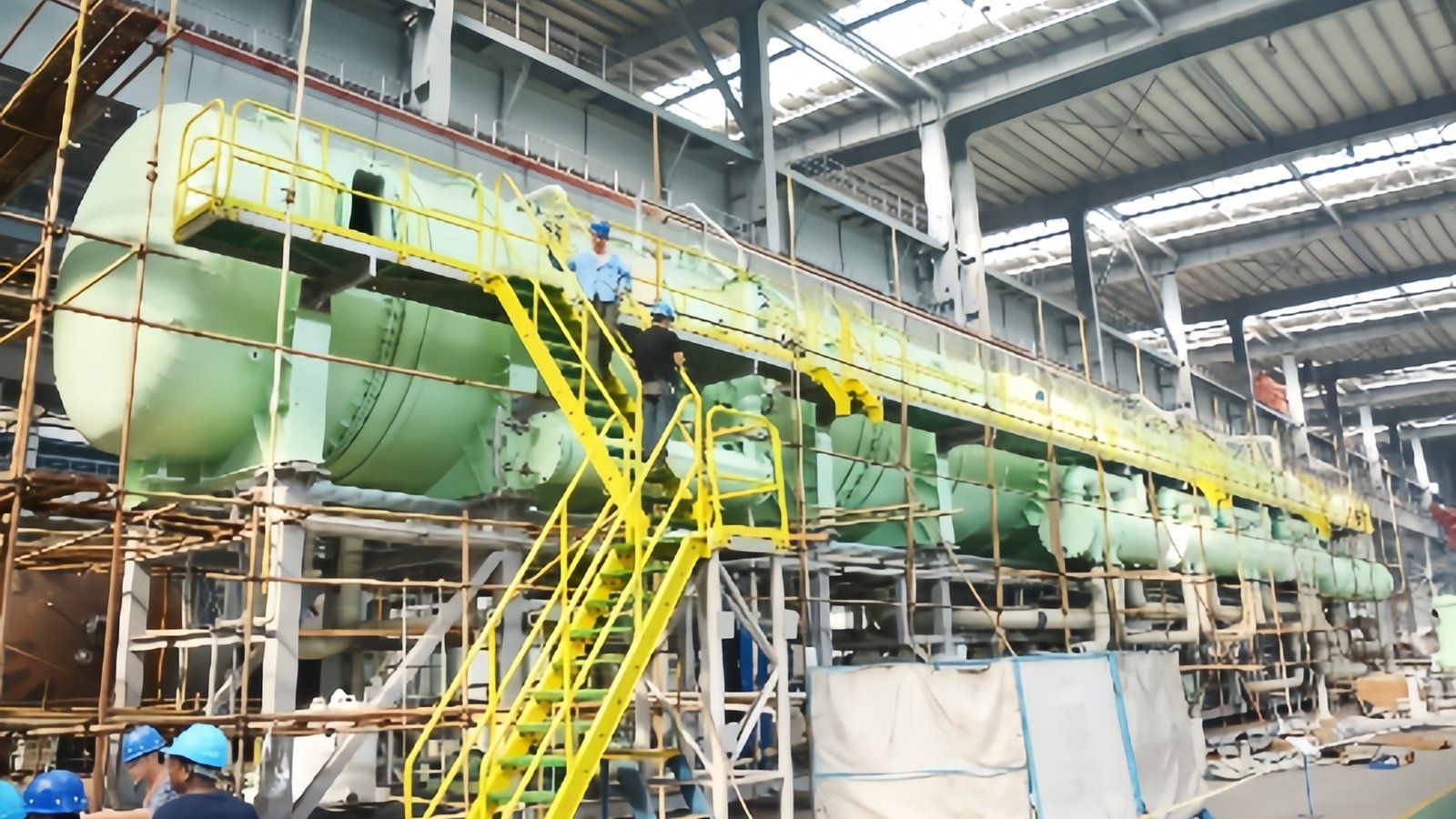
A forced circulation evaporator can be purchased only by specifying evaporation capacity.False
Wastewater composition, scaling risk, circulation flow, heat transfer duty, materials, cleaning access, concentrate handling, inspection and delivery boundaries all affect evaporator system procurement.
Large wastewater evaporator packages should include connected vessels, heat exchangers and storage tanks in the procurement boundary.True
Forced circulation evaporator systems often require heaters, vapor-liquid separation vessels, condensers, condensate receivers and concentrate storage tanks above 1,000L.
What Is a Forced Circulation Evaporator?
A forced circulation evaporator uses a circulation pump to move liquid through a heat exchanger and into a separation vessel, where vapor and concentrated liquid are separated. Compared with natural circulation designs, forced circulation can be useful when the liquid has higher viscosity, suspended solids, scaling tendency or concentration changes during operation.
In industrial wastewater treatment, the system may include:
- Feed and equalization tanks
- Circulation pump interface
- Shell and tube heat exchanger or heater
- Vapor-liquid separation vessel
- Condenser or downstream cooling equipment
- Condensate receiver vessel
- Concentrate storage tank above 1,000L
- Piping, supports, coating and control interfaces within the project scope
WSHI can support custom pressure vessels, heat exchangers and storage equipment based on project drawings, datasheets and agreed specifications.
Where Forced Circulation Evaporators Are Used
High-Salinity Wastewater
Chemical plants, coal chemical facilities, refinery wastewater systems, battery material plants and environmental engineering projects may generate wastewater with high total dissolved solids. Forced circulation evaporation can help concentrate these streams before further treatment, crystallization, reuse or disposal.
The U.S. EPA water reuse program describes water reuse as reclaiming water from different sources, treating it and reusing it for beneficial purposes. For industrial projects, reuse or discharge decisions should still be based on water quality testing, permits and local requirements.
Scaling or Fouling-Prone Streams
Wastewater containing hardness, silica, chlorides, sulfates, organics or suspended solids may create scaling and fouling risks. Forced circulation can help maintain movement through the heat transfer section, but the final design must still account for chemistry, cleaning method and operating limits.
Chemical Concentration and Recovery
Some projects use evaporation to recover water, reduce waste volume or concentrate valuable process liquids. In these applications, the evaporator must be integrated with upstream pretreatment, downstream storage, condensate handling and site utility systems.
For broader chemical applications, related pressure vessels for chemical plants should be specified together with the evaporator package.
Key Selection Factors for EPC Buyers
1. Wastewater Composition
The RFQ should include a detailed water analysis, not only flow rate. EPC buyers should provide TDS, TSS, COD, hardness, silica, chlorides, sulfates, pH, organic content, oil and grease, volatile components, suspended solids and any hazardous constituents where available.
If wastewater composition changes during production, the expected range should be stated clearly. A single ideal sample may not represent real operation.
2. Scaling, Fouling and Cleaning Strategy
Scaling is one of the biggest risks in wastewater evaporation. EPC buyers should define whether the process expects periodic cleaning, chemical cleaning, flushing, blowdown control or solids handling.
The cleaning strategy affects heat exchanger layout, access space, material selection, nozzle arrangement and downtime planning. It should be part of the complete system design, not a late operating assumption.
3. Circulation Flow and Heat Transfer
Forced circulation evaporators rely on high circulation through the heating section. The circulation rate, heat duty, boiling point elevation, temperature difference and allowable pressure drop should be reviewed by the process engineering team.
Where shell and tube equipment is used, buyers should provide heat duty, flow conditions, fluid properties, fouling allowance, pressure drop limits and cleaning requirements. WSHI supplies industrial heat exchangers for chemical, petrochemical and environmental process applications.
4. Vapor-Liquid Separation Vessel
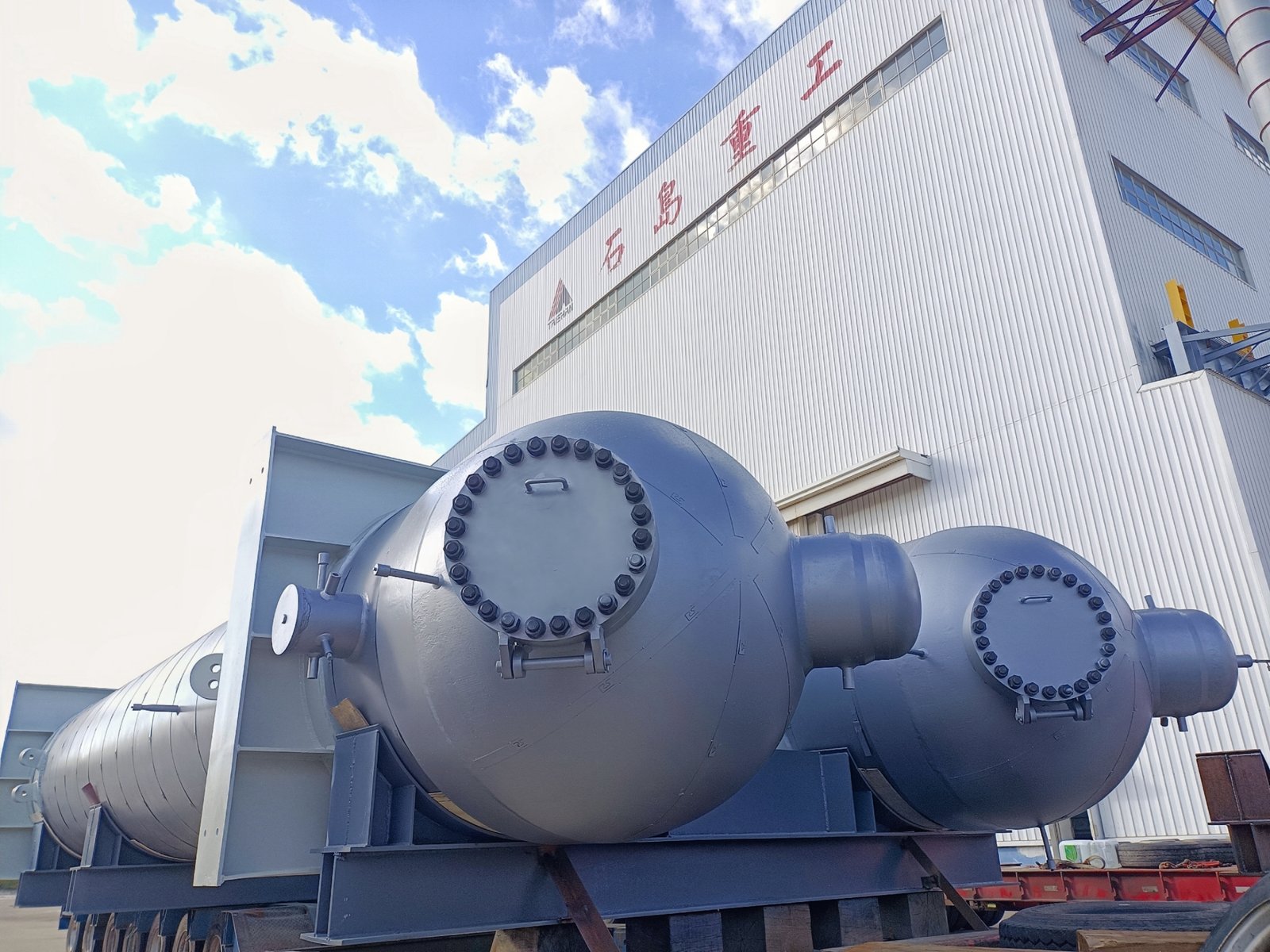
The separation vessel must handle vapor release, entrainment control, liquid level, concentrate return and operating stability. EPC buyers should define vapor load, liquid circulation rate, pressure or vacuum condition, temperature, foam tendency and nozzle orientation.
This vessel should be specified as a complete engineered item within the evaporator package. It should not be treated as an isolated shell or accessory.
5. Concentrate and Condensate Handling
Evaporation reduces wastewater volume but creates concentrate that still needs storage, treatment or disposal. Condensate quality must also be checked before reuse or discharge.
The U.S. EPA industrial effluent guidelines provide regulatory background for industrial wastewater discharge categories. Applicability depends on industry, location, wastewater type and project permits.
For concentrate storage, EPC buyers should define tank volume above 1,000L, medium composition, temperature, corrosion risk, coating or lining requirements and delivery terms. WSHI’s industrial storage tanks can be reviewed for project-scale storage requirements.
Materials and Corrosion Protection
Industrial wastewater can be highly corrosive, especially when it contains chlorides, acids, alkalis, oxidizing chemicals or concentrated salts. Material choices may include carbon steel with corrosion allowance, stainless steel, lined steel, coated steel or other project-specified materials.
Material selection should be based on water chemistry, concentration ratio, operating temperature, cleaning chemicals and project standards. For severe service, qualified engineering review is essential.
Forced Circulation Evaporator RFQ Summary
| RFQ item | What EPC buyers should define | Why it matters |
|---|---|---|
| Wastewater analysis | TDS, TSS, COD, pH, chlorides, hardness, silica, organics and solids | Controls material selection, scaling review and process suitability |
| Evaporation target | Feed flow, concentration target, volume reduction target and operating range | Defines system capacity and equipment sizing basis |
| Heat transfer duty | Heat source, heat duty, temperature approach, fouling allowance and pressure drop | Affects heater or heat exchanger selection |
| Separation vessel | Vapor load, liquid circulation, entrainment, level control, vacuum or pressure | Supports stable vapor-liquid separation |
| Concentrate handling | Storage tank above 1,000L, corrosion risk, coating and downstream route | Prevents treating the evaporator as a disconnected unit |
Manufacturing and Quality Control
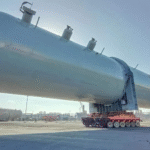
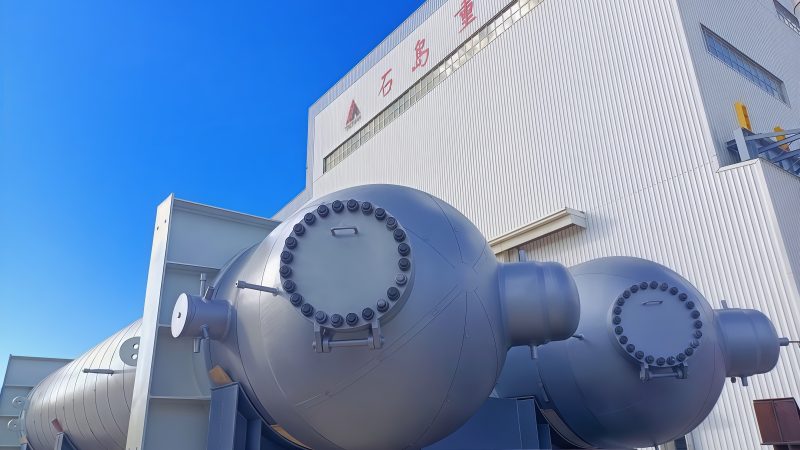
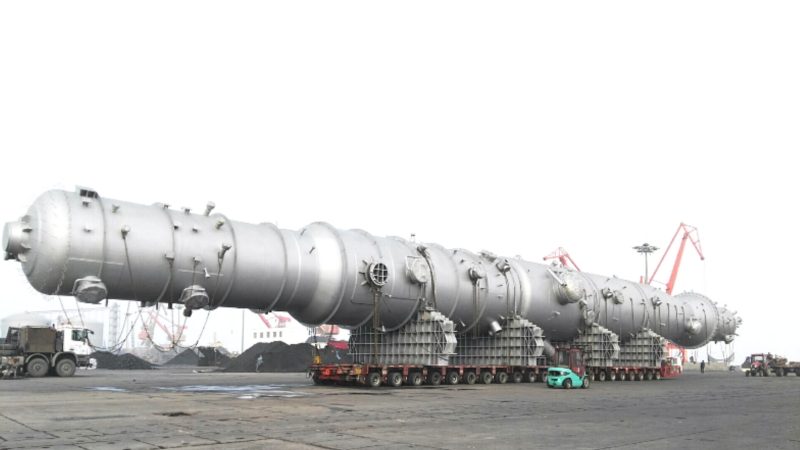
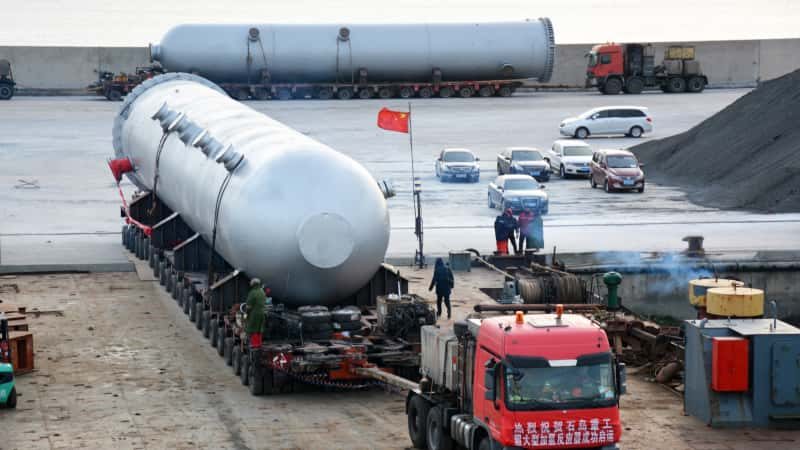
A forced circulation evaporator system may include large vessels, heat exchangers, condensate vessels and storage tanks. Manufacturing quality affects reliability, maintainability and documentation approval.
A large-scale pressure vessel manufacturer should review drawings, material specifications, welding requirements, NDE scope, coating, lifting points and delivery constraints before fabrication.
Quality control may include material traceability, visual inspection, welding procedure control, radiographic testing, ultrasonic testing, penetrant testing, pressure testing where applicable, leak testing, coating inspection and documentation review. If pressure vessels or heat exchangers are included, ASME BPVC standards may be relevant depending on project requirements and jurisdiction.
RFQ Checklist for Forced Circulation Evaporators
Before requesting quotation, EPC buyers should prepare:
- Wastewater flow rate and variation
- Complete water analysis
- Concentration target or volume reduction target
- Operating pressure or vacuum condition
- Operating and design temperature
- Scaling, fouling and foaming tendency
- Cleaning method and maintenance access
- Heat duty and utility conditions
- Heat exchanger datasheet if available
- Separator vessel requirements
- Condensate quality target
- Concentrate storage and handling plan
- Material and corrosion requirements
- Applicable codes and project standards
- NDE, testing and inspection scope
- Coating, preservation and delivery terms
- Battery limits and documentation requirements
A complete RFQ helps suppliers evaluate the full wastewater evaporation system rather than quoting disconnected equipment.
Conclusion
Forced circulation evaporators for industrial wastewater should be specified around water chemistry, scaling risk, circulation flow, heat transfer, vapor-liquid separation, concentrate storage, corrosion protection, inspection and delivery. For EPC buyers, the best procurement result starts with a clear system boundary and complete operating data.
If you are planning a chemical, petrochemical, coal chemical, battery material, manufacturing or environmental wastewater project, you can share water analysis, drawings, datasheets and delivery requirements with WSHI. Our team can support early communication for evaporator-related vessels, heat exchangers, large storage tanks and pressure vessel manufacturing. You can contact our engineering team to discuss your project.
FAQ
What is a forced circulation evaporator used for?
It is used to concentrate liquids by circulating wastewater through a heating section and separating vapor from concentrated liquid. It is often considered for high-salinity, scaling or solids-containing wastewater.
When should EPC buyers consider forced circulation evaporation?
It may be considered when wastewater has high dissolved solids, scaling risk, viscosity increase, suspended solids or volume reduction requirements. Final suitability depends on process testing and engineering review.
What information is needed before quotation?
Buyers should provide water analysis, flow rate, concentration target, scaling risk, operating pressure, temperature, material requirements, cleaning method, inspection scope and delivery terms.
What equipment is included in an evaporator system?
A system may include feed tanks, heat exchangers, vapor-liquid separation vessels, condensers, condensate receivers, concentrate tanks above 1,000L and related process vessels.
Can condensate from evaporation be reused?
It may be reused in some projects if it meets the required water quality and regulatory requirements. Condensate quality should be tested and reviewed by the project engineering team.