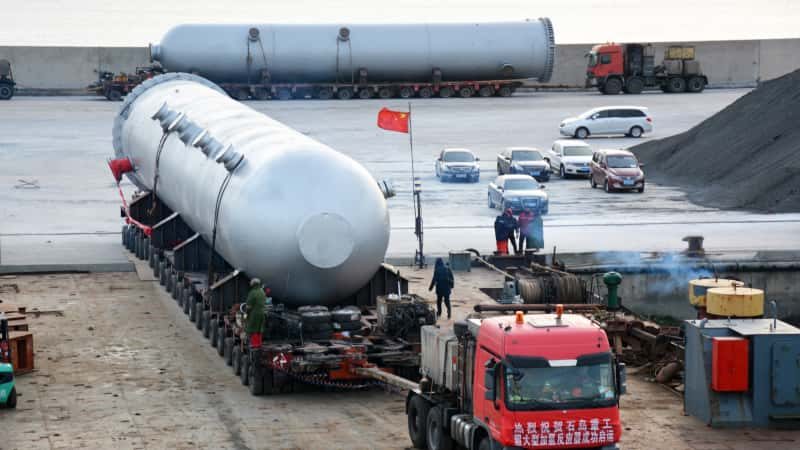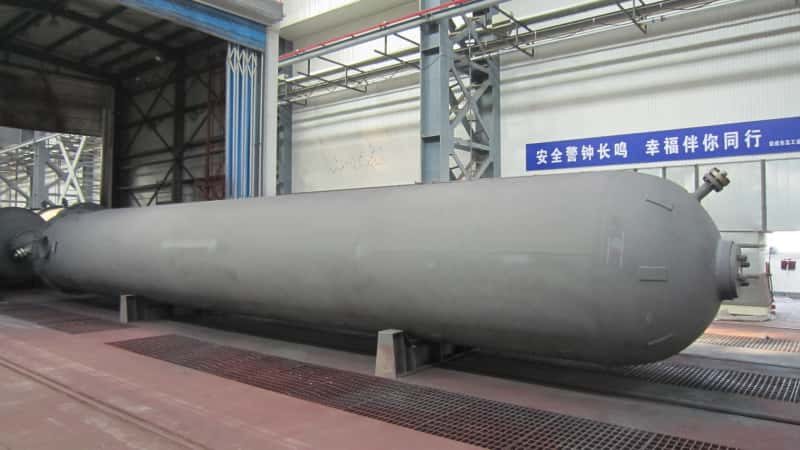

Industrial processes today demand efficiency, safety, and scalability—but without the right reactor systems, production can become inconsistent, costly, and even hazardous. From chemical manufacturing to energy generation, improper reactor selection or application can lead to reduced yields, environmental risks, and operational failures. Understanding the diverse applications of reactors is essential to optimizing performance and ensuring long-term reliability.
Reactors are widely used across industries to facilitate controlled chemical, biological, and nuclear reactions. Their applications include chemical synthesis, pharmaceuticals, wastewater treatment, energy production, food processing, and material manufacturing, enabling precise control over reaction conditions to maximize efficiency, safety, and product quality.
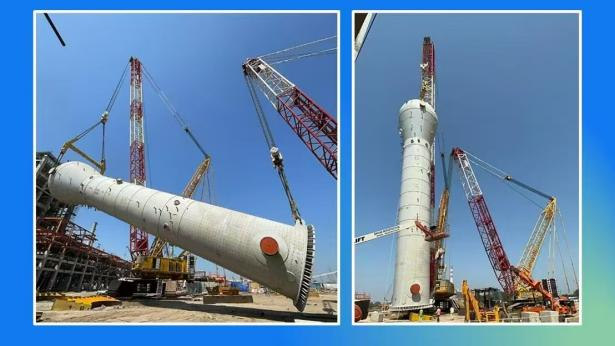
To fully leverage reactor technology, it is crucial to explore how different industries utilize reactors and what specific benefits they provide. The following sections outline the key application areas and considerations for selecting the right reactor system.
How Are Reactors Used in Chemical Manufacturing Applications?
Chemical manufacturing without properly designed reactors often leads to inconsistent product quality, low yields, safety hazards, and costly downtime. When reactions are not controlled precisely—whether due to poor mixing, temperature instability, or incorrect pressure conditions—manufacturers face significant financial losses and regulatory risks. Fortunately, chemical reactors provide the controlled environment necessary to ensure efficient, safe, and scalable chemical transformations, making them the backbone of modern industrial chemistry.
Chemical reactors are essential equipment in chemical manufacturing that provide controlled environments—temperature, pressure, mixing, and residence time—for chemical reactions to occur efficiently and safely. They are used to convert raw materials into desired products at industrial scale, ensuring consistent quality, optimized yield, and cost-effective production across industries such as petrochemicals, pharmaceuticals, polymers, and specialty chemicals.
Understanding how reactors function and how they are selected for specific applications is critical for engineers, plant operators, and procurement specialists. In the following sections, we will explore reactor types, operational principles, selection criteria, and real-world industrial applications in depth.
All chemical reactions in manufacturing require high-pressure reactors to proceed efficiently.False
Many reactions occur at atmospheric pressure or mild conditions; high pressure is only necessary for specific processes like ammonia synthesis or hydrogenation.
What Is a Chemical Reactor and Why Is It Critical?
A chemical reactor is a vessel designed to contain and control chemical reactions. Its primary function is to ensure that reactants are converted into products under optimized conditions. These conditions include temperature, pressure, concentration, and mixing intensity. Without precise control, reactions may produce unwanted byproducts, reduce efficiency, or even become hazardous.
In industrial settings, reactors are engineered to maximize:
- Reaction rate
- Product yield
- Selectivity toward desired products
- Energy efficiency
- Operational safety
Reactors are not just containers; they are highly engineered systems integrating heat transfer, fluid dynamics, and reaction kinetics.
Types of Reactors Used in Chemical Manufacturing
Different chemical processes require different reactor designs. Below is a comprehensive comparison:
Table 1: Common Reactor Types and Their Applications
| Reactor Type | Description | Typical Applications | Advantages | Limitations |
|---|---|---|---|---|
| Batch Reactor | Closed system, no inflow/outflow during reaction | Pharmaceuticals, specialty chemicals | High flexibility, easy control | Not ideal for large-scale continuous |
| Continuous Stirred Tank Reactor (CSTR) | Continuous input/output with mixing | Liquid-phase reactions | Uniform composition | Lower conversion per volume |
| Plug Flow Reactor (PFR) | Tubular reactor with flow in one direction | Petrochemicals, gas-phase reactions | High efficiency, good conversion | Harder to control temperature |
| Fluidized Bed Reactor | Solid particles suspended in fluid flow | Catalytic cracking | Excellent mixing, heat transfer | Complex design |
| Fixed Bed Reactor | Packed solid catalyst bed | Hydrogenation, oxidation | Simple design | Pressure drop issues |
Each reactor type serves a specific purpose depending on reaction kinetics, phase (gas/liquid/solid), and production scale.
Key Operating Parameters in Reactor Design
The performance of a reactor depends heavily on several critical parameters:
Table 2: Key Reactor Parameters and Their Impact
| Parameter | Role in Reaction | Industrial Importance |
|---|---|---|
| Temperature | Controls reaction rate and equilibrium | Impacts yield and safety |
| Pressure | Affects gas-phase reactions | Essential for high-pressure systems |
| Mixing | Ensures uniform concentration | Prevents hotspots |
| Residence Time | Time reactants spend in reactor | Determines conversion efficiency |
| Catalyst Presence | Speeds up reaction without being consumed | Reduces energy requirements |
Proper optimization of these parameters ensures maximum productivity and safety.
How Reactors Are Used Across Industries
1. Petrochemical Industry
In petrochemical manufacturing, reactors are used for processes such as cracking, reforming, and polymerization. For example:
- Steam cracking reactors break down hydrocarbons into ethylene and propylene
- Polymerization reactors produce plastics like polyethylene
These processes require high temperatures and precise residence time control.
2. Pharmaceutical Manufacturing
Batch reactors dominate pharmaceutical production due to their flexibility. They allow:
- Precise control of reaction steps
- Easy cleaning between batches
- Compliance with strict regulatory standards
Reactions often involve sensitive compounds requiring controlled environments.
3. Food and Beverage Industry
Reactors are used in fermentation processes such as:
- Alcohol production
- Enzyme reactions
- Biochemical synthesis
Bioreactors (a specialized type) maintain sterile conditions and biological activity.
4. Specialty Chemicals
For high-value, low-volume chemicals, batch and semi-batch reactors are preferred. These allow:
- Custom formulations
- Multi-step synthesis
- High purity output
Reactor Design Considerations
Designing a reactor involves multiple engineering disciplines:
Reaction Kinetics
Understanding how fast a reaction proceeds is crucial. Engineers use kinetic models to determine:
- Reactor size
- Operating conditions
- Expected conversion rates
Heat Transfer
Many reactions are either exothermic (release heat) or endothermic (absorb heat). Efficient heat management is essential to avoid:
- Thermal runaway
- Incomplete reactions
Material Selection
Reactors must be constructed from materials that can withstand:
- Corrosion
- High temperature
- High pressure
Common materials include stainless steel, glass-lined steel, and specialized alloys.
Real-World Case Study: Polymer Production
In polyethylene production, a plug flow reactor is often used. Ethylene gas is polymerized under controlled temperature and pressure. Catalysts such as Ziegler-Natta enable efficient conversion.
Key outcomes:
- High production rates
- Consistent polymer properties
- Reduced energy consumption
Advanced Reactor Technologies
Modern chemical manufacturing increasingly uses advanced reactor systems:
Microreactors
- Extremely small channels
- High surface area-to-volume ratio
- Enhanced heat and mass transfer
Used in fine chemicals and pharmaceuticals.
Continuous Flow Reactors
- Replace batch processes
- Improve efficiency and scalability
- Reduce waste
Smart Reactors
- Integrated sensors and AI control
- Real-time monitoring
- Predictive maintenance
Safety Considerations in Reactor Operation
Safety is paramount in reactor design and operation. Key measures include:
- Pressure relief systems
- Temperature control loops
- Emergency shutdown systems
- Explosion-proof design
Failure to manage these risks can lead to catastrophic incidents.
Economic Impact of Reactor Selection
Choosing the right reactor directly affects:
- Capital investment
- Operating costs
- Product quality
- Scalability
For example, continuous reactors may require higher initial investment but offer lower long-term costs.
Conclusion
Chemical reactors are the core of industrial chemical manufacturing, enabling controlled, efficient, and scalable production processes. From batch reactors in pharmaceuticals to continuous systems in petrochemicals, each reactor type serves a unique purpose based on process requirements. By understanding reactor design, operation, and application, manufacturers can optimize productivity, ensure safety, and maintain competitive advantage in a demanding global market.
Call to Action
What Role Do Reactors Play in Pharmaceutical Production Applications?
Pharmaceutical production is one of the most precision-dependent industries in the world, where even the slightest deviation in reaction conditions can compromise drug safety, efficacy, and regulatory compliance. Without properly engineered reactors, manufacturers risk contamination, inconsistent batch quality, failed clinical standards, and massive financial losses due to rejected products or recalls. To overcome these challenges, reactors are specifically designed to provide tightly controlled environments that ensure reproducibility, purity, and scalability in drug manufacturing processes.
Reactors in pharmaceutical production serve as highly controlled environments where chemical and biological reactions occur under strict conditions of temperature, pressure, sterility, and mixing, enabling the precise synthesis of active pharmaceutical ingredients (APIs), intermediates, and biologics while ensuring product consistency, regulatory compliance, and patient safety.
To fully appreciate their importance, it is essential to explore how different types of reactors are applied across pharmaceutical workflows, from small-scale R&D to full-scale commercial manufacturing.
All pharmaceutical production must use batch reactors to meet regulatory requirements.False
While batch reactors are common, continuous flow reactors are increasingly adopted in pharmaceutical manufacturing and are accepted by regulatory agencies when properly validated.
Why Reactors Are Indispensable in Pharmaceutical Manufacturing
Reactors are the core processing units where raw chemical or biological materials are transformed into therapeutic compounds. Unlike other industries, pharmaceutical manufacturing requires:
- Ultra-high purity standards
- Strict adherence to Good Manufacturing Practice (GMP)
- Complete traceability of process conditions
- Reproducibility across batches
Reactors provide the necessary control over reaction variables, ensuring that each batch meets stringent specifications.
Types of Reactors Used in Pharmaceutical Applications
Pharmaceutical processes vary widely, requiring different reactor designs tailored to specific reactions.
Table 1: Reactor Types in Pharmaceutical Production
| Reactor Type | Description | Typical Use Case | Key Advantage | Limitation |
|---|---|---|---|---|
| Batch Reactor | Closed vessel, processed step-by-step | API synthesis, small-scale production | High flexibility, easy validation | Lower scalability |
| Continuous Flow Reactor | Continuous input/output system | Modern API manufacturing | Consistent quality, scalable | Higher initial setup complexity |
| Stirred Tank Reactor (STR) | Agitated vessel with precise mixing | Liquid-phase reactions, crystallization | Uniform conditions | Cleaning requirements |
| Bioreactor | Specialized for biological processes | Vaccines, monoclonal antibodies | Maintains living cells | Sensitive to contamination |
| Microreactor | Small-scale continuous reactor | R&D, high-throughput screening | Rapid experimentation | Limited production volume |
Each type plays a specific role depending on whether the process is chemical synthesis or biopharmaceutical production.
Key Reactor Functions in Drug Manufacturing
1. Active Pharmaceutical Ingredient (API) Synthesis
Reactors are used to carry out multi-step chemical reactions required to produce APIs. These reactions often involve:
- Precise temperature control to avoid degradation
- Controlled addition of reagents
- Monitoring of reaction kinetics
Batch reactors are commonly used due to their flexibility for complex synthesis pathways.
2. Crystallization and Purification
After synthesis, reactors are used for crystallization processes that determine:
- Particle size distribution
- Purity level
- Bioavailability of the drug
Controlled cooling and mixing are critical during this stage.
3. Biopharmaceutical Production
Bioreactors are essential for producing biologics such as:
- Vaccines
- Insulin
- Monoclonal antibodies
These reactors maintain living cells under sterile conditions, controlling parameters such as:
- pH
- Dissolved oxygen
- Nutrient supply
Table 2: Critical Parameters in Pharmaceutical Reactors
| Parameter | Function in Process | Impact on Drug Quality |
|---|---|---|
| Temperature | Controls reaction rate | Affects stability and yield |
| pH Level | Critical for biological reactions | Influences protein structure |
| Mixing Speed | Ensures uniformity | Prevents concentration gradients |
| Sterility | Prevents contamination | Ensures patient safety |
| Residence Time | Determines reaction completion | Impacts consistency |
Reactor Design for GMP Compliance
Pharmaceutical reactors must comply with strict regulatory frameworks such as:
- Good Manufacturing Practice (GMP)
- FDA guidelines
- EMA standards
Key design features include:
- Clean-in-place (CIP) systems
- Sterilize-in-place (SIP) capabilities
- Smooth, non-reactive surfaces
- Full automation and data logging
These features ensure traceability and repeatability, which are essential for regulatory approval.
Batch vs Continuous Manufacturing in Pharma
The pharmaceutical industry is transitioning from traditional batch processing to continuous manufacturing.
Table 3: Batch vs Continuous Reactors
| Feature | Batch Processing | Continuous Processing |
|---|---|---|
| Flexibility | High | Moderate |
| Consistency | Variable between batches | Highly consistent |
| Production Scale | Limited | Easily scalable |
| Cost Efficiency | Higher operational cost | Lower long-term cost |
| Regulatory Adoption | Well-established | Increasing acceptance |
Continuous reactors offer significant advantages in terms of efficiency and product consistency.
Real-World Case Study: Monoclonal Antibody Production
In monoclonal antibody manufacturing, bioreactors are used to culture mammalian cells that produce therapeutic proteins.
Process highlights:
- Cells are grown in controlled conditions
- Nutrients are continuously supplied
- Waste products are removed
Results:
- High yield of biologics
- Consistent product quality
- Scalable production
Advanced Technologies in Pharmaceutical Reactors
Smart Reactors
Modern reactors integrate:
- Real-time sensors
- AI-based process control
- Predictive analytics
These technologies improve:
- Process optimization
- Quality assurance
- Equipment reliability
Single-Use Reactors
Disposable bioreactors are increasingly used because they:
- Reduce contamination risk
- Eliminate cleaning requirements
- Lower operational costs
Safety and Risk Management
Pharmaceutical reactors must minimize risks such as:
- Cross-contamination
- Chemical exposure
- Equipment failure
Safety systems include:
- Automated shutdown
- Pressure control
- Redundant monitoring systems
Economic and Strategic Importance
Reactors directly influence:
- Time-to-market for drugs
- Production costs
- Regulatory approval success
Efficient reactor systems enable pharmaceutical companies to remain competitive in a highly regulated market.
Conclusion
Reactors play a pivotal role in pharmaceutical production by providing the controlled environments necessary for precise chemical and biological transformations. From API synthesis to biologics manufacturing, reactors ensure product quality, safety, and scalability. As the industry evolves toward continuous and smart manufacturing, reactor technology will remain at the forefront of innovation.
Call to Action
How Are Reactors Applied in Wastewater Treatment Applications?
Wastewater treatment presents a critical environmental and operational challenge: untreated or poorly treated wastewater can contaminate ecosystems, spread disease, and lead to severe regulatory penalties for industries and municipalities. Without efficient treatment systems, organic pollutants, toxic chemicals, and pathogens remain in the water, making it unsafe for discharge or reuse. To address these issues, reactors are employed as the core units where physical, chemical, and biological processes break down contaminants and transform wastewater into environmentally safe effluent.
Reactors in wastewater treatment are engineered systems that facilitate biological, chemical, or physical reactions to remove pollutants, organic matter, nutrients, and pathogens from wastewater, ensuring compliance with environmental standards and enabling water reuse through controlled processes such as aeration, sedimentation, and microbial degradation.
To understand their full impact, it is essential to explore how different reactor types function and how they are applied across various wastewater treatment stages.
All wastewater treatment reactors rely solely on chemical processes to remove contaminants.False
Most wastewater treatment reactors primarily use biological processes, such as microbial degradation, along with physical and chemical methods for comprehensive treatment.
Why Reactors Are Central to Wastewater Treatment
Reactors serve as the environments where contaminants are transformed or removed. They enable:
- Controlled microbial activity
- Efficient breakdown of organic pollutants
- Removal of nitrogen and phosphorus
- Stabilization of sludge
Without reactors, wastewater treatment would be inefficient, inconsistent, and environmentally unsafe.
Types of Reactors Used in Wastewater Treatment
Different treatment goals require different reactor configurations.
Table 1: Common Wastewater Treatment Reactors
| Reactor Type | Description | Application Area | Key Advantage | Limitation |
|---|---|---|---|---|
| Activated Sludge Reactor | Aerated tank with suspended microorganisms | Municipal wastewater | High efficiency in organic removal | Energy-intensive |
| Sequencing Batch Reactor (SBR) | Time-based batch treatment system | Small to medium plants | Flexible operation | Requires precise control |
| Membrane Bioreactor (MBR) | Combines biological treatment with membrane filtration | High-quality effluent production | Compact design, excellent filtration | High capital cost |
| Anaerobic Reactor | Operates without oxygen | Industrial wastewater, sludge | Produces biogas | Slower reaction rates |
| Trickling Filter Reactor | Fixed-bed biological treatment | Secondary treatment | Low energy consumption | Limited efficiency for high loads |
Each reactor type is selected based on influent characteristics, treatment goals, and operational constraints.
Key Processes Occurring Inside Wastewater Reactors
1. Biological Degradation
Microorganisms break down organic matter into simpler compounds such as carbon dioxide and water. This is the backbone of most treatment systems.
2. Nitrification and Denitrification
- Nitrification: Converts ammonia into nitrate under aerobic conditions
- Denitrification: Converts nitrate into nitrogen gas under anoxic conditions
These processes remove harmful nitrogen compounds.
3. Chemical Treatment
Reactors may also facilitate:
- Coagulation and flocculation
- pH adjustment
- Precipitation of heavy metals
Table 2: Key Operational Parameters
| Parameter | Role in Treatment | Impact on Performance |
|---|---|---|
| Dissolved Oxygen | Supports aerobic microorganisms | Affects organic removal efficiency |
| pH Level | Influences microbial activity | Impacts reaction stability |
| Hydraulic Retention Time (HRT) | Time wastewater stays in reactor | Determines treatment completeness |
| Temperature | Affects biological reaction rates | Influences efficiency |
| Sludge Age | Controls microbial population | Impacts nutrient removal |
Applications Across Wastewater Treatment Stages
Primary Treatment
Reactors are less prominent here, as this stage focuses on physical separation. However, some chemical reactors may be used for coagulation.
Secondary Treatment
This is where reactors play the most significant role:
- Activated sludge reactors remove organic matter
- Aeration tanks support microbial growth
Tertiary Treatment
Advanced reactors such as MBRs and advanced oxidation reactors are used to:
- Remove remaining nutrients
- Eliminate pathogens
- Achieve water reuse standards
Industrial vs Municipal Applications
Municipal Wastewater
- Focus on organic matter and nutrient removal
- Common reactors: activated sludge, SBR
Industrial Wastewater
- Contains complex chemicals and toxins
- Requires specialized reactors such as:
- Anaerobic digesters
- Chemical oxidation reactors
Reactor Design Considerations
Load Variability
Wastewater flow and composition can fluctuate significantly. Reactors must handle:
- Peak loads
- Shock loads
Energy Efficiency
Aeration is energy-intensive. Optimizing reactor design reduces operational costs.
Footprint Constraints
Urban treatment plants require compact reactor systems like MBRs.
Real-World Case Study: Membrane Bioreactor (MBR) System
An industrial facility implemented an MBR system to treat wastewater for reuse.
Results:
- 95% reduction in organic pollutants
- High-quality effluent suitable for recycling
- Reduced plant footprint by 40%
Advanced Reactor Technologies
Moving Bed Biofilm Reactor (MBBR)
- Uses floating media for microbial growth
- Enhances treatment efficiency
Anaerobic Membrane Bioreactor (AnMBR)
- Combines anaerobic digestion with membrane filtration
- Produces energy (biogas)
Safety and Environmental Impact
Reactors help:
- Prevent water pollution
- Protect aquatic ecosystems
- Reduce greenhouse gas emissions (via biogas recovery)
Safety measures include:
- Gas monitoring
- Overflow protection
- Automated control systems
Economic Benefits of Reactor-Based Treatment
- Lower environmental compliance costs
- հնարավորություն for water reuse
- Energy recovery in anaerobic systems
Conclusion
Reactors are indispensable in wastewater treatment, enabling the transformation of contaminated water into safe, reusable resources. Through biological, chemical, and physical processes, they ensure environmental protection, regulatory compliance, and sustainable water management. As technology advances, reactor systems continue to evolve, offering greater efficiency, lower costs, and improved environmental outcomes.
Call to Action
What Are the Applications of Reactors in Energy Production Systems?
Energy production systems face increasing pressure to deliver higher efficiency, lower emissions, and sustainable output while meeting global demand. Without advanced reactor technologies, energy generation can suffer from inefficiencies, excessive fuel consumption, and environmental harm such as greenhouse gas emissions and resource depletion. These challenges not only increase operational costs but also threaten long-term sustainability goals. Reactors provide the controlled environments necessary to convert raw energy sources into usable power efficiently, safely, and at scale.
Reactors in energy production systems are specialized units that facilitate controlled physical, chemical, or nuclear reactions to convert raw fuels—such as fossil fuels, biomass, or nuclear materials—into usable energy forms like electricity, heat, or biofuels, ensuring optimized efficiency, reduced emissions, and reliable large-scale power generation.
To understand their full impact, it is essential to explore the different types of reactors used in energy systems and how they contribute to modern power generation technologies.
All energy production reactors generate electricity directly without intermediate processes.False
Most reactors generate heat or chemical energy first, which is then converted into electricity through turbines or other systems.
Why Reactors Are Essential in Energy Production
Reactors serve as the core conversion units where energy transformation occurs. They enable:
- Controlled release or conversion of energy
- Efficient fuel utilization
- Reduction of waste and emissions
- Scalability for industrial power generation
Without reactors, energy systems would lack the efficiency and control needed for modern demands.
Types of Reactors in Energy Production Systems
Different energy sources require different reactor technologies.
Table 1: Reactor Types and Energy Applications
| Reactor Type | Energy Source | Application | Key Advantage | Limitation |
|---|---|---|---|---|
| Nuclear Reactor | Uranium/Plutonium | Electricity generation | High energy density | High capital cost |
| Combustion Reactor | Fossil fuels | Thermal power plants | Established technology | CO₂ emissions |
| Gasification Reactor | Coal/Biomass | Syngas production | Cleaner than direct combustion | Complex operation |
| Anaerobic Digester | Organic waste | Biogas production | Renewable energy source | Slower process |
| Photochemical Reactor | Solar energy | Hydrogen production | Sustainable, low emissions | Emerging technology |
Each reactor type is designed to maximize energy conversion efficiency for specific fuel sources.
Key Energy Conversion Processes in Reactors
1. Thermal Energy Generation
Most reactors produce heat, which is then used to:
- Generate steam
- Drive turbines
- Produce electricity
This is common in nuclear and fossil fuel-based systems.
2. Chemical Energy Conversion
Reactors convert raw materials into fuel forms such as:
- Hydrogen
- Synthetic gas (syngas)
- Biofuels
3. Biological Energy Production
Bioreactors and digesters convert organic matter into:
- Methane-rich biogas
- Renewable energy sources
Table 2: Key Operational Parameters
| Parameter | Role in Energy Production | Impact on Efficiency |
|---|---|---|
| Temperature | Drives reaction rates | Higher efficiency at optimal levels |
| Pressure | Enhances reaction conversion | Critical in gas-phase systems |
| Fuel Type | Determines energy output | Affects sustainability |
| Catalyst Use | Speeds up reactions | Reduces energy consumption |
| Residence Time | Ensures complete conversion | Impacts output consistency |
Applications Across Energy Sectors
1. Nuclear Power Generation
Nuclear reactors are among the most powerful energy production systems. They operate through controlled nuclear fission, releasing large amounts of heat.
Key features:
- High energy density
- Low greenhouse gas emissions
- Continuous base-load power
2. Fossil Fuel Power Plants
Combustion reactors burn coal, oil, or natural gas to generate heat.
Applications include:
- Steam boilers
- Gas turbines
Despite environmental concerns, they remain widely used due to reliability.
3. Renewable Energy Systems
Reactors play a crucial role in renewable energy:
- Biogas reactors convert waste into energy
- Gasifiers convert biomass into syngas
- Photoreactors support hydrogen production
4. Hydrogen Production Systems
Reactors are used in processes such as:
- Steam methane reforming (SMR)
- Electrolysis (with reactor-like systems)
Hydrogen is increasingly important for clean energy transitions.
Reactor Design Considerations for Energy Systems
Efficiency Optimization
Design focuses on maximizing energy output while minimizing losses.
Environmental Impact
Modern reactors aim to:
- Reduce emissions
- Capture carbon
- Utilize renewable inputs
Safety and Reliability
Energy reactors must operate continuously and safely under extreme conditions.
Real-World Case Study: Biomass Gasification Reactor
A biomass plant uses a gasification reactor to convert agricultural waste into syngas.
Results:
- Reduced reliance on fossil fuels
- Lower carbon emissions
- Sustainable energy generation
Advanced Reactor Technologies in Energy
Small Modular Reactors (SMRs)
- Compact nuclear reactors
- Lower cost and scalable
Carbon Capture Reactors
- Integrated with power plants
- Reduce CO₂ emissions
Hybrid Energy Reactors
- Combine multiple energy sources
- Improve efficiency and flexibility
Safety Considerations
Energy reactors involve high temperatures, pressures, or radioactive materials. Safety systems include:
- Containment structures
- Cooling systems
- Automated shutdown mechanisms
Economic Impact
Reactor selection influences:
- Capital investment
- Operational efficiency
- Long-term sustainability
Efficient reactors reduce fuel consumption and operational costs.
Conclusion
Reactors are fundamental to energy production systems, enabling the efficient and controlled conversion of raw energy sources into usable power. From nuclear reactors to biogas digesters, these systems play a vital role in meeting global energy demands while advancing sustainability goals. As technology evolves, reactors will continue to drive innovation in clean and efficient energy production.
Call to Action
How Do Reactors Support Food and Beverage Processing Applications?
Food and beverage manufacturers constantly face challenges in maintaining product consistency, ensuring safety, and scaling production without compromising quality. Without properly designed reactors, processes such as fermentation, mixing, heating, and enzymatic reactions can become unstable, leading to contamination risks, inconsistent flavor profiles, reduced shelf life, and regulatory non-compliance. These issues not only damage brand reputation but also increase operational costs. Reactors provide a controlled, hygienic, and efficient environment that ensures precise processing and high-quality output across food and beverage applications.
Reactors in food and beverage processing are specialized vessels that enable controlled physical, chemical, and biological transformations—such as fermentation, pasteurization, mixing, and enzymatic reactions—ensuring consistent product quality, food safety, and scalable production under hygienic conditions.
To fully understand their importance, it is essential to examine how reactors function across various food processing operations and how they contribute to efficiency, safety, and product innovation.
Food processing reactors only perform heating functions and do not support biological processes.False
Food processing reactors are widely used for biological processes such as fermentation, where microorganisms convert raw ingredients into products like beer, yogurt, and cheese.
Why Reactors Are Essential in Food and Beverage Processing
Reactors serve as the central units where raw ingredients are transformed into consumable products. They allow manufacturers to precisely control:
- Temperature for cooking or pasteurization
- Mixing for uniform consistency
- Fermentation conditions for microbial activity
- Reaction time for flavor and texture development
Without such control, achieving consistent taste, texture, and safety standards would be nearly impossible.
Types of Reactors Used in Food and Beverage Applications
Different food processes require different reactor designs tailored to specific operations.
Table 1: Common Reactor Types in Food Processing
| Reactor Type | Description | Application Area | Key Advantage | Limitation |
|---|---|---|---|---|
| Stirred Tank Reactor | Agitated vessel for mixing and reactions | Sauces, dairy, beverages | Uniform mixing and heat distribution | Cleaning complexity |
| Fermentation Reactor | Controlled biological reactor | Beer, wine, yogurt | Supports microbial growth | Sensitive to contamination |
| Continuous Flow Reactor | Continuous processing system | Pasteurization, liquid foods | High efficiency and scalability | Less flexible |
| Enzymatic Reactor | Uses enzymes to catalyze reactions | Juice clarification, sweeteners | High specificity | Enzyme cost |
| Heat Exchange Reactor | Integrated heating/cooling system | Milk processing, soups | Precise temperature control | Energy consumption |
Each reactor type is selected based on the nature of the food product and processing requirements.
Key Processes Supported by Reactors
1. Fermentation
Fermentation is one of the most critical applications of reactors in food processing. Microorganisms convert sugars into:
- Alcohol (beer, wine)
- Lactic acid (yogurt, cheese)
- Carbon dioxide (bread)
Reactors maintain optimal conditions such as:
- Temperature
- pH
- Oxygen levels
2. Mixing and Homogenization
Reactors ensure uniform distribution of ingredients, which is essential for:
- Consistent flavor
- Stable texture
- Product appearance
3. Thermal Processing
Reactors are used for:
- Pasteurization
- Sterilization
- Cooking
These processes eliminate harmful microorganisms and extend shelf life.
Table 2: Key Operational Parameters
| Parameter | Role in Processing | Impact on Product Quality |
|---|---|---|
| Temperature | Controls microbial and chemical activity | Affects taste and safety |
| pH Level | Influences enzymatic reactions | Impacts flavor and preservation |
| Mixing Speed | Ensures uniformity | Prevents separation |
| Sterility | Prevents contamination | Ensures food safety |
| Residence Time | Determines processing completeness | Affects texture and consistency |
Applications Across Food and Beverage Sectors
1. Dairy Industry
Reactors are used for:
- Milk pasteurization
- Yogurt fermentation
- Cheese production
They ensure consistent texture and flavor while maintaining safety standards.
2. Beverage Industry
In beverage production, reactors support:
- Brewing (beer and wine fermentation)
- Juice processing
- Soft drink mixing
Precise control ensures consistent taste and carbonation levels.
3. Processed Foods
Reactors are essential for:
- Sauces and soups
- Ready-to-eat meals
- Confectionery products
They enable large-scale production with uniform quality.
4. Functional and Health Foods
Reactors support the production of:
- Probiotics
- Nutraceuticals
- Fortified foods
These require controlled biological and chemical processes.
Reactor Design Considerations for Food Applications
Hygiene and Sanitation
Food-grade reactors must meet strict standards:
- Stainless steel construction
- Smooth, non-porous surfaces
- Clean-in-place (CIP) systems
Temperature Control
Precise heating and cooling systems are essential for:
- Preventing spoilage
- Maintaining nutritional value
Scalability
Reactors must support:
- Small-batch artisanal production
- Large-scale industrial manufacturing
Real-World Case Study: Yogurt Production
In yogurt manufacturing, fermentation reactors are used to culture milk with specific bacteria.
Process highlights:
- Milk is pasteurized in a reactor
- Cooled to fermentation temperature
- Bacteria are added and incubated
Results:
- Consistent texture and taste
- High product safety
- Efficient large-scale production
Advanced Technologies in Food Reactors
Smart Reactors
Modern systems integrate:
- Sensors for real-time monitoring
- Automated control systems
- Data analytics for optimization
Continuous Processing Systems
These improve:
- Production efficiency
- Energy utilization
- Product consistency
Enzyme Immobilization Reactors
- Enhance enzyme reuse
- Reduce production costs
Safety and Regulatory Compliance
Food reactors must comply with:
- FDA regulations
- HACCP standards
- International food safety guidelines
Safety features include:
- Temperature alarms
- Contamination control systems
- Automated shutdown mechanisms
Economic Benefits of Reactor-Based Processing
- Improved production efficiency
- Reduced waste
- Enhanced product quality
- Lower operational costs
Conclusion
Reactors are indispensable in food and beverage processing, enabling controlled, hygienic, and efficient production of a wide range of products. From fermentation to thermal processing, these systems ensure consistent quality, safety, and scalability. As consumer demand for high-quality and functional foods grows, reactor technology will continue to play a vital role in innovation and efficiency.
What Are the Applications of Reactors in Advanced Material Manufacturing?
In advanced material manufacturing, even the slightest inconsistency in reaction conditions can lead to defects in material structure, compromised performance, and costly production failures. Industries such as electronics, aerospace, energy storage, and nanotechnology demand materials with extremely precise properties—whether it is nanoscale uniformity, high purity, or specific mechanical strength. Without highly controlled reactor systems, achieving these standards becomes nearly impossible, resulting in low yields, poor reproducibility, and inability to meet stringent industrial specifications. Reactors provide the controlled environments necessary to synthesize, modify, and scale advanced materials with exceptional precision and reliability.
Reactors in advanced material manufacturing are specialized systems designed to precisely control chemical, physical, or hybrid processes—such as deposition, crystallization, polymerization, and nanomaterial synthesis—enabling the production of high-performance materials with tailored properties, high purity, and consistent quality at both laboratory and industrial scales.
To fully understand their importance, it is essential to explore how different reactor technologies are applied across advanced material production processes and industries.
Advanced materials can be manufactured without strict control of reactor conditions as long as raw materials are pure.False
Even with pure raw materials, advanced material properties depend heavily on controlled reaction conditions such as temperature, pressure, and reaction environment.
Why Reactors Are Critical in Advanced Material Manufacturing
Reactors serve as the core platforms where materials are synthesized and engineered at molecular or atomic levels. They enable:
- Precise control over reaction kinetics
- Uniform material structure
- High reproducibility
- Scalability from lab to industrial production
These capabilities are essential for producing materials used in high-tech applications.
Types of Reactors Used in Advanced Material Manufacturing
Different materials require different reactor configurations depending on synthesis methods.
Table 1: Reactor Types and Applications
| Reactor Type | Description | Application Area | Key Advantage | Limitation |
|---|---|---|---|---|
| Chemical Vapor Deposition (CVD) Reactor | Deposits thin films from vapor phase | Semiconductors, coatings | High purity, uniform films | High cost |
| Sol-Gel Reactor | Produces materials from colloidal solutions | Ceramics, glass materials | Fine control of composition | Sensitive to conditions |
| Hydrothermal Reactor | High-pressure aqueous synthesis | Nanomaterials, crystals | Produces high-quality crystals | Requires high pressure |
| Polymerization Reactor | Forms polymers through chemical reactions | Plastics, composites | Scalable production | Heat management challenges |
| Plasma Reactor | Uses ionized gases for reactions | Surface treatment, nanomaterials | Unique material properties | Complex operation |
Each reactor type is tailored to achieve specific structural and functional properties.
Key Processes Enabled by Reactors
1. Thin Film Deposition
Reactors such as CVD systems are used to deposit thin layers of materials on substrates. This is essential for:
- Semiconductor manufacturing
- Optical coatings
- Protective layers
2. Nanomaterial Synthesis
Reactors enable controlled formation of nanoparticles with:
- Specific size distribution
- Surface properties
- Functional characteristics
3. Polymer and Composite Production
Reactors facilitate:
- Polymer chain formation
- Cross-linking
- Composite material integration
Table 2: Critical Parameters in Material Reactors
| Parameter | Role in Material Formation | Impact on Final Properties |
|---|---|---|
| Temperature | Controls reaction kinetics | Affects crystallinity and structure |
| Pressure | Influences phase formation | Impacts density and morphology |
| Reaction Time | Determines growth and conversion | Affects uniformity |
| Atmosphere | Controls chemical environment | Prevents contamination |
| Catalyst Use | Directs reaction pathways | Enhances efficiency |
Applications Across High-Tech Industries
1. Semiconductor Industry
Reactors are used for:
- Silicon wafer processing
- Thin film deposition
- Doping processes
They ensure the precision required for microelectronics.
2. Aerospace and Defense
Advanced materials produced in reactors include:
- High-strength composites
- Heat-resistant coatings
- Lightweight alloys
These materials improve performance and durability.
3. Energy Storage and Batteries
Reactors are critical for manufacturing:
- Lithium-ion battery materials
- Solid-state electrolytes
- Fuel cell components
4. Nanotechnology and Biotechnology
Reactors enable:
- Nanoparticle synthesis
- Functional biomaterials
- Drug delivery systems
Reactor Design Considerations
Precision Control
Advanced materials require extremely tight control over:
- Temperature gradients
- Reaction environments
Scalability
Processes must transition from laboratory to industrial scale without losing quality.
Material Compatibility
Reactors must resist:
- Corrosion
- High temperatures
- Reactive chemicals
Real-World Case Study: Semiconductor Thin Film Production
In semiconductor manufacturing, CVD reactors are used to deposit silicon layers on wafers.
Results:
- Uniform film thickness
- High electrical performance
- Scalable production
Emerging Reactor Technologies
Atomic Layer Deposition (ALD) Reactors
- Enable atomic-level precision
- Used in advanced electronics
Continuous Flow Nanoreactors
- Improve scalability
- Enhance consistency
AI-Controlled Reactors
- Real-time optimization
- Predictive quality control
Safety and Quality Assurance
Reactors must ensure:
- Contamination-free environments
- Stable operating conditions
- Compliance with industry standards
Safety systems include:
- Pressure controls
- Temperature monitoring
- Automated shutdown
Economic Impact
Efficient reactor systems:
- Reduce production costs
- Improve yield
- Enable high-value material production
Conclusion
Reactors are indispensable tools across a wide range of industries, enabling controlled and efficient transformation of raw materials into valuable products. By understanding their applications, businesses can make informed decisions about reactor selection, improve operational efficiency, and maintain compliance with safety and environmental standards.
Call to Action
FAQ
Q1: What are the main applications of reactors in industry?
A1:
Reactors play a critical role across a wide range of industrial sectors due to their ability to control and optimize chemical and physical reactions. In the chemical industry, reactors are used to manufacture essential products such as plastics, fertilizers, fuels, and specialty chemicals. These reactors enable precise control of temperature, pressure, and reactant concentration, ensuring efficient and safe production processes.
In the pharmaceutical industry, reactors are vital for synthesizing active pharmaceutical ingredients (APIs). They allow for high-purity reactions under controlled conditions, which is essential for meeting strict regulatory standards. Batch reactors and continuous flow reactors are commonly used in drug manufacturing to ensure consistency and scalability.
In energy production, reactors are used in both fossil fuel refining and nuclear power generation. Nuclear reactors, for instance, generate heat through controlled nuclear fission, which is then converted into electricity.
Environmental applications also rely heavily on reactors. Wastewater treatment plants use biological and chemical reactors to break down pollutants and purify water. Air pollution control systems use reactors to neutralize harmful gases.
Overall, reactors are indispensable in industries that rely on controlled reactions to produce high-quality products efficiently and safely.
Q2: How are reactors used in nuclear energy production?
A2:
Reactors are the core component of nuclear power plants, where they are used to generate energy through nuclear fission. In a nuclear reactor, heavy atomic nuclei such as uranium-235 or plutonium-239 are split into smaller nuclei, releasing a significant amount of heat energy in the process. This heat is used to produce steam, which drives turbines connected to electricity generators.
The reactor is carefully designed to maintain a controlled chain reaction. Control rods made of neutron-absorbing materials regulate the reaction rate by absorbing excess neutrons. Coolants such as water, gas, or liquid metal are used to transfer heat away from the reactor core to prevent overheating.
Nuclear reactors are highly efficient and produce large amounts of energy with relatively small amounts of fuel. They also generate electricity with minimal greenhouse gas emissions, making them an important part of low-carbon energy strategies.
Different types of nuclear reactors exist, including pressurized water reactors (PWRs), boiling water reactors (BWRs), and advanced reactors such as small modular reactors (SMRs). Each type has specific design features tailored to efficiency, safety, and cost considerations.
Despite their advantages, nuclear reactors require strict safety measures and regulatory oversight due to the risks associated with radiation and radioactive waste management.
Q3: Why are reactors important in the pharmaceutical industry?
A3:
Reactors are essential in the pharmaceutical industry because they provide the controlled environment necessary for producing safe, effective, and high-quality medications. Drug synthesis often involves complex chemical reactions that must occur under precise conditions of temperature, pressure, and pH. Reactors ensure that these conditions are consistently maintained.
Batch reactors are commonly used in pharmaceutical manufacturing because they allow for flexibility in producing different drugs in smaller quantities. This is especially important for research, development, and personalized medicine. Continuous flow reactors, on the other hand, are increasingly used for large-scale production due to their efficiency and ability to maintain consistent product quality.
Reactors also help ensure compliance with Good Manufacturing Practices (GMP), which are strict regulatory standards required in the pharmaceutical industry. These standards demand high levels of cleanliness, traceability, and reproducibility, all of which are facilitated by modern reactor systems.
Additionally, reactors are used in biopharmaceutical processes such as fermentation and cell culture. Bioreactors enable the growth of microorganisms or cells that produce biologically derived drugs like vaccines, antibodies, and enzymes.
In summary, reactors are indispensable in pharmaceuticals because they enable safe, efficient, and scalable production of life-saving medications.
Q4: What role do reactors play in environmental protection?
A4:
Reactors play a vital role in environmental protection by enabling processes that reduce pollution and manage waste effectively. In wastewater treatment, biological reactors such as activated sludge systems and anaerobic digesters use microorganisms to break down organic pollutants, resulting in cleaner water that can be safely discharged or reused.
Chemical reactors are also used to remove harmful substances from industrial effluents. For example, neutralization reactors adjust pH levels, while oxidation reactors break down toxic compounds into less harmful substances. These processes are crucial for preventing water pollution and protecting ecosystems.
In air pollution control, reactors are used in systems like catalytic converters and scrubbers. Catalytic reactors convert harmful gases such as carbon monoxide and nitrogen oxides into less harmful emissions. Scrubber reactors remove sulfur dioxide and other pollutants from industrial exhaust gases.
Reactors are also used in waste-to-energy systems, where organic waste is converted into biogas through anaerobic digestion. This not only reduces landfill waste but also generates renewable energy.
Overall, reactors are key tools in achieving sustainability goals by reducing environmental impact, conserving resources, and promoting cleaner production processes.
Q5: How are reactors used in the food and beverage industry?
A5:
Reactors are widely used in the food and beverage industry to facilitate processes such as fermentation, pasteurization, and chemical modification of food products. Fermentation reactors, also known as fermenters or bioreactors, are used to produce products like beer, wine, yogurt, and cheese. These reactors provide controlled environments for microorganisms to grow and convert raw ingredients into desired products.
In brewing, for example, fermentation reactors maintain optimal temperature and oxygen levels to ensure consistent flavor and quality. In dairy production, reactors are used to culture bacteria that transform milk into yogurt or cheese.
Reactors are also used in the production of food additives, flavors, and preservatives. Chemical reactors help synthesize compounds that enhance taste, texture, and shelf life. Additionally, enzymatic reactors are used to modify ingredients, such as converting starch into sugars in the production of sweeteners.
Pasteurization and sterilization processes also rely on reactor systems to ensure food safety by eliminating harmful microorganisms. These processes are carefully controlled to preserve nutritional value and taste while ensuring safety.
In essence, reactors are crucial in the food and beverage industry for improving product quality, ensuring safety, and enabling large-scale production.
References
- Chemical Reactors Overview – https://www.sciencedirect.com/topics/engineering/chemical-reactor – ScienceDirect
- Nuclear Reactor Basics – https://www.energy.gov/ne/articles/nuclear-reactor-basics – U.S. Department of Energy
- Pharmaceutical Manufacturing Processes – https://www.fda.gov/drugs/pharmaceutical-quality-resources – FDA
- Wastewater Treatment Technologies – https://www.epa.gov/wastewater – EPA
- Bioreactors in Biotechnology – https://www.nature.com/subjects/bioreactors – Nature
- Industrial Chemical Processes – https://www.britannica.com/technology/chemical-industry – Britannica
- Nuclear Energy Explained – https://www.eia.gov/energyexplained/nuclear – U.S. EIA
- Food Fermentation Technology – https://www.sciencedirect.com/topics/food-science/fermentation – ScienceDirect
- Air Pollution Control Systems – https://www.epa.gov/air-pollution-control – EPA
- Biogas and Anaerobic Digestion – https://www.iea.org/reports/biogas – International Energy Agency