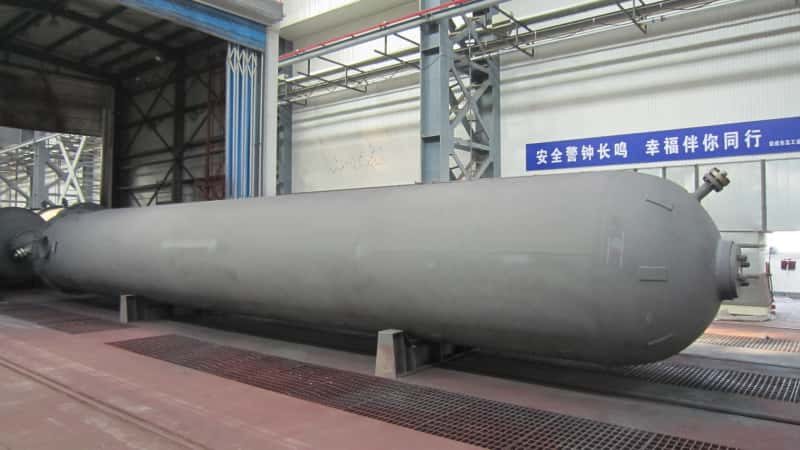

Carbon capture projects are moving from pilot systems toward larger industrial applications in power, waste-to-energy, cement, refining, petrochemical, hydrogen, and chemical facilities. For EPC contractors, engineering buyers, and project managers, this creates a practical equipment question: how do carbon capture systems use absorber columns, heat exchangers, process vessels, storage tanks, and other custom fabricated equipment?
A carbon capture unit is not a single machine. It is a process system that may include gas pretreatment, absorption, solvent regeneration, heat recovery, gas-liquid separation, condensate handling, CO2 compression interfaces, and wastewater or blowdown management. The exact scope depends on the capture technology, flue gas composition, CO2 concentration, solvent system, project location, and applicable regulations. The International Energy Agency provides a broader industry overview of carbon capture, utilisation and storage for policy and project context.
Why Carbon Capture Equipment Is Becoming a Procurement Topic
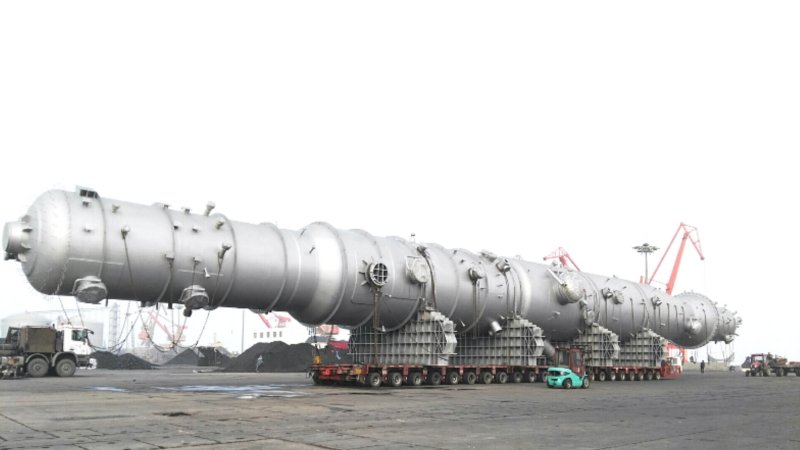
Recent carbon capture activity, including waste-to-energy and industrial decarbonization projects in Europe, continues to highlight the role of amine-based capture, modular systems, and EPC execution. Technology providers and project developers, including Shell carbon capture technology references and Technip Energies project activity, show how solvent-based systems typically rely on gas-liquid contact equipment, heat integration, regeneration systems, and process vessels.
For industrial equipment buyers, this means carbon capture projects can create demand for process towers and columns, industrial heat exchangers, separators, tanks, and custom pressure vessels. The supplier’s role is not to define the capture chemistry, but to manufacture equipment that matches the approved process design, materials, inspection scope, and delivery requirements.
What Equipment Is Used in Carbon Capture Projects?
Absorber Columns
The absorber column is often the largest and most visible item in a solvent-based carbon capture unit. In a typical amine capture process, flue gas or process gas contacts a solvent inside the absorber. CO2 is transferred from the gas phase into the liquid solvent, while treated gas exits the system.
From a fabrication perspective, an absorber may involve:
- Large-diameter shell sections
- Gas inlet and outlet nozzles
- Liquid distribution systems
- Packing or trays, depending on design
- Demister or mist elimination sections
- Manways and inspection openings
- Internal support structures
- Lifting and transportation design
For environmental and gas treatment projects, a scrubber tower may be a useful reference category because many carbon capture absorbers share similar gas-liquid contact and column fabrication requirements, even though the internal design and solvent service may differ.
Regeneration and Stripping Columns
After CO2 is absorbed, the rich solvent is usually sent to a regeneration section where heat is used to release CO2 from the solvent. This may involve a stripper column, regeneration tower, reboiler, condenser, reflux drum, and associated process vessels.
A regeneration column requires careful review of temperature, pressure, corrosion risk, solvent chemistry, internal components, nozzle arrangement, and maintenance access. Buyers should not treat it as a simple vertical tank. It is a process column with functional internals and operating requirements.
Heat Exchangers
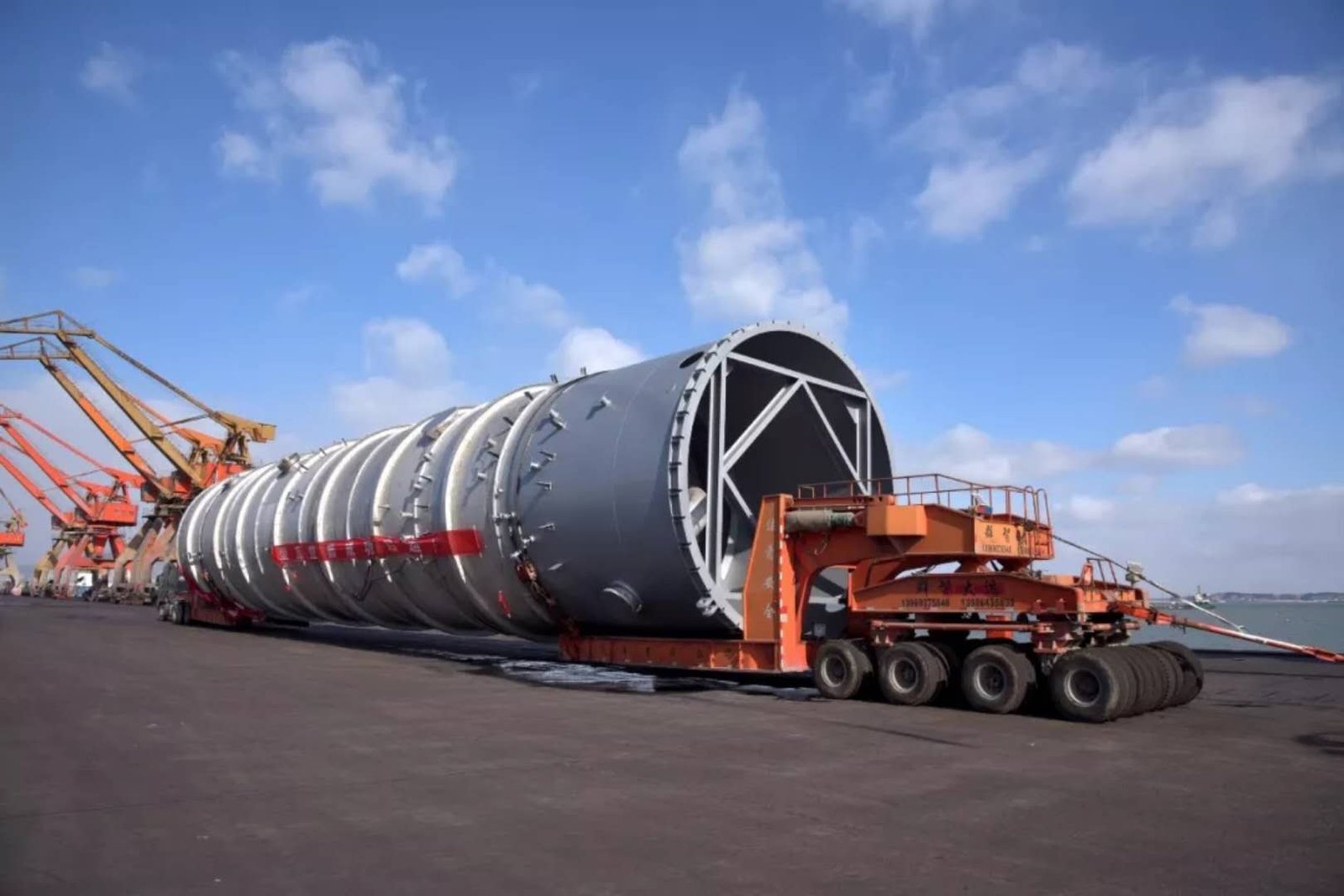
Heat exchangers are critical in many carbon capture processes. They may be used for lean/rich solvent heat recovery, solvent cooling, reboiler service, condenser service, gas cooling, condensate handling, or utility integration.
A shell and tube heat exchanger is commonly evaluated where robust construction, cleanability, pressure capability, and custom materials are required. For EPC buyers, heat exchanger selection should consider heat duty, fouling risk, solvent compatibility, corrosion allowance, allowable pressure drop, maintenance strategy, and inspection requirements.
Process Vessels, Separators and Tanks
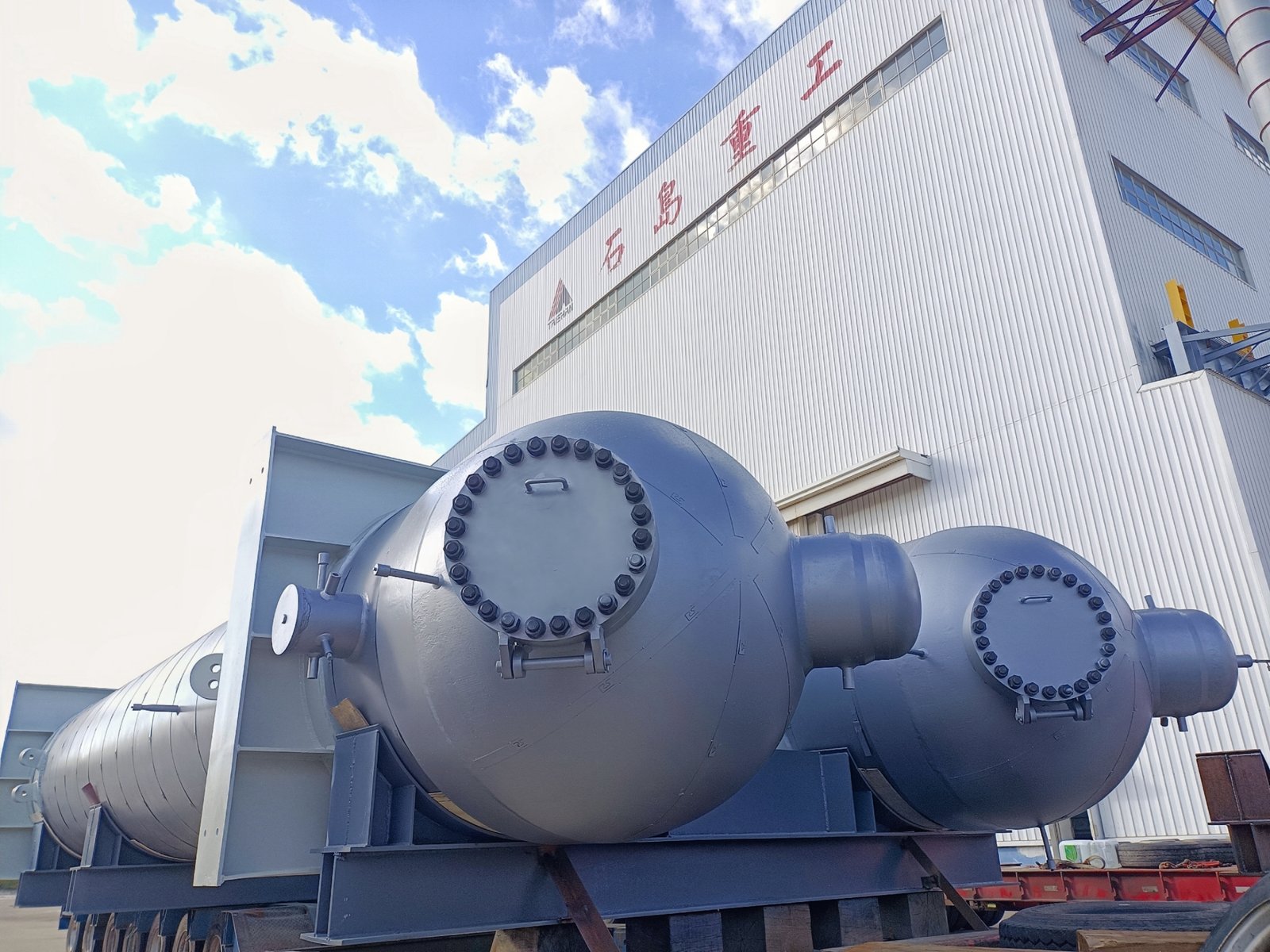
Carbon capture units may also require a range of process vessels and tanks, including:
- Knockout drums
- Condensate separators
- Solvent storage tanks
- Lean and rich solvent vessels
- Reflux drums
- Flash vessels
- Wash water vessels
- Wastewater or blowdown tanks
- CO2 compressor suction drums
Some of these may be atmospheric tanks, while others may be pressure vessels depending on the process design. For EPC projects, the distinction should be clearly defined in the equipment list and datasheets.
Main Applications for Carbon Capture Equipment
Waste-to-Energy and Power Plants
Waste-to-energy and power plants often have flue gas streams that require pretreatment before CO2 capture. Equipment may include gas scrubbers, absorbers, heat exchangers, condensate handling vessels, and wastewater-related equipment. The U.S. Department of Energy’s carbon capture, utilization, and storage resources provide additional background for industrial buyer context.
In these projects, corrosion control and material selection can be important because flue gas composition, acid gas content, moisture, and contaminants vary by facility.
Refineries and Petrochemical Plants
Refineries and petrochemical plants may evaluate carbon capture for hydrogen units, process heaters, FCC-related emissions, boilers, or other concentrated CO2 sources. These applications can involve integration with existing utilities, plot space constraints, shutdown windows, and brownfield installation challenges.
For downstream industrial sites, petrochemical pressure vessels and pressure vessels for oil and gas may be relevant when planning related process equipment.
Hydrogen, Ammonia and Chemical Facilities
Hydrogen, ammonia, methanol, and other chemical facilities may have process gas streams where CO2 capture is part of decarbonization or product purification strategy. Equipment scope may include absorber columns, solvent regeneration systems, pressure vessels, heat exchangers, and storage tanks.
For chemical project teams, pressure vessels for chemical plants are often evaluated together with process columns and heat transfer equipment.
Key Selection Factors for EPC Buyers
Gas Composition and Process Conditions
Equipment design depends on gas flow rate, CO2 concentration, temperature, pressure, moisture content, acid gas components, oxygen content, particulate loading, and pretreatment requirements. Buyers should provide complete process datasheets rather than only naming the project as a carbon capture system.
Solvent Service and Corrosion Risk
Amine and other solvent systems can create corrosion challenges depending on temperature, contaminants, degradation products, oxygen ingress, and process chemistry. Material selection should be based on approved process design and corrosion assessment.
Carbon steel, stainless steel, duplex stainless steel, clad materials, or lined equipment may be considered depending on service conditions. Final material selection should be confirmed by qualified engineers.
Column Internals and Fabrication Interfaces
Absorber and regeneration columns may include trays, structured packing, random packing, liquid distributors, mist eliminators, support grids, and inspection access. Whether internals are supplied by the vessel fabricator, process licensor, or a separate vendor should be clarified early.
Interface control matters. Shell dimensions, internal supports, manways, nozzle locations, and installation tolerances must match the internal equipment design.
Heat Integration and Utility Requirements
Carbon capture systems can be energy-intensive, especially in solvent regeneration. Heat exchangers, reboilers, condensers, and cooling equipment should be evaluated as part of the complete process package rather than isolated items.
Buyers should provide heat duty, flow rates, inlet and outlet temperatures, fouling factors, pressure drop limits, and material requirements for each exchanger.
Manufacturing and Quality Control Considerations
Engineering Review Before Fabrication
Before fabrication, the manufacturer should review process datasheets, general arrangement drawings, material specifications, welding requirements, NDT scope, coating or lining requirements, internal support details, lifting design, and delivery conditions.
A large-scale pressure vessel manufacturer can support manufacturability review for large columns, heat exchangers, separators, tanks, and custom process vessels.
Welding, Forming and Assembly
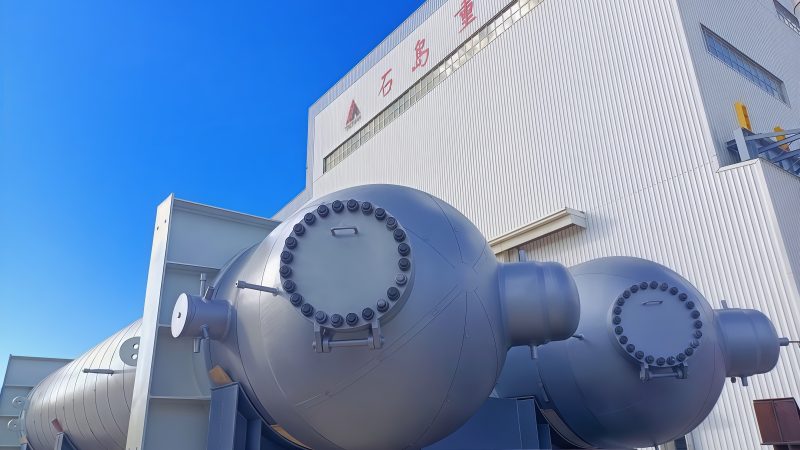
Carbon capture equipment may involve large-diameter shells, tall columns, heavy nozzles, internal support rings, heat exchanger shells, tubesheets, and custom vessel components. Fabrication may include plate cutting, rolling, forming, welding, machining, internal support installation, dimensional inspection, and final assembly.
Welding procedures, welder qualification, heat treatment requirements, and weld repair procedures should follow approved project requirements.
Inspection, Testing and Documentation
Inspection requirements depend on equipment type, design code, material, thickness, service conditions, and project specifications. Non-destructive testing may include radiographic testing, ultrasonic testing, magnetic particle testing, liquid penetrant testing, and visual inspection.
Pressure testing, leak testing, dimensional inspection, coating inspection, and final document review should be defined before fabrication starts. For export projects, documentation packages may include material certificates, welding records, NDT reports, pressure test records, coating reports, as-built drawings, and packing records.
Delivery and Site Installation
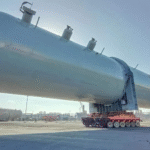
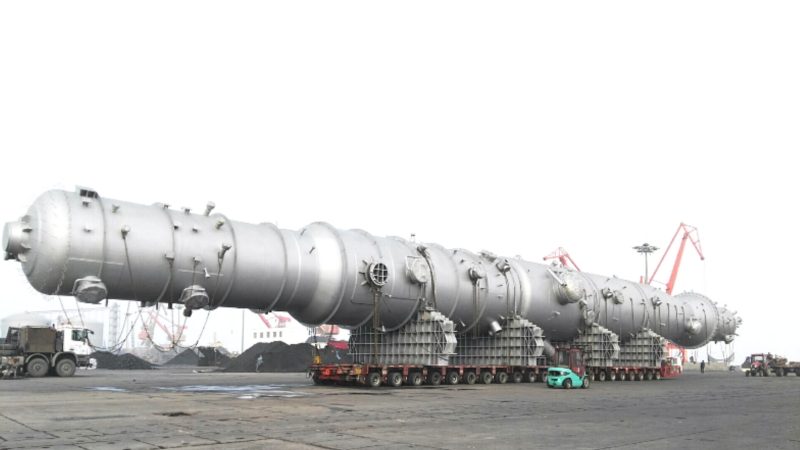
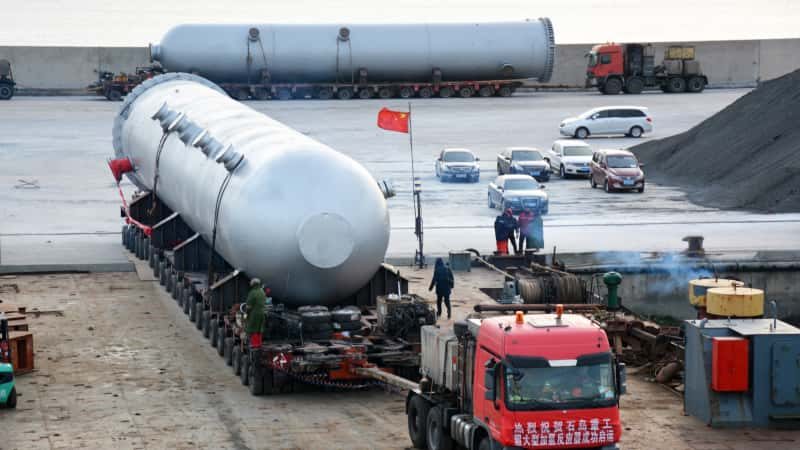
Large absorber columns and regeneration towers can be challenging to transport. Buyers should review column length, diameter, weight, lifting lugs, saddle or shipping support design, road restrictions, port handling, sea shipment, and site erection plans.
For modular carbon capture systems, equipment may be delivered as skids, modular sections, or separate large components. Delivery strategy should be aligned with the EPC construction plan.
Common Buyer Concerns
Treating Carbon Capture as One Piece of Equipment
A carbon capture system is a process unit. Absorbers, strippers, heat exchangers, drums, tanks, and utilities must work together. Procurement should be based on a complete equipment list and interface plan.
Underestimating Corrosion and Solvent Effects
Solvent service, flue gas impurities, oxygen, heat-stable salts, and degradation products may influence material selection and inspection requirements. Buyers should avoid generic material assumptions.
Ignoring Internals and Maintenance Access
Columns require access for installation, inspection, and maintenance of internals. Manways, platforms, supports, and removal clearances should be reviewed early.
Comparing Suppliers Only by Price
A low quotation may exclude internals support, NDT, coating, documentation, packing, third-party inspection, or port delivery. EPC buyers should compare suppliers based on the same technical scope.
What Buyers Should Prepare Before Requesting a Quotation
Before requesting a quotation for carbon capture equipment, buyers should prepare:
- Process description and equipment list
- Gas composition and flow rate
- Design pressure and design temperature
- Operating pressure and operating temperature
- Solvent type or service description, if available
- Material specifications
- Corrosion allowance
- Column internal interface requirements
- Heat exchanger datasheets
- Nozzle schedule and orientation
- Support, lifting, and installation requirements
- Applicable design code and project standards
- NDT and inspection requirements
- Pressure or leak testing requirements
- Coating, lining, or insulation requirements
- Delivery destination and transport restrictions
- Documentation requirements
If the project is still in early engineering, preliminary data can help the manufacturer identify missing information and feasibility concerns.
FAQ
What equipment is commonly used in carbon capture projects?
Carbon capture projects may use absorber columns, regeneration columns, heat exchangers, knockout drums, condensate separators, solvent tanks, reflux drums, flash vessels, and auxiliary pressure vessels.
What is the role of an absorber column in carbon capture?
In many solvent-based processes, the absorber column provides gas-liquid contact so CO2 can transfer from the gas phase into the solvent. The final design depends on the capture technology and project process conditions.
Why are heat exchangers important in carbon capture?
Heat exchangers support solvent heat recovery, regeneration, cooling, condensation, and utility integration. They can affect energy use, operating stability, and maintenance planning.
What should EPC buyers evaluate in a carbon capture equipment supplier?
Buyers should evaluate engineering review capability, column fabrication experience, heat exchanger manufacturing, material control, welding quality, inspection scope, documentation, and delivery support.
Can standard vessels be used in carbon capture systems?
Some auxiliary tanks may be relatively simple, but absorber columns, regeneration towers, heat exchangers, and solvent-service vessels are often customized according to process conditions, materials, internals, and project specifications.
Conclusion
Carbon capture projects use absorber columns, heat exchangers, and process vessels as part of an integrated gas treatment and solvent regeneration system. For EPC contractors and industrial buyers, the key is to define process conditions, materials, internals, inspection scope, documentation, and delivery requirements before fabrication begins.
If you are sourcing absorber columns, scrubber towers, heat exchangers, pressure vessels, storage tanks, or other custom process equipment for carbon capture, waste-to-energy, petrochemical, refining, hydrogen, chemical, or environmental engineering projects, you can discuss your project requirements with an engineering and manufacturing team. Sharing drawings, process data, material requirements, inspection needs, and delivery terms will help support technical communication and fabrication evaluation.