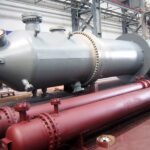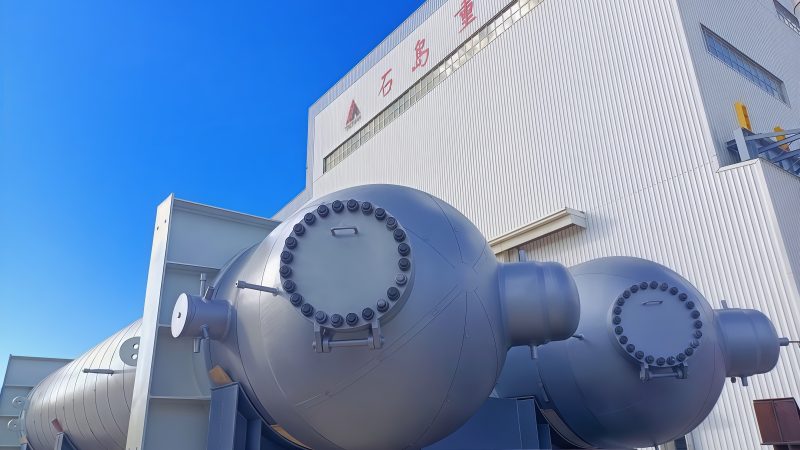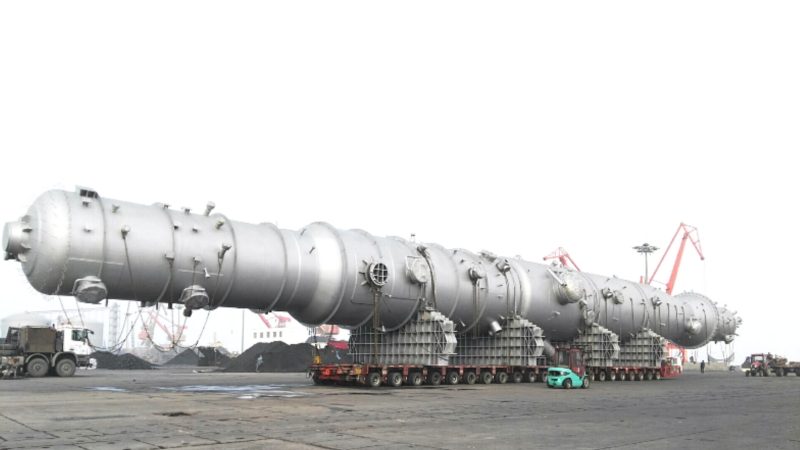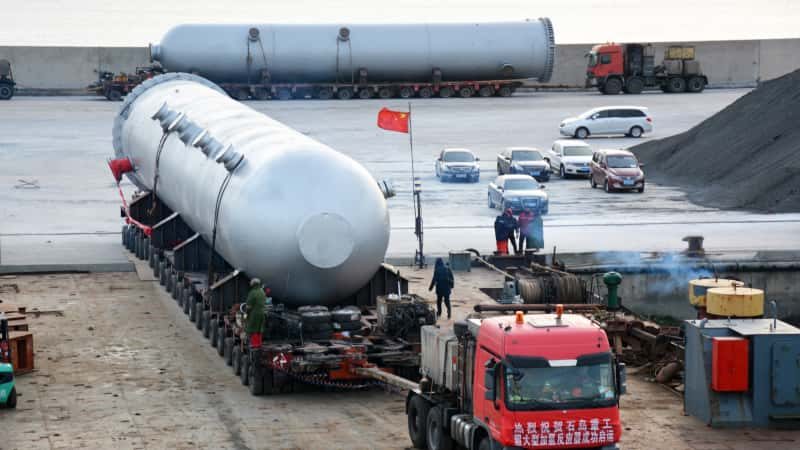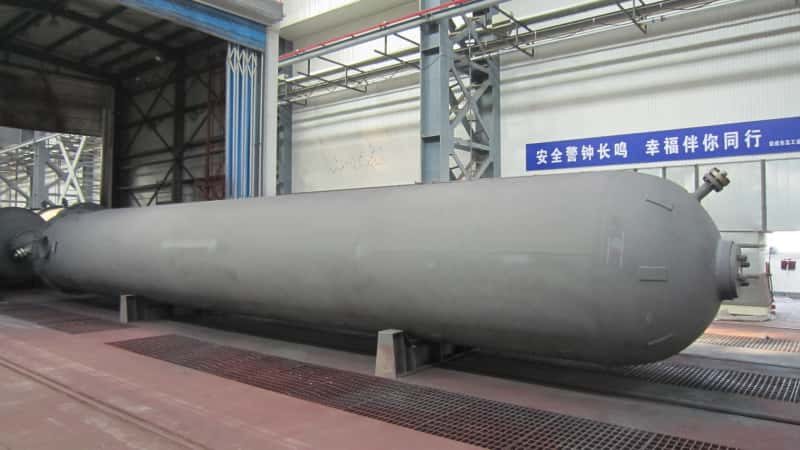

For chemical plants, gas processing units, and EPC projects, a custom gas-liquid separator is not a small accessory or a single internal component. It is a complete pressure vessel package designed to remove entrained liquid from gas streams, protect downstream equipment, and support stable plant operation.
Buyers should evaluate the whole separator package, including vessel size, pressure rating, material selection, nozzle arrangement, internals interface, inspection requirements, surface treatment, documentation, packing, and delivery conditions.

WSHI focuses on project-based complete equipment, including custom pressure vessels, separators, heat exchangers, towers, and industrial storage tanks above 1,000 liters. This guide is written for EPC buyers, project managers, and technical teams who need complete separator vessels for chemical, petrochemical, natural gas processing, environmental, and industrial projects.
For pressure vessel construction context, ASME BPVC Section VIII Division 1 is a common reference depending on project code and jurisdiction. The U.S. EPA’s pressure vessel rupture hazard alert also reinforces why proper design, inspection, testing, and repair records matter for pressure equipment safety.
A gas-liquid separator package can be purchased based only on vessel diameter and length.False
Separator procurement should also define gas and liquid flow, medium composition, pressure, temperature, liquid load, separation target, internals, nozzle layout, materials, inspection scope, documentation, and delivery constraints.
A custom gas-liquid separator should be reviewed as a complete pressure vessel package.True
The vessel body, nozzles, supports, lifting points, drains, instruments, internals interface, coating, testing, documentation, and packing all affect project success.
What Is a Custom Gas-Liquid Separator Package?
A gas-liquid separator is a pressure vessel used to separate free liquid or entrained liquid droplets from a gas stream. Depending on the process, it may be installed upstream of compressors, downstream of coolers, before gas treatment systems, ahead of flare or vent systems, or within chemical and environmental process units.
A complete separator package may include the pressure vessel body, process nozzles, supports, lifting points, inspection openings, drain connections, instrument interfaces, coating, packing, and documentation. If separation internals are required by the process design, they should be treated as part of the complete vessel design and procurement scope, not as separate small-item purchasing.
Common applications include natural gas processing and condensate removal, petrochemical gas treatment, chemical process off-gas separation, compressor suction protection, solvent vapor and liquid separation, environmental gas treatment systems, and refinery or chemical plant utility systems.
Why Complete Equipment Procurement Matters
Some buyers focus only on one separator function, such as liquid removal. In real EPC projects, the procurement scope is broader. A separator vessel must match process duty, plant layout, fabrication standard, inspection plan, documentation requirements, and delivery schedule.
For oil and gas pressure vessel applications, separators are often used to protect downstream compressors, heat exchangers, and gas treatment equipment from liquid carryover. For pressure vessels for petrochemical plants, separator performance and installation details can affect downstream reliability and site acceptance.
| Package Item | What EPC Buyers Should Confirm | Why It Matters |
|---|---|---|
| Process duty | Liquid removal target, gas flow, liquid load, operating pattern, and separation objective | Determines vessel sizing, internals, residence time, and performance expectations |
| Design conditions | Operating/design pressure, operating/design temperature, vacuum, upset cases | Controls shell thickness, flange rating, testing, and code requirements |
| Medium composition | Hydrocarbons, water, solvents, acid gas, ammonia, corrosion data, solids, foaming tendency | Drives material selection, corrosion allowance, coating, lining, and safety review |
| Nozzle layout | Gas inlet/outlet, liquid outlet, drain, vent, relief, level, pressure, temperature, manway | Prevents piping conflicts and supports operation, inspection, and maintenance |
| Inspection and testing | NDT, pressure test, dimensional inspection, coating inspection, third-party inspection | Confirms fabrication quality and project acceptance before shipment |
| Delivery | Lifting lugs, saddles, shipping supports, nozzle protection, packing, port delivery | Reduces damage, delay, and site unloading risk |
Key Selection Factors for EPC Buyers
Process Medium and Operating Conditions
The first step is to define the gas and liquid composition. The medium may include hydrocarbons, water, solvents, acid gas, ammonia, process vapor, fine liquid droplets, entrained solids, or corrosive contaminants. Material selection and corrosion allowance should be reviewed according to the actual service environment.
Buyers should provide operating pressure, design pressure, operating temperature, design temperature, gas flow rate, liquid load, density, viscosity, droplet removal expectation, foaming tendency, and expected operating pattern where available. The final separation design should be confirmed by the project engineering team.
Vessel Orientation and Capacity
Gas-liquid separators may be vertical or horizontal depending on flow rate, liquid load, footprint, residence requirement, allowable pressure drop, and site layout. A vertical separator may suit limited plot space or lower liquid hold-up. A horizontal separator may be preferred when larger liquid capacity or longer disengagement length is required.
WSHI does not position this equipment as a small standard tank. The focus is on complete project-based separator vessels and industrial equipment above 1,000 liters, manufactured according to approved drawings and project specifications.

Materials and Corrosion Control
Material selection should be based on process medium, corrosion risk, temperature, pressure, water content, acid gas, chlorides, solvents, and project standards. Carbon steel, stainless steel, duplex stainless steel, clad plate, lining, or other materials may be considered depending on service conditions.
The manufacturer should not independently determine chemical compatibility without project data. Buyers should provide process specifications, material requirements, corrosion allowance, coating requirements, and corrosion information from the engineering team.
Nozzle Layout and Instrument Interfaces
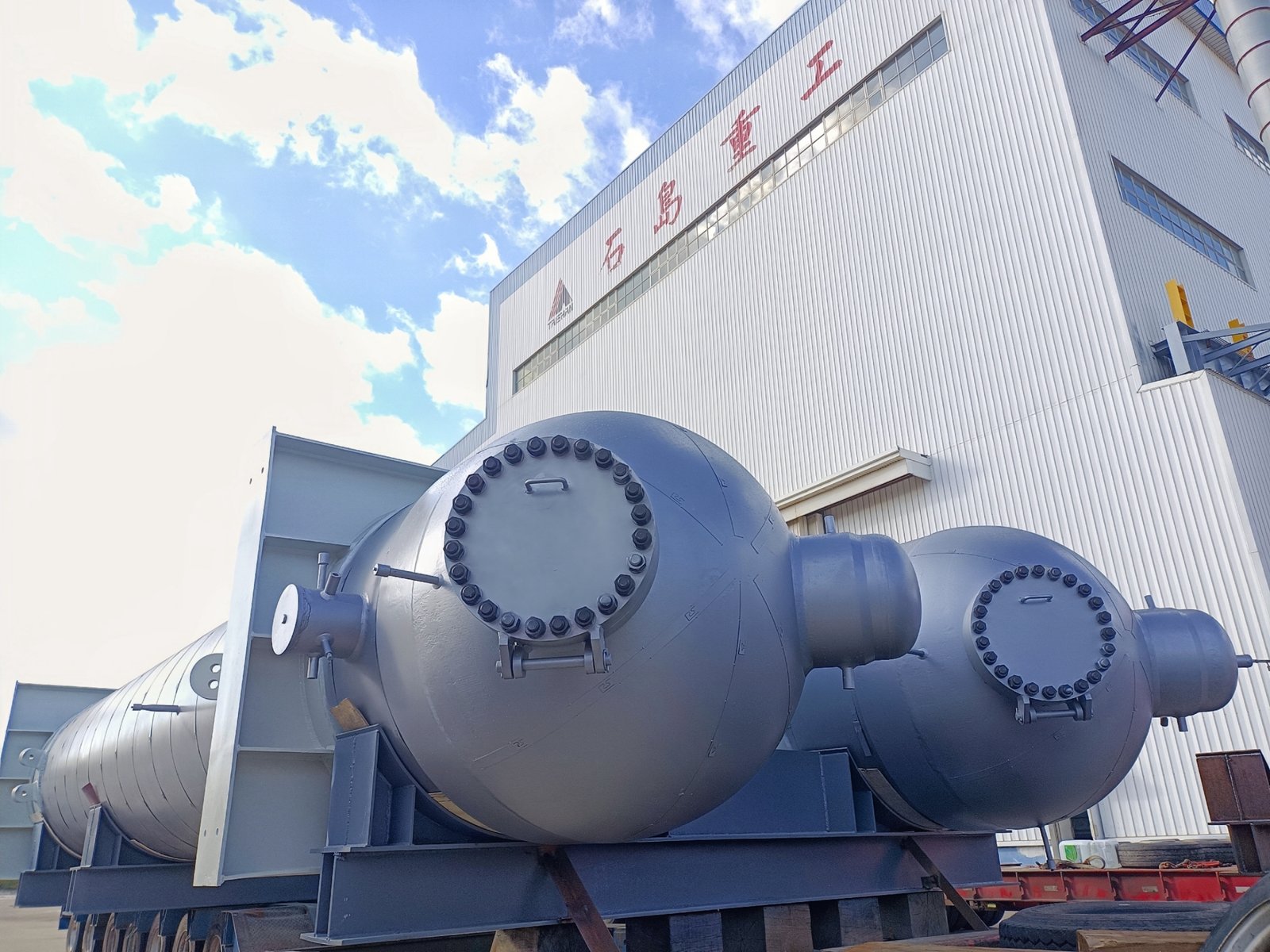
A separator vessel must connect correctly with the plant piping and control system. Nozzle arrangement should be reviewed for gas inlet, gas outlet, liquid outlet, drain, vent, safety valve connection, pressure instrument, level instrument, temperature measurement, sampling, clean-out, and manway access.
Incorrect nozzle orientation may cause installation problems, field modification, poor drainage, unreliable level measurement, or maintenance difficulty. For EPC procurement, the approved general arrangement drawing should be frozen before fabrication.
Internals and Separation Performance
Depending on duty, a gas-liquid separator may require an inlet device, demister pad, vane pack, coalescer, baffle, vortex breaker, weir, anti-foam consideration, or other project-specific internals. Responsibility for internals design, supply, installation, and inspection should be clearly defined between the EPC contractor, process designer, internals vendor, and vessel manufacturer.
Internals are not decoration. They affect liquid removal, pressure drop, carryover, residence time, maintenance access, and inspection. If the buyer expects internals to be included, that requirement should be included in the RFQ and drawing review.
Manufacturing and Inspection Requirements
Gas-liquid separators used in industrial projects are usually fabricated as pressure vessels. Depending on project location and specification, applicable pressure vessel codes may include ASME Section VIII or other recognized standards. Final code selection should be confirmed by the owner, EPC contractor, inspection authority, and qualified engineers.
For buyers comparing suppliers, it is useful to evaluate whether the manufacturer can support pressure vessel manufacturing from material procurement through fabrication, inspection, testing, coating, packing, and delivery.
| Manufacturing Item | Buyer Review Point |
|---|---|
| Material control | Material certificates, heat number traceability, material grade, corrosion allowance |
| Welding | WPS, PQR, welder qualifications, weld map, heat treatment if required |
| NDT | RT, UT, MT, PT, visual inspection, dimensional inspection according to project requirements |
| Pressure testing | Hydrostatic or pneumatic test procedure, test pressure, gauges, holding time, report |
| Coating and lining | Blasting grade, paint system, dry film thickness, lining inspection, repair areas |
| Final documents | Drawings, material reports, welding records, NDT reports, test records, coating records, data book |
Related Equipment in Gas and Chemical Projects
Gas-liquid separators often operate together with heat exchangers, process towers, storage vessels, compressors, pumps, and custom chemical equipment. For example, a gas stream may be cooled by an industrial heat exchanger before entering a separator. In gas treatment or environmental systems, separation may also be combined with process towers and columns.
In natural gas and petrochemical projects, the separator should be reviewed as part of the overall process package rather than as an isolated vessel.
Common Procurement Mistakes
One common mistake is asking for a separator quotation with only vessel diameter and length. This is usually not enough. The supplier needs process conditions, drawings, design code, material requirements, internals scope, inspection scope, and delivery destination.
Another mistake is treating the separator as a small component purchase. For industrial service, the separator is a complete pressure vessel package that must match the process and site layout. A third mistake is ignoring delivery planning. Large separator vessels may require lifting lugs, saddles, shipping supports, nozzle protection, export packing, and port delivery coordination.
What Buyers Should Prepare Before Requesting a Quotation
| RFQ Item | Recommended Information |
|---|---|
| Process description | Separator duty, gas source, downstream equipment, liquid removal objective, operating cases |
| Gas and liquid data | Flow rate, composition, density, viscosity, liquid load, droplet size target if available |
| Design basis | Operating and design pressure, operating and design temperature, code, material, corrosion allowance |
| Mechanical layout | Vertical or horizontal orientation, dimensions, supports, lifting, transport envelope |
| Nozzles and instruments | Inlet, outlet, drain, vent, relief, level, pressure, temperature, manway, sample, clean-out |
| Internals scope | Inlet device, demister, vane pack, coalescer, baffles, vortex breaker, supplier responsibility |
| Inspection and delivery | NDT, pressure test, coating, third-party inspection, data book, packing, delivery destination |
Why WSHI Manufacturing Capability Matters
For project-based separator packages, manufacturing capability matters as much as basic vessel design. WSHI supports drawing review, material procurement, welding fabrication, NDT coordination, pressure testing, anti-corrosion coating, large-item loading, and export delivery.
As a large-scale pressure vessel manufacturer, WSHI supplies complete vessels and industrial equipment for chemical, petrochemical, oil and gas, environmental, and new energy projects. Buyers can also review related custom chemical equipment when planning multi-equipment procurement.
FAQ
What is a gas-liquid separator vessel used for?
It is used to remove liquid from a gas stream, protect downstream equipment, and support stable process operation in chemical, gas processing, petrochemical, environmental, and industrial systems.
What information is needed for a separator quotation?
Buyers should provide process medium, gas and liquid flow data, pressure, temperature, material requirements, drawings, nozzle layout, internals scope, inspection requirements, documentation scope, and delivery destination.
Is a gas-liquid separator a pressure vessel?
In many industrial applications, it is designed and manufactured as a pressure vessel. The final code basis should be confirmed by the EPC contractor, owner, inspection authority, and qualified engineers.
Can WSHI supply only separator internals?
WSHI focuses on complete project-based separator vessels and pressure equipment, not standalone small components or internals.
What industries use gas-liquid separator packages?
They are used in oil and gas processing, petrochemical plants, chemical manufacturing, environmental gas treatment, compressor systems, solvent recovery, and industrial utility units.
Conclusion
A custom gas-liquid separator should be specified as a complete industrial equipment package, not as a collection of small components. EPC buyers should confirm process conditions, vessel capacity, design code, materials, internals, nozzle layout, inspection requirements, documentation, and delivery constraints before procurement.
If you are planning a chemical, gas processing, petrochemical, environmental, or industrial project, you can discuss your project requirements with an engineering team or download the pressure vessel catalog. Sharing drawings, operating conditions, medium composition, internals requirements, inspection scope, and delivery terms will help support manufacturing feasibility review.