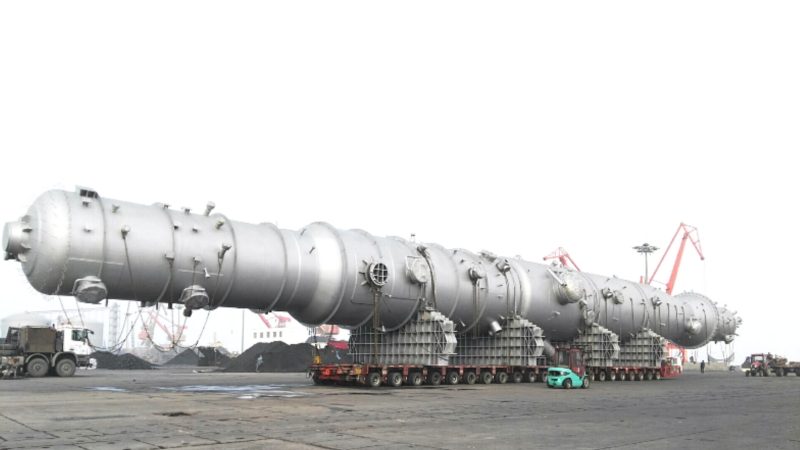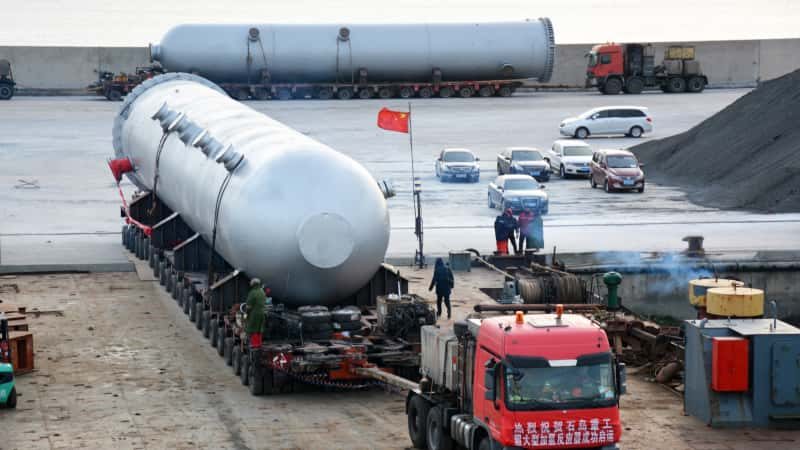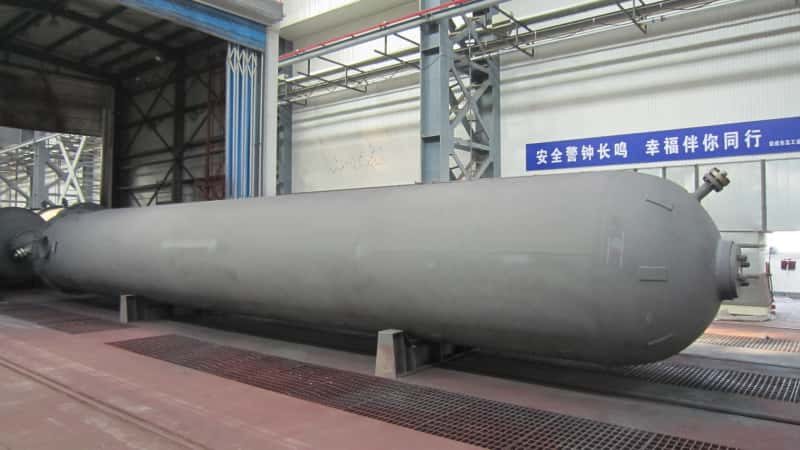
For EPC buyers and project engineers, pressure vessel nozzle orientation is not a small drawing detail. A few degrees of mismatch can affect field piping, instrument access, insulation clearance, lifting, maintenance space, and even site rework. Before a custom pressure vessel enters fabrication, buyers should confirm nozzle location, projection, flange direction, elevation, bolt-hole orientation, and interface requirements with the manufacturer, design team, and site layout team.
WSHI focuses on project-based custom pressure vessels and industrial vessels above 1,000 liters, rather than small standard tanks. For large chemical, petrochemical, oil and gas, new energy, and environmental projects, nozzle orientation should be reviewed as part of the overall engineering coordination process.

For pressure vessel construction context, ASME BPVC Section VIII Division 1 is a common reference depending on project code and jurisdiction. The U.S. EPA’s pressure vessel rupture hazard alert also reinforces why proper design, construction, inspection, testing, and repair records matter for pressure equipment safety.
Nozzle orientation can be left for the manufacturer to decide after fabrication starts.False
Nozzle orientation must be confirmed before shell cutting and welding. Late changes may require rework, inspection, pressure testing, coating repair, and shipment delay.
EPC buyers should review nozzle orientation together with piping, instruments, internals, maintenance access, and site layout.True
Nozzle orientation affects piping fit-up, process performance, instrument readings, relief connections, manway access, lifting, coating, insulation, and final installation.
What Is Pressure Vessel Nozzle Orientation?
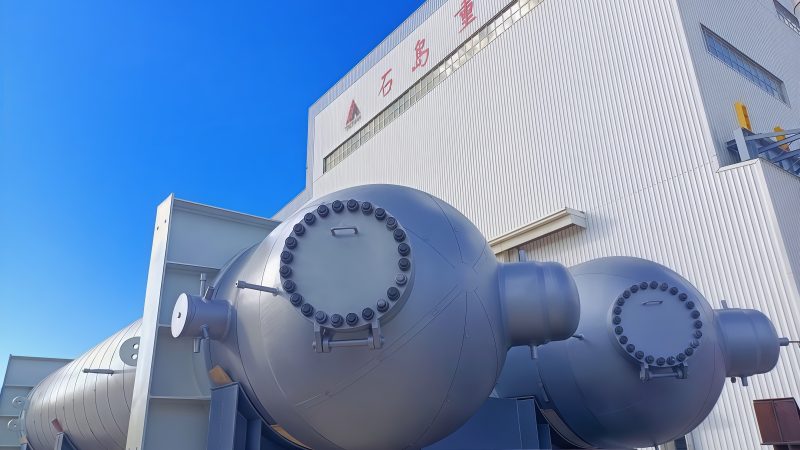
Nozzle orientation refers to the position and direction of vessel nozzles on the shell, head, top, bottom, or side of a pressure vessel. It includes angular position, elevation, projection length, flange facing direction, bolt-hole orientation, and relationship with supports, internals, lifting points, platforms, insulation, and nearby equipment.
Typical nozzles may include process inlet and outlet, vent, drain, manway, safety valve connection, level instrument nozzles, pressure and temperature instrument connections, sampling points, cleaning or flushing connections, and spare nozzles for future use. For industrial pressure vessels, these details must match the approved general arrangement drawing, P&ID, piping layout, instrument list, and site installation plan.
Why Nozzle Orientation Matters in EPC Projects
It Affects Field Piping
A vessel may pass pressure testing and still create major installation problems if nozzles do not match the piping layout. Incorrect nozzle orientation can lead to pipe misalignment, field cutting, additional elbows, forced fit-up, excessive stress on nozzles, or delays during installation.
For large petrochemical pressure vessels, even a small orientation error can affect multiple connected lines. This is why nozzle orientation should be frozen before fabrication starts.
It Affects Maintenance Access
Manways, inspection openings, drains, and instrument nozzles must be accessible after installation. If a manway faces a wall, steel structure, pipe rack, platform beam, or adjacent equipment, maintenance teams may not be able to open it safely.
EPC buyers should confirm access for manway opening, instrument removal, valve operation, insulation and cladding work, internal cleaning, inspection, and future repair.
It Affects Instrumentation and Control
Level gauges, transmitters, pressure indicators, sample points, and temperature elements need proper orientation and elevation. If instrument nozzles are placed incorrectly, readings may be unreliable or difficult to maintain.
For vessels used in separation, storage, buffering, or process control, instrument nozzle position should be reviewed together with the process engineer, piping engineer, and control system team.
| Nozzle Review Area | What EPC Buyers Should Confirm | Risk If Missed |
|---|---|---|
| Piping interface | Angle, projection, flange facing, bolt-hole orientation, elevation, and pipe routing | Pipe spool rework, forced fit-up, extra elbows, and installation delay |
| Maintenance access | Manway opening, valve operation, platform access, instrument removal, cleaning clearance | Difficult inspection, unsafe access, longer shutdown, and higher maintenance cost |
| Instrumentation | Level range, pressure taps, temperature location, sampling points, transmitter clearance | Unreliable readings, poor control, or difficult calibration |
| Internals | Inlet devices, baffles, demisters, distributors, trays, coils, vortex breakers | Poor separation, turbulence, short-circuiting, or interference with internals |
| Lifting and shipping | Lifting lugs, shipping saddles, transport frames, nozzle protection, loading clearance | Transport damage, loading conflicts, or delayed shipment |
Key Items EPC Buyers Should Confirm
1. Approved Drawing Revision
Before fabrication, confirm that the manufacturer is working from the latest approved drawing revision. Nozzle orientation should not be based on an old drawing, preliminary sketch, outdated 3D model, or verbal instruction.
The approved drawing should clearly show nozzle tag number, size and rating, location and angle, projection length, flange facing, elevation, reinforcement details where applicable, internal extension, and relationship with supports and internals.
2. Piping and Site Layout Interface
Nozzle orientation should be checked against the piping model or layout drawing. This is especially important for large vessels, industrial storage tanks, separators, and process equipment installed in crowded plant areas.
Buyers should ask whether the nozzle arrangement has been reviewed for piping access, support loads, platform clearance, insulation thickness, valve operation, and maintenance space.

3. Nozzle Loads and External Forces
Nozzles may receive loads from connected piping. These loads should be reviewed by the engineering team according to project specifications and applicable design requirements. The vessel manufacturer should not assume piping loads unless they are clearly provided.
If large external loads are expected, reinforcement, pad details, nozzle neck thickness, local stress review, or additional calculation may be required by the design team.
4. Internals and Separation Function
For separators, scrubbers, columns, and custom process vessels, nozzle position may affect process performance. Inlet nozzles may need to align with inlet devices, baffles, demisters, distributors, or liquid distribution zones.
For process towers and columns and scrubber towers, nozzle orientation should be reviewed together with internals, platforms, inspection access, and maintenance openings.
5. Lifting, Transport, and Installation
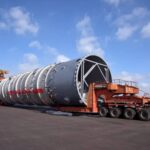
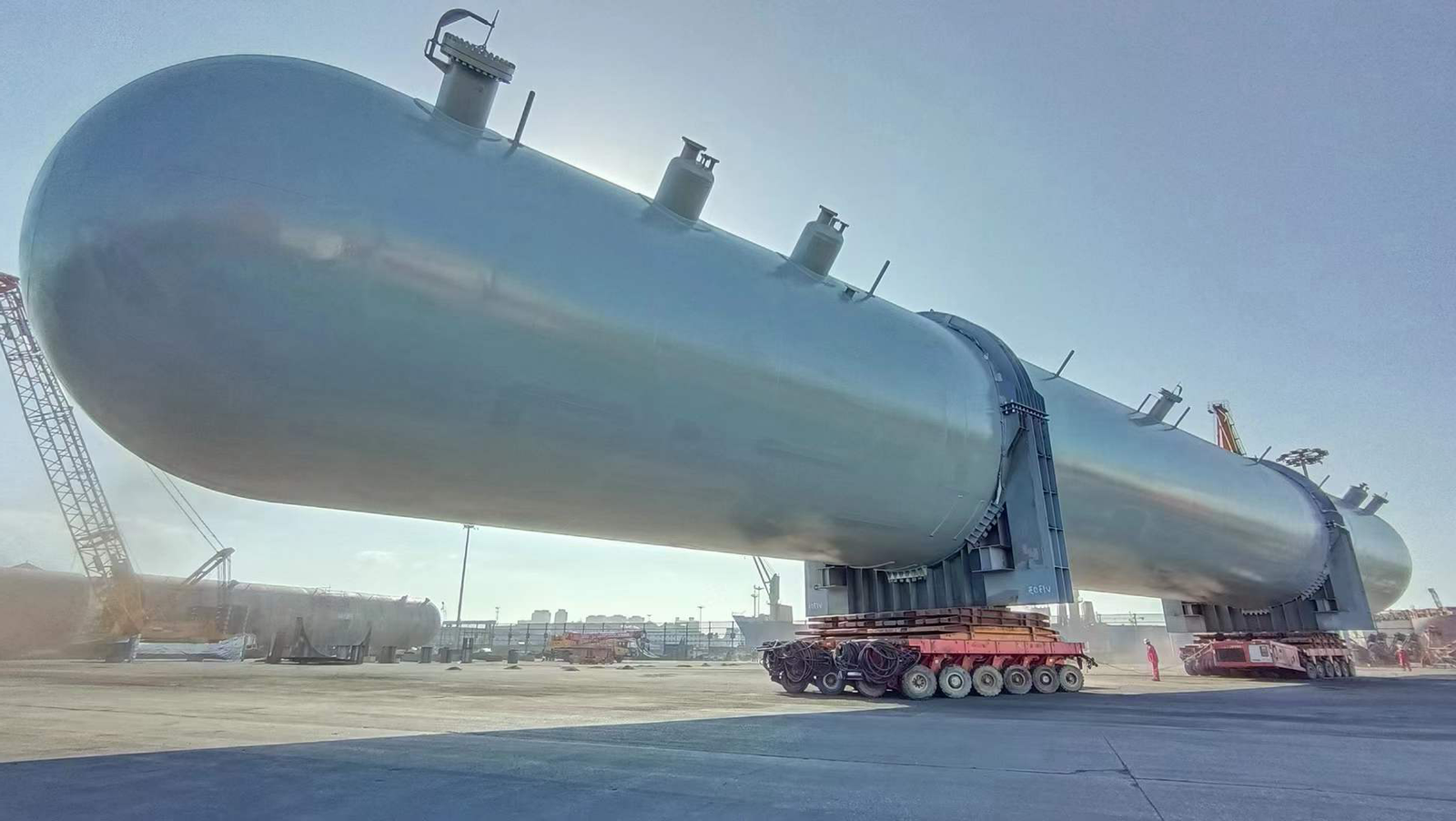
Large custom vessels may require lifting lugs, saddles, temporary supports, and transport frames. Nozzle orientation should not conflict with lifting points, shipping saddles, loading brackets, or transport protection. For overseas projects, the manufacturer should consider loading, port delivery, sea fastening requirements, and nozzle protection before shipment.
Manufacturing and Quality Control Considerations
During fabrication, nozzle orientation should be controlled through drawing review, fit-up inspection, dimensional checks, welding control, and final inspection. The manufacturer should verify nozzle angle, elevation, projection, and flange alignment according to approved drawings.
For pressure vessel manufacturing, quality control may include material traceability, nozzle fit-up inspection, welding procedure control, NDT according to project requirements, dimensional inspection, pressure testing where applicable, coating inspection, and final documentation.
| Manufacturing Stage | Nozzle Orientation Control Point |
|---|---|
| Drawing review | Confirm latest approved revision, nozzle table, orientation view, and datum reference |
| Shell marking | Verify angular location, elevation, tangent line distance, and relationship with seams |
| Fit-up | Check projection, perpendicularity, flange face, bolt-hole orientation, and reinforcement pad |
| Welding and NDT | Confirm weld access, qualified procedures, inspection coverage, and repair records if any |
| Dimensional inspection | Measure final nozzle orientation, support dimensions, overall size, and shipping envelope |
| Packing and delivery | Protect flange faces, nozzle necks, blinds, threads, instruments, and machined surfaces |
Common Mistakes in Nozzle Orientation Review
One common mistake is checking nozzle size but not nozzle direction. A nozzle may have the correct diameter and rating but still face the wrong direction for field piping. Another mistake is leaving instrument nozzle details until late in the project. Instrument connections should be confirmed before fabrication because late changes may require cutting, welding, inspection, testing, or coating repair.
A third mistake is ignoring future maintenance. If valves, transmitters, relief devices, or manways cannot be reached safely, the vessel may create long-term operating problems. Buyers should also avoid approving drawings without checking insulation thickness, platform access, pipe rack location, valve handle clearance, and lifting or transport interference.
Pre-Fabrication Checklist for EPC Buyers
| Checklist Item | Buyer Confirmation |
|---|---|
| Drawing revision | Latest approved GA drawing, nozzle orientation drawing, and nozzle schedule are issued to manufacturer |
| P&ID and piping model | Nozzle tags, service names, pipe routing, valve orientation, and instrument locations are coordinated |
| Nozzle details | Size, rating, facing, projection, elevation, angle, flange standard, and bolt-hole orientation are clear |
| Supports and internals | Nozzles do not conflict with saddles, skirts, lifting lugs, baffles, demisters, trays, coils, or distributors |
| Access and maintenance | Manways, instruments, drains, vents, relief devices, and valves can be operated and maintained safely |
| Inspection and delivery | Hold points, dimensional checks, flange protection, transport supports, and packing requirements are agreed |
Why Custom Manufacturing Matters
Nozzle orientation is one reason custom manufacturing matters. Standard vessels cannot always match the piping, control, maintenance, and installation needs of project-based equipment.
As a large-scale pressure vessel manufacturer, WSHI supports drawing review, engineering coordination, material procurement, welding fabrication, NDT, pressure testing, surface treatment, loading, and export delivery for large industrial vessels. Related equipment may include heat exchangers, separators, storage tanks, process columns, and custom chemical equipment.
FAQ
What is pressure vessel nozzle orientation?
It is the position, angle, elevation, projection, and direction of nozzles on a pressure vessel. It affects piping connection, instrument access, maintenance, inspection, and site installation.
When should nozzle orientation be confirmed?
It should be confirmed before fabrication starts, based on the latest approved drawings, P&ID, piping layout, instrument requirements, and project specifications.
Can nozzle orientation be changed after fabrication?
Sometimes it can be modified, but it may require cutting, welding, inspection, pressure testing, coating repair, and schedule delay. It is much better to confirm orientation before shell cutting.
Why does nozzle orientation matter for large vessels?
Large vessels often have limited site space, heavy piping, lifting constraints, strict installation schedules, and export delivery requirements. Incorrect orientation can cause field rework and installation delays.
Who should review nozzle orientation?
The EPC contractor, process engineer, piping engineer, instrument engineer, manufacturer, inspection team, and site installation team may all need to review it depending on project scope.
Conclusion
Pressure vessel nozzle orientation should be confirmed before fabrication, not corrected at the job site. EPC buyers should review drawing revision, piping layout, instrument access, maintenance space, internals, nozzle loads, lifting points, and transport protection.
If you are preparing a custom pressure vessel procurement package, you can discuss your project requirements with an engineering team and share drawings, nozzle orientation requirements, operating conditions, and inspection specifications for manufacturing feasibility review.