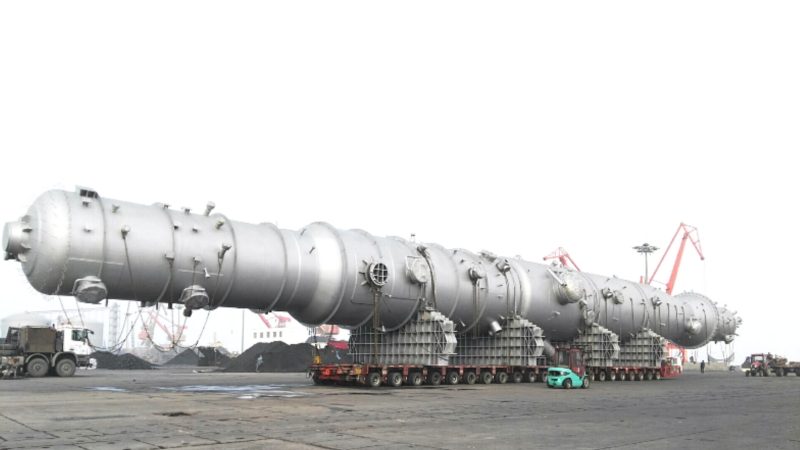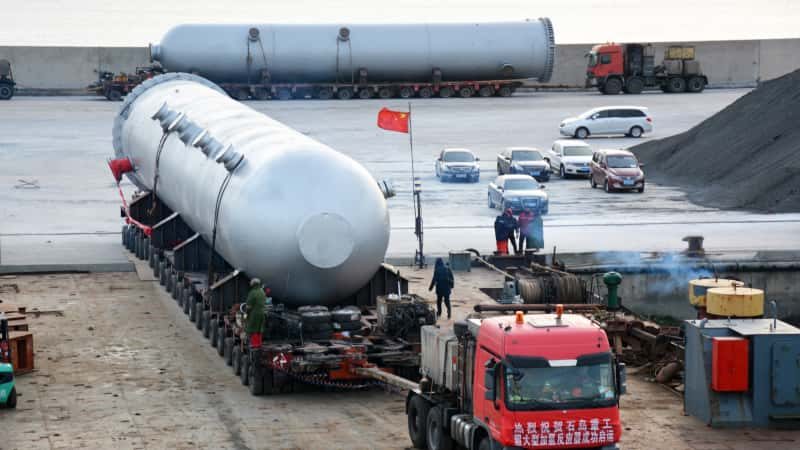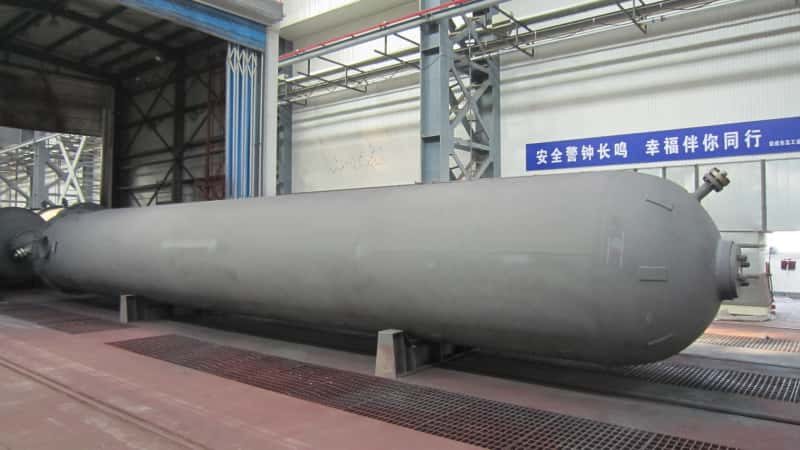

Selecting the wrong pressure vessel material can lead to corrosion, cracking, contamination, premature failure, costly downtime, and even serious safety risks. In industrial environments, a poor material choice does not just affect equipment life; it can also increase maintenance costs, reduce process reliability, and create compliance challenges. The good news is that choosing the right pressure vessel material becomes much easier when you evaluate operating pressure, temperature, corrosion conditions, media compatibility, fabrication requirements, and lifecycle cost together.
To choose pressure vessel material correctly, engineers should match the material to the vessel’s pressure, temperature, process media, corrosion risk, code requirements, fabrication method, and total lifecycle cost. Common options such as carbon steel, stainless steel, alloy steel, nickel alloys, aluminum, and composite materials each serve different industrial conditions, so the best choice depends on balancing safety, durability, manufacturability, and long-term operating performance.
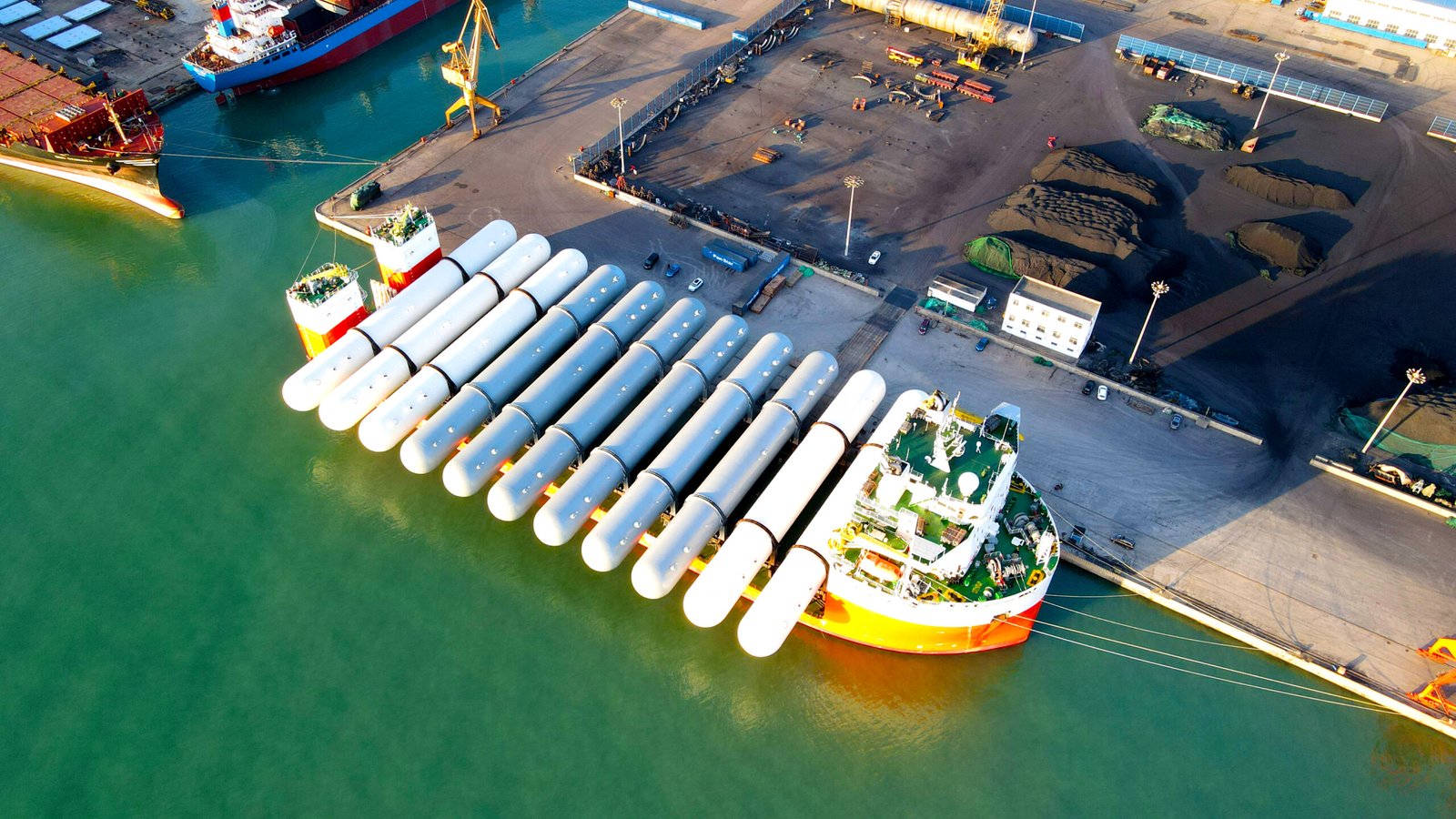
Understanding pressure vessel material selection is not just about comparing metal types. It is about identifying the real service conditions, anticipating failure mechanisms, and making a practical decision that supports safety, efficiency, and return on investment. The sections below outline the key questions industrial buyers, engineers, and plant managers should answer before selecting a pressure vessel material.
Why Is Pressure Vessel Material Selection So Important for Industrial Safety and Performance?
Industrial failures rarely happen without warning—but when they do, the consequences can be catastrophic. In pressure vessel systems, improper material selection can lead to corrosion, cracking, fatigue failure, or even explosion under high pressure and temperature conditions. These failures not only threaten human safety but also result in massive financial losses, regulatory penalties, and operational downtime. The root cause in many cases is not design complexity, but a fundamental mismatch between material properties and operating conditions. The solution lies in a deep understanding of material science, environmental compatibility, and engineering standards, which ensures that pressure vessels perform reliably throughout their lifecycle.
Pressure vessel material selection is crucial because it directly determines the vessel’s ability to withstand pressure, temperature, corrosion, and mechanical stress over time. Choosing the correct material enhances safety, extends service life, ensures regulatory compliance, and reduces maintenance costs, while poor selection can lead to structural failure, leaks, or catastrophic accidents.
To fully grasp why this topic is so critical, we need to explore the technical, operational, and economic dimensions of material selection in pressure vessels. This article will guide you through the essential factors, real-world applications, and engineering principles that define optimal material choice.
All pressure vessels can use the same material regardless of operating conditions.False
Different operating pressures, temperatures, and chemical environments require specific materials to ensure safety and durability.
Understanding the Role of Materials in Pressure Vessel Design
Pressure vessels operate under extreme conditions, often involving high internal pressures, fluctuating temperatures, and exposure to aggressive chemicals. The material used must not only withstand these conditions but also maintain structural integrity over long periods. Materials such as carbon steel, stainless steel, nickel alloys, and composite materials are commonly used, each offering distinct advantages depending on the application. For example, carbon steel is cost-effective and strong but lacks corrosion resistance, while stainless steel provides excellent resistance to oxidation and chemical attack but comes at a higher cost.
The mechanical properties of materials—such as tensile strength, yield strength, ductility, and toughness—play a vital role in determining how the vessel will behave under stress. Additionally, thermal properties like conductivity and expansion coefficients are critical when vessels operate in environments with significant temperature variations. Engineers must also consider creep resistance, especially in high-temperature applications where materials may deform over time under constant stress.
Another important factor is the material’s compatibility with the substances contained within the vessel. Chemical reactions between the vessel material and its contents can lead to corrosion, contamination, or even hazardous reactions. For instance, using carbon steel in a vessel storing acidic chemicals can result in rapid corrosion, compromising the vessel’s integrity.
Key Factors Influencing Material Selection
1. Operating Pressure and Temperature
The combination of pressure and temperature defines the stress level on the vessel walls. Materials must be selected based on their ability to maintain strength under these conditions. High temperatures can reduce material strength and increase the risk of creep, while high pressures demand materials with excellent tensile strength.
| Operating Condition | Recommended Material | Key Property |
|---|---|---|
| Low Pressure (<10 bar) | Carbon Steel | Cost-effective strength |
| Medium Pressure (10–50 bar) | Stainless Steel | Corrosion resistance |
| High Pressure (>50 bar) | Alloy Steel / Nickel Alloys | High tensile strength |
| High Temperature (>400°C) | Chromium-Molybdenum Steel | Creep resistance |
2. Corrosion Resistance
Corrosion is one of the leading causes of pressure vessel failure. Materials must be chosen based on the chemical environment, including exposure to acids, alkalis, salts, or gases. Protective coatings and linings can help, but selecting a corrosion-resistant base material is often the most reliable solution.
| Environment Type | Suitable Material | Corrosion Resistance Level |
|---|---|---|
| Acidic | Stainless Steel 316L | High |
| Alkaline | Nickel Alloys | Very High |
| Marine | Duplex Stainless Steel | उत्कृष्ट |
| Dry Gas | Carbon Steel | Moderate |
3. Mechanical Strength and Fatigue Resistance
Pressure vessels often undergo cyclic loading due to pressure fluctuations. This can lead to fatigue failure if the material is not capable of withstanding repeated stress cycles. Materials with high fatigue strength and fracture toughness are essential in such applications.
4. Fabrication and Weldability
Even if a material has excellent properties, it must be manufacturable. Weldability is a critical consideration, as many pressure vessels are fabricated through welding processes. Poor weldability can lead to defects, which become weak points under pressure.
5. Cost and Availability
While performance is critical, cost cannot be ignored. Engineers must balance material performance with budget constraints. Sometimes, a more expensive material may be justified if it significantly reduces maintenance costs and extends service life.
Advanced Material Technologies in Pressure Vessels
Modern industries are increasingly adopting advanced materials to enhance performance. Composite materials, such as fiber-reinforced polymers (FRP), offer high strength-to-weight ratios and excellent corrosion resistance. These materials are particularly useful in chemical processing and offshore applications.
Nickel-based alloys like Inconel and Hastelloy are used in extreme environments where both high temperature and corrosion resistance are required. These materials can withstand aggressive chemicals and maintain strength at elevated temperatures, making them ideal for petrochemical and nuclear industries.
Another innovation is the use of clad materials, where a corrosion-resistant layer is bonded to a मजबूत structural base material. This approach combines the strength of carbon steel with the corrosion resistance of stainless steel, optimizing both performance and cost.
Real-World Case Study: Material Failure in Pressure Vessels
A notable industrial حادثة involved a chemical plant where a carbon steel pressure vessel was used to store acidic مواد. Over time, corrosion weakened the vessel walls, leading to a catastrophic rupture. The failure resulted in significant خسائر مالية and environmental damage. Post-incident analysis revealed that the material selection did not account for the corrosive nature of the stored المادة.
In contrast, another facility using stainless steel 316L for similar conditions reported zero failures over a 15-year period. Although the initial cost was higher, the long-term savings in maintenance and downtime far outweighed the investment.
Regulatory Standards and Compliance
Material selection is not just a technical decision—it is also governed by strict industry standards such as ASME Boiler and Pressure Vessel Code (BPVC), PED (Pressure Equipment Directive), and ISO standards. These regulations specify acceptable materials, testing methods, and safety factors to ensure reliable operation.
Compliance with these standards ensures that the vessel meets minimum safety requirements and reduces liability risks. Engineers must carefully review these codes during the design phase to select approved materials and validate their performance under expected conditions.
Lifecycle Considerations and Maintenance
The choice of material affects not only the initial performance but also the entire lifecycle of the pressure vessel. Materials that resist corrosion and fatigue require less frequent inspection and maintenance, reducing operational costs. Predictive maintenance strategies, such as ultrasonic testing and corrosion monitoring, are more effective when the material properties are well understood.
Future Trends in Pressure Vessel Materials
The future of pressure vessel material selection lies in smart materials and digital engineering. Materials with self-healing properties, real-time stress monitoring capabilities, and enhanced مقاومت are being developed. Additionally, simulation tools using AI and finite element analysis (FEA) allow engineers to predict material behavior under complex conditions, leading to more informed decisions.
Conclusion
Material selection is the backbone of pressure vessel safety and performance. It influences every aspect of operation—from structural integrity and corrosion resistance to cost efficiency and regulatory compliance. A well-informed material choice ensures not only the reliability of the vessel but also the safety of personnel and the environment. Ignoring this critical factor can lead to severe consequences, while investing in the right material pays dividends in long-term performance and peace of mind.
Call to Action
If you are designing or sourcing pressure vessels and need expert guidance on material selection, contact our engineering team today. We provide customized solutions backed by decades of industry experience to ensure your systems are safe, efficient, and built to last.
What Operating Conditions Should You Evaluate When Choosing Pressure Vessel Material?
Selecting the wrong material for a pressure vessel is not just an engineering oversight—it can trigger catastrophic failure, costly downtime, and serious safety hazards. Many operators underestimate how operating conditions like temperature, pressure, and chemical exposure interact to degrade materials over time. The result? Premature corrosion, stress cracking, fatigue failure, or even explosions. These risks are amplified in industries such as petrochemical, pharmaceutical, and energy production where conditions are extreme and continuous. The only reliable solution is to thoroughly evaluate all relevant operating conditions before choosing a material, ensuring long-term durability and compliance with safety standards.
When choosing pressure vessel material, you must evaluate operating pressure, temperature ranges, corrosion environment, cyclic loading, fluid properties, external conditions, and regulatory requirements. These factors determine the material’s strength, durability, resistance to degradation, and overall performance, ensuring safety and cost-effectiveness over the vessel’s lifecycle.
Understanding these operating conditions in depth allows engineers and decision-makers to avoid costly mistakes and optimize vessel performance. Let’s explore each critical factor with technical clarity and practical insight.
Operating pressure alone determines the best material for a pressure vessel.False
Material selection must consider multiple interacting factors such as temperature, corrosion, and fatigue, not just pressure.
Core Operating Conditions That Influence Material Selection
1. Operating Pressure and Pressure Fluctuations
Pressure is the most fundamental parameter in pressure vessel design. However, it is not just the maximum pressure that matters—pressure fluctuations and transient spikes must also be considered. Materials must possess sufficient yield strength and ultimate tensile strength to withstand both steady-state and dynamic loads.
High-pressure environments require materials with excellent مقاومت to deformation and rupture. Alloy steels and nickel-based alloys are often selected for pressures exceeding 50 bar due to their superior mechanical properties. Additionally, safety factors defined by codes like ASME BPVC must be applied to account for uncertainties.
| Pressure Range | Material Options | Key Requirement | Risk if Ignored |
|---|---|---|---|
| <10 bar | Carbon Steel | Basic strength | Overdesign or inefficiency |
| 10–50 bar | Stainless Steel | Strength + corrosion resistance | Fatigue cracks |
| >50 bar | Alloy Steel / Nickel Alloys | High tensile strength | Catastrophic rupture |
Beyond static pressure, cyclic pressure changes can induce fatigue. Materials must be evaluated for fatigue strength and crack propagation resistance to ensure long-term reliability.
2. Operating Temperature (Minimum and Maximum)
Temperature significantly affects material behavior. At high temperatures, materials lose strength and may experience creep—slow, permanent deformation under stress. At low temperatures, materials can become brittle and susceptible to sudden fracture.
For high-temperature applications (above 400°C), chromium-molybdenum steels or nickel alloys are preferred due to their creep resistance. Conversely, for cryogenic conditions, materials like austenitic stainless steel are chosen because of their उत्कृष्ट toughness at low temperatures.
| Temperature Range | Recommended Material | Key Property | Failure Mode |
|---|---|---|---|
| < -50°C | Austenitic Stainless Steel | Toughness | Brittle fracture |
| 0–400°C | Carbon Steel | Cost-effective strength | Thermal stress |
| 400–600°C | Cr-Mo Steel | Creep resistance | Deformation |
| >600°C | Nickel Alloys | High-temp stability | Oxidation & creep |
Thermal cycling must also be considered, as repeated heating and cooling can cause expansion and contraction, leading to fatigue and cracking.
3. Corrosion and Chemical Environment
The chemical nature of the fluid inside the vessel—and sometimes outside—plays a decisive role in material degradation. Corrosion can occur in multiple forms: uniform corrosion, pitting, crevice corrosion, and stress corrosion cracking (SCC).
For example, chloride-containing environments can cause pitting in standard stainless steels, necessitating the use of duplex or super duplex grades. Acidic environments may require materials like Hastelloy or titanium.
| Environment Type | Material Choice | Corrosion Type Prevented | Longevity Impact |
|---|---|---|---|
| Acidic | 316L Stainless Steel | Uniform corrosion | High |
| Chloride-rich | Duplex Stainless Steel | Pitting/SCC | Very High |
| Alkaline | Nickel Alloys | Chemical attack | Excellent |
| Marine | Titanium | Salt corrosion | Exceptional |
Ignoring corrosion compatibility is one of the leading causes of pressure vessel failure in real-world applications.
4. Cyclic Loading and Fatigue Conditions
Pressure vessels rarely operate under constant conditions. Start-ups, shutdowns, and process variations introduce cyclic stresses that can lead to fatigue failure over time. Even if the stress is below the material’s yield strength, repeated cycles can initiate cracks that grow until failure occurs.
Materials with high fatigue endurance limits and fracture toughness are essential in such scenarios. Design standards often require fatigue analysis when the number of cycles exceeds a certain threshold.
5. Fluid Properties and Phase Behavior
The physical and chemical properties of the contained fluid—such as viscosity, density, phase (gas/liquid), and reactivity—also influence material selection. For example, hydrogen can cause embrittlement in certain steels, requiring specialized alloys.
Two-phase flow (gas-liquid mixtures) can cause erosion-corrosion, especially at high velocities. In such cases, materials with high hardness and erosion resistance are necessary.
6. External Environmental Conditions
The external environment of the pressure vessel can be just as important as the internal conditions. Factors such as humidity, ambient temperature, UV exposure, and proximity to marine environments can accelerate external corrosion.
For offshore applications, materials must resist saltwater corrosion and biofouling. Protective coatings and cathodic protection systems are often used in conjunction with corrosion-resistant materials.
7. Thermal Expansion and Stress Interaction
Different materials expand at different rates when exposed to heat. If a vessel is made of multiple materials (e.g., clad structures), اختلاف in thermal expansion coefficients can induce internal stresses. These stresses must be carefully managed to prevent warping or cracking.
8. Regulatory and Safety Requirements
Operating conditions must be evaluated in the context of applicable standards such as ASME BPVC, PED, and ISO codes. These standards define allowable stress limits, material certifications, and testing requirements based on operating conditions.
Failure to comply with these regulations can result in legal penalties and increased safety risks.
Integrated Evaluation Approach
To effectively select the right material, engineers must take a holistic approach that considers all operating conditions simultaneously rather than in isolation. The interaction between factors—such as high temperature accelerating corrosion or pressure amplifying fatigue—must be analyzed using advanced tools like finite element analysis (FEA) and corrosion modeling.
| Factor Interaction | Combined Effect | Material Strategy |
|---|---|---|
| High Temp + Pressure | Accelerated creep | Cr-Mo or Nickel Alloys |
| Corrosion + Stress | Stress corrosion cracking | Duplex Stainless Steel |
| Cyclic Load + Temp | Thermal fatigue | High toughness alloys |
| Fluid Velocity + Particles | Erosion-corrosion | Hardened materials |
Real-World Engineering Insight
In a refinery application, a pressure vessel operating at 500°C and 80 bar with hydrogen-rich gas experienced premature failure due to hydrogen embrittlement in carbon steel. After switching to a chromium-molybdenum alloy with hydrogen المقاومة properties, the vessel’s lifespan increased by over 300%, demonstrating the importance of evaluating all operating conditions.
Conclusion
Choosing the right pressure vessel material is a complex decision that requires careful evaluation of multiple operating conditions, including pressure, temperature, corrosion environment, fatigue, and external factors. Each condition influences material behavior in different ways, and their interactions can significantly impact safety and performance. By adopting a comprehensive and data-driven approach, engineers can ensure optimal material selection, minimize risks, and maximize operational efficiency.
Call to Action
If you need expert assistance in evaluating operating conditions and selecting the ideal material for your pressure vessels, contact our engineering specialists today. We provide tailored solutions that enhance safety, reliability, and long-term performance for your industrial applications.
How Do Corrosion and Process Media Affect Pressure Vessel Material Choice?
Corrosion is often silent, gradual, and invisible—until it suddenly leads to leaks, contamination, or catastrophic vessel failure. In industrial environments, the interaction between process media and vessel materials can accelerate degradation far beyond initial expectations. When engineers overlook how aggressive chemicals, moisture, or impurities react with materials, the result is reduced service life, unexpected shutdowns, and severe safety hazards. The real challenge lies not just in understanding corrosion, but in predicting how specific process media will behave under operating conditions. The solution is a systematic evaluation of corrosion mechanisms and media compatibility to guide precise material selection.
Corrosion and process media directly affect pressure vessel material choice by determining the rate and type of material degradation. Engineers must match material properties with the chemical composition, temperature, pressure, and phase of the process media to prevent corrosion, ensure structural integrity, and extend vessel lifespan.
To fully understand this critical relationship, we must examine the types of corrosion, the characteristics of process media, and how their interaction dictates material selection strategies in real industrial scenarios.
Stainless steel is always immune to corrosion in all process media.False
Stainless steel can corrode in chloride-rich or highly acidic environments, leading to pitting or stress corrosion cracking.
Understanding Corrosion Mechanisms in Pressure Vessels
Corrosion is not a single phenomenon but a collection of electrochemical and chemical processes that degrade materials over time. The type of corrosion that occurs depends heavily on the process media and operating conditions.
1. Uniform Corrosion
Uniform corrosion occurs evenly across the material surface and is often predictable. It is commonly seen in carbon steel exposed to acidic environments. While easier to manage through corrosion allowance, it still reduces wall thickness over time.
2. Pitting Corrosion
Pitting is localized and highly dangerous because it creates small, deep cavities that can penetrate the vessel wall. Chloride ions in process media are a major cause of pitting in stainless steels.
3. Crevice Corrosion
This occurs in confined spaces where stagnant media accumulates, such as under gaskets or deposits. Oxygen depletion in these areas accelerates corrosion.
4. Stress Corrosion Cracking (SCC)
SCC is caused by the combined effect of tensile stress and a corrosive environment. For example, stainless steel exposed to chlorides under तनाव conditions can crack suddenly without significant deformation.
5. Galvanic Corrosion
When two dissimilar metals are in electrical contact in a corrosive environment, one metal corrodes faster than the other. This is common in multi-material pressure vessel systems.
Influence of Process Media Characteristics
The composition and behavior of process media are central to corrosion risk. Engineers must evaluate several key properties:
Chemical Composition
Acids, alkalis, salts, and dissolved gases (such as CO₂ or H₂S) significantly influence corrosion. For instance, hydrogen sulfide can cause sulfide stress cracking in certain steels.
Phase (Gas, Liquid, or Multiphase)
Corrosion behavior differs between gas and liquid phases. Multiphase systems (gas-liquid mixtures) can cause erosion-corrosion due to turbulence and particle impact.
Temperature and Pressure Interaction
Higher temperatures generally accelerate corrosion rates by increasing chemical reaction kinetics. Pressure can also influence solubility of corrosive gases, intensifying corrosion.
Impurities and Contaminants
Trace elements like chlorides, oxygen, or sulfur compounds can dramatically change corrosion behavior, even in otherwise stable systems.
Material Selection Based on Corrosion and Media
Selecting the right material requires aligning material المقاومة properties with the specific corrosion challenges posed by the process media.
| Process Media Type | Corrosion Risk | Recommended Material | Reason |
|---|---|---|---|
| Dilute Acids | Uniform corrosion | Stainless Steel 316L | مقاومة to acid attack |
| Chloride Solutions | Pitting/SCC | Duplex Stainless Steel | High chloride resistance |
| Sour Gas (H₂S) | Sulfide cracking | Low Alloy Steel (NACE compliant) | مقاومة to hydrogen damage |
| Seawater | Pitting/Crevice | Titanium | Excellent marine resistance |
| Caustic Solutions | Caustic embrittlement | Nickel Alloys | Superior chemical stability |
Corrosion Rate and Material Life Prediction
Understanding corrosion rates is essential for predicting vessel lifespan and maintenance schedules. Corrosion rate is typically measured in mm/year and depends on both material and media.
| Material | Environment | Corrosion Rate (mm/year) | Expected Life Impact |
|---|---|---|---|
| Carbon Steel | Acidic | 1.0–5.0 | Short lifespan |
| Stainless Steel 304 | Chloride-rich | 0.5–2.0 (pitting risk) | Moderate risk |
| Duplex Stainless Steel | Marine | 0.01–0.1 | Long lifespan |
| Titanium | Seawater | <0.01 | Exceptional durability |
Advanced Mitigation Strategies
1. Material Upgrading
Switching to higher المقاومة materials like super duplex stainless steel or nickel alloys can significantly reduce corrosion risk.
2. Protective Linings and Coatings
Internal linings such as rubber, glass, or polymer coatings can isolate the base material from corrosive media.
3. Cathodic Protection
This electrochemical technique prevents corrosion by making the vessel surface the cathode of a corrosion cell.
4. Corrosion Inhibitors
Chemical additives can reduce corrosion rates by forming protective films on the material surface.
Real-World Case Study
In an offshore oil platform, a pressure vessel handling seawater experienced rapid pitting corrosion when constructed from standard stainless steel 304. Within two years, leaks developed, leading to costly repairs and downtime. After replacing the vessel with duplex stainless steel, the corrosion rate dropped by over 90%, and no failures were reported over the next decade.
Interaction Between Corrosion and Mechanical Stress
Corrosion does not act alone—it often interacts with mechanical stress to accelerate failure. For example, corrosion fatigue occurs when cyclic stress and corrosive media combine, significantly reducing fatigue life. Similarly, SCC can cause sudden and catastrophic failure without warning.
| Combined Effect | Description | Material Strategy |
|---|---|---|
| Corrosion + Fatigue | Accelerated crack growth | High fatigue المقاومة alloys |
| Corrosion + Stress | SCC risk | Duplex or nickel alloys |
| Corrosion + Erosion | Material loss | Hardened or coated materials |
Regulatory Considerations
Standards such as NACE MR0175/ISO 15156 specifically address material selection in sour environments. Compliance ensures that materials can مقاومة corrosion under defined conditions, reducing failure risk.
Future Trends in Corrosion-Resistant Materials
Emerging technologies include nanostructured coatings, self-healing materials, and AI-driven corrosion prediction models. These innovations aim to extend vessel life and reduce maintenance costs by providing proactive corrosion management.
Conclusion
Corrosion and process media are among the most critical factors influencing pressure vessel material selection. Their interaction determines not only the rate of material degradation but also the type of failure that may occur. By carefully analyzing corrosion mechanisms and media characteristics, engineers can select materials that ensure safety, reliability, and long-term performance.
Call to Action
If your operations involve aggressive process media and you need expert guidance on corrosion-resistant pressure vessel materials, contact our team today. We deliver tailored engineering solutions that protect your assets and optimize performance in even the harshest environments.
Which Pressure Vessel Material Options Are Best for Different Industrial Applications?
Choosing the wrong material for a pressure vessel is not a minor engineering mistake—it can compromise safety, reduce efficiency, and dramatically increase lifecycle costs. Different industries operate under vastly different conditions, from corrosive chemical environments to extreme temperatures and pressures. When material selection fails to match these demands, the consequences include rapid corrosion, structural failure, contamination of products, and unplanned shutdowns. The challenge lies in understanding which materials are best suited for specific industrial applications and why. The solution is a systematic, application-driven material selection approach grounded in engineering principles and real-world performance data.
The best pressure vessel materials vary by application: carbon steel is ideal for low-cost, non-corrosive environments; stainless steel suits hygienic and moderately corrosive conditions; alloy steels handle high pressure and temperature; nickel alloys resist extreme corrosion and heat; and composites excel in lightweight, corrosion-resistant applications. Matching material properties to process conditions ensures safety, durability, and cost-efficiency.
To make the right decision, it is essential to examine each material option in the context of specific industrial use cases, performance requirements, and economic considerations.
One universal material can meet all pressure vessel requirements across industries.False
Different industries have unique operating conditions requiring tailored material properties such as corrosion resistance, strength, and thermal stability.
Core Pressure Vessel Material Options and Their Industrial Applications
1. Carbon Steel: The Cost-Effective Workhorse
Carbon steel remains the most widely used material for pressure vessels due to its affordability, availability, and strong mechanical properties. It is particularly suitable for applications where corrosion is minimal and operating temperatures are moderate.
Carbon steel exhibits high tensile strength and good weldability, making it ideal for large-scale vessels such as storage tanks and boilers. However, its major limitation is poor corrosion resistance, which restricts its use in aggressive chemical environments.
| Industry Application | Operating Conditions | Why Carbon Steel Works | Limitations |
|---|---|---|---|
| Water Treatment | Low pressure, neutral pH | Low cost, easy fabrication | Rust risk |
| Oil Storage | Moderate pressure | Strong and اقتصادی | Needs coating |
| Air Receivers | Low corrosion exposure | Reliable strength | Limited lifespan in humid environments |
In practice, carbon steel vessels often require protective coatings, linings, or corrosion allowances to extend service life.
2. Stainless Steel: Hygiene and Corrosion Resistance
Stainless steel is the preferred material in industries where cleanliness and corrosion resistance are critical. Grades such as 304 and 316L are widely used in food processing, pharmaceuticals, and chemical manufacturing.
Its chromium content forms a passive oxide layer that protects against corrosion. However, not all stainless steels are equal—chloride-rich environments can cause pitting and stress corrosion cracking.
| Industry Application | Material Grade | Key Advantage | Risk Factor |
|---|---|---|---|
| Food & Beverage | 304 | Hygienic surface | Limited chloride resistance |
| Pharmaceuticals | 316L | High purity, corrosion resistance | Higher cost |
| Chemical Processing | 316L / Duplex | Chemical compatibility | Requires proper grade selection |
Stainless steel also offers excellent cleanability and compliance with sanitary standards such as FDA and GMP requirements.
3. Alloy Steel: High Pressure and Temperature Performance
Alloy steels, particularly chromium-molybdenum (Cr-Mo) steels, are designed for high-pressure and high-temperature applications. These materials are commonly used in power plants, refineries, and petrochemical facilities.
They provide enhanced creep resistance and strength retention at elevated temperatures, making them ideal for boilers and reactors operating above 400°C.
| Industry Application | Alloy Type | Operating Condition | Key Benefit |
|---|---|---|---|
| Power Generation | Cr-Mo Steel | High temp (>500°C) | Creep resistance |
| Refining | Low Alloy Steel | High pressure | Structural integrity |
| Gas Processing | Alloy Steel | Variable pressure/temp | Durability |
However, alloy steels may require post-weld heat treatment and careful fabrication processes.
4. Nickel Alloys: Extreme Corrosion and حرارة Resistance
Nickel-based alloys such as Inconel and Hastelloy are engineered for the most demanding environments. They مقاومت both high الحرارة and highly corrosive chemicals, including acids and chlorides.
These materials are often used in chemical reactors, offshore platforms, and nuclear applications where failure is not an option.
| Industry Application | Nickel Alloy | Environment | Key Advantage |
|---|---|---|---|
| Chemical Plants | Hastelloy | Strong acids | Superior corrosion resistance |
| Offshore Oil & Gas | Inconel | Saltwater + high temp | مقاومة to SCC |
| Nuclear Industry | Nickel Alloys | Radiation + heat | Stability under extreme conditions |
The primary drawback is cost, which can be several times higher than stainless steel.
5. Duplex and Super Duplex Stainless Steel
Duplex stainless steels combine the benefits of austenitic and ferritic structures, offering high strength and excellent resistance to chloride-induced corrosion.
These materials are widely used in marine, desalination, and offshore applications.
| Application | Material | Benefit | Performance |
|---|---|---|---|
| Desalination Plants | Duplex SS | Chloride resistance | Long life |
| Offshore Platforms | Super Duplex | High strength + corrosion resistance | ممتاز |
| Marine Equipment | Duplex SS | مقاومة to seawater | Reliable |
They also allow for thinner vessel walls due to higher strength, reducing weight and cost.
6. Titanium: Ultimate Corrosion Resistance
Titanium is one of the most corrosion-resistant metals available, particularly in seawater and oxidizing environments. It is lightweight yet strong, making it ideal for specialized applications.
| Industry Application | Environment | Advantage | Cost Factor |
|---|---|---|---|
| Seawater Systems | Marine | No corrosion | Very high |
| Chemical Processing | Oxidizing acids | Exceptional durability | Expensive |
| Aerospace | High performance | Strength-to-weight ratio | Premium |
Despite its cost, titanium is often chosen when long-term reliability outweighs initial investment.
7. Composite Materials (FRP): Lightweight and Corrosion-Free
Fiber-reinforced polymers (FRP) are increasingly used in industries where corrosion is severe and weight reduction is important. These materials do not rust and offer excellent chemical resistance.
| Application | Composite Type | Benefit | Limitation |
|---|---|---|---|
| Chemical Storage | FRP | Corrosion-free | Lower الضغط tolerance |
| Water Treatment | GRP | Lightweight | Limited temperature range |
| Offshore | Advanced Composites | No metal corrosion | Higher design complexity |
FRP vessels are particularly useful for storing aggressive chemicals like acids and alkalis.
Comparative Material Selection Matrix
| Material | Strength | Corrosion Resistance | Temperature مقاومت | Cost | Best Use Case |
|---|---|---|---|---|---|
| Carbon Steel | High | Low | Moderate | Low | General industrial use |
| Stainless Steel | Medium-High | High | Moderate | Medium | Food, pharma, chemicals |
| Alloy Steel | Very High | Moderate | High | Medium-High | High temp/pressure |
| Nickel Alloys | Very High | Excellent | Excellent | Very High | Extreme environments |
| Duplex SS | High | Very High | Moderate | High | Marine/offshore |
| Titanium | High | Exceptional | High | Premium | Specialized corrosive systems |
| FRP | Medium | Excellent | Low-Moderate | Medium | Chemical storage |
Real-World Application Scenario
A petrochemical plant initially used carbon steel vessels for handling mildly acidic fluids. Within five years, corrosion led to thinning walls and frequent maintenance. After upgrading to 316L stainless steel, maintenance costs dropped by 60%, and operational uptime increased significantly. In another case, an offshore platform switched from stainless steel to super duplex, achieving a 20-year service life without major corrosion issues.
How to Choose the Right Material: Practical Framework
- Define operating conditions (pressure, temperature, media)
- Identify corrosion risks and chemical compatibility
- Evaluate mechanical requirements (strength, fatigue)
- Consider fabrication and maintenance needs
- Balance cost vs lifecycle performance
Conclusion
There is no one-size-fits-all solution when it comes to pressure vessel materials. Each material offers unique advantages tailored to specific industrial applications. The key to optimal performance lies in aligning material properties with operating conditions, corrosion risks, and economic constraints. By making informed decisions, industries can ensure safety, reliability, and long-term efficiency.
Call to Action
If you are selecting materials for pressure vessels and need expert guidance tailored to your industry, contact our team today. We provide customized engineering solutions that maximize performance, safety, and cost-effectiveness for your operations.
How Do ASME Codes, Standards, and Fabrication Requirements Influence Pressure Vessel Material Selection?
In pressure vessel engineering, even the most advanced materials can become liabilities if they fail to meet regulatory standards or fabrication constraints. Many costly failures and project delays occur not because the material lacked strength or corrosion resistance, but because it did not comply with ASME requirements or could not be properly fabricated, welded, or inspected. Non-compliance can lead to rejected designs, legal penalties, unsafe operation, and significant financial loss. The real challenge lies in aligning material performance with strict code requirements and practical manufacturing realities. The solution is to integrate ASME codes, standards, and fabrication considerations into the material selection process from the very beginning.
ASME codes, standards, and fabrication requirements influence pressure vessel material selection by defining approved materials, allowable stress limits, testing procedures, weldability criteria, and inspection standards. These regulations ensure safety, reliability, and compliance, while fabrication requirements determine whether a material can be practically manufactured and maintained.
To fully understand this influence, we must examine how ASME standards shape every stage of material selection—from design approval to fabrication and lifecycle performance.
Any material can be used in pressure vessels as long as it meets strength requirements.False
ASME codes restrict material selection to approved materials with verified properties, ensuring safety and compliance.
Understanding ASME Codes and Their Role in Material Selection
The American Society of Mechanical Engineers (ASME) Boiler and Pressure Vessel Code (BPVC) is the most widely recognized standard governing pressure vessel design and fabrication. It provides a comprehensive framework for selecting materials, calculating allowable stresses, and ensuring structural integrity.
ASME BPVC is divided into multiple sections, with Section II (Materials) and Section VIII (Pressure Vessels) being most relevant to material selection.
Key ASME Sections Affecting Material Choice
- Section II, Part A & B: Lists approved ferrous and non-ferrous materials
- Section II, Part D: Provides allowable stress values and material properties
- Section VIII, Division 1 & 2: Defines design rules and safety factors
- Section IX: Governs welding qualifications
Only materials listed in ASME Section II are permitted for use unless special approval is obtained. This ensures that all materials have verified mechanical and chemical properties.
Approved Materials and Allowable Stress Limits
ASME does not simply approve materials—it defines how they can be used. Each material has an allowable stress value based on temperature, which is significantly lower than its ultimate strength to ensure safety.
| Material Type | ASME Designation | Max Allowable Stress (MPa) | Temperature Limit | Application |
|---|---|---|---|---|
| Carbon Steel | SA-516 Gr.70 | ~138 MPa | ~425°C | General vessels |
| Stainless Steel | SA-240 316L | ~115 MPa | ~870°C | Corrosive environments |
| Alloy Steel | SA-387 | ~150 MPa | ~600°C | High temp/pressure |
| Nickel Alloy | SB-575 | Varies | >800°C | Extreme conditions |
These limits directly influence material thickness, cost, and feasibility. A material with lower allowable stress may require thicker walls, increasing weight and fabrication complexity.
Impact of Fabrication Requirements on Material Selection
Even if a material meets ASME standards, it must also be suitable for fabrication. This includes forming, welding, heat treatment, and machining processes.
1. Weldability and ASME Section IX
Welding is a critical aspect of pressure vessel fabrication. ASME Section IX requires that all welding procedures and welders be qualified. Some materials, such as high-carbon steels or certain alloys, are difficult to weld and may require preheating or post-weld heat treatment (PWHT).
| Material | Weldability | Special Requirement | Risk |
|---|---|---|---|
| Carbon Steel | Excellent | Minimal | Low |
| Stainless Steel | Good | کنترل heat input | Distortion |
| Alloy Steel | Moderate | PWHT required | Cracking |
| Nickel Alloys | Challenging | Skilled welding | High cost |
Poor weldability can lead to defects such as cracks, porosity, or कमजोर joints, which compromise safety.
2. Formability and Manufacturing Constraints
Materials must be shaped into cylindrical or spherical forms. Some high-strength alloys are difficult to form without cracking. This affects production time and cost.
3. Heat Treatment Requirements
Certain materials require heat treatment to achieve desired mechanical properties. ASME specifies when PWHT is mandatory, particularly for thick sections or alloy steels.
Inspection and Testing Requirements
ASME codes mandate rigorous inspection and testing to ensure material integrity. These requirements also influence material selection.
Common Testing Methods
- Radiographic Testing (RT)
- Ultrasonic Testing (UT)
- Hydrostatic Testing
- Magnetic Particle Inspection
Materials must be compatible with these testing methods. For example, some composites cannot be easily inspected using traditional techniques, limiting their use in ASME-coded vessels.
Corrosion Allowance and Material Thickness
ASME requires designers to include a corrosion allowance when selecting materials. This means additional thickness is added to compensate for expected material loss over time.
| Environment | Corrosion Allowance (mm) | Material Strategy |
|---|---|---|
| Mild | 1–2 mm | Carbon steel with coating |
| Moderate | 3–5 mm | Stainless steel |
| Severe | >5 mm | Nickel alloys or cladding |
This directly impacts material cost and vessel weight.
Economic Impact of ASME Compliance
Compliance with ASME codes can significantly influence project economics. While approved materials may be more expensive, they reduce risk, ensure certification, and facilitate global acceptance.
| Factor | Non-Compliant Material | ASME-Compliant Material |
|---|---|---|
| Initial Cost | Lower | Higher |
| Certification | Difficult | Easy |
| Safety | Uncertain | Verified |
| Maintenance | High | Lower |
| Market Acceptance | Limited | Global |
Real-World Case Study
A manufacturer attempted to use a non-ASME-listed alloy for a high-pressure reactor to reduce costs. During inspection, the vessel failed certification, leading to project delays and costly redesign. After switching to an ASME-approved alloy steel, the vessel passed all inspections and achieved long-term operational reliability.
Interaction Between Codes and Operating Conditions
ASME codes require that material selection be based on actual operating conditions, including pressure, temperature, and البيئة. This ensures that materials are not only compliant but also suitable for real-world use.
Future Trends in Standards and Materials
With advancements in materials science, ASME continues to update its codes to include new materials and technologies. Additive manufacturing, advanced composites, and digital inspection methods are gradually being integrated into standards.
Conclusion
ASME codes, standards, and fabrication requirements are fundamental to pressure vessel material selection. They ensure that materials are safe, reliable, and suitable for manufacturing and long-term operation. Ignoring these requirements can lead to failure, legal issues, and financial loss, while proper compliance guarantees performance and peace of mind.
Call to Action
If you need expert support in selecting ASME-compliant materials and optimizing fabrication processes for your pressure vessels, contact our team today. We provide end-to-end engineering solutions that ensure safety, compliance, and operational excellence.
How Can You Balance Pressure Vessel Material Cost, Service Life, and Maintenance Requirements?
Choosing a pressure vessel material based only on the lowest purchase price is one of the most expensive mistakes an industrial buyer can make. A cheaper material may look attractive during procurement, but if it corrodes early, needs frequent inspection, requires shutdowns for repair, or fails before the expected design life, the total cost can quickly exceed the savings made at the start. On the other hand, over-specifying an exotic alloy for a mild service can also waste capital, increase fabrication difficulty, and lengthen project lead times without creating proportional value. The real problem is that cost, service life, and maintenance are tightly connected, yet they are often evaluated separately. The right solution is to treat material selection as a lifecycle decision, not just a purchasing decision, and compare materials by total ownership cost, risk exposure, reliability, and maintainability under actual operating conditions.
To balance pressure vessel material cost, service life, and maintenance requirements, you should compare candidate materials using total lifecycle cost rather than initial price alone. The best choice is usually the material that safely meets pressure, temperature, and corrosion demands while minimizing inspection frequency, repair costs, downtime, and premature replacement risk over the vessel’s full operating life.
This is where many projects either gain a durable competitive advantage or lock themselves into years of avoidable maintenance burden. When you evaluate pressure vessel materials correctly, you do not just buy steel, stainless steel, alloy, or composite; you buy inspection intervals, corrosion resistance, weldability, uptime, cleaning effort, spare parts exposure, and long-term operational predictability. A practical selection method must therefore connect engineering performance with procurement logic, asset management strategy, and plant reliability goals.
The lowest-cost pressure vessel material always delivers the best economic value.False
A low initial material cost can be offset by higher corrosion rates, more frequent maintenance, shorter service life, greater downtime, and earlier replacement, making lifecycle cost much higher.
Why Initial Material Price Is Only One Part of the Real Cost
In industrial manufacturing, many purchasing decisions start with a simple comparison: carbon steel costs less than stainless steel, standard stainless often costs less than duplex stainless, and most nickel alloys cost far more than all of them. That price ladder is real, but it is incomplete. The installed cost of a pressure vessel is affected not only by raw material price per kilogram, but also by wall thickness, corrosion allowance, weld procedures, forming difficulty, heat treatment requirements, inspection scope, delivery time, transport weight, support structure loading, and future maintenance burden. A vessel that uses a cheaper material but needs thicker walls, internal coating, corrosion allowance, regular lining repair, and more frequent shutdown inspections may end up costing more across ten or twenty years than a vessel built from a more corrosion-resistant material with lower intervention needs. This is especially true in continuous-process industries where one unplanned outage can cost more than the material difference between two vessel options.
The economic mistake usually happens when buyers compare only capital expenditure and ignore operating expenditure. For example, a carbon steel pressure vessel in mildly corrosive service may appear to save a large percentage in initial purchase cost compared with 316L stainless steel. However, if the carbon steel version requires internal coating, periodic recoating, corrosion monitoring, more aggressive non-destructive testing, thicker corrosion allowance, and occasional nozzle repair, the maintenance labor and downtime costs may steadily erase the original savings. By contrast, the stainless steel vessel may require higher initial investment but lower routine intervention, cleaner operation, lower contamination risk, and more predictable performance. The correct question is therefore not “Which material is cheapest to buy?” but “Which material gives the lowest safe cost per year of reliable service?” That change in thinking is the foundation of sound material selection.
There is also a financing and risk perspective. Asset owners do not only pay for scheduled maintenance; they also pay for uncertainty. Materials with poor corrosion resistance in variable service create uncertainty in wall-loss rate, residual life estimation, and inspection planning. Uncertainty drives conservative decisions: more inspections, more replacement parts, more downtime allowances, and more inventory. So even where direct repair cost is not catastrophic, unreliable material behavior increases hidden operational cost. Reliable materials reduce the need for emergency planning, lower production risk, and support more stable budgeting. In real plants, predictability itself has economic value.
The Three-Way Tradeoff: Cost, Service Life, and Maintenance
Balancing cost, service life, and maintenance is not about maximizing one variable and ignoring the others. It is about finding the best fit for the specific process duty. A low-cost material can be the correct choice when the service is non-corrosive, temperatures are moderate, pressure is well within standard design ranges, and maintenance access is easy. In such cases, paying for higher-alloy material may not create meaningful return. But in corrosive, cyclic, high-temperature, hygienic, chloride-bearing, sour-gas, or remote-service environments, the “cheap” option often becomes the expensive one after only a few years of operation.
Service life is the period during which the vessel can safely and economically remain in service before major replacement or retirement. Maintenance requirement refers not only to how often intervention is needed, but how difficult, risky, and disruptive those interventions are. Some materials degrade slowly and uniformly, which makes them easier to inspect and manage through corrosion allowance. Other materials may resist general corrosion well but become vulnerable to localized attack such as pitting, crevice corrosion, or stress corrosion cracking, which may be harder to predict and more dangerous if ignored. Therefore, long nominal life alone is not enough. The material must fail slowly, predictably, and inspectably under realistic process conditions.
A useful way to frame the tradeoff is this: the best material is the one that meets the required design life with the lowest total cost of safe ownership and acceptable maintenance intensity. That definition includes direct and indirect costs, because in most industrial settings downtime, production loss, contamination, and emergency response are often more expensive than metal itself. The material decision should therefore support the plant’s wider goals: maximum uptime, controlled maintenance windows, safe compliance, product quality, and stable operating cost.
The Most Important Cost Drivers You Should Evaluate
When comparing pressure vessel materials, buyers should separate visible cost from hidden cost. Visible cost includes plate price, forgings, fittings, welding consumables, fabrication hours, post-weld heat treatment, and inspection requirements during manufacture. Hidden cost includes corrosion monitoring, cleaning frequency, process contamination, leak risk, fire or environmental exposure, downtime, replacement cycle, spare vessels, and regulatory consequences if deterioration becomes a safety issue.
The table below shows a practical comparison of major cost drivers that affect material decisions:
| Cost Driver | What It Includes | Why It Matters | Example Effect on Selection |
|---|---|---|---|
| Initial material cost | Plate, pipe, forgings, flanges, heads | Direct capital expense | Carbon steel usually lowest upfront |
| Fabrication cost | Welding, forming, machining, PWHT, finishing | Some alloys are harder and slower to fabricate | Nickel alloys often require more skilled fabrication |
| Corrosion allowance or lining | Extra thickness, coatings, rubber lining, cladding | Can reduce low-cost material advantage | Carbon steel plus lining may approach stainless cost |
| Inspection cost | UT, RT, PMI, internal inspection, corrosion mapping | Frequent inspection increases lifecycle cost | Corrosive services favor materials with stable behavior |
| Maintenance labor | Repairs, recoating, nozzle replacement, weld repair | Labor and shutdowns accumulate over time | Stainless may reduce intervention frequency |
| Downtime cost | Production loss during shutdown or failure | Often the largest hidden cost | High-value process units justify better alloys |
| Service life | Years before major replacement | Longer life spreads capital over more years | Duplex may outperform standard stainless in chlorides |
| Failure consequence cost | Safety, environmental, legal, cleanup, reputation | High-risk duties require conservative selection | Toxic service may justify premium materials |
| Cleaning and hygiene cost | CIP efficiency, contamination avoidance, surface finish | Important in food and pharma sectors | 316L often chosen despite higher price |
| Replacement logistics | Lead time, crane access, outage planning, site constraints | Hard-to-replace equipment favors longer-life materials | Remote plants often prefer robust materials |
This table makes clear that material choice is never only a metallurgy issue. It is an operations strategy issue. An engineer may prove that several materials are technically acceptable, but the best commercial choice depends on how the plant values uptime, maintenance labor, safety margin, cleanliness, and replacement difficulty. In industries where outages are very costly, the value of a longer-life, lower-maintenance material increases sharply.
How to Estimate Lifecycle Cost in a Practical Way
A disciplined lifecycle cost model does not have to be overly complicated to be useful. At minimum, you should estimate purchase cost, fabrication cost, inspection cost over life, expected maintenance cost, downtime cost from planned maintenance, risk-adjusted failure cost, and replacement timing. Once those values are estimated, you can compare the annualized cost of each candidate material. The cheapest annualized safe cost usually indicates the strongest business case.
A simple conceptual equation is shown below:
| Lifecycle Cost Element | Typical Questions to Ask |
|---|---|
| Initial capital cost | What is the fabricated and installed vessel cost for this material? |
| Commissioning and qualification cost | Does this material require extra testing, passivation, lining cure time, or qualification? |
| Routine inspection cost | How often must thickness checks, internal inspections, or surface examinations be done? |
| Preventive maintenance cost | Will coating repairs, passivation, cleaning, or part replacement be needed? |
| Downtime cost | How much production is lost during each shutdown for inspection or repair? |
| Corrective maintenance cost | If corrosion or cracking occurs, how expensive is repair? |
| Replacement cost | When is major replacement expected, and what outage is needed? |
| Residual value or scrap value | Does the material retain end-of-life value? |
| Risk cost | What is the expected cost of leaks, contamination, safety incidents, or environmental events? |
In practice, engineers often use discounted cash flow or net present value methods when evaluating long service periods. That is a smart approach, especially for large assets. However, even a simpler model with realistic annual maintenance and downtime estimates can dramatically improve decision quality compared with relying on purchase price alone. What matters most is that all meaningful costs are included. A material that saves 20% at procurement but increases annual downtime by even a small fraction may be a poor financial choice in a high-throughput plant.
Comparing Common Pressure Vessel Materials by Cost and Maintenance Profile
The following table gives a practical overview of how common pressure vessel materials typically compare:
| Material Option | Initial Cost | Corrosion Resistance | Expected Service Life | Maintenance Intensity | Best-Fit Applications |
|---|---|---|---|---|---|
| Carbon steel | Low | Low to moderate | Moderate in mild service, short in corrosive service | Moderate to high if corrosion present | Air receivers, non-corrosive storage, mild utility service |
| Carbon steel with lining/coating | Low to medium | Moderate if lining remains intact | Moderate to long depending on lining condition | High because lining inspection and repair matter | Some chemical services where alloy upgrade is not economical |
| 304 stainless steel | Medium | Good in many clean services | Long in non-chloride environments | Low to moderate | Food, water, mild chemical duty |
| 316/316L stainless steel | Medium to high | Better chloride and chemical resistance than 304 | Long in many corrosive and hygienic duties | Low | Pharma, food, moderate corrosive process media |
| Duplex stainless steel | High | Very high, especially in chlorides | Long to very long | Low | Marine, offshore, chloride-bearing chemical service |
| Cr-Mo alloy steel | Medium to high | Moderate | Long in high-temperature service if properly managed | Moderate | Refining, high-temperature reactors, boilers |
| Nickel alloys | Very high | Excellent | Very long in severe corrosive/high-temp service | Low to moderate, but specialist repair | Strong acids, severe corrosion, extreme process duty |
| Titanium | Very high | Exceptional in selected media | Very long | Low | Seawater, oxidizing chloride environments, premium process duty |
| FRP/composites | Medium to high | Excellent in many corrosion environments | Variable, depends on temperature and design | Moderate, specialized inspection | Chemical storage, lower-pressure corrosive applications |
This comparison shows why no universal “best” material exists. Carbon steel may deliver excellent value in dry air or non-corrosive water service. But in chloride-rich process fluid, the same material may create a permanent maintenance burden. Likewise, nickel alloys can be economically sensible in severe chemical service where frequent vessel repair or contamination events would be intolerable, even though the capital cost is much higher.
When Lower-Cost Materials Are Actually the Smart Choice
There is a common tendency in some engineering discussions to imply that more corrosion-resistant or more advanced materials are always better. That is not true. In many industrial applications, the best balance comes from using conventional carbon steel or low-alloy steel because the process conditions are controlled, corrosion is minimal, and inspection access is straightforward. In these situations, paying for stainless steel or higher alloys may not create measurable benefit.
Lower-cost materials are usually the right choice when the process medium is non-corrosive or only mildly corrosive, operating temperature is within the normal range of the material, corrosion can be managed with a modest allowance, the vessel is easy to inspect and repair, and the consequences of maintenance shutdown are manageable. Utility air receivers, inert gas vessels, condensate pots, and many general-purpose storage vessels fall into this category. Here, the low purchase cost and excellent fabricability of carbon steel can produce the best economic result. Weldability is generally favorable, supply is broad, and most fabricators can manufacture the equipment efficiently. Replacement parts are easy to source and inspection methods are standard.
However, even when using lower-cost materials, discipline matters. The right corrosion allowance, coating specification, drainage design, nozzle reinforcement details, and maintenance plan must still be established. A cheap vessel is only cheap if it lasts as expected. Poor detailing can turn a low-cost material into a high-maintenance asset.
When Paying More Up Front Saves Money Long Term
Premium materials earn their value when they reduce interventions, extend run length, protect product purity, or lower failure probability in demanding service. The strongest economic case for higher-grade materials often appears in chemical processing, offshore facilities, pharmaceutical systems, food and beverage vessels, chloride-bearing processes, high-temperature units, sour-gas service, and remote installations where repair access is difficult or downtime is extremely expensive.
For example, in a hygienic application, 316L stainless steel may cost significantly more than carbon steel, but it provides superior cleanability, lower contamination risk, better corrosion resistance to washdown chemicals, and less frequent maintenance. In offshore seawater service, duplex stainless steel may have a higher initial cost than standard stainless, but its resistance to chloride pitting and stress corrosion cracking can deliver a far longer service life with fewer interventions. In a severe acid process, a nickel alloy may seem expensive until you compare it with the recurring cost of relining, patch repair, contamination events, and repeated outages on a lower-grade material system.
This is particularly important where shutdowns have a multiplier effect. A repair that takes two days may not simply cost labor and materials; it may interrupt an entire process train, delay deliveries, waste raw material, and disrupt downstream operations. In such cases, the value of durable material selection becomes obvious. What looks expensive on the purchase order can become cheap on the operating ledger.
The Role of Corrosion Rate in Service Life Decisions
Corrosion rate is one of the most powerful variables in balancing cost and service life. If you know or can reasonably estimate the expected corrosion rate in millimeters per year for each material option, you can make a far more defensible decision. Carbon steel with a corrosion rate of 0.05 mm/year in treated utility service may provide decades of service with little concern. The same carbon steel in acidic or chloride-contaminated service could corrode many times faster, forcing heavy corrosion allowance, frequent thickness measurement, and earlier replacement. Meanwhile, a stainless or duplex option may show negligible wall loss under the same conditions, producing a much lower annualized cost despite a higher purchase price.
The following table shows how corrosion behavior changes the economics:
| Material in Given Service | Example Corrosion Behavior | Likely Design Response | Economic Consequence |
|---|---|---|---|
| Carbon steel in mild neutral service | Low uniform corrosion | Small allowance, standard inspection | Strong value |
| Carbon steel in wet acidic service | High uniform corrosion | Large allowance, coating, frequent checks | Higher lifecycle cost |
| 304 stainless in chloride service | Risk of pitting/crevice corrosion | Upgrade or strict environmental control | Risk of localized failure |
| 316L in moderate chloride washdown service | Better resistance, still needs review | Good finish, cleaning protocol, inspection | Often balanced choice |
| Duplex in seawater/chloride process | Strong resistance | Reduced maintenance and long run length | Higher initial cost, lower long-term burden |
| Nickel alloy in strong chemical duty | Very strong resistance | Minimal corrosion allowance | Premium upfront, often justified |
Uniform corrosion is easier to design around than localized attack. A material that corrodes slowly and predictably may be more manageable than one that appears resistant but is vulnerable to sudden pitting or stress corrosion cracking under specific contaminants or temperatures. So when evaluating service life, engineers should ask not only “How much corrosion?” but also “What kind of corrosion?” Predictability has major maintenance implications.
Maintenance Strategy Should Influence Material Choice From Day One
Maintenance should never be treated as a problem for later. The material decision determines maintenance burden long before the vessel enters service. If a vessel is difficult to open, difficult to clean, or located in a hazardous or remote area, then selecting a low-maintenance material becomes more valuable. If internal access is easy, inspection windows are frequent, and repairs can be done without major production loss, a simpler and lower-cost material may be justified.
Maintenance intensity includes several realities: inspection interval, surface preparation needs, coating touch-up, cleaning time, passivation requirements, susceptibility to deposit-induced corrosion, weld repair frequency, and the skill level needed for repair. Carbon steel repairs are familiar to many plants, but the frequency of those repairs can be high in corrosive duties. Exotic alloys may require specialist welders and stricter procedures, but if repair is rarely needed, overall maintenance burden may still be lower. The right balance depends on both frequency and complexity.
It is also wise to consider condition monitoring. Some materials pair well with routine thickness trending and allow clear residual life calculations. Others may demand more advanced surveillance because degradation is localized or mechanism-specific. If a plant lacks sophisticated corrosion-monitoring capability, a more robust material with greater corrosion resistance may actually be the more practical choice, even if it is more expensive initially.
Fabrication, Repairability, and Spare Parts Matter More Than Many Buyers Realize
Material choice also affects fabrication quality and future repair practicality. Carbon steel is widely available, easy to form, and easy to weld. That often lowers not only the purchase cost but also future modification cost. Stainless steels are also commonly fabricated, though heat tint control, passivation, and contamination prevention must be managed properly. Duplex stainless, high-alloy materials, nickel alloys, and titanium often require tighter fabrication discipline, more careful heat input control, more specialized welding consumables, and sometimes more limited supplier availability.
These factors should not automatically eliminate premium materials, but they should be included in the balance. If the material is difficult to source or repair locally, the plant may face longer outage durations when intervention is needed. Conversely, if the process environment is so severe that ordinary materials would fail repeatedly, the specialist fabrication burden may still be a rational trade. This is why material selection should involve engineering, procurement, fabrication, inspection, and maintenance teams together rather than being made by one department in isolation.
A Practical Decision Matrix for Material Balancing
A structured decision matrix is often the best way to compare options. Each candidate material can be scored against technical and commercial criteria using weighted importance. An example is shown below:
| Evaluation Factor | Weight Example | Carbon Steel | 316L SS | Duplex SS | Nickel Alloy |
|---|---|---|---|---|---|
| Initial cost | 20% | 5 | 3 | 2 | 1 |
| Corrosion resistance in service | 20% | 2 | 4 | 5 | 5 |
| Expected service life | 15% | 2 | 4 | 5 | 5 |
| Maintenance frequency | 15% | 2 | 4 | 5 | 4 |
| Fabrication ease | 10% | 5 | 4 | 3 | 2 |
| Inspection simplicity | 5% | 4 | 4 | 4 | 3 |
| Downtime risk | 10% | 2 | 4 | 5 | 5 |
| Repair practicality | 5% | 5 | 4 | 3 | 2 |
This kind of table does not produce truth automatically, but it forces a disciplined comparison. If the service is non-aggressive, carbon steel may win after weighting. If downtime and corrosion risk are dominant, duplex or 316L may score better. For severe chemical service, nickel alloy may emerge as the lowest-risk option despite the initial price. The strength of the matrix is that it makes the tradeoffs visible and decision-making more transparent.
Real-World Selection Logic by Application Type
In general industrial utilities, the best balance often favors carbon steel because the environments are controlled and maintenance practices are well understood. In food, beverage, and pharmaceutical applications, stainless steel often gives the best balance because cleanliness, corrosion resistance, and product integrity outweigh higher capital cost. In chloride-bearing or marine service, duplex stainless frequently offers an excellent middle ground between standard stainless and nickel alloys by combining strong corrosion resistance with high strength and long life. In severe acid, sour, or high-temperature corrosive service, premium alloys may be justified because failure consequences and maintenance costs on lower-grade materials become unacceptable.
Another useful distinction is between replaceable and non-replaceable assets. If a small vessel is easy to swap during a routine shutdown, shorter service life may be tolerable. But if the vessel is a critical reactor embedded in a complex process train, replacement difficulty raises the value of long-life materials dramatically. The same material can therefore be economically correct in one plant and wrong in another, even under similar chemistry, because the maintenance and downtime context is different.
Common Mistakes That Lead to Poor Balance
One of the most common mistakes is choosing based only on the bid price. Another is selecting a highly corrosion-resistant material without checking whether the service actually requires it. A third is ignoring localized corrosion mechanisms and assuming that “stainless steel” is always safe. Another frequent error is underestimating downtime cost. Many buyers calculate maintenance material and labor, but forget the financial impact of lost production, delayed shipments, off-spec product, and plant restart. Some projects also overlook cleaning chemistry, upset conditions, temperature excursions, and shutdown moisture exposure, all of which may change corrosion behavior substantially. Finally, material decisions sometimes fail because maintenance teams are not consulted early enough. A material that looks elegant on paper may become a burden if the site lacks the skills or procedures to repair it properly.
A Step-by-Step Method to Find the Best Balance
The most reliable method is to define the real service conditions first: pressure, temperature range, media composition, contaminants, cyclic operation, cleaning chemicals, upset scenarios, and expected design life. Then screen technically acceptable materials based on code compliance, strength, corrosion resistance, and fabrication feasibility. After that, build a lifecycle comparison that includes installed cost, inspection frequency, preventive maintenance, expected repair cost, downtime effect, and replacement timing. Finally, adjust the result for consequence of failure, cleanliness requirements, and local maintenance capability.
A material is well balanced when it satisfies six practical tests at the same time: it is safe under all credible operating conditions, it can be fabricated and inspected correctly, its degradation is predictable, its maintenance burden matches the plant’s capability, its annualized ownership cost is competitive, and its failure consequences are acceptable. If any one of those tests fails badly, the selection is probably not balanced even if the purchase price is attractive.
Conclusion
Balancing pressure vessel material cost, service life, and maintenance requirements is fundamentally a lifecycle optimization problem. The lowest purchase price is not automatically the best value, and the most advanced alloy is not automatically the smartest choice. The right material is the one that safely matches the process conditions, delivers predictable durability, keeps maintenance at a manageable level, and produces the lowest realistic total cost over the vessel’s working life. In mild service, that may be carbon steel. In hygienic or moderately corrosive duty, it may be 316L stainless steel. In chloride-rich or marine environments, duplex stainless may offer the strongest balance. In extreme corrosion or high-consequence applications, premium alloys can be fully justified because they buy uptime, reliability, and risk reduction. The most successful industrial decisions come from comparing materials not as commodities, but as long-term operating strategies.
Contact us to discuss your pressure vessel application, operating conditions, corrosion risks, and lifecycle cost targets, and our engineering team will help you select the most practical and cost-effective material solution for safe long-term performance.
Conclusion
Choosing pressure vessel material is a critical engineering and purchasing decision that affects safety, compliance, production stability, and long-term cost. A reliable selection process should always consider the actual operating environment, mechanical demands, corrosion exposure, and manufacturing practicality rather than focusing on initial material price alone.
If you need help selecting the most suitable pressure vessel material for your application, contact us for professional guidance and customized industrial support.
FAQ
Q1: How do you choose the right material for a pressure vessel?
The right pressure vessel material is chosen by balancing process conditions, code compliance, mechanical performance, corrosion resistance, fabrication requirements, and total lifecycle cost. In practice, material selection starts with the service environment. Engineers first define the design pressure, operating pressure, design temperature range, cyclic loading, fluid composition, and any upset or transient conditions. These inputs determine whether common carbon steel is suitable or whether alloy steel, stainless steel, duplex stainless steel, nickel alloy, aluminum, or nonmetallic lining systems are needed.
Temperature is one of the first screening factors. A vessel operating at high temperature may require alloy steels that retain strength and creep resistance, while low-temperature or cryogenic service may require materials with verified notch toughness to prevent brittle fracture. Corrosion is equally critical. If the process fluid contains chlorides, hydrogen sulfide, acids, caustic solutions, seawater, or wet CO2, the base material must resist general corrosion, pitting, crevice corrosion, stress corrosion cracking, hydrogen damage, or sulfide stress cracking. In many cases, engineers compare a low-cost carbon steel vessel with corrosion allowance, internal coating, rubber lining, cladding, or weld overlay against a more corrosion-resistant solid alloy construction.
Code and standard requirements are non-negotiable. Pressure vessels are commonly designed under ASME Section VIII, and the chosen material must be listed, allowable, and suitable for the design rules being used. Material specifications such as ASTM plate grades are then matched to the code design basis. Weldability also matters because a theoretically strong material can become impractical if it requires complex heat treatment, difficult welding procedures, or expensive consumables.
Availability and cost should be evaluated after technical screening, not before. A material with a lower purchase price may have higher inspection, maintenance, downtime, or replacement costs. The best choice is usually the one that safely meets process and code requirements while minimizing long-term risk and ownership cost.
Q2: Why is carbon steel often used for pressure vessels?
Carbon steel is widely used for pressure vessels because it offers a strong balance of mechanical strength, weldability, availability, code acceptance, and cost-effectiveness. For many industrial services, especially where corrosion is limited and temperatures are moderate, carbon steel provides more than enough structural performance at a lower material and fabrication cost than stainless steel or nickel alloys. This is one reason grades such as ASTM A516 are so common in vessel construction.
Another major advantage is familiarity. Fabricators, inspectors, and design engineers have extensive experience working with carbon steel, which simplifies procurement, welding procedure qualification, forming, non-destructive examination, and repair. This broad industry familiarity reduces schedule risk and often shortens manufacturing lead times. Carbon steel is also supported by a large ecosystem of code rules, test data, filler metals, and design practices, which makes engineering decisions more straightforward.
That said, carbon steel is not automatically the best choice for every vessel. Its main limitation is corrosion resistance. In wet, acidic, chloride-rich, sour, or highly oxidizing service, carbon steel may corrode too quickly unless protected with corrosion allowance, coatings, linings, inhibitors, cladding, or process controls. It can also face low-temperature toughness limits or high-temperature strength limits depending on the application. In some services, a stainless-clad carbon steel vessel can be a better compromise than solid stainless steel.
The reason carbon steel remains dominant is not because it is universally ideal, but because many industrial vessels operate in conditions where it performs well enough when combined with proper design margins and corrosion management. When a vessel’s environment is not especially aggressive, carbon steel usually delivers the best value. The material becomes less attractive only when corrosion, brittle fracture risk, or elevated-temperature performance drives the design toward specialty alloys.
Q3: Is stainless steel better than carbon steel for pressure vessels?
Stainless steel is not automatically better than carbon steel for pressure vessels; it is better only when the service conditions justify its higher cost. The biggest advantage of stainless steel is corrosion resistance. In many chemical, pharmaceutical, food, and high-purity applications, stainless steel can provide cleaner surfaces, lower contamination risk, better resistance to oxidation, and improved durability in corrosive environments. Austenitic grades such as 304 and 316 are often selected where chlorides are moderate, hygiene is important, or internal corrosion cannot be managed easily with coatings or linings.
However, stainless steel comes with tradeoffs. It is more expensive to buy, often more expensive to fabricate, and may require greater control during welding and finishing. Some stainless steels are vulnerable to chloride stress corrosion cracking, sensitization, or pitting if the wrong grade is selected. In hot chloride environments, for example, a common stainless grade may fail sooner than expected. That means “stainless” should never be treated as a universal corrosion solution.
Carbon steel, on the other hand, is usually more economical and easier to source. For non-corrosive or mildly corrosive services, it may provide the same required pressure boundary performance at a fraction of the cost. When internal corrosion can be addressed through corrosion allowance, coatings, linings, inhibitors, or cladding, carbon steel may remain the preferred option. In many refineries and process plants, the optimal design is not solid stainless steel but carbon steel with a corrosion-control strategy.
The correct comparison is service-specific. If corrosion resistance, product cleanliness, or chemical compatibility is the main challenge, stainless steel may be the better investment. If strength, cost, code familiarity, and fabrication simplicity are more important, carbon steel may be the smarter choice. The best material is not the most premium one; it is the one that best matches the actual operating environment and lifecycle economics.
Q4: How do temperature and corrosion affect pressure vessel material selection?
Temperature and corrosion are two of the most decisive factors in pressure vessel material selection because they directly influence strength, toughness, degradation rate, and failure mode. Temperature affects a material’s allowable stress, ductility, and fracture behavior. At elevated temperatures, some materials lose strength, and over long periods they may become vulnerable to creep. This often pushes designers toward alloy steels or other materials specifically qualified for high-temperature service. At low temperatures, the concern shifts toward brittle fracture. A material that performs well at ambient conditions may crack suddenly in cold service unless it has adequate impact toughness.
Corrosion adds another layer of complexity because it is not just about uniform metal loss. The process fluid can cause localized pitting, crevice attack, erosion-corrosion, galvanic corrosion, hydrogen embrittlement, sulfide stress cracking, chloride stress corrosion cracking, or corrosion under insulation. These mechanisms depend on fluid chemistry, contaminants, concentration, temperature, velocity, and shutdown conditions. A material that appears acceptable from a simple corrosion-rate table may still fail due to a localized attack mechanism.
Temperature and corrosion also interact. Higher temperatures can accelerate corrosion rates, destabilize protective films, and make certain cracking mechanisms more severe. For instance, chloride-containing systems become much more challenging as temperature rises, especially for common stainless steels. Sour service can also create special material restrictions because hydrogen-related damage mechanisms may occur even when general corrosion seems manageable.
This is why engineers rarely choose materials based on pressure alone. They must assess the full service envelope, including normal operation, startup, shutdown, cleaning, steaming, and upset conditions. In some cases, a base carbon steel vessel with corrosion allowance is sufficient. In others, the design may need stainless steel, duplex, nickel alloy, cladding, lining, or stricter metallurgy controls. A sound material decision accounts for both the pressure boundary requirements and the actual degradation mechanisms the vessel will face across its entire operating life.
Q5: Does code compliance matter when selecting pressure vessel materials?
Yes, code compliance is essential when selecting pressure vessel materials because a pressure vessel is not just a mechanical component; it is a regulated safety-critical system. In most industrial projects, the vessel must comply with a governing code such as ASME Section VIII or a regional regulatory framework such as the Pressure Equipment Directive in Europe. This means the material cannot be chosen solely because it looks strong or corrosion resistant on paper. It must also be an approved or allowable material under the applicable design rules, with traceable specifications, defined mechanical properties, and recognized fabrication requirements.
Code compliance affects several parts of material selection. First, the material must be listed or otherwise accepted for the design code being used. Second, the designer needs allowable stress values, temperature limits, impact test requirements, and fabrication rules associated with that material. Third, the selected grade must be compatible with required examination, welding, heat treatment, and certification practices. Without this framework, even a technically attractive alloy can become difficult or impossible to use in a compliant vessel.
Compliance also protects the project from commercial and legal risk. A vessel built from a non-compliant or improperly documented material may fail inspection, delay startup, create insurance issues, or expose the owner and manufacturer to liability. From a quality perspective, code-linked material specifications provide confidence that the plate, forging, pipe, or fitting has known chemistry, strength, and testing requirements.
Importantly, code compliance does not replace engineering judgment. It establishes the acceptable envelope, but the engineer still has to decide whether the material is suitable for the actual process environment. The best practice is to use code-compliant materials as the starting point, then evaluate corrosion, temperature, toughness, weldability, and lifecycle cost. In pressure vessel engineering, the right material is one that is both technically fit for service and fully acceptable under the governing code and jurisdictional requirements.
References
ASME Boiler and Pressure Vessel Code Guide (NB-57-BPV National Board and ASME Guide)
URL: https://www.asme.org/getmedia/8d3ea47b-ff0d-4675-b262-06f50a3b124a/NB-57-BPV-National-Board-and-ASME-Guide.pdf
Source: ASMESection VIII, Division 1: Rules for Construction of Pressure Vessels
URL: https://asmedigitalcollection.asme.org/ebooks/book/243/chapter/25139998/Section-VIII-Division-I-Rules-for-Construction-of
Source: ASME Digital CollectionPart 2, Section II—Materials and Specifications
URL: https://asmedigitalcollection.asme.org/ebooks/book/243/chapter/25129254/Part-2-Section-II-Materials-and-Specifications
Source: ASME Digital CollectionStandard Specification for Pressure Vessel Plates, Carbon Steel, for Moderate- and Lower-Temperature Service (ASTM A516/A516M)
URL: https://www.astm.org/a0516_a0516m-17.html
Source: ASTM InternationalStandard Specification for General Requirements for Steel Plates for Pressure Vessels (ASTM A20/A20M)
URL: https://www.astm.org/a0020_a0020m-20.html
Source: ASTM InternationalStandard Specification for Pressure Vessel Plates, Heat-Treated, Carbon-Manganese-Silicon Steel (ASTM A537)
URL: https://www.astm.org/Standards/A537.htm
Source: ASTM InternationalStandard Specification for Pressure Vessel Plates, Alloy Steel, High-Strength, Quenched and Tempered (ASTM A517)
URL: https://www.astm.org/Standards/A517.htm
Source: ASTM InternationalStandard Specification for Pressure Vessel Plates, 5% and 5 1/2% Nickel Alloy Steel, Specially Heat Treated, for Low-Temperature Service (ASTM A645/A645M)
URL: https://www.astm.org/a0645_a0645m-10r22.html
Source: ASTM InternationalMaterials Selection and Design for Corrosion Control
URL: https://www.ampp.org/technical-research/what-is-corrosion/materials-selection-and-design-for-corrosion-control
Source: AMPPPressure Equipment Directive (2014/68/EU)
URL: https://single-market-economy.ec.europa.eu/sectors/pressure-equipment-and-gas-appliances/pressure-equipment-sector/pressure-equipment-directive_en
Source: European Commission