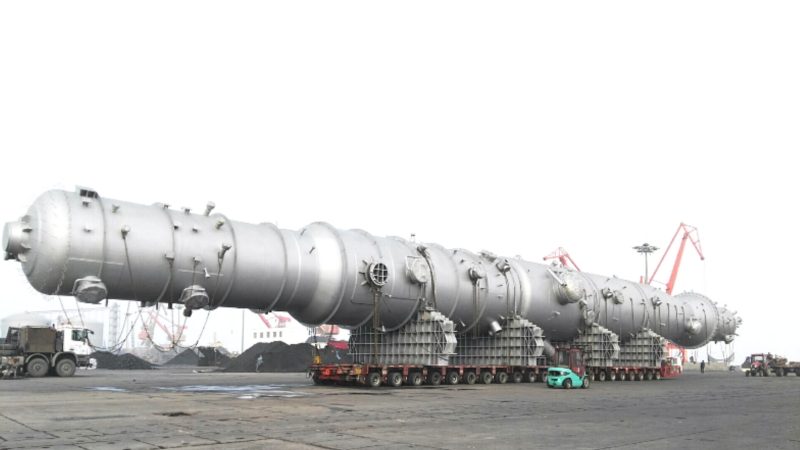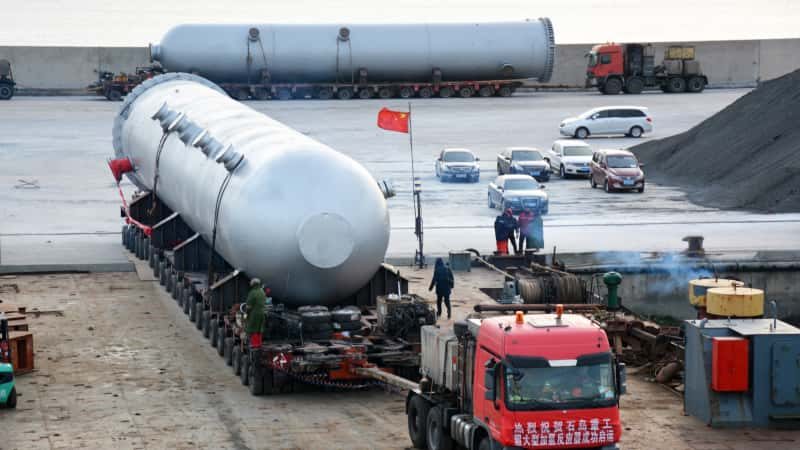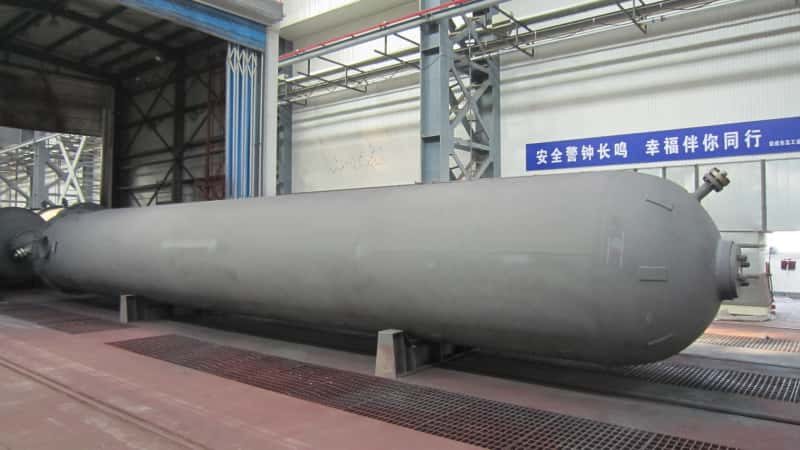

Selecting the wrong reactor for your process can lead to poor reaction efficiency, safety hazards, contamination risks, and costly downtime. Many buyers struggle with incomplete specifications, mismatched materials, or inadequate thermal and pressure design—issues that can compromise both product quality and plant reliability. The solution is to define and evaluate a comprehensive set of technical specifications before procurement, ensuring the reactor aligns precisely with your process requirements and regulatory standards.
The key specifications for purchasing reactors include vessel type (batch, continuous, stirred), operating pressure and temperature, material of construction (e.g., stainless steel, glass-lined), volume and scale, agitation system design, heat transfer capability (jackets or coils), corrosion resistance, sealing and safety features, compliance with standards (such as ASME), instrumentation, and customization options. A well-specified reactor ensures optimal reaction kinetics, safety, durability, and ease of operation across its lifecycle.
To make an informed investment and avoid costly redesigns, it’s essential to understand how each specification impacts performance, safety, and long-term value. The following outline highlights the critical factors you should evaluate.
What Reactor Type and Configuration Best Meet Your Process Requirements?
Choosing the wrong reactor type can cause poor conversion, low selectivity, unsafe heat buildup, difficult scale-up, excessive operating cost, and inconsistent product quality. Many projects fail not because the chemistry is impossible, but because the reactor configuration does not match reaction kinetics, heat transfer demand, mixing requirements, catalyst behavior, or production mode. The solution is to evaluate your process requirements systematically and select a reactor design that supports safe, efficient, controllable, and scalable operation.
The best reactor type and configuration depend on reaction phase, kinetics, heat effect, residence time, catalyst use, mixing intensity, production volume, and product quality requirements. Batch reactors suit flexible, small-volume, multi-product production; continuous stirred tank reactors suit well-mixed liquid reactions; plug flow or tubular reactors suit fast continuous reactions with predictable residence time; fixed-bed reactors suit catalytic gas or liquid reactions; and fluidized-bed reactors suit high heat transfer and catalyst-contact applications.
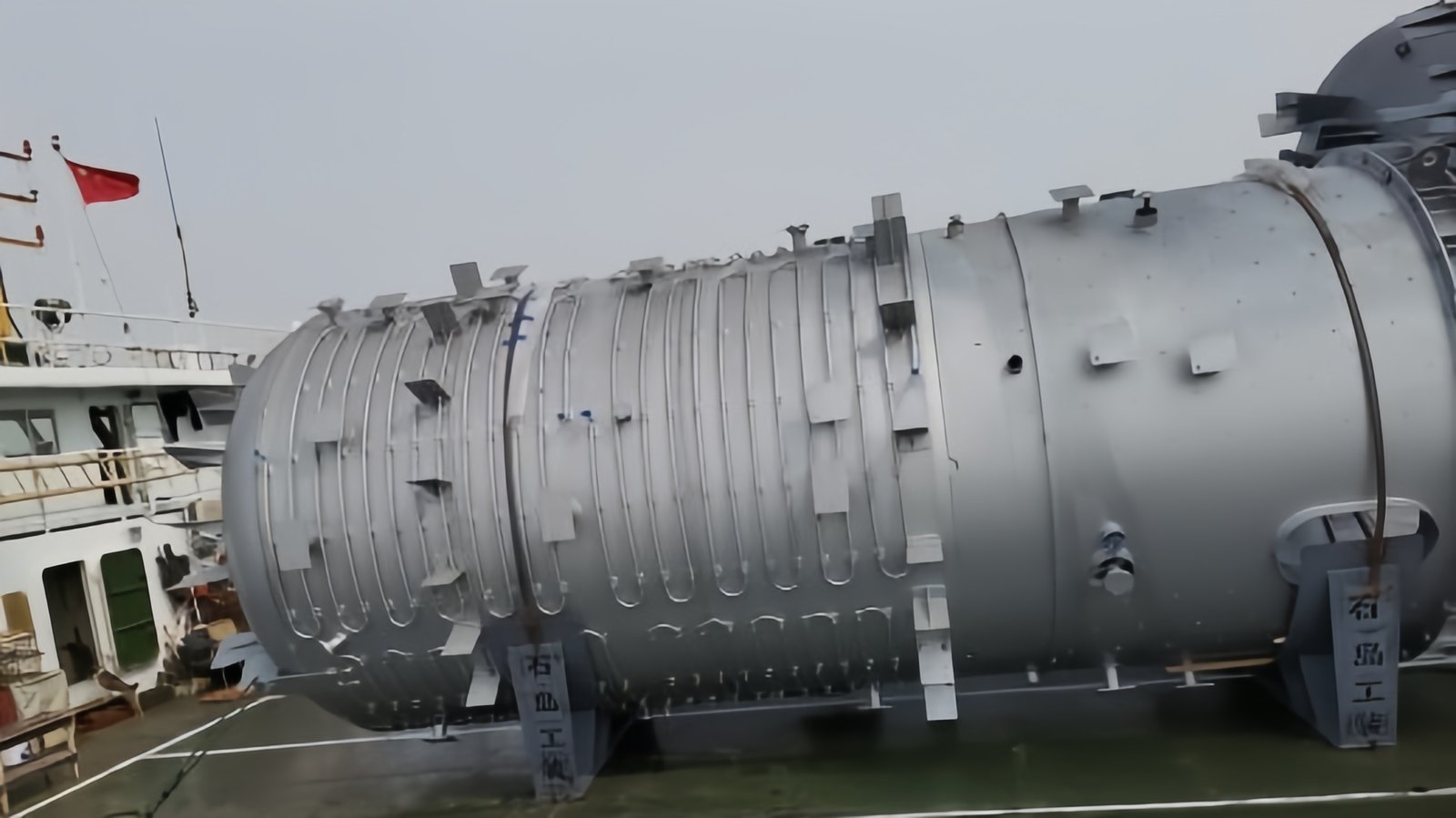
To select correctly, you need to match the reactor’s flow pattern, mixing behavior, heat transfer capability, and operational flexibility to the actual chemistry—not simply choose the most common or lowest-cost vessel.
One universal reactor type can meet all chemical process requirements efficiently.False
Different reactions require different mixing, heat transfer, residence time, catalyst handling, and operating modes, so reactor selection must be application-specific.
Understanding Reactor Selection from a Process Engineering Perspective
Reactor selection begins with the chemistry. The first questions are whether the reaction is homogeneous or heterogeneous, liquid-phase or gas-phase, catalytic or non-catalytic, exothermic or endothermic, fast or slow, reversible or irreversible, and sensitive or robust. A highly exothermic reaction may require a reactor with strong heat removal, such as a jacketed stirred tank, loop reactor, tubular reactor with heat exchange, or fluidized bed. A reaction requiring narrow residence time distribution may favor a plug flow reactor. A process requiring frequent recipe changes may favor a batch or semi-batch reactor. A catalytic gas-phase reaction may require a fixed-bed or fluidized-bed configuration depending on heat release, pressure drop, catalyst life, and regeneration strategy.
A reliable reactor manufacturer should not simply ask for volume and material of construction. They should analyze reaction rate data, heat of reaction, mass transfer limitations, phase behavior, viscosity, fouling tendency, corrosion risks, control requirements, cleaning needs, and scale-up pathway. In practical industrial projects, the “best” reactor is rarely the most technically sophisticated one; it is the configuration that delivers the required conversion, selectivity, safety margin, maintainability, and total lifecycle value under real operating conditions.
Common Reactor Types and Where They Fit Best
| Reactor Type | Best Application | Key Advantage | Main Limitation |
|---|---|---|---|
| Batch Reactor | Small-volume, flexible, multi-product production | High flexibility | Lower productivity |
| Semi-Batch Reactor | Controlled addition, exothermic or gas-liquid reactions | Better safety and control | More complex operation |
| CSTR | Continuous liquid-phase reactions | Excellent mixing and temperature control | Lower conversion per volume than PFR |
| Tubular/PFR | Continuous reactions with defined residence time | High conversion efficiency | Less flexible |
| Fixed-Bed Reactor | Catalytic gas/liquid reactions | Simple catalyst containment | Hot spots and pressure drop risks |
| Fluidized-Bed Reactor | Highly exothermic catalytic reactions | Excellent heat and mass transfer | More complex catalyst handling |
| Loop Reactor | Slurry, polymerization, crystallization, fast recirculation systems | Strong mixing and heat removal | Higher pump energy |
Batch and Semi-Batch Reactors: Best for Flexibility and Control
Batch reactors are ideal when production requires flexibility, frequent recipe changes, or smaller campaign-based manufacturing. They are widely used in specialty chemicals, pharmaceuticals, resins, adhesives, and fine chemical synthesis. Their main advantage is operational adaptability: operators can charge raw materials, adjust temperature, add catalysts, sample intermediate products, and modify reaction time based on actual process behavior. For uncertain or developing processes, batch reactors provide a forgiving platform for optimization and scale-up.
Semi-batch reactors are especially useful when one reactant must be added gradually to control heat release, reaction rate, gas evolution, or selectivity. For example, highly exothermic neutralization, hydrogenation, oxidation, nitration, or polymerization processes often benefit from controlled feed addition. This configuration improves safety because the instantaneous inventory of reactive material can be limited. However, batch and semi-batch systems require strong agitation design, reliable temperature control, accurate dosing systems, and effective cleaning strategies to avoid batch-to-batch variation.
CSTR: Best for Well-Mixed Continuous Liquid Reactions
A continuous stirred tank reactor is suitable when the process benefits from uniform composition and temperature. In a CSTR, feed continuously enters the vessel while product continuously exits, and agitation keeps the contents well mixed. This makes CSTRs useful for liquid-phase reactions, neutralization, precipitation, fermentation, polymerization, and processes where temperature control is critical.
The trade-off is that a single CSTR usually provides lower conversion than a plug flow reactor of the same volume for many reaction types because the outlet composition equals the mixed tank composition. However, multiple CSTRs in series can improve conversion and approximate plug flow behavior while retaining better control. For heat-sensitive reactions, a CSTR with a jacket, internal coil, external heat exchanger loop, or staged configuration can provide stable operation and reduce thermal runaway risk.
Tubular and Plug Flow Reactors: Best for High Conversion and Continuous Production
Tubular reactors, often designed as plug flow reactors, are preferred when the reaction benefits from a defined residence time profile and continuous high-throughput operation. They are common in gas-phase reactions, high-pressure reactions, fast liquid reactions, polymerization, and thermal processes. Because fluid moves through the reactor with limited back-mixing, concentration changes progressively along the length, often allowing higher conversion per unit volume compared with a single CSTR.
This configuration is especially valuable when selectivity depends strongly on residence time. However, tubular reactors require careful design for heat transfer, pressure drop, fouling, and flow distribution. Highly exothermic reactions may need multi-tube heat exchanger reactors, staged feed injection, quench points, or external heat transfer systems to avoid hot spots. If the fluid is viscous, solids-forming, or fouling-prone, tubular designs may require special cleaning access or may not be the best choice.
Fixed-Bed and Fluidized-Bed Reactors: Best for Catalytic Processes
Fixed-bed reactors contain catalyst particles in a stationary bed while gas or liquid flows through the catalyst. They are widely used in hydrogenation, oxidation, reforming, desulfurization, dehydration, and many petrochemical processes. Their strengths include simple mechanical design, high catalyst loading, and straightforward separation between catalyst and product. However, fixed beds can suffer from hot spots, channeling, catalyst deactivation, and pressure drop increase if particles foul or break down.
Fluidized-bed reactors suspend catalyst particles using upward-flowing gas or liquid. This creates excellent heat transfer and strong mixing, making them suitable for highly exothermic catalytic reactions and processes requiring continuous catalyst regeneration. Their complexity is higher because they require careful control of fluidization velocity, particle size distribution, erosion, entrainment, and cyclones or separation systems. The choice between fixed-bed and fluidized-bed design usually depends on heat release, catalyst life, regeneration frequency, and acceptable mechanical complexity.
Key Selection Criteria for Reactor Configuration
| Selection Factor | Why It Matters | Reactor Implication |
|---|---|---|
| Reaction Phase | Determines mixing and contact strategy | Liquid, gas, slurry, or multiphase design |
| Reaction Rate | Controls residence time | Batch, CSTR, PFR, or staged system |
| Heat of Reaction | Determines heat removal needs | Jacket, coils, exchanger, quench, or fluidized bed |
| Catalyst Form | Determines catalyst containment | Fixed bed, slurry, fluidized bed, or basket |
| Selectivity Sensitivity | Requires residence time control | PFR or staged configuration |
| Production Volume | Determines operating mode | Batch for flexibility, continuous for high output |
| Fouling/Solids | Affects cleaning and uptime | Agitated or accessible design |
| Viscosity | Affects mixing and heat transfer | Strong agitation or loop circulation |
| Cleaning Requirement | Important for GMP or product changeover | CIP/SIP-compatible design |
Heat Transfer, Mixing, and Safety Cannot Be Separated
A reactor is not just a vessel; it is a controlled environment for chemical transformation. Heat transfer, mixing, and safety must be designed together. In exothermic processes, poor mixing can create local concentration zones, which then create hot spots and side reactions. In viscous systems, inadequate agitation can reduce heat transfer and lead to temperature gradients. In gas-liquid reactions, poor gas dispersion can limit mass transfer and reduce conversion even if the reactor volume appears sufficient.
For this reason, reactor configuration should include agitator selection, baffle design, heat transfer area, feed point location, sensor placement, venting, relief sizing, and control philosophy. A good supplier will evaluate not only normal operating conditions but also abnormal scenarios such as cooling failure, blocked outlet, overfeeding, gas accumulation, foaming, and emergency shutdown.
Practical Decision Guide
| Your Process Requirement | Recommended Reactor Direction |
|---|---|
| Frequent product changes | Batch or semi-batch reactor |
| High-volume continuous production | CSTR train or tubular reactor |
| Fast reaction with high selectivity requirement | Tubular/PFR or staged reactor |
| Strong heat release | Semi-batch, CSTR with high heat transfer, or fluidized bed |
| Catalytic gas-phase reaction | Fixed-bed or fluidized-bed reactor |
| Slurry catalyst system | Agitated slurry reactor or loop reactor |
| High viscosity | Agitated vessel with specialized impeller |
| Fouling or solids formation | Accessible stirred reactor or cleanable loop system |
| Strict residence time control | PFR, tubular reactor, or staged configuration |
Real-World Example
A specialty chemical producer originally considered a standard stirred tank reactor for a fast exothermic reaction. During design review, kinetic data showed that selectivity depended heavily on controlled reactant concentration and rapid heat removal. Instead of a simple batch reactor, the final design used a semi-batch configuration with controlled feed addition, high-efficiency agitation, jacket and internal coil cooling, and multiple temperature sensors. The result was improved yield, safer operation, and more consistent product quality.
Ending Summary
The best reactor type and configuration are determined by your chemistry, operating conditions, safety requirements, and production goals. Batch reactors provide flexibility, CSTRs provide stable mixing and control, tubular reactors provide efficient continuous conversion, fixed beds serve catalytic processes, and fluidized beds excel where heat and mass transfer are demanding. The right choice comes from engineering analysis—not guesswork.
How Do Operating Pressure and Temperature Specifications Affect Reactor Selection?
Incorrect assumptions about operating pressure and temperature are among the most common—and dangerous—mistakes in reactor selection. If these parameters are underestimated, the result can be material failure, safety hazards, poor conversion, or catastrophic thermal runaway. If overestimated, you may end up with unnecessarily expensive equipment and inefficient operation. The real challenge lies in selecting a reactor configuration that not only withstands these conditions but uses them to optimize reaction performance. The solution is to understand how pressure and temperature directly influence reactor design, materials, configuration, and operation.
Operating pressure and temperature affect reactor selection by determining material requirements, wall thickness, heat transfer design, reaction kinetics, safety systems, and reactor type. High pressure favors tubular or fixed-bed reactors with strong containment, while high temperature demands enhanced heat transfer, insulation, and specialized materials. Together, these parameters define the safest and most efficient reactor configuration.
To make the right decision, it is essential to analyze how these two variables shape every aspect of reactor engineering.
Higher temperature and pressure always improve reaction performance regardless of reactor design.False
While higher temperature and pressure can increase reaction rates, they may also reduce selectivity, increase side reactions, and introduce safety and material challenges.
The Role of Temperature in Reactor Selection

Temperature is one of the most critical variables influencing reaction kinetics, equilibrium, selectivity, and safety. According to fundamental chemical engineering principles, increasing temperature generally accelerates reaction rates, which can improve productivity. However, it also increases the likelihood of side reactions, thermal degradation, and safety risks such as runaway reactions. Therefore, reactor selection must prioritize precise temperature control and effective heat transfer.
For exothermic reactions, reactors must be capable of removing heat efficiently to prevent temperature spikes. This often leads to the selection of jacketed stirred tank reactors, loop reactors, or multi-tubular reactors with external cooling systems. For endothermic reactions, the reactor must supply heat uniformly, which may favor tubular reactors with furnace heating or fluidized-bed reactors with excellent heat distribution. The choice of reactor configuration depends on how heat is generated or consumed within the process.
Temperature also affects material selection. High temperatures may require alloys such as stainless steel, Inconel, or ceramic-lined reactors to withstand thermal stress and corrosion. Insulation design becomes critical to minimize heat loss and maintain stable operating conditions. In addition, instrumentation such as thermocouples and control systems must be capable of accurate measurement and rapid response.
The Influence of Pressure on Reactor Design

Pressure plays a crucial role in determining reactor structure, safety requirements, and process efficiency. High-pressure conditions are common in gas-phase reactions, hydrogenation, polymerization, and synthesis processes where increased pressure improves reactant concentration and reaction rates. However, operating under high pressure requires robust mechanical design to ensure structural integrity.
Reactors designed for high pressure must comply with pressure vessel standards, such as ASME codes, and include features such as thick walls, reinforced nozzles, and high-strength materials. Tubular reactors and fixed-bed reactors are often preferred for high-pressure applications because they distribute stress more effectively and allow for controlled flow. In contrast, large-diameter stirred tanks may become impractical at very high pressures due to mechanical limitations and cost.
Pressure also influences mass transfer and phase behavior. For example, increasing pressure can enhance gas solubility in liquids, improving reaction efficiency in gas-liquid systems. However, it also increases the risk of leaks, equipment failure, and safety hazards, requiring advanced sealing systems, pressure relief devices, and rigorous inspection protocols.
Combined Effect of Pressure and Temperature

In most industrial processes, pressure and temperature do not act independently—they interact to define the operating envelope of the reactor. High temperature combined with high pressure creates extreme conditions that significantly impact design complexity, material selection, and safety systems. Under such conditions, reactors must be engineered with advanced materials, precise control systems, and robust safety features.
The following table illustrates how combined conditions influence reactor selection:
| Condition | Reactor Preference | Key Design Requirement |
|---|---|---|
| High Temp + Low Pressure | Tubular or fluidized bed | Heat transfer efficiency |
| Low Temp + High Pressure | Fixed-bed or autoclave | Structural strength |
| High Temp + High Pressure | Multi-tubular or loop reactor | Advanced materials & safety |
| Moderate Conditions | CSTR or batch | Flexibility and control |
These combinations determine not only the type of reactor but also its configuration, such as the number of stages, heat exchange systems, and control strategies.
Impact on Heat Transfer and Energy Efficiency
Temperature and pressure directly affect heat transfer rates and energy consumption. High-temperature processes require efficient insulation and heat recovery systems to minimize energy loss. High-pressure systems may require additional compression energy, increasing operational costs.
Engineers must design reactors to optimize energy efficiency while maintaining performance. This may involve integrating heat exchangers, using advanced insulation materials, or implementing process integration techniques such as heat recovery loops. The goal is to balance energy input with reaction efficiency to achieve cost-effective operation.
Safety Considerations and Risk Management
Safety is a critical factor when dealing with high pressure and temperature. These conditions increase the risk of equipment failure, leaks, and accidents. Reactor design must include safety features such as pressure relief valves, rupture discs, emergency shutdown systems, and advanced monitoring تجهیزات.
Risk assessment techniques, such as HAZOP (Hazard and Operability Study), are used to identify potential hazards and design mitigation strategies. Proper training and operational procedures are also essential to ensure safe operation. Selecting a reactor that inherently reduces risk—through better heat control or lower pressure requirements—can significantly improve overall safety.
Material Selection and Durability
Material selection becomes increasingly important as pressure and temperature rise. High temperatures can cause material degradation, oxidation, and creep, while high pressure can lead to mechanical stress and fatigue. Engineers must choose materials that can withstand these conditions לאורך the reactor’s lifecycle.
Common materials include:
| Condition | Material Choice |
|---|---|
| Moderate Temp/Pressure | Carbon steel |
| High Temperature | Stainless steel, alloys |
| Corrosive + High Temp | Nickel alloys, ceramics |
| High Pressure | Forged steel, հաստ-walled alloys |
Proper material selection ensures durability, reduces maintenance, and enhances safety.
Real-World Example
In a hydrogenation process requiring high pressure and moderate temperature, a fixed-bed reactor was selected due to its ability to handle الضغط efficiently and maintain catalyst stability. In contrast, a polymerization process requiring precise temperature control used a jacketed stirred tank reactor to manage heat removal and prevent runaway reactions. These examples highlight how pressure and temperature directly influence reactor choice.
Ending Summary
Operating pressure and temperature are fundamental parameters that shape every aspect of reactor selection, from configuration and materials to safety and efficiency. Understanding their impact allows you to choose a reactor that not only withstands these conditions but leverages them for optimal performance.
Why Is Material of Construction Critical When Purchasing Reactors?
Selecting the wrong material of construction (MOC) for a reactor is one of the fastest ways to turn a well-designed process into a costly failure. Corrosion, contamination, unexpected reactions, mechanical degradation, and safety incidents often trace back not to poor chemistry—but to poor material choice. Many buyers focus on reactor size, pressure rating, or price, while overlooking how the material interacts with chemicals, temperature, and pressure over time. The consequence can be leaks, product loss, regulatory issues, and even catastrophic failure. The solution is to understand why material selection is central to reactor performance, safety, and lifecycle value.
Material of construction is critical because it determines the reactor’s resistance to corrosion, chemical compatibility, mechanical strength, thermal stability, product purity, safety, and lifespan. Choosing the right material—such as stainless steel, glass-lined steel, or specialty alloys—ensures reliable operation, prevents contamination, and minimizes maintenance and total cost of ownership.
To make the right decision, you must evaluate material behavior under real process conditions—not just initial specifications.
Carbon steel is suitable for all reactor applications if properly coated.False
Carbon steel is not compatible with many corrosive chemicals, high temperatures, or purity-sensitive processes, even with coatings.
Chemical Compatibility: The First and Most Critical Factor

Chemical compatibility determines whether the reactor material can safely withstand exposure to reactants, intermediates, products, and byproducts. Many chemicals—especially acids, alkalis, solvents, and chlorinated compounds—can aggressively attack certain metals, leading to corrosion, pitting, or stress cracking. Even trace incompatibility can cause contamination, reducing product quality and yield.
For example, strong acids such as hydrochloric acid can rapidly corrode carbon steel, while chlorides can cause pitting corrosion in standard stainless steel. In such cases, glass-lined reactors or high-alloy materials (e.g., Hastelloy) are preferred. Organic solvents, on the other hand, may require materials that resist swelling or degradation. Selecting a chemically compatible material ensures that the reactor remains structurally intact and does not introduce impurities into the process.
Corrosion Resistance and Longevity

Corrosion is one of the primary causes of reactor failure and maintenance cost. It can occur in various forms, including uniform corrosion, pitting, crevice corrosion, and stress corrosion cracking. The rate and type of corrosion depend on factors such as temperature, pressure, chemical composition, and flow conditions.
The following table compares common materials:
| Material | Corrosion Resistance | Typical Use | Limitation |
|---|---|---|---|
| Carbon Steel | Low | Non-corrosive systems | Easily corrodes |
| Stainless Steel (304/316) | Moderate–High | General chemical processing | Sensitive to chlorides |
| Glass-Lined Steel | Excellent | Highly corrosive chemicals | Fragile coating |
| Hastelloy/Nickel Alloys | Very High | Extreme environments | High cost |
| FRP (Fiberglass) | High (specific chemicals) | Acidic environments | Limited temperature |
Selecting a material with appropriate corrosion resistance extends reactor life, reduces maintenance, and ensures consistent performance.
Mechanical Strength and Pressure تحمل

Reactor materials must withstand mechanical stresses caused by internal pressure, agitation, and thermal expansion. High-pressure reactors require materials with high tensile strength and مقاومة fatigue to prevent deformation or rupture. Carbon steel and alloy steels are often used for pressure vessels due to their strength and cost-effectiveness, but they must be carefully evaluated for corrosion compatibility.
Mechanical properties also influence wall thickness, weight, and fabrication complexity. Stronger materials may allow thinner walls, reducing material cost and improving heat transfer. However, they may also be more difficult to weld or fabricate. Engineers must balance strength, manufacturability, and cost when selecting materials.
Thermal Stability and Heat Transfer

Temperature has a significant impact on material performance. High temperatures can weaken materials, accelerate corrosion, and cause thermal expansion or creep. Materials must maintain their mechanical properties and chemical resistance across the entire operating temperature range.
Heat transfer characteristics are also critical. Metals such as stainless steel have good thermal conductivity, enabling efficient heat exchange in jacketed or coil reactors. Glass-lined reactors, while chemically resistant, have lower thermal conductivity, which can affect heat transfer efficiency. Selecting the right material ensures that the reactor can handle both the thermal and chemical demands of the process.
Product Purity and Contamination Control

In industries such as pharmaceuticals, food processing, and fine chemicals, product purity is paramount. Reactor materials must not leach contaminants, react with the product, or trap residues. Smooth, non-reactive surfaces such as polished stainless steel or glass lining are preferred for these applications.
Surface finish plays a key role in preventing contamination and facilitating cleaning. Rough or porous surfaces can trap residues, leading to cross-contamination between batches. Materials that support clean-in-place (CIP) and sterilize-in-place (SIP) systems are essential for maintaining hygiene and compliance with regulatory standards.
Cost vs. Lifecycle Value

While initial material cost is an important consideration, it should not be the sole deciding factor. Lower-cost materials may result in higher maintenance, shorter lifespan, and increased downtime, leading to higher total cost of ownership. Conversely, investing in high-quality materials can reduce maintenance frequency, improve reliability, and extend equipment life.
The following table illustrates this trade-off:
| Material Choice | Initial Cost | Maintenance Cost | Lifespan | Overall Value |
|---|---|---|---|---|
| Low-cost steel | Low | High | Short | Poor |
| Stainless steel | Moderate | Moderate | Medium | Good |
| High-alloy/glass-lined | High | Low | Long | Excellent |
A lifecycle cost approach ensures that material selection aligns with long-term operational goals.
Safety and Regulatory Compliance

Material choice directly impacts safety and regulatory compliance. Incompatible materials can lead to leaks, explosions, or environmental hazards. Regulatory standards often specify material requirements for certain applications, particularly in high-pressure or hazardous environments.
Selecting certified materials and ensuring compliance with standards such as ASME or ISO is essential for safe operation. Proper material documentation and traceability also support inspections and audits.
Real-World Example
A chemical plant processing chlorinated compounds initially used standard stainless steel reactors, which suffered from severe pitting corrosion within a year. After switching to a nickel-based alloy, the plant achieved stable operation with significantly reduced maintenance costs. This example highlights the importance of selecting materials based on actual process conditions.
Ending Summary
Material of construction is a fundamental factor in reactor selection, influencing chemical compatibility, durability, safety, and overall performance. By carefully evaluating process conditions and selecting appropriate materials, you can ensure reliable operation, protect product quality, and minimize lifecycle costs.
What Role Do Agitation and Mixing Specifications Play in Reactor Performance?
Poor agitation and mixing are silent performance killers in chemical reactors. Even with perfect chemistry and ideal temperature control, inadequate mixing can lead to uneven concentration, hot spots, low conversion, poor selectivity, and inconsistent product quality. Many processes fail not because of incorrect reactor type, but because mixing specifications were underestimated or poorly designed. The result is wasted raw materials, safety risks, and reduced efficiency. The solution is understanding how agitation and mixing directly influence reaction kinetics, heat transfer, and overall reactor performance.
Agitation and mixing specifications determine how effectively reactants are distributed, how heat is transferred, and how mass transfer occurs within a reactor. Proper mixing ensures uniform concentration, prevents hot spots, enhances reaction rates, improves product consistency, and enables safe and efficient operation across all process conditions.
To design or select the right reactor, it is essential to understand the engineering principles behind mixing and how they impact performance.
Increasing agitation speed always improves reactor performance.False
Excessive agitation can cause shear damage, vortex formation, energy waste, and even reduce efficiency in certain reactions.
Why Mixing Is Fundamental to Reactor Performance
Mixing is the mechanism that ensures all reactants come into contact at the molecular level. In a reactor, reactions occur where molecules collide, so uniform distribution of reactants is essential for consistent reaction rates. Without proper mixing, concentration gradients develop, meaning some regions of the reactor may have excess reactant while others have insufficient amounts. This leads to incomplete reactions, side reactions, and reduced product quality.
From a fluid dynamics perspective, mixing involves turbulence, circulation, and diffusion. Agitation systems are designed to create flow patterns that distribute materials evenly throughout the reactor. The effectiveness of mixing depends on factors such as impeller type, speed, reactor geometry, and fluid properties. Engineers must carefully design these parameters to achieve the desired level of mixing without causing excessive energy consumption or mechanical stress.
Impact on Reaction Kinetics and Conversion
Mixing directly influences reaction kinetics by controlling how quickly reactants are brought together. In fast reactions, poor mixing can limit the reaction rate because reactants are not evenly distributed. This is known as mass transfer limitation, where the rate of mixing becomes slower than the chemical reaction itself.
The following table illustrates the relationship:
| Mixing Quality | Effect on Reaction | نتیجه |
|---|---|---|
| Poor Mixing | Uneven concentration | Low conversion |
| Moderate Mixing | Partial distribution | متوسط performance |
| Optimal Mixing | Uniform concentration | High efficiency |
| Overmixing | Excess shear | Possible degradation |
In highly sensitive reactions, such as polymerization or pharmaceutical synthesis, even small variations in mixing can significantly affect product properties. Therefore, precise control of agitation is essential for achieving consistent results.
Heat Transfer and Temperature Control
Agitation plays a critical role in heat transfer within the reactor. In exothermic reactions, heat is generated and must be removed quickly to prevent temperature spikes. Poor mixing can create hot spots, where localized तापमान rises significantly, increasing the risk of runaway reactions or product degradation.
Effective mixing ensures that heat is distributed evenly and transferred efficiently to cooling systems such as jackets or coils. In endothermic reactions, mixing helps distribute heat input uniformly, maintaining consistent reaction conditions. The ability to control temperature through proper agitation is essential for both safety and performance.
Types of Impellers and Their Applications
Different impeller designs create different flow patterns, which are suited to specific applications:
| Impeller Type | Flow Pattern | Best Use |
|---|---|---|
| Radial Flow (Turbine) | High shear, outward flow | Gas dispersion, emulsification |
| Axial Flow (Propeller) | Top-to-bottom circulation | Blending, suspension |
| Paddle | Low गति mixing | Simple mixing |
| Anchor | Close-wall mixing | High viscosity fluids |
Selecting the right impeller ensures that mixing is tailored to the process requirements. For example, high-viscosity fluids require impellers that can move material near the reactor walls, while gas-liquid systems require strong dispersion capabilities.
Influence of Fluid Properties
Fluid properties such as viscosity, density, and phase composition significantly affect mixing performance. High-viscosity fluids resist flow, requiring more शक्तिशाली agitation systems. In contrast, low-viscosity fluids mix بسهولة but may require careful control to avoid vortex formation.
Multiphase systems, such as gas-liquid or solid-liquid reactions, introduce additional complexity. Proper agitation is required to keep solids suspended or to disperse gas bubbles evenly. Failure to account for these properties can lead to poor mixing and reduced efficiency.
Power Consumption and Energy Efficiency
Agitation requires energy, and power consumption is a key consideration in reactor design. The power required depends on factors such as impeller type, سرعت, and fluid properties. Engineers use dimensionless numbers such as the power number and Reynolds number to design efficient mixing systems.
The following table highlights the trade-off:
| Agitation Level | Energy Use | Performance |
|---|---|---|
| Low | Low | Poor mixing |
| Moderate | Moderate | Good efficiency |
| High | High | Optimal mixing |
| Excessive | Very High | Diminishing returns |
Balancing energy consumption with mixing performance ensures cost-effective operation.
Scale-Up Challenges in Mixing Design
Scaling up a reactor from laboratory to industrial scale introduces significant challenges in mixing. Flow patterns, turbulence, and ऊर्जा distribution do not scale linearly, meaning that a mixing system that works in a small reactor may not perform the same in a large one.
Engineers must use advanced modeling techniques, such as computational fluid dynamics (CFD), to predict mixing behavior at scale. Proper scale-up ensures that performance is maintained and avoids costly redesigns or operational issues.
Real-World Example
In a polymer production process, inadequate mixing led to uneven तापमान distribution and inconsistent محصول properties. After redesigning the agitation system with a multi-impeller configuration, the plant achieved uniform mixing, improved product quality, and reduced rejection rates. This demonstrates the critical role of mixing in industrial सफलता.
Ending Summary
Agitation and mixing specifications are central to reactor performance, influencing reaction kinetics, heat transfer, product quality, and safety. By selecting the right mixing system and optimizing its design, you can ensure efficient, reliable, and consistent operation.
How Do Heat Transfer and Thermal Control Specifications Influence Reactor Efficiency?
Inadequate heat transfer and poor thermal control are among the most underestimated causes of reactor inefficiency—and sometimes catastrophic failure. Even with perfect chemistry and proper mixing, if heat is not removed or supplied correctly, reactions can slow down, become unstable, or generate dangerous hot spots. Many plants experience low conversion, poor selectivity, or runaway reactions simply because thermal design was not optimized. The solution is understanding how heat transfer and temperature control directly determine reactor efficiency, safety, and product quality.
Heat transfer and thermal control influence reactor efficiency by regulating reaction temperature, ensuring uniform heat distribution, preventing hot spots, maintaining optimal reaction kinetics, and enabling safe operation. Efficient thermal design—through jackets, coils, heat exchangers, and control systems—maximizes conversion, improves selectivity, and reduces energy consumption.
To achieve optimal reactor performance, it is essential to understand how thermal behavior interacts with reaction dynamics.
As long as the reactor reaches the desired temperature, heat transfer design does not significantly impact efficiency.False
Uniform heat distribution and dynamic temperature control are critical; poor heat transfer can cause hot spots, uneven reactions, and reduced efficiency.
Why Heat Transfer Is Central to Reactor Efficiency
Heat transfer governs how energy moves into or out of the reactor, directly affecting reaction rates and equilibrium. Most chemical reactions are either exothermic (releasing heat) or endothermic (absorbing heat), and maintaining the correct temperature is essential for achieving the desired conversion and selectivity. If heat is not removed efficiently in an exothermic reaction, temperature can rise uncontrollably, leading to side reactions or safety hazards. Conversely, insufficient heat supply in endothermic reactions can slow the process and reduce productivity.
From an engineering perspective, heat transfer depends on factors such as surface area, तापमान difference, and heat transfer coefficients. Reactor design must maximize these factors while maintaining control. This is why features such as jackets, internal coils, and external heat exchangers are commonly used. Proper thermal design ensures that the reactor operates within its optimal temperature range, maximizing efficiency and minimizing जोखिम.
Types of Heat Transfer Mechanisms in Reactors

Heat transfer in reactors occurs through three primary mechanisms:
| Mechanism | Description | Role in Reactor |
|---|---|---|
| Conduction | Heat transfer through solid materials | Wall and internal surfaces |
| Convection | Heat transfer via fluid movement | Mixing and circulation |
| Radiation | Heat transfer through electromagnetic waves | High-temperature systems |
In most reactors, convection and conduction are the dominant mechanisms. Agitation enhances convective heat transfer by circulating fluid and reducing temperature gradients. Reactor materials influence conductive heat transfer, with metals providing better heat conduction than non-metallic materials.
Reactor Design Features for Thermal Control

Several design features are used to control heat transfer:
| Feature | Function | Advantage |
|---|---|---|
| Jacketed Reactor | External cooling/heating | Simple and effective |
| Internal Coils | إضافي heat transfer area | Enhanced efficiency |
| External Heat Exchanger | Circulating loop control | Precise temperature control |
| Multi-Tubular Reactor | High surface area | Ideal for high حرارة reactions |
Jackets are the most common solution, allowing heating or cooling fluids to circulate around the reactor. Internal coils provide additional surface area, improving heat transfer in large or high حرارة systems. External heat exchangers enable precise control by circulating reactor contents through a separate cooling system.
Temperature Uniformity and Hot Spot Prevention

Temperature uniformity is critical for consistent reaction performance. Hot spots—localized areas of high temperature—can cause side reactions, catalyst deactivation, or even explosions. These are often the result of poor heat transfer or inadequate mixing.
Effective thermal design ensures that heat is distributed evenly throughout the reactor. This involves optimizing mixing, heat transfer surfaces, and control systems. Sensors and नियंत्रण systems monitor temperature in real time, allowing adjustments to maintain stability. Preventing hot spots is essential for both efficiency and safety.
Impact on Reaction Kinetics and Selectivity

Temperature directly affects reaction kinetics and selectivity. Higher temperatures generally increase reaction rates, but they can also favor unwanted side reactions. Maintaining the optimal temperature range ensures that the desired reaction pathway is dominant.
The following table illustrates this relationship:
| Temperature Condition | Effect on Reaction | Outcome |
|---|---|---|
| Too Low | Slow reaction | Low conversion |
| Optimal | Balanced kinetics | High efficiency |
| Too High | Side reactions | Reduced selectivity |
Precise thermal control allows operators to maintain this optimal range, maximizing both yield and product quality.
Energy Efficiency and Operational Costs

Efficient heat transfer reduces energy consumption and operating costs. Poor thermal design may require excessive heating or cooling, increasing energy usage. Heat recovery systems, insulation, and optimized heat exchangers can significantly improve efficiency.
For example, recovering heat from exothermic reactions to preheat incoming المواد can reduce energy demand. Proper insulation minimizes heat loss, ensuring that energy is used effectively. These strategies contribute to sustainable and cost-effective operation.
Thermal Control Systems and Automation

Modern reactors rely on advanced control systems to maintain precise temperature conditions. These systems use sensors, controllers, and automation to adjust heating or cooling in real time. PID controllers are commonly used to regulate temperature by adjusting flow rates of heating or cooling fluids.
Automation improves accuracy, reduces human error, and enables rapid response to changes in operating conditions. This ensures stable operation and consistent performance.
Real-World Example
In a pharmaceutical process, inadequate heat transfer caused temperature gradients that led to inconsistent product quality. After upgrading to a reactor with internal coils and improved control systems, the plant achieved uniform temperature distribution, higher yield, and reduced ऊर्जा consumption. This highlights the importance of proper thermal design.
Ending Summary
Heat transfer and thermal control are fundamental to reactor efficiency, influencing reaction rates, selectivity, safety, and energy consumption. By optimizing thermal design and control systems, you can achieve stable, efficient, and लागत-effective operation.
What Safety, Compliance, and Instrumentation Specifications Are Essential for Reactors?
Ignoring safety, compliance, and instrumentation specifications in reactor design is not just risky—it can be catastrophic. Incidents such as overpressure explosions, thermal runaway, toxic leaks, and uncontrolled reactions often occur because critical safeguards were missing, improperly designed, or poorly integrated. Many facilities invest heavily in reactor hardware but underestimate the importance of monitoring, control, and compliance systems that keep operations stable and safe. The solution is to implement a comprehensive framework of safety systems, regulatory compliance, and advanced instrumentation that work together to protect both people and processes.
Essential reactor safety, compliance, and instrumentation specifications include pressure relief systems, temperature and pressure monitoring, emergency shutdown systems, compliance with standards (such as ASME, API, and ISO), hazard analysis (HAZOP), and automated control systems (PLC/SCADA). These elements ensure safe operation, regulatory compliance, real-time monitoring, and rapid response to abnormal conditions.
To ensure reliable and safe reactor operation, it is crucial to understand how these systems function and interact.
Basic mechanical design alone is sufficient to ensure reactor safety without advanced instrumentation.False
Modern reactor safety relies heavily on instrumentation, monitoring, and control systems in addition to mechanical design.
Core Safety Systems in Reactor Design

Safety systems are the first line of defense against abnormal operating conditions. These systems are designed to prevent or mitigate hazards such as overpressure, overheating, and chemical release. One of the most critical components is the pressure relief system, which includes safety valves and rupture discs. These devices automatically release excess pressure to prevent vessel rupture. Their design must consider worst-case scenarios, such as blocked outlets or runaway reactions, ensuring that the reactor can safely handle unexpected घटनाएँ.
Emergency shutdown systems (ESD) are another essential element. These systems detect abnormal conditions—such as high temperature, pressure spikes, or loss of cooling—and automatically shut down the reactor or isolate it from the process. Proper integration of ESD systems with sensors and control logic ensures rapid response, minimizing the risk of حادث accidents. Additionally, venting systems and flare connections may be required to safely handle released gases.
Regulatory Compliance and Standards

Compliance with international standards is essential for ensuring safety, quality, and legal operation. Standards such as ASME Section VIII govern pressure vessel design and fabrication, while API standards apply to oil and gas applications. ISO certifications, such as ISO 9001 and ISO 45001, ensure quality management and occupational safety.
The following table summarizes key standards:
| Standard | Scope | Importance |
|---|---|---|
| ASME Section VIII | Pressure vessel design | Structural integrity |
| API Standards | Oil & gas equipment | Industry compliance |
| ISO 9001 | Quality management | Consistent production |
| ISO 45001 | Occupational safety | Worker protection |
| PED (EU) | Pressure equipment | European compliance |
Adhering to these standards ensures that reactors meet safety requirements and can be legally operated in different markets. It also facilitates inspections, certifications, and project approvals.
Instrumentation for Monitoring and Control

Instrumentation provides the real-time data needed to monitor reactor conditions and maintain safe operation. Key instruments include temperature sensors (thermocouples, RTDs), pressure transmitters, flow meters, and مستوى sensors. These devices continuously measure critical parameters and send data to control systems.
The following table highlights essential instrumentation:
| Instrument | Function | Role in Safety |
|---|---|---|
| Temperature Sensor | Measures reactor temperature | Prevents overheating |
| Pressure Transmitter | Monitors pressure | Detects overpressure |
| Flow Meter | Measures feed/output flow | Ensures proper operation |
| Level Sensor | Monitors liquid level | Prevents overflow |
| Gas Detector | Detects leaks | Ensures environmental safety |
Accurate and reliable instrumentation is essential for detecting deviations and triggering corrective actions. Redundancy is often built into critical systems to ensure reliability.
Automation and Control Systems

Modern reactors rely on automation systems such as PLC (Programmable Logic Controller) and SCADA (Supervisory Control and Data Acquisition) to manage operations. These systems collect data from sensors, analyze conditions, and adjust process parameters automatically. For example, a PID controller can regulate temperature by adjusting cooling or heating جریان in response to sensor readings.
Automation improves accuracy, reduces human error, and enables rapid response to changes. Advanced systems may include predictive analytics, allowing operators to anticipate issues before they occur. Integration of control systems with safety systems ensures coordinated response during emergencies.
Hazard Analysis and Risk Management

Hazard analysis is a systematic approach to identifying and mitigating risks. Techniques such as HAZOP (Hazard and Operability Study) and FMEA (Failure Mode and Effects Analysis) are used to evaluate potential failure scenarios and design appropriate safeguards.
These analyses consider factors such as प्रक्रिया deviations, equipment failure, human error, and external الأحداث. The results guide the design of safety systems, instrumentation, and operating procedures. Regular reviews and updates ensure that safety measures remain effective as processes evolve.
Redundancy and Fail-Safe Design

Redundancy is a key principle in safety design. Critical systems, such as sensors and control الأجهزة, often include backups to ensure continued operation in case of failure. Fail-safe design ensures that systems default to a safe حالت when something goes wrong—for example, shutting down the reactor if a critical sensor fails.
Implementing redundancy and fail-safe mechanisms increases reliability and reduces the risk of catastrophic failure.
Documentation, Traceability, and Audits
Proper documentation and traceability are essential for compliance and quality assurance. This includes design documents, material certificates, inspection reports, and maintenance records. Traceability ensures that every component can be tracked back to its source, supporting audits and inspections.
Regular audits verify compliance with standards and identify areas for improvement. Maintaining accurate documentation enhances transparency and builds confidence in reactor safety and performance.
Real-World Example
In a chemical plant, the absence of redundant temperature sensors led to undetected overheating and a near-runaway reaction. After upgrading to a system with redundant sensors, automated shutdown, and improved monitoring, the plant achieved significantly higher safety and reliability. This demonstrates the importance of integrated safety and instrumentation systems.
Ending Summary
Safety, compliance, and instrumentation are essential pillars of reactor design, ensuring that operations remain stable, efficient, and safe under all conditions. By integrating robust safety systems, adhering to standards, and implementing advanced monitoring and control, you can protect both your process and your investment.
In conclusion, purchasing a reactor is a highly technical decision that requires careful evaluation of multiple specifications to ensure process compatibility, safety, and efficiency. By clearly defining your operational parameters and working with experienced suppliers, you can secure a reactor that delivers reliable, long-term performance.
FAQ
Q1: What are the most important specifications to consider when purchasing industrial reactors?
A1:
When purchasing industrial reactors, it is essential to evaluate a comprehensive set of specifications to ensure the equipment meets process requirements, safety standards, and long-term operational goals. One of the most critical factors is the reactor type, such as batch, continuous stirred-tank reactor (CSTR), or plug flow reactor (PFR). The choice depends on the nature of the chemical process, reaction kinetics, and production scale.
Capacity and volume are equally important. The reactor must be sized appropriately to handle the desired throughput while allowing for efficient mixing and heat transfer. Oversizing can lead to inefficiencies, while undersizing may limit production capacity.
Operating conditions, including temperature and pressure ranges, must be clearly defined. Reactors should be designed to withstand maximum operating and design conditions, with appropriate safety margins. Pressure ratings and temperature limits must align with process requirements and comply with standards such as ASME.
Material of construction is another key specification. Depending on the chemicals involved, materials such as stainless steel, glass-lined steel, or exotic alloys may be required to resist corrosion and maintain product purity. Compatibility with reactants, catalysts, and solvents is crucial.
Mixing and agitation systems also play a vital role. The type of impeller, agitation speed, and motor power must be selected based on fluid properties and reaction requirements. Proper mixing ensures uniform temperature distribution and reaction efficiency.
Heat transfer capabilities, including jackets, coils, or external heat exchangers, are essential for controlling reaction temperature. Efficient heat transfer prevents hotspots and ensures safe operation.
Instrumentation and control systems should not be overlooked. Modern reactors often include sensors for temperature, pressure, pH, and flow, along with automated control systems for precise operation.
Finally, consider safety features such as pressure relief valves, emergency shutdown systems, and compliance with safety regulations. These features protect both personnel and equipment. A thorough evaluation of these specifications ensures that the reactor will perform reliably and safely in its intended application.
Q2: How does material selection impact reactor performance and durability?
A2:
Material selection is a critical factor in determining the performance, longevity, and safety of industrial reactors. The chosen material must be compatible with the chemical environment داخل the reactor, including reactants, products, catalysts, and solvents. Incompatible materials can lead to corrosion, contamination, and equipment failure.
Stainless steel is one of the most commonly used materials due to its strength, corrosion resistance, and versatility. Grades such as 304 and 316 stainless steel are widely used in chemical and pharmaceutical industries. However, for highly corrosive environments, specialized materials like Hastelloy, Inconel, or titanium may be required.
Glass-lined reactors are another popular option, particularly in pharmaceutical and fine chemical applications. The glass lining provides excellent resistance to corrosion and prevents contamination, making it ideal for processes requiring high purity. However, glass-lined reactors are more susceptible to mechanical damage and require careful handling.
Material selection also affects heat transfer efficiency. Metals with high thermal conductivity, such as stainless steel, facilitate better heat transfer compared to materials with lower conductivity. This is important for maintaining precise temperature control during reactions.
Durability and maintenance requirements are also influenced by material choice. Corrosion-resistant materials reduce the need for frequent maintenance and extend the lifespan of the reactor. However, these materials may come at a higher initial cost, which should be weighed against long-term benefits.
Regulatory compliance is another consideration. Certain industries, such as pharmaceuticals and food processing, have strict requirements for materials that come into contact with products. Materials must meet standards such as FDA or GMP guidelines.
In summary, selecting the right material ensures optimal performance, minimizes risks, and enhances the overall reliability of the reactor. It is a critical decision that should be based on a thorough understanding of the process conditions and chemical interactions.
Q3: Why are pressure and temperature ratings crucial in reactor selection?
A3:
Pressure and temperature ratings are fundamental specifications when selecting industrial reactors because they define the operational limits and safety boundaries of the equipment. Reactors often operate under extreme conditions, and any mismatch between process requirements and equipment capabilities can lead to catastrophic failures.
Pressure rating refers to the maximum internal pressure that the reactor can safely withstand. This includes both operating pressure and design pressure, which typically includes a safety margin. Reactors must be designed وفق standards such as ASME Boiler and Pressure Vessel Code to ensure structural integrity under الضغط conditions.
Temperature rating, on the other hand, defines the maximum and minimum temperatures the reactor can handle. Many chemical reactions are highly temperature-sensitive, requiring precise control to achieve desired outcomes. Exceeding temperature limits can damage the reactor material, degrade product quality, or even cause hazardous reactions.
The combination of high pressure and high temperature can significantly increase stress on the reactor structure. Therefore, materials and design must be carefully selected to handle these conditions. For example, certain alloys are specifically designed to maintain strength at elevated temperatures.
Safety considerations are closely tied to pressure and temperature ratings. Reactors should be equipped with safety devices such as pressure relief valves, rupture discs, and temperature monitoring systems. These features help prevent accidents and ensure safe operation.
Accurate pressure and temperature ratings also contribute to process efficiency. Operating within optimal ranges ensures consistent reaction conditions, leading to better product quality and higher yields.
In conclusion, pressure and temperature ratings are not just technical specifications—they are critical factors that ensure safety, reliability, and efficiency in reactor operation. Proper evaluation of these parameters is essential when purchasing industrial reactors.
Q4: What role do mixing and agitation systems play in reactor efficiency?
A4:
Mixing and agitation systems are central to the performance and efficiency of industrial reactors. They ensure that reactants are uniformly distributed, heat is evenly transferred, and chemical reactions occur consistently throughout the reactor volume. Without proper mixing, reactions may be incomplete, inefficient, or even unsafe.
The primary function of agitation is to enhance mass transfer. In many reactions, especially those involving multiple phases (e.g., liquid-liquid or gas-liquid systems), effective mixing ensures that reactants come into contact with each other. This increases reaction rates and improves overall efficiency.
Agitation also plays a crucial role in heat transfer. By continuously moving the fluid داخل the reactor, it helps distribute heat evenly and prevents the formation of hotspots. This is particularly important for exothermic reactions, where localized overheating can lead to safety hazards.
The design of the mixing system depends on several factors, including fluid viscosity, density, and phase composition. Different types of impellers—such as turbine, paddle, or anchor impellers—are used based on these properties. The speed and power of the agitator must also be carefully selected to achieve the desired mixing without causing excessive ऊर्जा consumption or mechanical stress.
In addition to improving reaction efficiency, proper mixing can also enhance product quality. Uniform conditions داخل the reactor lead to consistent product characteristics, which is especially important in industries like pharmaceuticals and food processing.
Maintenance and reliability are also considerations. Agitation systems must be designed for durability and ease of maintenance, as they are subject to continuous operation and mechanical wear.
Overall, mixing and agitation systems are essential components that directly impact reactor performance, safety, and efficiency. Proper design and selection of these systems are critical for achieving optimal results in industrial processes.
Q5: How do safety and compliance standards influence reactor purchasing decisions?
A5:
Safety and compliance standards are critical factors that significantly influence reactor purchasing decisions. Industrial reactors operate under potentially hazardous conditions, involving high pressures, temperatures, and reactive chemicals. Therefore, adherence to established safety standards is essential to protect personnel, equipment, and the environment.
One of the most important standards is the ASME Boiler and Pressure Vessel Code, which provides guidelines for the design, fabrication, inspection, and testing of pressure vessels, including reactors. Compliance with ASME ensures that the reactor can safely withstand operational stresses.
In addition to ASME, other standards such as ISO certifications, API standards, and local regulatory requirements must be considered. These standards cover various aspects of quality management, safety, and environmental protection.
Safety features integrated into the reactor design are also crucial. These include pressure relief valves, rupture discs, emergency shutdown systems, and advanced monitoring الأجهزة. Such features help detect and mitigate potential hazards before they escalate into serious incidents.
Documentation and traceability are key components of compliance. Manufacturers should provide detailed records, including design calculations, material certificates, inspection reports, and testing results. This documentation is essential for regulatory approvals and future audits.
Compliance also extends to environmental regulations. Reactors must be designed to minimize emissions, waste generation, and environmental impact. This is particularly important in industries subject to strict environmental قوانین.
Training and operational procedures are part of the overall safety framework. Suppliers who offer training and support help ensure that operators understand how to use the reactor safely and effectively.
In summary, safety and compliance standards are not optional—they are fundamental requirements that guide every aspect of reactor selection and operation. Choosing a reactor that meets these standards ensures safe, reliable, and legally compliant industrial processes.
References
1. Chemical Reactor Design and Operation
https://www.sciencedirect.com
Source: ScienceDirect
2. ASME Boiler and Pressure Vessel Code
https://www.asme.org
Source: ASME
3. Industrial Reactor Engineering Guide
https://www.aiche.org
Source: American Institute of Chemical Engineers
4. Materials Selection in Chemical Engineering
https://www.elsevier.com
Source: Elsevier
5. Process Equipment Design Handbook
https://www.mheducation.com
Source: McGraw-Hill
6. Pressure Vessel Design Standards
https://www.api.org
Source: American Petroleum Institute
7. Good Manufacturing Practices (GMP) Guidelines
https://www.fda.gov
Source: U.S. Food and Drug Administration
8. Industrial Mixing Technology
https://www.chemengonline.com
Source: Chemical Engineering Magazine
9. Equipment Safety Standards
https://www.iso.org
Source: International Organization for Standardization
10. Environmental Compliance in Chemical Plants
https://www.epa.gov
Source: U.S. Environmental Protection Agency