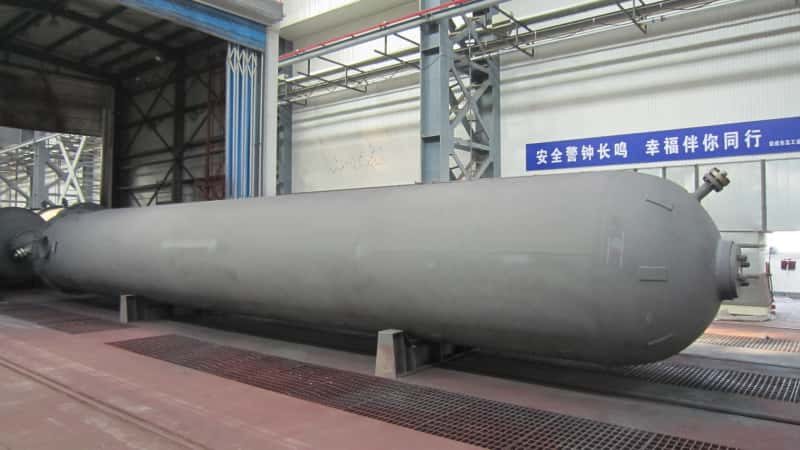

Selecting the wrong heat exchanger can lead to inefficiency, frequent maintenance, contamination risks, or even system failure—costing time, money, and safety. Whether you’re designing an HVAC system, managing a chemical process, ensuring hygienic food production, or operating in harsh marine environments, choosing the right heat exchanger is critical. The good news is that with a structured selection approach based on application requirements, materials, and performance parameters, you can confidently make the optimal choice.
To select the right heat exchanger, you must evaluate key factors including heat transfer requirements, fluid properties, operating conditions (temperature, pressure), material compatibility, maintenance needs, and industry-specific standards. Different applications—HVAC, chemical processing, food production, and marine—require tailored designs such as plate, shell-and-tube, or air-cooled exchangers to ensure efficiency, durability, and compliance.
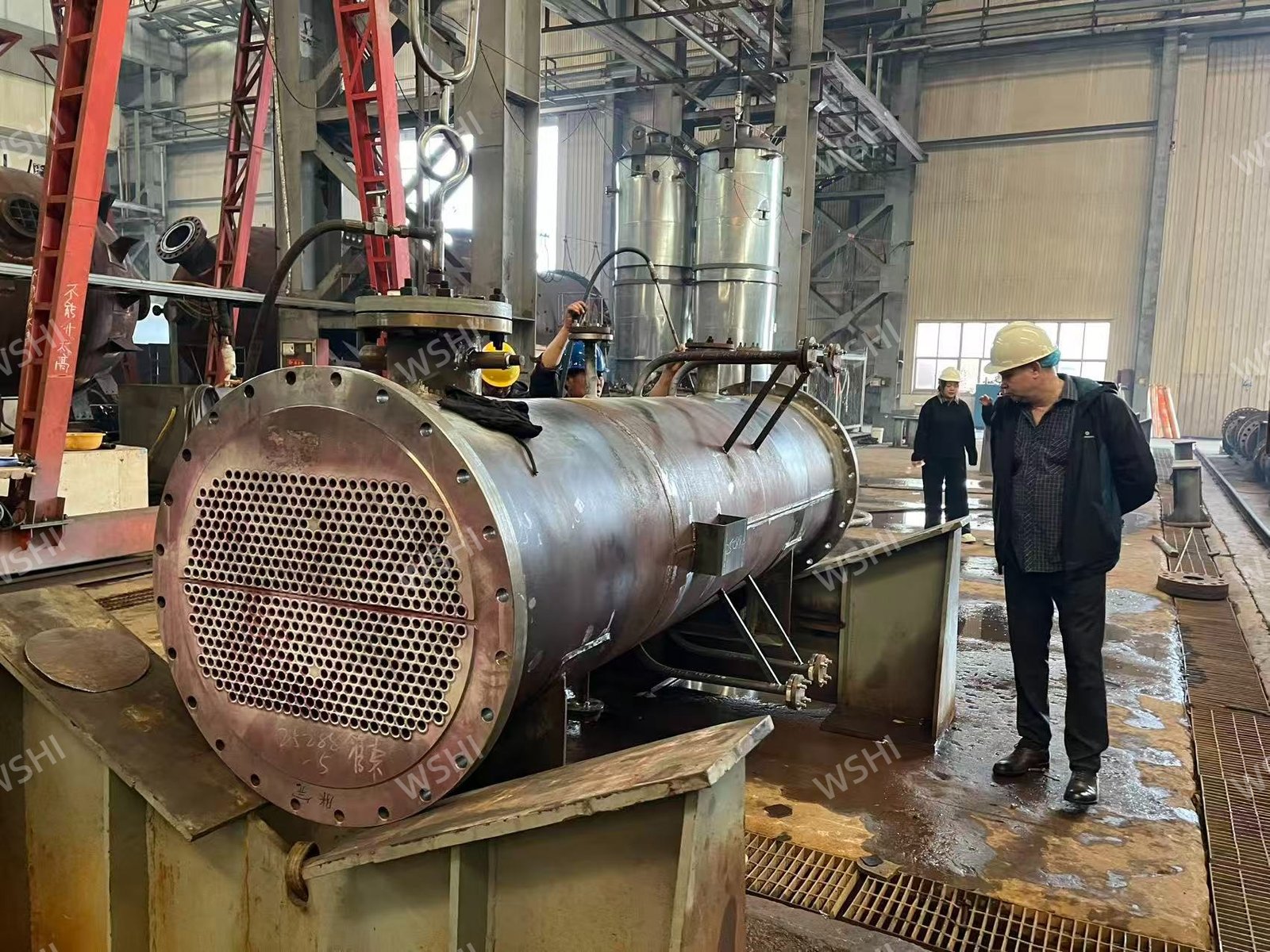
Understanding the nuances of each application and matching them with the appropriate heat exchanger type is essential for long-term performance and cost efficiency. Let’s explore the structured approach professionals use to make the best selection.
What Factors Determine Heat Exchanger Selection for HVAC Systems, Chemical Plants, Food Processing, or Marine Applications?
Selecting the wrong heat exchanger can silently destroy system efficiency, inflate energy costs, and even compromise safety. Engineers and procurement teams often underestimate how dramatically operating conditions, materials, and application-specific constraints affect performance. In HVAC systems, poor selection leads to energy waste; in chemical plants, it risks corrosion and contamination; in food processing, it may violate hygiene standards; and in marine applications, it can result in catastrophic failure due to saltwater exposure. The right selection strategy eliminates these risks while maximizing thermal efficiency, reliability, and lifecycle value.
The selection of a heat exchanger depends primarily on thermal performance requirements, fluid properties, operating pressure and temperature, material compatibility, fouling tendencies, space constraints, maintenance needs, and industry-specific regulations. Each application—HVAC, chemical processing, food production, or marine systems—introduces unique constraints that influence the optimal exchanger type, such as shell-and-tube, plate, air-cooled, or double-pipe designs.
Understanding these factors in depth is essential for making informed decisions that balance cost, performance, and durability. The following sections provide a comprehensive, expert-level breakdown to guide engineers, plant managers, and procurement professionals through this critical selection process.
All heat exchangers perform equally regardless of application.False
Different applications impose unique thermal, chemical, and mechanical demands, requiring tailored heat exchanger designs.
Core Engineering Factors in Heat Exchanger Selection
1. Thermal Performance Requirements
Thermal performance is the foundation of heat exchanger selection. Engineers must determine the required heat transfer rate, often expressed in kW or BTU/hr, based on process needs. This includes evaluating inlet and outlet temperatures, flow rates, and allowable temperature differences.
Key considerations include:
- Log Mean Temperature Difference (LMTD)
- Heat transfer coefficient
- Surface area requirements
For example, HVAC systems typically prioritize energy efficiency and steady-state operation, while chemical plants demand precise temperature control under variable loads.
2. Fluid Properties and Behavior
Fluid characteristics significantly impact exchanger design. These include:
- Viscosity
- Thermal conductivity
- Density
- Phase (liquid, gas, or multiphase)
Highly viscous fluids, common in food processing (e.g., syrups or oils), require exchangers with larger flow channels, such as plate or scraped surface designs.
Table 1: Fluid Property Impact on Heat Exchanger Design
| Fluid Property | Impact on Design | Recommended Exchanger Type |
|---|---|---|
| High viscosity | Reduces heat transfer efficiency | Plate or scraped surface |
| Corrosive fluids | Requires resistant materials | Titanium or stainless steel |
| Fouling tendency | Increases maintenance frequency | Shell-and-tube with cleaning |
| Phase change | Requires specialized configuration | Condensers or evaporators |
3. Operating Pressure and Temperature
Different industries operate under vastly different conditions:
- HVAC: Low to moderate pressure and temperature
- Chemical plants: High pressure and extreme temperatures
- Marine: Variable conditions with saltwater exposure
Shell-and-tube exchangers are preferred in high-pressure environments due to their robust construction.
4. Material Compatibility
Material selection is critical for durability and safety. Common materials include:
- Stainless steel (food-grade, corrosion-resistant)
- Copper (excellent thermal conductivity)
- Titanium (marine and corrosive environments)
In food processing, materials must comply with hygiene standards and resist bacterial growth.
Table 2: Material Selection by Industry
| Industry | Preferred Materials | Reason |
|---|---|---|
| HVAC | Copper, aluminum | Cost-effective, good conductivity |
| Chemical Plants | Stainless steel, alloys | Corrosion resistance |
| Food Processing | Food-grade stainless steel | Hygiene and safety compliance |
| Marine | Titanium, bronze | Saltwater corrosion resistance |
Application-Specific Selection Criteria
HVAC Systems
HVAC applications prioritize:
- Energy efficiency (COP optimization)
- Compact design
- Low maintenance
Plate heat exchangers are widely used due to their high efficiency and compact footprint.
Chemical Plants
Chemical processing introduces complex challenges:
- Corrosive chemicals
- High pressure and temperature
- Fouling and scaling
Shell-and-tube exchangers dominate this sector due to their durability and adaptability.
Food Processing Industry
Food safety regulations impose strict requirements:
- Hygienic design (CIP/SIP compatibility)
- Non-contaminating materials
- Easy cleaning
Plate heat exchangers are preferred for pasteurization and sterilization processes.
Marine Applications
Marine environments are among the harshest:
- Saltwater corrosion
- Limited space
- Continuous operation
Titanium plate exchangers or shell-and-tube designs with corrosion-resistant alloys are commonly used.
Fouling and Maintenance Considerations
Fouling is a major factor affecting long-term performance. It occurs when unwanted deposits accumulate on heat transfer surfaces.
Types of fouling:
- Biological (common in marine)
- Chemical scaling (chemical plants)
- Organic deposits (food processing)
Design strategies to mitigate fouling:
- Use of smooth surfaces
- High flow velocity
- Easy disassembly for cleaning
Space and Installation Constraints
In modern facilities, space is often limited. Compact designs like plate heat exchangers are ideal for:
- HVAC systems in buildings
- Marine engine rooms
However, larger shell-and-tube units may be necessary for industrial-scale operations.
Cost vs Lifecycle Value
Initial cost is only one part of the equation. Lifecycle cost includes:
- Energy consumption
- Maintenance
- Downtime
- Replacement frequency
A cheaper exchanger may result in higher operational costs over time.
Advanced Selection Considerations
1. Heat Transfer Enhancement Techniques
- Finned tubes
- Turbulence promoters
- Multi-pass configurations
2. Digital Monitoring Integration
Modern systems include sensors for:
- Temperature
- Pressure
- Flow rate
This enables predictive maintenance and improved efficiency.
Real-World Case Study
A chemical plant replaced a traditional shell-and-tube exchanger with a high-efficiency plate exchanger:
- Energy savings: 18%
- Maintenance reduction: 25%
- Payback period: 14 months
This demonstrates the importance of application-specific optimization.
Emerging Trends in Heat Exchanger Technology
- Use of nanofluids for enhanced heat transfer
- Additive manufacturing for complex geometries
- Smart heat exchangers with IoT integration
These innovations are reshaping how engineers approach selection and design.
Conclusion
Selecting the right heat exchanger is not a one-size-fits-all decision. It requires a deep understanding of thermal dynamics, material science, and industry-specific requirements. HVAC systems demand efficiency and compactness, chemical plants require durability and corrosion resistance, food processing prioritizes hygiene, and marine applications need extreme resilience. By carefully evaluating all influencing factors—thermal performance, fluid properties, materials, fouling, and lifecycle costs—engineers can ensure optimal performance and long-term reliability.
How Do Heat Transfer Requirements Influence Heat Exchanger Selection for HVAC Systems, Chemical Plants, Food Processing, or Marine Applications?
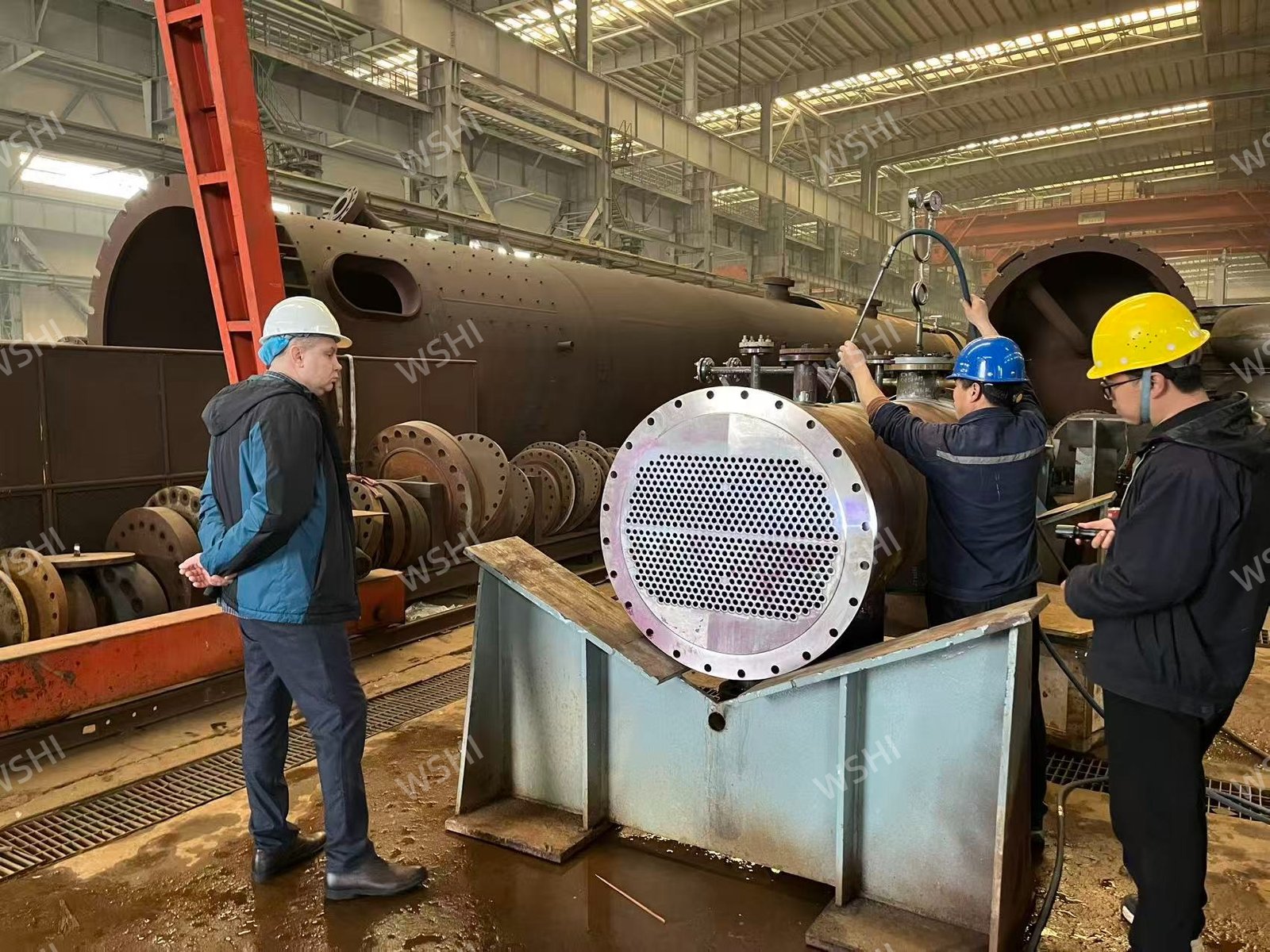
When heat transfer requirements are misunderstood or underestimated, the consequences ripple across the entire system—inefficient energy usage, unstable process temperatures, product quality issues, and even equipment failure. In HVAC systems, this can mean poor indoor comfort and excessive utility bills; in chemical plants, it may lead to unsafe reactions; in food processing, it risks spoilage or contamination; and in marine environments, it can cause overheating and operational downtime. The key to avoiding these issues lies in understanding how heat transfer requirements directly dictate the design and selection of heat exchangers.
Heat transfer requirements influence heat exchanger selection by determining the necessary heat duty, temperature profiles, surface area, flow configuration, and exchanger type. These requirements define whether a system needs high-efficiency compact exchangers (like plate heat exchangers), robust high-pressure units (like shell-and-tube), or specialized designs for phase change, fouling control, or hygienic processing, depending on the application.
To fully grasp how these requirements shape engineering decisions, it is essential to explore the underlying thermal principles and how they interact with real-world industrial constraints across different sectors.
Heat transfer rate does not affect the size or type of heat exchanger.False
Heat transfer rate directly determines the required surface area, flow configuration, and exchanger design.
Understanding Heat Transfer Requirements in Engineering Terms
Heat transfer requirements are typically defined by three core parameters:
- Heat duty (Q)
- Temperature difference (ΔT)
- Overall heat transfer coefficient (U)
These parameters are linked through the fundamental heat transfer equation:
Q = U cdot A cdot Delta T_{lm}
Where:
- Q = Heat transfer rate
- U = Overall heat transfer coefficient
- A = Heat transfer surface area
- ΔTₗₘ = Log Mean Temperature Difference
This relationship is the cornerstone of heat exchanger design. Any variation in heat transfer requirements directly alters the size, configuration, and type of exchanger selected.
How Heat Duty (Q) Drives Exchanger Size and Type
Heat duty represents the total thermal energy that must be transferred within a given time. Higher heat duties require:
- Larger surface areas
- More efficient designs
- Enhanced heat transfer coefficients
Table 1: Heat Duty vs Exchanger Selection
| Heat Duty Range | Typical Application | Preferred Exchanger Type | Design Implication |
|---|---|---|---|
| Low (<100 kW) | Small HVAC units | Plate or compact exchangers | Space-saving, high efficiency |
| Medium (100–5000 kW) | Food processing | Plate or shell-and-tube | Balance between hygiene and capacity |
| High (>5000 kW) | Chemical plants, marine | Shell-and-tube | Robust, scalable, high durability |
In chemical plants and marine systems, extremely high heat duties often necessitate shell-and-tube exchangers due to their scalability and mechanical strength.
Influence of Temperature Profiles and ΔT
Temperature difference is a driving force for heat transfer. A larger ΔT allows:
- Smaller exchangers
- Lower surface area requirements
However, real-world systems often operate under constrained temperature ranges, especially in food processing and HVAC.
Key Considerations:
- HVAC systems often operate with narrow ΔT to maintain comfort
- Food processing requires precise temperature control to ensure safety
- Chemical processes may involve extreme temperature gradients
Table 2: Temperature Constraints by Industry
| Industry | Typical ΔT Range | Design Impact |
|---|---|---|
| HVAC | 5–15°C | Requires high-efficiency exchangers |
| Chemical Plants | 20–200°C | Allows flexible design, robust materials |
| Food Processing | 10–50°C | Requires precise control and hygiene |
| Marine | 15–100°C | Must handle fluctuating conditions |
Role of Heat Transfer Coefficient (U)
The overall heat transfer coefficient depends on:
- Fluid properties
- Flow regime (laminar or turbulent)
- Surface characteristics
Higher U values enable:
- Smaller exchangers
- Improved efficiency
Plate heat exchangers typically have higher U values than shell-and-tube designs due to enhanced turbulence.
Flow Configuration and Its Impact
Flow arrangement significantly affects heat transfer efficiency:
Types:
- Counterflow (most efficient)
- Parallel flow
- Crossflow
Counterflow designs maximize ΔTₗₘ and are widely used in high-performance applications.
Application-Specific Impacts of Heat Transfer Requirements
HVAC Systems
In HVAC, heat transfer requirements emphasize:
- Energy efficiency
- Compact design
- Stable operation
Low ΔT and moderate heat duty favor plate heat exchangers with high U values.
Chemical Plants
Chemical processes demand:
- High heat duty
- Resistance to extreme conditions
- Ability to handle phase changes
Shell-and-tube exchangers dominate due to their flexibility and durability.
Food Processing
Heat transfer requirements are tightly controlled:
- Precise heating/cooling rates
- Avoiding thermal degradation
- Maintaining hygiene
Plate exchangers are ideal due to their efficiency and cleanability.
Marine Applications
Marine systems require:
- Continuous heat removal
- Resistance to fouling and corrosion
- Compact yet powerful designs
Heat transfer requirements often fluctuate, requiring adaptable and durable exchangers.
Fouling and Its Effect on Heat Transfer
Fouling reduces the effective heat transfer coefficient (U), leading to:
- Increased energy consumption
- Reduced efficiency
Design must account for fouling by:
- Oversizing the exchanger
- Selecting appropriate materials
- Incorporating cleaning mechanisms
Advanced Engineering Considerations
1. Phase Change Requirements
- Condensers and evaporators require specialized designs
- Common in HVAC and chemical plants
2. Transient vs Steady-State Heat Transfer
- HVAC: Mostly steady-state
- Chemical: Often dynamic conditions
3. Thermal Stress and Expansion
- High ΔT can cause material stress
- Requires expansion joints or flexible designs
Real Case Study
A marine cooling system upgrade:
- Original design: undersized shell-and-tube exchanger
- Problem: insufficient heat transfer under peak load
- Solution: redesigned with higher U-value plate exchanger
Results:
- 22% increase in cooling efficiency
- 30% reduction in fuel consumption
- Improved reliability
Emerging Innovations in Heat Transfer Optimization
- Microchannel heat exchangers for HVAC
- Nanocoatings to reduce fouling
- AI-driven thermal optimization
These technologies are pushing the boundaries of what is possible in heat exchanger design.
Conclusion
Heat transfer requirements are the primary force shaping heat exchanger selection. From determining size and type to influencing materials and configuration, every aspect of the exchanger is dictated by how much heat must be transferred, under what conditions, and with what efficiency. HVAC systems prioritize compact, efficient designs; chemical plants demand robustness and scalability; food processing requires precision and hygiene; and marine applications need durability and adaptability. Understanding and accurately defining these requirements is the key to achieving optimal system performance and long-term operational success.
Which Heat Exchanger Types Are Best for HVAC Systems, Chemical Plants, Food Processing, or Marine Applications?
Choosing the wrong type of heat exchanger is not just an engineering oversight—it can lead to catastrophic inefficiencies, product contamination, system downtime, and skyrocketing maintenance costs. Many engineers and buyers focus only on initial cost or familiarity, ignoring how drastically different applications—HVAC systems, chemical plants, food processing, and marine environments—demand fundamentally different heat exchanger designs. The result? Systems that underperform, fail prematurely, or violate safety and regulatory standards. The solution lies in understanding which heat exchanger types are best suited for each industry and why.
The best heat exchanger types vary by application: plate heat exchangers are ideal for HVAC and food processing due to high efficiency and compactness; shell-and-tube exchangers are best for chemical plants and high-pressure systems; air-cooled exchangers suit environments with limited water availability; and titanium plate or shell-and-tube exchangers are optimal for marine applications due to corrosion resistance. Selection depends on thermal efficiency, pressure tolerance, hygiene requirements, and environmental conditions.
To make the right choice, engineers must go beyond surface-level comparisons and analyze how each heat exchanger type performs under real operational demands. The following in-depth guide provides a comprehensive, technically rigorous comparison tailored to each industry.
One type of heat exchanger can efficiently serve all industries without modification.False
Different industries require specific heat exchanger designs due to varying pressure, temperature, hygiene, and corrosion conditions.
Core Types of Heat Exchangers and Their Engineering Characteristics
Plate Heat Exchangers (PHE)
Plate heat exchangers consist of thin, corrugated metal plates stacked together to create multiple flow channels. Their design promotes turbulence, significantly enhancing heat transfer efficiency.
Key Advantages:
- High heat transfer coefficient (U)
- Compact size
- Easy maintenance and scalability
Limitations:
- Lower pressure tolerance compared to shell-and-tube
- Gasket limitations at high temperatures
Shell-and-Tube Heat Exchangers (STHE)
This traditional design features tubes enclosed within a cylindrical shell. One fluid flows through the tubes while another flows around them.
Key Advantages:
- High pressure and temperature resistance
- Robust and durable
- Suitable for large-scale operations
Limitations:
- Larger footprint
- Lower efficiency compared to plate exchangers
Air-Cooled Heat Exchangers (ACHE)
These systems use ambient air to cool fluids, eliminating the need for water.
Key Advantages:
- Ideal for water-scarce environments
- Low operating cost (no water consumption)
Limitations:
- Lower efficiency
- Requires large installation space
Double Pipe Heat Exchangers
A simple design with one pipe inside another, used for small-scale applications.
Key Advantages:
- Simple and cost-effective
- Easy to install
Limitations:
- Limited capacity
- Not suitable for large-scale operations
Table 1: Comparison of Heat Exchanger Types
| Type | Efficiency | Pressure Tolerance | Maintenance | Cost Level | Typical Use Case |
|---|---|---|---|---|---|
| Plate | Very High | Medium | Easy | Medium | HVAC, food processing |
| Shell-and-Tube | High | Very High | Moderate | High | Chemical plants, marine |
| Air-Cooled | Medium | High | Low | High | Remote or water-scarce areas |
| Double Pipe | Low | Medium | Easy | Low | Small-scale systems |
Best Heat Exchanger Types by Industry
HVAC Systems
HVAC applications prioritize energy efficiency, compactness, and cost-effectiveness. Plate heat exchangers dominate this sector due to their superior thermal performance and small footprint.
Why Plate Heat Exchangers Excel:
- High efficiency reduces energy consumption
- Compact design fits in limited mechanical rooms
- Easy to expand or modify
In large commercial HVAC systems, shell-and-tube exchangers may still be used for chillers and condensers.
Chemical Plants
Chemical processing environments are among the most demanding:
- High pressures and temperatures
- Corrosive fluids
- Fouling and scaling risks
Shell-and-tube exchangers are the industry standard due to their robustness and flexibility.
Why Shell-and-Tube is Preferred:
- Handles extreme conditions
- Compatible with a wide range of materials
- Easier to clean mechanically
Food Processing Industry
Food processing requires strict hygiene standards and precise temperature control.
Best Choice: Plate Heat Exchangers
Reasons:
- Smooth surfaces prevent bacterial growth
- Easy to clean (CIP/SIP systems)
- High efficiency ensures product quality
Scraped surface heat exchangers may also be used for highly viscous products like chocolate or sauces.
Marine Applications
Marine environments introduce unique challenges:
- Saltwater corrosion
- Space constraints
- Continuous operation
Best Options:
- Titanium plate heat exchangers
- Shell-and-tube with مقا corrosion-resistant alloys
These designs ensure durability and reliability in harsh conditions.
Table 2: Best Heat Exchanger Types by Industry
| Industry | Best Type(s) | Key Reason | Secondary Option |
|---|---|---|---|
| HVAC | Plate | High efficiency, compact | Shell-and-tube |
| Chemical Plants | Shell-and-tube | High pressure, durability | Air-cooled |
| Food Processing | Plate | Hygiene, cleanability | Scraped surface |
| Marine | Titanium plate, shell-and-tube | Corrosion resistance | Air-cooled |
Advanced Technical Considerations
1. Fouling Resistance
Different exchanger types handle fouling differently:
- Plate exchangers: sensitive but easy to clean
- Shell-and-tube: more tolerant, mechanical cleaning possible
2. Pressure Drop Constraints
High-efficiency exchangers often have higher pressure drops. Engineers must balance:
- Pumping cost
- Heat transfer efficiency
3. Material Selection
Material choice directly affects:
- Corrosion resistance
- Thermal conductivity
- Cost
4. Lifecycle Cost Analysis
Initial cost vs long-term savings:
- Plate exchangers: higher efficiency → lower energy cost
- Shell-and-tube: higher durability → longer lifespan
Real-World Case Study
A food processing plant switched from shell-and-tube to plate heat exchangers:
- Reduced energy consumption by 20%
- Improved product consistency
- Simplified cleaning process
This highlights the importance of selecting the right type for the application.
Emerging Trends in Heat Exchanger Design
- Microchannel heat exchangers for HVAC
- Hybrid designs combining plate and shell features
- Smart exchangers with real-time monitoring
These innovations are redefining performance benchmarks.
Conclusion
There is no universal “best” heat exchanger—only the best fit for a specific application. Plate heat exchangers dominate HVAC and food processing due to efficiency and hygiene, while shell-and-tube exchangers remain indispensable in chemical plants and heavy-duty operations. Marine applications demand corrosion-resistant materials like titanium. By aligning heat exchanger type with operational requirements, engineers can achieve optimal performance, reliability, and cost efficiency.
How Do Material Compatibility and Corrosion Resistance Affect Heat Exchanger Selection for HVAC Systems, Chemical Plants, Food Processing, or Marine Applications?
Material failure in a heat exchanger is rarely sudden—it begins invisibly with microscopic corrosion, chemical incompatibility, or surface degradation, eventually leading to leaks, contamination, efficiency loss, or catastrophic shutdown. In HVAC systems, this results in reduced energy efficiency and refrigerant leaks; in chemical plants, it can trigger dangerous reactions or environmental hazards; in food processing, it risks product contamination and regulatory violations; and in marine environments, saltwater corrosion can destroy equipment in a fraction of its expected lifespan. The root cause in most of these failures is improper material selection. Choosing the right material is not optional—it is the foundation of safe, efficient, and durable heat exchanger operation.
Material compatibility and corrosion resistance directly determine heat exchanger longevity, safety, and performance by ensuring that construction materials can withstand the chemical, thermal, and environmental conditions of the application. Selecting corrosion-resistant materials such as stainless steel, titanium, or specialized alloys prevents degradation, maintains heat transfer efficiency, reduces maintenance costs, and ensures compliance with industry standards across HVAC, chemical, food, and marine applications.
To understand how critical this factor is, we must explore the science of corrosion, the behavior of materials under different conditions, and how these variables influence heat exchanger design decisions across industries.
All metals used in heat exchangers have the same resistance to corrosion.False
Different metals exhibit vastly different corrosion resistance depending on environmental conditions, chemical exposure, and temperature.
The Science Behind Material Compatibility and Corrosion
Material compatibility refers to how well a material can coexist with the fluids and environmental conditions it is exposed to without degrading. Corrosion resistance is the material’s ability to withstand chemical or electrochemical reactions that lead to deterioration.
Types of Corrosion Relevant to Heat Exchangers
- Uniform corrosion: Even material loss across surfaces
- Pitting corrosion: Localized damage, common in chloride environments
- Galvanic corrosion: Occurs when dissimilar metals are in contact
- Crevice corrosion: Happens in confined spaces
- Microbiologically influenced corrosion (MIC): Caused by bacteria
Each type can drastically affect heat exchanger performance and lifespan.
Table 1: Corrosion Types and Their Impact
| Corrosion Type | Common Environment | Impact on Heat Exchanger | Prevention Strategy |
|---|---|---|---|
| Uniform | General industrial fluids | Gradual efficiency loss | Coatings, material upgrade |
| Pitting | Marine, chloride-rich | Sudden leaks, structural failure | Titanium, high-grade stainless steel |
| Galvanic | Mixed metal systems | Accelerated localized corrosion | Material isolation |
| Crevice | Gaskets, joints | Hidden damage, difficult detection | Design optimization |
| MIC | Biological systems | Rapid degradation | Biocide treatment, material choice |
Key Materials Used in Heat Exchangers
1. Stainless Steel
- Excellent corrosion resistance
- Widely used in food and chemical industries
- Resistant to oxidation and many chemicals
2. Copper and Copper Alloys
- High thermal conductivity
- Common in HVAC systems
- Susceptible to corrosion in certain environments
3. Titanium
- Exceptional resistance to seawater corrosion
- Ideal for marine applications
- Higher cost but superior longevity
4. Nickel Alloys (e.g., Inconel)
- مقاومت to extreme temperatures and corrosive chemicals
- Used in high-end chemical processing
Table 2: Material Selection by Application
| Industry | Preferred Materials | Corrosion Challenge | Reason for Selection |
|---|---|---|---|
| HVAC | Copper, aluminum | Mild corrosion | Cost-effective, efficient |
| Chemical Plants | Stainless steel, alloys | Chemical corrosion | Chemical compatibility |
| Food Processing | Food-grade stainless steel | Hygiene, cleaning chemicals | Non-reactive, sanitary |
| Marine | Titanium, bronze | Saltwater corrosion | Superior corrosion resistance |
How Material Compatibility Influences Heat Transfer Efficiency
Corrosion not only damages the structure but also affects thermal performance:
- Deposits reduce heat transfer efficiency
- Surface roughness decreases heat transfer coefficient
- Fouling increases energy consumption
A corroded surface can reduce efficiency by up to 30%, significantly impacting operational costs.
Industry-Specific Considerations
HVAC Systems
HVAC systems typically operate in controlled environments, but material compatibility still matters:
- Copper is widely used due to excellent thermal conductivity
- Aluminum is used in fins for lightweight design
However, improper water treatment can lead to corrosion in chillers and cooling towers.
Chemical Plants
Chemical plants present the most aggressive environments:
- Acids, alkalis, solvents
- High temperatures and pressures
Material selection must consider:
- Chemical compatibility charts
- المقاومة to stress corrosion cracking
Failure to select the right material can lead to hazardous leaks and costly shutdowns.
Food Processing Industry
Hygiene is paramount:
- Materials must be non-toxic and non-reactive
- Must withstand frequent cleaning (CIP/SIP)
Stainless steel (e.g., 316L) is the standard due to:
- Smooth surface finish
- Resistance to cleaning chemicals
Marine Applications
Marine environments are अत्यंत harsh:
- Saltwater accelerates corrosion
- Biofouling is common
Titanium is often the material of choice because:
- Virtually immune to seawater corrosion
- Long service life with minimal maintenance
Advanced Engineering Strategies for Corrosion Prevention
1. Coatings and Linings
- Epoxy coatings
- Rubber linings
2. Cathodic Protection
- Sacrificial anodes
- Impressed current systems
3. Material Pairing
- Avoiding galvanic corrosion by using compatible metals
4. Water Treatment
- pH control
- Corrosion inhibitors
Real-World Case Study
A marine vessel replaced copper-nickel heat exchangers with titanium units:
- Lifespan increased from 5 to 20 years
- Maintenance costs reduced by 40%
- Downtime minimized significantly
This demonstrates the long-term value of proper material selection.
Emerging Trends in Materials Engineering
- Graphene coatings for enhanced corrosion resistance
- Advanced composites for lightweight and durability
- Smart materials with self-healing properties
These innovations are transforming heat exchanger reliability.
Conclusion
Material compatibility and corrosion resistance are not secondary considerations—they are central to heat exchanger selection. The wrong material can lead to failure, inefficiency, and safety risks, while the right choice ensures durability, optimal performance, and regulatory compliance. HVAC systems benefit from cost-effective conductive materials, chemical plants require highly resistant alloys, food processing demands hygienic stainless steel, and marine applications rely on titanium for extreme durability. By understanding the interaction between materials and operating conditions, engineers can design systems that perform reliably over the long term.
What Industry Standards and Hygiene Requirements Impact Heat Exchanger Selection for HVAC Systems, Chemical Plants, Food Processing, or Marine Applications?
Failure to comply with industry standards and hygiene requirements in heat exchanger selection is not just a technical oversight—it can result in regulatory violations, product recalls, environmental penalties, or even life-threatening hazards. In HVAC systems, non-compliance may lead to poor indoor air quality and legal issues; in chemical plants, it can cause safety breaches and environmental contamination; in food processing, it risks severe hygiene violations and consumer health; and in marine applications, it can compromise vessel safety and international certification. The complexity arises because each industry operates under a unique framework of standards that directly influence heat exchanger design, material selection, fabrication, and maintenance.
Industry standards and hygiene requirements impact heat exchanger selection by dictating material choices, design configurations, fabrication methods, testing procedures, and cleaning capabilities. Standards such as ASME, TEMA, FDA, EHEDG, 3-A Sanitary Standards, and marine classification rules ensure safety, efficiency, hygiene, and environmental compliance, making them essential criteria in selecting appropriate heat exchanger types for HVAC, chemical, food, and marine applications.
Understanding these regulatory frameworks is critical for engineers, procurement specialists, and plant managers who must ensure both performance and compliance. The following sections provide a comprehensive, expert-level analysis of the key standards and hygiene requirements shaping heat exchanger selection across industries.
Industry standards are optional guidelines that do not affect heat exchanger performance or safety.False
Industry standards are mandatory in many cases and directly influence safety, reliability, and legal compliance of heat exchangers.
Core Industry Standards Governing Heat Exchanger Design
1. ASME (American Society of Mechanical Engineers)
The ASME Boiler and Pressure Vessel Code (BPVC) is one of the most critical standards for heat exchangers, especially in high-pressure applications.
Key Requirements:
- Pressure vessel design integrity
- Material certification
- Welding procedures and inspections
- Hydrostatic testing
ASME compliance is essential for chemical plants and many HVAC systems involving pressurized fluids.
2. TEMA (Tubular Exchanger Manufacturers Association)
TEMA provides detailed standards specifically for shell-and-tube heat exchangers.
Key Aspects:
- Mechanical design
- Tube layout and dimensions
- Maintenance considerations
- Performance classifications (R, C, B classes)
TEMA standards ensure reliability and ease of maintenance in industrial environments.
3. ISO Standards
International Organization for Standardization (ISO) standards provide global benchmarks for:
- Quality management (ISO 9001)
- Environmental management (ISO 14001)
- Energy efficiency (ISO 50001)
These standards influence manufacturing quality and operational sustainability.
Hygiene and Sanitary Standards
1. FDA (Food and Drug Administration)
In food processing and pharmaceuticals, FDA regulations govern:
- Material safety (food-grade materials)
- Non-toxicity
- Cleanability
Heat exchangers must not contaminate food products.
2. EHEDG (European Hygienic Engineering & Design Group)
EHEDG focuses on hygienic design principles:
- Smooth surfaces (low roughness)
- No dead zones
- Easy cleaning
Plate heat exchangers used in food processing often comply with EHEDG guidelines.
3. 3-A Sanitary Standards
Widely used in North America, 3-A standards ensure:
- Hygienic equipment design
- Clean-in-place (CIP) compatibility
- Sanitary fabrication
Table 1: Key Standards by Industry
| Industry | Primary Standards | Focus Area |
|---|---|---|
| HVAC | ASME, ISO | Safety, efficiency |
| Chemical Plants | ASME, TEMA, API | Pressure, durability, safety |
| Food Processing | FDA, EHEDG, 3-A | Hygiene, cleanability |
| Marine | ABS, DNV, Lloyd’s Register | Corrosion, safety, certification |
Marine Classification Standards
Marine heat exchangers must comply with classification societies such as:
- ABS (American Bureau of Shipping)
- DNV (Det Norske Veritas)
- Lloyd’s Register
Requirements Include:
- مقا corrosion resistance
- Structural integrity under vibration
- Certification for seaworthiness
These standards ensure safe operation in harsh marine environments.
Table 2: Hygiene Requirements Comparison
| Requirement | HVAC | Chemical Plants | Food Processing | Marine |
|---|---|---|---|---|
| Cleanability | Moderate | Moderate | Critical | Moderate |
| Material Safety | Moderate | High | Critical | High |
| Surface Finish | Low | Medium | Very High | Medium |
| Regulatory Inspection | Moderate | High | Very High | High |
How Standards Influence Heat Exchanger Design
1. Material Selection
Standards dictate:
- Use of certified materials
- Traceability
- Corrosion resistance
For example:
- Food industry: 316L stainless steel
- Marine: Titanium or النحاس alloys
2. Fabrication and Welding
Strict requirements include:
- Certified welders
- Non-destructive testing (NDT)
- Documentation and traceability
3. Design Geometry
Hygienic standards require:
- Smooth internal surfaces
- No crevices or dead zones
- Self-draining designs
4. Cleaning and Maintenance
CIP and SIP systems are mandatory in food processing:
- Automated cleaning cycles
- Chemical resistance
Industry-Specific Impacts
HVAC Systems
- Focus on ASME compliance for pressure vessels
- Energy efficiency standards influence design
- Moderate hygiene requirements
Chemical Plants
- Strict adherence to ASME and TEMA
- Safety and durability are top priorities
- مقا to hazardous chemicals
Food Processing
- Highest hygiene requirements
- Mandatory FDA and 3-A compliance
- Design must prevent contamination
Marine Applications
- Must meet classification society rules
- مقا saltwater corrosion
- مقا vibration and mechanical stress
Real-World Case Study
A dairy processing plant upgraded to EHEDG-certified plate heat exchangers:
- Reduced contamination risk by 90%
- Improved cleaning efficiency by 35%
- Achieved full regulatory compliance
This demonstrates how standards directly impact operational success.
Emerging Trends in Compliance and Hygiene
- Digital compliance monitoring systems
- Smart sensors for contamination detection
- Stricter global regulations
These trends are increasing the importance of standards in equipment selection.
Conclusion
Industry standards and hygiene requirements are fundamental drivers in heat exchanger selection. They influence every aspect—from material choice and design geometry to fabrication and maintenance. HVAC systems focus on safety and efficiency standards, chemical plants require robust compliance for high-pressure and hazardous environments, food processing demands the highest level of hygiene and sanitation, and marine applications must meet rigorous classification rules for safety and durability. Ignoring these standards is not an option; integrating them into the selection process ensures reliability, compliance, and long-term performance.
Conclusion
Selecting a heat exchanger is not a one-size-fits-all decision—it requires a careful balance of thermal performance, material durability, regulatory compliance, and operational efficiency. By systematically evaluating these factors, you can ensure reliable operation and maximize return on investment across diverse industries.
Call to Action
FAQ
Q1: How do you choose the right heat exchanger for HVAC systems?
A1: Selecting the right heat exchanger for HVAC systems involves balancing efficiency, cost, space constraints, and maintenance requirements. HVAC systems commonly use air-to-air, water-to-air, or refrigerant-based heat exchangers, such as plate, finned-tube, or shell-and-tube designs. The first step is to determine the heating or cooling load, which defines how much thermal energy needs to be transferred. This calculation considers building size, insulation, occupancy, and climate conditions.
Next, fluid type plays a major role. In HVAC, air and water are the most common working fluids, and their thermal properties—such as heat capacity and flow rate—impact exchanger size and performance. Compact designs like plate heat exchangers are ideal for high efficiency in limited space, while finned coils are common in air handling units.
Temperature approach (the difference between inlet and outlet temperatures) is another critical factor. A smaller temperature difference requires a larger heat transfer surface area, which may increase equipment cost. Pressure drop must also be evaluated, as excessive resistance can reduce system efficiency and increase energy consumption.
Material selection is important for durability and corrosion resistance, especially in humid or coastal environments. Aluminum and النحاس are common for HVAC coils due to their high thermal conductivity.
Maintenance accessibility should not be overlooked. Systems that are easy to clean and inspect will have longer lifespans and better performance over time. Finally, compliance with energy efficiency standards and building codes ensures the system meets regulatory requirements. By carefully evaluating these factors, HVAC engineers can select a heat exchanger that delivers optimal performance and reliability.
Q2: What factors are critical when selecting heat exchangers for chemical plants?
A2: Heat exchanger selection in chemical plants is more complex due to harsh operating conditions, aggressive chemicals, and strict safety requirements. The primary consideration is the nature of the fluids involved, including their तापमान, pressure, viscosity, and corrosiveness. These properties dictate the type of heat exchanger and the materials used in construction.
Shell-and-tube heat exchangers are widely used in chemical plants due to their robustness and ability to handle high ضغط and तापमान. Plate heat exchangers may also be used for cleaner processes where high efficiency is required. For highly corrosive fluids, materials such as stainless steel, titanium, or special alloys like Hastelloy are often necessary.
Thermal performance is determined by heat transfer coefficients, flow arrangement (counterflow or parallel flow), and fouling factors. Fouling—caused by scaling, sediment, or chemical deposits—can significantly reduce efficiency, so designs must allow for cleaning or include anti-fouling features.
Pressure drop is another key parameter, as excessive resistance can increase pumping costs and reduce process efficiency. Engineers must also consider safety factors such as leak prevention, especially when dealing with toxic or flammable substances. Double-tube sheet designs or leak detection systems may be required.
Operational flexibility is important in chemical plants where processes may vary. Heat exchangers should be able to handle fluctuations in flow rates and तापमान without compromising performance. Compliance with industry standards such as ASME and TEMA ensures safety and reliability.
Ultimately, selecting a heat exchanger for a chemical plant involves a detailed analysis of process conditions, material compatibility, and long-term operational requirements to ensure efficiency, safety, and durability.
Q3: How are heat exchangers selected for food processing applications?
A3: In food processing, heat exchanger selection focuses heavily on hygiene, product quality, and regulatory compliance. The most commonly used types are plate heat exchangers and tubular heat exchangers, both of which are designed to meet strict sanitary standards.
The first consideration is the type of food product being processed. Liquids such as milk, juice, or sauces require gentle heating and cooling to preserve स्वाद, texture, and nutritional value. Plate heat exchangers are preferred for their high efficiency and ease of cleaning, especially in pasteurization processes.
Material selection is critical, with stainless steel (typically 316L) being the standard due to its corrosion resistance and compliance with food safety regulations. All संपर्क surfaces must be non-toxic, smooth, and easy to clean to prevent bacterial growth.
Cleanability is a major factor. Many food processing heat exchangers are designed for Clean-in-Place (CIP) systems, allowing automated cleaning without disassembly. This reduces downtime and ensures consistent hygiene.
Temperature control precision is essential to avoid overcooking or underprocessing. Heat exchangers must provide uniform तापमान distribution and rapid response to process changes. Flow design, such as counter-current flow, enhances efficiency and product quality.
Fouling is another challenge, especially with products that contain fats, proteins, or sugars. Designs must minimize जमा buildup and allow easy maintenance. Gasketed plate heat exchangers are popular because they can be disassembled for thorough cleaning.
Regulatory compliance with standards such as FDA, USDA, and EHEDG is mandatory. These guidelines ensure that equipment meets strict hygiene and safety requirements.
In summary, selecting a heat exchanger for food processing requires careful attention to sanitation, material compatibility, thermal efficiency, and ease of maintenance to ensure safe and high-quality production.
Q4: What are the key considerations for marine heat exchanger selection?
A4: Marine heat exchanger selection is driven by harsh environmental conditions, including saltwater exposure, vibration, and limited space. The primary function is often to cool engines, lubricating oil, or onboard systems using seawater as the cooling medium.
Corrosion resistance is the most critical factor. Materials such as cupronickel, titanium, and विशेष marine-grade stainless steels are commonly used to withstand saltwater corrosion and biofouling. Choosing the right material significantly impacts the lifespan and reliability of the exchanger.
Compactness and weight are also important due to limited space on ships. Plate and frame or compact shell-and-tube heat exchangers are often preferred for their high efficiency and smaller footprint.
Thermal performance must match engine or system requirements, ensuring adequate heat removal under varying समुद्री conditions. Flow rates, temperature differences, and समुद्री water quality all influence design.
Fouling from समुद्री organisms, algae, and debris is a common issue. Heat exchangers must be designed for easy cleaning and may include anti-fouling उपाय such as სპეცი coatings or नियमित flushing systems.
Pressure and vibration resistance are essential in marine environments. Equipment must withstand engine vibrations and जहाज movement without failure. मजबूत construction and proper mounting are आवश्यक.
Maintenance accessibility is crucial, as repairs at sea can be challenging. Designs that allow quick inspection and cleaning reduce downtime and operational जोखिम.
Compliance with marine standards such as those from classification societies (e.g., DNV, ABS) ensures safety and reliability.
Overall, marine heat exchanger selection requires a balance of durability, efficiency, corrosion resistance, and ease of maintenance to perform reliably in demanding ocean environments.
Q5: What are the main types of heat exchangers and how do you choose between them?
A5: Heat exchangers come in several types, each suited to specific applications based on thermal performance, cost, and operational requirements. The most common types include shell-and-tube, plate, air-cooled, and double-pipe heat exchangers.
Shell-and-tube heat exchangers are widely used in industrial applications due to their durability and ability to handle high तापमान and pressure. They are ideal for chemical plants and heavy-duty processes but tend to be larger and less efficient compared to newer designs.
Plate heat exchangers offer high efficiency and compact size, making them popular in HVAC and food processing. Their डिजाइन allows for better heat transfer due to increased surface area and turbulent flow. However, they may not be suitable for very high-pressure applications.
Air-cooled heat exchangers use हवा as the cooling medium and are commonly used where water is scarce. They are ऊर्जा-efficient but depend heavily on ambient conditions and may require large مساحة.
Double-pipe heat exchangers are simple and cost-effective, suitable for small-scale or low-duty applications. They are easy to maintain but less efficient for large प्रक्रियाएं.
Choosing between these types depends on several factors: तापमान and pressure requirements, fluid properties, available space, maintenance needs, and budget. Efficiency versus cost is often a key trade-off. For example, plate exchangers may have higher upfront costs but lower operating expenses due to better heat transfer.
Engineers must also consider scalability and future expansion. Modular designs like plate exchangers allow easy capacity adjustments.
In conclusion, selecting the right type of heat exchanger involves understanding process requirements and matching them with the strengths and limitations of each design to achieve optimal performance and cost-effectiveness.
References
- Heat Exchanger Design Handbook — https://www.elsevier.com/books/heat-exchanger-design-handbook/kakaç — Elsevier
- Fundamentals of Heat Exchanger Design — https://www.wiley.com/en-us/Fundamentals+of+Heat+Exchanger+Design — Wiley
- ASME Heat Transfer Standards — https://www.asme.org — ASME
- TEMA Standards — https://www.tema.org — Tubular Exchanger Manufacturers Association
- Plate Heat Exchanger Guide — https://www.alfa-laval.com/products/heat-transfer/plate-heat-exchangers — Alfa Laval
- HVAC Heat Exchanger Basics — https://www.ashrae.org — ASHRAE
- Food Processing Equipment Standards — https://www.fda.gov — FDA
- Marine Heat Exchanger Systems — https://www.dnv.com — DNV
- Heat Exchanger Selection Guide — https://www.spiraxsarco.com — Spirax Sarco
- Industrial Heat Transfer Solutions — https://www.thermopedia.com — Thermopedia