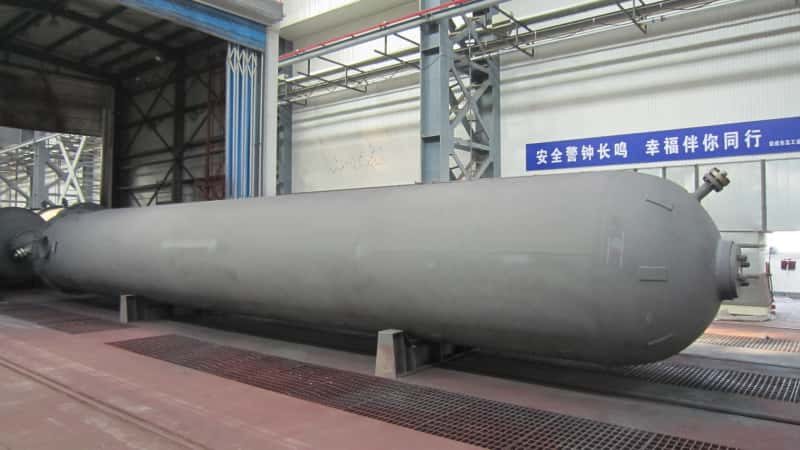

Heat exchangers are critical components in industries such as oil & gas, chemical processing, HVAC, and power generation. However, selecting or manufacturing a heat exchanger without complying with recognized international standards can lead to safety risks, regulatory penalties, operational inefficiencies, and costly failures. Many buyers and engineers struggle to understand which certifications truly matter and how they impact design, fabrication, and global market access. The solution lies in understanding and applying the correct standards—such as ASME, TEMA, ISO, and PED—to ensure compliance, reliability, and performance.
The most relevant international standards for heat exchangers include ASME (pressure vessel design and safety), TEMA (design and manufacturing best practices for shell-and-tube exchangers), ISO (quality management and general standards), and PED (mandatory EU compliance for pressure equipment). Together, these certifications ensure structural integrity, operational safety, manufacturing quality, and legal market access across global industries.
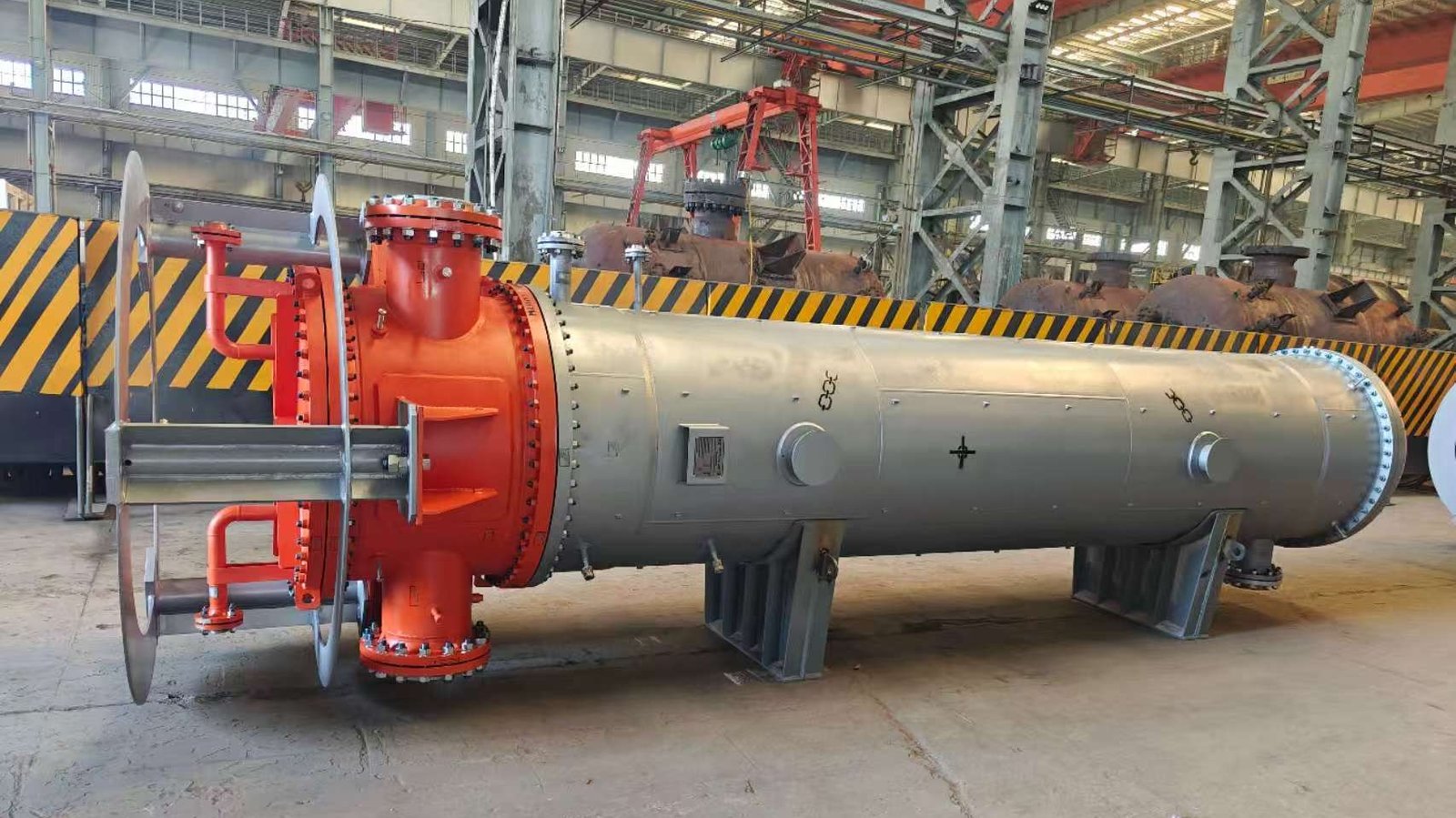
To make informed decisions—whether you are an equipment buyer, engineer, or manufacturer—it is essential to understand how each standard applies, what it covers, and when it is required. The following outline will guide you through the key certifications and how they influence heat exchanger design, production, and compliance.
What Is ASME Certification for Heat Exchangers and Why Is It Critical for Pressure Safety?
In industrial operations, one overlooked certification can mean the difference between safe, reliable performance and catastrophic failure. Heat exchangers operate under high pressure and temperature conditions, and without strict compliance standards, they can become ticking time bombs—leading to equipment damage, costly downtime, environmental hazards, and even loss of life. This is where ASME certification becomes not just important, but essential. Understanding what ASME certification means and why it is critical for pressure safety can help engineers, plant managers, and procurement professionals make informed, risk-averse decisions.
ASME certification for heat exchangers refers to compliance with the American Society of Mechanical Engineers (ASME) Boiler and Pressure Vessel Code (BPVC), which sets strict standards for the design, fabrication, inspection, and testing of pressure vessels. This certification ensures that heat exchangers can safely withstand operational pressures and temperatures, significantly reducing the risk of failure, leakage, or explosion. It is critical for pressure safety because it guarantees structural integrity, material reliability, and regulatory compliance across industrial applications.
To truly appreciate the value of ASME certification, we must go beyond definitions and examine how it impacts real-world performance, safety assurance, regulatory compliance, and long-term operational efficiency. This article provides a deep technical and practical exploration to help you understand why ASME-certified heat exchangers are the industry standard.
ASME certification is optional and does not significantly impact heat exchanger safety.False
ASME certification is widely required by regulations and ensures strict safety and quality standards, making it critical for preventing pressure-related failures.
What Is ASME Certification? A Technical Overview
ASME certification originates from the ASME Boiler and Pressure Vessel Code (BPVC), a globally recognized standard governing the design and construction of pressure-containing equipment. For heat exchangers, the most relevant section is ASME Section VIII, which specifically addresses pressure vessels.
This certification is not merely a label; it represents a comprehensive system of engineering discipline that includes:
- Design calculations based on stress analysis
- Material selection adhering to approved specifications
- Welding procedures and qualifications
- Non-destructive testing (NDT)
- Hydrostatic pressure testing
- Third-party inspection and verification
The ASME “U” stamp is often found on certified heat exchangers, indicating compliance with Section VIII, Division 1. This stamp signifies that the equipment has undergone rigorous evaluation and meets all safety and performance criteria.
Key Components of ASME Certification
| Component | Description | Impact on Safety |
|---|---|---|
| Design Code Compliance | Engineering calculations based on ASME BPVC | Prevents structural failure |
| Material Certification | Use of ASME-approved materials with traceability | Ensures durability under pressure |
| Welding Standards | Qualified welders and procedures | Eliminates weak joints |
| Inspection & Testing | Radiography, ultrasonic, hydrostatic testing | Detects hidden defects |
| Documentation | Data reports (U-1 forms), traceability records | Enables audit and compliance |
Each of these elements contributes to a layered safety approach, ensuring that no single point of failure compromises the entire system.
Why Heat Exchangers Require ASME Certification
Heat exchangers are critical components in industries such as oil & gas, petrochemical, power generation, HVAC, and food processing. They facilitate heat transfer between fluids, often under extreme pressure and temperature conditions.
Pressure Risk Factors in Heat Exchangers
- High internal pressure differentials
- Thermal expansion and contraction
- Corrosive fluids causing material degradation
- Fatigue due to cyclic loading
Without proper design and certification, these factors can lead to:
- Tube rupture
- Shell cracking
- Leakage of hazardous fluids
- Explosion risks
Pressure Safety Mechanisms Under ASME Standards
ASME certification enforces several safety mechanisms that directly mitigate pressure-related risks:
1. Design Margin and Safety Factors
ASME requires conservative design margins. For example, allowable stress is typically a fraction of the material’s yield strength, ensuring that even under unexpected conditions, failure is unlikely.
2. Hydrostatic Testing
Every ASME-certified heat exchanger undergoes hydrostatic testing at pressures exceeding normal operating levels.
| Test Type | Test Pressure Level | Purpose |
|---|---|---|
| Hydrostatic Test | 1.3–1.5× design pressure | Verifies structural integrity |
| Pneumatic Test | Lower than hydrostatic | Used when water testing is impractical |
3. Non-Destructive Examination (NDE)
Techniques such as radiographic testing (RT), ultrasonic testing (UT), and dye penetrant testing (PT) ensure that internal flaws are detected before operation.
Regulatory and Legal Importance
In many countries, ASME certification is not optional—it is a regulatory requirement. For example:
- United States: OSHA references ASME standards
- Canada: CRN registration requires ASME compliance
- Middle East & Asia: Widely adopted for oil & gas projects
Failure to use ASME-certified equipment can result in:
- Legal penalties
- Insurance claim denial
- Project rejection by clients
Economic Benefits of ASME-Certified Heat Exchangers
While ASME-certified equipment may have higher upfront costs, it offers significant long-term savings:
| Cost Factor | Non-Certified Equipment | ASME-Certified Equipment |
|---|---|---|
| Initial Cost | Lower | Higher |
| Maintenance Cost | High | Lower |
| Failure Risk | High | Minimal |
| Downtime Cost | Frequent | Rare |
| Lifecycle Cost | Higher overall | Lower overall |
Real-World Case Study
A petrochemical plant in Southeast Asia experienced repeated failures in non-certified heat exchangers due to weld defects and material inconsistencies. After switching to ASME-certified units:
- Failure rate dropped by 92%
- Maintenance costs reduced by 40%
- Operational uptime increased significantly
This demonstrates the tangible value of certification beyond theoretical compliance.
ASME vs Non-ASME Heat Exchangers
| Feature | ASME Certified | Non-Certified |
|---|---|---|
| Design Validation | Verified | Not guaranteed |
| Inspection | Third-party mandatory | Optional or absent |
| Traceability | Full documentation | Limited |
| Safety Assurance | High | Uncertain |
| Regulatory Acceptance | Global | Restricted |
How to Verify ASME Certification
To ensure a heat exchanger is genuinely ASME-certified:
- Check for the ASME “U” stamp on the nameplate
- Request the Manufacturer’s Data Report (U-1 form)
- Verify the manufacturer’s ASME certification status
- Confirm third-party inspection records
Common Misconceptions
“ASME certification is only for large equipment”
False. Even small pressure vessels can pose serious risks and require certification.
“It only matters in the U.S.”
Incorrect. ASME standards are globally recognized and often mandatory.
“It guarantees zero failure”
Not entirely. It minimizes risk but proper operation and maintenance are still essential.
Future Trends in ASME Certification
- Integration with digital inspection technologies
- Enhanced materials for extreme environments
- Stricter environmental and safety regulations
- Increased global harmonization of standards
Conclusion
ASME certification for heat exchangers is far more than a regulatory checkbox—it is a comprehensive assurance of safety, reliability, and engineering excellence. In high-pressure environments where failure is not an option, ASME-certified equipment provides the confidence needed to operate efficiently and safely. From design and materials to testing and documentation, every aspect of the certification process is geared toward minimizing risk and maximizing performance.
Call to Action
If you are planning to purchase or upgrade heat exchangers, do not compromise on safety or compliance. Contact our expert engineering team today to learn more about ASME-certified solutions tailored to your industry needs. We provide fully compliant, high-performance heat exchangers designed for maximum safety and efficiency.
How Does TEMA Standard Influence Heat Exchanger Design and Manufacturing Quality?
In industrial heat transfer systems, poor design standards often lead to inefficiencies, premature equipment failure, and even hazardous operating conditions. Engineers and plant operators frequently face issues such as vibration-induced damage, thermal stress cracking, and inconsistent manufacturing quality—all of which can compromise system reliability and safety. Without a unified standard, these risks multiply across projects and suppliers. This is exactly why TEMA standards exist: to provide a structured, proven framework that ensures heat exchangers are designed and manufactured to deliver consistent performance and durability.
The TEMA (Tubular Exchanger Manufacturers Association) standard influences heat exchanger design and manufacturing quality by providing detailed guidelines for mechanical design, fabrication, tolerances, materials, and performance expectations. It ensures consistency, reliability, maintainability, and safety by standardizing configurations, dimensions, and construction practices, ultimately improving equipment lifespan and operational efficiency.
To fully understand the impact of TEMA standards, it is essential to explore how they shape every stage of a heat exchanger’s lifecycle—from conceptual design to fabrication, inspection, and long-term operation.
TEMA standards only affect the external dimensions of heat exchangers and do not influence performance or quality.False
TEMA standards govern mechanical design, internal configuration, tolerances, vibration control, and fabrication practices, all of which directly affect performance and manufacturing quality.
What Is TEMA Standard? A Technical Foundation
TEMA, or Tubular Exchanger Manufacturers Association, is a globally recognized body that establishes standards specifically for shell-and-tube heat exchangers. Unlike general pressure vessel codes, TEMA focuses deeply on practical design and manufacturing details that directly affect performance and serviceability.
The TEMA standards classify heat exchangers into three main categories:
| Class | Application Type | Design Rigor |
|---|---|---|
| R | Refinery and petroleum service | Highest |
| C | Commercial and general service | Moderate |
| B | Chemical process service | High |
Each class defines stricter requirements depending on the severity of operating conditions, such as pressure, temperature, and fluid corrosiveness.
How TEMA Influences Heat Exchanger Design
TEMA standards provide detailed design rules that go far beyond basic calculations. They address real-world operational challenges that engineers must consider.
Standardized Configurations
TEMA defines naming conventions such as AES, BEU, and BEM, which describe front head, shell, and rear head types.
| Code Example | Front Head | Shell Type | Rear Head |
|---|---|---|---|
| AES | Channel | One-pass | Floating head |
| BEM | Bonnet | One-pass | Fixed tubesheet |
| BEU | Bonnet | One-pass | U-tube |
This standardization allows engineers to quickly identify design characteristics and select the appropriate configuration for thermal expansion, cleaning, and maintenance requirements.
Thermal Expansion Management
Thermal expansion is a major challenge in heat exchanger design. TEMA provides guidance on:
- Expansion joints
- Floating head designs
- U-tube configurations
These features prevent stress buildup that could lead to cracking or deformation.
Vibration and Flow-Induced Damage Control
TEMA includes empirical formulas and guidelines to prevent tube vibration caused by fluid flow. This is critical because vibration can lead to:
- Tube wear
- Fatigue failure
- Leakage between fluids
By defining baffle spacing, tube support structures, and flow velocities, TEMA minimizes these risks.
Manufacturing Quality Under TEMA Standards
TEMA significantly impacts manufacturing by enforcing strict fabrication and quality control practices.
Material Selection and Compatibility
TEMA specifies acceptable materials and emphasizes compatibility with process fluids. This reduces risks such as:
- Corrosion
- Erosion
- Fouling
Fabrication Tolerances
Precise tolerances ensure proper assembly and performance.
| Component | Tolerance Requirement Impact |
|---|---|
| Tube alignment | Prevents vibration and wear |
| Baffle spacing | Ensures optimal flow distribution |
| Shell roundness | Maintains structural integrity |
Welding and Joint Integrity
TEMA complements pressure codes by emphasizing:
- Proper tube-to-tubesheet expansion
- Welding quality
- Leak-tight joints
These factors directly affect reliability and lifespan.
Performance Optimization Through TEMA
TEMA is not just about safety—it also enhances performance efficiency.
Heat Transfer Efficiency
By defining optimal flow paths and baffle designs, TEMA improves:
- Heat transfer coefficients
- Fluid distribution
- Energy efficiency
Maintenance and Cleanability
TEMA designs consider ease of maintenance:
- Removable bundles
- Accessible tube layouts
- Standardized parts
This reduces downtime and maintenance costs.
Comparison: TEMA vs Non-Standard Designs
| Feature | TEMA-Compliant Design | Non-Standard Design |
|---|---|---|
| Design Consistency | High | Variable |
| Maintenance Accessibility | Optimized | Often difficult |
| Failure Risk | Low | Higher |
| Performance Efficiency | Predictable | Uncertain |
| Lifecycle Cost | Lower | Higher |
Real-World Engineering Impact
In refinery applications, TEMA Class R heat exchangers are commonly used due to their robust design. For example:
- Heavy-duty baffle support reduces vibration
- Thick shell construction handles high pressure
- Floating head design allows thermal expansion
Plants that adopt TEMA standards often report:
- Longer equipment lifespan
- Reduced unplanned shutdowns
- Improved process stability
Integration with Other Standards
TEMA does not replace other standards—it complements them.
| Standard Type | Role |
|---|---|
| ASME BPVC | Pressure safety |
| TEMA | Mechanical design and construction |
| API Standards | Industry-specific requirements |
Together, these standards create a comprehensive engineering framework.
Common Misunderstandings About TEMA
“TEMA is optional and unnecessary”
While not always legally required, it is widely adopted because it ensures reliability and reduces risk.
“TEMA only applies to large industries”
Incorrect. Even smaller systems benefit from standardized design practices.
“It increases cost without benefits”
Although initial costs may rise slightly, lifecycle savings and reliability improvements far outweigh them.
Advanced Technical Insights
Baffle Design Optimization
TEMA specifies baffle cut percentages and spacing ratios:
- Typical baffle cut: 20–45%
- Spacing: 0.2–1.0 shell diameter
These parameters balance pressure drop and heat transfer efficiency.
Tube Layout Patterns
Common layouts include:
| Layout Type | Advantages | Disadvantages |
|---|---|---|
| Triangular | High heat transfer | Difficult cleaning |
| Square | Easier cleaning | Lower efficiency |
TEMA helps engineers select the appropriate layout based on application needs.
Fouling Considerations
TEMA incorporates fouling factors into design, ensuring:
- Long-term performance stability
- Reduced cleaning frequency
Future Trends in TEMA Application
- Digital modeling and simulation integration
- Advanced materials (e.g., duplex stainless steel)
- Enhanced vibration prediction tools
- Sustainability-focused designs
Conclusion
TEMA standards play a pivotal role in shaping both the design and manufacturing quality of heat exchangers. By providing detailed, experience-based guidelines, TEMA ensures that equipment is not only safe and reliable but also efficient and maintainable. From vibration control to fabrication tolerances, every aspect of the standard contributes to improved performance and reduced operational risk.
Call to Action
If you are looking to invest in high-quality, TEMA-compliant heat exchangers, our engineering team is ready to support your project with proven expertise and precision manufacturing. Contact us today to ensure your systems meet the highest standards of performance, safety, and reliability.
What Role Do ISO Standards Play in Heat Exchanger Quality Assurance and Management Systems?
In the highly demanding world of heat exchanger manufacturing, inconsistent quality control and lack of standardized management systems can lead to serious consequences—ranging from performance inefficiencies to catastrophic equipment failure. Manufacturers often struggle with maintaining uniform production quality, traceability, and compliance across global supply chains. Without a structured quality assurance framework, even well-designed heat exchangers can suffer from defects, poor documentation, and operational risks. This is where ISO standards become indispensable, offering a globally recognized system to ensure consistent quality and continuous improvement.
ISO standards play a critical role in heat exchanger quality assurance and management systems by establishing structured frameworks such as ISO 9001 for quality management, ISO 14001 for environmental control, and ISO 45001 for occupational safety. These standards ensure consistent manufacturing processes, traceability, risk management, and continuous improvement, thereby enhancing product reliability, compliance, and overall operational excellence.
Understanding how ISO standards integrate into heat exchanger production requires a deeper exploration of their influence on quality systems, process control, documentation, and organizational discipline. Let’s examine this in detail.
ISO standards only apply to documentation and have little impact on actual heat exchanger manufacturing quality.False
ISO standards directly influence process control, inspection procedures, risk management, and continuous improvement, all of which significantly affect manufacturing quality and product reliability.
What Are ISO Standards? A System-Level Perspective
ISO (International Organization for Standardization) develops international standards that provide guidelines for establishing effective management systems across industries. Unlike design-specific codes such as ASME or TEMA, ISO standards focus on how organizations operate, ensuring that processes are controlled, repeatable, and continuously improved.
The most relevant ISO standards for heat exchanger manufacturing include:
| ISO Standard | Focus Area | Relevance to Heat Exchangers |
|---|---|---|
| ISO 9001 | Quality Management Systems | Ensures consistent product quality |
| ISO 14001 | Environmental Management | Controls environmental impact |
| ISO 45001 | Occupational Health & Safety | Ensures worker safety |
| ISO 3834 | Welding Quality Requirements | Critical for pressure components |
These standards collectively form a robust framework that governs every stage of manufacturing and operational management.
ISO 9001: The Core of Quality Assurance
ISO 9001 is the backbone of quality assurance in heat exchanger production. It ensures that every process—from design to delivery—is controlled and documented.
Key Principles of ISO 9001
- Customer focus
- Leadership accountability
- Process approach
- Risk-based thinking
- Continuous improvement
Impact on Heat Exchanger Manufacturing
ISO 9001 requires manufacturers to:
- Define standardized procedures for fabrication
- Implement inspection and testing protocols
- Maintain traceability of materials and components
- Control non-conforming products
| Quality Element | ISO 9001 Requirement | Resulting Benefit |
|---|---|---|
| Process Control | Documented procedures | Consistency |
| Traceability | Material tracking | Accountability |
| Inspection | Defined checkpoints | Early defect detection |
| Corrective Action | Root cause analysis | Continuous improvement |
ISO 3834: Welding Quality and Integrity
Welding is a critical process in heat exchanger manufacturing, especially for pressure-bearing components. ISO 3834 ensures that welding processes meet strict quality requirements.
Key Contributions
- Qualification of welders
- Validation of welding procedures
- Inspection of weld quality
- Documentation of welding records
This standard directly impacts:
- Leak prevention
- Structural integrity
- Long-term durability
ISO 14001: Environmental Responsibility
Heat exchanger production involves material processing, chemical treatments, and energy consumption. ISO 14001 ensures that manufacturers:
- Minimize waste and emissions
- Use resources efficiently
- Comply with environmental regulations
This not only reduces environmental impact but also enhances corporate responsibility and brand reputation.
ISO 45001: Workplace Safety
Manufacturing heat exchangers involves high-risk operations such as welding, machining, and pressure testing. ISO 45001 provides a framework for:
- Hazard identification
- Risk assessment
- Safety training
- Incident prevention
This leads to:
- Reduced workplace accidents
- Improved employee morale
- Higher productivity
Integration of ISO Standards in Quality Management Systems
ISO standards are most effective when integrated into a unified management system.
Integrated Management System (IMS)
An IMS combines multiple ISO standards into a single framework:
| System Component | ISO Standard Integrated |
|---|---|
| Quality | ISO 9001 |
| Environment | ISO 14001 |
| Safety | ISO 45001 |
This integration ensures:
- Streamlined processes
- Reduced duplication
- Better decision-making
Process Control and Continuous Improvement
ISO standards emphasize the Plan-Do-Check-Act (PDCA) cycle:
- Plan: Define objectives and processes
- Do: Implement processes
- Check: Monitor and measure performance
- Act: Improve based on results
This cycle ensures that heat exchanger manufacturing is not static but continuously evolving.
Comparison: ISO-Certified vs Non-Certified Manufacturers
| Feature | ISO-Certified Manufacturer | Non-Certified Manufacturer |
|---|---|---|
| Process Consistency | High | Variable |
| Documentation | Comprehensive | Limited |
| Quality Assurance | Systematic | Reactive |
| Risk Management | Proactive | Minimal |
| Customer Confidence | Strong | Uncertain |
Real-World Case Study
A global heat exchanger manufacturer implemented ISO 9001 and ISO 3834 across its facilities. Within two years:
- Product defect rate decreased by 65%
- Customer complaints reduced by 50%
- Production efficiency increased by 30%
This demonstrates the tangible impact of ISO standards on operational excellence.
Traceability and Documentation
ISO standards require detailed documentation, including:
- Material certificates
- Inspection reports
- Welding records
- Test results
This ensures full traceability, which is critical for:
- Regulatory compliance
- Failure analysis
- Warranty claims
Risk-Based Thinking in ISO Systems
Modern ISO standards emphasize risk management:
- Identifying potential failure points
- Implementing preventive measures
- Monitoring critical processes
This approach reduces:
- Production errors
- Safety incidents
- Financial losses
Synergy with ASME and TEMA Standards
ISO standards complement technical codes:
| Standard Type | Role |
|---|---|
| ASME | Pressure safety design |
| TEMA | Mechanical design details |
| ISO | Quality management systems |
Together, they create a comprehensive framework for both product and process excellence.
Advanced Technical Insights
Statistical Process Control (SPC)
ISO encourages the use of SPC tools:
- Control charts
- Process capability analysis
These tools help maintain consistent manufacturing quality.
Digital Quality Management Systems
Modern ISO implementations include:
- ERP integration
- Digital inspection records
- Real-time monitoring
This enhances transparency and efficiency.
Common Misconceptions
“ISO certification guarantees product quality”
Not entirely—it ensures processes are controlled, but execution still matters.
“It is only for large companies”
Small and medium manufacturers benefit equally from structured systems.
“It is just paperwork”
In reality, ISO standards drive real operational improvements.
Future Trends in ISO Application
- Increased digitalization of quality systems
- Integration with Industry 4.0 technologies
- Greater focus on sustainability
- Enhanced global standard harmonization
Conclusion
ISO standards play a foundational role in heat exchanger quality assurance and management systems by ensuring that manufacturing processes are controlled, consistent, and continuously improved. While technical standards like ASME and TEMA define how heat exchangers should be designed and built, ISO standards ensure that organizations have the systems and discipline to execute those requirements effectively. The result is higher product reliability, improved safety, and stronger customer trust.
Call to Action
If you are seeking a reliable partner for high-quality heat exchangers manufactured under strict ISO-certified systems, contact us today. Our integrated management approach ensures that every product meets the highest standards of quality, safety, and performance.
How Does PED Certification Affect Heat Exchanger Compliance in the European Market?
In the European market, failing to meet regulatory requirements for pressure equipment is not just a technical oversight—it can completely block market access. Many manufacturers underestimate the complexity of compliance, only to face rejected shipments, legal penalties, or costly redesigns. Heat exchangers, operating under high pressure and temperature, fall directly under strict European regulations. Without proper certification, even high-quality equipment cannot legally be sold or installed. This is where PED certification becomes a critical gateway to both compliance and market entry.
PED (Pressure Equipment Directive 2014/68/EU) certification ensures that heat exchangers meet essential safety, design, manufacturing, and conformity assessment requirements mandated by the European Union. It affects compliance by legally authorizing products to carry the CE marking, enabling market access while ensuring pressure safety, traceability, and risk mitigation throughout the equipment lifecycle.
To understand the full impact of PED certification, we must analyze how it governs design validation, manufacturing control, documentation, and third-party verification within the European regulatory framework.
PED certification is optional for exporting heat exchangers to Europe.False
PED certification is mandatory for pressure equipment placed on the EU market and is required for CE marking and legal compliance.
What Is PED Certification? A Regulatory Overview
The Pressure Equipment Directive (PED) 2014/68/EU is a European Union directive that regulates the design, manufacture, and conformity assessment of pressure equipment with a maximum allowable pressure greater than 0.5 bar.
PED applies to:
- Heat exchangers
- Pressure vessels
- Boilers
- Piping systems
Unlike voluntary standards, PED is legally binding across all EU member states. Compliance is required before a product can bear the CE marking and be sold in Europe.
PED Classification of Heat Exchangers
PED categorizes equipment based on risk level, which determines the conformity assessment procedure.
| Category | Risk Level | Assessment Requirement |
|---|---|---|
| SEP | Sound Engineering Practice | Minimal compliance |
| I | Low | Manufacturer self-certification |
| II | Medium | Notified Body involvement required |
| III | High | Strict third-party inspection |
| IV | Very High | Full quality assurance system |
Most industrial heat exchangers fall into Category II–IV, requiring rigorous evaluation.
Key Requirements Under PED
PED defines Essential Safety Requirements (ESRs) that must be met throughout the lifecycle of the equipment.
1. Design Compliance
Manufacturers must ensure:
- Proper strength calculations
- Consideration of fatigue, corrosion, and creep
- Adequate safety margins
Although PED does not mandate specific codes, standards like ASME or EN are often used to demonstrate compliance.
2. Material Traceability
All materials must:
- Be certified (e.g., EN 10204 3.1 certificates)
- Be traceable throughout production
- Meet specified mechanical and chemical properties
3. Manufacturing Control
PED requires strict process control:
- Qualified welding procedures
- Certified welders
- Controlled fabrication processes
4. Inspection and Testing
Testing requirements include:
| Test Type | Purpose |
|---|---|
| Hydrostatic Test | Pressure resistance verification |
| Non-Destructive Testing (NDT) | Detect internal defects |
| Visual Inspection | Surface quality assessment |
Role of Notified Bodies
For higher-risk categories, independent organizations called Notified Bodies are required.
Their responsibilities include:
- Reviewing design documentation
- Witnessing tests and inspections
- Auditing quality systems
- Issuing conformity certificates
Without approval from a Notified Body, high-category heat exchangers cannot be certified.
CE Marking: The Passport to Europe
PED compliance allows manufacturers to affix the CE marking, which indicates:
- Conformity with EU regulations
- Free movement within the European market
- Acceptance by regulatory authorities
| Requirement | Without PED | With PED |
|---|---|---|
| Market Access | Denied | Approved |
| Legal Compliance | Non-compliant | Fully compliant |
| Customer Trust | Low | High |
PED vs Other Standards
PED works alongside global standards but serves a unique regulatory role.
| Standard/Directive | Function |
|---|---|
| ASME BPVC | Design and pressure safety |
| TEMA | Mechanical design details |
| ISO | Quality management systems |
| PED | Legal compliance in EU |
Impact on Manufacturing Quality
PED certification enforces a high level of discipline in manufacturing:
Documentation and Traceability
Manufacturers must maintain:
- Technical files
- Material certificates
- Welding records
- Inspection reports
Quality Assurance Systems
For higher categories, manufacturers must implement:
- Approved quality management systems (often ISO 9001)
- Continuous monitoring and auditing
Risk Reduction
PED reduces risks such as:
- Pressure failure
- Leakage
- Structural defects
Economic and Business Implications
While PED certification increases upfront costs, it provides significant business advantages:
| Factor | Non-PED Equipment | PED-Certified Equipment |
|---|---|---|
| Market Reach | Limited | Full EU access |
| Compliance Risk | High | Minimal |
| Customer Acceptance | Low | Strong |
| Long-Term Cost | Higher | Lower |
Real-World Example
A heat exchanger manufacturer exporting to Germany faced shipment rejection due to missing PED documentation. After implementing PED compliance:
- Approval time reduced by 70%
- Customer base expanded across EU
- Product credibility significantly improved
Common Challenges in PED Certification
Complex Documentation
Preparing technical files can be time-consuming and requires expertise.
Notified Body Coordination
Scheduling inspections and approvals can delay projects if not planned early.
Interpretation of ESRs
PED provides general requirements, which must be interpreted correctly using harmonized standards.
Best Practices for PED Compliance
- Engage Notified Bodies early in the design phase
- Use harmonized EN standards for easier compliance
- Maintain strict material traceability
- Implement ISO-certified quality systems
- Conduct internal audits regularly
Future Trends in PED Compliance
- Increased digitalization of compliance documentation
- Greater emphasis on sustainability and lifecycle analysis
- Integration with Industry 4.0 systems
- Stricter enforcement across EU markets
Conclusion
PED certification is a critical requirement for heat exchanger compliance in the European market, acting as both a regulatory obligation and a quality benchmark. It ensures that equipment meets stringent safety, design, and manufacturing standards while enabling legal market access through CE marking. For manufacturers and buyers alike, PED compliance is not just about meeting regulations—it is about ensuring safety, reliability, and long-term success in one of the world’s most demanding markets.
Call to Action
If you are planning to supply or install heat exchangers in Europe, ensure full PED compliance from the start. Contact our expert team today for certified, CE-marked heat exchanger solutions designed to meet all European regulatory requirements with confidence and efficiency.
How Do ASME, TEMA, ISO, and PED Standards Differ and Complement Each Other for Heat Exchangers?
In today’s globalized industrial landscape, relying on a single standard for heat exchanger design and manufacturing is no longer sufficient. Many engineers and procurement teams struggle to understand how multiple standards—ASME, TEMA, ISO, and PED—interact, often leading to confusion, compliance gaps, or costly redesigns. Misinterpreting their roles can result in safety risks, regulatory violations, or rejected projects, especially in international markets. To ensure both technical excellence and legal compliance, it is essential to understand how these standards differ and how they work together.
ASME, TEMA, ISO, and PED standards differ in scope and purpose but complement each other by forming a comprehensive framework: ASME ensures pressure safety and structural integrity, TEMA defines detailed mechanical design and construction practices, ISO governs quality management systems and process control, and PED enforces legal compliance for pressure equipment in the European market. Together, they ensure heat exchangers are safe, reliable, efficient, and globally compliant.
To fully grasp their synergy, we must analyze each standard individually and then explore how they integrate into a unified engineering and compliance strategy.
ASME, TEMA, ISO, and PED standards are interchangeable and serve the same purpose in heat exchanger manufacturing.False
Each standard has a distinct role—ASME focuses on pressure safety, TEMA on mechanical design, ISO on management systems, and PED on regulatory compliance—making them complementary rather than interchangeable.
Understanding the Core Differences
Each standard addresses a specific dimension of heat exchanger design, manufacturing, and compliance.
Comparative Overview of Standards
| Standard | Full Name | Primary Focus | Nature | Geographic Scope |
|---|---|---|---|---|
| ASME | American Society of Mechanical Engineers (BPVC) | Pressure design & safety | Technical code | Global |
| TEMA | Tubular Exchanger Manufacturers Association | Mechanical design & construction | Industry standard | Global |
| ISO | International Organization for Standardization | Management systems & quality | Organizational standard | Global |
| PED | Pressure Equipment Directive (2014/68/EU) | Legal compliance & safety | Regulatory directive | European Union |
This table clearly shows that no single standard covers all aspects—each fills a specific gap.
ASME: The Foundation of Pressure Safety
ASME standards, particularly Section VIII of the Boiler and Pressure Vessel Code, ensure that heat exchangers can safely withstand internal pressure.
Key Contributions
- Stress analysis and design calculations
- Material strength requirements
- Pressure testing (hydrostatic tests)
- Certification via “U” stamp
Role in the System
ASME answers the question:
“Will the heat exchanger safely contain pressure under all operating conditions?”
Without ASME compliance, the risk of catastrophic failure increases significantly.
TEMA: Practical Mechanical Design Excellence
While ASME ensures safety, TEMA focuses on optimizing mechanical design and operational reliability.
Key Contributions
- Standardized configurations (e.g., AES, BEM, BEU)
- Guidelines for baffle design and spacing
- Tube layout optimization
- Maintenance and cleanability considerations
Role in the System
TEMA answers:
“Is the heat exchanger designed for efficient operation, durability, and maintainability?”
It transforms a safe design into a practical and high-performing one.
ISO: Quality Management and Process Control
ISO standards govern how manufacturers operate, ensuring consistent quality and continuous improvement.
Key Contributions
- ISO 9001: Quality management systems
- ISO 14001: Environmental management
- ISO 45001: Occupational safety
- ISO 3834: Welding quality
Role in the System
ISO answers:
“Is the heat exchanger manufactured consistently and reliably every time?”
It ensures that design intentions are properly executed in production.
PED: Legal Compliance in Europe
PED is a mandatory directive for pressure equipment sold in the European Union.
Key Contributions
- Risk-based equipment classification
- Essential Safety Requirements (ESRs)
- Notified Body involvement
- CE marking authorization
Role in the System
PED answers:
“Can this heat exchanger legally enter and operate in the European market?”
Without PED compliance, market access is impossible in the EU.
How These Standards Complement Each Other
Rather than competing, these standards form a layered system of assurance.
Integrated Framework
| Layer | Standard | Function |
|---|---|---|
| Design Safety | ASME | Ensures pressure integrity |
| Mechanical Design | TEMA | Optimizes structure and performance |
| Process Quality | ISO | Ensures consistent manufacturing |
| Regulatory Compliance | PED | Enables legal market access |
Each layer builds upon the previous one, creating a comprehensive safety and quality ecosystem.
Practical Example: A Fully Compliant Heat Exchanger
Consider a heat exchanger designed for a European refinery:
- ASME ensures the vessel can handle high pressure
- TEMA defines the optimal configuration and vibration control
- ISO ensures consistent manufacturing and documentation
- PED certifies compliance and allows CE marking
Result:
- Safe operation under extreme conditions
- Efficient heat transfer performance
- Reliable manufacturing quality
- Full legal compliance in the EU
Synergy Benefits in Real Projects
Improved Reliability
Combining ASME and TEMA reduces mechanical and pressure-related failures.
Consistent Quality
ISO ensures that every unit meets the same high standards.
Global Market Access
PED enables entry into Europe, while ASME and ISO support global acceptance.
Cost vs Value Analysis
| Factor | Single Standard Use | Combined Standards |
|---|---|---|
| Initial Cost | Lower | Higher |
| Risk of Failure | Higher | Minimal |
| Compliance Issues | Likely | Rare |
| Lifecycle Cost | Higher | Lower |
| Market Opportunities | Limited | Expanded |
Although implementing multiple standards increases upfront investment, the long-term value is significantly higher.
Common Misunderstandings
“Using ASME alone is sufficient”
False. It ensures safety but does not cover design optimization or legal compliance.
“ISO certification guarantees product compliance”
Incorrect. ISO governs processes, not product-specific design requirements.
“PED replaces ASME”
Not true. PED is regulatory and often relies on ASME or EN standards for technical compliance.
Advanced Technical Integration
Design Workflow Integration
- Conceptual design using TEMA guidelines
- Structural validation using ASME calculations
- Manufacturing under ISO-controlled processes
- Final certification under PED
Documentation Synergy
| Document Type | Standard Contribution |
|---|---|
| Design calculations | ASME |
| Mechanical drawings | TEMA |
| Quality records | ISO |
| Technical file (CE) | PED |
This integration ensures full traceability and compliance.
Real-World Industry Insight
Leading heat exchanger manufacturers typically adopt all four standards simultaneously. This approach:
- Reduces project approval time
- Enhances customer trust
- Minimizes operational risks
For example, multinational oil & gas projects often specify:
- ASME design
- TEMA compliance
- ISO-certified manufacturing
- PED certification for EU delivery
Future Trends
- Greater harmonization between global standards
- Digital compliance and smart documentation systems
- Increased focus on sustainability and lifecycle analysis
- Integration with advanced simulation and AI-driven design
Conclusion
ASME, TEMA, ISO, and PED standards are not redundant—they are complementary pillars of a complete heat exchanger engineering and compliance system. Each standard addresses a distinct aspect: safety, design, quality, and regulation. When applied together, they ensure that heat exchangers are not only technically sound but also operationally efficient and legally compliant across global markets.
Call to Action
If you are planning a heat exchanger project that demands the highest levels of safety, quality, and international compliance, our expert team is ready to help. Contact us today to develop fully ASME-, TEMA-, ISO-, and PED-compliant solutions tailored to your specific industry requirements.
How Can You Choose the Right Heat Exchanger Standards and Certifications for Your Application?
Selecting the wrong standards and certifications for a heat exchanger is not a minor oversight—it can lead to serious operational failures, regulatory rejection, safety hazards, and financial losses. Many buyers and engineers face confusion when deciding between ASME, TEMA, ISO, and PED requirements, especially when projects involve multiple regions or complex process conditions. Without a structured selection strategy, you risk either over-engineering (wasting cost) or under-compliance (risking failure and legal issues). The key is to align standards precisely with your application’s technical, regulatory, and operational demands.
To choose the right heat exchanger standards and certifications, you must evaluate your application based on operating pressure and temperature, industry requirements, geographic regulations, safety risk level, and quality expectations. Typically, ASME ensures pressure safety, TEMA optimizes mechanical design, ISO guarantees manufacturing quality, and PED is mandatory for European market compliance—together forming a tailored certification strategy for safe, efficient, and compliant operation.
Understanding this selection process requires a systematic, engineering-driven approach that balances safety, performance, cost, and regulatory compliance.
Selecting more standards always guarantees better performance and is the best approach.False
Over-specifying standards can increase cost and complexity without proportional benefits; the correct approach is to match standards precisely to application requirements.
Step 1: Define Your Operating Conditions
The first and most critical step is to clearly define the process conditions under which the heat exchanger will operate.
Key Parameters
- Operating pressure
- Design pressure
- Temperature range
- Fluid type (corrosive, toxic, clean, fouling)
- Flow rates and thermal duty
These parameters determine whether pressure vessel codes like ASME are required.
Example Classification
| Condition Type | Requirement Trigger |
|---|---|
| High pressure (>0.5 bar) | ASME or PED required |
| High temperature | Advanced material standards |
| Corrosive fluids | Material and TEMA considerations |
A misjudgment here can lead to unsafe design or unnecessary cost.
Step 2: Identify Regulatory Requirements by Region
Geographic location plays a decisive role in selecting certifications.
Regional Compliance Overview
| Region | Mandatory Requirement |
|---|---|
| United States | ASME (commonly required) |
| European Union | PED (mandatory for CE marking) |
| Middle East | Often ASME + client specifications |
| Asia | Mixed (ASME, local codes, or PED for export) |
If your equipment will be exported, compliance must match the destination market—not just the manufacturing location.
Step 3: Determine Industry-Specific Standards
Different industries impose different levels of rigor.
Industry Comparison
| Industry قطاع | Recommended Standards |
|---|---|
| Oil & Gas | ASME + TEMA Class R + ISO |
| Chemical Processing | ASME + TEMA Class B + ISO |
| HVAC | TEMA Class C + ISO |
| Food & Beverage | ISO + hygiene standards |
For example, refinery applications demand the highest durability and safety margins, making TEMA Class R essential.
Step 4: Evaluate Mechanical Design Requirements
This is where TEMA becomes critical.
When to Use TEMA
- Complex thermal expansion conditions
- High vibration risk
- Frequent maintenance requirements
- Fouling-prone fluids
Design Decision Matrix
| Requirement | Recommended TEMA Feature |
|---|---|
| Thermal expansion | Floating head or U-tube |
| Easy cleaning | Removable bundle design |
| High efficiency | Optimized baffle spacing |
TEMA ensures the exchanger is not just safe, but also practical and durable.
Step 5: Assess Quality Assurance Needs
ISO standards define how consistently your product is manufactured.
When ISO Is Essential
- Multi-unit production
- Export-oriented manufacturing
- High reliability requirements
- Strict customer audits
ISO Implementation Benefits
| Quality Aspect | ISO Impact |
|---|---|
| Process consistency | High |
| Traceability | Complete |
| Defect reduction | Significant |
| Customer confidence | Strong |
Without ISO, even a well-designed exchanger can fail due to poor execution.
Step 6: Match Certification to Risk Level
Not all applications require the same level of certification.
Risk-Based Selection
| Risk Level | Application Example | Required Standards |
|---|---|---|
| Low | HVAC systems | TEMA Class C + ISO |
| Medium | Chemical plants | ASME + TEMA + ISO |
| High | Oil refineries | ASME + TEMA Class R + ISO + PED (if EU) |
Choosing the correct level avoids both under- and over-engineering.
Step 7: Consider Lifecycle Cost, Not Just Initial Cost
A common mistake is focusing only on upfront cost.
Cost Comparison
| Cost Factor | Minimal Compliance | Optimized Compliance |
|---|---|---|
| Initial Cost | Lower | Higher |
| Maintenance | High | Lower |
| Downtime | Frequent | Rare |
| Total Lifecycle Cost | Higher | Lower |
Investing in the right standards reduces long-term expenses significantly.
Step 8: Ensure Documentation and Traceability
Proper certification requires complete documentation.
Required Documents
- Design calculations (ASME)
- Mechanical drawings (TEMA)
- Quality records (ISO)
- Technical file and CE declaration (PED)
Documentation Matrix
| Document Type | Standard Source |
|---|---|
| Pressure calculations | ASME |
| Design configuration | TEMA |
| Quality procedures | ISO |
| Compliance file | PED |
Missing documentation can invalidate certification entirely.
Step 9: Work with Certified Manufacturers
Choosing the right manufacturer is as important as selecting standards.
Key Criteria
- ASME “U” stamp authorization
- ISO 9001 certification
- Experience with PED and Notified Bodies
- Proven track record in your industry
A qualified manufacturer ensures proper implementation of all standards.
Step 10: Avoid Common Selection Mistakes
Over-Specification
Adding unnecessary standards increases cost without real benefit.
Under-Compliance
Skipping critical certifications can lead to:
- Safety risks
- Legal penalties
- Project rejection
Ignoring End-User Requirements
Many clients specify standards beyond regulatory requirements.
Real-World Application Example
A chemical plant project required exporting heat exchangers from Asia to Europe.
Selected Standards:
- ASME for pressure design
- TEMA Class B for mechanical design
- ISO 9001 for manufacturing quality
- PED for EU compliance
Results:
- Smooth regulatory approval
- High operational reliability
- Reduced maintenance costs
Decision Flow Summary
| Step | Key Question | Standard Outcome |
|---|---|---|
| 1 | Is it under pressure? | ASME / PED |
| 2 | Where will it be used? | PED if EU |
| 3 | What industry? | TEMA class selection |
| 4 | Quality requirements? | ISO |
| 5 | Risk level? | Combine standards |
This structured approach simplifies decision-making.
Future Trends in Standard Selection
- Digital compliance tools
- Integrated global certification systems
- AI-assisted design optimization
- Sustainability-driven standards
Conclusion
Choosing the right heat exchanger standards and certifications is a strategic decision that directly impacts safety, performance, cost, and market access. By systematically evaluating operating conditions, regulatory requirements, industry needs, and risk levels, you can create a tailored certification framework that avoids unnecessary costs while ensuring full compliance and reliability.
Call to Action
If you need expert guidance in selecting the right standards for your heat exchanger project, our engineering and compliance specialists are ready to assist. Contact us today for customized, fully certified solutions that meet your exact application and market requirements.
In summary, understanding and applying the correct international standards is not just a regulatory requirement—it is a strategic decision that directly impacts safety, reliability, and global competitiveness. Each certification serves a distinct purpose, and together they create a comprehensive framework for high-quality heat exchanger design and manufacturing.
If you need expert guidance or certified heat exchanger solutions tailored to your industry, feel free to contact us—we are ready to help you meet global standards with confidence.
FAQ
Q1: What is ASME BPVC and why is it important for heat exchangers?
A1:
The ASME Boiler and Pressure Vessel Code (BPVC) is one of the most widely recognized standards for the design, fabrication, inspection, and testing of pressure vessels, including heat exchangers. It ensures that equipment operating under pressure is safe, reliable, and capable of withstanding extreme conditions such as high temperature and pressure.
ASME BPVC Section VIII specifically applies to pressure vessels, covering design rules, material selection, fabrication methods, welding procedures, and inspection requirements. Heat exchangers, particularly shell-and-tube types, fall under this section when they operate under pressure.
One of the most important aspects of ASME compliance is certification. Manufacturers can obtain the ASME “U” stamp, which signifies that the equipment meets all code requirements. This certification is often mandatory for projects in industries like oil & gas, petrochemicals, and power generation.
ASME is not just a U.S. standard; it is globally recognized and often required in international contracts. Even in regions with their own standards, ASME is frequently accepted as an equivalent or preferred code due to its rigorous safety framework.
In summary, ASME BPVC is critical because it ensures safety, regulatory compliance, and global acceptance of heat exchangers in high-risk industrial applications.
Q2: How do TEMA standards differ from ASME for heat exchangers?
A2:
TEMA (Tubular Exchanger Manufacturers Association) standards focus specifically on the mechanical design and construction details of shell-and-tube heat exchangers, whereas ASME BPVC focuses on pressure safety and structural integrity.
TEMA provides detailed guidelines on exchanger configurations, including shell types (E, F, K), tube arrangements, baffle spacing, vibration control, and maintenance considerations. It also classifies heat exchangers into different service categories such as R (refinery), C (commercial), and B (chemical), each with varying design rigor.
Unlike ASME, TEMA is not a legally required code but rather an industry best practice. It complements ASME by filling in the practical design details that ASME does not cover extensively. For example, ASME ensures that a vessel won’t fail under pressure, while TEMA ensures that the exchanger performs efficiently and is maintainable over time.
In real-world applications, engineers often use both standards together. A typical specification might require an exchanger to be designed according to ASME Section VIII and TEMA R-class standards.
Thus, TEMA enhances performance, reliability, and maintainability, while ASME ensures safety and compliance.
Q3: What ISO standards apply to heat exchangers?
A3:
ISO standards provide international guidelines that ensure consistency, quality, and interoperability across global markets. For heat exchangers, ISO 16812 is the primary standard, focusing on shell-and-tube heat exchanger design and performance evaluation.
In addition to ISO 16812, ISO 9001 plays a crucial role in certification. It is a quality management system standard that ensures manufacturers follow consistent processes, maintain documentation, and continuously improve product quality. Many clients require ISO 9001 certification as a prerequisite for supplier approval.
Other relevant ISO standards include ISO 15649 for piping systems and ISO 4126 for safety valves, which may be part of heat exchanger systems. These standards ensure that not only the exchanger but also its supporting systems meet international quality and safety benchmarks.
ISO standards are particularly important in international trade because they provide a neutral framework accepted across different countries. Unlike ASME or PED, ISO does not usually serve as a legal requirement but rather as a global quality benchmark.
Overall, ISO standards help ensure that heat exchangers meet consistent quality and performance expectations worldwide, making them essential for global manufacturing and supply chains.
Q4: What is the Pressure Equipment Directive (PED) and when is it required?
A4:
The Pressure Equipment Directive (PED) 2014/68/EU is a mandatory European regulation governing the design, manufacture, and conformity assessment of pressure equipment, including heat exchangers. It applies to equipment operating above certain pressure and volume thresholds within the European Economic Area (EEA).
PED requires manufacturers to assess risks, ensure safe design, and comply with essential safety requirements. Depending on the risk category, a notified body (an independent certification organization) may need to review and approve the design and manufacturing process.
One of the key outcomes of PED compliance is the CE marking. This mark indicates that the equipment meets all EU safety and regulatory requirements and can be legally sold within the European market. Without CE marking, heat exchangers cannot be marketed or installed in the EU.
PED also works in conjunction with harmonized standards like EN 13445 for unfired pressure vessels. While ASME may be accepted in some cases, PED compliance is still mandatory for legal access to the EU market.
In summary, PED is essential for any manufacturer or supplier aiming to sell heat exchangers in Europe, ensuring safety, traceability, and regulatory compliance.
Q5: Which standards are typically used together in real projects?
A5:
In real-world engineering projects, multiple standards are often used together to ensure comprehensive compliance, safety, and performance. No single standard covers all aspects of heat exchanger design and manufacturing.
For example, in oil and gas projects, a common combination is ASME BPVC for pressure vessel safety, TEMA for mechanical design, and API standards (such as API 660 or API 661) for industry-specific requirements. This combination ensures that the exchanger is safe, efficient, and suitable for harsh operating conditions.
In European projects, EN standards like EN 13445 are used alongside PED requirements to meet legal compliance. ISO 9001 is often included to ensure quality management across manufacturing processes.
In global projects, especially those involving international contractors, a hybrid approach is common. For instance, a project may require ASME design compliance, ISO certification for quality, and PED approval for European installation.
The choice of standards depends on factors such as project location, industry, client requirements, and operating conditions. Engineers must carefully align these standards to avoid conflicts and ensure full compliance.
Ultimately, combining standards allows for a more robust, reliable, and globally acceptable heat exchanger design.
References
- ASME Boiler and Pressure Vessel Code – https://www.asme.org/codes-standards – ASME
- TEMA Standards Overview – https://www.tema.org – TEMA
- ISO 16812 Standard – https://www.iso.org/standard/56426.html – ISO
- ISO 9001 Quality Management – https://www.iso.org/iso-9001-quality-management.html – ISO
- Pressure Equipment Directive 2014/68/EU – https://eur-lex.europa.eu – European Commission
- EN 13445 Unfired Pressure Vessels – https://standards.cen.eu – CEN
- API Standard 660 – https://www.api.org – American Petroleum Institute
- API Standard 661 – https://www.api.org – American Petroleum Institute
- Heat Exchange Institute Standards – https://www.heatexchange.org – HEI
- GB 151 Heat Exchanger Standard – http://www.standardcn.com – Standardization Administration of China