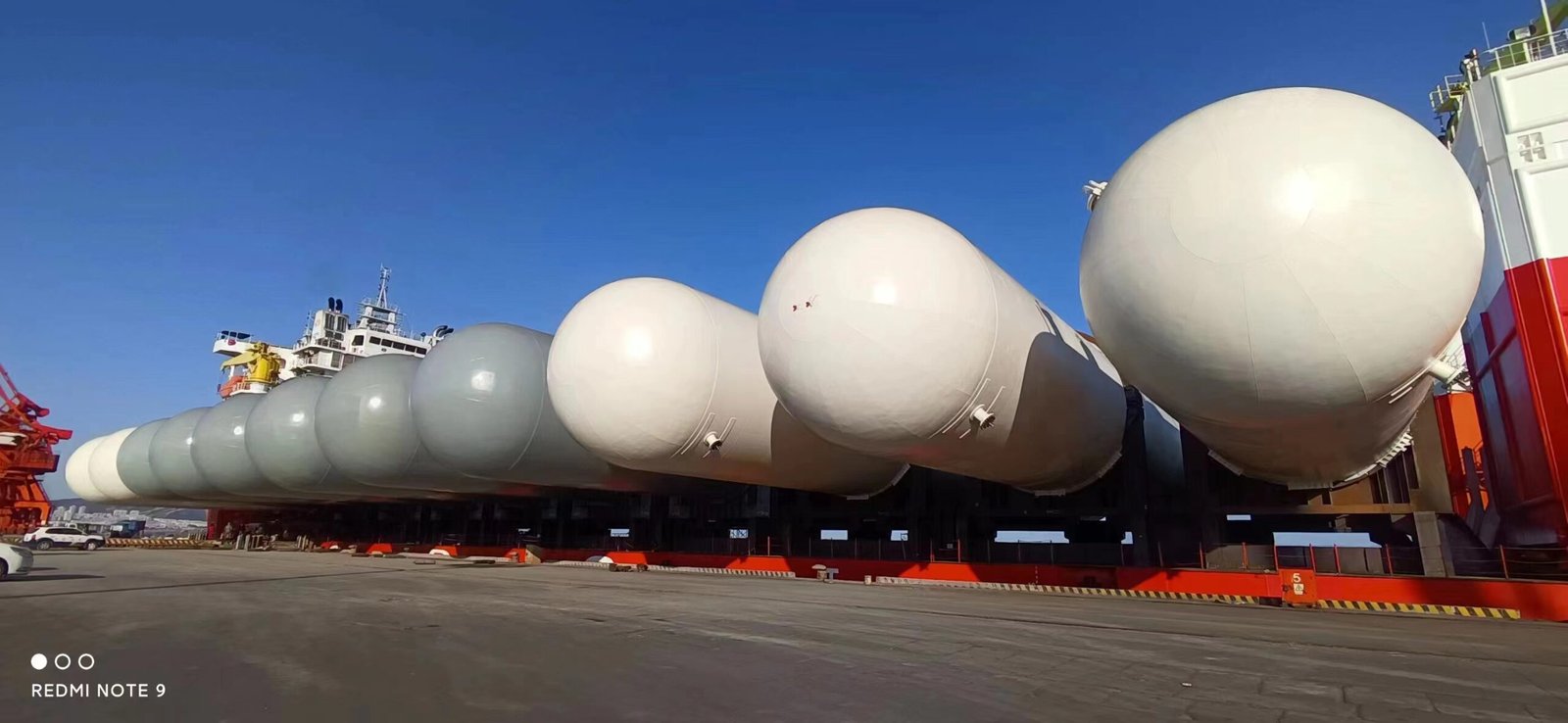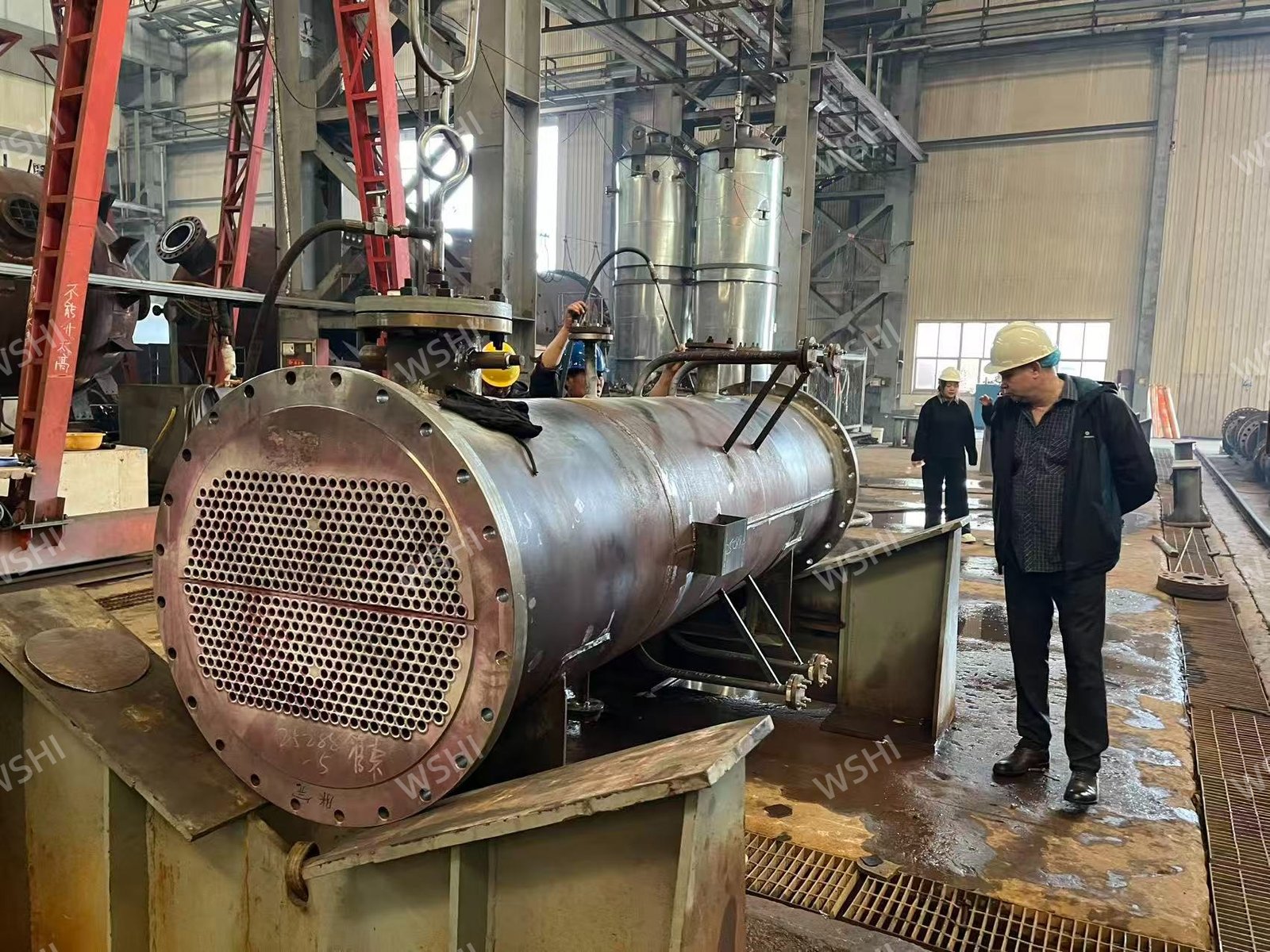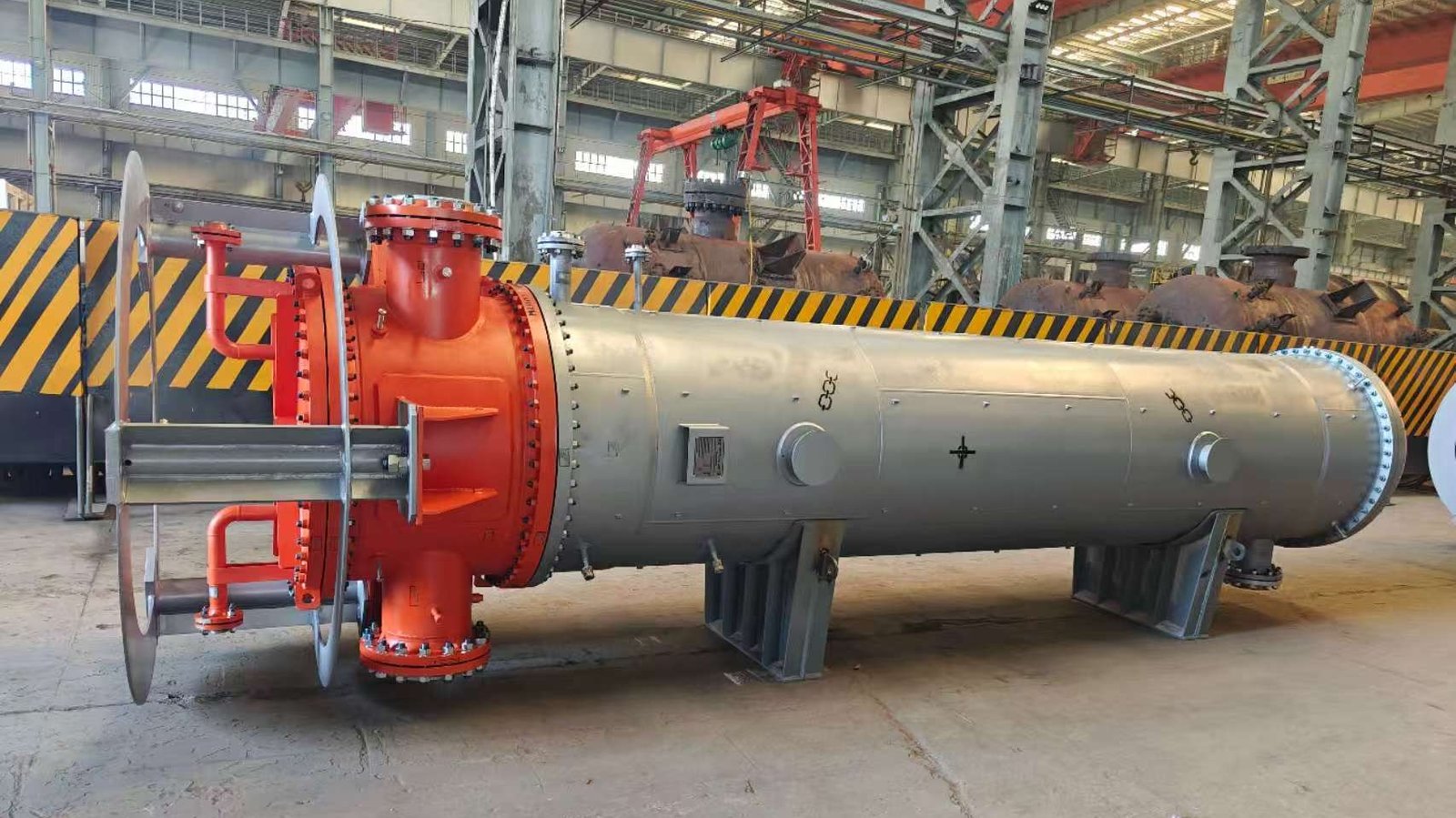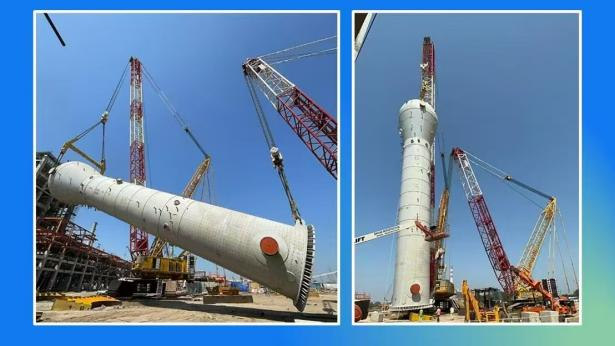

Fluid systems without proper pressure regulation often suffer from inconsistent flow, pump overuse, and premature equipment failure. These issues can lead to operational inefficiencies, increased maintenance costs, and even system breakdowns. Fortunately, integrating a pressure tank into your system provides a reliable solution by stabilizing pressure, reducing pump cycling, and ensuring smooth fluid delivery.
A pressure tank is a sealed vessel designed to store fluid under pressure, typically using compressed air or a diaphragm/bladder mechanism to maintain consistent system pressure. It functions by absorbing pressure fluctuations, storing energy in the form of compressed air, and releasing fluid when demand arises, thereby reducing pump workload and ensuring steady flow in fluid systems.
To fully understand the value of pressure tanks in modern fluid systems, it’s important to explore their structure, working principles, and practical applications in detail. Let’s break down the essential aspects that every user and system designer should know.
How Does a Pressure Tank Work in Fluid Systems?

In fluid systems, inconsistent pressure can cause serious operational problems—ranging from pump short cycling and energy inefficiency to pipe damage and unstable flow delivery. Without a properly functioning pressure tank, systems may experience constant wear, leading to premature equipment failure and costly downtime. Fortunately, pressure tanks provide a simple yet highly effective solution by stabilizing pressure, reducing mechanical stress, and ensuring consistent fluid delivery.
A pressure tank works by storing fluid under pressure using compressed air or gas as a cushion, which maintains system pressure, reduces pump cycling, and delivers fluid smoothly when demand fluctuates. The tank automatically balances pressure by expanding and compressing the air chamber as fluid enters or exits the system.
To fully understand how pressure tanks function and why they are essential in modern fluid systems, let’s explore their internal mechanics, types, and engineering applications in depth.
Pressure tanks use compressed air to regulate fluid pressure and reduce pump cycling.True
The air cushion inside the tank compresses and expands to maintain stable pressure and minimize frequent pump operation.
What Is a Pressure Tank and Why Is It Important?
A pressure tank is a sealed vessel designed to store fluids (usually water) under pressure. It is commonly used in water supply systems, HVAC systems, and industrial process systems to maintain steady pressure and reduce pump workload.
Without a pressure tank:
- Pumps would turn on and off frequently (short cycling)
- Energy consumption would increase
- Mechanical components would wear out faster
- Pressure fluctuations would affect system performance
By acting as a buffer, the pressure tank absorbs pressure changes and provides a reserve of pressurized fluid.
Internal Structure and Working Principle
Key Components of a Pressure Tank
A typical pressure tank consists of:
- Outer steel shell – provides structural strength
- Bladder or diaphragm – separates air and fluid
- Air chamber – contains compressed air
- Water chamber – stores fluid
- Inlet/Outlet ports – connect to the system
Step-by-Step Working Process
- Filling Phase
When the pump is running, water enters the tank and compresses the air inside the bladder or chamber. Storage Phase
The compressed air stores potential energy, maintaining system pressure even when the pump stops.Discharge Phase
When water is needed, the compressed air pushes water out of the tank into the system.Pressure Drop and Refill
Once pressure drops to a preset level, the pump restarts and the cycle repeats.
Types of Pressure Tanks
1. Bladder Pressure Tanks
Bladder tanks use a flexible membrane to separate air and water.
Advantages:
- Prevents air from dissolving into water
- Requires less maintenance
- Stable pressure control
2. Diaphragm Pressure Tanks
A diaphragm tank uses a fixed membrane to divide the tank into two sections.
Advantages:
- Durable design
- Suitable for moderate pressure systems
- Lower cost compared to bladder tanks
3. Air-Over-Water Tanks (Conventional)
These tanks do not have a separator between air and water.
Disadvantages:
- Air dissolves into water over time
- Requires frequent maintenance
- Less efficient pressure control
Performance Comparison Table
| Tank Type | Maintenance | Pressure Stability | Lifespan | Efficiency | Common Use |
|---|---|---|---|---|---|
| Bladder Tank | Low | Excellent | Long | High | Residential & Industrial |
| Diaphragm Tank | Medium | Good | Medium | Moderate | HVAC & Water Systems |
| Air-Over-Water | High | Poor | Short | Low | Legacy Systems |
Engineering Benefits of Pressure Tanks
1. Reducing Pump Cycling
Frequent pump starts can cause overheating and mechanical wear. Pressure tanks reduce this by storing pressurized fluid.
2. Energy Efficiency
By minimizing pump operation, energy consumption is significantly reduced.
3. System Stability
Pressure tanks eliminate sudden pressure drops and spikes.
4. Water Hammer Protection
They act as shock absorbers, reducing the risk of pipe damage.
Real-World Application Example
In a residential well water system:
- Pump capacity: 50 L/min
- Pressure range: 30–50 psi
Without a pressure tank:
- Pump cycles every 10–15 seconds
With a properly sized bladder tank:
- Pump cycles every 2–3 minutes
Result:
- 70% reduction in pump wear
- Lower electricity usage
- More stable water pressure
Sizing a Pressure Tank
Choosing the correct tank size is critical.
| System Type | Recommended Tank Size |
|---|---|
| Small home | 20–40 gallons |
| Medium household | 40–80 gallons |
| Industrial system | Custom sizing |
Key factors:
- Pump flow rate
- Pressure switch settings
- Water demand
Conclusion
Pressure tanks are essential components in fluid systems, providing stability, efficiency, and protection for pumps and pipelines. By using compressed air to regulate pressure, they ensure smooth operation and extend equipment lifespan.
Whether in residential, commercial, or industrial systems, selecting the right type and size of pressure tank is crucial for optimal performance.
What Are the Key Components of a Pressure Tank System?
In fluid systems, many failures are not caused by the pressure tank itself—but by missing or poorly selected supporting components. Inconsistent pressure, frequent pump cycling, and even system breakdowns often trace back to issues like faulty pressure switches, inadequate valves, or incorrect piping design. These problems not only reduce efficiency but also shorten equipment lifespan and increase maintenance costs. A well-designed pressure tank system, however, integrates multiple components that work together to ensure stable, safe, and efficient operation.
The key components of a pressure tank system include the pressure tank itself, a pressure switch, pressure gauge, pump, check valve, relief valve, piping network, and sometimes a control panel or air charging valve. Each component plays a critical role in maintaining pressure stability, protecting the system, and optimizing performance.
To design or troubleshoot a pressure tank system effectively, it is essential to understand how each component functions and interacts within the system.
A pressure tank system requires multiple supporting components to maintain stable pressure and safe operation.True
Without devices like pressure switches, valves, and gauges, the system cannot regulate pressure, protect against overpressure, or operate efficiently.
Core Components of a Pressure Tank System
1. Pressure Tank (The Energy Storage Unit)
The pressure tank is the central component that stores fluid under pressure using compressed air.
Key Functions:
- Stores pressurized fluid
- Reduces pump cycling
- Stabilizes system pressure
Engineering Insight:
Modern tanks typically use bladder or diaphragm designs to separate air and water, preventing air loss and maintaining consistent pressure over time.
2. Pump (The Driving Force)
The pump supplies fluid into the system and pressurizes the tank.
Types of Pumps:
- Centrifugal pumps (most common)
- Submersible pumps (well systems)
- Booster pumps (pressure enhancement)
Role in the System:
The pump operates based on pressure signals and works in cycles controlled by the pressure switch.
3. Pressure Switch (Automatic Control Unit)
The pressure switch controls when the pump turns on and off.
How It Works:
- Turns ON pump at low pressure (cut-in)
- Turns OFF pump at high pressure (cut-out)
Importance:
Without a pressure switch, the system would either over-pressurize or fail to deliver consistent flow.
4. Pressure Gauge (Monitoring Tool)
The pressure gauge provides real-time pressure readings.
Why It Matters:
- Helps diagnose system issues
- Confirms correct pressure settings
- Essential for maintenance and safety checks
5. Check Valve (Backflow Prevention)
The check valve ensures fluid flows in only one direction.
Key Function:
- Prevents backflow into the pump
- Maintains system pressure when pump stops
Engineering Benefit:
Protects the pump from reverse rotation and pressure loss.
6. Pressure Relief Valve (Safety Component)
This is a critical safety device that prevents overpressure.
Function:
- Automatically releases fluid when pressure exceeds safe limits
Importance:
Essential for compliance with safety standards (e.g., ASME).
7. Piping System (Flow Network)
The piping connects all components and ensures smooth fluid transport.
Design Considerations:
- Pipe diameter
- Material compatibility
- Flow resistance
- Layout efficiency
8. Air Charging Valve (Optional but Important)
This valve allows adjustment of the air pressure inside the tank.
Purpose:
- Maintains correct air-to-water ratio
- Ensures optimal performance
System Integration Table
| Component | Primary Function | Impact on System | Failure Risk |
|---|---|---|---|
| Pressure Tank | Stores pressure | Stabilizes flow | Pressure fluctuation |
| Pump | Moves fluid | Drives system | No flow |
| Pressure Switch | Controls pump | Automation | Over/under pressure |
| Pressure Gauge | Monitors pressure | Diagnostics | Hidden faults |
| Check Valve | Prevents backflow | Maintains pressure | Pump damage |
| Relief Valve | Safety protection | Prevents explosion | Critical failure |
| Piping | Fluid transport | Efficiency | Leakage/loss |
| Air Valve | Pressure tuning | Performance | Inefficiency |
System Workflow Overview
Step-by-Step Operation:
- Pump fills the tank
- Pressure increases
- Pressure switch stops pump at set limit
- Water is used → pressure drops
- Tank releases stored water
- Pressure switch restarts pump
This cycle ensures consistent pressure and reduced mechanical stress.
Common Design Mistakes
Even with the right components, poor system design can cause failure:
- Incorrect pressure switch settings
- Missing check valve
- Undersized tank
- Improper piping layout
- Lack of safety valve
These mistakes often lead to:
- Short cycling
- Pressure instability
- Equipment damage
Conclusion
A pressure tank system is not just a single device—it is an integrated system of components working together to maintain pressure, ensure safety, and optimize performance. Each element, from the pump to the relief valve, plays a critical role in system reliability.
Understanding these components allows engineers and users to design more efficient systems, troubleshoot problems effectively, and extend equipment lifespan.
Need Expert Assistance?
If you are designing or upgrading a pressure tank system, professional guidance can help you avoid costly mistakes and ensure optimal performance. Contact us today for customized solutions tailored to your application.
Why Is a Pressure Tank Important for Fluid System Efficiency?
In many fluid systems, inefficiency is not always obvious at first—it appears as frequent pump starts, unstable pressure, unexpected energy spikes, or premature equipment wear. Over time, these issues accumulate into higher operational costs, reduced system lifespan, and even critical failures. Without a pressure tank, pumps are forced to respond instantly to every demand fluctuation, creating unnecessary stress and energy waste. The solution lies in integrating a properly designed pressure tank that stabilizes the entire system.
A pressure tank is essential for fluid system efficiency because it stores energy in the form of pressurized fluid, reduces pump cycling, stabilizes pressure, minimizes energy consumption, and protects system components from mechanical stress and hydraulic shock.
To truly understand its importance, we need to examine how pressure tanks influence system performance from both an engineering and operational perspective.
Pressure tanks significantly improve energy efficiency by reducing the frequency of pump operation.True
By storing pressurized fluid, the tank supplies demand without requiring the pump to start each time, lowering energy use and mechanical wear.
The Core Efficiency Problem in Fluid Systems
Fluid systems—whether residential water supply, industrial processing, or HVAC circulation—often face fluctuating demand. Without a buffer:
- Pumps start and stop repeatedly (short cycling)
- Pressure fluctuates unpredictably
- Energy consumption increases sharply
- Components wear out faster
This creates a system that is not only inefficient but also unreliable.
How a Pressure Tank Improves System Efficiency
1. Reduces Pump Cycling
One of the most important roles of a pressure tank is to reduce how often the pump turns on and off.
Engineering Explanation:
When water is used, the tank releases stored pressurized fluid instead of immediately activating the pump. Only when pressure drops below a threshold does the pump restart.
Impact:
- Fewer pump starts
- Reduced mechanical wear
- Lower maintenance costs
In many systems, pump cycling can be reduced by 50–80% with proper tank sizing.
2. Stabilizes System Pressure
Pressure fluctuations can damage pipes, valves, and sensitive equipment.
With a pressure tank:
- Pressure remains within a controlled range
- Flow becomes smooth and consistent
- System performance improves
Without a tank:
- Sudden pressure drops during demand
- Pressure spikes when pump starts
3. Improves Energy Efficiency
Energy efficiency is a major concern in both industrial and residential systems.
Why pressure tanks save energy:
- Pumps consume the most energy during startup
- Fewer starts = lower total energy usage
- System operates closer to optimal efficiency range
Real-world impact:
Energy savings of 10–30% are commonly achieved in properly designed systems.
4. Protects Against Water Hammer
Water hammer is a sudden pressure surge caused by rapid valve closure or pump shutdown.
Role of pressure tank:
- Acts as a shock absorber
- Dampens pressure waves
- Prevents pipe damage and leaks
This is especially critical in long pipelines or high-pressure systems.
5. Extends Equipment Lifespan
Frequent stress cycles reduce the lifespan of pumps and valves.
With a pressure tank:
- Reduced mechanical stress
- Lower thermal buildup in pumps
- Longer service intervals
Result:
- Extended equipment life by 2–3 times in many cases
Efficiency Comparison Table
| Factor | Without Pressure Tank | With Pressure Tank |
|---|---|---|
| Pump Cycling | Very Frequent | Reduced |
| Energy Consumption | High | Lower |
| Pressure Stability | Poor | Stable |
| Equipment Wear | High | Low |
| Maintenance Cost | High | Reduced |
| System Lifespan | Short | Extended |
Industrial Case Study
A manufacturing plant operating a cooling water system experienced:
- Pump cycling every 20 seconds
- High energy costs
- Frequent pump failures
Solution:
Installation of a properly sized pressure tank.
Results:
- Pump cycling reduced to every 3 minutes
- Energy consumption reduced by 22%
- Maintenance costs decreased significantly
This demonstrates how a relatively simple component can transform system efficiency.
Key Design Considerations
To maximize efficiency, the pressure tank must be properly selected:
1. Tank Size
Undersized tanks cannot store enough energy, leading to continued inefficiency.
2. Pressure Settings
Correct cut-in and cut-out pressures are critical.
3. System Demand Profile
Understanding peak and average usage ensures proper design.
4. Fluid Characteristics
Viscosity and compressibility affect performance.
Common Mistakes That Reduce Efficiency
- Choosing a tank that is too small
- Incorrect air pre-charge pressure
- Ignoring system pressure losses
- Poor integration with pump controls
These mistakes can negate the benefits of a pressure tank.
Conclusion
A pressure tank is not just an optional accessory—it is a critical component for achieving high efficiency in fluid systems. By reducing pump cycling, stabilizing pressure, saving energy, and protecting equipment, it plays a central role in optimizing system performance.
Whether in residential water systems or complex industrial operations, the right pressure tank design can significantly lower costs and improve reliability.
What Types of Pressure Tanks Are Used in Fluid Systems?
In fluid systems, selecting the wrong type of pressure tank can lead to unstable pressure, excessive pump cycling, high energy consumption, and frequent maintenance issues. Many users assume all pressure tanks function the same, but in reality, different designs serve very different operational needs. Using an unsuitable tank type can significantly reduce system efficiency and even cause premature equipment failure. The solution is to understand the various types of pressure tanks available and choose the one that best matches your system requirements.
The main types of pressure tanks used in fluid systems include bladder pressure tanks, diaphragm pressure tanks, air-over-water tanks, hydropneumatic tanks, and specialized industrial pressure vessels. Each type differs in structure, pressure control capability, maintenance requirements, and application suitability.
To make an informed decision, it is essential to examine how each type works, where it excels, and its limitations in real-world applications.
Bladder and diaphragm pressure tanks are more efficient and require less maintenance than traditional air-over-water tanks.True
Because they separate air and water with a membrane, they prevent air loss and maintain stable pressure without frequent adjustments.
1. Bladder Pressure Tanks
Bladder pressure tanks are the most widely used type in modern fluid systems. They contain a flexible rubber bladder that separates the air chamber from the water chamber.
How They Work:
Water enters the bladder, compressing the surrounding air. The compressed air then pushes water out when demand occurs.
Advantages:
- Prevents air absorption into water
- Provides stable pressure control
- Requires minimal maintenance
- Long service life
Applications:
- Residential water supply systems
- Commercial plumbing systems
- Industrial fluid systems
2. Diaphragm Pressure Tanks
Diaphragm tanks use a fixed membrane to divide the tank into air and water sections.
How They Work:
The diaphragm flexes as water enters and exits, compressing or expanding the air chamber.
Advantages:
- Durable and cost-effective
- Good pressure stability
- Less complex than bladder tanks
Limitations:
- Slightly less flexible than bladder designs
- Membrane cannot be replaced in some models
Applications:
- HVAC systems
- Medium-scale water systems
- Heating and cooling loops
3. Air-Over-Water Pressure Tanks (Conventional Type)
This is the oldest type of pressure tank and does not include a separator between air and water.
How They Work:
Air and water are stored together in the same chamber. Over time, air dissolves into the water.
Disadvantages:
- Requires frequent air recharging
- Unstable pressure control
- Higher maintenance needs
Applications:
- Older systems
- Low-cost installations
- Situations where maintenance is acceptable
4. Hydropneumatic Pressure Tanks
Hydropneumatic tanks are commonly used in large-scale or industrial systems.
How They Work:
They use compressed air above the water level to maintain pressure, often combined with advanced control systems.
Advantages:
- Suitable for large capacity systems
- Can handle variable demand
- Integrates with automated controls
Limitations:
- Higher cost
- Requires monitoring and control systems
Applications:
- Municipal water supply
- Industrial processing plants
- High-demand commercial buildings
5. Specialized Industrial Pressure Vessels
These are custom-designed tanks used in extreme conditions.
Characteristics:
- Designed for high pressure and temperature
- Built with advanced materials (e.g., stainless steel, alloys)
- Compliant with safety standards (ASME, PED)
Applications:
- Oil & gas industry
- Chemical processing
- Power generation systems
Comparison Table of Pressure Tank Types
| Tank Type | Maintenance | Pressure Stability | Lifespan | Cost | Typical Use |
|---|---|---|---|---|---|
| Bladder Tank | Low | Excellent | Long | Medium | Residential & Industrial |
| Diaphragm Tank | Medium | Good | Medium | Low-Medium | HVAC & Water Systems |
| Air-Over-Water | High | Poor | Short | Low | Legacy Systems |
| Hydropneumatic | Medium | Very Good | Long | High | Municipal/Industrial |
| Industrial Vessel | Varies | Excellent | Very Long | High | Extreme Conditions |
How to Choose the Right Type
Selecting the correct pressure tank depends on several engineering factors:
1. System Size and Demand
- Small systems → Bladder tanks
- Large systems → Hydropneumatic tanks
2. Maintenance Capability
- Low maintenance required → Bladder or diaphragm
- Maintenance acceptable → Air-over-water
3. Pressure Requirements
- High pressure → Industrial vessels
- Moderate pressure → Standard tanks
4. Budget Constraints
- Low budget → Diaphragm or conventional tanks
- Long-term investment → Bladder or hydropneumatic
Common Selection Mistakes
- Choosing based on cost alone
- Ignoring maintenance requirements
- Undersizing the tank
- Not considering system pressure range
These mistakes often lead to inefficiency and system failure.
Conclusion
Different types of pressure tanks are designed to meet specific operational needs in fluid systems. Bladder and diaphragm tanks dominate modern applications due to their efficiency and low maintenance, while hydropneumatic and industrial vessels serve larger or more demanding systems.
Understanding these differences allows you to select the most suitable tank, improve system efficiency, and reduce long-term operational costs.
How Do You Select the Right Pressure Tank for Your Application?
Choosing the wrong pressure tank for your fluid system can quietly undermine performance—causing frequent pump cycling, unstable pressure, excessive energy consumption, and premature equipment failure. Many systems operate inefficiently not because of poor pumps, but because the pressure tank is undersized, mismatched, or incorrectly configured. These issues often go unnoticed until maintenance costs rise or system reliability drops. The solution is a structured, engineering-based selection process that ensures the tank matches your exact operating conditions.
To select the right pressure tank, you must evaluate system demand, pump characteristics, pressure range (cut-in/cut-out), required drawdown volume, fluid type, and installation constraints. The correct tank size and type will minimize pump cycling, stabilize pressure, and maximize system efficiency and lifespan.
Understanding the full selection process is essential if you want to avoid costly mistakes and achieve optimal system performance.
Properly sizing a pressure tank based on drawdown volume is critical for reducing pump cycling and improving efficiency.True
The drawdown determines how much water can be supplied before the pump restarts, directly impacting system performance and pump lifespan.
Step 1: Understand Your System Requirements
Before selecting a pressure tank, you must define the operating conditions of your system.
Key Parameters:
- Flow rate (Q): How much fluid is required (L/min or GPM)
- Operating pressure range: Cut-in and cut-out pressure (e.g., 30–50 psi)
- Peak demand vs average demand
- System type: Residential, commercial, or industrial
Why This Matters:
A mismatch between tank capacity and system demand leads to inefficiency and mechanical stress.
Step 2: Calculate Required Drawdown Volume
Drawdown is the usable volume of water delivered from the tank between pump cycles.
Basic Concept:
- Larger drawdown = fewer pump starts
- Smaller drawdown = frequent cycling
Simplified Sizing Table
| Pump Flow Rate | Recommended Drawdown Volume |
|---|---|
| 5–10 GPM | 5–10 gallons |
| 10–20 GPM | 10–20 gallons |
| 20–40 GPM | 20–40 gallons |
| 40+ GPM | Custom sizing |
Engineering Insight:
Typically, a pump should run for at least 1–2 minutes per cycle to avoid overheating and wear.
Step 3: Choose the Right Tank Type
Bladder Tanks (Recommended for Most Systems)
Best for:
- Residential systems
- Commercial water supply
- Low-maintenance applications
Diaphragm Tanks
Best for:
- HVAC systems
- Moderate demand systems
Hydropneumatic Tanks
Best for:
- Industrial systems
- Municipal water supply
Step 4: Match Pressure Settings
Pressure tanks must be aligned with the system’s pressure switch settings.
Standard Configuration:
- Cut-in pressure: 30 psi
- Cut-out pressure: 50 psi
Rule:
Pre-charge pressure = cut-in pressure – 2 psi
Example:
- Cut-in: 30 psi
- Pre-charge: 28 psi
Why This Matters:
Incorrect pressure settings reduce usable volume and efficiency.
Step 5: Consider Installation Constraints
Key Factors:
- Available space (vertical vs horizontal tank)
- Indoor vs outdoor installation
- Temperature conditions
- Accessibility for maintenance
Tip:
Vertical tanks are more space-efficient, while horizontal tanks are easier to install in low-clearance areas.
Step 6: Material Selection
Material choice depends on fluid type and environment.
| Material | Application | Advantage |
|---|---|---|
| Carbon Steel | General water systems | Cost-effective |
| Stainless Steel | Corrosive fluids | Long lifespan |
| Composite | Lightweight systems | Corrosion resistant |
Step 7: Evaluate Lifecycle Cost (Not Just Price)
Many users make the mistake of choosing the cheapest tank.
True Cost Includes:
- Energy consumption
- Maintenance frequency
- Replacement intervals
Insight:
A properly sized, high-quality tank can reduce total system cost by 20–40% over its lifespan.
Common Selection Mistakes
- Undersizing the tank
- Ignoring drawdown requirements
- Incorrect pressure settings
- Choosing the wrong tank type
- Not considering future system expansion
These errors often lead to:
- Pump short cycling
- Energy waste
- System instability
Practical Selection Example
System Data:
- Pump flow: 15 GPM
- Pressure range: 30–50 psi
- Residential water system
Recommended Solution:
- Tank size: ~50–60 gallons
- Type: Bladder tank
- Pre-charge: 28 psi
Result:
- Stable pressure
- Reduced pump cycling
- Improved efficiency
Quick Selection Checklist
Before finalizing your choice, confirm:
- ✔ Correct drawdown capacity
- ✔ Compatible pressure settings
- ✔ Suitable tank type
- ✔ Proper material
- ✔ Adequate installation space
Conclusion
Selecting the right pressure tank is a critical engineering decision that directly impacts system efficiency, reliability, and operating cost. By focusing on drawdown capacity, pressure settings, tank type, and system requirements, you can ensure optimal performance and long-term stability.
A well-chosen pressure tank does more than store fluid—it protects your entire system.
What Are Common Maintenance Practices for Pressure Tanks?

Pressure tanks are often treated as “set-and-forget” components in fluid systems—but this assumption leads to hidden inefficiencies, pressure instability, and unexpected failures. Over time, issues like air loss, bladder wear, corrosion, and faulty controls can degrade performance. If neglected, these problems result in frequent pump cycling, energy waste, and even system shutdowns. The solution is a structured maintenance program that ensures the pressure tank and its supporting components operate reliably over the long term.
Common maintenance practices for pressure tanks include checking air pre-charge pressure, inspecting for leaks and corrosion, testing pressure switches and gauges, monitoring pump cycling behavior, and periodically draining and cleaning the tank. Regular maintenance ensures stable pressure, reduces energy consumption, and extends system lifespan.
Understanding these practices in detail will help you prevent failures and optimize your system’s performance.
Regular maintenance of pressure tanks significantly extends their lifespan and improves system efficiency.True
Routine inspection and adjustment prevent issues such as air loss, corrosion, and component failure, which can otherwise reduce efficiency and cause breakdowns.
1. Check and Adjust Air Pre-Charge Pressure

The air pre-charge is one of the most critical parameters in a pressure tank.
Why It Matters:
The air cushion inside the tank determines how effectively it can store and release pressure.
Maintenance Steps:
- Turn off the system and drain the tank
- Measure air pressure using a gauge
- Adjust using an air compressor if needed
Standard Rule:
Pre-charge pressure = cut-in pressure – 2 psi
Risks if Ignored:
- Reduced drawdown capacity
- Frequent pump cycling
- Unstable pressure
2. Inspect for Leaks and Corrosion

Leaks and corrosion are common issues, especially in older systems or harsh environments.
Inspection Areas:
- Tank exterior surface
- Pipe connections and joints
- Valves and fittings
What to Look For:
- Rust or discoloration
- Water stains or moisture
- Pressure drops without usage
Preventive Actions:
- Apply protective coatings
- Replace corroded components
- Tighten or reseal connections
3. Test Pressure Switch Operation

The pressure switch controls pump operation, making it essential for system stability.
Maintenance Steps:
- Verify cut-in and cut-out pressures
- Observe pump start/stop behavior
- Adjust settings if necessary
Common Issues:
- Incorrect pressure settings
- Delayed response
- Electrical faults
Impact:
A faulty pressure switch can cause overpressure or insufficient supply.
4. Monitor Pump Cycling Behavior

Pump cycling frequency is a key indicator of system health.
Normal Behavior:
Pump runs for several minutes per cycle.
Warning Signs:
- Pump starts every few seconds
- Irregular cycling patterns
Causes:
- Incorrect tank size
- Air pressure imbalance
- Bladder failure
Solution:
Identify root cause and correct tank pressure or replace components.
5. Drain and Clean the Tank Periodically

Sediment buildup can reduce tank efficiency and contaminate the system.
Maintenance Steps:
- Shut down the system
- Open drain valve
- Flush out sediment
Frequency:
- Residential: once per year
- Industrial: based on usage and fluid quality
6. Inspect the Bladder or Diaphragm
In bladder or diaphragm tanks, internal failure is a critical issue.
Signs of Failure:
- Tank feels completely full (waterlogged)
- No air pressure detected
- Rapid pump cycling
Action:
Replace the bladder or the entire tank if necessary.
7. Check Safety Components (Relief Valve & Gauge)

Safety components protect the system from overpressure and hidden faults.
Maintenance Tasks:
- Test relief valve functionality
- Verify gauge accuracy
- Replace faulty instruments
Importance:
Critical for system safety and regulatory compliance.
Maintenance Schedule Table
| Maintenance Task | Frequency | Importance |
|---|---|---|
| Air pressure check | Every 3–6 months | Critical |
| Leak inspection | Monthly | High |
| Pressure switch test | Every 6 months | High |
| Pump cycling check | Ongoing | Critical |
| Tank cleaning | Annually | Medium |
| Bladder inspection | Every 1–2 years | High |
| Safety valve check | Annually | Critical |
Common Maintenance Mistakes
- Ignoring small pressure fluctuations
- Not checking air pre-charge
- Skipping annual inspections
- Delaying replacement of worn components
These mistakes often lead to:
- System inefficiency
- Increased energy costs
- Unexpected failures
Conclusion
Proper maintenance of pressure tanks is essential for ensuring system efficiency, reliability, and safety. By regularly checking air pressure, inspecting components, monitoring system behavior, and addressing issues early, you can significantly extend the life of your equipment and reduce operational costs.
A well-maintained pressure tank is not just a component—it is a safeguard for your entire fluid system.
In summary, pressure tanks play a critical role in maintaining system stability, enhancing efficiency, and prolonging the lifespan of pumps and related equipment. Their ability to balance pressure and demand makes them indispensable in residential, commercial, and industrial fluid systems.
If you are looking for high-quality pressure tanks or need expert guidance in selecting the right solution for your application, contact us today to get professional support tailored to your needs.
FAQ
Q1: What is a pressure tank and what is its primary purpose?
A1:
A pressure tank is a sealed vessel designed to store fluids—typically liquids or gases—under pressure. Its primary purpose is to regulate and maintain consistent pressure within a fluid system, ensuring smooth and efficient operation. Pressure tanks are widely used in residential water systems, industrial processing plants, HVAC systems, and agricultural irrigation setups.
The tank works by storing fluid along with a compressed gas (usually air). As fluid enters the tank, it compresses the air inside, creating pressure. This stored pressure allows the system to deliver fluid without requiring the pump to run continuously. For example, in a household water system, the pressure tank ensures that water flows steadily from taps even when the pump is not actively running.
Additionally, pressure tanks help reduce wear and tear on pumps by minimizing frequent on/off cycling. They also act as a buffer against pressure fluctuations, protecting pipes and equipment from sudden surges. Overall, the primary purpose of a pressure tank is to stabilize pressure, improve system efficiency, and extend the lifespan of mechanical components.
Q2: How does a pressure tank function in a fluid system?
A2:
A pressure tank functions by balancing the relationship between fluid volume and internal pressure. Inside the tank, there is typically a diaphragm or bladder that separates the fluid from a compressed air chamber. When fluid is pumped into the tank, it pushes against this diaphragm, compressing the air on the other side.
As the air compresses, it stores energy in the form of pressure. When the system requires fluid—such as when a valve is opened—the compressed air pushes the stored fluid out of the tank, maintaining consistent flow and pressure. This process allows the system to operate smoothly without immediate reliance on the pump.
The tank is usually connected to a pressure switch that controls when the pump turns on and off. When the pressure drops below a certain threshold (cut-in pressure), the pump activates to refill the tank. When the pressure reaches an upper limit (cut-out pressure), the pump shuts off. This cycle ensures efficient energy use and stable system performance.
In essence, the pressure tank acts as both a storage unit and a pressure regulator, enabling controlled fluid delivery and reducing system strain.
Q3: What are the different types of pressure tanks?
A3:
Pressure tanks come in several types, each designed for specific applications and system requirements. The most common types include bladder tanks, diaphragm tanks, and air-over-water tanks.
Bladder tanks contain a flexible bladder that separates the fluid from the compressed air. This design prevents air from mixing with the fluid, reducing the risk of waterlogging and maintaining consistent pressure. Diaphragm tanks function similarly but use a fixed membrane instead of a removable bladder. Both types are widely used in residential and commercial water systems due to their reliability and low maintenance requirements.
Air-over-water tanks are an older design where air and water are not separated. While simpler, they require more maintenance because the air can dissolve into the water over time, reducing pressure efficiency.
In industrial settings, pressure vessels may also include specialized tanks designed for high-pressure gases or chemical storage. These tanks are built with reinforced materials and must comply with strict safety standards. Choosing the right type depends on factors such as system size, pressure requirements, fluid type, and maintenance considerations.
Q4: Why is a pressure tank important in fluid systems?
A4:
A pressure tank plays a crucial role in maintaining the efficiency, safety, and reliability of fluid systems. One of its main benefits is reducing the frequency of pump cycling. Without a pressure tank, a pump would need to turn on every time fluid is required, leading to increased energy consumption and faster wear.
The tank also helps maintain consistent pressure throughout the system, which is essential for applications like water supply, heating, and industrial processes. Sudden pressure fluctuations can damage pipes, valves, and equipment, but a pressure tank acts as a buffer to absorb these changes.
Another important function is energy storage. By storing pressurized fluid, the tank allows the system to respond quickly to demand without relying entirely on active pumping. This improves overall efficiency and reduces operational costs.
In addition, pressure tanks enhance system longevity by minimizing mechanical stress and preventing pressure surges. They are a fundamental component in ensuring that fluid systems operate smoothly, safely, and efficiently over time.
Q5: How do you maintain and troubleshoot a pressure tank?
A5:
Proper maintenance of a pressure tank is essential to ensure its longevity and optimal performance. One of the most important tasks is regularly checking the air pressure inside the tank. This is typically done using a pressure gauge when the system is turned off and drained. The air pressure should match the manufacturer’s recommended pre-charge level, usually slightly below the pump’s cut-in pressure.
Inspecting the tank for leaks, corrosion, or physical damage is also crucial. Any signs of rust or water leakage may indicate structural issues that need immediate attention. For bladder or diaphragm tanks, it’s important to ensure that the internal membrane is intact. A ruptured bladder can cause the tank to become waterlogged, reducing its effectiveness.
Common troubleshooting steps include identifying short cycling (frequent pump on/off), which often indicates incorrect pressure settings or a failing bladder. Low water pressure may result from insufficient air charge or system leaks.
Regular maintenance, including periodic inspections and pressure adjustments, helps prevent costly repairs and ensures that the pressure tank continues to function efficiently within the fluid system.
References
- Pressure Vessels Overview – https://www.asme.org/codes-standards – ASME
- Pressure Tank Basics – https://www.energy.gov/energysaver/water-heating – U.S. Department of Energy
- Water Pressure Tanks Guide – https://www.epa.gov/water – U.S. Environmental Protection Agency
- How Pressure Tanks Work – https://www.engineeringtoolbox.com/pressure-vessels-d_947.html – Engineering Toolbox
- Industrial Pressure Vessels – https://www.sciencedirect.com/topics/engineering/pressure-vessel – ScienceDirect
- Bladder Pressure Tanks – https://www.watertank.com – Water Tank Factory
- Pressure Tank Maintenance – https://www.familyhandyman.com/project/well-pressure-tank/ – Family Handyman
- Fluid System Design – https://www.thermopedia.com – Thermopedia
- Pump and Tank Systems – https://www.pumps.org – Hydraulic Institute
- Pressure Control Systems – https://www.nfpa.org – National Fire Protection Association