
Rising capital costs, unexpected maintenance expenses, and inefficient equipment selection can quickly erode your project budget when procuring a shell and tube heat exchanger. Many buyers underestimate lifecycle costs or overlook critical design variables, leading to overspending, operational inefficiencies, or even premature equipment failure. The good news is that with a structured understanding of cost drivers, you can make informed decisions that optimize both upfront investment and long-term value.
The cost considerations in shell and tube heat exchanger procurement primarily include initial purchase price, material selection, design complexity, thermal performance requirements, manufacturing standards, installation costs, and long-term operational expenses such as maintenance and energy efficiency. A comprehensive evaluation of these factors ensures cost-effective procurement and maximizes return on investment.
To make the most economical and technically sound decision, it’s essential to break down each cost component and understand how it impacts your overall project. Let’s explore the key factors that influence pricing and value.
How Does Initial Purchase Cost Affect Shell and Tube Heat Exchanger Procurement?

In industrial procurement, many decision-makers fall into the trap of prioritizing the lowest initial purchase cost when selecting a shell and tube heat exchanger. While this approach may appear financially prudent at the outset, it often leads to serious downstream consequences such as reduced thermal efficiency, frequent maintenance, increased energy consumption, and even premature equipment failure. These hidden costs accumulate over time, eroding any initial savings and negatively impacting operational stability. The real issue is not the upfront price itself, but the lack of understanding of how that price reflects deeper engineering, material, and performance trade-offs. A smarter approach is to evaluate how initial cost influences total lifecycle value and system reliability.
Initial purchase cost affects shell and tube heat exchanger procurement by determining material quality, thermal design efficiency, manufacturing precision, and long-term operational performance. Lower-cost units often compromise on heat transfer efficiency, durability, and maintenance accessibility, leading to higher operating and lifecycle costs. Therefore, procurement decisions should focus on total cost of ownership rather than just upfront investment to ensure optimal performance and long-term economic benefits.
Understanding this relationship requires a deeper look into how cost is structured and how it translates into real engineering performance. The following sections provide a comprehensive and practical analysis.
Selecting the cheapest heat exchanger always minimizes total project cost.False
Lower upfront cost often results in higher energy consumption, maintenance, and replacement costs, increasing total lifecycle expenditure.
Cost Composition: What Determines the Initial Price?
The initial purchase cost of a shell and tube heat exchanger is a direct reflection of multiple engineering and manufacturing variables, each contributing to the overall performance and durability of the equipment. One of the most significant contributors is material selection. Carbon steel is widely used due to its affordability and acceptable performance in non-corrosive environments, making it a popular choice for budget-sensitive projects. However, in more demanding applications involving corrosive fluids, high temperatures, or aggressive chemicals, materials such as stainless steel, duplex alloys, or titanium become necessary. These materials significantly increase the initial cost but provide superior resistance to corrosion, erosion, and thermal degradation, ultimately extending the service life of the exchanger.
Another critical factor influencing cost is design complexity. Heat exchangers with advanced configurations—such as multi-pass tube arrangements, floating head designs, or optimized baffle geometries—require more sophisticated engineering and precision manufacturing. These features enhance heat transfer efficiency and facilitate maintenance, but they also increase fabrication time and labor costs. Additionally, compliance with international standards such as TEMA and ASME introduces further cost elements, including rigorous testing procedures like hydrostatic testing, radiographic inspection, and non-destructive examination. These quality assurance measures are essential for ensuring safety and reliability, particularly in high-risk industries such as petrochemical processing and power generation.
| Cost Component | Impact on Initial Cost | Long-Term Benefit |
|---|---|---|
| Material (e.g., titanium) | Very High | Excellent corrosion resistance |
| Fabrication complexity | Moderate to High | Improved performance |
| Quality testing | Moderate | Enhanced reliability |
| Design optimization | Moderate | Energy efficiency |
Trade-Off Between Initial Cost and Operating Efficiency

One of the most important considerations in procurement is the trade-off between initial purchase cost and operating efficiency. Lower-cost heat exchangers typically achieve their price advantage by reducing heat transfer surface area, simplifying internal structures, or using lower-grade materials. While these measures reduce manufacturing costs, they also limit thermal performance. As a result, the exchanger may require higher flow rates or increased pumping power to achieve the desired heat duty, leading to higher energy consumption over time. In continuous industrial operations, this inefficiency can result in substantial additional costs that quickly surpass the initial savings.
In contrast, higher-quality heat exchangers are designed with optimized thermal performance in mind. Features such as enhanced tube surfaces, improved flow distribution, and carefully engineered baffle arrangements increase the overall heat transfer coefficient. This allows the system to achieve the required heat duty with lower energy input, reducing operational costs. Although these enhancements increase the initial purchase cost, they provide consistent energy savings throughout the equipment’s lifespan. In industries where energy costs represent a significant portion of operating expenses, such as chemical processing and power generation, these savings can be substantial and justify the higher upfront investment.
| Parameter | Low-Cost Option | Optimized Design Option |
|---|---|---|
| Initial Cost | Low | Higher |
| Heat Transfer Efficiency | Lower | Higher |
| Energy Consumption | High | Reduced |
| Maintenance Frequency | Frequent | Minimal |
| Lifecycle Cost | High | Lower |
Impact on Maintenance and Lifecycle Costs

The influence of initial purchase cost extends far beyond installation, significantly affecting maintenance requirements and overall lifecycle costs. Lower-cost heat exchangers often rely on thinner materials, أقل robust construction, and simplified designs that are more susceptible to fouling, corrosion, and mechanical wear. These issues lead to more frequent maintenance interventions, including cleaning, repairs, and component replacement. In industrial environments where downtime directly impacts production output, these maintenance activities can result in significant financial losses.
On the other hand, higher-quality heat exchangers are designed to minimize maintenance requirements and maximize reliability. They often incorporate features such as removable tube bundles, corrosion-resistant materials, and optimized flow paths that reduce fouling and facilitate easier cleaning. These design improvements not only extend the service life of the equipment but also reduce the frequency and cost of maintenance activities. Over a typical operational lifespan of 10 to 20 years, the cumulative savings from reduced maintenance and improved reliability can far exceed the difference in initial purchase cost.
| Cost Category | Low Initial Cost Unit | High-Quality Unit |
|---|---|---|
| Purchase Cost | $50,000 | $80,000 | |
| Annual Energy Cost | $15,000 | $10,000 | |
| Maintenance Cost | $8,000/year | $3,000/year | |
| 10-Year Total Cost | $280,000 | $210,000 |
Procurement Strategy: Balancing Budget and Performance

A successful procurement strategy requires a balanced evaluation of both initial purchase cost and long-term performance. This involves conducting a comprehensive lifecycle cost analysis that considers not only the upfront investment but also energy consumption, maintenance expenses, and expected service life. Engineers and procurement professionals must work together to define technical specifications that align with process requirements while avoiding unnecessary overdesign that could inflate costs without delivering proportional benefits.
One effective approach is to collaborate with experienced manufacturers who can provide customized solutions tailored to specific operating conditions. By leveraging advanced design tools and engineering expertise, manufacturers can optimize heat exchanger configurations to achieve the best balance between cost and performance. In practice, the most cost-effective solution is rarely the cheapest or the most expensive option, but rather the one that delivers the highest overall value throughout its lifecycle.
Conclusion: Smart Investment Drives Long-Term Value
Initial purchase cost plays a critical role in shell and tube heat exchanger procurement, but it should never be the sole deciding factor. While minimizing upfront expenditure may seem attractive, it often leads to higher long-term costs and operational challenges. By understanding how initial cost influences material quality, design efficiency, and maintenance requirements, companies can make informed decisions that maximize value, improve reliability, and ensure sustainable performance.
Why Is Material Selection Critical in Shell and Tube Heat Exchanger Cost Considerations?

Choosing the wrong material for a shell and tube heat exchanger can quietly turn a cost-saving decision into a long-term financial burden. Many buyers focus on lowering upfront costs by selecting cheaper materials, only to encounter corrosion failures, leakage, reduced efficiency, and frequent shutdowns. These issues not only increase maintenance costs but can also disrupt entire production lines. The real challenge lies in understanding that material selection is not just a cost factor—it is a critical determinant of performance, durability, and total lifecycle cost.
Material selection is critical in shell and tube heat exchanger cost considerations because it directly affects corrosion resistance, mechanical strength, thermal performance, maintenance frequency, and equipment lifespan. While high-performance materials increase initial cost, they significantly reduce long-term expenses by improving reliability, minimizing downtime, and extending service life. Therefore, selecting the appropriate material ensures optimal balance between upfront investment and lifecycle value.
To make informed decisions, engineers and procurement specialists must evaluate how different materials behave under real operating conditions and how those behaviors translate into cost implications. The following sections provide a deep technical analysis.
Using cheaper materials always reduces the total cost of a heat exchanger.False
Cheaper materials may lower initial cost but often lead to corrosion, failure, and higher maintenance expenses, increasing total lifecycle cost.
Material Properties and Their Cost Implications

Material properties are the foundation of both performance and cost in shell and tube heat exchangers. Key properties such as corrosion resistance, thermal conductivity, mechanical strength, and temperature tolerance directly influence how the equipment performs over time. For example, carbon steel is widely used due to its low cost and good mechanical strength, making it suitable for non-corrosive environments like clean water or low-pressure oil systems. However, in the presence of corrosive fluids such as seawater, acids, or chlorides, carbon steel rapidly degrades, leading to pitting, scaling, and eventual failure. This results in increased maintenance costs, frequent replacements, and potential safety hazards.
In contrast, stainless steel offers improved corrosion resistance and moderate cost, making it a common choice for many industrial applications. For highly aggressive environments, advanced materials such as duplex stainless steel, nickel alloys, or titanium are required. Titanium, for instance, provides exceptional resistance to seawater corrosion and biofouling, making it ideal for marine and desalination applications. However, its high material and fabrication cost significantly increases the initial investment. Engineers must carefully evaluate whether the long-term benefits justify this cost, especially in applications where failure would result in severe operational or financial consequences.
| Material Type | Initial Cost | Corrosion Resistance | Typical Application |
|---|---|---|---|
| Carbon Steel | Low | Poor | Non-corrosive fluids |
| Stainless Steel | Medium | Good | General industrial use |
| Duplex Stainless | High | Very Good | Chemical processing |
| Titanium | Very High | ممتاز | Seawater, desalination |
Impact on Thermal Performance and Efficiency

Material selection also plays a significant role in thermal performance, which directly impacts operating costs. Different materials have varying thermal conductivities, which determine how efficiently heat is transferred between fluids. For instance, copper and aluminum have excellent thermal conductivity, making them highly efficient for heat transfer applications. However, they may not be suitable for corrosive or high-pressure environments. Stainless steel, while more مقاust and corrosion-resistant, has lower thermal conductivity, which can reduce heat transfer efficiency and require a larger heat transfer area to achieve the same performance.
This trade-off between durability and thermal efficiency is a key consideration in cost optimization. A material with lower thermal conductivity may increase the size and cost of the heat exchanger, as more surface area is needed to meet heat duty requirements. On the other hand, selecting a highly conductive material that cannot withstand the operating environment may lead to rapid degradation and increased maintenance costs. Therefore, engineers must balance thermal performance with material durability to achieve the most cost-effective solution.
| Material | Thermal Conductivity | Efficiency Impact |
|---|---|---|
| Copper | Very High | Excellent heat transfer |
| Aluminum | High | Good efficiency |
| Stainless Steel | Medium | Moderate efficiency |
| Titanium | Low | Requires larger area |
Influence on Maintenance and Lifecycle Costs

One of the most significant ways material selection affects cost is through maintenance and lifecycle expenses. Materials that are prone to corrosion, scaling, or fouling require more frequent cleaning and repair, increasing both direct maintenance costs and indirect costs associated with downtime. For example, a heat exchanger made from carbon steel operating in a mildly corrosive environment may require regular chemical cleaning and protective coatings, adding to operational complexity and cost.
In contrast, corrosion-resistant materials such as stainless steel or titanium significantly reduce maintenance requirements. These materials resist fouling and degradation, allowing the heat exchanger to operate efficiently for longer periods without intervention. This not only reduces maintenance costs but also improves system reliability and uptime. Over a typical lifespan of 10 to 20 years, the savings from reduced maintenance and extended service life can far exceed the initial cost difference between materials.
| Factor | Low-Grade Material | High-Grade Material |
|---|---|---|
| Maintenance Frequency | High | Low |
| Downtime Risk | High | Minimal |
| Service Life | Short | Long |
| Lifecycle Cost | High | Lower |
Material Selection Strategy: Balancing Cost and Performance

Selecting the right material requires a strategic approach that considers process conditions, environmental factors, and economic constraints. Engineers must evaluate parameters such as fluid composition, temperature, pressure, and potential for corrosion or fouling. In many cases, a hybrid approach may be used, where different parts of the heat exchanger are constructed from different materials to optimize cost and performance. For example, tubes may be made from corrosion-resistant alloys while the shell is constructed from carbon steel to reduce overall cost.
Advanced tools such as corrosion modeling, material compatibility charts, and lifecycle cost analysis are often used to support decision-making. Collaboration with experienced manufacturers is also essential, as they can provide insights into material performance, fabrication challenges, and cost optimization strategies. Ultimately, the goal is to select a material that meets performance requirements while minimizing total cost of ownership.
Conclusion: Material Choice Defines True Cost
Material selection is one of the most critical factors in determining the true cost of a shell and tube heat exchanger. While it has a significant impact on initial purchase price, its influence on performance, maintenance, and lifespan makes it a key driver of total lifecycle cost. By carefully evaluating material properties and aligning them with operating conditions, companies can achieve a balance between cost and reliability.
How Do Design Specifications Influence Shell and Tube Heat Exchanger Pricing?

In industrial projects, it’s common to assume that pricing differences between shell and tube heat exchangers are mainly driven by size or material. However, many buyers are surprised when two units of similar capacity have vastly different prices. This discrepancy often leads to confusion, budget overruns, or poor procurement decisions. The root of the problem lies in overlooking how deeply design specifications shape manufacturing complexity, performance capability, and compliance requirements. Without understanding these factors, companies risk either overpaying for unnecessary features or under-specifying equipment that fails prematurely.
Design specifications influence shell and tube heat exchanger pricing by defining thermal performance requirements, mechanical configuration, fabrication complexity, compliance standards, and customization level. More demanding specifications—such as higher pressure ratings, tighter temperature approaches, or specialized configurations—significantly increase manufacturing cost, while optimized specifications can balance performance and budget effectively.
To fully grasp how pricing is determined, it is essential to break down the key design parameters and examine how each contributes to overall cost. The following sections provide a detailed engineering perspective.
All shell and tube heat exchangers with similar size have similar prices regardless of design specifications.False
Even with similar size, differences in pressure rating, configuration, materials, and standards can significantly affect pricing.
Thermal Design Requirements and Their Cost Impact

Thermal design specifications are one of the most significant drivers of heat exchanger pricing because they directly determine the required heat transfer area, internal configuration, and performance efficiency. Parameters such as heat duty, inlet and outlet temperatures, and allowable temperature approach (ΔT) define how much heat must be transferred and how efficiently the exchanger must operate. When the required temperature difference between the hot and cold fluids is small, the heat exchanger must compensate by increasing the heat transfer surface area. This often means adding more tubes, increasing shell diameter, or extending tube length—all of which increase material usage and fabrication cost.
In addition, achieving higher thermal efficiency often requires enhanced design features such as multi-pass tube arrangements, optimized baffle spacing, or special tube surface treatments. These features improve heat transfer performance but also add to manufacturing complexity and cost. For example, a multi-pass design increases turbulence and heat transfer efficiency but requires more intricate channel heads and internal partitioning, which raises fabrication difficulty. Similarly, tighter thermal tolerances may require more precise engineering calculations and validation processes, further increasing design and production costs.
| Thermal Parameter | Effect on Design | Cost Impact |
|---|---|---|
| High heat duty | Larger surface area | High |
| Small temperature difference | More tubes / larger size | High |
| High efficiency requirement | Complex configuration | Moderate to High |
| Loose thermal requirements | Simpler design | Lower |
Mechanical Design Specifications and Fabrication Complexity

Mechanical design specifications play a critical role in determining the structural integrity and cost of a shell and tube heat exchanger. Parameters such as design pressure, operating pressure, and temperature limits dictate the thickness of the shell, tubes, and other components. Higher pressure ratings require thicker walls and stronger materials to ensure safety and compliance with pressure vessel codes. This not only increases material costs but also makes fabrication more challenging, as thicker materials require advanced welding techniques and more rigorous quality control.
Configuration choices also significantly affect cost. For instance, fixed tube sheet designs are generally less expensive due to their simplicity, while floating head or U-tube designs are more costly but offer advantages such as easier maintenance and better accommodation of thermal expansion. The choice of configuration depends on process requirements, such as temperature differences and fouling tendencies. More complex configurations involve additional components, machining processes, and assembly steps, all of which contribute to higher pricing.
| Mechanical Feature | Simpler Option | Advanced Option | Cost Difference |
|---|---|---|---|
| Tube configuration | Fixed tube sheet | Floating head | Higher |
| Pressure rating | Low | High | Higher |
| Shell thickness | Thin | Thick | Higher |
| Fabrication complexity | Basic welding | Advanced welding | Higher |
Compliance Standards and Certification Costs

Compliance with industry standards and certification requirements is another major factor influencing heat exchanger pricing. Standards such as TEMA (Tubular Exchanger Manufacturers Association) and ASME (American Society of Mechanical Engineers) define design, fabrication, inspection, and testing requirements to ensure safety and reliability. Heat exchangers built to higher standards or stricter classifications require more rigorous engineering, documentation, and quality assurance processes.
For example, an ASME-certified heat exchanger must undergo detailed design calculations, material traceability checks, welding procedure qualifications, and non-destructive testing such as radiography or ultrasonic inspection. These processes increase both labor and administrative costs. Additionally, third-party inspections and certification fees add to the overall price. While these requirements increase initial cost, they are essential for applications in regulated industries such as oil and gas, chemical processing, and power generation, where safety and compliance are critical.
| Standard Requirement | Cost Impact | Benefit |
|---|---|---|
| Basic fabrication | Low | Lower upfront cost |
| TEMA compliance | Moderate | Improved reliability |
| ASME certification | High | Safety and legal compliance |
| Third-party testing | Additional | Quality assurance |
Customization and Application-Specific Design

Customization is often necessary to meet specific process requirements, but it can significantly increase pricing. Standard heat exchangers are typically more affordable because they are produced in larger quantities with established designs. However, many industrial applications require customized solutions tailored to unique operating conditions, such as unusual fluid properties, extreme temperatures, or space constraints.
Custom design may involve special materials, non-standard dimensions, unique nozzle arrangements, or integration with existing systems. Each of these modifications requires additional engineering effort, design validation, and manufacturing adjustments. Moreover, custom units often have longer lead times and higher risk, which manufacturers factor into pricing. Despite the higher cost, customization can provide substantial benefits by ensuring optimal performance, improved efficiency, and compatibility with existing infrastructure.
| Design Type | Cost Level | Flexibility | Performance Fit |
|---|---|---|---|
| Standard Design | Low | Limited | Moderate |
| Semi-Custom | Medium | Good | Good |
| Fully Custom | High | Excellent | Optimal |
Conclusion: Specifications Define True Value
Design specifications are a primary driver of shell and tube heat exchanger pricing, influencing everything from material usage and fabrication complexity to compliance and customization. While more demanding specifications increase initial cost, they often deliver better performance, reliability, and long-term value. The key to effective procurement is not minimizing specifications, but optimizing them to match actual process requirements.
What Role Do Manufacturing Standards Play in Shell and Tube Heat Exchanger Costs?

When procuring a shell and tube heat exchanger, many buyers focus on size, material, and performance—but overlook one of the most decisive cost drivers: manufacturing standards. This oversight can lead to confusion when similar-looking equipment carries significantly different price tags. Worse, choosing a unit built to lower or unclear standards may result in safety risks, compliance issues, or costly rework. The real problem is not just cost variation, but misunderstanding how standards fundamentally shape design rigor, quality control, and long-term reliability.
Manufacturing standards play a critical role in shell and tube heat exchanger costs by defining design requirements, material traceability, fabrication quality, inspection procedures, and certification processes. Higher standards such as ASME and TEMA increase initial cost due to stricter engineering and testing requirements, but they significantly enhance safety, reliability, and compliance, ultimately reducing long-term risks and lifecycle costs.
To make informed procurement decisions, it is essential to understand how different standards influence both upfront pricing and long-term value. The following sections provide a detailed technical breakdown.
Manufacturing standards only affect documentation and do not significantly impact heat exchanger cost.False
Standards influence materials, fabrication, inspection, and testing processes, all of which significantly affect cost.
Design and Engineering Requirements Under Different Standards

Manufacturing standards such as TEMA and ASME impose strict design and engineering requirements that directly influence the cost of shell and tube heat exchangers. These standards define allowable stresses, safety factors, corrosion allowances, and mechanical tolerances, all of which must be incorporated into the design. For example, ASME pressure vessel codes require detailed stress analysis and conservative design margins to ensure safe operation under high-pressure and high-temperature conditions. This often results in thicker shells, stronger materials, and more robust construction compared to non-standard or lower-standard designs.
Additionally, engineering documentation becomes significantly more extensive under recognized standards. Detailed design calculations, drawings, and material specifications must be prepared, reviewed, and approved before manufacturing begins. This increases engineering labor costs and extends project timelines. However, these requirements ensure that the heat exchanger performs reliably under specified conditions and complies with regulatory requirements, which is especially important in industries such as oil and gas, chemical processing, and power generation.
| Design Aspect | Non-Standard Design | Standard-Compliant Design |
|---|---|---|
| Safety factor | Lower | Higher |
| Material thickness | Thinner | Thicker |
| Engineering effort | Minimal | Extensive |
| Cost impact | Low | Higher |
Material Traceability and Quality Assurance

One of the most significant cost drivers associated with manufacturing standards is material traceability and quality assurance. Standards like ASME require full traceability of materials, meaning that every plate, tube, and component must be documented with certificates indicating its chemical composition, mechanical properties, and origin. This ensures that only approved materials are used and that they meet the required specifications.
Maintaining traceability involves additional administrative work, documentation systems, and strict inventory control. Furthermore, materials must often be sourced from certified suppliers, which may charge higher prices for guaranteed quality. Quality assurance processes also include inspections at various stages of production, such as incoming material inspection, in-process checks, and final verification. These processes increase labor and operational costs but significantly reduce the risk of defects, failures, and safety incidents.
| QA Requirement | Cost Impact | Benefit |
|---|---|---|
| Material certification | Moderate | Verified material quality |
| Traceability system | Moderate | Full accountability |
| Supplier qualification | Higher | Reliable sourcing |
| Inspection procedures | Additional | Reduced defect risk |
Fabrication, Welding, and Inspection Standards

Fabrication processes under recognized standards are significantly more rigorous than those for non-standard equipment. Welding procedures, for instance, must be qualified according to specific codes, and welders must be certified to perform those procedures. Each weld may require inspection using non-destructive testing (NDT) methods such as radiography, ultrasonic testing, or dye penetrant inspection. These procedures ensure structural integrity but add considerable cost in terms of labor, equipment, and time.
In addition to welding, dimensional tolerances and assembly processes are more tightly controlled under standards like TEMA. This may require specialized machining, precision alignment, and additional quality checks during assembly. Pressure testing, such as hydrostatic testing, is also mandatory to verify the integrity of the exchanger before delivery. While these processes increase manufacturing cost, they are essential for ensuring that the equipment can safely handle operating conditions without failure.
| Fabrication Aspect | Basic Process | Standard-Compliant Process |
|---|---|---|
| Welding | General | Certified procedures |
| Inspection | Visual | NDT (RT, UT, PT) |
| Testing | Minimal | Hydrostatic testing |
| Cost | Low | Higher |
Certification, Compliance, and Market Acceptance
Certification and compliance requirements also play a major role in determining heat exchanger cost. Equipment built to recognized standards must often be reviewed and certified by authorized third-party inspectors. This includes documentation review, witnessing of tests, and final approval before shipment. Certification marks, such as the ASME “U” stamp, indicate that the equipment meets strict regulatory requirements and is approved for use in specific jurisdictions.
These certifications add direct costs in the form of inspection fees and administrative expenses, as well as indirect costs related to extended production timelines. However, they also provide significant advantages. Certified equipment is more widely accepted in global markets, easier to approve during project audits, and less likely to face regulatory issues. In many industries, using non-certified equipment is not even an option due to safety and legal requirements. Therefore, while certification increases initial cost, it reduces project risk and enhances marketability.
| Certification Level | Cost Impact | Market Advantage |
|---|---|---|
| No certification | Low | Limited acceptance |
| TEMA compliance | Moderate | Industry recognition |
| ASME certification | High | Global acceptance & safety |
| Third-party approval | Additional | Regulatory compliance |
Conclusion: Standards Define Cost and Confidence
Manufacturing standards are a fundamental factor in shell and tube heat exchanger costs, influencing every stage from design and material selection to fabrication and certification. While higher standards increase initial purchase cost, they provide critical benefits in terms of safety, reliability, compliance, and long-term performance. The true value of standards lies not just in meeting requirements, but in reducing risk and ensuring confidence in operation.
How Do Installation and Transportation Impact Shell and Tube Heat Exchanger Procurement Costs?

Many project planners underestimate how significantly installation and transportation can influence the total procurement cost of a shell and tube heat exchanger. While the equipment price may appear competitive, unexpected logistics challenges—such as oversized transport restrictions, complex lifting requirements, or difficult site conditions—can rapidly escalate overall expenses. In some cases, these indirect costs even exceed the manufacturing price itself. The real issue is not just moving and installing equipment, but anticipating how these factors interact with design, location, and infrastructure constraints.
Installation and transportation impact shell and tube heat exchanger procurement costs by adding expenses related to logistics planning, freight, handling, lifting equipment, site preparation, and installation labor. Oversized dimensions, heavy weight, remote locations, and complex installation requirements can significantly increase total project cost, making it essential to consider these factors during early design and procurement stages.
To optimize procurement decisions, it is critical to understand how logistics and installation variables contribute to total cost and how they can be managed effectively.
Transportation and installation costs are negligible compared to the purchase price of a heat exchanger.False
For large or complex units, logistics and installation can represent a significant portion of total procurement cost.
Transportation Constraints and Logistics Costs

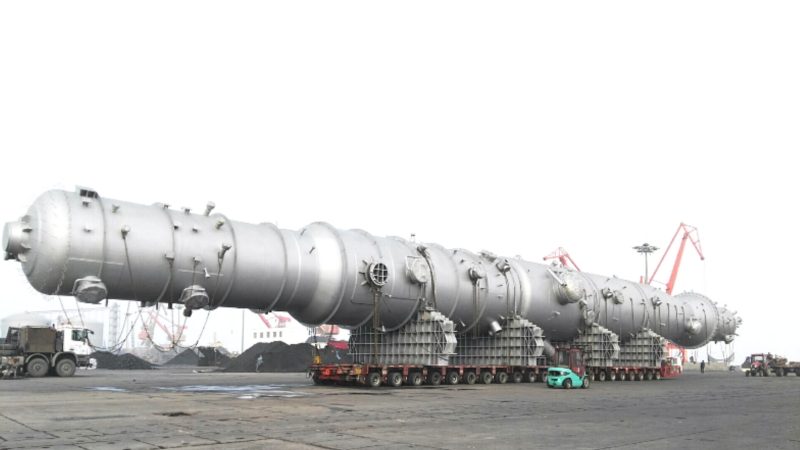
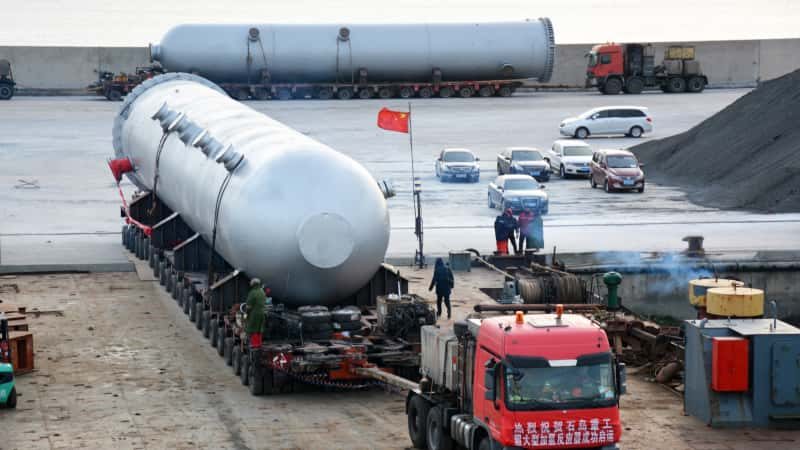
Transportation is one of the most underestimated cost components in heat exchanger procurement, especially for large shell and tube units. These exchangers are often bulky, heavy, and classified as oversized cargo, requiring specialized transportation methods such as heavy-haul trailers, rail transport, or even sea freight for international delivery. The cost of transportation depends heavily on the size, weight, and distance involved, as well as regulatory requirements such as permits, escorts, and route planning.
For example, an exchanger with a large shell diameter or extended tube length may exceed standard road transport limits, requiring special permits and escort vehicles. These requirements vary by region and can significantly increase costs and lead times. In addition, route constraints such as bridge load limits, road width, and turning radii may necessitate alternative transport methods or even partial disassembly of the equipment. Packaging and protection during transport also add to the cost, especially for high-value materials that require corrosion protection or vibration control.
| Transport Factor | Impact on Cost | Description |
|---|---|---|
| Oversized dimensions | High | Requires permits and escorts |
| Heavy weight | High | Specialized trailers needed |
| Long distance | Moderate-High | Increased fuel and logistics cost |
| International shipping | High | Customs, freight, insurance |
Installation Complexity and Site Conditions

Installation is another major cost driver that depends on site conditions, equipment configuration, and available infrastructure. Shell and tube heat exchangers often require heavy lifting equipment such as cranes or gantries for placement, particularly in large industrial facilities. The cost of crane rental, rigging, and skilled labor can be substantial, especially if the installation site is constrained or difficult to access.
Site preparation is also a critical factor. Foundations must be designed to support the weight of the exchanger and accommodate thermal expansion and vibration. In some cases, additional structural modifications or reinforcement may be required, adding to the overall cost. Furthermore, installation in remote or offshore locations introduces additional challenges, such as limited access to equipment, higher labor costs, and logistical complexities. These factors can significantly increase both time and expense.
Another important consideration is alignment and connection to existing systems. Precise alignment is required to ensure proper operation and prevent mechanical stress or leakage. This may involve additional labor, specialized tools, and extended installation time. Therefore, installation cost is not just about placing the equipment, but ensuring it operates safely and efficiently within the system.
| Installation Factor | Cost Impact | Description |
|---|---|---|
| Crane and lifting | High | Heavy equipment required |
| Site preparation | Moderate | Foundation and structural work |
| Remote location | High | Increased labor and logistics cost |
| System integration | Moderate | Alignment and connection work |
Design Influence on Transport and Installation Costs
Interestingly, the design of the heat exchanger itself can significantly influence both transportation and installation costs. Engineers often face a trade-off between designing a single large unit or multiple smaller modular units. A large, single-piece exchanger may offer better thermal efficiency and lower manufacturing cost per unit capacity, but it can be extremely difficult and expensive to transport and install. In contrast, modular designs allow the equipment to be transported in smaller sections and assembled on-site, reducing transportation constraints but increasing assembly complexity and labor costs.
Design features such as detachable components, lifting lugs, and transport supports can also affect logistics efficiency. Including these features during the design phase may slightly increase manufacturing cost but can significantly reduce installation time and risk. Additionally, compact designs that minimize footprint and weight can reduce both transport and installation costs, making them attractive for space-constrained facilities.
| Design Choice | Transport Impact | Installation Impact |
|---|---|---|
| Single large unit | Difficult | Easier assembly |
| Modular design | Easier | More assembly work |
| Compact design | Lower cost | Easier handling |
| Custom features | Slight increase | Reduced risk/time |
Risk Management and Hidden Costs

Beyond direct expenses, installation and transportation also introduce risks that can lead to hidden costs. Delays in delivery due to logistical challenges, weather conditions, or regulatory issues can disrupt project schedules and increase costs. Damage during transport is another risk, particularly for large or delicate components, which may require repair or replacement.
Improper installation can lead to operational issues such as leaks, vibration, or reduced efficiency, resulting in additional maintenance and downtime. To mitigate these risks, companies often invest in detailed logistics planning, insurance coverage, and experienced installation teams. While these measures add to upfront cost, they help prevent more significant losses in the long run.
| Risk Factor | Potential Cost Impact | Mitigation Strategy |
|---|---|---|
| Transport damage | High | Protective packaging |
| Delivery delays | Moderate-High | Logistics planning |
| Installation errors | High | Skilled labor & supervision |
| Regulatory issues | Moderate | Compliance planning |
Conclusion: Logistics Are a Critical Cost Component
Installation and transportation are integral components of shell and tube heat exchanger procurement costs, often accounting for a significant portion of the total investment. Ignoring these factors can lead to budget overruns, delays, and operational challenges. By considering logistics and installation requirements early in the design and procurement process, companies can optimize costs, reduce risks, and ensure successful project execution.
Why Should Lifecycle and Maintenance Costs Be Included in Shell and Tube Heat Exchanger Budgeting?

Many companies make the critical mistake of budgeting for a shell and tube heat exchanger based solely on its initial purchase price. At first glance, this seems financially efficient—but over time, hidden expenses such as energy consumption, fouling, corrosion, maintenance shutdowns, and part replacements begin to accumulate. These overlooked costs can quickly exceed the original investment, turning what appeared to be a cost-effective decision into a long-term financial burden. The real problem is not the upfront expense, but the failure to account for the total cost of ownership across the equipment’s operational life.
Lifecycle and maintenance costs must be included in shell and tube heat exchanger budgeting because they represent the majority of total ownership cost. Factors such as energy consumption, cleaning frequency, spare parts replacement, downtime, and equipment lifespan significantly impact long-term expenses. Including these costs ensures more accurate financial planning, better equipment selection, and improved operational efficiency.
To fully understand the financial implications, it is essential to examine how lifecycle and maintenance factors influence total cost and how they can be effectively managed.
The purchase price is the most important cost factor in heat exchanger budgeting.False
Operational, maintenance, and energy costs often exceed the initial purchase price over the equipment lifecycle.
Lifecycle Cost Breakdown: Beyond Initial Investment

Lifecycle cost analysis (LCCA) provides a comprehensive framework for evaluating the true cost of a shell and tube heat exchanger. Instead of focusing only on the purchase price, LCCA considers all costs incurred throughout the equipment’s lifespan, including installation, operation, maintenance, and eventual replacement. In most industrial applications, the initial purchase cost typically accounts for only a small percentage of the total lifecycle cost—often less than 30%. The remaining costs are distributed across energy consumption, maintenance activities, and operational inefficiencies.
Energy consumption is usually the largest contributor to lifecycle cost. Heat exchangers operate continuously in many industrial processes, and even small inefficiencies in heat transfer can lead to significant increases in energy usage. For example, a poorly designed exchanger with low thermal efficiency may require higher flow rates or additional heating or cooling, resulting in increased utility costs. Maintenance costs, including cleaning, inspection, and repair, also accumulate over time, particularly in systems prone to fouling or corrosion.
| Cost Component | Percentage of Lifecycle Cost |
|---|---|
| Initial Purchase | 20–30% |
| Energy Consumption | 40–60% |
| Maintenance | 10–25% |
| Downtime & Losses | 5–15% |
Maintenance Frequency and Operational Reliability

Maintenance frequency is a key factor that directly impacts both cost and operational reliability. Shell and tube heat exchangers are susceptible to fouling, scaling, and corrosion, depending on the fluids being processed. These issues reduce heat transfer efficiency and increase pressure drop, requiring regular cleaning and maintenance to restore performance. Each maintenance event involves labor costs, cleaning materials, and often system shutdowns, which can disrupt production and reduce profitability.
High-quality heat exchangers designed with proper material selection and optimized flow patterns can significantly reduce fouling and maintenance frequency. For example, smoother tube surfaces and better flow distribution minimize deposit formation, extending the time between cleaning cycles. Additionally, designs that allow easy access to tube bundles simplify maintenance procedures and reduce labor time. While such features may increase initial cost, they provide substantial savings by reducing maintenance frequency and improving system uptime.
| Maintenance Factor | Low-Quality Design | Optimized Design |
|---|---|---|
| Cleaning frequency | High | Low |
| Downtime | Frequent | Minimal |
| Labor cost | High | Reduced |
| Reliability | Lower | Higher |
Energy Efficiency and Long-Term Savings

Energy efficiency is one of the most critical contributors to lifecycle cost, particularly in energy-intensive industries such as chemical processing, power generation, and oil refining. The efficiency of a heat exchanger determines how effectively it transfers heat between fluids, directly impacting the amount of energy required to achieve process conditions. Even a small improvement in efficiency can result in significant cost savings over time.
For instance, an exchanger with optimized heat transfer surfaces and proper design can reduce energy consumption by 10–20% compared to a basic design. Over a period of 10 to 15 years, this reduction can translate into substantial financial savings, often exceeding the initial cost difference between a standard and a high-performance unit. Conversely, selecting a low-cost exchanger with poor efficiency can lead to continuously higher energy bills, making it more expensive in the long run.
| Parameter | Standard Unit | High-Efficiency Unit |
|---|---|---|
| Initial Cost | Lower | Higher |
| Energy Consumption | Higher | Lower |
| Annual Energy Cost | $20,000 | $15,000 | |
| 10-Year Energy Cost | $200,000 | $150,000 |
Downtime, Risk, and Hidden Financial Impacts

Beyond direct maintenance and energy costs, lifecycle considerations also include indirect costs such as downtime, production losses, and operational risks. Unplanned shutdowns caused by equipment failure can have severe financial consequences, particularly in continuous production environments. For example, a heat exchanger failure in a refinery or chemical plant can halt operations, leading to lost production, contractual penalties, and increased repair costs.
Including lifecycle costs in budgeting allows companies to account for these risks and invest in more reliable equipment. Features such as corrosion-resistant materials, robust construction, and advanced monitoring systems reduce the likelihood of failure and improve operational stability. Additionally, proper budgeting enables the implementation of preventive maintenance programs, which further reduce the risk of unexpected breakdowns.
| Risk Factor | Financial Impact | Mitigation Strategy |
|---|---|---|
| Equipment failure | High | Better design & materials |
| Unplanned downtime | Very High | Preventive maintenance |
| Efficiency loss | Moderate | Regular monitoring |
| Repair costs | Moderate | Quality components |
Conclusion: True Cost Lies in the Lifecycle
Including lifecycle and maintenance costs in shell and tube heat exchanger budgeting is essential for making informed and economically sound decisions. While the initial purchase price is important, it represents only a fraction of the total cost of ownership. By considering energy consumption, maintenance requirements, downtime risks, and equipment lifespan, companies can select solutions that deliver long-term value, reliability, and efficiency.
Conclusion
Understanding the full spectrum of cost considerations in shell and tube heat exchanger procurement is essential for making a financially sound investment. By evaluating not just the upfront cost but also materials, design, compliance standards, and long-term operational expenses, buyers can significantly reduce total cost of ownership and improve system efficiency.
FAQ
Q1: What are the main capital cost factors in shell and tube heat exchanger procurement?
A:
Capital cost is the initial investment required to purchase and install a shell and tube heat exchanger. It is one of the most significant considerations during procurement and depends on several interrelated factors.
The primary contributors to capital cost include:
- Material of Construction: Stainless steel, titanium, and exotic alloys cost significantly more than carbon steel but may be necessary for corrosion resistance and high तापमान applications.
- Heat Transfer Area: Larger surface areas increase cost due to more tubes, larger shells, and additional fabrication requirements.
- Design Pressure and Temperature Ratings: Higher design limits require thicker materials and more robust construction, increasing fabrication complexity and cost.
- Manufacturing Standards: Compliance with standards such as TEMA or ASME adds to cost due to stricter quality control and certification requirements.
- Customization: Non-standard designs, special tube layouts, or unique configurations increase engineering and manufacturing expenses.
Installation costs are also part of capital expenditure and include:
– Foundations and structural support
– Piping and connections
– Labor and commissioning
While minimizing capital cost is important, selecting the cheapest option can lead to higher operational or maintenance costs later. Therefore, procurement decisions should balance upfront investment with long-term performance and reliability.
Q2: How do operating and energy costs impact overall heat exchanger expenses?
A:
Operating costs are recurring expenses incurred during the heat exchanger’s lifecycle, and they often exceed the initial capital cost over time. Energy consumption is the most significant contributor to these costs.
Key factors influencing operating costs include:
- Pressure Drop: Higher pressure drop increases pump or compressor energy requirements, leading to higher electricity costs.
- Thermal Efficiency: Efficient heat exchangers require less energy to achieve desired तापमान changes, reducing utility costs.
- Flow Rates: Higher flow rates may improve heat transfer but increase energy consumption.
Energy costs are directly tied to system design:
– Poorly optimized exchangers may require additional heating or cooling utilities
– Inefficient designs lead to wasted energy and higher operational expenses
Other operational costs include:
– Monitoring and control systems
– Routine inspections
– Cleaning and minor repairs
To minimize operating costs, engineers often perform lifecycle cost analysis rather than focusing solely on purchase price. Investing in a more efficient exchanger may have a higher upfront cost but significantly lower energy expenses over time, resulting in better long-term value.
Q3: What maintenance and fouling costs should be considered?
A:
Maintenance costs are a critical part of heat exchanger procurement because they directly affect long-term reliability and operational efficiency. Fouling—the accumulation of deposits on heat transfer surfaces—is one of the primary drivers of maintenance expenses.
Common sources of fouling include:
– Scale from hard water
– Biological growth
– Corrosion byproducts
– Particulate matter
Fouling reduces heat transfer efficiency and increases pressure drop, leading to higher energy consumption and potential system downtime.
Maintenance-related costs include:
– Cleaning Procedures: Mechanical cleaning, chemical cleaning, or high-pressure water jetting
– Downtime Costs: Lost production during maintenance shutdowns
– Replacement Parts: Tubes, gaskets, and seals
– Labor Costs: Skilled technicians for inspection and repair
Design choices can influence maintenance costs:
– Removable tube bundles allow easier cleaning
– Proper material selection reduces corrosion and fouling
– Optimized flow velocities minimize deposit buildup
Ignoring maintenance considerations during procurement can lead to frequent shutdowns and high operating costs. Therefore, selecting a design that facilitates easy maintenance and minimizes fouling is essential for cost-effective operation.
Q4: Why is lifecycle cost analysis important in heat exchanger procurement?
A:
Lifecycle cost analysis (LCCA) evaluates the total cost of owning and operating a heat exchanger over its entire lifespan, rather than focusing only on initial purchase price. This approach provides a more accurate picture of the true economic impact of the equipment.
Lifecycle costs include:
– Initial capital cost
– Installation expenses
– Energy consumption
– Maintenance and repair costs
– Downtime and productivity losses
– Disposal or replacement costs
LCCA helps decision-makers:
– Compare different design options objectively
– Identify cost-saving opportunities over time
– Avoid underestimating long-term expenses
For example:
– A low-cost exchanger may have high fouling rates, leading to frequent cleaning and downtime
– A more expensive unit with better materials and design may offer lower operating costs and longer service life
By considering all cost components, LCCA ensures that procurement decisions align with long-term financial and operational goals. It is especially important in industries like oil and gas, power generation, and chemical processing, where equipment reliability and efficiency are critical.
Q5: How do material selection and design choices influence overall costs?
A:
Material selection and design configuration play a crucial role in determining both initial and ongoing costs of a shell and tube heat exchanger.
Material Selection:
– Carbon steel is cost-effective but may not resist corrosion
– Stainless steel offers better durability but at a higher cost
– Exotic materials like titanium are expensive but essential for aggressive environments
Choosing the right material involves balancing cost with performance requirements such as:
– Corrosion resistance
– Temperature tolerance
– Mechanical strength
Design Choices:
– Fixed tube sheet designs are cheaper but harder to maintain
– U-tube and floating head designs cost more but allow easier cleaning and thermal expansion
– Baffle design affects both heat transfer efficiency and pressure drop
These decisions impact:
– Fabrication complexity
– Maintenance requirements
– Operational efficiency
An optimized design reduces long-term costs by improving efficiency and minimizing maintenance needs. Therefore, engineers must carefully evaluate both material and design options to achieve the best balance between cost, performance, and durability.
References
- Heat Exchanger Design Handbook – https://www.elsevier.com/books/heat-exchanger-design-handbook/kaka/978-0-08-044040-3 – Elsevier
- Fundamentals of Heat Exchanger Design – https://www.wiley.com/en-us/Fundamentals+of+Heat+Exchanger+Design-p-9780471321717 – Wiley
- TEMA Standards – https://www.tema.org/standards/ – Tubular Exchanger Manufacturers Association
- ASME Boiler and Pressure Vessel Code – https://www.asme.org/codes-standards – ASME
- Heat Exchangers: Selection, Rating, and Thermal Design – https://www.crcpress.com/Heat-Exchangers-Selection-Rating-and-Thermal-Design/Kuppan/p/book/9781439842121 – CRC Press
- Engineering Toolbox: Heat Exchangers – https://www.engineeringtoolbox.com/heat-exchangers-d_419.html – Engineering Toolbox
- Spirax Sarco Heat Transfer Guide – https://www.spiraxsarco.com/learn-about-steam/steam-engineering-principles-and-heat-transfer – Spirax Sarco
- DOE Industrial Energy Efficiency – https://www.energy.gov/eere/amo/industrial-energy-efficiency – U.S. Department of Energy
- ScienceDirect Heat Exchanger Articles – https://www.sciencedirect.com/topics/engineering/heat-exchanger – ScienceDirect
- NPTEL Heat Transfer Course – https://nptel.ac.in/courses/112105254 – NPTEL