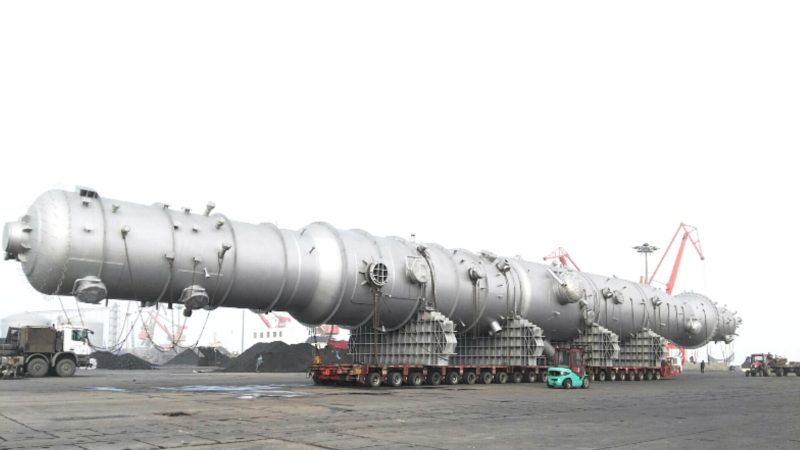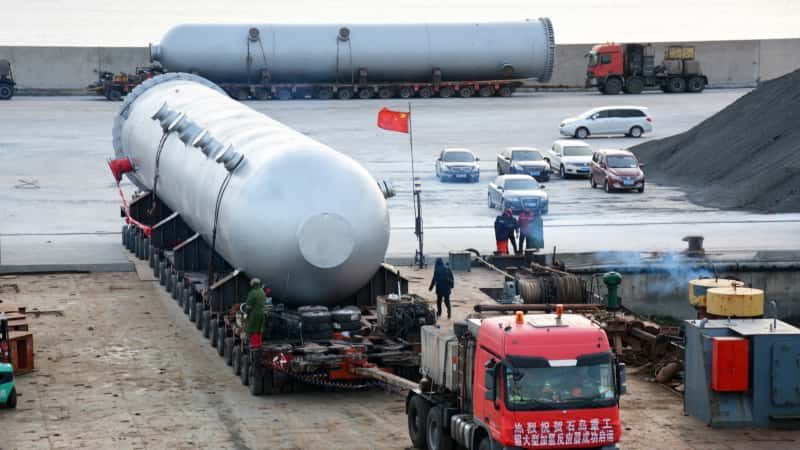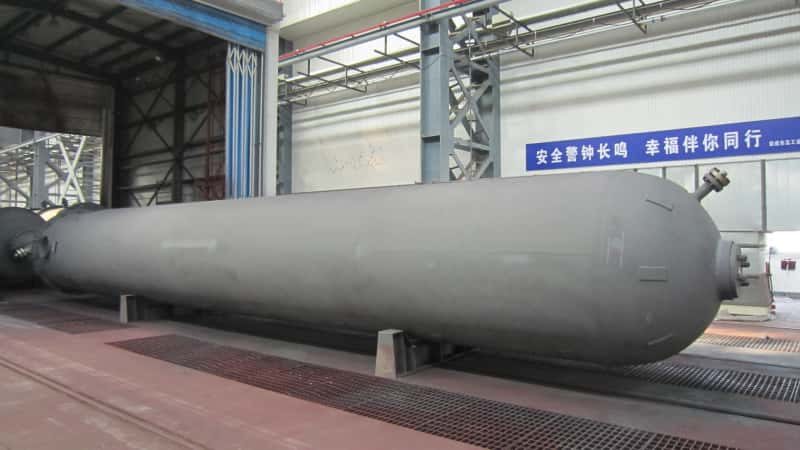

Two shell-and-tube heat exchanger quotations can describe the same nominal heat-transfer duty—or even the same quoted surface area—yet cover materially different equipment, inspections, documentation and delivery obligations. A lower price may reflect an efficient, compliant proposal. It may also reflect a different technical basis, a legitimate alternative configuration, or work that the buyer must procure separately. Price alone cannot distinguish these explanations.
For EPC buyers, the practical starting point is to compare technically acceptable quotations against the same approved operating cases and a clearly defined supply boundary. Only then can material costs, mechanical construction, inspection scope and commercial terms be evaluated without confusing a lower equipment price with a lower overall project cost.
This guide explains the shell and tube heat exchanger cost factors that affect complete industrial equipment quotations. It provides a non-numeric bid-comparison method, explains which technical and commercial deviations need clarification, and identifies the documents to request before award. It does not publish unsupported market price ranges or replace project-specific engineering and commercial review.
Why Can Two Shell-and-Tube Heat Exchangers Have Different Prices at the Same Heat-Transfer Area?
Heat-transfer area is a useful design and comparison parameter, but area is not a complete equipment specification or a stand-alone measure of manufacturing cost.
The same stated area can be arranged in different tube lengths, diameters, passes, bundle layouts and shell configurations. Those choices influence the number and type of components, the available maintenance access, the heat-transfer coefficient, the hydraulic performance, and the fabrication approach. The specified service may also require different pressure-boundary materials, corrosion provisions or construction details.
For example, two offers can quote similar nominal areas while differing in:
- Thermal rating: the operating cases and fluid properties used to establish the stated duty.
- Allowable pressure drop: whether both sides meet the buyer's limits at the specified flows.
- Configuration: fixed-tubesheet, U-tube or floating-head arrangements, as applicable.
- Materials: tube, shell, channel and tubesheet specifications; solid alloy versus permitted combinations of base metal and corrosion-resistant material.
- Mechanical design: governing construction code, design conditions, support details and approved drawings.
- Quality scope: welding and heat-treatment requirements, nondestructive examination (NDE), test records, traceability and purchaser inspection points.
- Commercial scope: preservation, packing, export documentation, freight, site delivery and other buyer/seller responsibilities.
A smaller quoted area is not automatically more efficient, and a larger area is not necessarily overdesign. The relevant question is whether each supplier's rating satisfies the same approved process requirements using a technically credible basis.
Likewise, a lower quotation is not evidence of poor workmanship by itself. Buyers should first identify any difference in equipment scope or engineering assumptions and determine whether that difference is acceptable.
Start with a three-part cost distinction
| Cost layer | What it can include | Buyer question |
|---|---|---|
| Equipment quotation | Agreed design, fabrication, required tests, documentation and the seller's defined delivery obligations | What is actually included in the supplier's priced offer? |
| Project installed cost | Freight or import costs not in the seller's scope, lifting, foundations, piping, utilities, installation and commissioning | Which activities and risks remain with the EPC or owner? |
| Operating and lifecycle considerations | Energy effects, maintenance access, cleaning, inspection and future outage exposure | Have the alternatives been evaluated using credible plant-specific assumptions? |
These layers must not be added or compared twice. A supplier's delivery term and scope of work determine which items are already included in the first layer.
Which Technical Inputs Must Be Identical Before Comparing Quotations?
A quotation cannot be fairly compared until the buyer defines a controlled technical bid basis. Supplier-specific alternatives can be evaluated, but they should not silently replace the project requirements.
Align the process and thermal-hydraulic basis
The approved enquiry should identify, for each relevant operating case:
| RFQ input | What the buyer should define or request | Why an unaligned basis distorts comparison |
|---|---|---|
| Service and duty | Process purpose, required heat duty and operating cases | Suppliers may rate different duties or only the nominal case |
| Fluid identity and composition | Both-side streams, relevant contaminants and expected variations | Affects properties, materials, fouling and potential damage mechanisms |
| Flowrates and inlet conditions | Operating ranges, minimum/normal/maximum cases where relevant | Changes the thermal and hydraulic rating |
| Required outlet conditions | Temperature or phase requirements and applicable tolerances | Defines whether the offered duty is achieved |
| Fluid properties | Density, viscosity, heat capacity, conductivity, vapor-liquid behavior and valid sources | Property assumptions can materially alter a calculated rating |
| Fouling/design allowances | Approved fouling basis and any specified margins | Different allowances may produce incomparable surface areas |
| Allowable pressure drop | Separate shell-side and tube-side limits for relevant cases | A low-area solution may not meet hydraulic restrictions |
| Design and upset conditions | Design pressure, design temperature and any applicable cyclic or abnormal conditions | May change mechanical requirements and material suitability |
| Site restrictions | Plot-space, maintenance clearances, orientation and lifting limitations | May exclude an otherwise technically attractive configuration |
The purchaser's approved information should govern this comparison. The existing heat exchanger purchasing specifications guide provides broader discussion of how these process inputs are assembled; this article focuses on what happens when two complete-equipment quotations are compared.
The Tubular Exchanger Manufacturers Association (TEMA) offers a free heat exchanger specification sheet that can help structure consistent information exchange. Completing a data sheet does not remove the need for competent thermal and mechanical engineering review.
Require the same operating-case evidence
At a minimum, the buyer should request a clearly identified design or rating case for each offer, including proposed exchanger configuration, quoted area, predicted duty and both-side pressure drops at the stated conditions.
For multi-case service, an acceptable nominal rating alone does not establish compliance across turndown, maximum load, startup-related conditions or other cases included in the approved enquiry. The responsible engineer must specify and assess whichever cases govern the project.
If a supplier proposes a revised fouling basis, lower flow, changed outlet temperature or different fluid properties, that is a technical deviation. It must be listed explicitly rather than hidden inside a lower purchase price.
How Do Configuration, Materials and Fabrication Choices Affect the Equipment Price?
Once the process basis is consistent, differences in mechanical construction can explain a substantial part of the remaining quotation variation. The direction and size of any cost difference depend on the actual design and manufacturing proposal; they should not be inferred from a generic price-ranking table.
Compare exchanger arrangements for their intended service
A fixed-tubesheet arrangement, U-tube bundle and removable floating-head construction solve different combinations of thermal expansion, maintainability and mechanical design needs. They may also differ in machining, component count and assembly operations.
A removable bundle can support particular maintenance approaches, but it can require a more complex construction and suitable withdrawal space. A fixed-tubesheet construction can have fewer removable interfaces in some arrangements, yet the engineering team must assess differential thermal expansion and cleaning access. U-tube arrangements likewise present distinct cleaning and bundle-layout considerations.
Do not assume one TEMA arrangement is universally cheaper or better. Ask the supplier to identify the offered configuration, its technical rationale and any deviation from the approved type.
Other configuration details worth normalizing include channel and head design, tube layout and dimensions, baffle/support arrangement, nozzle orientation, support points, removable components and the maintenance envelope. These are complete-equipment design considerations—not an invitation to compare prices for individual tubes or accessories.
Compare materials by component, not by a single label
A quotation described simply as “stainless steel exchanger” may not identify the same material for all pressure-retaining and heat-transfer parts. A proper material schedule should cover, as relevant:
- Shell, heads and channel components.
- Tubes and tubesheets.
- Internal components exposed to the process fluids.
- Cladding, weld overlay or linings where included and technically approved.
- Supports, attachments and relevant connection materials.
- Specified gaskets, bolting and other integral assembly materials.
The correct selection depends on the process media, impurities, temperatures, damage mechanisms, mechanical requirements and governing construction rules. A nominal alloy name does not establish corrosion suitability for every service.
For bid purposes, the buyer should request material specifications and product forms, not just broad categories such as carbon steel, stainless steel or nickel alloy. Any proposed material substitution needs formal engineering review, including its impact on fabrication, inspection and contractual requirements.
A combination of materials, cladding or overlay should only be compared with a solid-alloy alternative when technically permitted and sufficiently defined. Neither solution should be presumed lower cost, longer lasting or within a particular manufacturer's confirmed capability without evidence.
Capture fabrication requirements explicitly
Manufacturing cost can also vary because of:
- Code-driven wall thickness and joint details determined by the approved design.
- Material availability, forming and machining requirements.
- Welding processes, procedure and personnel qualifications.
- Heat treatment where required by the applicable design and materials.
- Dimensional tolerances and fit-up demands.
- Special surface preparation, cleaning or preservation.
- Manufacturing sequence and agreed inspection hold points.
A quotation for a more complex fabrication scope is not necessarily evidence of an unnecessary upgrade. Equally, additional complexity is not proof of better performance. The engineer should decide whether each requirement is necessary for the service and contract.
Which Codes, Inspections and Documents Must Be Included in the Quoted Scope?
Code and inspection obligations affect engineering effort, quality planning, manufacturing sequence and final documentation. They should be specified as distinct requirements, rather than grouped under an undefined promise such as “internationally certified.”
Identify the governing editions and certification basis
For equipment within the applicable scope, ASME Boiler and Pressure Vessel Code (BPVC) Section VIII may be part of the pressure-vessel construction basis. The ASME Boiler and Pressure Vessel Certification Program distinguishes manufacturer authorization from the certification marking and records applicable to an actual item of equipment.
The quotation should therefore identify the relevant code edition and division, required certification mark or other project-specific conformity evidence, and final manufacturing records. A manufacturer's general certificate does not by itself demonstrate that the particular quoted exchanger will receive a specified mark.
TEMA addresses exchanger-specific mechanical standards and construction practices; it is not an automatic substitute for pressure-vessel certification or a jurisdictional approval. Specify the TEMA edition and relevant class, as well as approved deviations.
TEMA states that its 2026 Edition was issued on August 1, 2026 and took effect immediately, while the 2024 Eleventh Edition remains considered current for work in process during a six-month grace period. This publication rule does not automatically amend an existing contract. A late-2026 RFQ should expressly record the adopted edition so that competing suppliers do not price different mechanical requirements. See TEMA's official support page and 2026 Standards summary.
The project's destination market may impose additional conformity requirements. Applicable local regulations, contractual certification and independent inspection requirements should be established by the responsible compliance and engineering teams rather than assumed to apply identically worldwide.
Separate code-required activities from additional purchaser requirements
A useful inspection and documentation register states the requirement, extent, governing basis, responsible party, witness point, deliverable and inclusion status.
| Requirement group | Typical items to clarify | Potential quotation difference |
|---|---|---|
| Design records | Approved drawings, calculations and technical document submissions | One offer includes the required submission/revision cycle; another limits it |
| Material records | Specified certificates and traceability records | Different documentation scope or material substitutions |
| Welding and heat treatment | Required qualified procedures, records and heat treatment where applicable | Different approved fabrication methods or scopes |
| NDE and examinations | Methods, coverage and acceptance basis as specified | Different inspection extent—not all methods apply to every weld |
| Pressure/leak testing | Applicable tests and final reports | Tests, hold points or purchaser witnessing may be omitted or separately priced |
| Third-party involvement | Authorized inspection, notified body or purchaser-appointed inspector as applicable | Responsibilities and fees differ by project and jurisdiction |
| Final dossier | Manufacturer's Data Report where applicable, test certificates, as-built drawings and other agreed records | Incomplete or differently formatted handover packages |
Do not assume that every exchanger requires radiography, ultrasonic examination, PMI, postweld heat treatment or purchaser witness of every test. The applicable code, actual design, materials, jurisdiction and contract determine the obligations. Conversely, a supplier cannot remove a mandatory requirement merely to reduce its quote.
If an optional or additional test is requested after bid submission, record whether it triggers a technical change, a pricing variation and a schedule effect. For more detailed code distinctions, consult the project specifications and current official standards; do not infer paid-code clauses from a sales brochure.
What Is Included in the Supplier's Price—and What Remains With the EPC?
Even technically compliant equipment offers can have substantially different commercial boundaries. A bid tabulation should clearly separate included items, exclusions, buyer-supplied services and items requiring clarification.
Define the complete-equipment scope
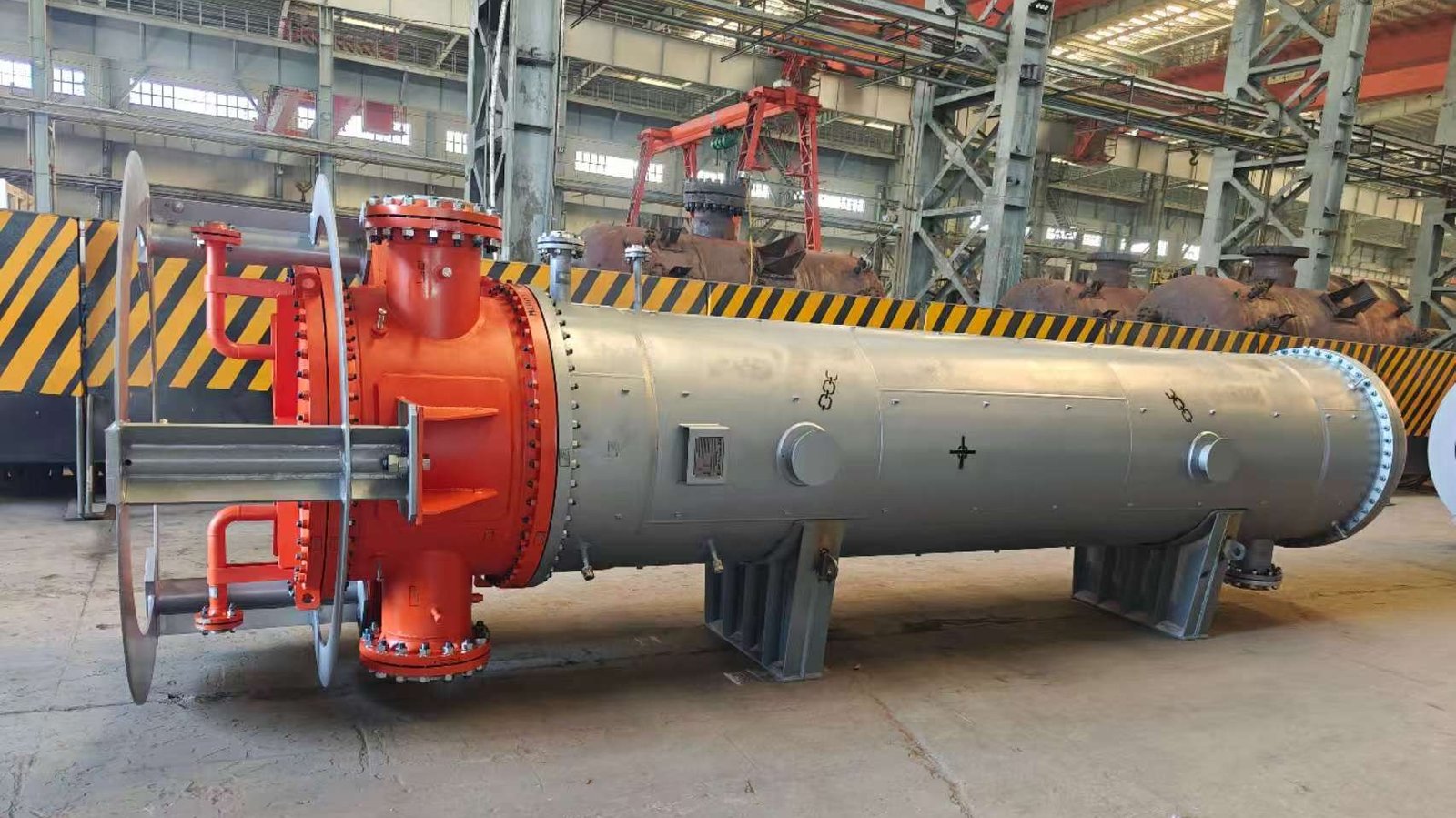
Depending on the contract, the quoted package may include the fabricated pressure equipment, integral nozzles and supports, specified internals, installed attachments, inspection and testing, preservation, export packaging and agreed documentation.
The buyer should verify such items explicitly. A quotation that says “complete shell-and-tube heat exchanger” should still define its battery limits, connections, documentation and accepted exclusions.
Typical clarifications include:
- Whether required lifting points, shipping supports and preservation are provided.
- Whether insulation or coating systems, if specified, are included or excluded.
- Whether integral instruments or other package interfaces are within the seller's scope.
- Whether drawings, calculation packages and final dossier copies are priced.
- Whether purchaser or third-party inspection fees and factory visit arrangements are included.
- Whether field erection, unloading, foundations, piping, electrical/control work and commissioning are excluded.
- Whether a quoted spare-parts provision refers only to specified items or to a separate commercial option.
This is a comparison of whole-equipment supply, not a stand-alone parts purchasing guide.
Specify delivery terms and logistics responsibilities
The International Chamber of Commerce's Incoterms® 2020 allocate defined delivery obligations, risks and costs between buyer and seller when properly incorporated into a contract. They are not, by themselves, a complete purchase agreement.
A bid comparison should record the named place, selected Incoterms rule and version, transport mode, packing standard, preservation period, export/import documentation responsibilities, insurance arrangements and site handling interfaces as applicable.
Special dimensions or weights may trigger route studies, handling arrangements or delivery restrictions. These depend on actual equipment dimensions and project logistics. Avoid applying a generic oversized-shipment premium to all large exchangers.
Equipment price, delivered price and installed project cost are different comparison bases. For example, an offer excluding overseas freight cannot be directly compared with a delivered-price offer without normalizing the excluded transport responsibilities and other differences.
Keep installation and commissioning outside the equipment price unless contracted
The EPC's installed-cost assessment may require separate allowances or actual offers for receiving, lifting, foundations, tie-in piping, access, utilities, commissioning and site management. The manufacturer should not be presumed responsible for these activities unless the contract says so.
Avoid adding hypothetical installation figures to a quotation comparison. Identify the excluded scope, responsible contractor, evidence needed for pricing and unresolved project risk.
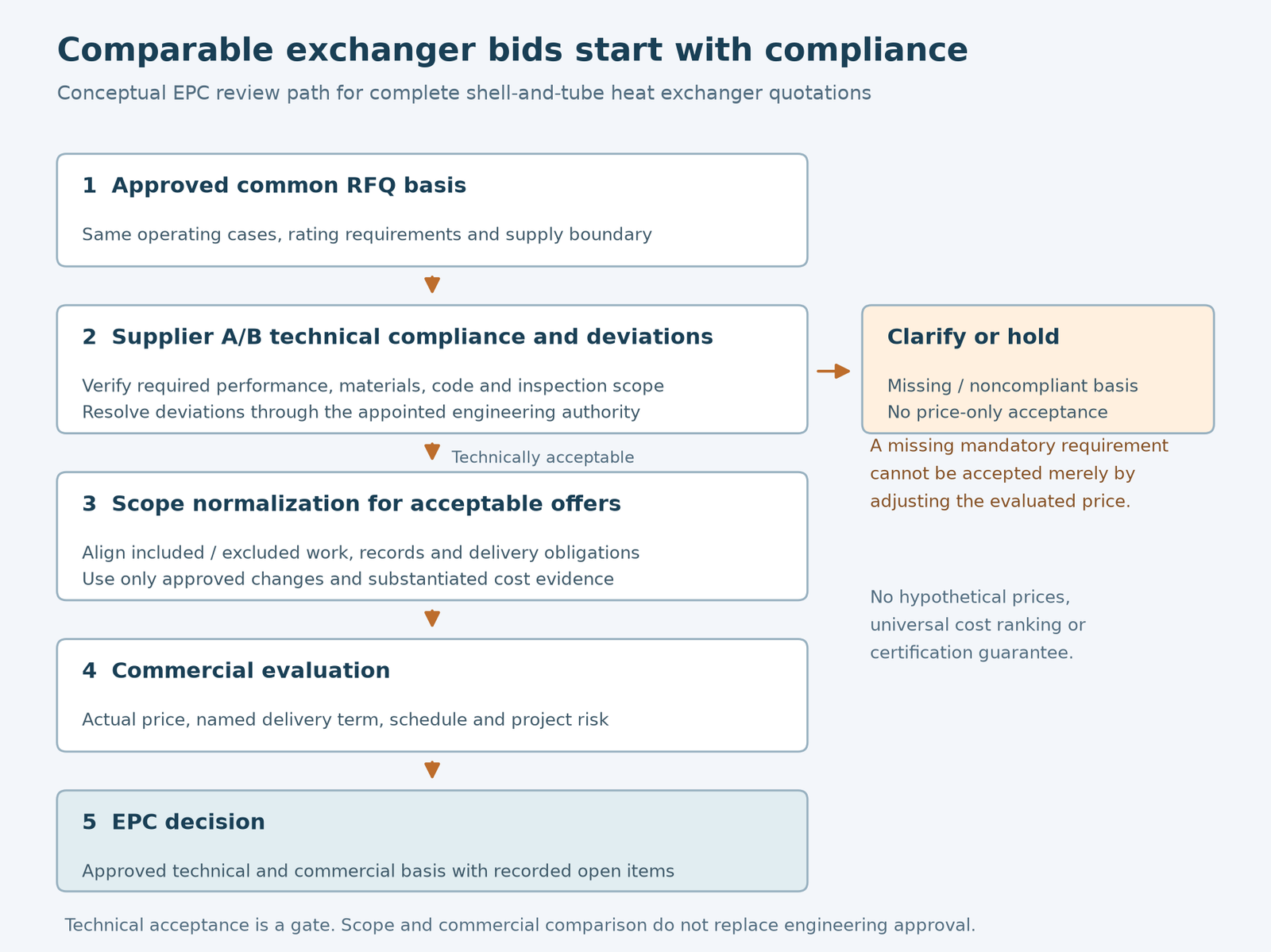
How Should EPC Buyers Normalize Two Heat Exchanger Quotations?
A practical bid evaluation has two distinct steps: technical acceptability followed by commercial normalization. A bid that fails a mandatory safety or performance requirement should not be treated as equivalent merely by assigning a notional price to the deficiency.
Step 1: Assess technical compliance and deviations
Use a controlled technical bid evaluation (TBE) register. Each item should be classified as:
- Compliant: satisfies the approved requirement with adequate evidence.
- Compliant with clarification: appears acceptable, but an identified fact or deliverable requires confirmation.
- Deviation / alternative: differs from the approved requirement and needs engineering acceptance or rejection.
- Not demonstrated: insufficient information to establish compliance.
A supplier's alternative design can be valuable, but it should be reviewed as an identified alternative, not silently compared as if it were the base specification.
Step 2: Use a qualitative comparison before introducing prices
The matrix below is illustrative only. “Offer A” and “Offer B” are fictional labels for different scope descriptions; there are no real bids, market prices or implied vendor rankings.
| Comparison line | Offer A: described scope | Offer B: described scope | EPC action before price comparison |
|---|---|---|---|
| Thermal rating | Includes duty and both-side pressure-drop results at listed cases | Provides only a nominal-area figure | Obtain a comparable rating for B; hold technical approval |
| Mechanical arrangement | Quoted against specified configuration | Proposes an alternative arrangement | Review and approve or reject the alternative |
| Material schedule | Lists shell, tubes and tubesheet specifications | Describes only “stainless steel” | Request component-by-component specifications |
| Construction standards | States agreed code and TEMA edition | States “ASME/TEMA” without editions | Clarify applicable division, edition and product-level evidence |
| Inspection and testing | Lists required activities and hold points | Refers to “standard testing” | Require an inspection and test plan with defined extent |
| Final documents | Identifies required reports and drawings | Provides an unspecified dossier | Compare against project document register |
| Packing and transport | Specifies agreed export packing and delivery boundary | States only ex-works availability | Clarify named delivery terms, freight and protection |
| Site works | Explicitly excluded | Not addressed | Confirm responsibilities in both offers |
| Deviations | Technical exceptions listed | No separate deviation schedule | Require positive confirmation or a signed deviation list |
Do not assign invented monetary values to blank cells. If actual commercial quotes and reliable supplemental bids exist, procurement can calculate evaluated totals on a consistent contractual and currency basis, while recording uncertainty for unpriced items.
Step 3: Create an auditable normalization register
An effective bid comparison record includes:
| Register field | Purpose |
|---|---|
| Requirement ID / RFQ revision | Ensures all offers are measured against the same document |
| Bidder's offered basis | Records what was actually quoted |
| Compliance status | Separates compliant proposals from open deviations |
| Clarification / proposed change | States precisely what must be resolved |
| Engineering approval owner | Identifies who may accept the technical alternative |
| Included / excluded / buyer-supplied | Establishes the supply boundary |
| Actual adjustment, if substantiated | Records only supported commercial normalization amounts |
| Schedule implication | Separately reviews fabrication, inspection and delivery effects |
| Residual risk / open issue | Prevents unresolved exclusions from disappearing at award |
A final bid ranking should be based on technically acceptable proposals evaluated under a common commercial basis. It should not imply that either the lowest or the highest initial quotation is necessarily the best choice.
What Should Buyers Send to Obtain Comparable Complete-Equipment Quotations?
A well-structured enquiry helps suppliers price the same work and reduces later disputes over omitted requirements.
Minimum handover checklist
| Package | Data to provide or decision to confirm | Responsible source |
|---|---|---|
| Process basis | Fluid identity and composition, duty, flows, temperatures, phase conditions, pressure-drop limits and operating cases | Owner / process engineer |
| Thermal basis | Fluid properties, fouling assumptions, thermal margins and applicable calculation requirements | Process / thermal engineer |
| Mechanical basis | Design conditions, governing code and edition, materials, arrangement and approved interfaces | Mechanical / materials engineer |
| Compliance basis | Jurisdictional requirements, TEMA edition, certification, inspection, testing and witness scope | Project engineering / compliance / QA |
| Physical interfaces | Plot restrictions, support locations, lifting limitations, shipping envelopes and maintenance clearances | EPC layout / civil / mechanical |
| Documentation | Bid drawings, calculations, material records, test reports, as-built and final dossier expectations | EPC document control / QA |
| Commercial scope | Included items, excluded work, buyer supply, delivery term with named place, logistics and warranty requirements | EPC procurement / contracts |
| Deviations | Separate list of technical and commercial exceptions, with response dates | Supplier, reviewed by EPC |
Where process information is incomplete, the RFQ should identify the missing data and request a qualified engineering clarification. It should not invite suppliers to assume different conditions without disclosure.
For projects seeking a complete industrial unit, the site's shell-and-tube heat exchanger product page provides the relevant product category. Procurement discussions should be based on the approved equipment specification, the project location and the defined manufacturing scope. The supplier's actual capacity, certification applicability and proposal exclusions must be confirmed for the specific enquiry, not inferred from general website claims.
Consider lifecycle effects, but do not invent savings
Pumping and utility demands, cleanability, inspection access and fouling behavior may affect operating costs. However, these considerations should be evaluated using site-specific duty, operating hours, utility economics, maintenance strategy and credible engineering calculations.
No universal energy-saving percentage, maintenance-cost multiplier or payback period can be assigned to a particular shell-and-tube arrangement merely from a quotation description. An optional lifecycle analysis should show its assumptions and uncertainty separately from the verified equipment offer.
Frequently Asked Questions
What are the main shell and tube heat exchanger cost factors?
The main factors include the approved duty and operating cases, exchanger configuration, pressure and temperature design, materials by component, fabrication complexity, required code and inspection scope, documentation, packaging, transport and contractual supply boundary. The importance of each factor depends on the actual project; there is no reliable universal percentage allocation.
Why can two exchangers with the same surface area have different quotations?
The same nominal area can be produced using different tubes, lengths, arrangements and materials, with different pressure-drop performance and maintenance characteristics. The quotations may also include different certification, tests, documentation or delivery obligations. Buyers should compare compliant ratings and complete scope rather than area alone.
How should an EPC calculate the evaluated cost of a heat exchanger?
Start with technically acceptable offers under the same approved requirements. Identify the seller's actual price, agreed delivery term, included items and any substantiated prices for excluded work or accepted changes. Build an evaluated commercial comparison without double-counting costs; use actual quotes rather than invented industry allowances. Project installed cost and lifecycle estimates should be identified separately.
Does a more expensive exchanger necessarily have better quality?
No. A higher price may reflect materials, fabrication demands, tests, logistics or a wider scope of supply, but it is not proof of superior quality. Conversely, a lower price does not establish noncompliance. Technical evidence and contractual scope are required to interpret the difference.
Which exclusions should buyers check in a heat exchanger quotation?
Check the exact boundaries for certification and inspection, purchaser or third-party witness, final records, preservation and packing, freight and insurance, unloading, installation, foundations, piping connections, commissioning and other site activities. The supplier should identify exclusions and buyer-supplied items explicitly.
Should every quotation use the TEMA 2026 Edition?
For current procurement, the parties should identify the chosen contractual edition and applicable grace-period circumstances rather than assume that an unstated “latest TEMA” reference creates the same basis for every bidder. TEMA issued its 2026 Edition on August 1, 2026 and announced a six-month transition for work in process under the 2024 Eleventh Edition. Project-specific contractual and engineering acceptance remains necessary.
Can the lowest-priced technically compliant quotation be accepted?
Potentially, if technical compliance is demonstrated, exceptions are resolved, deliverables and supply boundaries are normalized, and the purchaser's commercial and project-risk assessment supports award. A low price alone is neither grounds for rejection nor a substitute for due diligence.
Conclusion
The most important shell and tube heat exchanger cost factors are not simply heat-transfer area, alloy name or the supplier's headline price. They are the engineering basis, accepted design, manufacturing and quality obligations, deliverables, and commercial scope represented by that price.
EPC teams should first lock the required process conditions, review technical compliance, identify deviations and normalize the supply boundary. Only then should they compare actual commercial offers and consider project installation or lifecycle implications using appropriately documented assumptions.
This approach makes quotations auditable and helps buyers avoid both unnecessary expenditure and the omission of requirements needed for the complete industrial exchanger.
References
- Tubular Exchanger Manufacturers Association (TEMA). TEMA Support Page. Official 2026 Edition and grace-period information; free specification sheets and nomenclature resources. https://support.tema.org/
- TEMA. Introducing the 2026 Edition of the TEMA Standards. Official overview of additions and updated specification sheet. https://tema.org/standards/
- American Society of Mechanical Engineers (ASME). Boiler and Pressure Vessel Certification. Official manufacturer authorization and pressure-vessel certification program description. https://www.asme.org/certification-accreditation/boiler-and-pressure-vessel-certification
- ASME. ASME Data Report Forms. Official examples and descriptions of relevant construction records. https://www.asme.org/codes-standards/publications-information/asme-data-report-forms
- International Chamber of Commerce (ICC). Incoterms® 2020. Official explanation of standard international trade terms. https://iccwbo.org/business-solutions/incoterms-rules/incoterms-2020/
- ICC Digital Library. Incoterms® and Commercial Contracts. Explanation of obligations, risks and costs allocated by the rules, and their limits. https://library.iccwbo.org/clp/clp-incoterms-qa-2020.htm