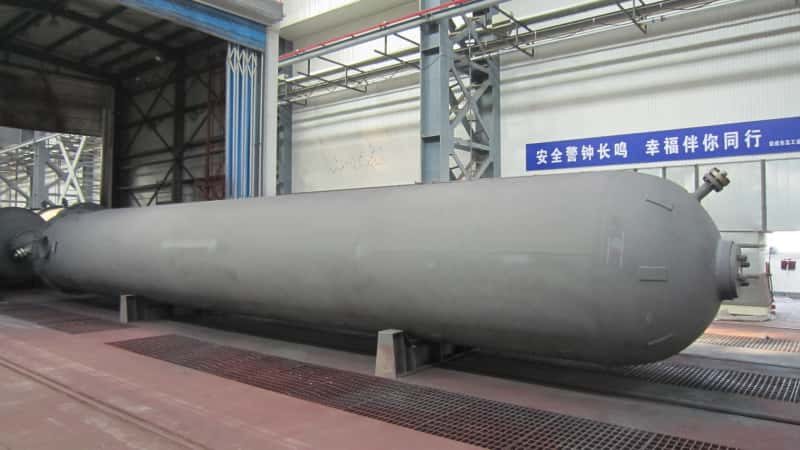

Selecting the wrong recovery tower or column can lead to poor separation efficiency, excessive energy consumption, corrosion failures, unstable operation, and expensive downtime. Many buyers focus only on capacity or price while overlooking critical engineering specifications such as material compatibility, operating pressure, internal design, and heat transfer performance. These oversights can reduce product purity, increase maintenance costs, and shorten equipment lifespan. Understanding the essential specifications before purchasing helps ensure reliable performance, process efficiency, and long-term operational value.
The key specifications for purchasing a recovery tower and column include processing capacity, operating temperature and pressure, material construction, separation efficiency, tower diameter and height, internal components (packing or trays), corrosion resistance, energy consumption, automation level, and compliance with industry standards. Buyers should also evaluate the application requirements, chemical compatibility, maintenance accessibility, and supplier engineering support to ensure optimal system performance and long-term reliability.
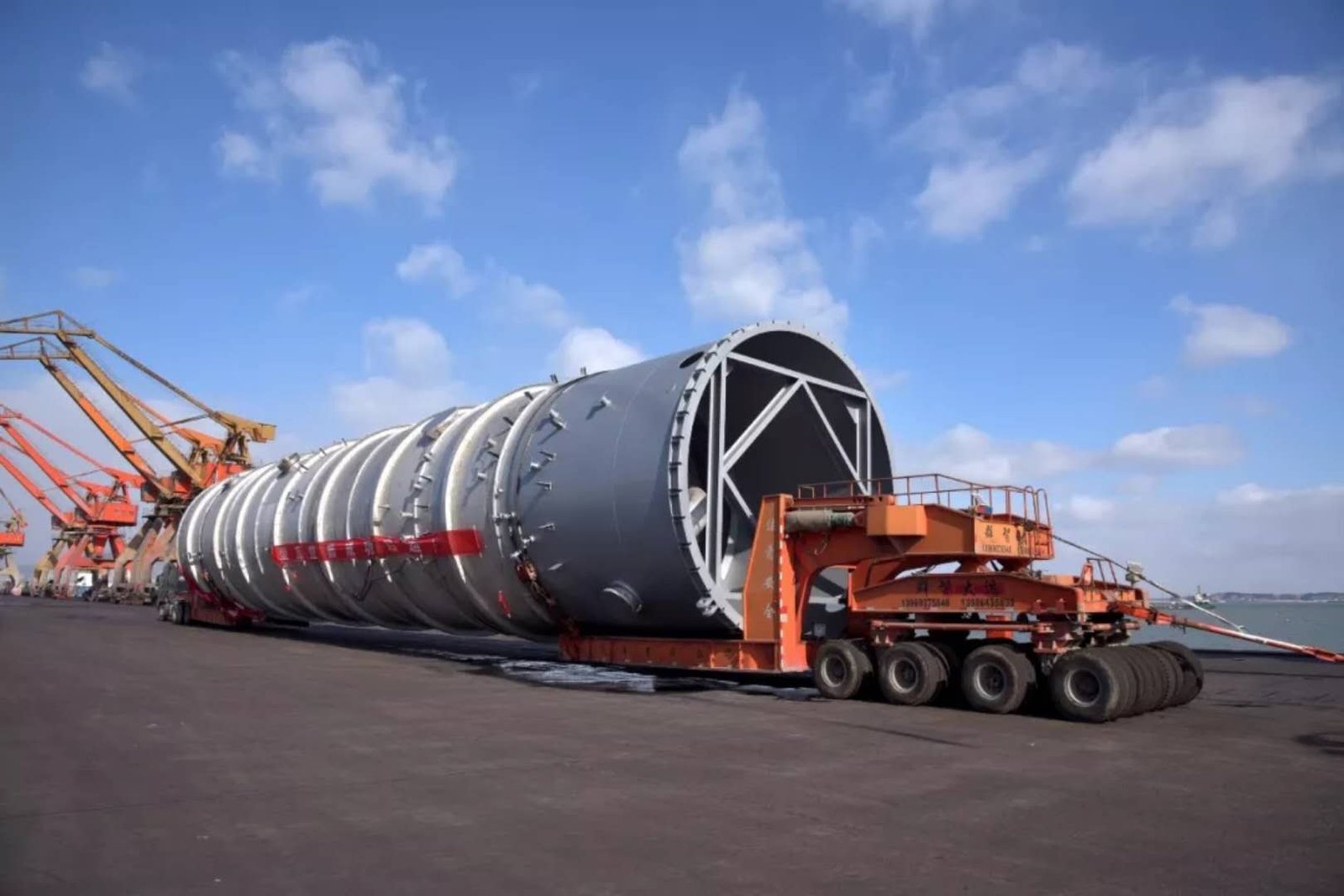
Whether you are purchasing a recovery tower for chemical processing, solvent recovery, petrochemical refining, pharmaceutical manufacturing, or environmental applications, understanding these technical specifications is essential for making an informed investment decision. The following guide outlines the most important factors to evaluate when selecting the right recovery tower and column for your operational requirements.
Why Are Recovery Tower & Column Specifications Important for Industrial Performance?
Industrial facilities often experience reduced productivity, excessive energy consumption, unstable product quality, and unplanned downtime because recovery towers and columns are improperly specified. When equipment dimensions, pressure ratings, material selection, tray configuration, or vapor-liquid handling capacities do not match actual operating conditions, the entire process becomes inefficient and unreliable. Poor specifications can lead to flooding, pressure instability, corrosion damage, contamination, thermal inefficiency, and shortened equipment lifespan. These problems increase operating costs, reduce throughput, and create long-term maintenance challenges. Proper recovery tower and column specifications solve these issues by optimizing separation efficiency, hydraulic stability, energy performance, and operational reliability across demanding industrial applications.
Recovery tower and column specifications are essential for industrial performance because they directly affect separation efficiency, energy consumption, process stability, corrosion resistance, operating safety, and long-term production reliability. Proper specifications—including tower diameter, height, tray or packing type, material construction, pressure and temperature ratings, vapor-liquid flow capacity, and automation systems—ensure efficient mass transfer, reduced downtime, lower operational costs, improved product purity, and compliance with industrial safety and environmental standards.
Recovery towers and columns are not simple storage vessels; they are highly engineered mass transfer systems that determine how effectively industrial processes recover, separate, purify, or strip chemical compounds. Whether used in petrochemical refining, solvent recovery, pharmaceutical purification, food processing, gas absorption, or wastewater treatment, the technical specifications of the tower directly influence productivity and profitability. Companies that invest in optimized specifications consistently achieve better process efficiency, lower maintenance costs, and stronger long-term operational performance.
Recovery tower specifications directly affect industrial energy efficiency and separation performance.True
Tower dimensions, internals, and hydraulic design determine mass transfer efficiency, pressure drop, and thermal performance, all of which influence operating costs and product quality.
All recovery tower materials perform equally well under corrosive industrial conditions.False
Different process chemicals, temperatures, and pressures require specific corrosion-resistant materials to ensure long-term reliability and safe operation.
What Are Recovery Towers and Industrial Columns?
Recovery towers and industrial columns are process equipment designed to separate, recover, purify, or absorb specific chemical components from liquid or gas streams. These systems rely on vapor-liquid equilibrium and mass transfer principles to achieve efficient separation.
Common industrial applications include:
- Distillation
- Solvent recovery
- Gas absorption
- Chemical stripping
- Product purification
- Waste gas treatment
Recovery towers are critical because many industrial processes depend on precise separation efficiency to maintain product quality and economic performance.
Main Industrial Applications of Recovery Towers
| Industry | Primary Application | Main Performance Goal |
|---|---|---|
| Petrochemical | Hydrocarbon separation | Maximum throughput |
| Pharmaceutical | Solvent purification | Ultra-high purity |
| Food Processing | Concentration and extraction | Product consistency |
| Wastewater Treatment | Gas scrubbing | Emission reduction |
| Chemical Manufacturing | Product recovery | Process efficiency |
| Environmental Engineering | VOC removal | Regulatory compliance |
Each application requires different specifications depending on operating conditions, chemical properties, and production objectives.
Why Tower Specifications Directly Influence Industrial Performance
The performance of a recovery tower depends on how effectively vapor and liquid phases interact inside the column. Every specification influences this interaction.
Key Performance Factors Controlled by Specifications
| Specification | Industrial Impact |
|---|---|
| Tower diameter | Vapor velocity and flooding control |
| Tower height | Number of separation stages |
| Tray or packing design | Mass transfer efficiency |
| Material selection | Corrosion resistance |
| Pressure rating | Mechanical safety |
| Temperature capability | Thermal stability |
| Instrumentation | Process control accuracy |
Incorrect specifications reduce efficiency and increase operational risk.
How Tower Diameter Affects Separation Efficiency
Tower diameter is one of the most important design parameters because it determines vapor handling capacity and hydraulic stability.
Undersized Towers
When the diameter is too small:
- Vapor velocity increases excessively
- Flooding occurs
- Entrainment contaminates products
- Pressure drop rises sharply
Oversized Towers
When the diameter is too large:
- Vapor-liquid contact weakens
- Tray efficiency decreases
- Operational stability suffers under low loads
- Capital costs increase unnecessarily
Engineers calculate tower diameter using hydraulic load analysis and vapor-liquid flow modeling.
Typical Diameter Selection Factors
| Factor | Influence on Diameter |
|---|---|
| Vapor flow rate | Larger flow requires larger diameter |
| Liquid loading | High liquid rates increase hydraulic demand |
| Pressure conditions | Vacuum systems require wider towers |
| Internal type | Packing and trays have different capacities |
Proper diameter selection ensures stable operation across changing production conditions.
Importance of Tray and Packing Specifications
Tower internals determine how effectively vapor and liquid interact.
Tray Systems
Trays create staged vapor-liquid contact.
Common Tray Types
| Tray Type | Advantages | Limitations |
|---|---|---|
| Sieve trays | Low cost | Limited flexibility |
| Valve trays | Wide operating range | Moderate cost |
| Bubble cap trays | Stable low-flow operation | Higher pressure drop |
Valve trays are commonly used because they handle variable process loads efficiently.
Packing Systems
Packing provides continuous surface area for mass transfer.
Packing Categories
| Packing Type | Advantages | Best Application |
|---|---|---|
| Random packing | Economical | Gas absorption |
| Structured packing | High efficiency | Vacuum distillation |
Structured packing is increasingly preferred in modern facilities because it reduces pressure drop and improves energy efficiency.
Why Material Selection Is Critical
Recovery towers frequently operate in corrosive and high-temperature environments. Material compatibility directly affects equipment lifespan and operational safety.
Common Tower Construction Materials
| Material | Benefits | Limitations |
|---|---|---|
| Carbon steel | Low cost | Poor corrosion resistance |
| Stainless steel 304 | General corrosion protection | Limited chloride resistance |
| Stainless steel 316L | Excellent chemical resistance | Higher price |
| Duplex stainless steel | Superior strength and corrosion resistance | Complex fabrication |
| Titanium | Outstanding corrosion protection | Extremely expensive |
| FRP | Lightweight and corrosion resistant | Lower temperature capability |
Selecting the wrong material often causes:
- Corrosion failures
- Product contamination
- Structural damage
- Increased maintenance costs
How Pressure and Temperature Ratings Affect Reliability
Recovery towers must withstand specific operating pressures and temperatures safely.
High-Pressure Applications
Common in:
- Natural gas processing
- Petrochemical refining
- Ammonia production
High-pressure towers require:
- Reinforced shell construction
- Advanced welding procedures
- Enhanced safety systems
Vacuum Applications
Vacuum towers reduce boiling temperatures and improve thermal efficiency.
Benefits include:
- Lower energy usage
- Reduced product degradation
- Improved product quality
However, vacuum towers require stronger external structural support because atmospheric pressure compresses the vessel.
The Relationship Between Specifications and Energy Efficiency
Energy consumption is one of the largest operating expenses in industrial separation systems.
How Specifications Affect Energy Use
| Design Factor | Energy Impact |
|---|---|
| Structured packing | Reduces pressure drop |
| Optimized trays | Improves vapor-liquid contact |
| Efficient reboilers | Lowers steam consumption |
| Heat integration | Reduces utility demand |
Modern recovery towers focus heavily on thermal optimization because energy savings significantly improve profitability.
Hydraulic Design and Operational Stability
Hydraulic behavior determines whether the tower operates efficiently under real industrial conditions.
Common Hydraulic Problems
| Problem | Cause | Operational Impact |
|---|---|---|
| Flooding | Excessive vapor velocity | Reduced separation efficiency |
| Weeping | Insufficient vapor flow | Poor tray performance |
| Entrainment | Turbulence | Product contamination |
| Channeling | Poor liquid distribution | Reduced mass transfer |
| Foaming | Chemical instability | Capacity reduction |
Correct specifications minimize these issues.
Importance of Instrumentation and Automation
Modern industrial towers depend on advanced process monitoring systems.
Essential Instrumentation
- Temperature transmitters
- Differential pressure sensors
- Flow controllers
- Composition analyzers
- Level transmitters
Automation systems improve:
- Product consistency
- Energy optimization
- Process safety
- Predictive maintenance
Advanced digital control systems continuously optimize tower performance.
Environmental Compliance and Sustainability
Environmental regulations increasingly affect tower specifications.
Recovery towers now play a major role in:
- VOC reduction
- Solvent recovery
- Emission control
- Waste minimization
Environmental Benefits of Proper Specifications
| Improvement Area | Environmental Benefit |
|---|---|
| Improved solvent recovery | Lower hazardous emissions |
| Reduced energy use | Lower carbon footprint |
| Corrosion prevention | Reduced contamination risk |
| Efficient hydraulics | Reduced waste generation |
Poorly specified towers often struggle to meet environmental regulations.
Real Industrial Case Study
A chemical manufacturing plant experienced:
- Frequent flooding
- High steam consumption
- Inconsistent product purity
- Severe internal corrosion
The facility upgraded the recovery column using:
- Structured packing
- Larger tower diameter
- 316L stainless steel internals
- Advanced process instrumentation
Results After Optimization
| Performance Indicator | Before Upgrade | After Upgrade |
|---|---|---|
| Product purity | Unstable | Consistent |
| Steam consumption | Very high | Reduced by 25% |
| Downtime frequency | Frequent | Minimal |
| Recovery efficiency | 81% | 97% |
This demonstrates how specifications directly influence profitability and operational reliability.
Computational Fluid Dynamics (CFD) and Modern Tower Design
Modern engineers increasingly use CFD simulations to optimize tower specifications.
CFD helps analyze:
- Vapor distribution
- Pressure profiles
- Liquid maldistribution
- Turbulence behavior
- Thermal gradients
Digital engineering reduces design errors before fabrication begins.
Future Trends in Recovery Tower Technology
Several innovations are improving industrial tower performance.
Emerging Technologies
| Technology | Industrial Benefit |
|---|---|
| AI-based process optimization | Improved efficiency |
| Smart sensors | Predictive maintenance |
| Advanced structured packing | Lower pressure drop |
| Hybrid separation systems | Improved sustainability |
| Digital twin modeling | Real-time optimization |
Future tower systems will become increasingly automated and energy efficient.
Common Specification Mistakes
Undersized Towers
Causes:
- Flooding
- Throughput limitations
- Product contamination
Incorrect Material Selection
Causes:
- Corrosion failures
- Equipment damage
- Safety risks
Poor Hydraulic Design
Causes:
- Channeling
- Reduced efficiency
- Pressure instability
Ignoring Future Expansion
Causes:
- Expensive retrofits
- Limited production scalability
Proper engineering analysis prevents these problems.
Financial Impact of Proper Tower Specifications
Recovery tower specifications significantly affect long-term operating costs.
Lifecycle Cost Comparison
| Cost Category | Poor Specification | Optimized Specification |
|---|---|---|
| Initial investment | Lower | Moderate |
| Energy consumption | High | Lower |
| Maintenance cost | Frequent | Reduced |
| Downtime losses | Severe | Minimal |
| Equipment lifespan | Shorter | Longer |
Although optimized systems may require higher initial investment, lifecycle savings are substantially greater.
How to Select the Right Recovery Tower Manufacturer
Industrial buyers should evaluate:
- Engineering expertise
- Process simulation capability
- Fabrication quality
- Industry certifications
- Material traceability
- After-sales technical support
Reliable manufacturers provide:
- Customized engineering
- Performance optimization
- Long-term technical support
- Regulatory compliance assistance
Selecting an experienced supplier greatly improves project success.
Conclusion
Recovery tower and column specifications are essential because they directly determine industrial separation efficiency, hydraulic stability, product purity, energy consumption, operational safety, and long-term reliability. Every specification—from tower diameter and internal design to material selection and automation systems—affects how effectively the process performs under real operating conditions. Properly engineered towers improve productivity, reduce maintenance costs, minimize environmental impact, and maximize equipment lifespan. In modern industrial operations, optimized recovery tower specifications are critical for achieving sustainable profitability, operational efficiency, and competitive performance.
How Do Processing Capacity and Flow Rate Affect Recovery Tower & Column Selection?
Industrial facilities frequently encounter serious operational problems when recovery towers and columns are selected without properly considering processing capacity and flow rate requirements. An undersized tower may experience flooding, excessive pressure drop, unstable vapor-liquid equilibrium, reduced separation efficiency, and product contamination. Conversely, an oversized system can suffer from low vapor velocity, tray weeping, unstable operation at partial loads, and unnecessary capital investment. These problems reduce throughput, increase energy consumption, shorten equipment lifespan, and create costly maintenance issues. Proper evaluation of processing capacity and flow rate ensures that recovery towers and columns operate efficiently, safely, and economically under real industrial conditions.
Processing capacity and flow rate are critical factors in recovery tower and column selection because they determine tower diameter, internal configuration, vapor-liquid handling capability, pressure drop, hydraulic stability, energy efficiency, and separation performance. High flow rates require larger tower cross-sectional areas and optimized internals to prevent flooding and entrainment, while low or variable flow rates require flexible tray or packing systems to maintain mass transfer efficiency. Correctly matching tower specifications to actual process loads ensures stable operation, lower operating costs, improved product quality, and long-term industrial reliability.
Recovery towers and columns are highly dynamic process systems where vapor flow, liquid flow, pressure balance, thermal energy, and mass transfer interact continuously. Processing capacity and flow rate affect nearly every design parameter inside the tower, including tray spacing, packing efficiency, vapor velocity, liquid distribution, pressure drop, residence time, and reboiler duty. Industrial engineers must carefully analyze these variables to ensure that the selected equipment performs efficiently under both normal production conditions and future capacity expansions.
Higher process flow rates always improve recovery tower performance.False
Excessive flow rates can cause flooding, entrainment, pressure instability, and reduced separation efficiency inside the tower.
Recovery tower diameter is directly influenced by vapor and liquid flow rate calculations.True
Flow rate determines hydraulic loading, vapor velocity, and pressure drop, all of which are critical factors in tower diameter selection.
Understanding Processing Capacity in Recovery Towers
Processing capacity refers to the amount of material a recovery tower or column can handle during a specific operating period. Capacity is usually measured in:
- Tons per day
- Kilograms per hour
- Cubic meters per hour
- Gallons per minute
The required processing capacity directly affects:
- Tower size
- Internal design
- Heat transfer requirements
- Structural specifications
- Utility consumption
Industrial facilities must size towers according to both current production demand and anticipated future expansion.
Typical Processing Capacities by Industry
| Industry | Typical Capacity Range | Primary Tower Type |
|---|---|---|
| Petrochemical | Extremely high continuous flow | Fractionation columns |
| Pharmaceutical | Low to medium batch processing | Solvent recovery towers |
| Food Processing | Moderate liquid throughput | Evaporation columns |
| Environmental Engineering | Variable gas treatment flow | Absorption towers |
| Chemical Manufacturing | Medium to large continuous flow | Distillation towers |
Each application requires different hydraulic and thermal design priorities.
Why Flow Rate Is Critical in Tower Design
Flow rate determines how vapor and liquid phases interact inside the tower.
Two Main Flow Components
Vapor Flow Rate
The upward vapor flow affects:
- Flooding potential
- Pressure drop
- Tray loading
- Entrainment risk
Liquid Flow Rate
The downward liquid flow affects:
- Residence time
- Wetting efficiency
- Mass transfer area
- Weeping behavior
The balance between these flows is essential for stable separation performance.
How Flow Rate Influences Tower Diameter
Tower diameter is primarily determined by hydraulic load calculations.
High Vapor Flow Rates
When vapor flow increases:
- Vapor velocity rises
- Pressure drop increases
- Flooding risk becomes higher
Larger diameters reduce vapor velocity and maintain operational stability.
Low Vapor Flow Rates
When vapor flow is too low:
- Trays may weep
- Vapor-liquid contact weakens
- Separation efficiency decreases
Engineers optimize diameter selection to maintain stable performance across varying operating conditions.
Diameter Selection Factors
| Design Factor | Impact on Diameter |
|---|---|
| Vapor load | Higher vapor requires larger diameter |
| Liquid load | High liquid flow increases hydraulic demand |
| Pressure conditions | Vacuum systems often require larger diameters |
| Tray or packing type | Different internals have different capacities |
Proper diameter sizing prevents operational instability.
Flooding and Hydraulic Capacity Limits
Flooding is one of the most important hydraulic limitations in tower design.
What Causes Flooding?
Flooding occurs when upward vapor flow prevents liquid from flowing downward properly.
Consequences include:
- Increased pressure drop
- Reduced separation efficiency
- Product contamination
- Potential process shutdown
Flooding Velocity Relationship
V_f = C\sqrt{\frac{\rho_L – \rho_V}{\rho_V}}
Where:
- (V_f) = flooding velocity
- (C) = hydraulic capacity factor
- (\rho_L) = liquid density
- (\rho_V) = vapor density
Industrial towers typically operate at 70–85% of flooding velocity to maintain safety margins.
How Processing Capacity Affects Tower Height
Tower height is closely related to separation requirements and processing throughput.
Why Taller Towers Are Sometimes Necessary
Additional height provides:
- More theoretical stages
- Greater separation efficiency
- Improved product purity
However, taller towers also increase:
- Structural cost
- Wind loading
- Installation complexity
Height Determination Factors
| Factor | Effect on Tower Height |
|---|---|
| Product purity target | Higher purity requires more stages |
| Feed composition | Complex mixtures require taller towers |
| Tray efficiency | Efficient trays reduce required height |
| Packing performance | Advanced packing lowers stage count |
Engineers balance efficiency goals against economic constraints.
Impact of Flow Rate on Tray Selection
Tray design strongly depends on expected operating flow rates.
Sieve Trays
Advantages:
- Economical
- Simple construction
Limitations:
- Narrow operating range
- Sensitive to low vapor loads
Valve Trays
Advantages:
- Excellent flexibility
- Wide turndown capability
Best suited for:
- Variable production rates
Bubble Cap Trays
Advantages:
- Stable low-flow operation
Disadvantages:
- High pressure drop
- Higher fabrication cost
Tray Performance Comparison
| Tray Type | Best Flow Condition | Pressure Drop | Operational Flexibility |
|---|---|---|---|
| Sieve Tray | Stable moderate flow | Moderate | Limited |
| Valve Tray | Variable flow | Moderate | Excellent |
| Bubble Cap Tray | Low flow | High | Good |
Selecting the correct tray design improves operational reliability.
How Flow Rate Affects Packing Selection
Packed towers depend heavily on flow distribution quality.
Structured Packing
Advantages:
- High efficiency
- Very low pressure drop
- Excellent vacuum performance
Random Packing
Advantages:
- Lower cost
- Easier installation
Limitations:
- Less uniform flow distribution
Common Packing Problems
Poor flow distribution can cause:
- Channeling
- Reduced surface utilization
- Lower separation efficiency
Advanced liquid distributors are often required for large-diameter packed towers.
Pressure Drop and Energy Consumption
Pressure drop is a major operating cost factor.
Excessive Pressure Drop Causes
- Higher compressor loads
- Increased steam consumption
- Reduced throughput
- Greater equipment stress
Pressure Drop by Internal Type
| Internal Design | Typical Pressure Drop |
|---|---|
| Structured packing | Very low |
| Random packing | Moderate |
| Sieve trays | Moderate |
| Bubble cap trays | High |
Reducing pressure drop improves energy efficiency significantly.
Relationship Between Capacity and Thermal Energy Demand
Higher processing capacity requires greater thermal energy input.
Increased Capacity Leads To
- Higher reboiler duty
- Larger condenser loads
- Increased utility consumption
Thermal Optimization Strategies
Modern facilities improve efficiency through:
- Heat integration
- Multi-effect evaporation
- Vapor recompression
- Advanced process control systems
Efficient thermal design reduces long-term operating expenses.
Turndown Ratio and Flexible Operation
Industrial processes rarely operate at full capacity continuously.
What Is Turndown Ratio?
Turndown ratio measures operational flexibility.
Example:
- A 4:1 turndown ratio allows stable operation from 25% to 100% capacity.
Why Turndown Matters
Production rates vary due to:
- Seasonal demand
- Feedstock variability
- Maintenance schedules
- Product changes
Poor turndown capability causes:
- Operational instability
- Reduced product quality
- Energy inefficiency
Valve trays and advanced packing systems improve flexibility.
Vapor-Liquid Equilibrium and Mass Transfer Efficiency
Efficient separation depends on balanced vapor-liquid interaction.
Flow Rate Influences
| Parameter | Effect on Separation |
|---|---|
| Vapor velocity | Determines contact intensity |
| Liquid distribution | Affects surface utilization |
| Residence time | Influences equilibrium efficiency |
| Turbulence level | Impacts mass transfer rate |
Improper flow balance reduces separation quality.
Computational Fluid Dynamics (CFD) in Tower Selection
Modern tower design increasingly relies on CFD simulation technology.
CFD helps engineers analyze:
- Vapor flow distribution
- Pressure profiles
- Turbulence zones
- Liquid maldistribution
- Thermal behavior
This improves design accuracy before fabrication.
Real Industrial Case Study
A chemical processing facility increased production by 40% without upgrading its solvent recovery tower.
Operational Problems Experienced
- Tower flooding
- Pressure instability
- Poor product purity
- Frequent shutdowns
The engineering team upgraded the system using:
- Larger tower diameter
- Structured packing
- Improved liquid distributors
- Advanced automation systems
Results After Optimization
| Performance Indicator | Before Upgrade | After Upgrade |
|---|---|---|
| Product purity | Inconsistent | Stable |
| Steam consumption | High | Reduced by 23% |
| Downtime frequency | Frequent | Minimal |
| Recovery efficiency | 79% | 96% |
This demonstrates how capacity alignment directly affects industrial profitability.
Safety Risks of Incorrect Capacity Selection
Improper hydraulic design creates major safety concerns.
Potential Hazards
| Hydraulic Problem | Safety Risk |
|---|---|
| Flooding | Overpressure conditions |
| Excessive pressure drop | Mechanical stress |
| Poor liquid distribution | Thermal imbalance |
| Corrosion acceleration | Leakage and contamination |
Proper flow analysis minimizes operational hazards.
Importance of Planning for Future Expansion
Industrial facilities often increase production over time.
Why Future Capacity Matters
Undersized towers may require:
- Expensive retrofits
- Production shutdowns
- Complete equipment replacement
Engineers often include:
- Extra nozzle capacity
- Structural reinforcement
- Additional tray allowances
Planning for scalability improves long-term investment value.
Common Mistakes in Tower Capacity Selection
Underestimating Peak Flow Conditions
Causes:
- Flooding
- Throughput bottlenecks
- Product instability
Ignoring Variable Production Rates
Causes:
- Poor turndown performance
- Operational inefficiency
Improper Distributor Design
Causes:
- Channeling
- Reduced packing efficiency
Oversizing Without Process Analysis
Causes:
- Higher capital cost
- Inefficient low-load operation
Proper process simulation prevents these issues.
Economic Impact of Proper Tower Sizing
Correct tower sizing significantly improves lifecycle economics.
Financial Benefits
| Benefit | Economic Result |
|---|---|
| Lower energy use | Reduced utility costs |
| Stable operation | Higher productivity |
| Reduced maintenance | Lower repair expenses |
| Improved product quality | Increased product value |
| Longer equipment lifespan | Better return on investment |
Optimized systems often achieve rapid payback through improved efficiency.
Emerging Technologies Improving Capacity Management
Modern recovery systems increasingly use:
- AI-driven process optimization
- Smart instrumentation
- Digital twin technology
- Predictive maintenance systems
- Real-time hydraulic monitoring
These technologies improve operational adaptability under changing production conditions.
Conclusion
Processing capacity and flow rate are among the most important factors affecting recovery tower and column selection because they directly determine hydraulic behavior, separation efficiency, pressure drop, energy consumption, operational flexibility, and long-term reliability. Properly matching tower diameter, internal configuration, tray or packing design, and thermal systems to expected vapor and liquid loads ensures stable operation while preventing flooding, weeping, entrainment, and excessive operating costs. Accurate capacity analysis also supports future scalability, environmental compliance, and improved process safety. In modern industrial operations, optimized tower selection based on realistic processing conditions is essential for maximizing productivity, minimizing energy consumption, and improving long-term profitability.
What Operating Temperature and Pressure Specifications Should Be Considered for a Recovery Tower & Column?
Industrial recovery towers and columns often suffer from reduced efficiency, unstable operation, accelerated corrosion, equipment fatigue, and even catastrophic failure when operating temperature and pressure specifications are improperly selected. Excessive temperatures may cause thermal degradation, material expansion, internal damage, or product decomposition, while incorrect pressure ratings can lead to flooding, pressure imbalance, mechanical stress, leakage, and unsafe operating conditions. In many industrial processes, even slight deviations from optimal thermal and pressure conditions significantly affect separation efficiency, product purity, energy consumption, and equipment lifespan. Proper operating temperature and pressure specifications ensure hydraulic stability, reliable vapor-liquid equilibrium, efficient heat transfer, safe mechanical performance, and long-term industrial productivity.
Operating temperature and pressure specifications are critical for recovery towers and columns because they determine vapor-liquid equilibrium, separation efficiency, material compatibility, hydraulic stability, thermal energy consumption, and mechanical safety. Proper specification of operating ranges—including maximum and minimum temperatures, design pressure, vacuum conditions, thermal expansion allowances, and pressure-drop limitations—ensures efficient mass transfer, corrosion resistance, process reliability, reduced energy consumption, and compliance with industrial safety standards across chemical, petrochemical, pharmaceutical, refining, and environmental applications.
Recovery towers and columns operate in highly dynamic thermal and pressure environments where vaporization, condensation, heat exchange, fluid flow, and mass transfer occur simultaneously. Temperature and pressure influence boiling points, density differences, vapor velocity, phase equilibrium, and material performance throughout the entire separation process. Engineers must carefully analyze process conditions, chemical properties, hydraulic behavior, and long-term operating demands to ensure the tower performs safely and efficiently under real industrial workloads.
Improper temperature specifications can reduce recovery tower separation efficiency and damage process materials.True
Temperature directly affects vapor-liquid equilibrium, heat transfer, corrosion behavior, and thermal stability inside industrial towers.
All recovery towers can safely operate under any pressure condition if the tower diameter is large enough.False
Pressure ratings depend on shell thickness, material strength, weld quality, and mechanical design limitations, not only tower diameter.
Why Temperature and Pressure Specifications Matter in Recovery Towers
Temperature and pressure are the two most important process variables affecting industrial separation systems.
Key Performance Areas Influenced by Temperature and Pressure
| Specification Factor | Industrial Impact |
|---|---|
| Operating temperature | Vaporization and thermal stability |
| Operating pressure | Boiling point and vapor density |
| Pressure drop | Energy efficiency |
| Thermal gradients | Mechanical stress |
| Vacuum conditions | Product quality preservation |
| High-pressure operation | Structural safety |
Incorrect specifications reduce efficiency and increase operational risks.
Understanding Operating Temperature in Recovery Towers
Operating temperature refers to the thermal conditions inside different sections of the recovery tower during operation.
Typical Temperature Zones
| Tower Section | Typical Temperature Condition |
|---|---|
| Reboiler section | Highest temperature |
| Feed section | Intermediate temperature |
| Rectification section | Controlled separation temperature |
| Condenser section | Lowest temperature |
Each section requires careful thermal management.
How Temperature Affects Vapor-Liquid Equilibrium
Separation efficiency depends heavily on vapor-liquid equilibrium behavior.
Higher Temperatures
Higher temperatures:
- Increase vaporization rates
- Improve component separation
- Increase energy consumption
- May degrade heat-sensitive products
Lower Temperatures
Lower temperatures:
- Reduce thermal degradation
- Lower vapor generation
- May reduce separation efficiency
Vapor Pressure Relationship
\ln P = -\frac{\Delta H_{vap}}{RT} + C
Where:
- (P) = vapor pressure
- (\Delta H_{vap}) = heat of vaporization
- (R) = gas constant
- (T) = temperature
- (C) = constant
This relationship demonstrates how temperature directly affects vapor formation and separation behavior.
Maximum Operating Temperature Considerations
Industrial towers must be designed to tolerate maximum process temperatures safely.
High Temperature Risks
Excessive temperatures can cause:
- Material weakening
- Thermal expansion
- Gasket failure
- Product decomposition
- Accelerated corrosion
Common Maximum Temperature Limits
| Material | Approximate Maximum Operating Temperature |
|---|---|
| Carbon steel | Moderate temperature capability |
| Stainless steel 304 | High-temperature resistance |
| Stainless steel 316L | Improved thermal stability |
| Duplex stainless steel | Excellent strength retention |
| FRP | Limited high-temperature capability |
Material selection must match thermal conditions precisely.
Importance of Minimum Operating Temperature
Low temperatures can also create operational problems.
Potential Low-Temperature Issues
- Condensation instability
- Increased viscosity
- Reduced vapor generation
- Freezing risks
- Brittleness in some materials
Cryogenic systems require specialized alloys and insulation designs.
Thermal Expansion and Mechanical Stress
Temperature changes create expansion and contraction forces throughout the tower structure.
Components Affected by Thermal Expansion
- Tower shell
- Internal trays
- Packing supports
- Piping systems
- Weld joints
Thermal Expansion Equation
\Delta L = \alpha L_0 \Delta T
Where:
- (\Delta L) = length expansion
- (\alpha) = thermal expansion coefficient
- (L_0) = original length
- (\Delta T) = temperature change
Engineers include expansion joints and flexible supports to manage thermal stress safely.
Understanding Operating Pressure in Recovery Towers
Operating pressure significantly affects separation behavior and mechanical design.
Common Pressure Categories
| Pressure Type | Typical Application |
|---|---|
| Atmospheric pressure | Standard distillation |
| Vacuum operation | Heat-sensitive products |
| Moderate pressure | Chemical processing |
| High-pressure operation | Gas processing and refining |
Each pressure range requires different structural and hydraulic considerations.
Why Pressure Directly Affects Separation Efficiency
Pressure influences boiling points and vapor density.
High Pressure Operation
Benefits:
- Smaller equipment size
- Increased throughput capacity
Challenges:
- Higher energy consumption
- Stronger vessel requirements
- Increased mechanical stress
Vacuum Operation
Benefits:
- Lower boiling temperatures
- Reduced thermal degradation
- Improved product quality
Challenges:
- Larger tower diameter requirements
- Structural reinforcement needs
- Sensitive leak control
Design Pressure vs Operating Pressure
Recovery towers are designed with safety margins.
Definitions
| Term | Meaning |
|---|---|
| Operating pressure | Normal process pressure |
| Design pressure | Maximum allowable pressure |
| Test pressure | Pressure used during inspection |
Design pressure always exceeds operating pressure for safety compliance.
Pressure Drop Considerations
Pressure drop is one of the most important hydraulic specifications.
Causes of Pressure Drop
- Vapor friction
- Tray resistance
- Packing resistance
- Flow turbulence
Effects of Excessive Pressure Drop
| Problem | Industrial Impact |
|---|---|
| Increased energy use | Higher operating cost |
| Reduced throughput | Lower productivity |
| Compressor overload | Equipment stress |
| Reduced efficiency | Poor separation |
Low-pressure-drop systems improve energy efficiency significantly.
Relationship Between Temperature, Pressure, and Boiling Point
Boiling point changes with pressure.
Boiling Point Principle
P_1V_1 = P_2V_2
Lower pressure reduces boiling temperature, which is why vacuum distillation protects heat-sensitive products.
Vacuum Recovery Towers
Vacuum towers are widely used in:
- Pharmaceutical production
- Lubricating oil refining
- Specialty chemical processing
Advantages of Vacuum Operation
| Benefit | Industrial Advantage |
|---|---|
| Lower operating temperature | Reduced product degradation |
| Improved product purity | Better process quality |
| Lower thermal stress | Longer equipment life |
Vacuum systems require precise sealing and structural reinforcement.
High-Pressure Recovery Towers
High-pressure systems are common in:
- Natural gas processing
- Ammonia production
- Petrochemical refining
High-Pressure Design Requirements
- Thicker shell walls
- Reinforced welds
- High-strength materials
- Advanced safety systems
Pressure vessel codes strictly regulate these systems.
Material Selection Based on Temperature and Pressure
Operating conditions strongly influence material compatibility.
Material Selection Factors
| Condition | Material Requirement |
|---|---|
| High temperature | Thermal stability |
| Corrosive environment | Chemical resistance |
| High pressure | Mechanical strength |
| Vacuum service | Structural rigidity |
Incorrect material selection dramatically reduces equipment lifespan.
Instrumentation for Temperature and Pressure Control
Modern towers require advanced monitoring systems.
Common Instrumentation
- Pressure transmitters
- Temperature sensors
- Differential pressure indicators
- Automated control valves
- Safety relief systems
Automation improves:
- Operational stability
- Energy efficiency
- Safety compliance
Safety Considerations for Temperature and Pressure Design
Improper specifications create major safety risks.
Potential Hazards
| Failure Mode | Safety Consequence |
|---|---|
| Overpressure | Vessel rupture |
| Excessive temperature | Material failure |
| Thermal shock | Structural cracking |
| Vacuum collapse | Shell deformation |
Industrial safety standards require rigorous engineering analysis.
ASME and International Design Standards
Most industrial towers follow:
- ASME Boiler and Pressure Vessel Code
- API standards
- EN standards
- ISO standards
Compliance ensures:
- Mechanical reliability
- Worker safety
- Regulatory approval
Energy Efficiency and Thermal Optimization
Temperature and pressure optimization directly affect operating costs.
Energy-Saving Strategies
| Strategy | Benefit |
|---|---|
| Heat integration | Lower steam demand |
| Optimized reflux ratio | Improved separation |
| Structured packing | Lower pressure drop |
| Advanced automation | Reduced energy waste |
Energy-efficient tower design improves profitability.
Real Industrial Case Study
A solvent recovery facility experienced:
- Product degradation
- Excessive steam consumption
- Internal corrosion
- Pressure instability
The engineering team redesigned the tower using:
- Vacuum operation
- Structured packing
- Improved thermal control
- Corrosion-resistant materials
Results After Optimization
| Performance Metric | Before Upgrade | After Upgrade |
|---|---|---|
| Product purity | Inconsistent | Stable |
| Steam consumption | High | Reduced by 27% |
| Corrosion rate | Severe | Minimal |
| Equipment reliability | Poor | Excellent |
This case highlights the importance of accurate thermal and pressure specifications.
Computational Modeling in Temperature and Pressure Analysis
Modern tower engineering increasingly uses:
- CFD simulation
- Process modeling software
- Thermal stress analysis
- Finite element analysis (FEA)
These technologies improve:
- Hydraulic optimization
- Structural safety
- Energy performance
Common Mistakes in Temperature and Pressure Specification
Underestimating Thermal Expansion
Causes:
- Structural stress
- Weld cracking
- Internal damage
Ignoring Pressure Surges
Causes:
- Equipment failure
- Safety hazards
Improper Vacuum Design
Causes:
- Shell collapse
- Air leakage
- Reduced efficiency
Incorrect Material Selection
Causes:
- Accelerated corrosion
- Reduced lifespan
Proper engineering analysis prevents these issues.
Future Trends in Recovery Tower Thermal and Pressure Design
Emerging technologies include:
- AI-driven process optimization
- Smart pressure monitoring
- Advanced insulation systems
- Hybrid thermal recovery systems
- Digital twin simulation
These innovations improve:
- Energy efficiency
- Process reliability
- Predictive maintenance capability
Conclusion
Operating temperature and pressure specifications are fundamental to recovery tower and column performance because they directly affect vapor-liquid equilibrium, separation efficiency, energy consumption, material durability, hydraulic stability, and operational safety. Proper specification of temperature ranges, pressure limits, vacuum conditions, thermal expansion allowances, and pressure-drop requirements ensures reliable long-term industrial performance while minimizing maintenance costs and operational risks. Modern recovery tower systems require carefully engineered thermal and pressure management strategies to achieve maximum productivity, energy efficiency, and process reliability across demanding industrial applications.
Which Materials Are Best for Recovery Tower & Column Construction?
Industrial recovery towers and columns frequently experience corrosion, thermal fatigue, structural deformation, contamination, and premature failure when incorrect construction materials are selected. In aggressive chemical environments, unsuitable materials may rapidly deteriorate under exposure to corrosive solvents, acids, alkalis, chlorides, high temperatures, pressure fluctuations, or abrasive process streams. These failures can result in leakage, contamination, expensive downtime, reduced product quality, safety hazards, and shortened equipment lifespan. Selecting the proper construction material is therefore one of the most critical engineering decisions in recovery tower and column design. The right material improves corrosion resistance, thermal stability, mechanical strength, operational reliability, and long-term industrial performance.
The best materials for recovery tower and column construction depend on operating temperature, pressure, chemical composition, corrosion potential, and process requirements. Stainless steel 304 and 316L are widely used for general corrosion resistance and hygienic applications, while duplex stainless steel offers higher strength and chloride resistance for demanding industrial environments. Carbon steel is economical for non-corrosive systems, titanium provides exceptional resistance in highly aggressive chemical processes, and FRP (fiberglass reinforced plastic) is ideal for lightweight corrosion-resistant applications. Proper material selection ensures long equipment lifespan, reduced maintenance, improved process safety, and reliable industrial performance.
Recovery towers and industrial columns operate under highly demanding conditions involving vapor-liquid interaction, thermal cycling, pressure loading, and chemical exposure. Every process environment creates unique material challenges. Engineers must evaluate corrosion mechanisms, thermal behavior, mechanical stress, fabrication requirements, lifecycle cost, and industry standards to determine the most suitable material for long-term operation. Material selection directly affects maintenance frequency, energy efficiency, process stability, environmental compliance, and overall profitability.
Stainless steel 316L provides better corrosion resistance than stainless steel 304 in chloride-containing environments.True
316L contains molybdenum, which significantly improves resistance to chloride-induced pitting and crevice corrosion.
Carbon steel is suitable for all chemical recovery tower applications because it is mechanically strong.False
Although carbon steel has good strength and low cost, it performs poorly in corrosive chemical environments without protective coatings or linings.
Why Material Selection Is Critical for Recovery Towers and Columns
Material selection affects nearly every aspect of tower performance.
Key Factors Influenced by Material Choice
| Material Property | Industrial Impact |
|---|---|
| Corrosion resistance | Equipment lifespan |
| Mechanical strength | Pressure handling capability |
| Thermal stability | High-temperature reliability |
| Surface finish | Product purity |
| Fabrication characteristics | Manufacturing efficiency |
| Chemical compatibility | Operational safety |
Improper material selection can cause severe operational and financial consequences.
Main Challenges Faced by Recovery Tower Materials
Industrial recovery towers operate under complex process conditions.
Common Material Stress Factors
- Corrosive chemicals
- High operating temperatures
- Pressure fluctuations
- Thermal cycling
- Abrasive process streams
- Chloride exposure
- Acidic condensates
- Vacuum conditions
Different materials respond differently to these stresses.
Carbon Steel Recovery Towers
Carbon steel remains one of the most commonly used industrial construction materials.
Advantages of Carbon Steel
| Benefit | Industrial Advantage |
|---|---|
| Low material cost | Economical fabrication |
| High mechanical strength | Excellent structural integrity |
| Easy fabrication | Reduced manufacturing complexity |
| Wide availability | Faster project timelines |
Limitations of Carbon Steel
Carbon steel has poor resistance to:
- Acids
- Chlorides
- Moisture-induced corrosion
- Oxidizing chemicals
Protective coatings or linings are often necessary.
Typical Applications
Carbon steel is commonly used in:
- Non-corrosive hydrocarbon processing
- Utility systems
- Low-moisture environments
- Moderate-temperature applications
Stainless Steel 304 for Recovery Towers
Stainless steel 304 is one of the most widely used industrial alloys.
Composition and Characteristics
304 stainless steel contains:
- Chromium
- Nickel
- Low carbon content
This composition creates excellent general corrosion resistance.
Advantages of Stainless Steel 304
| Benefit | Industrial Impact |
|---|---|
| Corrosion resistance | Improved equipment lifespan |
| Hygienic surface | Better product purity |
| High-temperature stability | Reliable thermal performance |
| Easy cleaning | Reduced contamination risk |
Limitations
304 stainless steel performs poorly in:
- High chloride environments
- Marine applications
- Strong acidic conditions
Pitting corrosion may occur under aggressive chemical exposure.
Stainless Steel 316L: The Most Popular Choice
316L stainless steel is often considered the preferred material for industrial recovery towers.
Why 316L Performs Better
316L contains molybdenum, which improves:
- Chloride resistance
- Pitting resistance
- Crevice corrosion resistance
Main Advantages
| Property | Benefit |
|---|---|
| Superior corrosion resistance | Longer service life |
| Hygienic surface finish | Pharmaceutical and food applications |
| High thermal stability | Reliable under thermal cycling |
| Excellent weldability | Easier fabrication |
Common Industrial Applications
316L is widely used in:
- Pharmaceutical processing
- Solvent recovery
- Food production
- Chemical purification
- Wastewater treatment
It provides an excellent balance between performance and cost.
Duplex Stainless Steel for Harsh Industrial Conditions
Duplex stainless steel combines:
- Austenitic structure
- Ferritic structure
This hybrid microstructure provides superior performance.
Advantages of Duplex Stainless Steel
| Benefit | Industrial Advantage |
|---|---|
| High strength | Reduced wall thickness |
| Excellent chloride resistance | Better marine and chemical performance |
| Improved stress corrosion resistance | Longer operational reliability |
| Good thermal performance | Stable operation |
Limitations
- Higher fabrication complexity
- More expensive welding procedures
- Greater material cost
Typical Applications
Duplex alloys are ideal for:
- Offshore processing
- Chloride-rich environments
- High-pressure systems
- Aggressive chemical recovery
Titanium Recovery Towers
Titanium offers exceptional corrosion resistance.
Why Titanium Is Special
Titanium forms a highly stable oxide layer that protects against aggressive chemicals.
Key Benefits
| Property | Industrial Benefit |
|---|---|
| Outstanding corrosion resistance | Extreme durability |
| Excellent seawater resistance | Marine applications |
| High strength-to-weight ratio | Lightweight construction |
| Long lifespan | Reduced replacement cost |
Limitations of Titanium
- Extremely expensive
- Difficult machining
- Specialized welding requirements
Typical Applications
Titanium is used in:
- Chlorine processing
- Acid recovery systems
- High-purity chemical production
- Seawater environments
Fiberglass Reinforced Plastic (FRP) Towers
FRP towers are increasingly popular in corrosive environments.
Advantages of FRP
| Benefit | Industrial Impact |
|---|---|
| Excellent corrosion resistance | Reduced maintenance |
| Lightweight | Easier installation |
| Low thermal conductivity | Improved insulation |
| Cost-effective in corrosive systems | Lower lifecycle cost |
Limitations
FRP has:
- Lower mechanical strength
- Limited temperature capability
- Sensitivity to UV degradation
Typical Applications
FRP is widely used in:
- Scrubber systems
- Waste gas treatment
- Chemical storage
- Acid vapor recovery
Alloy Materials for Specialized Recovery Systems
Specialty alloys are used for extreme operating conditions.
Common Specialty Alloys
| Alloy | Main Benefit |
|---|---|
| Hastelloy | Exceptional acid resistance |
| Inconel | High-temperature strength |
| Monel | Seawater resistance |
| Alloy 20 | Sulfuric acid resistance |
These materials are selected for highly aggressive process environments.
How Temperature Affects Material Selection
Temperature significantly influences material behavior.
High-Temperature Risks
Excessive temperatures may cause:
- Oxidation
- Thermal fatigue
- Loss of strength
- Material creep
Thermal Expansion Relationship
\Delta L = \alpha L_0 \Delta T
Different materials expand at different rates, affecting:
- Structural integrity
- Weld stability
- Internal alignment
Pressure Considerations in Material Selection
Pressure conditions determine required mechanical strength.
High-Pressure Requirements
High-pressure systems require:
- Strong shell materials
- High tensile strength
- Excellent weld quality
- Pressure code compliance
Pressure Vessel Stress Equation
\sigma = \frac{Pr}{t}
Where:
- (\sigma) = hoop stress
- (P) = internal pressure
- (r) = vessel radius
- (t) = wall thickness
Material strength directly affects allowable pressure ratings.
Corrosion Mechanisms in Recovery Towers
Different corrosion mechanisms attack industrial towers.
Common Corrosion Types
| Corrosion Type | Typical Cause |
|---|---|
| Pitting corrosion | Chloride attack |
| Crevice corrosion | Stagnant fluid zones |
| Stress corrosion cracking | Combined stress and chemical attack |
| Galvanic corrosion | Dissimilar metals |
| Erosion corrosion | High-velocity abrasive flow |
Proper material selection minimizes these risks.
Hygienic and Sanitary Material Requirements
Pharmaceutical and food industries require ultra-clean surfaces.
Hygienic Material Characteristics
- Smooth surface finish
- Easy cleaning capability
- Corrosion resistance
- Non-reactive surfaces
316L stainless steel is commonly preferred because it meets sanitary standards effectively.
Coatings and Linings for Recovery Towers
Protective coatings improve material performance.
Common Protective Systems
| Coating Type | Main Purpose |
|---|---|
| Epoxy lining | Corrosion protection |
| Rubber lining | Acid resistance |
| Glass lining | Chemical inertness |
| PTFE coating | Non-stick protection |
Coatings extend equipment lifespan in corrosive environments.
Material Selection Based on Industry
Different industries prioritize different material properties.
Petrochemical Industry
Focus areas:
- High-temperature strength
- Pressure resistance
- Hydrocarbon compatibility
Pharmaceutical Industry
Focus areas:
- Sanitary finish
- Corrosion resistance
- Product purity
Environmental Engineering
Focus areas:
- Acid resistance
- Moisture resistance
- Long-term durability
Real Industrial Case Study
A solvent recovery facility originally used carbon steel towers.
Problems Experienced
- Severe corrosion
- Frequent shutdowns
- Product contamination
- High maintenance cost
The facility upgraded to:
- 316L stainless steel internals
- Duplex stainless steel critical sections
- Advanced corrosion-resistant coatings
Results After Upgrade
| Performance Metric | Before Upgrade | After Upgrade |
|---|---|---|
| Corrosion rate | Severe | Minimal |
| Maintenance frequency | High | Low |
| Product contamination | Frequent | Eliminated |
| Equipment lifespan | Short | Extended |
This demonstrates how proper material selection improves long-term profitability.
Cost Comparison of Recovery Tower Materials
Material cost is an important engineering consideration.
Approximate Relative Cost Comparison
| Material | Relative Cost |
|---|---|
| Carbon steel | Low |
| Stainless steel 304 | Moderate |
| Stainless steel 316L | Moderate to high |
| Duplex stainless steel | High |
| Titanium | Very high |
| Specialty alloys | Extremely high |
Lifecycle cost analysis is more important than initial material price alone.
Emerging Material Technologies
Modern recovery tower construction increasingly uses:
- Advanced composite materials
- Nano-coated surfaces
- High-performance duplex alloys
- Smart corrosion-monitoring materials
These innovations improve:
- Equipment lifespan
- Thermal efficiency
- Maintenance predictability
Common Material Selection Mistakes
Choosing Materials Based Only on Initial Cost
Results in:
- Premature failure
- High maintenance expense
- Frequent downtime
Ignoring Chloride Exposure
Causes:
- Pitting corrosion
- Structural weakening
Underestimating Temperature Conditions
Causes:
- Thermal degradation
- Mechanical instability
Improper Welding Procedures
Causes:
- Corrosion at weld zones
- Reduced structural integrity
Proper engineering analysis avoids these failures.
Conclusion
The best materials for recovery tower and column construction depend on process chemistry, operating temperature, pressure conditions, corrosion potential, hygiene requirements, and long-term operational goals. Carbon steel offers economical performance in non-corrosive systems, while stainless steel 304 and 316L provide excellent corrosion resistance and hygienic properties for chemical, pharmaceutical, and food applications. Duplex stainless steel delivers superior strength and chloride resistance for demanding industrial environments, while titanium and specialty alloys provide exceptional durability in highly aggressive chemical processes. FRP systems offer lightweight corrosion-resistant alternatives for specific environmental applications. Proper material selection is essential for maximizing equipment lifespan, improving safety, reducing maintenance costs, and ensuring reliable industrial performance.
How Do Internal Components Influence Recovery Tower & Column Efficiency?
Many industrial recovery towers and columns fail to achieve optimal separation performance because their internal components are improperly designed, poorly selected, or inadequately maintained. Even when the tower shell, operating pressure, and temperature conditions are correctly engineered, inefficient internals can cause flooding, entrainment, channeling, pressure instability, poor vapor-liquid contact, excessive energy consumption, and reduced product purity. In severe cases, improperly configured internals may dramatically limit throughput capacity and shorten equipment lifespan. Internal components are therefore the true functional core of a recovery tower because they directly control vapor-liquid interaction, hydraulic stability, mass transfer efficiency, and thermal performance throughout the separation process.
Internal components strongly influence recovery tower and column efficiency because they determine vapor-liquid contact quality, mass transfer performance, pressure drop, hydraulic stability, liquid distribution, and separation effectiveness. Key internals such as trays, structured packing, random packing, liquid distributors, redistributors, support grids, demisters, and vapor distributors directly affect product purity, energy consumption, operational flexibility, and throughput capacity. Properly engineered tower internals improve separation efficiency, reduce pressure losses, minimize flooding and channeling, optimize thermal performance, and extend long-term industrial reliability.
Recovery towers and columns are fundamentally mass transfer systems where vapor and liquid phases must interact efficiently to achieve the desired separation. Internal components create the controlled environment necessary for this interaction. Their geometry, material, arrangement, and hydraulic performance influence every major operational parameter inside the tower. Industrial engineers must carefully select and optimize internals according to flow conditions, pressure requirements, chemical composition, operating temperature, fouling potential, and process objectives to maximize overall system efficiency.
Structured packing generally produces lower pressure drop than traditional tray systems.True
Structured packing provides high surface area with reduced flow resistance, improving energy efficiency and vacuum operation performance.
Tower internals only affect product purity and have little impact on energy consumption.False
Internal components significantly influence pressure drop, vapor-liquid contact efficiency, and thermal performance, all of which directly affect energy usage.
Why Internal Components Are Critical in Recovery Towers
Tower internals determine how effectively vapor and liquid phases interact inside the column.
Key Functions of Internal Components
| Internal Function | Operational Impact |
|---|---|
| Vapor-liquid contact | Separation efficiency |
| Flow distribution | Hydraulic stability |
| Pressure management | Energy efficiency |
| Droplet separation | Product purity |
| Surface area generation | Mass transfer enhancement |
| Turbulence control | Throughput stability |
Without properly engineered internals, even large and expensive towers operate inefficiently.
Understanding Vapor-Liquid Mass Transfer
Recovery towers rely on continuous interaction between rising vapor and descending liquid streams.
How Mass Transfer Occurs
Efficient separation requires:
- Large contact surface area
- Stable flow distribution
- Controlled residence time
- Proper turbulence levels
Internal components create these conditions inside the tower.
Trays: Traditional Tower Internal Components
Trays divide the tower into multiple equilibrium stages.
How Trays Work
Liquid flows across tray surfaces while vapor rises through perforations or valves, creating direct contact for mass transfer.
Main Tray Types
| Tray Type | Main Advantage | Typical Limitation |
|---|---|---|
| Sieve tray | Simple and economical | Narrow operating range |
| Valve tray | Flexible operation | Moderate pressure drop |
| Bubble cap tray | Excellent low-flow performance | High cost and pressure drop |
Each tray type influences hydraulic behavior differently.
Sieve Trays and Their Efficiency Characteristics
Sieve trays contain perforated holes that allow vapor to pass upward.
Advantages of Sieve Trays
- Low fabrication cost
- Simple mechanical design
- Easy maintenance
- Good capacity for stable processes
Limitations
Sieve trays may experience:
- Weeping at low vapor rates
- Reduced flexibility
- Lower turndown ratio
They are most suitable for stable operating conditions.
Valve Trays and Operational Flexibility
Valve trays are widely used because they adapt well to changing process loads.
How Valve Trays Improve Efficiency
Movable valves adjust automatically according to vapor flow, improving:
- Vapor distribution
- Turndown capability
- Hydraulic stability
Main Benefits
| Benefit | Industrial Impact |
|---|---|
| Flexible vapor handling | Improved load adaptability |
| Better tray efficiency | Higher separation performance |
| Reduced weeping risk | Stable operation |
Valve trays are commonly selected for variable-capacity industrial systems.
Bubble Cap Trays for Specialized Applications
Bubble cap trays force vapor through risers and caps submerged in liquid.
Advantages
- Stable low-flow operation
- Excellent vapor-liquid mixing
- Reliable under fluctuating conditions
Disadvantages
- Higher pressure drop
- Complex fabrication
- Increased maintenance cost
Bubble cap trays are often used in specialty chemical applications.
Structured Packing and High-Efficiency Separation
Structured packing is increasingly replacing trays in modern recovery towers.
What Is Structured Packing?
Structured packing consists of precisely arranged corrugated metal or plastic sheets that maximize surface area while minimizing flow resistance.
Main Advantages
| Advantage | Operational Benefit |
|---|---|
| Low pressure drop | Reduced energy consumption |
| High surface area | Improved mass transfer |
| Better vacuum performance | Lower operating temperature |
| Reduced liquid holdup | Faster process response |
Structured packing is ideal for:
- Vacuum distillation
- Solvent recovery
- Heat-sensitive products
Random Packing Systems
Random packing uses loose packing elements distributed inside the tower.
Common Random Packing Types
| Packing Type | Characteristics |
|---|---|
| Raschig rings | Simple cylindrical design |
| Pall rings | Improved vapor flow |
| Berl saddles | Enhanced surface area |
| Intalox saddles | Reduced pressure drop |
Advantages of Random Packing
- Lower cost
- Easier installation
- Good corrosion resistance options
Limitations
- Less uniform flow distribution
- Lower efficiency than structured packing
Liquid Distributors and Flow Uniformity
Liquid distribution quality is one of the most important factors affecting packed tower performance.
Why Liquid Distribution Matters
Poor liquid distribution causes:
- Channeling
- Dry zones
- Reduced surface utilization
- Lower separation efficiency
Main Distributor Types
| Distributor Type | Application |
|---|---|
| Gravity distributors | Standard liquid distribution |
| Orifice distributors | Precise flow control |
| Spray distributors | Large-diameter towers |
Proper distributors ensure even liquid coverage across the packing surface.
Redistributors and Their Importance
In tall packed towers, liquid tends to migrate toward the walls.
Purpose of Redistributors
Redistributors:
- Rebalance liquid flow
- Prevent channeling
- Maintain packing efficiency
They are especially important in:
- Tall columns
- Large-diameter towers
- High-capacity systems
Vapor Distributors and Gas Flow Control
Uniform vapor flow is equally important.
Poor Vapor Distribution Causes
- Local flooding
- Pressure instability
- Reduced contact efficiency
- Product inconsistency
Vapor distributors help maintain balanced hydraulic conditions.
Demisters and Mist Eliminators
Demisters remove entrained liquid droplets from vapor streams.
Why Demisters Matter
Without demisters:
- Product contamination increases
- Downstream equipment suffers damage
- Recovery efficiency decreases
Common Demister Types
| Demister Type | Main Feature |
|---|---|
| Mesh pad demister | Fine droplet removal |
| Vane pack separator | High-capacity operation |
| Cyclonic separator | High-velocity vapor systems |
Proper mist elimination improves product purity significantly.
Support Grids and Structural Internals
Support systems carry the mechanical load of packing materials.
Functions of Support Grids
- Maintain structural stability
- Prevent packing collapse
- Ensure proper vapor flow
Poor support design may cause:
- Internal deformation
- Flow blockage
- Reduced tower lifespan
How Internal Components Affect Pressure Drop
Pressure drop directly affects energy consumption.
High Pressure Drop Consequences
| Problem | Industrial Impact |
|---|---|
| Increased compressor load | Higher operating cost |
| Reduced throughput | Lower productivity |
| Thermal inefficiency | Increased utility usage |
Structured packing generally provides lower pressure drop than tray systems.
Relationship Between Internals and Flooding
Flooding occurs when vapor flow disrupts liquid movement.
Internals Affect Flooding Through
- Flow resistance
- Vapor distribution
- Liquid holdup
- Hydraulic capacity
Optimized internals improve tower throughput while minimizing flooding risk.
Internals and Energy Efficiency
Energy efficiency depends heavily on mass transfer quality and pressure management.
Efficient Internals Reduce
- Reboiler duty
- Condenser load
- Compressor energy
- Steam consumption
Energy Comparison
| Internal Type | Relative Energy Efficiency |
|---|---|
| Bubble cap trays | Lower |
| Sieve trays | Moderate |
| Valve trays | High |
| Structured packing | Very high |
Modern plants prioritize low-energy internal configurations.
Material Selection for Tower Internals
Internal components must resist:
- Corrosion
- Thermal cycling
- Abrasion
- Fouling
Common Internal Materials
| Material | Main Benefit |
|---|---|
| Stainless steel 316L | Corrosion resistance |
| Duplex stainless steel | High strength |
| FRP | Lightweight corrosion resistance |
| Ceramic | Excellent chemical stability |
| Plastic materials | Low-cost corrosion resistance |
Material compatibility strongly affects long-term reliability.
Fouling and Internal Component Performance
Fouling reduces mass transfer efficiency.
Common Fouling Causes
- Polymer formation
- Particulate buildup
- Salt deposition
- Biological growth
Fouling Effects
| Fouling Problem | Operational Impact |
|---|---|
| Increased pressure drop | Higher energy use |
| Reduced active area | Lower efficiency |
| Flow blockage | Capacity limitation |
Anti-fouling designs improve operational stability.
Computational Fluid Dynamics (CFD) in Internal Design
Modern internal design increasingly uses CFD simulation.
CFD Analysis Helps Evaluate
- Vapor flow distribution
- Liquid maldistribution
- Turbulence behavior
- Pressure profiles
- Flooding zones
CFD improves internal optimization before fabrication.
Real Industrial Case Study
A solvent recovery facility experienced:
- High steam consumption
- Poor product purity
- Frequent flooding
- Pressure instability
The facility upgraded:
- Old sieve trays replaced with structured packing
- New liquid distributors installed
- Improved demister systems added
Results After Optimization
| Performance Indicator | Before Upgrade | After Upgrade |
|---|---|---|
| Product purity | Inconsistent | Stable |
| Steam consumption | High | Reduced by 30% |
| Flooding incidents | Frequent | Eliminated |
| Recovery efficiency | 82% | 97% |
This demonstrates how internals directly affect industrial profitability.
Common Mistakes in Internal Component Selection
Incorrect Tray Spacing
Causes:
- Flooding
- Poor vapor flow
Poor Liquid Distribution Design
Causes:
- Channeling
- Reduced packing efficiency
Oversized Packing Selection
Causes:
- Reduced surface area
- Lower mass transfer performance
Ignoring Fouling Potential
Causes:
- Frequent maintenance
- Pressure instability
Proper engineering analysis prevents these issues.
Future Trends in Tower Internal Technology
Emerging technologies include:
- Advanced high-efficiency structured packing
- AI-optimized hydraulic design
- Smart monitoring internals
- Anti-fouling coatings
- Hybrid tray-packing systems
These innovations improve:
- Energy efficiency
- Throughput capacity
- Predictive maintenance capability
Conclusion
Internal components are the functional core of recovery towers and columns because they directly control vapor-liquid interaction, hydraulic stability, pressure drop, mass transfer efficiency, and separation performance. Trays, structured packing, random packing, distributors, redistributors, demisters, and support systems all play essential roles in determining throughput capacity, product purity, energy consumption, and operational reliability. Properly engineered internals improve hydraulic balance, reduce flooding risk, optimize thermal efficiency, minimize maintenance requirements, and maximize long-term industrial profitability. In modern recovery tower systems, internal component optimization is one of the most important factors affecting overall industrial performance.
What Safety, Automation, and Maintenance Features Should a Recovery Tower & Column Include?
Industrial recovery towers and columns operate under demanding conditions involving high temperatures, pressure fluctuations, corrosive chemicals, continuous vapor-liquid interaction, and complex process dynamics. Without proper safety systems, intelligent automation, and maintenance-focused design, these systems may experience overpressure events, thermal instability, corrosion failures, product contamination, unplanned shutdowns, reduced efficiency, and severe safety hazards. Many industrial accidents and costly operational failures occur because recovery towers lack sufficient monitoring systems, emergency protection devices, predictive maintenance tools, or safe access features. Properly designed safety, automation, and maintenance systems are essential for ensuring reliable long-term industrial performance, operational efficiency, regulatory compliance, and worker protection.
Recovery towers and columns should include comprehensive safety, automation, and maintenance features such as pressure relief systems, emergency shutdown systems, temperature and pressure monitoring instruments, automated process controls, corrosion monitoring sensors, predictive maintenance technologies, inspection platforms, access ladders, removable internals, and advanced alarm systems. These features improve operational safety, optimize process efficiency, reduce downtime, support predictive maintenance, enhance product consistency, minimize environmental risks, and ensure compliance with industrial safety regulations and operational standards.
Modern recovery towers are no longer simple mechanical separation vessels. They are now integrated process systems combining hydraulic engineering, automation technology, digital monitoring, safety management, and maintenance optimization. Advanced industrial facilities increasingly rely on smart instrumentation, automated control systems, AI-assisted monitoring, and maintenance-friendly mechanical designs to improve reliability, reduce operational costs, and maximize production stability. Every safety device, sensor, and maintenance feature plays a direct role in protecting equipment, personnel, and process continuity.
Advanced automation systems can significantly improve recovery tower efficiency and operational stability.True
Automation systems continuously optimize process variables such as pressure, temperature, flow rate, and reflux ratio, improving efficiency and reducing operational variability.
Recovery towers only require basic pressure gauges because most process conditions remain stable during operation.False
Industrial recovery towers experience continuous changes in temperature, pressure, flow rates, and chemical conditions that require advanced monitoring and automated safety systems.
Why Safety Features Are Critical in Recovery Towers
Recovery towers handle potentially hazardous process conditions including:
- High temperatures
- Elevated pressures
- Flammable vapors
- Corrosive chemicals
- Vacuum conditions
- Toxic gases
Without proper safety systems, operational failures may cause:
- Equipment rupture
- Fire or explosion
- Chemical release
- Environmental contamination
- Worker injury
Essential Safety Features for Recovery Towers
Core Safety Systems
| Safety Feature | Main Purpose |
|---|---|
| Pressure relief valves | Prevent overpressure |
| Emergency shutdown systems | Stop unsafe operation |
| Temperature alarms | Prevent thermal runaway |
| Flame arrestors | Reduce ignition risk |
| Gas detectors | Detect hazardous leaks |
| Vacuum breakers | Prevent vessel collapse |
Each system protects specific operational risks.
Pressure Relief Systems and Overpressure Protection
Pressure management is one of the most important safety requirements.
Why Pressure Relief Valves Are Essential
Pressure relief valves automatically release excess pressure to prevent:
- Shell rupture
- Mechanical failure
- Explosive pressure buildup
Pressure Relief Equation
F = PA
Where:
- (F) = force exerted
- (P) = pressure
- (A) = surface area
As pressure rises, mechanical stress on tower walls increases rapidly.
Common Relief Devices
| Device Type | Application |
|---|---|
| Spring-loaded relief valve | Standard pressure protection |
| Rupture disk | Emergency pressure release |
| Pilot-operated relief valve | High-capacity systems |
Proper sizing is essential for effective protection.
Emergency Shutdown Systems (ESD)
Emergency shutdown systems automatically stop operations under dangerous conditions.
ESD Triggers Include
- Excessive pressure
- High temperature
- Fire detection
- Toxic gas leakage
- Pump failure
- Utility loss
Main ESD Functions
| Function | Safety Benefit |
|---|---|
| Feed isolation | Stops hazardous flow |
| Reboiler shutdown | Prevents overheating |
| Vapor isolation | Limits pressure escalation |
| Alarm activation | Warns personnel |
Modern facilities integrate ESD systems into centralized plant control networks.
Temperature Monitoring and Thermal Safety
Thermal instability can severely damage recovery towers.
Temperature Monitoring Locations
| Tower Area | Monitoring Purpose |
|---|---|
| Reboiler | Prevent overheating |
| Feed zone | Monitor process stability |
| Condenser | Ensure cooling efficiency |
| Tower top | Maintain vapor control |
Multiple sensors improve process visibility and safety.
Fire and Explosion Protection Features
Many recovery towers process flammable solvents or hydrocarbons.
Important Fire Protection Systems
- Flame arrestors
- Explosion vents
- Fire suppression systems
- Spark-resistant equipment
- Grounding systems
Common Ignition Sources
| Hazard | Potential Risk |
|---|---|
| Static electricity | Vapor ignition |
| Overheating | Fire initiation |
| Electrical failure | Explosion risk |
| Mechanical sparks | Combustion |
Fire protection systems minimize catastrophic risks.
Gas Detection and Leak Monitoring
Industrial towers handling hazardous chemicals require continuous gas monitoring.
Common Detection Targets
- VOCs
- Hydrogen sulfide
- Ammonia
- Chlorine
- Solvent vapors
Benefits of Gas Detection
| Benefit | Operational Advantage |
|---|---|
| Early leak detection | Reduced safety risk |
| Environmental compliance | Regulatory protection |
| Worker protection | Safer operation |
Modern systems provide real-time alerts and automated shutdown integration.
Vacuum Protection Systems
Vacuum-operated towers require protection against structural collapse.
Why Vacuum Breakers Matter
Excessive external pressure may deform the shell during:
- Rapid cooling
- Condensation events
- Steam collapse
Vacuum breakers allow controlled air entry to equalize pressure safely.
Corrosion Monitoring and Structural Integrity
Corrosion is a major long-term safety threat.
Common Monitoring Methods
| Method | Monitoring Purpose |
|---|---|
| Ultrasonic thickness testing | Wall thickness measurement |
| Corrosion probes | Real-time corrosion tracking |
| Visual inspection ports | Internal condition monitoring |
| Smart corrosion sensors | Predictive maintenance |
Early corrosion detection prevents catastrophic failures.
Automation Systems in Modern Recovery Towers
Automation significantly improves:
- Process stability
- Energy efficiency
- Product consistency
- Safety performance
Distributed Control Systems (DCS)
DCS platforms monitor and control the entire tower operation.
DCS Functions Include
- Pressure regulation
- Temperature control
- Flow balancing
- Alarm management
- Historical data analysis
Key Controlled Variables
| Variable | Operational Importance |
|---|---|
| Reflux ratio | Separation efficiency |
| Reboiler duty | Thermal stability |
| Vapor flow | Hydraulic balance |
| Feed rate | Throughput control |
Automation minimizes human error and improves consistency.
PLC Systems and Smart Instrumentation
Programmable Logic Controllers (PLC) handle localized automation functions.
PLC-Controlled Features
- Valve positioning
- Pump sequencing
- Safety interlocks
- Alarm responses
Smart instrumentation improves data accuracy and process optimization.
AI and Predictive Analytics in Recovery Towers
Modern industrial systems increasingly use:
- AI-driven optimization
- Predictive maintenance software
- Machine learning algorithms
AI Applications
| Technology | Benefit |
|---|---|
| Predictive maintenance | Reduced downtime |
| Process optimization | Lower energy consumption |
| Fault detection | Early problem identification |
| Performance analytics | Increased efficiency |
Digital technologies improve operational reliability significantly.
Maintenance Features That Improve Long-Term Reliability
Maintenance-friendly tower design reduces downtime and operating cost.
Essential Maintenance Features
Access Platforms and Ladders
Safe access systems are required for:
- Inspection
- Cleaning
- Internal maintenance
- Instrument calibration
Manways and Inspection Ports
Large access openings allow:
- Internal inspection
- Tray replacement
- Packing removal
- Cleaning operations
Removable Internals
Modular internals simplify:
- Maintenance procedures
- Process upgrades
- Fouling removal
Fouling Management Features
Fouling reduces efficiency and increases pressure drop.
Common Fouling Sources
- Polymer buildup
- Salt deposition
- Biological growth
- Particulate accumulation
Anti-Fouling Design Features
| Feature | Maintenance Benefit |
|---|---|
| Smooth internal surfaces | Easier cleaning |
| Wash-down systems | Reduced buildup |
| Removable packing | Faster maintenance |
| Access nozzles | Simplified inspection |
Good fouling management improves long-term productivity.
Condition Monitoring Systems
Condition monitoring helps detect problems before failure occurs.
Common Monitoring Technologies
| Technology | Purpose |
|---|---|
| Vibration monitoring | Mechanical fault detection |
| Thermal imaging | Heat imbalance identification |
| Pressure trend analysis | Hydraulic performance monitoring |
| Flow analysis | Process stability evaluation |
Predictive maintenance reduces unexpected shutdowns.
Instrument Calibration and Verification
Instrumentation accuracy is critical for:
- Safety
- Product quality
- Process efficiency
Frequently Calibrated Devices
- Pressure transmitters
- Temperature sensors
- Flow meters
- Level controllers
Regular calibration maintains operational reliability.
Importance of Maintenance Accessibility
Poor accessibility increases:
- Downtime
- Labor cost
- Safety risks
Good Maintenance Design Includes
| Feature | Benefit |
|---|---|
| External platforms | Safer access |
| Modular piping | Easier repairs |
| Quick-release internals | Faster servicing |
| Inspection windows | Simplified monitoring |
Maintenance-friendly designs improve lifecycle performance.
Real Industrial Case Study
A solvent recovery facility experienced:
- Frequent shutdowns
- Pressure instability
- Delayed maintenance response
- High maintenance costs
The plant upgraded the tower with:
- Advanced DCS automation
- Smart pressure sensors
- Predictive maintenance software
- Improved access platforms
- Corrosion monitoring systems
Results After Upgrade
| Performance Indicator | Before Upgrade | After Upgrade |
|---|---|---|
| Unplanned downtime | Frequent | Reduced by 70% |
| Maintenance cost | High | Reduced significantly |
| Process stability | Poor | Excellent |
| Energy efficiency | Moderate | Improved by 18% |
This demonstrates how safety and automation features improve industrial profitability.
Regulatory and Industry Compliance Requirements
Recovery towers must comply with:
- ASME standards
- API standards
- OSHA regulations
- Environmental regulations
- Explosion protection standards
Compliance ensures:
- Worker safety
- Operational legality
- Insurance approval
- Reduced liability risk
Cybersecurity for Automated Recovery Towers
Modern digital systems create cybersecurity risks.
Common Cybersecurity Features
- Network segmentation
- Encrypted communication
- Multi-factor authentication
- Intrusion detection systems
Industrial cybersecurity protects automated operations from disruption.
Common Mistakes in Safety and Maintenance Design
Insufficient Instrumentation
Causes:
- Delayed fault detection
- Reduced process visibility
Poor Access Design
Causes:
- Unsafe maintenance conditions
- Longer downtime
Inadequate Alarm Systems
Causes:
- Delayed emergency response
- Increased operational risk
Ignoring Predictive Maintenance
Causes:
- Unexpected equipment failure
- Higher repair costs
Proper engineering planning avoids these problems.
Future Trends in Recovery Tower Safety and Automation
Emerging technologies include:
- AI-driven autonomous optimization
- Smart corrosion prediction
- Wireless sensor networks
- Cloud-based process analytics
- Digital twin monitoring systems
These innovations improve:
- Predictive maintenance
- Energy efficiency
- Process reliability
- Remote operational control
Conclusion
Recovery towers and columns should include advanced safety, automation, and maintenance features to ensure reliable, efficient, and safe industrial operation under demanding process conditions. Critical systems such as pressure relief devices, emergency shutdown systems, gas detection, thermal monitoring, smart instrumentation, automated process controls, predictive maintenance technologies, and maintenance-friendly mechanical designs significantly improve operational stability, energy efficiency, worker safety, and equipment lifespan. Modern recovery towers increasingly rely on intelligent automation and digital monitoring technologies to reduce downtime, optimize performance, support environmental compliance, and maximize long-term industrial profitability.
Choosing the right recovery tower and column requires more than comparing prices or basic dimensions. Buyers should carefully evaluate process conditions, material compatibility, separation requirements, energy efficiency, safety systems, and long-term maintenance considerations. A properly specified recovery tower can significantly improve operational stability, reduce energy costs, enhance product purity, and extend equipment service life.
FAQ
Q1: What are the most important specifications to consider when purchasing a recovery tower and column?
When purchasing a recovery tower and column, several critical specifications determine operational efficiency, durability, and safety. First, evaluate the tower capacity and throughput requirements to ensure the equipment can handle the desired production volume. The operating pressure and temperature range are equally important because they affect material selection and mechanical design. Buyers should also assess the column diameter and height, as these influence vapor-liquid contact efficiency and separation performance.
Material construction is another essential factor. Stainless steel, carbon steel, and alloy materials are commonly used depending on the chemical compatibility and corrosion resistance required. The type of internals, such as trays or packing, significantly impacts efficiency, pressure drop, and maintenance costs.
Energy efficiency should also be considered, especially in industries focused on reducing operational expenses. Compliance with industry standards like ASME and API ensures the equipment meets safety and quality requirements. Finally, maintenance accessibility, installation requirements, and customization options can affect long-term operational reliability and return on investment.
Q2: How do material choices impact the performance of a recovery tower and column?
Material selection directly affects the longevity, corrosion resistance, and operational safety of a recovery tower and column. Stainless steel is one of the most commonly used materials because it offers excellent resistance to corrosion and high temperatures. Carbon steel is more cost-effective but may require protective coatings when handling corrosive substances.
For highly aggressive chemicals, specialized alloys such as Hastelloy or duplex stainless steel may be necessary. The right material prevents contamination, extends service life, and reduces maintenance frequency. In industries such as petrochemicals, pharmaceuticals, and food processing, proper material compatibility is essential to meet regulatory standards and product purity requirements.
The selected material also impacts fabrication costs, welding procedures, and maintenance strategies. Choosing the wrong material can lead to premature wear, leakage, or operational failure. Therefore, buyers should conduct a detailed chemical compatibility assessment before finalizing a purchase.
Q3: Why are pressure and temperature ratings important in recovery tower selection?
Pressure and temperature ratings are essential because they determine whether the recovery tower and column can safely operate under process conditions. Every industrial process involves specific operating environments, and selecting equipment with insufficient ratings can result in system failure or safety hazards.
High-pressure applications require thicker vessel walls and stronger materials to withstand internal stress. Similarly, elevated temperatures may demand heat-resistant alloys and specialized insulation systems. Proper pressure and temperature specifications ensure stable separation efficiency and reduce the risk of leaks, deformation, or explosions.
These ratings also influence compliance with engineering standards such as ASME Boiler and Pressure Vessel Code. Equipment manufacturers typically provide maximum allowable working pressure (MAWP) and design temperature details. Buyers should compare these values with their actual operating conditions and include safety margins for unexpected fluctuations.
Q4: What role do tower internals play in recovery column efficiency?
Tower internals are critical components that enhance vapor-liquid contact and improve separation efficiency within a recovery tower and column. Common internals include trays, structured packing, and random packing. Each type has unique advantages depending on the application requirements.
Tray columns are widely used for high-capacity operations and offer reliable performance across varying operating conditions. Structured packing provides higher efficiency with lower pressure drops, making it ideal for energy-sensitive applications. Random packing is often chosen for cost-effectiveness and moderate separation duties.
The selection of internals affects mass transfer efficiency, operating costs, maintenance frequency, and pressure loss. Properly designed internals improve product purity and reduce energy consumption. Buyers should consider process characteristics such as fouling tendency, flow rates, and required separation levels when evaluating internal configurations.
Q5: How can buyers ensure long-term reliability when investing in a recovery tower and column?
To ensure long-term reliability, buyers should prioritize quality manufacturing, certified materials, and adherence to recognized engineering standards. Choosing an experienced manufacturer with proven expertise in recovery tower and column fabrication is essential. Reviewing references, case studies, and performance records can help verify reliability.
Preventive maintenance features should also be evaluated. Towers designed with accessible manways, removable internals, and inspection ports simplify maintenance and reduce downtime. Buyers should additionally assess welding quality, surface finishing, and testing procedures such as hydrostatic and non-destructive testing.
Energy efficiency and automation compatibility can further enhance long-term operational performance. Integrating advanced monitoring systems allows operators to track temperature, pressure, and efficiency in real time. Investing in customized solutions tailored to specific process requirements often delivers better performance and lower lifecycle costs.
References
- Distillation Column Design
URL: https://www.sciencedirect.com/topics/engineering/distillation-column
Source: ScienceDirect
- ASME Boiler and Pressure Vessel Code
URL: https://www.asme.org/codes-standards
Source: ASME
- Packed Column Technology
URL: https://www.koch-glitsch.com/products/packing-internals
Source: Koch-Glitsch
- Distillation Equipment Fundamentals
URL: https://www.chemicalprocessing.com/processing-equipment/fluid-handling/article/11376170/distillation-column-basics
Source: Chemical Processing
- Industrial Tower Internals Guide
URL: https://www.sulzer.com/en/shared/products/separation-technology
Source: Sulzer
- Pressure Vessel Design Standards
URL: https://www.api.org/products-and-services/standards
Source: American Petroleum Institute
- Corrosion Resistance in Process Equipment
URL: https://nickelinstitute.org/en/technical-resources
Source: Nickel Institute
- Chemical Engineering Distillation Overview
URL: https://encyclopedia.che.engin.umich.edu/distillation/
Source: University of Michigan
- Recovery Column Operational Efficiency
URL: https://www.aiiche.org/resources/publications/cep
Source: AIChE
- Process Equipment Design Handbook
URL: https://www.mhprofessional.com/process-equipment-design-handbook-third-edition-9780071410877-usa
Source: McGraw Hill