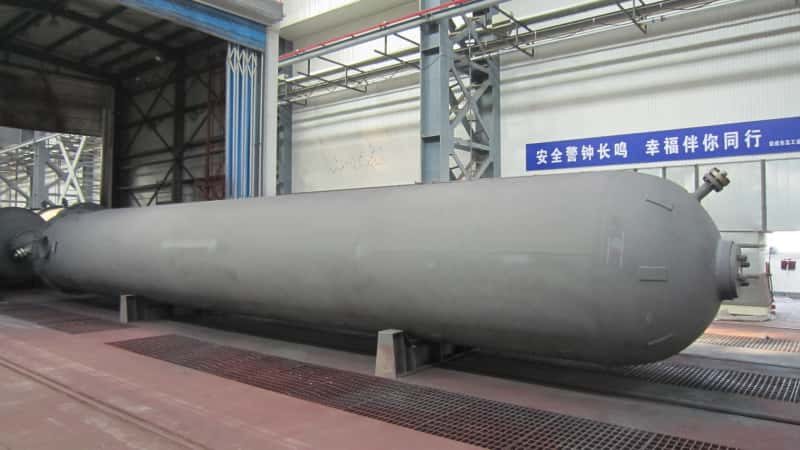
Choosing the wrong supplier for process columns can result in serious operational setbacks—ranging from poor separation efficiency and unexpected downtime to safety hazards and escalating maintenance costs. Many procurement teams face challenges such as unclear technical specifications, inconsistent fabrication quality, and lack of post-installation support. The key to avoiding these pitfalls is to apply a structured, engineering-driven evaluation process that ensures reliability, compliance, and long-term value.
To evaluate manufacturers and suppliers of process columns effectively, you should assess their engineering capabilities, manufacturing standards, quality assurance systems, material traceability, certifications (such as ASME), project experience, customization flexibility, delivery performance, and after-sales support. A qualified supplier should demonstrate proven expertise in column design (e.g., distillation, absorption), strict adherence to international codes, advanced fabrication facilities, and the ability to provide full lifecycle support—from design consultation to installation and maintenance.
Understanding how to systematically compare suppliers will not only reduce procurement risks but also optimize the lifecycle performance of your process columns. Below is a practical framework to guide your evaluation and decision-making process.
What Engineering and Design Capabilities Should You Look for in Process Column Manufacturers?
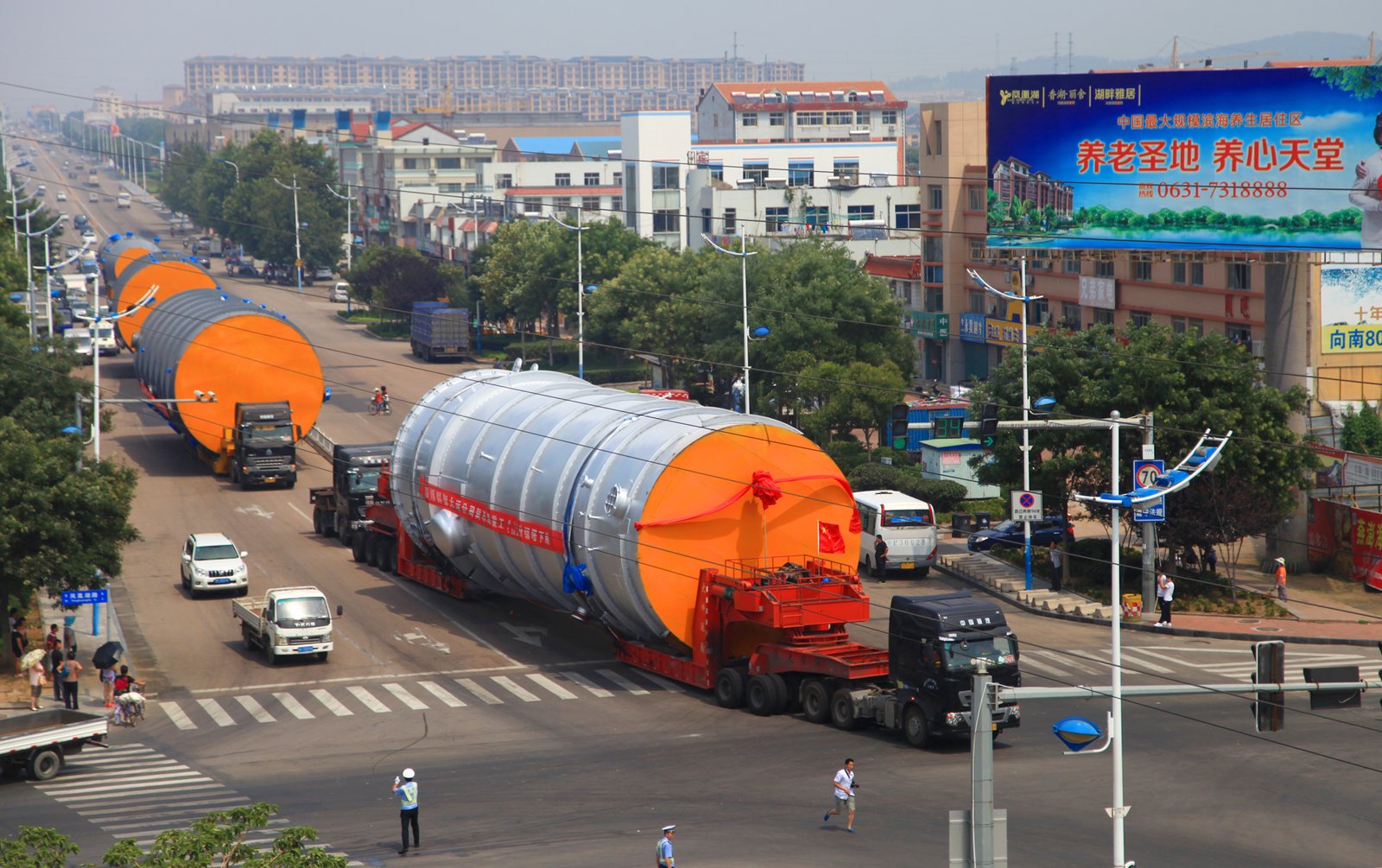
Selecting the wrong process column manufacturer can lead to inefficiencies, costly downtime, and even safety risks in your plant operations. Many buyers underestimate the importance of engineering depth and design precision, only to face issues such as poor separation efficiency, corrosion failures, or difficult maintenance later. The right manufacturer, however, brings not just fabrication capability but advanced engineering insight, ensuring optimal performance, compliance, and lifecycle value.
The most important engineering and design capabilities to look for in process column manufacturers include advanced process simulation, customized mechanical design, material expertise, compliance with international standards, in-house fabrication integration, and strong R&D support. These capabilities ensure that the column operates efficiently, safely, and cost-effectively across its entire lifecycle.
To make a confident and informed decision, it’s essential to understand how these capabilities translate into real-world performance and long-term operational benefits.
All process column manufacturers provide the same level of engineering support.False
Engineering capabilities vary significantly among manufacturers, with some offering advanced simulation, customization, and R&D, while others focus only on basic fabrication.
Understanding the Core Role of Engineering in Process Columns
Engineering is the backbone of any high-performance process column, whether it is used for distillation, absorption, stripping, or extraction. A manufacturer’s ability to integrate chemical engineering principles with mechanical design determines how effectively the column performs under real operating conditions. Advanced manufacturers utilize process simulation software such as Aspen Plus or HYSYS to model vapor-liquid equilibrium, mass transfer efficiency, and pressure drop. These simulations allow for precise sizing of column diameter, height, tray spacing, and packing selection, ensuring optimal separation efficiency while minimizing energy consumption. Without this level of engineering rigor, columns may suffer from flooding, weeping, or poor separation, leading to increased operational costs and reduced product quality.
Beyond simulation, mechanical engineering plays a critical role in ensuring structural integrity under varying pressures and temperatures. Columns must withstand internal stresses, thermal expansion, and external loads such as wind or seismic activity. Manufacturers with strong engineering teams perform detailed stress analysis using finite element methods (FEM), ensuring that the column shell, internals, and support structures meet safety and durability requirements. Additionally, they design for maintainability, incorporating features such as manways, access platforms, and modular internals that simplify inspection and replacement. This holistic engineering approach not only improves performance but also reduces downtime and maintenance costs over the equipment’s lifecycle.
Key Engineering Capabilities to Evaluate
When assessing process column manufacturers, it is essential to examine specific engineering capabilities that directly impact performance and reliability. The following table outlines critical capabilities and their practical significance:
| Engineering Capability | Description | Impact on Performance | Risk if Absent |
|---|---|---|---|
| Process Simulation | Use of advanced software for modeling separation processes | Optimized efficiency and energy savings | Poor separation, high energy use |
| Mechanical Design | Structural and thermal stress analysis | Long-term durability and safety | Structural failure risks |
| Materials Engineering | Selection of corrosion-resistant alloys | Extended lifespan | Corrosion and contamination |
| Internal Design | Tray/packing optimization | Higher mass transfer efficiency | Reduced output quality |
| Scale-Up Expertise | Lab-to-industrial design transition | Reliable industrial performance | Unpredictable results |
Each of these capabilities contributes to a different aspect of column performance. For example, process simulation ensures that the column achieves the desired separation with minimal energy input, while materials engineering protects against corrosion in aggressive chemical environments. A manufacturer lacking any of these capabilities may still deliver a functional column, but it is unlikely to meet the high standards required for modern industrial operations.
Importance of Advanced Design Customization
One of the most critical differentiators among process column manufacturers is their ability to provide customized design solutions. Off-the-shelf designs may work for standard applications, but most industrial processes involve unique feed compositions, operating conditions, and product specifications. A manufacturer with strong design capabilities will tailor the column configuration to these specific requirements, optimizing parameters such as tray type, packing material, column diameter, and height.
Customization also extends to internal components, which play a significant role in separation efficiency. For example, structured packing may be preferred for low-pressure drop applications, while sieve or valve trays may be more suitable for high-capacity operations. Advanced manufacturers conduct detailed hydraulic and mass transfer calculations to select the most appropriate internals, ensuring that the column operates within optimal ranges without issues such as flooding or entrainment. This level of customization not only improves performance but also reduces energy consumption and operational costs.
Integration of Design and Fabrication
Another crucial capability is the integration of engineering design with in-house fabrication. Manufacturers that control both processes can ensure that the final product accurately reflects the engineered design, minimizing errors and inconsistencies. This integration allows for better quality control, faster turnaround times, and improved communication between design and production teams.
The following table highlights the advantages of integrated versus outsourced manufacturing:
| Factor | Integrated Manufacturer | Outsourced Fabrication |
|---|---|---|
| Quality Control | High, with direct oversight | Variable, depends on third parties |
| Lead Time | Shorter due to coordination | Longer due to multiple vendors |
| Design Accuracy | High fidelity to design specs | Risk of deviations |
| Cost Efficiency | Optimized overall cost | Hidden costs possible |
| Communication | Seamless internal coordination | Potential miscommunication |
Integrated manufacturers can also implement design improvements more quickly, as feedback from fabrication can be directly incorporated into future designs. This continuous improvement cycle is a key factor in delivering high-quality process columns that meet evolving industry requirements.
Material Selection and Corrosion Engineering
Material selection is a critical aspect of process column design, particularly in industries such as petrochemicals, pharmaceuticals, and specialty chemicals. Columns are often exposed to corrosive substances, high temperatures, and pressure fluctuations, making material choice a key determinant of longevity and safety. Advanced manufacturers employ materials engineers who analyze process conditions and recommend suitable alloys, such as stainless steel, duplex steel, or nickel-based alloys.
Corrosion engineering goes beyond material selection, involving protective coatings, cathodic protection, and design features that minimize corrosion risks. For example, proper drainage design can prevent the accumulation of corrosive liquids, while smooth internal surfaces reduce fouling and scaling. Manufacturers with strong expertise in this area can significantly extend the service life of the column, reducing maintenance costs and improving reliability.
Compliance with International Standards
Process columns must comply with a range of international standards and regulations, including ASME, API, and ISO standards. These standards ensure that the equipment meets safety, quality, and performance requirements. Manufacturers with robust engineering capabilities are well-versed in these standards and incorporate them into every stage of design and fabrication.
Compliance also involves rigorous testing and certification processes, such as pressure testing, non-destructive testing (NDT), and material traceability. These measures ensure that the column can operate safely under specified conditions and meet regulatory requirements in different markets. Choosing a manufacturer with strong compliance capabilities reduces the risk of regulatory issues and ensures smooth project execution.
Role of Research and Development (R&D)
R&D is a key indicator of a manufacturer’s commitment to innovation and continuous improvement. Companies that invest in R&D are more likely to adopt advanced technologies, improve design methodologies, and develop new solutions for complex applications. For example, they may introduce high-efficiency packing materials, improved tray designs, or advanced monitoring systems that enhance performance and reduce energy consumption.
R&D also enables manufacturers to conduct pilot testing and validate designs before full-scale production. This capability is particularly important for new or complex processes, where standard design approaches may not be sufficient. By working with a manufacturer that has strong R&D capabilities, you can benefit from cutting-edge solutions and reduce the risk of performance issues.
Digital Engineering and Smart Design Tools
Modern process column design increasingly relies on digital engineering tools, including 3D modeling, computational fluid dynamics (CFD), and digital twins. These tools allow manufacturers to visualize and analyze the column in detail, identifying potential issues before fabrication. For example, CFD simulations can reveal flow distribution problems, enabling engineers to optimize internal configurations for uniform performance.
Digital tools also facilitate better collaboration between stakeholders, as detailed models can be shared and reviewed بسهولة. This transparency improves decision-making and ensures that the final design meets all requirements. Manufacturers that leverage digital engineering are better equipped to deliver high-quality, reliable process columns in a competitive market.
Real-World Case Study: Engineering Impact on Performance
Consider a petrochemical plant that required a distillation column for separating complex hydrocarbon mixtures. Initially, the plant selected a low-cost manufacturer with limited engineering capabilities. The resulting column experienced frequent flooding and poor separation efficiency, leading to high energy consumption and reduced product quality. After switching to a manufacturer with advanced engineering capabilities, including process simulation and customized internal design, the plant achieved a 25% reduction in energy consumption and a significant improvement in product purity.
This case highlights the tangible benefits of choosing a manufacturer with strong engineering and design capabilities. While the initial cost may be higher, the long-term savings and performance improvements far outweigh the investment.
Ending Summary
Choosing the right process column manufacturer is not just about price or fabrication capacity; it is about engineering excellence and design precision. Manufacturers with advanced simulation capabilities, customized design expertise, integrated fabrication, and strong R&D support can deliver columns that perform efficiently, safely, and reliably לאורך their lifecycle. By carefully evaluating these capabilities, you can ensure that your investment delivers maximum value and supports your operational goals.
How Do Manufacturing Facilities and Fabrication Standards Impact Process Column Quality?
Poorly manufactured process columns are a hidden liability in many industrial plants, often leading to premature failures, inefficiencies, and costly shutdowns. When fabrication standards are overlooked or manufacturing facilities lack advanced capabilities, even the best engineering design can fail in practice. This mismatch between design intent and manufacturing execution can result in defects such as misaligned internals, weak welds, or material inconsistencies—ultimately compromising safety, performance, and long-term reliability. The solution lies in understanding how manufacturing environments and strict fabrication standards directly influence process column quality and selecting partners who excel in both domains.
Manufacturing facilities and fabrication standards impact process column quality by ensuring dimensional accuracy, weld integrity, material consistency, and compliance with safety codes. Advanced facilities equipped with automated machinery, skilled labor, and rigorous quality control systems produce columns with superior structural strength, operational efficiency, and longer service life, while poor standards increase the risk of defects, failures, and regulatory non-compliance.
To fully appreciate how these factors shape the final product, it is essential to explore the detailed relationship between fabrication environments, standards, and real-world column performance.
High-quality engineering design alone guarantees a high-performance process column regardless of manufacturing quality.False
Even the best design can fail if manufacturing processes introduce defects, inaccuracies, or material weaknesses that compromise performance and safety.
The Critical Role of Manufacturing Facilities in Process Column Quality

Manufacturing facilities are the physical foundation where engineering designs are transformed into functional equipment, and their capabilities directly determine whether a process column meets or falls short of expectations. A state-of-the-art fabrication facility is equipped with advanced CNC cutting machines, automated welding systems, precision rolling equipment, and heavy-duty cranes that allow for accurate forming and assembly of large-diameter columns. These capabilities ensure that every component—from the shell sections to internal trays and packing supports—is fabricated within tight tolerances. When facilities lack such equipment, manual processes often introduce variability, leading to dimensional deviations that can disrupt internal flow dynamics and reduce separation efficiency. In high-throughput industries such as petrochemical refining or pharmaceutical manufacturing, even minor inefficiencies can cascade into significant production losses, making facility capability a direct contributor to operational profitability and system reliability.
Equally important is the layout and workflow of the facility. Well-organized manufacturing plants follow a logical sequence of material handling, cutting, forming, welding, inspection, and finishing. This structured workflow minimizes the risk of contamination, damage, or misalignment during production. For example, dedicated clean areas for stainless steel fabrication prevent cross-contamination with carbon steel, which could otherwise lead to corrosion issues in service. Additionally, climate-controlled environments can be critical for certain materials and welding processes, ensuring consistent quality regardless of external conditions. Facilities that invest in such infrastructure demonstrate a commitment to producing high-quality process columns that perform reliably under demanding industrial conditions, especially in corrosive or high-pressure environments where even small inconsistencies can lead to catastrophic failures.
Fabrication Standards: The Backbone of Consistent Quality

Fabrication standards provide the rules and guidelines that govern how process columns are built, ensuring consistency, safety, and compliance across projects. Standards such as ASME Section VIII for pressure vessels, ISO quality management systems, and various welding codes define requirements for material selection, welding procedures, inspection methods, and testing protocols. Manufacturers that strictly adhere to these standards implement documented procedures for every stage of production, from raw material verification to final inspection. This systematic approach ensures that each column meets predefined quality benchmarks and performs as intended in operation. Without these standards, production becomes inconsistent, quality becomes unpredictable, and the risk of field failures increases dramatically, particularly in mission-critical installations such as refineries or gas processing plants.
The absence of rigorous standards can lead to significant quality issues. For instance, improper welding procedures may result in defects such as porosity, cracks, or incomplete fusion, which weaken the structural integrity of the column. Similarly, inadequate inspection processes may fail to detect these defects before the equipment is delivered to the customer. By contrast, manufacturers that follow established standards employ certified welders, qualified welding procedures (WPS/PQR), and advanced inspection techniques such as radiographic testing (RT), ultrasonic testing (UT), and dye penetrant testing (PT). These measures ensure that any defects are identified and corrected before the column enters service, significantly reducing the risk of failure while also extending equipment lifespan and improving return on investment.
Key Manufacturing Capabilities and Their Impact
The following table highlights critical manufacturing capabilities and how they influence process column quality:
| Manufacturing Capability | Description | Impact on Column Quality | Consequence if Lacking |
|---|---|---|---|
| CNC Cutting & Forming | Precision shaping of plates and components | Accurate dimensions and fit-up | Misalignment and inefficiency |
| Automated Welding | Consistent, high-quality weld seams | Strong structural integrity | Weak joints and failures |
| Heat Treatment | Controlled stress relief processes | Reduced residual stress | Distortion and cracking |
| Surface Finishing | Polishing and coating processes | Corrosion resistance | Premature degradation |
| Quality Control Labs | In-house testing and inspection | Verified compliance | Undetected defects |
Each of these capabilities contributes to a different aspect of the column’s performance. For example, automated welding systems provide consistent heat input and penetration, reducing the likelihood of defects compared to manual welding. Similarly, heat treatment processes relieve residual stresses that could otherwise lead to distortion or cracking during operation. Manufacturers that invest in these capabilities are better equipped to deliver high-quality process columns that meet stringent industry requirements while minimizing long-term maintenance costs and operational risks.
The Importance of Welding Quality and Inspection

Welding is one of the most critical processes in the fabrication of process columns, as it directly affects structural integrity and leak-tightness. High-quality welding requires not only skilled welders but also advanced equipment and strict adherence to procedures. Manufacturers with strong welding capabilities use automated or semi-automated welding systems, such as submerged arc welding (SAW) or gas tungsten arc welding (GTAW), to achieve consistent results. These systems allow for precise control of parameters such as heat input, travel speed, and filler material, ensuring uniform weld quality across the entire column. In large-diameter towers, where weld seams can extend for hundreds of meters, even minor inconsistencies can accumulate into significant structural weaknesses, making welding precision absolutely critical.
Inspection is equally important in ensuring welding quality. Non-destructive testing (NDT) methods are used to detect defects without damaging the equipment. Radiographic testing provides detailed images of internal weld structures, while ultrasonic testing detects flaws based on sound wave reflections. Dye penetrant testing is used to identify surface cracks, and magnetic particle testing is effective for ferromagnetic materials. Manufacturers that employ a combination of these methods can achieve a high level of confidence in weld integrity, reducing the risk of failures during operation and ensuring compliance with stringent safety standards required in high-risk industrial environments.
Fabrication Tolerances and Dimensional Accuracy
Dimensional accuracy is essential for the proper functioning of process columns, particularly when it comes to the alignment of internal components such as trays, distributors, and packing supports. Even small deviations from design specifications can disrupt flow patterns, leading to issues such as channeling, maldistribution, or reduced mass transfer efficiency. Advanced manufacturing facilities use precision measurement tools, such as laser trackers and coordinate measuring machines (CMM), to ensure that all components are fabricated within specified tolerances. This level of precision ensures that vapor-liquid interaction occurs as designed, maximizing separation efficiency and minimizing energy consumption.
The following table illustrates typical tolerance requirements and their impact:
| Component | Typical Tolerance | Impact on Performance | Risk of Deviation |
|---|---|---|---|
| Column Diameter | ±1–2 mm | Uniform vapor-liquid distribution | Flow imbalance |
| Tray Levelness | ±1 mm | Proper liquid distribution | Weeping or flooding |
| Nozzle Alignment | ±2–3 mm | Leak-free connections | Installation issues |
| Shell Roundness | ≤0.5% deviation | Structural stability | Stress concentration |
Maintaining these tolerances requires not only advanced equipment but also skilled technicians who understand the importance of precision in process column fabrication. Manufacturers that prioritize dimensional accuracy can deliver columns that operate efficiently and reliably over their service life, reducing the likelihood of costly retrofits or performance troubleshooting after installation.
Material Handling and Traceability
Material quality is another critical factor influenced by manufacturing facilities and standards. High-quality manufacturers implement strict material handling and traceability systems to ensure that all materials used in fabrication meet specified requirements. This includes verifying material certificates, conducting chemical and mechanical testing, and maintaining records that track each material from receipt to final assembly. Traceability is especially important in regulated industries, where documentation is required to verify compliance and support audits or inspections.
Proper material handling also involves storage and protection measures to prevent damage or contamination. For example, stainless steel components must be stored separately from carbon steel to avoid cross-contamination, which could lead to corrosion. Additionally, protective coatings or coverings may be applied during storage and transport to prevent surface damage. Manufacturers that implement these practices can ensure that the final product meets quality and performance expectations, even in harsh operating environments where material degradation could otherwise occur rapidly.
Integration of Quality Management Systems
Quality management systems (QMS) such as ISO 9001 play a vital role in ensuring consistent manufacturing quality. These systems provide a framework for documenting processes, monitoring performance, and implementing continuous improvement. Manufacturers with robust QMS programs conduct regular audits, track key performance indicators, and implement corrective actions when issues arise. This systematic approach ensures that quality is maintained across all projects and continuously improved over time, enabling manufacturers to adapt to evolving industry requirements and technological advancements.
A strong QMS also enhances customer confidence, as it demonstrates a commitment to quality and transparency. Customers can review documentation, inspection reports, and test results to verify that the process column meets all requirements. This level of transparency is particularly important for critical applications where safety and reliability are paramount, and where any failure could result in significant financial or environmental consequences.
Real-World Example: Impact of Fabrication Quality
In a real-world scenario, a refinery installed two similar distillation columns from different manufacturers. The first column, produced in a facility with advanced equipment and strict adherence to fabrication standards, operated efficiently with minimal maintenance for over a decade. The second column, fabricated in a less advanced facility with weaker quality controls, experienced frequent issues such as weld failures and internal misalignment, leading to repeated shutdowns and costly repairs. This comparison highlights the significant impact that manufacturing facilities and fabrication standards can have on process column performance and lifecycle costs, reinforcing the importance of selecting the right manufacturing partner.
Ending Summary
Manufacturing facilities and fabrication standards are fundamental to the quality, reliability, and performance of process columns. Advanced facilities equipped with modern machinery, skilled labor, and rigorous quality control systems can translate engineering designs into high-quality products that meet stringent industry requirements. At the same time, strict adherence to fabrication standards ensures consistency, safety, and compliance across all stages of production. By carefully evaluating these factors, buyers can select manufacturers that deliver process columns with superior performance and long-term value.
What Certifications and Quality Assurance Systems Are Essential for Process Column Suppliers?
Choosing a process column supplier without verifying their certifications and quality assurance systems can expose your project to serious risks, including regulatory rejection, safety incidents, and costly rework. Many buyers focus heavily on price or delivery time, only to discover later that the equipment lacks proper documentation, traceability, or compliance with international codes. These oversights can delay commissioning, trigger legal issues, or even force complete equipment replacement. The solution is to clearly understand which certifications and QA systems are truly essential—and how they directly safeguard your investment and operational reliability.
Essential certifications and quality assurance systems for process column suppliers include ASME certification for pressure vessels, ISO 9001 for quality management, welding qualifications (WPS/PQR), non-destructive testing (NDT) certifications, material traceability systems, and compliance with international standards such as PED or API. These ensure that the equipment is safe, compliant, traceable, and manufactured under strict quality controls, reducing operational risks and ensuring long-term reliability.
Understanding these certifications in depth will help you distinguish between basic fabricators and truly qualified industrial partners capable of delivering high-performance, compliant process columns.
ISO 9001 certification alone guarantees full compliance and safety for process columns.False
ISO 9001 ensures a quality management framework but does not replace specific engineering, welding, or pressure vessel certifications required for safety and compliance.
Why Certifications and QA Systems Matter in Process Column Supply
The following table summarizes the most important certifications and their significance in process column manufacturing:
| Certification | Scope | What It Ensures | Why It Matters |
|---|---|---|---|
| ASME Section VIII (U Stamp) | Pressure vessel design & fabrication | Structural integrity and safety under pressure | Mandatory for many global markets |
| ISO 9001 | Quality management system | Consistent processes and continuous improvement | Ensures repeatable quality |
| PED (Pressure Equipment Directive) | EU compliance | Safety and conformity for European markets | Required for CE marking |
| API Standards | Oil & gas equipment | Industry-specific performance and safety | Critical for energy sector |
| ISO 14001 | Environmental management | Sustainable and compliant operations | Reduces environmental risk |
| ISO 45001 | Occupational health & safety | Worker safety and risk management | Ensures safe manufacturing environment |
Each certification addresses a different dimension of quality and compliance. For example, ASME certification focuses on pressure vessel integrity, while ISO 9001 ensures that the organization follows consistent quality processes. Together, they create a comprehensive framework that covers both technical and managerial aspects of manufacturing.
Welding Certifications and Their Critical Role

Welding is one of the most critical aspects of process column fabrication, and its quality is heavily regulated through certifications and qualifications. Suppliers must demonstrate compliance with welding standards by developing Welding Procedure Specifications (WPS) and Procedure Qualification Records (PQR), which define and validate the welding process. Additionally, welders must be individually certified to perform specific types of welds, ensuring that they have the necessary skills and experience.
The importance of welding certification cannot be overstated. Poor welding can lead to defects such as cracks, porosity, or incomplete fusion, which compromise the structural integrity of the column. Certified welding processes ensure that these risks are minimized through controlled parameters and rigorous testing. Furthermore, welding documentation provides traceability, allowing inspectors to verify that each weld meets the required standards. This level of control is essential for ensuring long-term reliability and safety.
Non-Destructive Testing (NDT) and Inspection Systems
Non-destructive testing (NDT) is a cornerstone of quality assurance in process column manufacturing. It allows suppliers to detect defects without damaging the equipment, ensuring that only high-quality components are delivered. Common NDT methods include radiographic testing (RT), ultrasonic testing (UT), magnetic particle testing (MT), and dye penetrant testing (PT). Each method is suited to detecting specific types of defects, and a comprehensive inspection program typically uses a combination of these techniques.
The following table outlines key NDT methods and their applications:
| NDT Method | Detection Capability | Typical Use | Benefit |
|---|---|---|---|
| Radiographic Testing (RT) | Internal weld defects | Thick weld seams | High accuracy imaging |
| Ultrasonic Testing (UT) | Subsurface flaws | Large structures | Real-time results |
| Magnetic Particle Testing (MT) | Surface cracks | Ferromagnetic materials | Quick and cost-effective |
| Dye Penetrant Testing (PT) | Surface defects | Non-porous materials | Simple and reliable |
Suppliers with certified NDT personnel and documented inspection procedures can ensure that all critical components are thoroughly പരിശോധ before delivery. This significantly reduces the risk of in-service failures and enhances overall equipment reliability.
Material Traceability and Documentation Systems
Material traceability is a fundamental requirement in process column manufacturing, particularly for projects involving strict regulatory compliance. A robust traceability system ensures that every material used in the column can be traced back to its origin, including its chemical composition, mechanical properties, and certification documents. This is typically achieved through material test reports (MTRs), heat numbers, and identification markings that are maintained throughout the manufacturing process.
Traceability is essential for several reasons. First, it ensures that only approved materials are used, reducing the risk of failure due to substandard or counterfeit materials. Second, it enables quick identification and resolution of issues if defects are discovered later. Third, it provides the documentation required for regulatory approvals and audits. Suppliers with advanced traceability systems can offer full transparency, giving customers confidence in the quality and integrity of the final product.
Integration of Quality Assurance Systems
A comprehensive QA system integrates all aspects of quality control, from design and procurement to fabrication and final inspection. This includes documented procedures, regular audits, performance monitoring, and continuous improvement initiatives. Suppliers with strong QA systems use digital tools to track quality metrics, manage documentation, and ensure compliance with standards.
Integration also means that different quality processes work together seamlessly. For example, welding certification is linked to inspection records, which are tied to material traceability data. This interconnected system ensures that all aspects of quality are aligned and that any issues can be quickly identified and addressed. For customers, this results in higher confidence, fewer delays, and better overall project outcomes.
Real-World Impact of Certifications and QA Systems
In a real-world case, a chemical plant sourced a distillation column from a supplier lacking proper ASME certification and traceability systems. During commissioning, inspectors identified missing documentation and non-compliant welds, leading to project delays and additional costs for rework and re-inspection. In contrast, another project using a fully certified supplier with robust QA systems achieved smooth installation and operation, with no compliance issues and minimal downtime. This comparison highlights the tangible benefits of choosing a supplier with the right certifications and QA systems.
Ending Summary
Certifications and quality assurance systems are essential pillars of process column manufacturing, ensuring safety, compliance, and consistent performance. From ASME and ISO certifications to welding qualifications and NDT systems, each element plays a critical role in delivering high-quality equipment. By selecting suppliers with comprehensive certification portfolios and robust QA systems, you can minimize risks, ensure regulatory compliance, and achieve long-term operational success.
How Can You Verify Experience and Project Track Record in Process Column Supply?
Selecting a process column supplier without thoroughly verifying their experience and project track record is one of the most common—and costly—mistakes in industrial procurement. Many suppliers present impressive brochures and generic case studies, but these often lack depth, authenticity, or relevance to your specific application. The result can be mismatched equipment, underperformance, delays, or even safety risks. The real challenge is distinguishing between marketing claims and proven, field-tested capability. The solution lies in applying structured verification methods that uncover real project experience, validated performance, and consistent delivery history.
You can verify a process column supplier’s experience and track record by reviewing detailed project references, analyzing case studies with measurable performance data, checking client testimonials, validating certifications and inspection records, conducting factory audits, and confirming long-term operational success of installed equipment. These steps ensure the supplier has real-world expertise, not just theoretical capability.
To make a confident and risk-free decision, it is essential to go beyond surface-level information and systematically evaluate the supplier’s actual project execution history.
A supplier’s years in business alone accurately reflect their experience in process column manufacturing.False
Longevity does not guarantee relevant project experience, technical capability, or successful delivery of complex process columns.
Why Verifying Experience Matters in Process Column Supply

Experience in process column supply is not just about how long a company has existed, but how effectively it has delivered complex projects under real industrial conditions. Process columns are critical equipment in industries such as petrochemicals, refining, pharmaceuticals, and specialty chemicals, where performance, reliability, and safety are non-negotiable. A supplier with a proven track record demonstrates not only technical competence but also the ability to manage challenges such as tight schedules, complex specifications, and stringent regulatory requirements. Without verified experience, buyers risk engaging with suppliers who may lack the capability to deliver consistent results, leading to operational inefficiencies and increased lifecycle costs.
Moreover, real-world experience provides insights that cannot be gained through theoretical knowledge alone. Suppliers who have successfully completed similar projects understand practical issues such as installation constraints, operational variability, and maintenance requirements. This knowledge enables them to design and fabricate process columns that perform reliably in actual operating environments. Therefore, verifying experience is a critical step in ensuring that the supplier can meet your specific project requirements and deliver long-term value.
Key Methods to Verify Supplier Experience
The following table outlines the most effective methods for verifying a supplier’s experience and track record:
| Verification Method | What to Check | Key Indicators | Risk if Ignored |
|---|---|---|---|
| Project References | List of completed projects | Similar industry and scale | Unverified claims |
| Case Studies | Detailed project documentation | Measurable performance results | Lack of real data |
| Client Testimonials | Feedback from past clients | Satisfaction and reliability | Biased information |
| Certifications & Records | Compliance and inspection data | Valid and up-to-date documents | Non-compliance risk |
| Factory Audits | On-site evaluation | Equipment, processes, workforce | Hidden deficiencies |
| Operational History | Long-term performance | Reliability over time | Unknown durability |
Each method provides a different perspective on the supplier’s capabilities. For example, project references show the breadth of experience, while case studies provide depth and technical detail. Combining these methods creates a comprehensive picture of the supplier’s track record.
Analyzing Case Studies for Real Insights
Case studies are one of the most valuable tools for verifying experience, but only if they contain meaningful and verifiable information. A high-quality case study should include details such as process conditions, design challenges, engineering solutions, fabrication methods, and performance outcomes. It should also provide quantitative data, such as efficiency improvements, energy savings, or operational uptime, which demonstrate the effectiveness of the solution.
When reviewing case studies, it is important to look for relevance to your specific application. For example, if your project involves high-pressure distillation of corrosive chemicals, you should prioritize case studies that involve similar conditions. Additionally, pay attention to how challenges were addressed, as this reflects the supplier’s problem-solving capability. Case studies that lack detail or focus only on general descriptions may indicate limited experience or an attempt to mask shortcomings.
Conducting Effective Reference Checks
Reference checks are a direct way to validate a supplier’s claims by speaking with their past clients. This process provides firsthand insights into the supplier’s performance, reliability, and customer service. When conducting reference checks, it is important to ask specific questions about project execution, communication, adherence to schedules, and post-delivery support.
The following table provides a structured approach to reference checks:
| Question Category | Example Questions | Purpose |
|---|---|---|
| Project Execution | Was the project delivered on time and within budget? | Assess reliability |
| Technical Performance | Did the column meet performance expectations? | Verify effectiveness |
| Communication | How responsive was the supplier? | Evaluate collaboration |
| After-Sales Support | Was support provided after delivery? | Check long-term commitment |
| Issues & Resolution | How were problems handled? | Assess problem-solving |
By gathering feedback from multiple references, you can identify patterns and gain a balanced view of the supplier’s strengths and weaknesses. This information is invaluable for making an informed decision.
Importance of Factory Audits and Site Visits
Factory audits and site visits provide an opportunity to verify the supplier’s capabilities firsthand. During an audit, you can assess the manufacturing facilities, equipment, quality control processes, and workforce skills. This allows you to confirm whether the supplier has the resources and infrastructure needed to deliver high-quality process columns.
Site visits to operational plants where the supplier’s columns are installed can also provide valuable insights. Observing the equipment in operation allows you to evaluate its performance, reliability, and maintenance requirements. This real-world perspective is often more reliable than documentation alone, as it reflects actual operating conditions.
Evaluating Long-Term Performance and Reliability
A supplier’s track record should include evidence of long-term performance and reliability. This can be demonstrated through data on equipment lifespan, maintenance frequency, and operational efficiency over time. Suppliers who maintain relationships with their clients and provide ongoing support are more likely to have access to this data and can share it as proof of their equipment’s durability.
Long-term performance is particularly important for process columns, which are typically designed to operate for decades. Equipment that performs well initially but degrades بسرعة can result in high maintenance costs and operational disruptions. Therefore, verifying long-term reliability is a key aspect of evaluating a supplier’s experience.
Digital Verification and Documentation Review
In today’s digital age, many suppliers maintain detailed records of their projects, including design documents, inspection reports, and performance data. Reviewing this documentation can provide additional assurance of the supplier’s capabilities. Digital tools also enable better traceability and transparency, allowing you to verify the authenticity of the information provided.
Look for suppliers who use advanced documentation systems and are willing to share detailed records. This transparency indicates confidence in their work and a commitment to quality.
Real-World Example: The Cost of Poor Verification
In one case, a chemical company selected a supplier based solely on price and a limited set of references. After installation, the process column failed to achieve the required separation efficiency, leading to production losses and costly modifications. A subsequent review revealed that the supplier had limited experience with similar applications. In contrast, another project that involved thorough verification of supplier experience resulted in a successful installation with high efficiency and minimal issues. This example underscores the importance of rigorous verification in avoiding costly mistakes.
Ending Summary
Verifying experience and project track record is a critical step in selecting a process column supplier. By systematically reviewing references, case studies, certifications, and real-world performance data, you can distinguish between marketing claims and proven capability. This process not only reduces risk but also ensures that you partner with a supplier who can deliver reliable, high-performance equipment tailored to your needs.
Why Are Customization, Technical Support, and After-Sales Service Critical in Process Column Selection?
Choosing a process column based solely on initial cost or standard specifications can lead to serious operational inefficiencies, frequent maintenance issues, and long-term financial losses. Many industrial buyers underestimate the importance of customization, technical support, and after-sales service, only to face problems such as mismatched process conditions, lack of expert guidance during installation, or delayed troubleshooting when issues arise. These gaps can disrupt production, reduce efficiency, and increase total cost of ownership. The solution is to prioritize suppliers who offer tailored engineering, strong technical collaboration, and reliable lifecycle support.
Customization, technical support, and after-sales service are critical in process column selection because they ensure the equipment is precisely matched to process requirements, operates efficiently from day one, and continues to perform reliably through expert guidance, maintenance support, and rapid problem resolution throughout its lifecycle.
To fully understand their impact, it is essential to explore how these three factors directly influence performance, reliability, and long-term value.
Standardized process columns can meet all industrial process requirements without customization.False
Most industrial processes have unique conditions requiring tailored design to achieve optimal efficiency and performance.
The Strategic Importance of Customization in Process Column Design

Customization is the foundation of high-performance process column design because no two industrial processes are identical. Variations in feed composition, temperature, pressure, throughput, and product purity requirements demand tailored solutions rather than generic designs. A customized process column is engineered using detailed process simulations, hydraulic calculations, and material selection strategies to match exact operating conditions. This ensures optimal vapor-liquid interaction, efficient mass transfer, and minimal energy consumption. Without customization, columns may suffer from inefficiencies such as flooding, weeping, or poor separation, which directly impact production output and profitability.
From an engineering perspective, customization involves selecting the appropriate internal components such as trays, structured packing, or random packing, as well as optimizing column diameter, height, and internal configuration. For example, high-capacity operations may require valve trays for better flexibility, while vacuum distillation processes benefit from structured packing to reduce pressure drop. Additionally, customization extends to material selection, ensuring compatibility with corrosive or high-temperature environments. Advanced manufacturers integrate computational tools such as CFD (Computational Fluid Dynamics) and process simulation software to refine these designs, achieving precise performance targets. This level of engineering depth transforms the process column from a generic vessel into a highly efficient, purpose-built system.
Technical Support: Bridging Design and Real-World Operation

Technical support plays a crucial role in ensuring that the customized design is correctly implemented and performs as intended in real-world conditions. Even the most advanced design can fail if installation, commissioning, or operation is not properly managed. Suppliers with strong technical support capabilities provide guidance throughout the project lifecycle, including design review, installation supervision, commissioning assistance, and operator training. This ensures that the process column is integrated seamlessly into the plant and operates within its optimal parameters.
One of the key aspects of technical support is troubleshooting and optimization. Industrial processes are dynamic, and conditions may change over time due to variations in feedstock or production requirements. Experienced suppliers can analyze operational data, identify inefficiencies, and recommend adjustments to improve performance. This may include modifying operating conditions, upgrading internals, or implementing control system improvements. Without access to such expertise, plant operators may struggle to resolve issues, leading to prolonged downtime and reduced efficiency.
The following table highlights the key components of technical support and their impact:
| Technical Support Area | Description | Impact on Operation | Risk if Absent |
|---|---|---|---|
| Installation Guidance | On-site or remote supervision | Correct setup and alignment | Installation errors |
| Commissioning Support | Start-up optimization | Stable initial operation | Performance instability |
| Operator Training | Knowledge transfer | Efficient operation | Human error |
| Troubleshooting | Problem diagnosis and solution | Reduced downtime | Prolonged failures |
| Process Optimization | Continuous improvement | Higher efficiency | Missed opportunities |
After-Sales Service: Ensuring Long-Term Reliability

After-sales service is the backbone of long-term reliability and lifecycle performance. Process columns are long-term assets expected to operate for decades, and their performance depends on regular maintenance, timely upgrades, and responsive support. Suppliers with strong after-sales service provide spare parts, maintenance programs, inspection services, and emergency support, ensuring that the equipment remains in optimal condition طوال its lifecycle.
A comprehensive after-sales service program includes preventive maintenance, which involves scheduled inspections and servicing to identify potential issues before they become critical. This proactive approach reduces the risk of unexpected failures and extends the lifespan of the equipment. Additionally, suppliers may offer performance monitoring services, using digital tools to track key parameters and detect anomalies in real time. This enables early intervention and continuous optimization.
The following table illustrates the components of effective after-sales service:
| Service Component | Description | Benefit | Consequence if Missing |
|---|---|---|---|
| Spare Parts Supply | Availability of critical components | Quick repairs | Extended downtime |
| Preventive Maintenance | Scheduled inspections | Increased lifespan | अचानक failures |
| Emergency Support | Rapid response to issues | Minimized disruption | Production loss |
| Upgrades & Retrofits | Performance improvements | Higher efficiency | Obsolete equipment |
| Performance Monitoring | Data-driven insights | Continuous optimization | Undetected issues |
Integration of Customization, Support, and Service
The true value of these three factors emerges when they are fully integrated. Customization ensures that the process column is designed for optimal performance, technical support ensures that it is implemented and operated correctly, and after-sales service ensures that it continues to perform over time. Together, they create a comprehensive lifecycle approach that maximizes efficiency, reliability, and return on investment.
Suppliers who excel in all three areas act as long-term partners rather than مجرد equipment providers. They collaborate closely with clients to understand their needs, provide expert guidance, and continuously improve system performance. This partnership approach is particularly valuable in complex or evolving processes, where ongoing support and adaptability are essential.
Real-World Case Study: Lifecycle Impact
Consider a chemical processing plant that initially selected a low-cost, standard process column without customization or support services. The column failed to meet performance targets, leading to frequent adjustments and high energy consumption. After switching to a supplier offering customized design, technical support, and comprehensive after-sales service, the plant achieved a 30% improvement in efficiency and significantly reduced downtime. This example demonstrates how these factors directly impact operational success and long-term profitability.
Ending Summary
Customization, technical support, and after-sales service are not optional extras but essential components of successful process column selection. They ensure that the equipment is tailored to specific process requirements, operates efficiently from the start, and continues to deliver reliable performance לאורך its lifecycle. By prioritizing these factors, you can reduce risks, improve efficiency, and maximize the value of your investment.
How Do Cost, Delivery Time, and Supply Chain Reliability Influence Supplier Evaluation?

AI Prompt for Image Generation: Global industrial supply chain visualization + photorealistic style + process column being transported with logistics network overlay maps, cargo ships, trucks, and factory production lines + industrial and logistics hybrid environment + dynamic and strategic atmosphere + balanced daylight with high clarity
Selecting a process column supplier based only on quoted price can lead to hidden costs, project delays, and operational risks that far outweigh initial savings. Many buyers overlook the interconnected impact of delivery time and supply chain reliability, only to face late installations, production downtime, or unexpected cost overruns. In complex industrial projects, these factors are not independent—they directly influence project success, budget control, and long-term operational stability. The solution is to evaluate suppliers holistically, considering total cost, delivery performance, and supply chain robustness together.
Cost, delivery time, and supply chain reliability influence supplier evaluation by determining the total cost of ownership, project schedule adherence, and risk exposure. A supplier with balanced competitiveness in all three areas ensures timely delivery, stable pricing, and uninterrupted operations, while weaknesses in any one factor can lead to delays, increased costs, and operational disruptions.
To make informed decisions, it is essential to analyze how these three critical factors interact and impact real-world project outcomes.
The lowest-cost supplier always provides the best overall value in process column procurement.False
Low initial cost can lead to higher lifecycle costs due to delays, poor quality, or unreliable supply chains.
The True Meaning of Cost: Beyond Initial Price

Cost in process column procurement should never be viewed as a simple upfront price; instead, it must be evaluated as the total cost of ownership (TCO) over the equipment’s lifecycle. This includes not only fabrication and delivery costs but also installation, commissioning, energy consumption, maintenance, downtime risk, and eventual upgrades or replacements. A supplier offering a lower initial price may cut corners in materials, fabrication quality, or engineering support, which can lead to higher operational costs and reduced equipment lifespan. Conversely, a slightly higher upfront investment in a high-quality supplier often results in significant long-term savings through improved efficiency, reliability, and reduced maintenance requirements.
From a technical perspective, cost is closely tied to design optimization and manufacturing precision. Efficient process column design can reduce energy consumption by optimizing vapor-liquid interaction, while high-quality fabrication minimizes maintenance and repair costs. Additionally, suppliers with strong engineering capabilities can identify cost-saving opportunities during the design phase, such as material optimization or process integration. Therefore, cost evaluation should include a detailed breakdown of all contributing factors and consider the long-term financial impact rather than focusing solely on initial expenditure.
Delivery Time: A Critical Driver of Project Success

Delivery time is a crucial factor that directly affects project schedules, commissioning timelines, and overall profitability. In large-scale industrial projects, delays in process column delivery can halt entire construction sequences, leading to cascading delays and increased costs. For example, a delayed distillation column may prevent the completion of piping, instrumentation, and insulation жұмыстар, ultimately postponing plant startup and revenue generation. Therefore, evaluating a supplier’s ability to meet delivery deadlines is essential for ensuring project success.
Reliable suppliers achieve consistent delivery performance through efficient production planning, advanced manufacturing facilities, and strong coordination across departments. They use project management tools to track progress, identify potential bottlenecks, and implement corrective actions proactively. Additionally, they maintain clear communication with clients, providing regular updates and realistic timelines. Suppliers with poor delivery performance often lack these systems, resulting in unpredictable schedules and increased project risk.
The following table illustrates the impact of delivery performance:
| Delivery Factor | Positive Impact | Negative Impact if Poor |
|---|---|---|
| On-Time Delivery | Smooth project execution | Delays and cost overruns |
| Accurate Scheduling | Better planning | Resource conflicts |
| Production Efficiency | Faster turnaround | Bottlenecks and rework |
| Communication | Transparency | Uncertainty and risk |
Supply Chain Reliability: The Hidden Backbone of Performance

Supply chain reliability is often an overlooked factor, yet it plays a critical role in ensuring consistent quality, timely delivery, and cost stability. A process column manufacturer depends on a network of suppliers for raw materials, components, and services. Any disruption in this network—such as material shortages, transportation delays, or geopolitical issues—can impact production schedules and final delivery. Suppliers with robust supply chain management systems mitigate these risks through diversified sourcing, strategic inventory management, and strong supplier relationships.
Reliable supply chains also ensure material quality and traceability. High-quality process columns require certified materials that meet strict specifications, and any compromise in material sourcing can lead to performance issues or regulatory non-compliance. Suppliers with established supply chains can guarantee consistent material quality and provide documentation to support compliance requirements. Additionally, they can adapt to changing market conditions, maintaining stability even during global disruptions.
Comparative Analysis: Balancing Cost, Time, and Reliability
To effectively evaluate suppliers, it is important to consider the balance between cost, delivery time, and supply chain reliability. The following table provides a comparative framework:
| Evaluation Factor | Low-Cost Supplier | Balanced Supplier | Premium Supplier |
|---|---|---|---|
| Initial Price | Lowest | Moderate | Highest |
| Delivery Time | Uncertain | Reliable | Highly reliable |
| Supply Chain | कमजोर | Stable | Highly robust |
| Quality | Variable | Consistent | उत्कृष्ट |
| Lifecycle Cost | High | Optimized | Lowest long-term |
This comparison highlights that the lowest-cost option often carries hidden risks, while a balanced or premium supplier provides better overall value through reliability and performance. The goal is to identify a supplier that offers the best combination of these factors בהתאם to your project requirements.
Risk Management Through Supplier Evaluation
Evaluating cost, delivery time, and supply chain reliability is fundamentally a risk management exercise. Each factor represents a potential source of risk that can impact project success. By assessing these factors comprehensively, buyers can identify potential issues վաղ and select suppliers who demonstrate the ability to mitigate these risks effectively.
For example, a supplier with a strong supply chain can maintain production even during disruptions, while one with weak logistics may experience delays. Similarly, a supplier with reliable delivery performance reduces the risk of project delays, while one with poor scheduling increases uncertainty. By integrating these considerations into the evaluation process, buyers can make more informed decisions and reduce the likelihood of costly समस्याएँ.
Real-World Example: The Cost of Imbalance
In a real-world project, a refinery selected a low-cost supplier with limited supply chain capabilities. While the initial price was attractive, delays in material procurement and production resulted in a six-month project delay, leading to significant financial losses. In contrast, another project that prioritized balanced evaluation achieved on-time delivery and stable costs, demonstrating the importance of considering all three factors together.
Ending Summary
Cost, delivery time, and supply chain reliability are interconnected factors that play a critical role in supplier evaluation for process columns. Focusing solely on one aspect can lead to imbalanced decisions and increased risks, while a holistic approach ensures better project outcomes and long-term value. By evaluating suppliers based on total cost of ownership, delivery performance, and supply chain robustness, you can select partners who deliver reliable, efficient, and cost-effective solutions.
In conclusion, evaluating process column manufacturers is not just about comparing prices—it’s about ensuring technical excellence, compliance, and long-term operational reliability. By focusing on engineering strength, manufacturing quality, proven experience, and comprehensive service support, you can confidently select a supplier that aligns with your project goals and performance expectations.
FAQ
Q1: How do you evaluate the quality of process column manufacturers?
A1:
Evaluating the quality of process column manufacturers requires a structured and multi-dimensional approach that goes beyond surface-level assessments. The first step is to examine the manufacturer’s certifications and compliance with international standards such as ISO 9001 (quality management), ASME (American Society of Mechanical Engineers), and API standards. These certifications indicate adherence to strict quality control procedures and industry-recognized benchmarks.
Next, assess their engineering capabilities. A reliable manufacturer should have in-house design teams capable of handling complex process requirements, including thermal design, pressure calculations, and material compatibility. Reviewing past project portfolios can provide insights into their experience with similar industries such as petrochemical, pharmaceutical, or oil and gas sectors.
Material selection is another critical factor. High-quality manufacturers use certified raw materials and maintain traceability throughout production. Documentation such as mill test certificates (MTCs) and inspection reports should be readily available.
Manufacturing facilities also play a key role. Modern equipment like CNC machines, automated welding systems, and non-destructive testing (NDT) tools ensure precision and consistency. A site visit or virtual tour can help verify these capabilities.
Additionally, evaluate their quality assurance and quality control (QA/QC) processes. This includes in-process inspections, final testing, and third-party verification. Manufacturers who provide detailed inspection test plans (ITPs) demonstrate transparency and commitment to quality.
Customer feedback and references are equally important. Testimonials, case studies, and repeat clients indicate reliability and performance consistency. Finally, consider after-sales support, including installation guidance, maintenance services, and warranty terms. A manufacturer that stands behind its products is more likely to deliver high-quality process columns.
Q2: What criteria should be used to select reliable process column suppliers?
A2:
Selecting reliable process column suppliers involves evaluating several key criteria to ensure long-term performance and cost efficiency. One of the primary factors is supplier reputation. Established suppliers with a proven track record in delivering process columns to reputable industries are generally more trustworthy. Online reviews, industry forums, and references from past clients can provide valuable insights.
Technical expertise is another essential criterion. Suppliers should demonstrate a deep understanding of process engineering, including distillation, absorption, and stripping operations. Their ability to customize solutions based on specific plant requirements is a strong indicator of reliability.
Pricing should be competitive but not the sole deciding factor. Extremely low prices may indicate compromises in materials or manufacturing quality. Instead, focus on value for money by comparing the scope of supply, included services, and lifecycle costs.
Delivery timelines and logistics capabilities are also crucial. Reliable suppliers maintain efficient production schedules and have robust supply chain management systems to ensure timely delivery. Delays in process column delivery can significantly impact project timelines and costs.
Another important aspect is communication and responsiveness. Suppliers who provide clear, prompt, and detailed responses during the inquiry and negotiation stages are more likely to maintain effective communication throughout the project.
Financial stability should not be overlooked. A financially sound supplier is less likely to face disruptions that could affect production or delivery.
Finally, consider after-sales services such as technical support, spare parts availability, and maintenance assistance. Suppliers who offer comprehensive support ensure smoother operation and longer equipment lifespan.
Q3: Why are certifications important when evaluating process column manufacturers?
A3:
Certifications play a critical role in evaluating process column manufacturers because they serve as proof of compliance with internationally recognized standards. These standards ensure that the manufacturer follows best practices in design, fabrication, testing, and quality management.
For example, ISO 9001 certification indicates that the manufacturer has a robust quality management system in place. This ensures consistency in production processes and continuous improvement. Similarly, ASME certification is essential for pressure vessels and process columns, as it verifies that the equipment meets stringent safety and design requirements.
Certifications also enhance credibility and trust. When a manufacturer holds multiple certifications, it signals their commitment to maintaining high standards and meeting regulatory requirements. This is especially important in industries such as oil and gas, chemicals, and pharmaceuticals, where safety and reliability are paramount.
Another advantage of certifications is risk reduction. Working with certified manufacturers minimizes the chances of equipment failure, operational downtime, and safety incidents. This can lead to significant cost savings in the long run.
Certifications also facilitate international trade. Many countries and industries require specific certifications for imported equipment. Choosing a certified manufacturer ensures compliance with these regulations and avoids potential legal or logistical issues.
Furthermore, certified manufacturers are more likely to have structured documentation processes, including detailed design calculations, inspection reports, and testing records. This documentation is essential for project validation and future maintenance.
In summary, certifications are not just formalities—they are indicators of quality, reliability, and professionalism. They provide assurance that the process columns will perform as expected under demanding industrial conditions.
Q4: How do pricing and cost factors influence supplier evaluation?
A4:
Pricing is a significant factor in evaluating process column suppliers, but it should be analyzed carefully to avoid misleading conclusions. While it may be tempting to choose the lowest bid, this approach can lead to hidden costs and compromised quality.
The first step is to understand the total cost of ownership (TCO). This includes not only the initial purchase price but also installation, operation, maintenance, and potential downtime costs. A slightly higher upfront cost may result in lower long-term expenses due to better efficiency and durability.
Transparency in pricing is also important. Reliable suppliers provide detailed quotations that break down costs for materials, fabrication, testing, packaging, and delivery. This allows for accurate comparisons between different suppliers.
Customization and design complexity can significantly impact pricing. Suppliers who offer tailored solutions may charge more, but these solutions often provide better performance and integration with existing systems.
Another factor to consider is the inclusion of value-added services. Some suppliers include engineering support, installation assistance, and training in their pricing. These services can reduce overall project costs and improve operational efficiency.
Currency fluctuations, import duties, and shipping costs should also be considered, especially for international suppliers. These factors can affect the final cost and should be included in the evaluation process.
It is also essential to assess the supplier’s willingness to negotiate and provide flexible payment terms. This can improve cash flow management and reduce financial pressure during project execution.
Ultimately, pricing should be evaluated in conjunction with quality, reliability, and service offerings. A balanced approach ensures that you select a supplier who provides the best overall value rather than just the lowest price.
Q5: How important is after-sales support in choosing process column suppliers?
A5:
After-sales support is a crucial factor when choosing process column suppliers, as it directly impacts the long-term performance and reliability of the equipment. Even the highest-quality process columns require maintenance, troubleshooting, and occasional upgrades, making reliable support essential.
One of the key aspects of after-sales support is technical assistance. Suppliers should provide access to experienced engineers who can help with installation, commissioning, and operational issues. This ensures that the equipment is set up correctly and performs optimally from the start.
Spare parts availability is another critical component. Suppliers with a well-established inventory system can provide replacement parts بسرعة, minimizing downtime in case of component failure. Delays in obtaining spare parts can lead to significant production losses.
Training services are also valuable. Suppliers who offer training programs for plant personnel help ensure proper operation and maintenance of process columns. This reduces the risk of human error and extends equipment lifespan.
Warranty terms and service agreements should be carefully reviewed. A comprehensive warranty indicates confidence in product quality and provides financial protection against defects or failures. Extended service agreements can offer additional peace of mind.
Remote support and digital monitoring capabilities are becoming increasingly important. Some suppliers provide advanced solutions such as remote diagnostics and predictive maintenance, which help identify potential issues before they escalate.
Finally, responsiveness and communication are key indicators of effective after-sales support. Suppliers who respond quickly to inquiries and provide clear solutions demonstrate a commitment to customer satisfaction.
In conclusion, after-sales support is not just an added benefit—it is a vital component of the overall supplier evaluation process. Choosing a supplier with strong support capabilities ensures smooth operations, reduced downtime, and better return on investment.
References
1. Process Equipment Design Handbook
https://www.sciencedirect.com
Source: ScienceDirect
2. ASME Boiler and Pressure Vessel Code
https://www.asme.org
Source: ASME
3. ISO 9001 Quality Management Systems
https://www.iso.org/iso-9001-quality-management.html
Source: ISO
4. Chemical Engineering Design Principles
https://www.elsevier.com
Source: Elsevier
5. Distillation Design Guide
https://www.aiche.org
Source: AIChE
6. Supplier Evaluation Best Practices
https://www.mckinsey.com
Source: McKinsey & Company
7. Industrial Procurement Strategies
https://hbr.org
Source: Harvard Business Review
8. Pressure Vessel Manufacturing Standards
https://www.api.org
Source: American Petroleum Institute
9. Vendor Selection Criteria Guide
https://www.cips.org
Source: Chartered Institute of Procurement & Supply
10. Equipment Reliability and Maintenance
https://www.reliabilityweb.com
Source: ReliabilityWeb