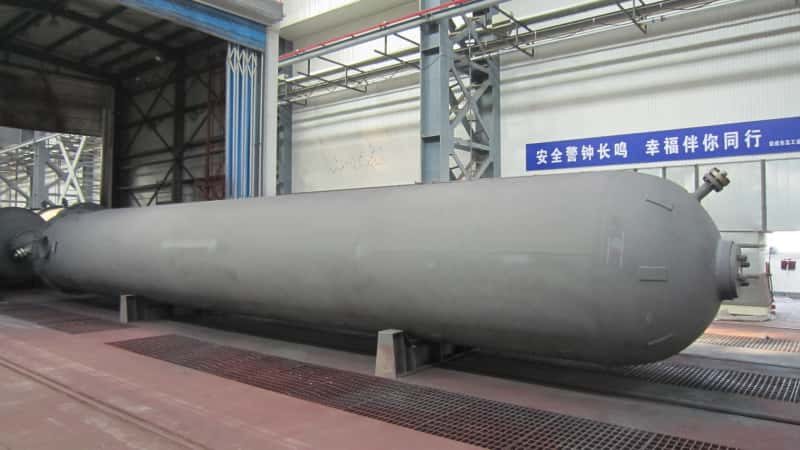

Industrial emissions can carry harmful gases, particulates, and toxic compounds that threaten environmental compliance, worker safety, and equipment longevity. Without effective air pollution control, companies face regulatory penalties, corrosion damage, and reputational risks. Scrubber towers provide a proven solution by removing contaminants from gas streams before they are released into the atmosphere.
Scrubber towers are industrial air pollution control devices designed to remove particulates and/or gases from exhaust streams by bringing them into contact with a liquid (usually water or a chemical solution). As polluted gas passes through the tower, it interacts with the scrubbing liquid via spraying, packing, or bubbling. Contaminants are absorbed, neutralized, or captured in the liquid phase, resulting in cleaner gas exiting the system. Different types—such as wet scrubbers, dry scrubbers, and packed bed scrubbers—operate based on similar principles of mass transfer and chemical reaction to achieve efficient pollutant removal.
To fully understand how scrubber towers can optimize your process and ensure compliance, it’s important to explore their working principles, types, design considerations, and performance factors in detail.
What Are Scrubber Towers and Their Key Components?
Air pollution control failures can lead to regulatory penalties, unsafe working environments, and serious environmental damage. Many facilities struggle with removing harmful gases, particulates, or chemical vapors effectively, especially when systems are poorly designed or misunderstood. Without the right equipment and internal configuration, emissions may exceed compliance limits, damaging both reputation and profitability. The solution lies in understanding scrubber towers—how they work and what components ensure efficient gas cleaning.
Scrubber towers are industrial air pollution control devices that remove harmful gases, particulates, or chemical contaminants from exhaust streams by bringing them into contact with a liquid (usually water or a chemical solution). Their key components include the tower shell, packing or trays, spray system, liquid distributor, mist eliminator, and recirculation system, all working together to maximize gas-liquid contact and contaminant removal efficiency.
To fully utilize scrubber towers in your operations, it’s essential to understand their structure, functionality, and the engineering behind each component.
Scrubber towers only remove solid particles and cannot treat gaseous pollutants.False
Scrubber towers are specifically designed to remove both particulate matter and gaseous contaminants through absorption and chemical reactions.
What Is a Scrubber Tower and How Does It Work?

A scrubber tower, often referred to as a wet scrubber, is a vertical process vessel designed to clean industrial exhaust gases by transferring pollutants from the gas phase into a liquid phase. This process typically involves absorption, where harmful gases dissolve into the scrubbing liquid, or chemical reaction, where contaminants are neutralized. The efficiency of a scrubber tower depends on maximizing contact between the gas stream and the liquid, which is achieved through engineered internal components such as packing or trays. As contaminated gas enters the tower, it flows upward (in most designs) while the scrubbing liquid flows downward, creating a counter-current interaction that enhances mass transfer efficiency. This design is widely used in industries such as chemical processing, power generation, metallurgy, and pharmaceuticals, where emission control is critical for regulatory compliance and environmental protection.
The working principle also involves fluid dynamics and mass transfer coefficients, which determine how effectively pollutants are removed. Factors such as gas velocity, liquid flow rate, temperature, and chemical composition all influence performance. Advanced scrubber systems may include multiple stages, pH control systems, and chemical dosing units to handle complex emissions. Understanding these principles is essential for selecting and operating a scrubber tower that meets specific process requirements and environmental standards.
Key Components of a Scrubber Tower

The performance of a scrubber tower depends on the design and integration of its key components. The following table provides an overview of these components and their functions:
| Component | Function | Importance | Risk if Poorly Designed |
|---|---|---|---|
| Tower Shell | Encloses the process and supports internals | Structural integrity | Leakage or failure |
| Packing/Trays | Increase surface area for gas-liquid contact | High mass transfer efficiency | Low removal efficiency |
| Spray System | Distributes scrubbing liquid evenly | Uniform contact | Channeling and inefficiency |
| Liquid Distributor | Ensures proper liquid flow over packing | Consistent performance | Dry spots |
| Mist Eliminator | Removes entrained droplets from gas | Prevents carryover | Emission of liquid droplets |
| Recirculation System | Reuses scrubbing liquid | Cost efficiency | High operating cost |
Each component must be carefully engineered to ensure optimal performance. For example, packing materials can be structured or random, each offering different advantages in terms of pressure drop and efficiency. Similarly, mist eliminators are critical for preventing liquid droplets from exiting the tower, which could carry pollutants into the atmosphere.
Detailed Breakdown of Core Components
Tower Shell

The tower shell is the outer structure that houses all internal components and withstands operating conditions such as pressure, temperature, and corrosive environments. Materials used for the shell vary depending on the application and may include stainless steel, carbon steel with protective coatings, or fiber-reinforced plastic (FRP). The choice of material is critical, as it must resist corrosion from both the gas stream and the scrubbing liquid. Mechanical design considerations include structural strength, thermal expansion, and compliance with pressure vessel standards. A well-designed shell ensures long-term durability and safe operation, while poor material selection can lead to premature failure and costly repairs.
Packing and Trays

Packing and trays are the heart of the scrubber tower, responsible for creating a large surface area for gas-liquid interaction. Structured packing provides high efficiency and low pressure drop, making it suitable for applications requiring energy efficiency. Random packing, such as Pall rings or Raschig rings, offers flexibility and cost-effectiveness. Tray designs, such as sieve or valve trays, are used in certain applications where controlled liquid flow is required. The selection of packing or trays depends on factors such as gas composition, flow rates, and desired removal efficiency. Proper design ensures uniform distribution of gas and liquid, maximizing contact and improving pollutant removal.
Spray System and Liquid Distribution
The spray system introduces the scrubbing liquid into the tower, typically through nozzles designed to create fine droplets. These droplets increase the contact surface area, enhancing absorption and reaction rates. The liquid distributor ensures that the liquid is evenly spread across the packing or trays, preventing channeling or dry spots that could reduce efficiency. Advanced systems use multiple spray levels and adjustable nozzles to optimize performance under varying operating conditions.
Mist Eliminator
The mist eliminator is a critical component that removes liquid droplets entrained in the cleaned gas before it exits the tower. These droplets may contain dissolved pollutants, so their removal is essential for meeting emission standards. Common designs include mesh pads and vane-type separators, which capture droplets through impaction and coalescence. The efficiency of the mist eliminator directly affects the quality of the خروج gas and the overall performance of the scrubber system.
Recirculation and Chemical Dosing System
The recirculation system collects the scrubbing liquid at the bottom of the tower and pumps it back to the top, reducing water consumption and operating costs. In many applications, chemicals are added to the liquid to enhance pollutant removal, such as alkaline solutions for acid gas neutralization. This system includes pumps, tanks, filters, and control الأجهزة that maintain optimal operating conditions. Proper design ensures stable performance and efficient resource utilization.
Types of Scrubber Towers
Different types of scrubber towers are used depending on the application:
| Type | Description | Best Use Case |
|---|---|---|
| Packed Bed Scrubber | Uses packing for high efficiency | Gas absorption |
| Venturi Scrubber | High-velocity design for fine particles | Particulate removal |
| Spray Tower | Simple design with spray nozzles | Low-cost applications |
| Dry Scrubber | Uses dry reagents instead of liquid | Limited water availability |
Each type has its own advantages and limitations, and selection depends on process requirements, pollutant type, and cost considerations.
Real-World Application Example
In a chemical plant emitting acidic gases, a packed bed scrubber with alkaline solution was installed to neutralize emissions. By optimizing packing design and liquid distribution, the system achieved over 95% removal efficiency, ensuring compliance with environmental regulations and reducing environmental impact. This demonstrates how proper design and component selection directly influence performance.
Ending Summary
Scrubber towers are essential systems for controlling industrial emissions, combining engineering design and chemical processes to remove pollutants effectively. Their performance depends on the integration of key components such as packing, spray systems, and mist eliminators, each playing a vital role in ensuring efficient operation. Understanding these elements allows you to select and operate scrubber systems that meet both regulatory and operational requirements.
How Do Scrubber Towers Work to Remove Pollutants from Gas Streams?
Industrial gas emissions that are not properly treated can lead to severe environmental damage, regulatory violations, and health hazards for workers and nearby communities. Many facilities struggle with efficiently removing pollutants such as acidic gases, volatile organic compounds (VOCs), and fine particulates, especially when systems are poorly designed or operated. Without an effective gas cleaning mechanism, contaminants remain in the exhaust stream, increasing compliance risks and operational costs. The solution lies in understanding how scrubber towers function and how they efficiently remove pollutants from gas streams.
Scrubber towers remove pollutants from gas streams by bringing contaminated gas into close contact with a liquid (usually water or a chemical solution), allowing pollutants to be absorbed, dissolved, or chemically neutralized. This process relies on mass transfer, where contaminants move from the gas phase into the liquid phase, and is enhanced by components such as packing, spray systems, and mist eliminators that maximize contact efficiency.
To fully leverage scrubber technology, it is essential to understand the step-by-step process and the engineering principles that make it effective.
Scrubber towers rely only on filtration to remove pollutants from gas streams.False
Scrubber towers primarily use absorption and chemical reactions, not just physical filtration, to remove gaseous and particulate pollutants.
Step-by-Step Working Principle of Scrubber Towers

The operation of a scrubber tower typically follows a counter-current flow design, which maximizes contact between the gas and liquid phases. Contaminated gas enters the bottom of the tower and flows upward, while the scrubbing liquid is introduced at the top and flows downward. As the two streams interact, pollutants are transferred from the gas into the liquid. This transfer occurs through diffusion and is driven by concentration gradients, meaning that contaminants naturally move from areas of higher concentration (gas phase) to lower concentration (liquid phase).
During this interaction, several mechanisms occur simultaneously. Soluble gases dissolve directly into the liquid, while reactive gases undergo chemical reactions with additives in the scrubbing solution. For example, acidic gases such as sulfur dioxide (SO₂) can react with alkaline solutions to form neutral salts. Particulate matter, on the other hand, is captured by liquid droplets through impaction and interception. The efficiency of these processes depends on factors such as contact surface area, residence time, and turbulence within the tower. By optimizing these parameters, scrubber towers can achieve high removal efficiencies across a wide range of pollutants.
Core Mechanisms of Pollutant Removal
Scrubber towers rely on three primary mechanisms to remove pollutants:
| Mechanism | Description | Best for | Key Advantage |
|---|---|---|---|
| Absorption | Pollutants dissolve into liquid | Soluble gases | High efficiency |
| Chemical Reaction | Pollutants react with chemicals | Acidic or reactive gases | Permanent removal |
| Particle Capture | Droplets trap particles | Dust and aerosols | Broad applicability |
Absorption is the most common mechanism, where gases dissolve into the scrubbing liquid based on solubility and temperature. Chemical reactions enhance this process by converting pollutants into stable compounds, improving removal efficiency. Particle capture occurs when solid particles collide with liquid droplets and are carried out of the gas stream. These mechanisms often work together, providing comprehensive treatment of complex gas mixtures.
Key Components That Enable Efficient Operation
The efficiency of a scrubber tower depends heavily on its internal components, which are designed to maximize gas-liquid contact and ensure effective pollutant removal.
| Component | Function | Contribution to Efficiency |
|---|---|---|
| Packing/Trays | Increase surface area | Enhances mass transfer |
| Spray Nozzles | Create fine droplets | Improves contact |
| Liquid Distributor | Ensures even flow | Prevents channeling |
| Mist Eliminator | Removes droplets from gas | Prevents carryover |
| Recirculation System | Reuses liquid | Maintains consistency |
Packing materials, whether structured or random, create a large surface area for interaction, significantly improving absorption efficiency. Spray nozzles generate fine droplets that increase the contact interface, while liquid distributors ensure uniform coverage. The mist eliminator captures any remaining droplets before the gas exits, ensuring that noلوث liquids are released into the atmosphere.
Factors Affecting Scrubber Performance
The performance of a scrubber tower is influenced by several operational and design factors. These include gas velocity, liquid flow rate, temperature, pressure, and chemical composition of both the gas and the scrubbing liquid. For example, higher liquid flow rates generally improve absorption but may increase operating costs. Similarly, lower temperatures enhance gas solubility, improving removal efficiency.
The following table summarizes key factors and their impact:
| Factor | Effect on Performance | Optimization Strategy |
|---|---|---|
| Gas Velocity | Affects contact time | Maintain optimal range |
| Liquid Flow Rate | Influences absorption | Balance efficiency and cost |
| Temperature | Affects solubility | Control operating conditions |
| Chemical Additives | Enhance reactions | Select appropriate reagents |
| Packing Design | Determines surface area | Use high-efficiency materials |
Proper optimization of these factors ensures that the scrubber operates efficiently and meets regulatory requirements.
Types of Scrubber Operation Modes

Different scrubber designs operate using variations of the same principles:
| Type | Working Principle | Application |
|---|---|---|
| Packed Bed Scrubber | Gas flows through packing | Gas absorption |
| Venturi Scrubber | High velocity creates fine droplets | Fine particle removal |
| Spray Tower | Direct spray contact | Simple applications |
| Dry Scrubber | Uses dry reagents | Low-water environments |
Each type is optimized for specific pollutants and operational conditions, allowing industries to select the most suitable technology.
Real-World Example of Pollutant Removal
In a power plant emitting sulfur dioxide, a wet scrubber system uses a limestone slurry to chemically react with the gas, forming gypsum as a byproduct. This process achieves removal efficiencies exceeding 90%, significantly reducing emissions and ensuring compliance with environmental regulations. Such applications demonstrate the effectiveness of scrubber towers in real industrial scenarios.
Ending Summary
Scrubber towers are highly effective systems for removing pollutants from gas streams by combining physical and chemical processes. Through mechanisms such as absorption, chemical reaction, and particle capture, and with the help of engineered components, they ensure efficient and reliable emission control. Understanding how these systems work allows industries to optimize performance, reduce environmental impact, and meet stringent regulatory standards.
What Are the Different Types of Scrubber Towers and How Do They Work?
Air pollution control is not a one-size-fits-all challenge. Many industrial facilities struggle because they select the wrong type of scrubber tower for their specific pollutants, leading to poor removal efficiency, excessive operating costs, or compliance failures. Choosing an inappropriate system can result in ineffective treatment of gases or particulates, ultimately causing environmental and financial consequences. The solution is to clearly understand the different types of scrubber towers and how each one works, so you can match the technology to your process needs.
The main types of scrubber towers include packed bed scrubbers, venturi scrubbers, spray towers, and dry scrubbers. Each type works by bringing polluted gas into contact with a liquid or reagent, but they differ in design, efficiency, pressure drop, and suitability for specific pollutants such as gases, fine particles, or corrosive emissions.
To make the right decision, let’s explore each type in detail and understand their working principles, advantages, and limitations.
All scrubber towers operate with the same efficiency regardless of their design.False
Different scrubber designs are optimized for specific pollutants and operating conditions, resulting in varying efficiencies and performance.
Overview of Scrubber Tower Types

Scrubber towers are broadly categorized based on how they achieve gas-liquid or gas-solid contact. Wet scrubbers use liquid to capture pollutants, while dry scrubbers use solid or semi-dry reagents. Within these categories, different designs optimize performance for specific applications. The choice depends on factors such as pollutant type, gas flow rate, temperature, and required removal efficiency. For example, packed bed scrubbers are highly efficient for gas absorption, while venturi scrubbers excel at removing fine particulates due to their high-energy design.
Packed Bed Scrubbers: High-Efficiency Gas Absorption

Packed bed scrubbers are among the most widely used types due to their high efficiency in removing gaseous pollutants. They contain a bed of packing material—either structured or random—that provides a large surface area for gas-liquid interaction. Contaminated gas flows upward through the packing while the scrubbing liquid flows downward, creating a counter-current flow that maximizes mass transfer.
This design is particularly effective for absorbing soluble gases such as sulfur dioxide (SO₂), ammonia (NH₃), and hydrogen chloride (HCl). The large surface area and extended contact time allow for high removal efficiency, often exceeding 95% under optimal conditions. Additionally, packed bed scrubbers operate with relatively low pressure drop compared to high-energy systems, making them energy-efficient. However, they may be less effective for removing very fine particulates, and proper liquid distribution is critical to avoid channeling and maintain performance.
Venturi Scrubbers: High-Energy Particle Removal

Venturi scrubbers are designed for high-efficiency removal of fine particulate matter, including submicron particles. They operate by accelerating the gas stream through a narrow throat, where liquid is injected. The high velocity creates intense turbulence and breaks the liquid into very fine droplets, which collide with and capture particles.
This mechanism makes venturi scrubbers highly effective for applications such as metallurgical processes, power plants, and industries generating fine dust or aerosols. Removal efficiencies can exceed 99% for fine particles, but this performance comes at the cost of higher energy consumption due to the significant pressure drop. Venturi scrubbers are less commonly used for gas absorption alone, as their primary strength lies in particle capture.
Spray Towers: Simple and Cost-Effective Solutions

Spray towers are the simplest form of wet scrubbers, using spray nozzles to introduce liquid into the gas stream. The gas flows through the tower and comes into contact with liquid droplets, which absorb or capture pollutants. This design is easy to operate and maintain, making it a cost-effective option for less demanding applications.
However, spray towers generally have lower efficiency compared to packed bed or venturi scrubbers because they provide less surface area for contact. They are best suited for removing coarse particles or moderately soluble gases where high efficiency is not critical. Despite their limitations, they are widely used in applications where simplicity and low लागत are प्राथमिक considerations.
Dry Scrubbers: Water-Free Pollution Control

Dry scrubbers operate without liquid, using solid or semi-dry reagents to neutralize pollutants. In these systems, a powdered reagent such as lime or sodium bicarbonate is injected into the gas stream, where it reacts with acidic gases to form solid byproducts. These byproducts are then removed using filters or baghouses.
Dry scrubbers are particularly useful in applications where water availability is limited or where wastewater treatment is undesirable. They are commonly used in waste incineration and power generation. While they may not achieve the same level of efficiency as wet scrubbers for certain applications, they offer advantages in terms of simplicity, lower water usage, and reduced corrosion issues.
Comparative Analysis of Scrubber Types
To better understand the differences, the following table compares key characteristics:
| Scrubber Type | Best For | Efficiency | Energy Consumption | Complexity |
|---|---|---|---|---|
| Packed Bed | Gas absorption | High | Low–Moderate | Moderate |
| Venturi | Fine particles | Very High | High | High |
| Spray Tower | Simple applications | Moderate | Low | Low |
| Dry Scrubber | Acid gases (no water) | Moderate–High | Moderate | Moderate |
This comparison highlights that no single scrubber type is universally superior; the optimal choice depends on specific process requirements and constraints.
Selection Considerations for Industrial Applications
Choosing the right scrubber involves evaluating multiple factors, including pollutant type, required efficiency, operating conditions, and cost constraints. For example, a chemical plant dealing with acidic gases may prefer a packed bed scrubber for its high absorption efficiency, while a facility handling fine particulate emissions may opt for a venturi scrubber. In water-scarce regions, dry scrubbers may be the preferred solution despite slightly lower efficiency.
Additionally, hybrid systems are sometimes used to combine the strengths of different scrubber types. For instance, a venturi scrubber may be followed by a packed bed to achieve both particle and gas removal. This integrated approach can provide comprehensive emission control while optimizing performance and cost.
Real-World Application Example
In a steel manufacturing plant, a venturi scrubber is used to capture fine particulate emissions from the furnace, achieving over 98% removal efficiency. The cleaned gas then passes through a packed bed scrubber to remove residual gaseous pollutants, ensuring compliance with environmental regulations. This combination demonstrates how different scrubber types can work together to achieve optimal results.
Ending Summary
Scrubber towers come in various types, each designed to address specific pollution control challenges. From high-efficiency packed bed scrubbers to high-energy venturi systems and water-free dry scrubbers, understanding their working principles is essential for selecting the right solution. By matching the scrubber type to your process requirements, you can achieve effective emission control, regulatory compliance, and long-term operational efficiency.
What Design Factors Influence the Efficiency of Scrubber Towers?
Inefficient scrubber towers can quietly undermine your entire environmental control strategy—leading to emission violations, wasted chemicals, high energy costs, and frequent operational issues. Many facilities install scrubbers but fail to achieve expected removal efficiency because critical design factors were overlooked or poorly optimized. The consequences can include regulatory penalties, production interruptions, and escalating lifecycle costs. The solution is a deep understanding of the engineering design factors that directly control scrubber tower performance.
The efficiency of scrubber towers is influenced by key design factors including gas-liquid contact area, packing or tray design, liquid distribution, gas velocity, residence time, chemical dosing, temperature, and pressure conditions. Optimizing these parameters ensures maximum mass transfer, effective pollutant removal, and stable long-term operation.
To achieve high-performance emission control, it is essential to analyze how each of these factors interacts within the system.
Increasing liquid flow rate alone will always improve scrubber efficiency.False
While higher liquid flow can improve contact, excessive flow may cause flooding, increased pressure drop, and reduced efficiency.
Gas-Liquid Contact Area: The Foundation of Efficiency
The efficiency of a scrubber tower fundamentally depends on the extent of contact between the gas phase and the liquid phase. This interaction is where mass transfer occurs, allowing pollutants to move from the gas into the liquid. Increasing the contact area enhances the probability of collision and absorption, directly improving removal efficiency. This is typically achieved through the use of packing materials or trays, which create a large surface area within a confined space. Structured packing, for example, offers highly organized channels that maximize surface exposure while maintaining low pressure drop, whereas random packing provides flexibility and cost-effectiveness.
From a technical standpoint, the effectiveness of gas-liquid contact is governed by mass transfer coefficients and interfacial area. Engineers design scrubbers to maximize these parameters by selecting appropriate packing types, sizes, and configurations. Poor design in this area can lead to channeling, where the liquid flows unevenly, leaving portions of the packing dry and reducing efficiency. Therefore, ensuring uniform distribution and sufficient surface area is critical for achieving optimal performance.
Packing and Tray Design: Core Internal Configuration

The choice and design of internal components such as packing or trays play a decisive role in scrubber efficiency. These elements determine how the gas and liquid interact, influencing both mass transfer and pressure drop. Structured packing is often preferred for high-efficiency applications due to its uniform geometry and high surface area, while random packing is used for its versatility and lower cost. Tray designs, such as sieve or valve trays, are suitable for specific conditions where controlled liquid flow is required.
The following table compares different internal configurations:
| Internal Type | Advantages | Limitations | Best Application |
|---|---|---|---|
| Structured Packing | High efficiency, low pressure drop | Higher cost | Gas absorption |
| Random Packing | Flexible, cost-effective | Lower efficiency | General use |
| Sieve Trays | Simple design | Limited flexibility | Stable operations |
| Valve Trays | Adjustable flow | Higher complexity | Variable loads |
Selecting the right internal design requires careful consideration of process conditions, including gas composition, flow rates, and desired removal efficiency.
Liquid Distribution and Spray System

Uniform liquid distribution is essential for maximizing contact efficiency. The spray system introduces the scrubbing liquid into the tower, typically through nozzles that create fine droplets. These droplets increase the surface area for interaction and improve absorption rates. However, if the liquid is not evenly distributed, certain مناطق of the packing may remain dry, leading to reduced efficiency and uneven performance.
Advanced scrubber designs incorporate multi-level spray systems and precision-engineered distributors to ensure uniform coverage. Engineers must also consider droplet size, as smaller droplets provide greater surface area but may increase pressure drop or entrainment. Achieving the right balance is key to optimizing performance.
Gas Velocity and Residence Time
Gas velocity and residence time are closely related factors that influence how long the gas remains in contact with the liquid. Higher gas velocities can reduce residence time, limiting the opportunity for mass transfer, while excessively low velocities may lead to inefficient operation and larger equipment size.
The following table illustrates their impact:
| Parameter | Effect on Efficiency | Design Consideration |
|---|---|---|
| High Gas Velocity | Reduced contact time | Risk of poor absorption |
| Low Gas Velocity | Increased contact time | Larger equipment size |
| Optimal Range | Balanced performance | Maximum efficiency |
Designing for the optimal velocity ensures that the gas spends sufficient time in the tower to achieve the desired level of pollutant removal without causing excessive pressure drop or energy consumption.
Chemical Dosing and Reaction Kinetics

In many applications, chemical reactions enhance pollutant removal. For example, alkaline solutions are used to neutralize acidic gases, while oxidizing agents may be added to treat specific contaminants. The efficiency of these reactions depends on proper dosing, mixing, and reaction kinetics.
Engineers must carefully control parameters such as pH, concentration, and reaction time to ensure effective treatment. Overdosing chemicals can increase costs and create secondary waste, while underdosing can result in incomplete removal. Therefore, precise control systems are essential for maintaining optimal performance.
Temperature and Pressure Conditions
Temperature and pressure significantly affect gas solubility and reaction rates. Lower temperatures generally increase the solubility of gases in liquids, enhancing absorption efficiency. Conversely, higher temperatures may reduce solubility but increase reaction rates for certain processes.
Pressure also plays a role, particularly in high-pressure systems where increased الضغط can improve gas-liquid contact. Designing scrubbers to operate within optimal temperature and pressure ranges is crucial for maximizing efficiency and minimizing energy consumption.
Mist Eliminator Design
The mist eliminator is responsible for removing entrained liquid droplets from the cleaned gas before it exits the tower. Its design directly affects the final emission quality. Inefficient mist elimination can result in carryover of liquid droplets containing pollutants, reducing overall system performance and potentially causing environmental compliance issues.
Different designs, such as mesh pads and vane separators, offer varying levels of efficiency and pressure drop. Selecting the appropriate type and ensuring proper maintenance are essential for maintaining high الأداء.
Integrated Design Optimization
The efficiency of a scrubber tower is not determined by a single factor but by the integration of all design elements. Engineers must consider how these factors interact and optimize them collectively. For example, increasing liquid flow may improve absorption but also increase pressure drop and energy consumption. Similarly, selecting high-efficiency packing may require more precise liquid distribution systems.
A holistic design approach ensures that all components work together to achieve maximum performance while minimizing costs and operational risks.
Real-World Example
In a refinery application, optimizing packing type and liquid distribution improved scrubber efficiency from 85% to over 95%, while reducing chemical consumption by 20%. This demonstrates how proper design optimization can significantly enhance performance and cost-effectiveness.
Ending Summary
Scrubber tower efficiency is influenced by a complex interplay of design factors, including gas-liquid contact, internal configuration, flow dynamics, chemical reactions, and operating conditions. By understanding and optimizing these factors, you can achieve high removal efficiency, regulatory compliance, and long-term operational reliability.
How Do You Select the Right Scrubber Tower for Your Application?
Choosing the wrong scrubber tower can quietly sabotage your entire emission control strategy—leading to poor pollutant removal, excessive operating costs, frequent downtime, and even regulatory penalties. Many facilities install systems that look adequate on paper but fail under real operating conditions because critical selection factors were overlooked. The consequence is not just inefficiency, but long-term financial and environmental risk. The solution is a structured, engineering-driven approach to selecting the right scrubber tower tailored to your specific process conditions.
To select the right scrubber tower, you must evaluate pollutant type, gas composition, required removal efficiency, operating conditions (temperature, pressure, flow rate), water and chemical availability, energy consumption, and lifecycle costs. Matching these factors with the appropriate scrubber type—such as packed bed, venturi, spray tower, or dry scrubber—ensures optimal performance, compliance, and cost-effectiveness.
Understanding how to apply these criteria in real scenarios is essential for making the right investment decision.
A single scrubber tower design can effectively handle all types of pollutants and operating conditions.False
Different pollutants and process conditions require specific scrubber designs to achieve optimal efficiency and performance.
Step 1: Identify Pollutant Type and Characteristics

The first and most critical step in selecting a scrubber tower is understanding the nature of the pollutants you need to remove. Pollutants can be broadly categorized into gases (such as SO₂, HCl, NH₃), particulates (dust, ash, aerosols), or a combination of both. Each category requires a different removal mechanism—absorption for gases, impaction for particulates, or chemical reaction for reactive compounds. Additionally, factors such as solubility, reactivity, and particle size distribution play a major role in determining which scrubber type will be effective.
For example, highly soluble gases are best treated using packed bed scrubbers, which maximize gas-liquid contact. Fine particulate matter, especially submicron particles, is more effectively removed using venturi scrubbers due to their high-energy turbulence. In cases where both gases and particles are present, a hybrid system may be required. Failing to properly characterize pollutants can result in selecting a system that is fundamentally incapable of achieving the required efficiency.
Step 2: Determine Required Removal Efficiency
Regulatory standards and internal performance goals define the level of pollutant removal required. Some applications may require moderate efficiency (70–85%), while others demand ultra-high efficiency exceeding 99%. The required efficiency directly influences the choice of scrubber type and design complexity.
The following table provides guidance:
| Required Efficiency | Recommended Scrubber Type | Notes |
|---|---|---|
| 70–85% | Spray Tower | Low cost, simple design |
| 85–95% | Packed Bed | Balanced efficiency and cost |
| 95–99% | Venturi + Packed Bed | High-performance systems |
| >99% | Multi-stage systems | Advanced design required |
Higher efficiency typically requires more complex systems, increased energy consumption, and higher capital costs. Therefore, it is essential to balance performance requirements with economic considerations.
Step 3: Evaluate Operating Conditions
Operating conditions such as gas flow rate, temperature, and pressure significantly influence scrubber selection. High gas flow rates require larger equipment or high-capacity designs, while elevated temperatures may limit the effectiveness of certain scrubber types due to reduced gas solubility. Pressure conditions can also affect system design and material selection.
Key considerations include:
| Parameter | Impact on Selection | Design Implication |
|---|---|---|
| Flow Rate | Determines size | Larger towers or multiple units |
| Temperature | Affects solubility | May require cooling systems |
| Pressure | Influences design strength | Requires robust materials |
| Humidity | Affects absorption | Impacts efficiency |
Proper evaluation ensures that the selected scrubber can handle real operating conditions without performance degradation.
Step 4: Assess Water and Chemical Availability

Wet scrubbers rely heavily on water and chemical solutions, making resource availability a key factor. In regions with limited water supply, dry or semi-dry scrubbers may be more suitable. Similarly, the availability and cost of chemicals used for neutralization must be considered.
Wet scrubbers generally offer higher efficiency but require wastewater treatment and corrosion-resistant materials. Dry scrubbers, on the other hand, reduce water usage but may have slightly lower efficiency for certain applications. Evaluating resource availability helps ensure sustainable and cost-effective operation.
Step 5: Analyze Energy Consumption and Pressure Drop
Energy consumption is primarily driven by pressure drop across the scrubber. High-efficiency systems like venturi scrubbers achieve excellent performance but at the cost of high energy usage due to significant pressure drop. Conversely, packed bed scrubbers offer a balance between efficiency and energy consumption.
The following comparison highlights this trade-off:
| Scrubber Type | Pressure Drop | Energy Use | Efficiency |
|---|---|---|---|
| Spray Tower | Low | Low | Moderate |
| Packed Bed | Moderate | Moderate | High |
| Venturi | High | High | Very High |
| Dry Scrubber | Moderate | Moderate | Moderate–High |
Selecting a system requires balancing energy costs with performance requirements.
Step 6: Consider Materials and Corrosion Resistance
Scrubber towers often operate in highly corrosive environments, especially when treating acidic gases. Material selection is critical for ensuring durability and minimizing maintenance costs. Common materials include stainless steel, fiberglass-reinforced plastic (FRP), and coated carbon steel.
Choosing the right material depends on chemical compatibility, temperature, and cost considerations. Poor material selection can lead to rapid degradation, leaks, and system failure.
Step 7: Evaluate Maintenance and Lifecycle Costs

Initial cost is only one part of the equation. Maintenance requirements, spare parts availability, and system reliability all contribute to lifecycle cost. Systems with complex designs may offer higher efficiency but require more frequent maintenance.
Key lifecycle considerations include:
| Factor | Impact |
|---|---|
| Maintenance Frequency | Affects downtime |
| Spare Parts Availability | Impacts repair speed |
| System Reliability | Determines long-term cost |
| Operational Complexity | Influences labor requirements |
A well-balanced system minimizes total cost of ownership while maintaining performance.
Step 8: Consider Customization and Future Flexibility

Industrial processes evolve over time, and your scrubber system should be able to adapt. Custom-designed scrubbers can accommodate future capacity increases, changes in pollutant composition, or stricter regulations. Modular designs allow for आसान upgrades and expansions, ensuring long-term relevance.
Working with a manufacturer that offers customization and engineering support ensures that your system remains effective as your needs change.
Real-World Example
A pharmaceutical plant initially installed a spray tower for solvent vapor removal but failed to meet emission standards. After upgrading to a packed bed scrubber with optimized chemical dosing, the plant achieved over 95% removal efficiency and full regulatory compliance. This highlights the importance of proper selection based on process requirements.
Ending Summary
Selecting the right scrubber tower requires a comprehensive evaluation of pollutant characteristics, performance requirements, operating conditions, resource availability, and lifecycle costs. By taking a systematic approach and understanding how each factor influences performance, you can choose a system that delivers reliable, efficient, and compliant operation.
What Maintenance and Operational Practices Ensure Long-Term Scrubber Tower Performance?
Many scrubber towers fail to deliver long-term performance not because of poor design—but due to inadequate maintenance and improper operation. Over time, issues such as scaling, corrosion, nozzle clogging, and mist eliminator fouling can drastically reduce efficiency, increase pressure drop, and lead to unexpected shutdowns. These problems often go unnoticed until emissions exceed limits or system failure occurs. The solution lies in implementing structured maintenance routines and disciplined operational practices that preserve efficiency and extend equipment lifespan.
Long-term scrubber tower performance is ensured through regular inspection, preventive maintenance, proper liquid chemistry control, cleaning of internals, monitoring of operating parameters, timely replacement of worn components, and trained operational management. These practices maintain efficiency, prevent failures, and reduce lifecycle costs.
To achieve consistent performance, it is essential to understand how each maintenance and operational factor contributes to system reliability.
Scrubber towers require minimal maintenance once installed.False
Scrubber towers require continuous monitoring, cleaning, and maintenance to prevent fouling, corrosion, and performance degradation.
Routine Inspection: The First Line of Defense

Routine inspection is the cornerstone of effective scrubber tower maintenance. Regular visual and instrument-based inspections allow operators to detect early signs of wear, fouling, corrosion, or mechanical damage before they escalate into serious issues. Inspections should cover critical components such as packing, spray nozzles, liquid distributors, mist eliminators, pumps, and structural elements of the tower. In high-demand industrial environments, even minor deviations—such as uneven liquid distribution or partial nozzle blockage—can significantly reduce mass transfer efficiency and pollutant removal rates.
A well-structured inspection program includes daily operational checks, weekly visual inspections, and periodic shutdown inspections for detailed internal examination. Advanced facilities also use digital monitoring tools and sensors to track parameters such as pressure drop, flow rates, and temperature in real time. Sudden changes in these parameters often indicate underlying problems, enabling proactive intervention. By integrating routine inspection into standard operating procedures, facilities can maintain optimal performance and avoid costly downtime.
Cleaning and Fouling Prevention
Fouling and scaling are among the most common causes of efficiency loss in scrubber towers. Deposits from dissolved solids, chemical reactions, or particulate accumulation can block packing surfaces, clog spray nozzles, and reduce effective contact area. Over time, this leads to increased pressure drop and reduced pollutant removal efficiency.
Effective cleaning practices include periodic flushing of the system, chemical cleaning to remove scale, and manual cleaning during scheduled shutdowns. The frequency of cleaning depends on the nature of the pollutants and the quality of the scrubbing liquid. For example, systems treating high-particulate streams may require more frequent cleaning than those handling primarily gaseous pollutants. Implementing anti-scaling measures, such as water treatment and filtration, can significantly reduce fouling rates and extend maintenance intervals.
Liquid Chemistry Control

Maintaining proper liquid chemistry is critical for both efficiency and equipment longevity. Parameters such as pH, chemical concentration, dissolved solids, and temperature must be carefully controlled to ensure effective pollutant removal and prevent corrosion or scaling. For example, acidic gases require alkaline solutions for neutralization, and improper pH control can lead to incomplete treatment or excessive chemical consumption.
The following table outlines key parameters and their importance:
| Parameter | Optimal Range | Impact if Uncontrolled |
|---|---|---|
| pH Level | Application-specific | Poor neutralization or corrosion |
| Chemical Concentration | Controlled dosing | Inefficient reactions |
| Dissolved Solids | Low to moderate | Scaling and fouling |
| Temperature | Stable range | Reduced solubility |
Automated dosing systems and real-time monitoring instruments are often used to maintain these parameters within optimal ranges. Proper chemical management not only improves efficiency but also reduces operating costs and environmental impact.
Monitoring Operating Parameters

Continuous monitoring of operating parameters is essential for maintaining stable scrubber performance. Key parameters include gas flow rate, liquid flow rate, pressure drop, temperature, and emission levels. Deviations from normal operating conditions can indicate issues such as blockages, leaks, or equipment malfunction.
The following table highlights critical parameters:
| Parameter | Normal Function | Warning Sign |
|---|---|---|
| Pressure Drop | Indicates flow resistance | Sudden increase = fouling |
| Gas Flow Rate | Ensures proper contact | Fluctuations = instability |
| Liquid Flow Rate | Maintains absorption | Low flow = poor efficiency |
| Temperature | Affects solubility | High temp = reduced efficiency |
By using advanced monitoring systems, operators can detect anomalies early and take corrective action before performance is affected.
Maintenance of Key Components
Critical components such as spray nozzles, pumps, packing, and mist eliminators require regular maintenance and timely replacement. Nozzles may wear or clog over time, reducing spray efficiency. Pumps must be maintained to ensure consistent liquid circulation, while packing materials may degrade or become fouled, requiring replacement.
Mist eliminators are particularly important, as their failure can result in liquid carryover and emission violations. Regular inspection and cleaning of these components ensure that the scrubber operates at peak efficiency. Establishing a preventive maintenance schedule helps avoid unexpected failures and extends the lifespan of the system.
Corrosion Management and Material Protection
Scrubber towers often operate in corrosive environments, making corrosion management a critical aspect of maintenance. Protective coatings, corrosion-resistant materials, and proper chemical control help prevent degradation of the tower structure and internals. Regular inspection for signs of corrosion—such as pitting, discoloration, or material thinning—is essential.
Implementing corrosion monitoring systems and using high-quality materials such as stainless steel or FRP can significantly reduce maintenance requirements and extend equipment life.
Operator Training and Standard Operating Procedures

Even the best-designed scrubber system can fail without proper operation. تدريب operators ensures that they understand system functionality, maintenance requirements, and emergency procedures. Standard operating procedures (SOPs) provide clear guidelines for routine operation, troubleshooting, and maintenance activities.
Well-trained personnel can identify issues early, respond effectively to changes in operating conditions, and maintain consistent performance. Continuous training and knowledge updates are essential for adapting to new technologies and evolving regulatory requirements.
Preventive vs. Reactive Maintenance Strategy
A proactive maintenance approach is far more effective than reactive maintenance. Preventive maintenance involves scheduled inspections, cleaning, and component replacement, while reactive maintenance addresses issues only after they occur.
| Maintenance Type | Approach | Outcome |
|---|---|---|
| Preventive | Planned and proactive | High reliability |
| Reactive | Unplanned repairs | Increased downtime |
Adopting a preventive strategy reduces unexpected failures, improves efficiency, and lowers overall costs.
Real-World Example
A chemical plant experiencing declining scrubber efficiency implemented a structured maintenance program, including regular cleaning, improved pH control, and upgraded monitoring systems. Within six months, removal efficiency improved by 15%, and maintenance costs decreased significantly, demonstrating the value of proper practices.
Ending Summary
Long-term scrubber tower performance depends on a combination of disciplined maintenance and effective operational practices. Regular inspection, cleaning, chemical control, monitoring, and skilled operation ensure that the system continues to perform efficiently and reliably over time.
In summary, scrubber towers are essential systems for controlling air pollution in industrial processes, combining physical and chemical mechanisms to remove harmful substances effectively. Choosing the right design and maintaining optimal operation are key to maximizing efficiency and compliance.
Need expert guidance on selecting or designing the right scrubber tower for your facility? Contact us today to get tailored solutions that meet your environmental and operational requirements.
FAQ
Q1: What are scrubber towers and what are they used for?
A1:
Scrubber towers, also known as industrial scrubbers, are air pollution control devices designed to remove harmful gases, particulates, and pollutants from industrial exhaust streams before they are released into the atmosphere. These towers are widely used in industries such as chemical processing, power generation, oil and gas, pharmaceuticals, and manufacturing, where emissions may contain hazardous substances like sulfur dioxide (SO₂), ammonia (NH₃), hydrogen chloride (HCl), and particulate matter.
The primary purpose of a scrubber tower is to ensure compliance with environmental regulations while protecting human health and reducing environmental impact. Governments and regulatory bodies around the world impose strict emission standards, and scrubber towers play a critical role in helping industries meet these requirements.
There are several types of scrubber towers, including wet scrubbers, dry scrubbers, and packed bed scrubbers. Wet scrubbers use a liquid—typically water or a chemical solution—to capture and neutralize pollutants. Dry scrubbers, on the other hand, use dry reagents or sorbents to remove contaminants without the need for liquid.
Scrubber towers are particularly effective in removing acidic gases and soluble compounds. In many cases, chemical reactions occur داخل the tower, converting harmful gases into less harmful or easily disposable substances. For example, sulfur dioxide can be neutralized using alkaline solutions such as lime or sodium hydroxide.
In addition to environmental benefits, scrubber towers can also improve workplace safety by reducing exposure to toxic gases. They are often integrated into larger process systems and can be customized based on the type of pollutants, gas flow rate, temperature, and pressure conditions.
Overall, scrubber towers are essential components of modern industrial operations, helping companies balance productivity with environmental responsibility and regulatory compliance.
Q2: How do scrubber towers work in industrial applications?
A2:
Scrubber towers operate by bringing polluted gas streams into close contact with a scrubbing medium—usually a liquid or chemical solution—that captures and removes contaminants. The working principle is based on mass transfer, where pollutants are transferred from the gas phase into the liquid phase.
In a typical wet scrubber tower, the contaminated gas enters the tower from the bottom and flows upward. At the same time, the scrubbing liquid is introduced from the top and flows downward, creating a counter-current flow pattern. This arrangement maximizes contact between the gas and liquid, enhancing the efficiency of pollutant removal.
Inside the tower, various internal components such as spray nozzles, packing materials, or trays increase the surface area for interaction. Packing materials—such as ceramic or plastic structures—are commonly used in packed bed scrubbers to improve gas-liquid contact. As the gas passes through the packed bed, pollutants dissolve into the liquid or react chemically with the scrubbing solution.
For example, when removing acidic gases like sulfur dioxide, an alkaline solution (e.g., sodium hydroxide) is used. The chemical reaction neutralizes the acid, forming salts that can be removed from the system. Similarly, particulate matter can be captured through impaction and absorption mechanisms.
After the scrubbing process, the cleaned gas exits the top of the tower, while the contaminated liquid is collected at the bottom. This liquid may be treated and recycled or disposed of בהתאם environmental regulations.
In dry scrubbers, the process is slightly different. Instead of a liquid, a dry sorbent is injected into the gas stream, where it reacts with pollutants to form solid byproducts that are later captured using filters or electrostatic precipitators.
Overall, the efficiency of a scrubber tower depends on factors such as gas velocity, liquid flow rate, temperature, pressure, and the type of pollutants being removed. Proper design and operation are essential to achieving optimal performance.
Q3: What are the different types of scrubber towers?
A3:
Scrubber towers come in various types, each designed to address specific industrial needs and types of pollutants. The main categories include wet scrubbers, dry scrubbers, and semi-dry scrubbers, with several subtypes within each category.
Wet scrubbers are the most commonly used type and are highly effective in removing both gases and particulates. Within this category, there are packed bed scrubbers, venturi scrubbers, spray towers, and tray scrubbers. Packed bed scrubbers use structured or random packing materials to increase surface area, making them ideal for gas absorption processes. Venturi scrubbers, on the other hand, are designed for high-efficiency particulate removal and operate by accelerating the gas stream through a narrow throat, creating intense mixing with the scrubbing liquid.
Spray towers are simpler in design and use spray nozzles to disperse liquid into the gas stream. While they are less efficient than packed or venturi scrubbers, they are cost-effective and suitable for less demanding applications. Tray scrubbers use perforated plates to create multiple stages of gas-liquid contact, improving efficiency.
Dry scrubbers do not use liquids and instead rely on dry reagents such as lime or activated carbon. These systems are commonly used in applications where water usage is limited or where wastewater disposal is a concern. They are particularly effective in removing acidic gases and certain organic compounds.
Semi-dry scrubbers, also known as spray dry scrubbers, combine elements of both wet and dry systems. In these systems, a liquid slurry is sprayed into the gas stream, and the water evaporates, leaving behind dry particles that capture pollutants.
Each type of scrubber tower has its own advantages and limitations. The choice depends on factors such as the type and concentration of pollutants, process conditions, space constraints, and cost considerations. Selecting the right type ensures optimal performance and compliance with environmental standards.
Q4: What are the advantages and limitations of scrubber towers?
A4:
Scrubber towers offer numerous advantages, making them a popular choice for industrial air pollution control. One of the primary benefits is their high efficiency in removing a wide range of pollutants, including gases, vapors, and particulates. Wet scrubbers, in particular, can achieve removal efficiencies of over 99% for certain contaminants.
Another advantage is their versatility. Scrubber towers can be customized to handle different types of pollutants and process conditions. They can operate at high temperatures and pressures and are suitable for a variety of industries. Additionally, they can neutralize hazardous gases through chemical reactions, reducing environmental and health risks.
Scrubber towers also contribute to regulatory compliance. By effectively reducing emissions, they help industries meet stringent environmental standards and avoid penalties. Furthermore, they can improve workplace safety by minimizing exposure to toxic substances.
However, scrubber towers also have some limitations. One of the main drawbacks of wet scrubbers is the generation of wastewater, which requires treatment and disposal. This can increase operational costs and complexity. Corrosion is another concern, especially when dealing with acidic gases, requiring the use of corrosion-resistant materials such as stainless steel or specialized coatings.
Energy consumption can also be significant, particularly in systems like venturi scrubbers that require high gas velocities. Maintenance requirements are another factor, as components such as nozzles and packing materials may become clogged or worn over time.
Dry scrubbers, while eliminating wastewater issues, may produce solid waste that requires proper disposal. They may also be less effective for certain types of pollutants compared to wet systems.
In summary, while scrubber towers are highly effective and versatile, their selection and operation must consider both advantages and limitations to ensure cost-effective and efficient performance.
Q5: How do you choose the right scrubber tower for your application?
A5:
Choosing the right scrubber tower for a specific application involves a comprehensive evaluation of several technical and operational factors. The first step is to identify the type and concentration of pollutants in the gas stream. Different scrubber types are designed to handle specific contaminants, such as acidic gases, volatile organic compounds (VOCs), or particulate matter.
Gas flow rate and temperature are also critical considerations. High flow rates may require larger towers or multiple units, while high temperatures may necessitate cooling systems or specialized materials. Pressure conditions and humidity levels can also influence the design and performance of the scrubber.
The choice between wet and dry scrubbers depends on factors such as water availability, wastewater treatment capabilities, and environmental regulations. Wet scrubbers are generally more efficient for gas absorption, while dry scrubbers are suitable for applications where water use is restricted.
Material selection is another important aspect. The scrubber must be constructed from materials that can withstand corrosion and chemical exposure. Common materials include stainless steel, fiberglass-reinforced plastic (FRP), and high-performance alloys.
Space constraints and installation requirements should also be considered. Some scrubber types, such as packed bed scrubbers, require more vertical space, while others may have a more compact design.
Operational costs, including energy consumption, maintenance, and consumables, should be evaluated to determine the total cost of ownership. Suppliers should provide detailed cost estimates and performance data to support decision-making.
Finally, consider the supplier’s expertise and support services. A reputable supplier will offer design assistance, installation support, and ongoing maintenance services. Pilot testing and simulation studies can also help validate the chosen design before full-scale implementation.
By carefully analyzing these factors, industries can select the most suitable scrubber tower to achieve efficient pollution control and regulatory compliance.
References
1. Air Pollution Control Engineering
https://www.mheducation.com
Source: McGraw-Hill
2. Wet Scrubber Systems Overview
https://www.epa.gov/air-emissions-control/wet-scrubbers
Source: U.S. Environmental Protection Agency
3. Industrial Gas Cleaning Technology
https://www.sciencedirect.com
Source: ScienceDirect
4. Scrubber Design and Operation
https://www.aiche.org
Source: American Institute of Chemical Engineers
5. Dry Scrubber Systems Explained
https://www.energy.gov
Source: U.S. Department of Energy
6. Air Pollution Control Equipment Guide
https://www.elsevier.com
Source: Elsevier
7. Emission Control Technologies
https://www.iea.org
Source: International Energy Agency
8. Environmental Engineering Handbook
https://www.crcpress.com
Source: CRC Press
9. Industrial Ventilation and Air Cleaning
https://www.osha.gov
Source: Occupational Safety and Health Administration
10. Gas Absorption and Scrubbing Processes
https://www.chemengonline.com
Source: Chemical Engineering Magazine