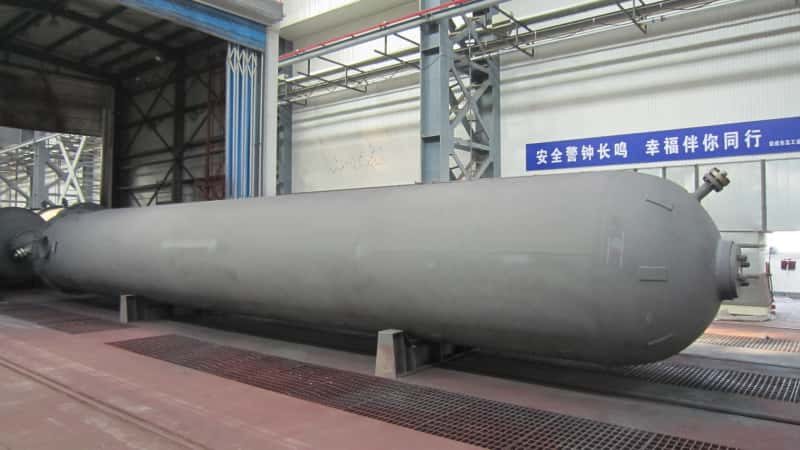

Industrial systems can quickly become dangerous when shell and tube heat exchangers are not designed, installed, or maintained according to safety and regulatory standards. Problems such as excessive pressure, thermal stress, corrosion, leakage, or contamination can lead to equipment failure, production downtime, environmental hazards, and even serious injuries. For manufacturers, plant operators, and procurement teams, understanding the safety and compliance requirements of shell and tube heat exchangers is essential to ensuring reliable operation, legal compliance, and long-term cost efficiency.
Shell and tube heat exchangers must comply with multiple safety and regulatory standards related to pressure vessel design, material selection, fabrication, inspection, testing, and operational safety. Key requirements typically include ASME Boiler and Pressure Vessel Code, TEMA standards, PED certification for Europe, pressure testing procedures, corrosion resistance guidelines, and industry-specific regulations for sectors such as chemical processing, food, pharmaceutical, and power generation. Proper compliance ensures safe heat transfer performance, minimizes operational risks, and extends equipment lifespan.
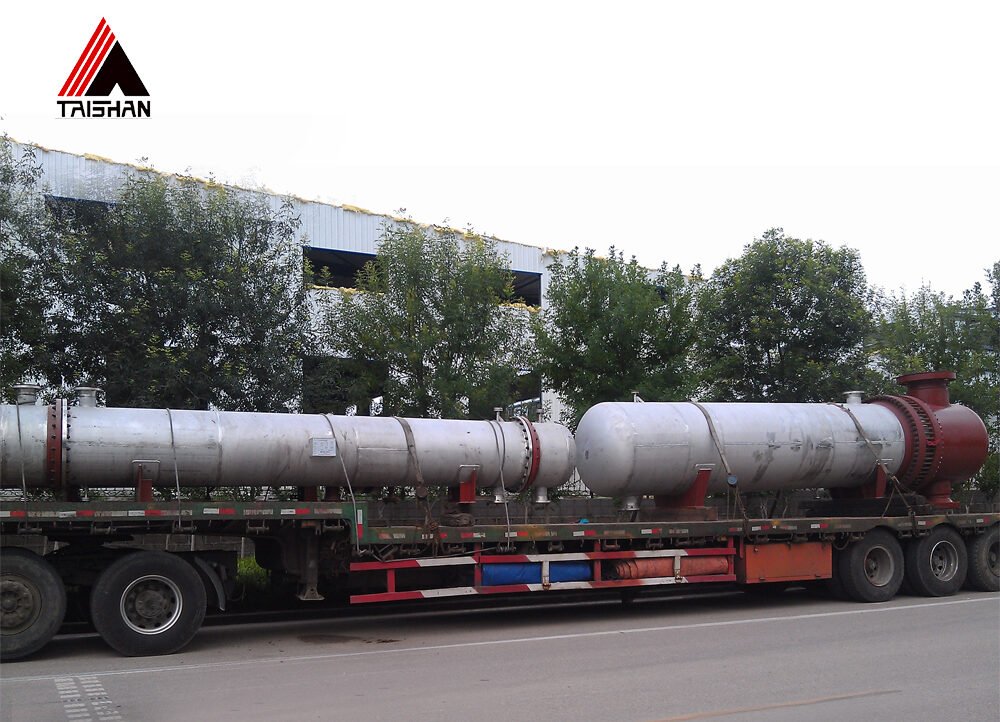
Whether you are selecting a new heat exchanger, upgrading an existing system, or evaluating supplier qualifications, understanding these regulations can help you avoid costly mistakes and ensure safe plant operations. The following guide outlines the most important safety considerations, international standards, testing requirements, and best practices for shell and tube heat exchangers.
Why Are Safety Requirements Important for Shell and Tube Heat Exchangers?
Industrial facilities rely heavily on shell and tube heat exchangers to transfer heat safely between fluids under extreme operating conditions. However, many operators underestimate the dangers associated with high-pressure systems, thermal stress, corrosive chemicals, and continuous industrial duty cycles. Without strict safety requirements, shell and tube heat exchangers can experience catastrophic failures such as tube rupture, fluid leakage, overheating, vibration fatigue, pressure explosions, and hazardous contamination. These failures not only threaten worker safety but can also result in environmental disasters, production downtime, equipment destruction, legal liability, and substantial financial losses. As industrial processes become more demanding and regulations more stringent, implementing comprehensive safety standards has become essential for ensuring operational reliability and protecting both personnel and assets.
Safety requirements are important for shell and tube heat exchangers because these systems frequently operate under high pressure, extreme temperatures, and corrosive environments. Proper safety standards help prevent explosions, leaks, thermal fatigue, contamination, equipment failure, and workplace accidents. International engineering codes such as ASME, TEMA, API, and PED ensure that shell and tube heat exchangers are designed, manufactured, inspected, and maintained to achieve safe, reliable, and efficient long-term industrial operation.
Understanding the importance of safety requirements involves more than simple regulatory compliance. Safety standards influence every stage of a heat exchanger’s lifecycle, including design, material selection, fabrication, inspection, installation, operation, maintenance, and eventual replacement. Companies that prioritize exchanger safety often achieve higher operational efficiency, lower maintenance costs, reduced downtime, and longer equipment service life. This article explores the engineering principles, operational hazards, international standards, inspection methods, and best practices that make safety requirements indispensable for shell and tube heat exchangers.
Improper safety management of shell and tube heat exchangers can lead to pressure vessel failure, hazardous fluid release, and severe industrial accidents.True
Shell and tube heat exchangers often operate under high pressure and temperature conditions. Without proper design, inspection, and maintenance, failures such as leaks, explosions, and thermal stress cracking may occur.
The Critical Role of Shell and Tube Heat Exchangers in Industrial Operations
Shell and tube heat exchangers are among the most widely used thermal transfer systems in modern industry because they offer excellent durability, pressure resistance, and thermal efficiency. These exchangers consist of a cylindrical shell containing multiple tubes through which fluids transfer heat without direct contact. One fluid flows inside the tubes while another circulates around the tube bundle inside the shell.
Their widespread use spans numerous industries including:
- Oil and gas
- Petrochemical processing
- Power generation
- Chemical manufacturing
- Pharmaceutical production
- Marine engineering
- Food processing
- HVAC systems
- Refrigeration systems
- Pulp and paper manufacturing
Because shell and tube heat exchangers are frequently exposed to harsh process environments, they must be engineered with rigorous safety considerations.
Common Operating Conditions of Industrial Heat Exchangers
| Operating Parameter | Typical Industrial Range | Associated Safety Risk |
|---|---|---|
| Pressure | 10–300 bar | Vessel rupture |
| Temperature | -196°C to 600°C | Thermal stress |
| Flow Velocity | 1–30 m/s | Erosion and vibration |
| Corrosive Media | Acids, chlorides, sulfur compounds | Corrosion failure |
| Thermal Cycling | Frequent startup/shutdown | Fatigue cracking |
The extreme combination of these variables creates significant engineering challenges. Even small design flaws or maintenance oversights can evolve into dangerous operational failures.
Pressure Safety Is the Most Important Requirement
Pressure containment is the foundation of shell and tube heat exchanger safety. Most industrial exchangers operate as pressure vessels, meaning they store large amounts of mechanical energy.
If pressure exceeds the exchanger’s design limit, sudden rupture may occur.
Common Causes of Pressure Failure
| Cause | Description | Potential Consequence |
|---|---|---|
| Blocked Outlet | Pressure buildup inside exchanger | Shell rupture |
| Failed Relief Valve | Overpressure cannot vent safely | Explosion |
| Excessive Thermal Expansion | Pressure increase from heated fluids | Structural cracking |
| Corrosion Thinning | Reduced wall strength | Catastrophic leakage |
| Water Hammer | Sudden hydraulic shock | Tube damage |
Pressure-related failures are particularly dangerous because they can release enormous energy instantly.
Why Pressure Relief Devices Are Essential
Safety requirements typically mandate:
- Pressure relief valves
- Rupture disks
- Emergency venting systems
- Pressure monitoring instruments
- Automated shutdown controls
These systems protect equipment and personnel during abnormal operating conditions.
International Pressure Vessel Standards
| Standard | Region | Main Function |
|---|---|---|
| ASME Section VIII | United States | Pressure vessel design |
| PED 2014/68/EU | Europe | Pressure equipment compliance |
| API 660 | Oil and gas industry | Heat exchanger specification |
| TEMA Standards | Global | Heat exchanger construction |
| EN 13445 | Europe | Unfired pressure vessels |
Compliance with these standards significantly reduces operational risk.
Corrosion Protection and Material Safety
Corrosion is one of the leading causes of shell and tube heat exchanger failure. Industrial fluids often contain aggressive chemicals capable of attacking metal surfaces over time.
Types of Corrosion Affecting Heat Exchangers
| Corrosion Type | Description | Typical Cause |
|---|---|---|
| Uniform Corrosion | Even material loss | Acid exposure |
| Pitting Corrosion | Localized deep pits | Chlorides |
| Galvanic Corrosion | Electrochemical attack | Dissimilar metals |
| Stress Corrosion Cracking | Crack formation under stress | Chlorides and tensile stress |
| Erosion Corrosion | Accelerated wear | High flow velocity |
Improper material selection dramatically increases safety risks.
Common Heat Exchanger Materials
| Material | Advantages | Limitations |
|---|---|---|
| Carbon Steel | Economical and strong | Poor corrosion resistance |
| Stainless Steel 304 | Good general resistance | Sensitive to chlorides |
| Stainless Steel 316 | Improved chloride resistance | Higher cost |
| Titanium | Excellent seawater resistance | Expensive |
| Hastelloy | Superior chemical resistance | Very high cost |
Selecting compatible materials is critical for long-term operational safety.
Thermal Stress and Fatigue Management
Shell and tube heat exchangers often experience significant temperature differences between the shell side and tube side fluids. This creates thermal expansion and contraction.
If thermal stress is not properly controlled, components may crack or deform.
Types of Thermal Stress Failures
| Failure Mode | Primary Cause | Consequence |
|---|---|---|
| Thermal Fatigue | Repeated heating/cooling | Crack propagation |
| Thermal Shock | Rapid temperature changes | Sudden fracture |
| Differential Expansion | Uneven metal expansion | Structural distortion |
| Creep Damage | Long-term high temperature | Material weakening |
Engineering Solutions for Thermal Expansion
Manufacturers use several design approaches:
- Floating head exchangers
- U-tube exchangers
- Expansion bellows
- Flexible tube sheets
These features allow controlled movement during thermal expansion, reducing stress concentration.
Vibration and Flow-Induced Damage
Flow-induced vibration is another major safety concern. High fluid velocities can cause tube vibration inside the exchanger shell.
Over time, vibration may lead to:
- Tube wear
- Fatigue cracking
- Tube-to-baffle damage
- Noise issues
- Tube rupture
Factors Influencing Vibration Risk
| Factor | Effect on Safety |
|---|---|
| High Fluid Velocity | Increased vibration intensity |
| Poor Baffle Design | Flow instability |
| Long Unsupported Tube Length | Higher fatigue stress |
| Turbulent Flow | Oscillation amplification |
Advanced computational fluid dynamics (CFD) analysis is often used during exchanger design to minimize vibration-related risks.
Leak Prevention and Hazardous Fluid Control
Leak prevention is one of the primary objectives of exchanger safety engineering.
A leaking heat exchanger may cause:
- Toxic exposure
- Fire hazards
- Product contamination
- Environmental pollution
- Process instability
Hazardous Fluids Commonly Used
| Fluid Type | Potential Hazard |
|---|---|
| Hydrocarbons | Explosion and fire |
| Sulfuric Acid | Corrosion and chemical burns |
| Ammonia | Toxic inhalation |
| Steam | Burn injuries |
| Refrigerants | Environmental impact |
Leak Detection Technologies
Modern systems use:
- Acoustic monitoring
- Pressure differential monitoring
- Infrared thermography
- Helium leak testing
- Conductivity sensors
Rapid leak detection helps prevent catastrophic escalation.
Importance of Inspection and Preventive Maintenance
Even perfectly designed heat exchangers can become unsafe if maintenance is neglected.
Over time, exchangers suffer from:
- Fouling accumulation
- Corrosion
- Mechanical wear
- Fatigue damage
- Gasket degradation
Common Inspection Methods
| Inspection Technique | Purpose |
|---|---|
| Ultrasonic Testing | Wall thickness measurement |
| Eddy Current Testing | Tube defect detection |
| Radiographic Testing | Weld inspection |
| Hydrostatic Testing | Pressure integrity verification |
| Visual Inspection | General condition assessment |
Preventive maintenance helps identify problems before failures occur.
Maintenance Benefits
| Benefit | Operational Impact |
|---|---|
| Reduced Downtime | Higher productivity |
| Lower Repair Costs | Improved profitability |
| Improved Efficiency | Better heat transfer |
| Extended Equipment Life | Lower capital expense |
| Enhanced Safety | Fewer accidents |
Human Safety and Workplace Protection
Shell and tube heat exchanger failures can directly endanger workers.
Common Workplace Hazards
| Hazard | Possible Injury |
|---|---|
| Hot Surfaces | Burns |
| Steam Release | Severe scalding |
| Chemical Leakage | Toxic exposure |
| Pressure Explosion | Physical trauma |
| Fire | Fatal injuries |
Essential Workplace Safety Measures
Industrial facilities implement:
- Lockout/tagout procedures
- Personal protective equipment (PPE)
- Emergency shutdown systems
- Thermal insulation
- Hazard communication programs
- Safety training
Human error remains one of the leading contributors to industrial incidents, making operator training extremely important.
Industry-Specific Safety Requirements
Different industries impose unique safety standards.
Oil and Gas Industry
Requires:
- API compliance
- Explosion prevention
- Hydrocarbon leak monitoring
- Fire-resistant design
Pharmaceutical Industry
Requires:
- Hygienic construction
- Cross-contamination prevention
- High-purity stainless steel
- Sterilization capability
Marine Applications
Requires:
- Seawater corrosion resistance
- Vibration resistance
- Compact installation design
Food Processing Industry
Requires:
- Sanitary surfaces
- Cleanability
- FDA-compliant materials
Economic Importance of Safety Compliance
Some operators incorrectly view safety requirements as unnecessary expenses. In reality, poor safety management often results in far greater costs.
Financial Consequences of Heat Exchanger Failure
| Failure Consequence | Economic Impact |
|---|---|
| Production Shutdown | Revenue loss |
| Environmental Cleanup | Expensive remediation |
| Equipment Replacement | High capital cost |
| Regulatory Fines | Legal penalties |
| Worker Injury Claims | Compensation expenses |
Investing in safety often improves long-term profitability.
Modern Technologies Improving Heat Exchanger Safety
New technologies are transforming industrial safety management.
Emerging Safety Technologies
| Technology | Safety Benefit |
|---|---|
| IoT Sensors | Real-time monitoring |
| AI Predictive Maintenance | Early failure detection |
| Digital Twins | Virtual risk simulation |
| Smart Corrosion Monitoring | Continuous degradation tracking |
| Automated Shutdown Systems | Faster emergency response |
These technologies improve reliability while reducing maintenance costs.
Best Practices for Heat Exchanger Safety
Industrial operators should follow comprehensive safety programs.
Recommended Best Practices
- Use internationally certified exchanger designs.
- Perform detailed thermal and mechanical analysis.
- Select corrosion-resistant materials.
- Conduct regular inspections.
- Monitor pressure and temperature continuously.
- Install certified pressure relief systems.
- Train operators thoroughly.
- Maintain accurate inspection records.
- Replace aging equipment proactively.
- Implement predictive maintenance systems.
A proactive safety strategy is always more cost-effective than reactive emergency repairs.
Conclusion
Safety requirements are critically important for shell and tube heat exchangers because these systems operate under some of the most demanding industrial conditions. High pressure, extreme temperatures, corrosive chemicals, thermal cycling, and hazardous process fluids create significant operational risks that must be carefully managed through engineering standards, inspection programs, preventive maintenance, and proper operational procedures.
International standards such as ASME, TEMA, API, and PED provide the framework necessary to ensure exchanger reliability, mechanical integrity, environmental protection, and worker safety. Companies that prioritize heat exchanger safety not only reduce accident risk but also improve efficiency, minimize downtime, extend equipment lifespan, and achieve greater long-term profitability.
Which International Standards Govern Shell and Tube Heat Exchangers?
Many industrial companies purchase or manufacture shell and tube heat exchangers without fully understanding the international standards governing their design, fabrication, inspection, and operation. This oversight can lead to severe consequences such as failed safety inspections, pressure vessel rejection, operational instability, reduced equipment lifespan, export restrictions, environmental non-compliance, and catastrophic industrial accidents. Because shell and tube heat exchangers often operate under high pressure, elevated temperatures, corrosive fluids, and continuous industrial loads, strict engineering standards are essential to ensure mechanical integrity, thermal reliability, and workplace safety. International standards establish unified requirements for pressure vessel design, welding quality, material traceability, non-destructive testing, corrosion allowances, thermal calculations, and operational performance, helping manufacturers and operators achieve safe and reliable long-term operation.
The major international standards governing shell and tube heat exchangers include ASME Section VIII, TEMA Standards, API 660, PED 2014/68/EU, EN 13445, ISO 16812, and ASTM material specifications. These standards regulate pressure vessel safety, exchanger design, fabrication quality, inspection methods, welding procedures, thermal performance, corrosion resistance, and operational reliability. Different industries such as oil and gas, chemical processing, pharmaceuticals, marine engineering, and power generation may require additional specialized standards depending on process conditions and regional regulatory requirements.
Understanding these international standards is critical for manufacturers, EPC contractors, procurement teams, plant engineers, maintenance personnel, and end users. Compliance not only ensures operational safety but also determines whether equipment can legally enter global markets, pass third-party inspections, meet insurance requirements, and satisfy customer technical specifications. This article explores the most important standards governing shell and tube heat exchangers, their technical scope, industry applications, and why they play such an important role in industrial heat transfer systems.
Shell and tube heat exchangers used in industrial applications often require compliance with multiple international standards simultaneously.True
Industrial heat exchangers commonly need to comply with ASME, TEMA, API, PED, ISO, and material standards together depending on pressure class, operating conditions, customer requirements, and export destination regulations.
Why International Standards Are Essential for Shell and Tube Heat Exchangers
Shell and tube heat exchangers are considered critical industrial equipment because they frequently operate under severe conditions involving high pressures, thermal stress, corrosive chemicals, vibration, and hazardous fluids. Without internationally recognized engineering standards, manufacturers could apply inconsistent design methods, inferior materials, or inadequate inspection procedures, increasing the risk of failure.
International standards establish:
- Uniform engineering practices
- Safety requirements
- Mechanical design rules
- Material specifications
- Inspection procedures
- Testing protocols
- Quality assurance systems
- Operational reliability guidelines
These standards help ensure exchangers manufactured in different countries maintain acceptable levels of safety and performance.
Main Objectives of Heat Exchanger Standards
| Objective | Purpose |
|---|---|
| Personnel Safety | Prevent industrial accidents |
| Pressure Integrity | Avoid vessel rupture |
| Thermal Reliability | Maintain process efficiency |
| Corrosion Protection | Extend service life |
| Product Quality | Ensure manufacturing consistency |
| Regulatory Compliance | Meet legal requirements |
| Global Trade Compatibility | Enable international export |
| Maintenance Reliability | Simplify inspection and repair |
Industries such as oil refining, LNG processing, nuclear power, pharmaceuticals, and offshore production often require the strictest compliance because equipment failures in these sectors may cause catastrophic consequences.
ASME Section VIII: The Foundation of Pressure Vessel Safety
One of the most important international standards governing shell and tube heat exchangers is the ASME Boiler and Pressure Vessel Code (BPVC), particularly Section VIII.
American Society of Mechanical Engineers developed this code to regulate pressure vessel safety and structural integrity.
Scope of ASME Section VIII
ASME Section VIII establishes requirements for:
- Pressure design calculations
- Shell thickness determination
- Stress analysis
- Welding qualifications
- Material selection
- Joint efficiency
- Hydrostatic testing
- Non-destructive examination
- Pressure relief protection
- Documentation and certification
ASME Section VIII Divisions
| Division | Application | Typical Usage |
|---|---|---|
| Division 1 | Standard pressure vessels | Most industrial exchangers |
| Division 2 | Advanced stress analysis | High-pressure systems |
| Division 3 | Extremely high pressure | Specialized applications |
Most shell and tube heat exchangers used in industrial processing comply with Division 1, while high-pressure refinery and petrochemical applications may require Division 2.
Importance of the ASME U Stamp
The ASME “U” stamp indicates that the pressure vessel complies with ASME code requirements and has undergone inspection by an authorized inspector.
Benefits of ASME Compliance
| Benefit | Operational Advantage |
|---|---|
| Enhanced Safety | Reduced accident risk |
| International Acceptance | Easier global trade |
| Regulatory Approval | Simplified certification |
| Insurance Compliance | Improved insurability |
| Improved Reliability | Longer service life |
Many multinational EPC projects require ASME-certified heat exchangers as mandatory equipment.
TEMA Standards: Specialized Heat Exchanger Design Standards
While ASME focuses primarily on pressure vessel integrity, TEMA standards specifically govern shell and tube heat exchanger design and construction.
Tubular Exchanger Manufacturers Association developed these widely recognized standards.
Scope of TEMA Standards
TEMA defines:
- Exchanger configurations
- Tube sheet layouts
- Shell types
- Baffle arrangements
- Mechanical tolerances
- Maintenance accessibility
- Tube vibration limits
- Thermal expansion design
- Cleaning requirements
TEMA Classifications
| TEMA Class | Service Type | Typical Industry |
|---|---|---|
| R | Severe service | Oil refining and petrochemicals |
| C | Commercial service | General industrial applications |
| B | Chemical service | Chemical processing |
TEMA Class R exchangers are designed for the most demanding operating conditions, including high pressure, severe thermal cycling, and hazardous fluids.
TEMA Nomenclature System
TEMA uses a three-letter designation system to identify exchanger configurations.
Example Configuration
| Letter Position | Meaning |
|---|---|
| First Letter | Front head type |
| Second Letter | Shell type |
| Third Letter | Rear head type |
For example:
- AES exchanger
- BEM exchanger
- BEU exchanger
These classifications help standardize exchanger construction worldwide.
API 660: Oil and Gas Industry Heat Exchanger Standard
The petroleum and petrochemical industries commonly require compliance with API 660.
American Petroleum Institute developed this standard specifically for shell and tube heat exchangers used in refinery services.
Scope of API 660
API 660 covers:
- Mechanical design
- Fabrication requirements
- Material standards
- Inspection procedures
- Tube vibration control
- Corrosion allowances
- Nozzle reinforcement
- Pressure testing
- Documentation requirements
Why API 660 Is Important
| Feature | Industry Benefit |
|---|---|
| Severe Service Design | Improved durability |
| Enhanced Corrosion Control | Longer operational life |
| Stricter Inspection Rules | Higher reliability |
| Standardized Requirements | Easier procurement |
API 660 is particularly important in:
- Refineries
- LNG plants
- Offshore platforms
- Petrochemical facilities
PED 2014/68/EU: European Pressure Equipment Directive
Heat exchangers exported to the European market must comply with PED requirements.
European Union established PED 2014/68/EU to regulate pressure equipment safety within Europe.
PED Requirements
PED governs:
- Pressure vessel classification
- Hazard categories
- CE marking
- Conformity assessment
- Material certification
- Welding qualifications
- Third-party inspections
PED Classification Categories
| Category | Risk Level | Inspection Requirement |
|---|---|---|
| SEP | Low risk | Simplified requirements |
| Category I | Moderate risk | Basic conformity |
| Category II-IV | Higher risk | Notified body involvement |
CE marking is mandatory for PED-compliant heat exchangers sold in Europe.
EN 13445: European Unfired Pressure Vessel Standard
EN 13445 is another important European standard governing unfired pressure vessels, including heat exchangers.
Scope of EN 13445
This standard includes:
- Design calculations
- Fatigue analysis
- Material selection
- Welding requirements
- Inspection procedures
- Pressure testing
EN 13445 is widely used alongside PED compliance.
ISO 16812: International Heat Exchanger Standard
International Organization for Standardization developed ISO 16812 specifically for shell and tube heat exchangers.
Main Scope of ISO 16812
ISO 16812 addresses:
- Thermal design procedures
- Mechanical design considerations
- Inspection requirements
- Testing methods
- Documentation standards
This standard helps harmonize international engineering practices.
ASTM Material Standards
Material quality is a critical aspect of heat exchanger safety and reliability.
ASTM International publishes material specifications widely used in exchanger manufacturing.
Common ASTM Material Standards
| ASTM Standard | Material Type |
|---|---|
| ASTM A516 | Carbon steel plates |
| ASTM A240 | Stainless steel plates |
| ASTM A213 | Boiler and heat exchanger tubes |
| ASTM B111 | Copper alloy tubes |
| ASTM B338 | Titanium tubing |
These standards define:
- Chemical composition
- Mechanical properties
- Heat treatment
- Manufacturing tolerances
- Testing requirements
Welding Standards for Heat Exchangers
Welding quality is critical because poor welds may cause catastrophic pressure failures.
Important Welding Standards
| Standard | Scope |
|---|---|
| ASME Section IX | Welding qualifications |
| AWS Standards | Welding procedures |
| EN ISO 15614 | Welding procedure qualification |
These standards regulate:
- Welder certification
- Welding procedures
- Filler material selection
- Heat treatment requirements
- Weld inspection methods
Non-Destructive Testing Standards
Heat exchanger inspection relies heavily on non-destructive testing (NDT).
Common NDT Methods
| NDT Method | Purpose |
|---|---|
| Radiographic Testing | Internal weld inspection |
| Ultrasonic Testing | Thickness measurement |
| Eddy Current Testing | Tube defect detection |
| Dye Penetrant Testing | Surface crack inspection |
| Magnetic Particle Testing | Ferromagnetic crack detection |
NDT standards ensure inspection consistency and reliability.
Industry-Specific Standards and Requirements
Different industries impose additional technical requirements.
Nuclear Industry
Requires:
- ASME Section III
- RCC-M standards
- Extremely strict inspection protocols
Pharmaceutical Industry
Requires:
- Hygienic surface finishes
- FDA-compliant materials
- GMP compliance
Marine Industry
Requires:
- ABS certification
- DNV standards
- Lloyd’s Register approval
Food Processing Industry
Requires:
- Sanitary design
- Cleanability standards
- Corrosion-resistant materials
Why Multiple Standards Are Often Required
Many industrial projects require simultaneous compliance with multiple standards.
Example Combined Requirements
| Industry | Common Standards |
|---|---|
| Oil Refinery | ASME + TEMA + API 660 |
| European Chemical Plant | PED + EN 13445 + TEMA |
| Offshore Platform | ASME + API + ABS |
| Pharmaceutical Facility | ASME + FDA + GMP |
This multi-standard approach ensures comprehensive safety and operational reliability.
Challenges of International Compliance
Manufacturers often face several challenges:
- Complex documentation requirements
- Third-party inspections
- Material traceability management
- Export certification
- Differing regional regulations
- Customer-specific specifications
Benefits of International Standard Compliance
| Benefit | Long-Term Impact |
|---|---|
| Increased Equipment Reliability | Reduced downtime |
| Better Safety Performance | Fewer accidents |
| Easier International Export | Expanded market access |
| Improved Customer Confidence | Stronger reputation |
| Lower Lifecycle Costs | Reduced maintenance expenses |
Companies investing in certified manufacturing systems generally achieve better long-term profitability and operational performance.
Future Trends in Heat Exchanger Standards
International standards continue evolving due to:
- Digital monitoring technologies
- AI predictive maintenance
- Sustainability goals
- Carbon reduction initiatives
- Advanced corrosion-resistant materials
- Improved computational analysis
Future standards are expected to include more requirements related to digital diagnostics, energy efficiency, and lifecycle sustainability.
Conclusion
International standards governing shell and tube heat exchangers are essential for ensuring mechanical integrity, operational safety, thermal efficiency, environmental protection, and global regulatory compliance. Standards such as ASME Section VIII, TEMA, API 660, PED, EN 13445, ISO 16812, and ASTM material specifications collectively establish the engineering framework necessary for safe and reliable exchanger design, fabrication, inspection, and operation.
Because heat exchangers often operate under extreme industrial conditions involving high pressure, corrosive chemicals, thermal cycling, and hazardous fluids, compliance with these standards is not optional for most industrial sectors. Companies that prioritize internationally certified heat exchanger systems benefit from improved reliability, reduced maintenance costs, enhanced safety, and easier access to global markets.
How Does ASME Certification Affect Shell and Tube Heat Exchanger Safety?
Many industrial companies focus heavily on heat transfer efficiency and procurement cost when selecting shell and tube heat exchangers, but underestimate the critical importance of ASME certification in ensuring operational safety and mechanical integrity. Without proper pressure vessel certification, heat exchangers may suffer from structural weakness, inadequate welding quality, material inconsistencies, insufficient pressure resistance, and poor inspection standards. These deficiencies can lead to catastrophic equipment failures such as shell rupture, tube leakage, thermal fatigue cracking, hazardous fluid release, fires, explosions, environmental contamination, and severe worker injuries. In industries such as oil refining, petrochemicals, power generation, LNG processing, pharmaceuticals, and chemical manufacturing, the consequences of pressure vessel failure can be devastating both financially and operationally. ASME certification provides a globally recognized engineering framework that ensures shell and tube heat exchangers are designed, manufactured, tested, and inspected according to rigorous safety standards.
ASME certification significantly improves shell and tube heat exchanger safety by enforcing strict requirements for pressure vessel design, material quality, welding procedures, inspection methods, pressure testing, and quality assurance. ASME-certified heat exchangers are engineered to withstand high-pressure and high-temperature industrial conditions safely while reducing the risks of leakage, rupture, thermal stress failure, corrosion damage, and operational accidents. Compliance with ASME Section VIII also increases equipment reliability, legal compliance, international acceptance, and long-term operational performance.
Understanding how ASME certification affects shell and tube heat exchanger safety requires examining the engineering principles, inspection systems, fabrication controls, and pressure vessel regulations that form the foundation of the ASME Boiler and Pressure Vessel Code. This article explores the technical impact of ASME certification on exchanger safety, operational reliability, regulatory compliance, maintenance performance, and industrial risk reduction.
ASME-certified shell and tube heat exchangers are generally safer and more reliable than non-certified pressure vessels.True
ASME certification requires strict compliance with pressure vessel design rules, material traceability, qualified welding procedures, inspection standards, and hydrostatic testing, significantly reducing the risk of mechanical failure and unsafe operation.
What Is ASME Certification?
American Society of Mechanical Engineers developed the ASME Boiler and Pressure Vessel Code (BPVC) to establish internationally recognized safety standards for pressure-containing equipment.
ASME certification confirms that a shell and tube heat exchanger complies with these engineering rules and has been manufactured according to approved safety procedures.
Main Objectives of ASME Certification
| Objective | Purpose |
|---|---|
| Pressure Safety | Prevent catastrophic vessel failure |
| Mechanical Integrity | Ensure structural reliability |
| Material Quality | Guarantee certified materials |
| Welding Safety | Reduce weld-related defects |
| Inspection Compliance | Verify manufacturing quality |
| Operational Reliability | Improve long-term performance |
| Regulatory Compliance | Meet legal requirements |
ASME certification is widely recognized as one of the highest standards for industrial pressure vessel safety worldwide.
Why Shell and Tube Heat Exchangers Require ASME Certification
Shell and tube heat exchangers frequently operate under severe industrial conditions involving:
- High pressure
- Extreme temperatures
- Corrosive chemicals
- Thermal cycling
- Hazardous fluids
- Continuous operation
Without proper engineering controls, these operating conditions can create dangerous failure risks.
Common Risks in Non-Certified Heat Exchangers
| Risk | Possible Consequence |
|---|---|
| Weak Pressure Design | Vessel rupture |
| Poor Welding Quality | Leakage or cracking |
| Inferior Materials | Corrosion failure |
| Inadequate Testing | Undetected defects |
| Improper Fabrication | Structural instability |
ASME certification helps eliminate these risks through rigorous engineering standards.
ASME Section VIII and Heat Exchanger Safety
The primary ASME standard governing shell and tube heat exchangers is ASME Section VIII.
Scope of ASME Section VIII
ASME Section VIII regulates:
- Pressure vessel calculations
- Wall thickness requirements
- Stress analysis
- Material specifications
- Welding procedures
- Non-destructive testing
- Pressure testing
- Safety factors
- Inspection procedures
- Documentation requirements
These rules create a comprehensive framework for safe pressure vessel manufacturing.
ASME Section VIII Divisions
| Division | Application | Safety Complexity |
|---|---|---|
| Division 1 | Standard industrial pressure vessels | Moderate |
| Division 2 | Advanced stress analysis | High |
| Division 3 | Ultra-high-pressure equipment | Extremely high |
Most shell and tube heat exchangers use Division 1, although severe-service applications may require Division 2.
How ASME Design Rules Improve Safety
ASME-certified heat exchangers must undergo extensive engineering calculations to ensure they can safely withstand operating conditions.
Design Parameters Evaluated by ASME
| Design Parameter | Safety Importance |
|---|---|
| Internal Pressure | Prevent rupture |
| External Pressure | Prevent collapse |
| Temperature Stress | Avoid thermal cracking |
| Corrosion Allowance | Compensate for material loss |
| Nozzle Reinforcement | Protect connection points |
| Fatigue Analysis | Improve cyclic durability |
These calculations include mandatory safety factors to account for operational uncertainties.
Material Traceability and Quality Control
One major safety advantage of ASME certification is strict material control.
ASME Material Requirements
Certified materials must comply with approved specifications regarding:
- Chemical composition
- Mechanical strength
- Heat treatment
- Impact resistance
- Corrosion resistance
Common ASME-Approved Heat Exchanger Materials
| Material | Typical Application |
|---|---|
| Carbon Steel | General industrial service |
| Stainless Steel 304/316 | Corrosive environments |
| Duplex Stainless Steel | Chloride-rich applications |
| Titanium | Seawater cooling |
| Hastelloy | Aggressive chemical service |
Material traceability ensures every component can be tracked back to its original certification records.
Welding Quality and Safety
Welding defects are one of the leading causes of pressure vessel failure.
ASME certification imposes strict welding controls.
ASME Welding Requirements
| Requirement | Purpose |
|---|---|
| Qualified Welders | Ensure welding competence |
| Approved Welding Procedures | Standardize fabrication |
| Weld Procedure Qualification | Verify weld strength |
| Heat Treatment Control | Reduce residual stress |
| Weld Inspection | Detect hidden defects |
Common Welding Defects Prevented by ASME Standards
| Welding Defect | Potential Hazard |
|---|---|
| Porosity | Leakage |
| Cracking | Structural failure |
| Incomplete Penetration | Reduced strength |
| Slag Inclusion | Weak weld joints |
| Undercutting | Stress concentration |
Strict welding standards significantly improve exchanger reliability.
Hydrostatic Testing and Pressure Verification
Hydrostatic testing is a critical ASME safety requirement.
Purpose of Hydrostatic Testing
Hydrotesting verifies:
- Pressure containment integrity
- Leak tightness
- Structural stability
- Fabrication quality
Typical Hydrostatic Test Procedure
| Step | Description |
|---|---|
| Fill Vessel with Water | Remove air pockets |
| Increase Pressure | Exceed design pressure |
| Hold Test Pressure | Verify structural integrity |
| Inspect for Leakage | Confirm pressure containment |
ASME typically requires test pressures above normal operating pressure to provide an additional safety margin.
Non-Destructive Testing (NDT) Requirements
ASME certification also mandates non-destructive examination techniques to detect hidden defects.
Common NDT Methods
| NDT Method | Inspection Purpose |
|---|---|
| Radiographic Testing | Internal weld quality |
| Ultrasonic Testing | Thickness measurement |
| Dye Penetrant Testing | Surface crack detection |
| Magnetic Particle Testing | Ferromagnetic crack inspection |
| Eddy Current Testing | Tube defect analysis |
These inspection methods help identify flaws before equipment enters service.
Importance of the ASME U Stamp
The ASME “U” stamp is one of the most recognized symbols in industrial pressure equipment manufacturing.
What the U Stamp Represents
The ASME U stamp confirms:
- Compliance with ASME Section VIII
- Authorized inspector approval
- Certified manufacturing procedures
- Pressure vessel code compliance
Benefits of U-Stamped Heat Exchangers
| Benefit | Operational Impact |
|---|---|
| Higher Safety Level | Reduced failure risk |
| International Acceptance | Easier global export |
| Regulatory Compliance | Faster project approval |
| Improved Insurance Acceptance | Lower risk assessment |
| Greater Customer Confidence | Stronger reputation |
Many industrial customers require U-stamped exchangers as mandatory procurement specifications.
ASME Certification and Corrosion Safety
Corrosion is a major threat to heat exchanger safety.
ASME requirements improve corrosion resistance through:
- Corrosion allowance calculations
- Approved material selection
- Weld quality control
- Inspection requirements
Common Corrosion Problems in Heat Exchangers
| Corrosion Type | Safety Impact |
|---|---|
| Pitting Corrosion | Tube leakage |
| Galvanic Corrosion | Accelerated material loss |
| Stress Corrosion Cracking | Sudden rupture |
| Uniform Corrosion | Reduced wall thickness |
ASME-certified designs include safety margins to compensate for long-term material degradation.
Thermal Stress and Fatigue Protection
Shell and tube heat exchangers frequently experience temperature fluctuations that create thermal stress.
Thermal Hazards Controlled by ASME Design
| Thermal Hazard | Potential Failure |
|---|---|
| Thermal Expansion | Distortion |
| Thermal Shock | Cracking |
| Fatigue Cycling | Progressive damage |
| High Temperature Creep | Material weakening |
ASME design calculations help ensure safe operation during repeated heating and cooling cycles.
Operational Reliability and Long-Term Safety
ASME certification does not only improve initial safety; it also enhances long-term reliability.
Reliability Improvements from ASME Compliance
| Reliability Factor | Operational Benefit |
|---|---|
| Better Materials | Longer service life |
| Improved Welding | Reduced maintenance |
| Enhanced Inspection | Early defect detection |
| Conservative Design | Lower operational stress |
These advantages reduce unplanned shutdowns and improve production stability.
ASME Certification in Different Industries
Different industries rely heavily on ASME-certified heat exchangers.
Oil and Gas Industry
Requires:
- High-pressure resistance
- Explosion prevention
- Hydrocarbon containment
Chemical Industry
Requires:
- Corrosion-resistant materials
- Chemical compatibility
- Leak prevention
Pharmaceutical Industry
Requires:
- Hygienic construction
- Contamination prevention
- Stainless steel compliance
Power Generation Industry
Requires:
- Thermal fatigue resistance
- Long-term reliability
- High-temperature capability
Economic Benefits of ASME-Certified Heat Exchangers
Some companies initially view ASME certification as an added expense, but it often reduces total lifecycle costs.
Financial Benefits of ASME Compliance
| Benefit | Economic Impact |
|---|---|
| Reduced Downtime | Higher productivity |
| Fewer Failures | Lower repair costs |
| Longer Equipment Life | Reduced replacement expense |
| Improved Energy Efficiency | Lower operating costs |
| Lower Insurance Risk | Better coverage terms |
Investing in certified equipment typically produces better long-term profitability.
Challenges of Obtaining ASME Certification
Achieving ASME certification requires:
- Qualified engineering personnel
- Approved manufacturing systems
- Strict quality control
- Extensive documentation
- Third-party inspections
- Certified welding procedures
These requirements increase manufacturing discipline and overall product quality.
Future Trends in ASME Heat Exchanger Safety
Modern heat exchanger safety is evolving due to:
- AI predictive maintenance
- Digital monitoring systems
- Smart sensors
- Advanced corrosion-resistant alloys
- Improved computational stress analysis
Future ASME code updates are expected to include greater emphasis on digital diagnostics and lifecycle monitoring.
Best Practices for Maximizing ASME Safety Benefits
Recommended Best Practices
- Select U-stamped heat exchangers for critical applications.
- Verify material traceability documentation.
- Conduct routine inspection programs.
- Follow ASME-approved maintenance procedures.
- Monitor pressure and temperature continuously.
- Replace damaged components immediately.
- Train operators thoroughly.
- Maintain detailed operational records.
These practices help maximize safety and operational reliability.
Conclusion
ASME certification plays a vital role in improving the safety, reliability, and operational integrity of shell and tube heat exchangers. By enforcing rigorous standards for pressure vessel design, material quality, welding procedures, inspection methods, hydrostatic testing, and fabrication control, ASME certification significantly reduces the risks of catastrophic equipment failure, leakage, corrosion damage, thermal fatigue, and industrial accidents.
In industries where shell and tube heat exchangers operate under extreme pressure and temperature conditions, ASME-certified equipment provides critical protection for personnel, facilities, production continuity, and environmental safety. Companies that invest in ASME-certified heat exchangers typically achieve higher reliability, lower maintenance costs, longer equipment lifespan, improved regulatory compliance, and stronger long-term operational performance.
What Material and Corrosion Requirements Apply to Shell and Tube Heat Exchangers?
Selecting the wrong materials for a shell and tube heat exchanger can lead to severe corrosion damage, tube leakage, pressure vessel failure, thermal performance degradation, contamination, and costly industrial shutdowns. Many industrial systems operate under extremely aggressive conditions involving high temperatures, chlorides, acids, sulfur compounds, seawater, and high-pressure fluids. Without proper material selection and corrosion protection strategies, heat exchangers may experience rapid deterioration that compromises safety, efficiency, and equipment lifespan. Corrosion-related failures are among the leading causes of shell and tube heat exchanger accidents worldwide, making material engineering and corrosion management critical components of exchanger design and operation.
Material and corrosion requirements for shell and tube heat exchangers focus on ensuring mechanical strength, chemical compatibility, thermal stability, corrosion resistance, and long-term operational reliability. Common requirements include selecting corrosion-resistant alloys, applying corrosion allowances, following ASME and ASTM material standards, controlling galvanic corrosion, performing corrosion monitoring, and implementing inspection programs. Materials such as carbon steel, stainless steel, duplex stainless steel, titanium, copper alloys, and nickel-based alloys are selected based on operating pressure, temperature, fluid chemistry, and industry-specific requirements.
Understanding the material and corrosion requirements governing shell and tube heat exchangers is essential for manufacturers, plant engineers, procurement teams, EPC contractors, and maintenance personnel. Proper material selection directly affects exchanger safety, maintenance costs, thermal efficiency, service life, and regulatory compliance. This article explores the major material requirements, corrosion mechanisms, industry standards, alloy selection criteria, corrosion prevention strategies, inspection methods, and best practices for ensuring reliable long-term exchanger operation.
Corrosion is one of the most common causes of shell and tube heat exchanger failure in industrial systems.True
Industrial heat exchangers are frequently exposed to corrosive chemicals, high temperatures, chlorides, and aggressive process fluids that can damage tubes, shells, welds, and tube sheets if materials are not properly selected and protected.
Why Material Selection Is Critical for Shell and Tube Heat Exchangers
Shell and tube heat exchangers operate in highly demanding industrial environments where materials must simultaneously resist:
- High pressure
- Elevated temperatures
- Corrosive chemicals
- Thermal fatigue
- Flow-induced erosion
- Mechanical vibration
- Cyclic loading
Improper material selection can rapidly compromise equipment integrity.
Key Functions of Heat Exchanger Materials
| Requirement | Purpose |
|---|---|
| Mechanical Strength | Withstand internal pressure |
| Corrosion Resistance | Prevent chemical attack |
| Thermal Conductivity | Improve heat transfer |
| Weldability | Ensure fabrication quality |
| Fatigue Resistance | Handle thermal cycling |
| Erosion Resistance | Resist fluid wear |
Because shell and tube heat exchangers often operate continuously for years, even minor material weaknesses can eventually lead to catastrophic failures.
Major Corrosion Risks in Heat Exchangers
Corrosion occurs when metals react chemically or electrochemically with their environment.
Common Corrosion Types Affecting Heat Exchangers
| Corrosion Type | Description | Typical Cause |
|---|---|---|
| Uniform Corrosion | Even metal loss | Acidic fluids |
| Pitting Corrosion | Localized deep attack | Chlorides |
| Crevice Corrosion | Attack in confined spaces | Stagnant fluids |
| Galvanic Corrosion | Electrochemical reaction | Dissimilar metals |
| Stress Corrosion Cracking | Crack formation under stress | Chlorides and tensile stress |
| Erosion Corrosion | Accelerated wear from fluid flow | High velocity |
| Microbiologically Influenced Corrosion (MIC) | Bacterial corrosion | Contaminated water systems |
Each corrosion mechanism requires different prevention strategies.
Common Materials Used in Shell and Tube Heat Exchangers
Material selection depends heavily on:
- Fluid chemistry
- Operating temperature
- Pressure conditions
- Corrosion potential
- Budget constraints
- Industry standards
Carbon Steel
Carbon steel is one of the most commonly used heat exchanger materials due to its affordability and mechanical strength.
Advantages of Carbon Steel
| Advantage | Benefit |
|---|---|
| Low Cost | Economical fabrication |
| High Strength | Good pressure resistance |
| Easy Fabrication | Simple welding and machining |
Limitations of Carbon Steel
| Limitation | Risk |
|---|---|
| Poor Corrosion Resistance | Rapid rusting |
| Limited Chemical Compatibility | Acid attack |
| High Maintenance Needs | Frequent inspection |
Carbon steel is generally suitable for non-corrosive fluids and moderate operating conditions.
Stainless Steel Materials
Stainless steels are widely used because of their improved corrosion resistance.
Common Stainless Steel Grades
| Grade | Main Feature | Typical Application |
|---|---|---|
| 304 Stainless Steel | General corrosion resistance | Water and mild chemicals |
| 316 Stainless Steel | Better chloride resistance | Marine and chemical service |
| 321 Stainless Steel | High-temperature stability | Thermal cycling applications |
| 904L Stainless Steel | Excellent acid resistance | Aggressive chemical processing |
Why Stainless Steel Is Popular
Stainless steel contains chromium, which forms a passive oxide layer that protects against corrosion.
Limitations of Stainless Steel
Despite its advantages, stainless steel remains vulnerable to:
- Chloride stress corrosion cracking
- Pitting corrosion
- Crevice corrosion
- High-temperature sensitization
Proper alloy selection is therefore critical.
Duplex Stainless Steel Requirements
Duplex stainless steels combine ferritic and austenitic microstructures.
Benefits of Duplex Stainless Steel
| Property | Advantage |
|---|---|
| High Strength | Thinner wall design |
| Excellent Chloride Resistance | Reduced pitting |
| Improved Stress Corrosion Resistance | Better durability |
| Good Weldability | Reliable fabrication |
Duplex alloys are commonly used in:
- Offshore platforms
- Desalination plants
- Marine cooling systems
- Chemical processing facilities
Titanium Heat Exchanger Materials
Titanium is one of the most corrosion-resistant materials available for shell and tube heat exchangers.
Titanium Advantages
| Feature | Benefit |
|---|---|
| Exceptional Seawater Resistance | Long marine service life |
| High Strength-to-Weight Ratio | Lightweight construction |
| Excellent Chloride Resistance | Reduced corrosion risk |
| Long Operational Life | Lower maintenance cost |
Limitations of Titanium
| Limitation | Impact |
|---|---|
| High Cost | Expensive procurement |
| Difficult Fabrication | Specialized welding required |
Titanium is widely used in:
- Seawater cooling systems
- Desalination plants
- Offshore energy facilities
Copper Alloy Materials
Copper alloys offer excellent thermal conductivity.
Common Copper Alloys
| Alloy | Application |
|---|---|
| Admiralty Brass | Cooling water systems |
| Copper-Nickel | Marine applications |
| Aluminum Brass | Condenser systems |
Advantages of Copper Alloys
| Advantage | Benefit |
|---|---|
| Excellent Heat Transfer | Improved thermal efficiency |
| Good Biofouling Resistance | Cleaner surfaces |
| Seawater Compatibility | Marine durability |
However, copper alloys may suffer from:
- Ammonia attack
- Erosion corrosion
- Sulfide contamination
Nickel-Based Alloys
Nickel alloys provide superior resistance to aggressive chemicals.
Common Nickel Alloys
| Alloy | Main Resistance |
|---|---|
| Hastelloy | Strong acids |
| Inconel | High-temperature oxidation |
| Monel | Seawater corrosion |
These materials are commonly used in severe chemical processing environments.
Corrosion Allowance Requirements
Corrosion allowance refers to additional material thickness added to compensate for expected material loss over time.
Why Corrosion Allowance Is Important
| Purpose | Benefit |
|---|---|
| Compensate for Metal Loss | Extended service life |
| Improve Safety Margin | Reduced rupture risk |
| Delay Equipment Replacement | Lower lifecycle cost |
Typical Corrosion Allowances
| Service Type | Typical Allowance |
|---|---|
| Mild Water Service | 1–2 mm |
| Chemical Processing | 3–6 mm |
| Severe Corrosive Service | Higher customized allowance |
ASME design calculations frequently include corrosion allowance requirements.
Galvanic Corrosion Control
Galvanic corrosion occurs when dissimilar metals contact each other in conductive fluids.
Common Galvanic Corrosion Scenarios
| Metal Combination | Risk Level |
|---|---|
| Carbon Steel + Stainless Steel | Moderate |
| Copper Alloy + Aluminum | High |
| Titanium + Carbon Steel | Severe |
Prevention Methods
Industrial facilities use:
- Electrical isolation
- Compatible alloy selection
- Protective coatings
- Sacrificial anodes
Proper engineering design is essential for preventing galvanic attack.
Erosion Corrosion Requirements
High-velocity fluids can remove protective oxide layers from metal surfaces.
Factors Increasing Erosion Corrosion
| Factor | Impact |
|---|---|
| High Flow Velocity | Accelerated wear |
| Suspended Solids | Abrasive damage |
| Turbulent Flow | Increased metal loss |
| Sharp Direction Changes | Localized attack |
Designers must carefully control flow velocity and geometry.
Fouling and Deposit Corrosion
Deposits can trap moisture and aggressive chemicals against metal surfaces.
Common Fouling Types
| Fouling Type | Source |
|---|---|
| Biological Fouling | Microorganisms |
| Scaling | Mineral precipitation |
| Hydrocarbon Fouling | Oil deposits |
| Particulate Fouling | Solid contamination |
Fouling reduces heat transfer efficiency while increasing corrosion risk.
Material Standards Governing Heat Exchangers
International standards regulate material quality and traceability.
Important Material Standards
| Standard | Scope |
|---|---|
| ASTM Standards | Material specifications |
| ASME Section II | Approved pressure vessel materials |
| EN Material Standards | European material compliance |
| NACE Standards | Corrosion-resistant materials |
Common ASTM Standards
| ASTM Standard | Material |
|---|---|
| ASTM A516 | Carbon steel plates |
| ASTM A240 | Stainless steel plates |
| ASTM A213 | Heat exchanger tubes |
| ASTM B338 | Titanium tubing |
These standards define:
- Mechanical properties
- Chemical composition
- Heat treatment requirements
- Manufacturing tolerances
NACE Corrosion Standards
NACE International standards are especially important in oil and gas industries.
Key NACE Requirements
NACE standards address:
- Sulfide stress cracking resistance
- Hydrogen-induced cracking prevention
- Material compatibility in sour service
These standards are essential for corrosive hydrocarbon processing.
Corrosion Monitoring and Inspection
Continuous monitoring helps detect early corrosion damage.
Common Corrosion Monitoring Methods
| Method | Purpose |
|---|---|
| Ultrasonic Thickness Testing | Wall loss measurement |
| Corrosion Coupons | Corrosion rate analysis |
| Eddy Current Testing | Tube inspection |
| Online Sensors | Real-time monitoring |
Predictive maintenance programs increasingly use digital corrosion monitoring systems.
Protective Coatings and Surface Treatments
Protective coatings help improve corrosion resistance.
Common Protective Systems
| Protection Method | Purpose |
|---|---|
| Epoxy Coatings | Chemical resistance |
| Rubber Linings | Acid protection |
| Cladding | Surface alloy protection |
| Passivation | Stainless steel protection |
These systems extend exchanger service life significantly.
Industry-Specific Material Requirements
Different industries require specialized material selection strategies.
Oil and Gas Industry
Requires:
- NACE compliance
- Sour service resistance
- High-pressure capability
Marine Industry
Requires:
- Seawater resistance
- Biofouling resistance
- Chloride resistance
Pharmaceutical Industry
Requires:
- High-purity stainless steel
- Hygienic surfaces
- FDA compliance
Food Processing Industry
Requires:
- Sanitary materials
- Corrosion resistance
- Easy cleanability
Economic Importance of Proper Material Selection
Using low-cost materials in aggressive environments often increases total lifecycle cost.
Financial Impact of Corrosion Failure
| Consequence | Economic Impact |
|---|---|
| Equipment Replacement | High capital expense |
| Production Downtime | Revenue loss |
| Maintenance Costs | Increased operating expenses |
| Safety Incidents | Legal liability |
| Product Contamination | Product recalls |
Investing in proper materials often produces better long-term profitability.
Future Trends in Heat Exchanger Materials
Modern material technology continues evolving rapidly.
Emerging Developments
| Technology | Benefit |
|---|---|
| Advanced Duplex Alloys | Improved corrosion resistance |
| Nano-Coatings | Enhanced surface protection |
| Composite Materials | Reduced weight |
| Smart Corrosion Sensors | Predictive monitoring |
These innovations are improving reliability and reducing maintenance costs.
Best Practices for Material and Corrosion Control
Recommended Best Practices
- Analyze process fluid chemistry carefully.
- Select materials based on corrosion compatibility.
- Include adequate corrosion allowance.
- Follow ASME and ASTM standards.
- Implement regular inspection programs.
- Monitor corrosion rates continuously.
- Avoid incompatible metal combinations.
- Maintain proper flow velocity control.
- Clean fouling deposits regularly.
- Use protective coatings where necessary.
A proactive corrosion management strategy significantly improves exchanger reliability.
Conclusion
Material and corrosion requirements play a critical role in ensuring the safety, reliability, efficiency, and long-term operational performance of shell and tube heat exchangers. Because these systems often operate under severe industrial conditions involving high pressure, elevated temperatures, corrosive chemicals, seawater exposure, thermal cycling, and abrasive flow environments, proper material selection is essential for preventing corrosion damage, leakage, pressure vessel failure, and costly downtime.
International standards such as ASME, ASTM, and NACE establish important guidelines for material quality, corrosion resistance, fabrication control, and inspection procedures. By selecting appropriate alloys, applying corrosion allowances, controlling galvanic interactions, implementing corrosion monitoring systems, and following preventive maintenance programs, industrial operators can significantly extend equipment lifespan while reducing operational risks and lifecycle costs.
What Inspection and Pressure Testing Requirements Are Necessary for Shell and Tube Heat Exchangers?
Shell and tube heat exchangers operate under high pressure, elevated temperatures, corrosive fluids, and continuous industrial stress, making inspection and pressure testing essential for ensuring safety, reliability, and long-term performance. Without rigorous inspection procedures and proper pressure verification, hidden manufacturing defects, corrosion damage, weld failures, tube leaks, fatigue cracks, and structural weaknesses may remain undetected until catastrophic equipment failure occurs. In industries such as oil refining, petrochemicals, chemical processing, power generation, pharmaceuticals, marine engineering, and LNG production, a failed heat exchanger can cause explosions, toxic fluid release, fire hazards, environmental contamination, unplanned shutdowns, and severe financial losses. Inspection and pressure testing requirements are therefore critical engineering safeguards designed to verify the mechanical integrity and operational safety of shell and tube heat exchangers throughout their entire service life.
Inspection and pressure testing requirements for shell and tube heat exchangers typically include visual inspection, dimensional verification, non-destructive testing (NDT), hydrostatic pressure testing, pneumatic testing, leak testing, material verification, weld inspection, tube integrity examination, and corrosion monitoring. International standards such as ASME Section VIII, TEMA, API 660, PED, and EN 13445 define the procedures, acceptance criteria, test pressures, and inspection frequencies required to ensure safe operation and pressure vessel compliance.
Understanding inspection and pressure testing requirements is essential for manufacturers, EPC contractors, plant engineers, maintenance teams, inspectors, and industrial operators. Proper testing programs help detect defects early, reduce operational risks, improve equipment lifespan, maintain regulatory compliance, and prevent costly industrial accidents. This article explores the major inspection methods, pressure testing procedures, international standards, acceptance criteria, inspection intervals, and best practices used for shell and tube heat exchanger safety verification.
Regular inspection and pressure testing significantly reduce the risk of shell and tube heat exchanger failure.True
Inspection and testing procedures help identify corrosion, cracking, leakage, weld defects, wall thinning, and pressure integrity problems before they develop into catastrophic operational failures.
Why Inspection and Pressure Testing Are Essential
Shell and tube heat exchangers function as pressure-containing equipment, meaning they store substantial mechanical energy during operation. Even minor defects may become dangerous under industrial operating conditions.
Main Risks Controlled by Inspection and Testing
| Risk | Possible Consequence |
|---|---|
| Weld Defects | Leakage or rupture |
| Corrosion Damage | Wall thinning |
| Tube Cracking | Cross-contamination |
| Pressure Weakness | Catastrophic failure |
| Fatigue Damage | Structural instability |
| Manufacturing Defects | Premature failure |
Inspection and pressure testing are therefore mandatory requirements in most international pressure vessel standards.
Main Objectives of Heat Exchanger Inspection
Inspection programs are designed to:
- Verify pressure integrity
- Detect hidden defects
- Confirm code compliance
- Evaluate corrosion damage
- Assess operational reliability
- Prevent unplanned shutdowns
- Protect worker safety
Key Benefits of Inspection Programs
| Benefit | Operational Impact |
|---|---|
| Improved Safety | Fewer accidents |
| Reduced Downtime | Higher productivity |
| Early Defect Detection | Lower repair costs |
| Longer Equipment Life | Reduced capital expense |
| Regulatory Compliance | Easier certification |
Regular inspection is one of the most effective ways to prevent catastrophic exchanger failures.
International Standards Governing Inspection and Testing
Several international engineering standards define inspection and pressure testing requirements.
Important Inspection Standards
| Standard | Main Scope |
|---|---|
| ASME Section VIII | Pressure vessel inspection |
| TEMA Standards | Heat exchanger construction |
| API 660 | Refinery exchanger requirements |
| PED 2014/68/EU | European pressure equipment |
| EN 13445 | Unfired pressure vessels |
| ISO 16812 | Shell and tube heat exchangers |
These standards establish:
- Test procedures
- Inspection frequencies
- Acceptance criteria
- Documentation requirements
- Qualification standards
Visual Inspection Requirements
Visual inspection is the first and most fundamental inspection method.
Purpose of Visual Inspection
Visual examinations help identify:
- Surface corrosion
- Leakage
- Cracking
- Distortion
- Weld defects
- Fouling buildup
- Mechanical damage
Typical Visual Inspection Areas
| Component | Inspection Focus |
|---|---|
| Shell Exterior | Corrosion and deformation |
| Tube Sheets | Cracking and leakage |
| Weld Seams | Surface defects |
| Nozzles | Stress damage |
| Supports | Structural integrity |
Although simple, visual inspection remains extremely valuable for identifying early warning signs.
Dimensional Inspection Requirements
Dimensional verification ensures the exchanger has been manufactured according to design specifications.
Common Dimensional Checks
| Measurement | Importance |
|---|---|
| Shell Diameter | Pressure design compliance |
| Tube Pitch | Thermal performance |
| Baffle Spacing | Flow distribution |
| Wall Thickness | Structural integrity |
| Nozzle Alignment | Proper installation |
Dimensional deviations can negatively affect both safety and thermal performance.
Material Verification and PMI Testing
Positive Material Identification (PMI) verifies that the correct alloys were used during fabrication.
Why PMI Testing Is Important
Incorrect material selection can result in:
- Rapid corrosion
- Stress cracking
- Pressure failure
- Chemical incompatibility
Common PMI Methods
| Method | Application |
|---|---|
| X-Ray Fluorescence (XRF) | Alloy identification |
| Optical Emission Spectroscopy (OES) | Chemical analysis |
| Portable Alloy Analyzers | Field verification |
PMI testing is especially critical in high-alloy and corrosive service applications.
Non-Destructive Testing (NDT) Requirements
Non-destructive testing is widely used to detect hidden defects without damaging equipment.
Main NDT Methods Used for Heat Exchangers
| NDT Method | Inspection Purpose |
|---|---|
| Radiographic Testing (RT) | Internal weld defects |
| Ultrasonic Testing (UT) | Thickness measurement |
| Eddy Current Testing (ECT) | Tube flaw detection |
| Dye Penetrant Testing (PT) | Surface crack detection |
| Magnetic Particle Testing (MT) | Ferromagnetic crack inspection |
| Acoustic Emission Testing | Active crack monitoring |
NDT techniques are essential for maintaining exchanger safety and reliability.
Radiographic Testing (RT)
Radiographic testing uses X-rays or gamma rays to inspect weld quality.
RT Detects
| Defect Type | Safety Risk |
|---|---|
| Porosity | Leakage |
| Slag Inclusion | Reduced weld strength |
| Incomplete Fusion | Structural weakness |
| Cracking | Failure initiation |
RT is commonly required for critical pressure vessel welds.
Ultrasonic Testing (UT)
Ultrasonic testing uses sound waves to evaluate material thickness and detect flaws.
Main Applications of UT
| Application | Purpose |
|---|---|
| Wall Thickness Measurement | Corrosion monitoring |
| Crack Detection | Structural assessment |
| Weld Examination | Defect detection |
UT is highly effective for identifying internal deterioration.
Eddy Current Testing (ECT) for Tubes
Tube integrity is one of the most critical aspects of shell and tube heat exchanger safety.
ECT Applications
| Tube Problem | Detection Capability |
|---|---|
| Pitting Corrosion | Excellent |
| Wall Thinning | Excellent |
| Cracking | Good |
| Erosion Damage | Good |
ECT is widely used in condensers and power plant heat exchangers.
Hydrostatic Pressure Testing Requirements
Hydrostatic testing is the most common pressure verification method for shell and tube heat exchangers.
Purpose of Hydrostatic Testing
Hydrotesting verifies:
- Pressure containment integrity
- Leak tightness
- Structural strength
- Fabrication quality
Hydrostatic Test Procedure
| Step | Description |
|---|---|
| Fill Equipment with Water | Remove trapped air |
| Increase Pressure Gradually | Avoid shock loading |
| Reach Test Pressure | Exceed operating pressure |
| Hold Pressure | Verify integrity |
| Inspect for Leakage | Confirm tightness |
Typical Hydrostatic Test Pressures
| Design Condition | Typical Test Pressure |
|---|---|
| ASME Section VIII | 1.3–1.5 × design pressure |
| API Requirements | Customer specified |
| PED Compliance | Standardized test ratios |
Water is preferred because it stores less energy than compressed gas, reducing explosion risk.
Pneumatic Testing Requirements
Pneumatic testing uses compressed gas instead of water.
Advantages of Pneumatic Testing
| Benefit | Explanation |
|---|---|
| Faster Drying | No residual water |
| Useful for Certain Systems | Water-sensitive applications |
Risks of Pneumatic Testing
Compressed gases store far more energy than liquids, making pneumatic tests significantly more dangerous.
Pneumatic Testing Safety Measures
| Safety Requirement | Purpose |
|---|---|
| Restricted Test Area | Personnel protection |
| Gradual Pressurization | Minimize shock |
| Remote Monitoring | Reduce operator exposure |
| Pressure Relief Systems | Emergency protection |
Because of safety concerns, pneumatic testing is generally less preferred than hydrotesting.
Leak Testing Requirements
Leak testing ensures process fluids remain fully contained during operation.
Common Leak Testing Methods
| Method | Application |
|---|---|
| Helium Leak Testing | High sensitivity applications |
| Soap Bubble Testing | Low-pressure systems |
| Vacuum Box Testing | Weld inspection |
| Pressure Decay Testing | System integrity |
Leak testing is especially important in:
- Pharmaceutical systems
- LNG facilities
- Toxic chemical processing
Tube Inspection and Tube Integrity Testing
Heat exchanger tubes are highly vulnerable to corrosion, erosion, and fatigue damage.
Common Tube Inspection Methods
| Method | Main Purpose |
|---|---|
| Eddy Current Testing | Tube flaw detection |
| IRIS Testing | Internal thickness measurement |
| Hydrotesting | Leak verification |
| Visual Boroscope Inspection | Internal tube examination |
Tube failures can cause dangerous cross-contamination between process fluids.
Corrosion Monitoring Requirements
Corrosion monitoring helps evaluate equipment degradation over time.
Corrosion Monitoring Methods
| Method | Purpose |
|---|---|
| Corrosion Coupons | Corrosion rate analysis |
| Ultrasonic Thickness Surveys | Wall loss measurement |
| Online Corrosion Sensors | Continuous monitoring |
| Visual Inspection | Surface condition assessment |
Predictive corrosion monitoring reduces unexpected failures.
Inspection Frequency Requirements
Inspection intervals depend on:
- Operating conditions
- Corrosion rate
- Service severity
- Regulatory requirements
- Equipment age
Typical Inspection Intervals
| Inspection Type | Common Frequency |
|---|---|
| External Visual Inspection | Annually |
| Internal Inspection | Every shutdown |
| Hydrostatic Testing | Major overhaul intervals |
| Tube Testing | 1–5 years |
| Corrosion Surveys | Periodically based on risk |
Risk-based inspection (RBI) programs optimize inspection frequency based on failure probability.
Documentation and Certification Requirements
Inspection records are essential for regulatory compliance and maintenance planning.
Typical Inspection Documentation
| Document | Purpose |
|---|---|
| Hydrotest Reports | Pressure verification |
| NDT Reports | Defect documentation |
| Material Certificates | Traceability |
| Welding Records | Fabrication verification |
| Inspection Logs | Maintenance history |
Accurate documentation improves lifecycle management.
Industry-Specific Inspection Requirements
Different industries impose additional testing standards.
Oil and Gas Industry
Requires:
- API inspection standards
- NACE corrosion monitoring
- Sour service evaluation
Nuclear Industry
Requires:
- Extremely rigorous NDT
- Frequent inspection intervals
- Advanced flaw analysis
Pharmaceutical Industry
Requires:
- Hygienic inspection protocols
- Contamination prevention testing
Marine Industry
Requires:
- Seawater corrosion inspection
- Vibration analysis
- Classification society compliance
Economic Importance of Inspection Programs
Some operators attempt to reduce inspection costs, but insufficient inspection often leads to much greater financial losses.
Financial Consequences of Poor Inspection
| Failure Consequence | Economic Impact |
|---|---|
| Production Shutdown | Revenue loss |
| Emergency Repair | High maintenance cost |
| Environmental Cleanup | Regulatory penalties |
| Equipment Replacement | Capital expense |
| Worker Injury Claims | Legal liability |
Preventive inspection programs significantly reduce lifecycle costs.
Emerging Inspection Technologies
Modern technology is transforming heat exchanger inspection.
New Inspection Technologies
| Technology | Benefit |
|---|---|
| AI Defect Analysis | Faster flaw detection |
| Robotic Inspection Systems | Improved accessibility |
| Smart Sensors | Real-time monitoring |
| Digital Twin Technology | Predictive maintenance |
| Drone-Based Inspection | Safer visual inspection |
These innovations improve both safety and inspection efficiency.
Best Practices for Heat Exchanger Inspection and Testing
Recommended Best Practices
- Follow ASME and TEMA inspection standards.
- Perform routine visual inspections.
- Conduct regular NDT examinations.
- Monitor corrosion continuously.
- Maintain accurate inspection records.
- Use qualified inspectors and technicians.
- Schedule hydrotesting during major maintenance.
- Implement risk-based inspection programs.
- Replace damaged tubes promptly.
- Verify pressure relief system performance regularly.
A proactive inspection strategy significantly improves exchanger safety and operational reliability.
Conclusion
Inspection and pressure testing requirements are essential for ensuring the safety, reliability, and long-term operational integrity of shell and tube heat exchangers. Because these systems often operate under high pressure, elevated temperatures, corrosive chemicals, and severe industrial conditions, rigorous inspection procedures are necessary to detect corrosion, cracking, weld defects, wall thinning, tube leakage, and structural weaknesses before catastrophic failures occur.
International standards such as ASME Section VIII, TEMA, API 660, PED, and EN 13445 establish comprehensive requirements for visual inspection, non-destructive testing, hydrostatic pressure testing, leak verification, corrosion monitoring, and documentation. Companies that implement robust inspection and testing programs benefit from improved safety, reduced downtime, lower maintenance costs, extended equipment lifespan, and stronger regulatory compliance.
How Can Proper Maintenance Improve Shell and Tube Heat Exchanger Safety and Compliance?
Many industrial facilities focus heavily on heat exchanger design and installation but underestimate the long-term importance of proper maintenance for ensuring safety, regulatory compliance, and operational reliability. Over time, shell and tube heat exchangers are exposed to corrosion, fouling, vibration, thermal fatigue, erosion, pressure cycling, and aggressive process fluids that gradually degrade internal components. Without proper maintenance, small defects such as tube wall thinning, gasket deterioration, scaling buildup, or weld cracking can evolve into catastrophic failures involving fluid leakage, pressure vessel rupture, fire hazards, contamination, environmental damage, and costly production shutdowns. In industries such as oil refining, chemical processing, power generation, pharmaceuticals, food manufacturing, and marine engineering, inadequate maintenance can also lead to regulatory violations, failed inspections, and serious worker safety risks. Proper maintenance is therefore essential not only for maximizing thermal performance but also for maintaining mechanical integrity and compliance with international safety standards.
Proper maintenance improves shell and tube heat exchanger safety and compliance by preventing corrosion, fouling, tube failure, pressure loss, leakage, vibration damage, and thermal fatigue. Routine inspection, cleaning, non-destructive testing, pressure testing, corrosion monitoring, gasket replacement, and preventive maintenance programs help ensure compliance with ASME, TEMA, API, PED, and other international standards while extending equipment lifespan, improving efficiency, reducing downtime, and minimizing industrial safety risks.
Understanding how maintenance affects shell and tube heat exchanger safety requires examining the mechanical, thermal, and corrosion-related degradation mechanisms that develop during long-term operation. Effective maintenance strategies combine inspection, predictive monitoring, cleaning, testing, and repair procedures to preserve exchanger integrity and operational performance. This article explores the major maintenance requirements, inspection methods, cleaning procedures, compliance considerations, predictive maintenance technologies, and best practices that help improve shell and tube heat exchanger safety and regulatory compliance.
Preventive maintenance significantly reduces the risk of shell and tube heat exchanger failure and safety incidents.True
Routine maintenance helps detect corrosion, fouling, leakage, vibration damage, and structural deterioration before they develop into dangerous operational failures or regulatory compliance violations.
Why Maintenance Is Critical for Shell and Tube Heat Exchanger Safety
Shell and tube heat exchangers often operate continuously under demanding industrial conditions involving:
- High pressure
- Elevated temperatures
- Corrosive fluids
- Thermal cycling
- Mechanical vibration
- Fouling accumulation
- Aggressive chemical exposure
Over time, these conditions gradually degrade exchanger components.
Main Risks Caused by Poor Maintenance
| Maintenance Problem | Potential Consequence |
|---|---|
| Fouling Accumulation | Reduced heat transfer |
| Corrosion Damage | Tube leakage |
| Gasket Deterioration | Fluid leakage |
| Tube Vibration Wear | Tube rupture |
| Pressure Relief Failure | Overpressure accident |
| Undetected Cracking | Structural failure |
Without regular maintenance, these problems can compromise both safety and operational reliability.
Main Goals of Heat Exchanger Maintenance
Maintenance programs are designed to:
- Preserve pressure integrity
- Maintain thermal efficiency
- Prevent leakage
- Control corrosion
- Reduce downtime
- Extend equipment lifespan
- Ensure regulatory compliance
- Protect worker safety
Operational Benefits of Proper Maintenance
| Benefit | Operational Impact |
|---|---|
| Improved Safety | Fewer accidents |
| Higher Efficiency | Better heat transfer |
| Lower Energy Consumption | Reduced operating cost |
| Reduced Downtime | Increased productivity |
| Longer Equipment Life | Lower capital replacement cost |
A well-maintained heat exchanger operates more safely and economically.
How Fouling Affects Safety and Compliance
Fouling is one of the most common operational problems in shell and tube heat exchangers.
Common Types of Fouling
| Fouling Type | Source |
|---|---|
| Scaling | Mineral deposits |
| Biological Fouling | Microorganisms |
| Hydrocarbon Fouling | Oil residues |
| Particulate Fouling | Solid contamination |
| Chemical Fouling | Reaction byproducts |
Fouling reduces thermal efficiency while increasing operational stress.
Safety Risks Caused by Fouling
| Fouling Effect | Safety Impact |
|---|---|
| Reduced Flow Area | Increased pressure drop |
| Poor Heat Transfer | Overheating |
| Localized Hot Spots | Thermal stress cracking |
| Flow Imbalance | Vibration damage |
Severe fouling may eventually trigger exchanger failure if not corrected promptly.
Importance of Regular Cleaning
Routine cleaning is one of the most effective maintenance procedures.
Cleaning Benefits
| Cleaning Benefit | Operational Improvement |
|---|---|
| Restored Heat Transfer | Improved efficiency |
| Reduced Pressure Drop | Lower pumping energy |
| Lower Corrosion Risk | Extended equipment life |
| Improved Flow Distribution | Reduced vibration |
Common Cleaning Methods
| Cleaning Method | Application |
|---|---|
| Mechanical Cleaning | Tube brushing |
| Chemical Cleaning | Dissolving deposits |
| Hydroblasting | High-pressure water cleaning |
| Pigging Systems | Pipeline cleaning |
| Ultrasonic Cleaning | Precision cleaning |
The appropriate cleaning method depends on fouling type and material compatibility.
Corrosion Monitoring and Prevention
Corrosion is a leading cause of shell and tube heat exchanger failure.
Common Corrosion Types
| Corrosion Type | Typical Cause |
|---|---|
| Uniform Corrosion | Acidic fluids |
| Pitting Corrosion | Chlorides |
| Crevice Corrosion | Stagnant areas |
| Stress Corrosion Cracking | Combined stress and chemicals |
| Galvanic Corrosion | Dissimilar metals |
Proper maintenance programs continuously monitor corrosion rates.
Corrosion Monitoring Techniques
| Technique | Purpose |
|---|---|
| Ultrasonic Thickness Testing | Wall loss measurement |
| Corrosion Coupons | Corrosion rate monitoring |
| Eddy Current Testing | Tube integrity evaluation |
| Online Corrosion Sensors | Real-time monitoring |
Early corrosion detection significantly reduces failure risk.
Tube Inspection and Tube Integrity Maintenance
Heat exchanger tubes are especially vulnerable because they experience continuous thermal and fluid stress.
Common Tube Problems
| Tube Issue | Safety Risk |
|---|---|
| Tube Wall Thinning | Leakage |
| Tube Cracking | Cross-contamination |
| Erosion Damage | Rupture |
| Vibration Wear | Fatigue failure |
Tube failures may allow hazardous fluids to mix unexpectedly.
Tube Inspection Methods
| Inspection Method | Purpose |
|---|---|
| Eddy Current Testing | Detect tube flaws |
| IRIS Testing | Internal thickness measurement |
| Boroscope Inspection | Visual tube inspection |
| Hydrostatic Testing | Leak verification |
Regular tube inspection is essential for maintaining pressure containment integrity.
Pressure Testing During Maintenance
Pressure testing verifies the exchanger’s structural reliability after repairs or major maintenance.
Main Pressure Testing Methods
| Test Type | Main Purpose |
|---|---|
| Hydrostatic Testing | Pressure integrity |
| Pneumatic Testing | Leak detection |
| Helium Leak Testing | High-sensitivity leak detection |
Hydrostatic Testing Requirements
Hydrotesting typically involves:
- Filling the exchanger with water
- Removing trapped air
- Pressurizing above operating pressure
- Holding pressure for inspection
- Checking for leakage or deformation
Hydrotesting is widely required by ASME and TEMA standards.
Importance of Gasket and Seal Maintenance
Gaskets and seals prevent process fluid leakage at exchanger joints.
Common Gasket Failure Causes
| Cause | Consequence |
|---|---|
| Thermal Cycling | Loss of sealing force |
| Chemical Attack | Material degradation |
| Improper Torque | Leakage |
| Aging | Reduced elasticity |
Routine gasket inspection helps prevent fluid leakage and pressure loss.
Vibration Monitoring and Mechanical Integrity
Flow-induced vibration can gradually damage exchanger tubes and supports.
Causes of Vibration Damage
| Cause | Effect |
|---|---|
| High Flow Velocity | Tube oscillation |
| Poor Baffle Design | Mechanical wear |
| Flow Turbulence | Fatigue stress |
Vibration Monitoring Techniques
| Technique | Purpose |
|---|---|
| Acoustic Monitoring | Detect vibration anomalies |
| Accelerometers | Measure vibration intensity |
| CFD Analysis | Predict flow instability |
Early vibration detection prevents tube failure and structural damage.
Compliance with International Standards
Proper maintenance is essential for maintaining compliance with international standards.
Important Standards Affecting Maintenance
| Standard | Main Focus |
|---|---|
| ASME Section VIII | Pressure vessel safety |
| TEMA Standards | Heat exchanger maintenance |
| API 660 | Refinery exchanger inspection |
| PED 2014/68/EU | European pressure equipment |
| ISO 16812 | Shell and tube exchanger guidelines |
These standards establish maintenance expectations and inspection requirements.
Documentation and Recordkeeping Requirements
Maintenance documentation is essential for:
- Regulatory compliance
- Audit preparation
- Maintenance planning
- Equipment history tracking
Important Maintenance Records
| Record Type | Purpose |
|---|---|
| Inspection Reports | Defect documentation |
| Pressure Test Records | Safety verification |
| Cleaning Logs | Maintenance history |
| Corrosion Monitoring Data | Degradation tracking |
| Repair Records | Compliance evidence |
Proper documentation simplifies audits and improves lifecycle management.
Predictive Maintenance Technologies
Modern industrial facilities increasingly use predictive maintenance systems.
Advanced Predictive Maintenance Technologies
| Technology | Benefit |
|---|---|
| IoT Sensors | Real-time monitoring |
| AI Predictive Analytics | Early failure detection |
| Digital Twin Systems | Virtual equipment simulation |
| Smart Corrosion Sensors | Continuous corrosion tracking |
These technologies improve reliability while reducing maintenance costs.
Preventive vs Reactive Maintenance
Reactive maintenance occurs only after failures develop, while preventive maintenance addresses problems early.
Maintenance Strategy Comparison
| Strategy | Advantages | Disadvantages |
|---|---|---|
| Reactive Maintenance | Lower short-term cost | Higher failure risk |
| Preventive Maintenance | Improved reliability | Requires planning |
| Predictive Maintenance | Optimized scheduling | Higher technology investment |
Preventive and predictive strategies generally provide superior long-term safety performance.
Industry-Specific Maintenance Requirements
Different industries impose unique maintenance expectations.
Oil and Gas Industry
Requires:
- API inspection programs
- Corrosion monitoring
- Sour service evaluation
Pharmaceutical Industry
Requires:
- Hygienic cleaning validation
- Contamination prevention
- Sanitary inspection protocols
Marine Industry
Requires:
- Seawater corrosion control
- Biofouling prevention
- Vibration monitoring
Food Processing Industry
Requires:
- Clean-in-place (CIP) systems
- Food-grade cleaning chemicals
- Hygienic maintenance standards
Economic Benefits of Proper Maintenance
Some companies attempt to reduce maintenance spending, but poor maintenance often creates much greater financial losses.
Financial Consequences of Poor Maintenance
| Consequence | Economic Impact |
|---|---|
| Production Downtime | Revenue loss |
| Emergency Repairs | High maintenance expense |
| Equipment Replacement | Capital expenditure |
| Environmental Incidents | Regulatory fines |
| Worker Injuries | Legal liability |
Proactive maintenance significantly reduces lifecycle costs.
Maintenance Best Practices for Safety and Compliance
Recommended Best Practices
- Establish preventive maintenance schedules.
- Monitor corrosion regularly.
- Clean exchangers routinely.
- Conduct periodic NDT inspections.
- Perform pressure testing after repairs.
- Replace damaged tubes promptly.
- Inspect gaskets and seals regularly.
- Maintain detailed maintenance records.
- Use qualified inspection personnel.
- Follow ASME, TEMA, and API requirements.
These practices improve both operational safety and regulatory compliance.
Future Trends in Heat Exchanger Maintenance
Heat exchanger maintenance is evolving rapidly due to digital technologies.
Emerging Maintenance Innovations
| Innovation | Benefit |
|---|---|
| AI Maintenance Analytics | Failure prediction |
| Robotics Inspection Systems | Safer inspections |
| Remote Monitoring Platforms | Continuous diagnostics |
| Smart Coatings | Improved corrosion resistance |
Future maintenance strategies will become increasingly data-driven and automated.
Conclusion
Proper maintenance plays a critical role in improving the safety, reliability, compliance, and long-term operational performance of shell and tube heat exchangers. Because these systems operate under severe industrial conditions involving high pressure, elevated temperatures, corrosive chemicals, thermal cycling, and continuous mechanical stress, proactive maintenance is essential for preventing corrosion damage, leakage, tube failure, vibration fatigue, thermal stress cracking, and catastrophic pressure vessel incidents.
Routine cleaning, corrosion monitoring, pressure testing, non-destructive examination, tube inspection, gasket replacement, vibration analysis, and predictive maintenance technologies help ensure compliance with international standards such as ASME, TEMA, API, and PED. Companies that invest in comprehensive maintenance programs benefit from improved safety, reduced downtime, lower operating costs, longer equipment lifespan, and stronger regulatory compliance.
Ensuring compliance with safety and regulatory requirements is not only about meeting legal obligations—it is also critical for protecting personnel, improving operational reliability, reducing maintenance costs, and extending equipment service life. By selecting properly certified shell and tube heat exchangers and following recognized industry standards, businesses can achieve safer and more efficient thermal processing operations.
FAQ
Q1: What safety standards apply to shell and tube heat exchangers?
Shell and tube heat exchangers must comply with several internationally recognized safety standards to ensure reliable and safe operation in industrial environments. The most widely used standards include ASME Boiler and Pressure Vessel Code (BPVC) Section VIII, TEMA standards, and API 660 for refinery and petrochemical applications.
ASME Section VIII governs the design, fabrication, inspection, testing, and certification of pressure vessels operating above 15 psig. Since shell and tube heat exchangers often operate under high pressure and temperature conditions, they are typically classified as pressure vessels and must satisfy ASME requirements. The code addresses material selection, wall thickness calculations, welding procedures, pressure relief systems, and hydrostatic testing.
TEMA standards focus specifically on shell and tube heat exchanger mechanical design. These standards define exchanger classifications, dimensional tolerances, maintenance accessibility, vibration prevention, and tube bundle arrangements. TEMA also categorizes exchangers according to service severity, such as Class R for refinery service and Class C for general commercial applications.
API 660 is commonly required in oil, gas, and petrochemical industries. It supplements ASME and TEMA standards by adding stricter fabrication, inspection, corrosion allowance, and reliability requirements. API 660 also includes guidance on nozzle loads, vibration control, exchanger cleanliness, and testing protocols.
Additional regulations may apply depending on the country or industry sector. For example, the European Union requires compliance with the Pressure Equipment Directive (PED), while occupational safety agencies may enforce workplace safety standards related to pressure systems.
Proper compliance with these standards reduces the risk of pressure failure, leakage, thermal fatigue, and catastrophic accidents. Manufacturers typically provide documentation such as U-stamps, material traceability reports, non-destructive examination records, and pressure test certificates to verify compliance.
Q2: Why is ASME Section VIII important for shell and tube heat exchangers?
ASME Section VIII is critical because it establishes the foundational safety requirements for pressure vessels, including shell and tube heat exchangers. Since these exchangers often contain high-pressure fluids, improper design or fabrication could lead to dangerous failures, explosions, or toxic leaks.
The ASME Boiler and Pressure Vessel Code specifies engineering calculations for allowable stress, shell thickness, tubesheet design, reinforcement areas, and external pressure resistance. These calculations ensure the exchanger can safely withstand operating pressure, temperature fluctuations, and thermal stresses over its expected lifespan.
One major benefit of ASME compliance is standardized manufacturing quality. The code requires qualified welding procedures, certified welders, documented inspections, and non-destructive testing methods such as radiography and ultrasonic examination. Hydrostatic pressure testing is also mandatory to verify structural integrity before commissioning.
ASME certification also enhances global acceptance. Many industrial plants, insurance providers, and government agencies require ASME-certified equipment before installation approval. Equipment bearing the ASME “U” stamp demonstrates that the exchanger has been manufactured under an audited quality assurance program.
Another important aspect is corrosion and fatigue management. ASME standards require designers to account for corrosion allowance, cyclic loading, thermal expansion, and creep effects in high-temperature applications. This reduces long-term mechanical failures and improves operational safety.
For industries such as petrochemical processing, power generation, pharmaceuticals, and food manufacturing, ASME compliance is often legally required. Failure to meet these requirements can result in project delays, regulatory penalties, or unsafe plant conditions.
Ultimately, ASME Section VIII protects personnel, equipment, and facilities by ensuring heat exchangers are designed and constructed according to proven engineering safety principles.
Q3: How does API 660 improve shell and tube heat exchanger safety?
API 660 enhances shell and tube heat exchanger safety by providing additional requirements specifically tailored for petroleum, petrochemical, and natural gas industries. These sectors involve highly hazardous operating conditions, including corrosive fluids, high temperatures, toxic chemicals, and elevated pressures.
While ASME Section VIII provides the base pressure vessel rules, API 660 introduces stricter standards for exchanger reliability, maintainability, and operational performance. The standard addresses issues commonly encountered in refinery service, such as vibration damage, thermal fatigue, fouling, and corrosion.
API 660 requires detailed material selection criteria based on process conditions. This helps prevent failures caused by sulfide stress cracking, chloride corrosion, hydrogen attack, or high-temperature oxidation. The standard also specifies minimum corrosion allowances and improved gasket requirements to reduce leakage risks.
Inspection and testing requirements are more rigorous under API 660. Manufacturers may need additional radiographic examination, positive material identification, hardness testing, and post-weld heat treatment depending on service severity. These procedures improve weld integrity and mechanical reliability.
The standard also emphasizes mechanical robustness. It includes rules for nozzle reinforcement, bundle support design, baffle spacing, vibration analysis, and tube-to-tubesheet joint integrity. Proper vibration control is particularly important because excessive vibration can cause tube failures and cross-contamination between process fluids.
Another key feature is documentation and traceability. API 660 requires detailed manufacturing records, inspection reports, material certifications, and testing documentation. This improves quality assurance and simplifies future maintenance or audits.
Refineries and petrochemical facilities often mandate API 660 compliance because the consequences of exchanger failure can be severe, including fire, explosion, environmental contamination, or production shutdowns. By enforcing stricter engineering and quality control practices, API 660 significantly improves operational safety and long-term equipment reliability.
Q4: What inspection and testing procedures are required for compliance?
Inspection and testing are essential components of shell and tube heat exchanger compliance because they verify structural integrity, manufacturing quality, and operational safety before the equipment enters service.
The most common mandatory test is hydrostatic pressure testing. During this procedure, the exchanger is filled with water and pressurized above its design pressure to confirm leak-tightness and mechanical strength. Pneumatic testing may sometimes be used, although it involves greater risk and stricter safety precautions.
Non-destructive examination (NDE) methods are widely required under ASME and API standards. Radiographic testing checks weld quality by detecting internal defects such as cracks, porosity, or incomplete fusion. Ultrasonic testing identifies hidden flaws in thick materials and welds. Dye penetrant and magnetic particle testing detect surface defects.
Material verification is also critical. Positive Material Identification (PMI) confirms that alloy materials match project specifications and process requirements. Hardness testing may be required to verify heat treatment effectiveness and prevent brittle failure risks.
Dimensional inspections ensure that exchanger components meet engineering drawings and TEMA tolerances. Inspectors verify shell diameter, tube pitch, nozzle orientation, baffle spacing, and tube alignment to ensure proper assembly and thermal performance.
Leak testing may also be performed on tube bundles to prevent cross-contamination between shell-side and tube-side fluids. Helium leak testing is often used in critical services requiring extremely low leakage rates.
In-service inspection programs are equally important after installation. Operators regularly monitor corrosion rates, fouling levels, vibration behavior, and thermal performance. Periodic inspections may involve eddy current tube testing, ultrasonic thickness measurements, or internal visual inspections during shutdowns.
Documentation is another key compliance element. Manufacturers must provide material certificates, welding records, NDE reports, hydrotest certificates, and code compliance documentation. Regulatory authorities and plant owners often require these records for audits and operational approval.
These inspection and testing procedures help identify defects before failures occur, improving equipment reliability, worker safety, and regulatory compliance.
Q5: Is TEMA compliance mandatory for shell and tube heat exchangers?
TEMA compliance is not always legally mandatory, but it is widely regarded as the industry benchmark for shell and tube heat exchanger mechanical design and construction. Many industrial companies specify TEMA compliance in procurement contracts because it improves reliability, maintainability, and interchangeability.
The Tubular Exchanger Manufacturers Association developed TEMA standards to standardize exchanger configurations, dimensions, fabrication tolerances, and terminology. These standards help manufacturers and end users maintain consistent engineering practices across projects and industries.
TEMA classifies heat exchangers into different service categories. Class R exchangers are intended for severe refinery and petrochemical services where reliability is critical. Class B covers chemical processing applications, while Class C applies to general commercial duties with less demanding operating conditions.
One major advantage of TEMA compliance is improved mechanical durability. TEMA standards define minimum shell thicknesses, baffle spacing, tube support requirements, and vibration protection measures. These design features reduce tube failures and thermal stress problems during long-term operation.
TEMA also improves maintenance efficiency. Standardized exchanger layouts make tube bundle removal, cleaning, inspection, and replacement easier. This reduces downtime and lowers maintenance costs for industrial facilities.
Although TEMA itself is not a legal regulation in many jurisdictions, project specifications often require it alongside ASME or API standards. In refinery projects, API 660 frequently references TEMA requirements as part of the overall compliance framework.
Without TEMA compliance, exchangers may still function correctly, but they may lack standardized safety margins, serviceability, and long-term reliability features. As a result, many engineers consider TEMA compliance a best practice rather than an optional enhancement.
For companies seeking safe, durable, and internationally accepted heat exchanger designs, TEMA compliance provides significant operational and engineering benefits.
References
ASME Boiler and Pressure Vessel Code — https://www.asme.org/codes-standards/find-codes-standards/bpvc-viii-1-bpvc-section-viii-rules-construction-pressure-vessels — Source: ASME (美国机械工程师学会)
ASME Boiler and Pressure Vessel Certification — https://www.asme.org/certification-accreditation/boiler-and-pressure-vessel-certification — Source: ASME (美国机械工程师学会)
API Standard 660 — https://www.api.org/~/media/files/publications/whats%20new/660_e9%20pa.pdf — Source: American Petroleum Institute (API)
TEMA Standards Official Site — https://tema.org/standards/ — Source: TEMA (tema.org)
Tubular Exchanger Manufacturers Association — https://tema.org/ — Source: TEMA (tema.org)
TEMA Standards and Shell & Tube Design — https://heat-exchanger-world.com/tema-standards-and-the-shell-and-tube-heat-exchanger-design/ — Source: Heat Exchanger World (Heat Exchanger World)
API 660 Shell & Tube Heat Exchangers — https://inspectioneering.com/tag/api%2B660 — Source: Inspectioneering (inspectioneering.com)
ASME Code Pressure Vessel Design — https://www.pveng.com/home/asme-code-design/ — Source: PVEng (pveng.com)
API 660 & ASME Heat Exchanger Standards — https://www.altexinc.com/company-news/industrial-heat-exchangers-explaining-asme-api-and-tema-requirements/ — Source: Altex Industries (Altex)
TEMA Standards Overview — https://www.thermopedia.com/content/1182/ — Source: Thermopedia (thermopedia.com)