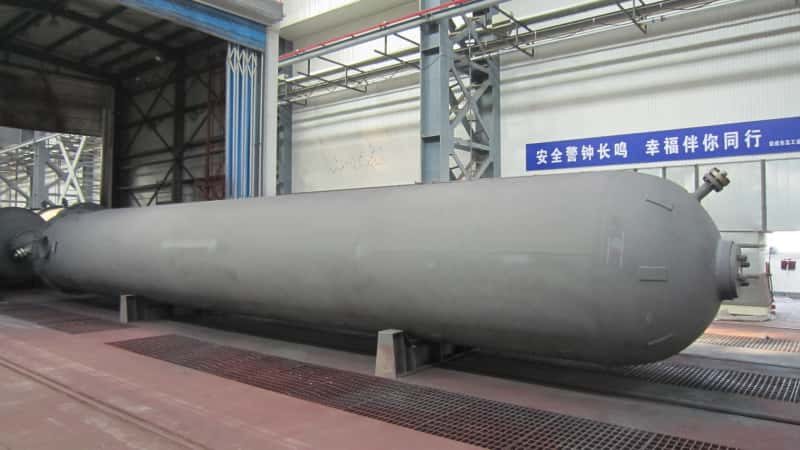

Nitrogen blanketing and inert gas buffer vessels help chemical storage systems maintain a controlled tank headspace, reduce oxygen ingress, protect product quality, stabilize pressure, and support safer operation. For EPC buyers, the selection should not start with a catalog vessel size. It should start with the stored chemical, tank pressure limits, nitrogen demand profile, oxygen target, venting philosophy, relief devices, material compatibility, and the reliability of the nitrogen supply.
A well-designed system may include the storage tank, inert gas buffer vessel, nitrogen source, pressure-reducing station, tank blanketing regulator, pressure/vacuum relief valve, emergency vent, flame arrester where required, oxygen analyzer where needed, pressure instruments, check valves, drains, vents, and safe vent routing. The buffer vessel is only one part of the protection package, but it can be critical when demand changes faster than the nitrogen generator, vaporizer, or bulk supply can respond.
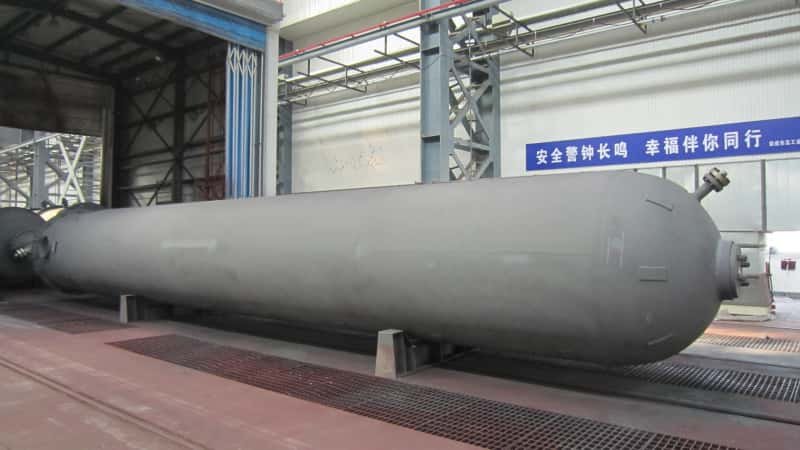
API Standard 2000 is commonly referenced for venting atmospheric and low-pressure storage tanks, including normal and emergency venting. ASME BPVC Section VIII Division 1 is commonly referenced when a buffer vessel qualifies as a pressure vessel. For personnel safety, nitrogen also requires careful venting and operating controls because it can displace oxygen and create an asphyxiation hazard.
A tank blanketing regulator is enough to protect a chemical storage tank.False
A blanketing regulator controls nitrogen admission, but it does not replace pressure/vacuum relief valves, emergency vents, flame arresters where required, safe vent routing, and process safety review.
An inert gas buffer vessel should be sized from usable gas volume and peak demand, not from nominal vessel volume alone.True
The useful reserve depends on maximum and minimum operating pressure, nitrogen demand rate, regulator pressure drop, source response time, and required reserve duration.
Quick Answer for EPC Buyers
EPC buyers should select nitrogen blanketing and inert gas buffer vessels by confirming the chemical hazard, tank operating pressure range, pump-out rate, filling rate, thermal breathing, required oxygen concentration, nitrogen source capacity, buffer vessel usable volume, relief settings, materials, instrumentation, safe vent location, and documentation requirements. The safest system is not always the largest vessel or the highest purity nitrogen source. It is the system that maintains blanket pressure, prevents air ingress, avoids tank overpressure or vacuum, protects personnel from oxygen-deficiency hazards, and integrates correctly with the storage tank and relief devices.
| Selection area | What EPC buyers should confirm | Why it matters |
|---|---|---|
| Stored chemical | Flammability, oxidation sensitivity, moisture sensitivity, toxicity, vapor pressure, and compatibility. | Defines oxygen target, nitrogen purity, materials, and safety layers. |
| Tank operation | Filling rate, pump-out rate, vapor space, thermal breathing, pressure and vacuum limits. | Controls blanketing valve capacity, inbreathing demand, and venting requirements. |
| Nitrogen source | Bulk nitrogen, vaporizer, PSA generator, membrane generator, or cylinders. | Affects purity, reliability, startup behavior, backup supply, and buffer size. |
| Buffer vessel | Usable gas volume, design pressure, relief valve, drains, vents, and inspection requirements. | Stabilizes header pressure and covers short demand peaks or source interruptions. |
| Safety devices | PVRV, emergency vent, flame arrester, PSV, oxygen monitoring, alarms, and safe vent routing. | Prevents protection layers from conflicting and reduces personnel and tank risk. |
| Documentation | Datasheets, calculations, P&ID, control narrative, material certificates, test reports, and data book. | Supports procurement review, inspection, commissioning, and future maintenance. |
What Is Nitrogen Blanketing?
Nitrogen blanketing, also called tank blanketing or inert gas blanketing, introduces nitrogen into the vapor space of a storage tank to maintain a slight positive pressure and reduce air ingress. The system normally admits nitrogen when tank pressure falls, such as during pump-out, cooling, vapor condensation, or thermal contraction. When tank pressure rises, the tank vents through normal or emergency venting devices according to the approved design.
The main purpose depends on the chemical service. For oxidation-sensitive materials, blanketing can help protect product quality. For moisture-sensitive chemicals, dry nitrogen can reduce water vapor ingress. For flammable liquids, inerting can reduce oxygen concentration in the vapor space when the system is designed and controlled according to the project safety basis. Nitrogen blanketing may also help reduce vapor emissions and odors, but it should not be treated as a standalone environmental control system without process review.
What Is an Inert Gas Buffer Vessel?
An inert gas buffer vessel stores pressurized nitrogen or another inert gas between the gas source and users. It helps stabilize supply pressure when several tanks or users draw from the same header, when pump-out demand is intermittent, or when the nitrogen source cannot respond instantly to changing flow. In some systems, the buffer vessel also provides short reserve capacity during generator upset, vaporizer delay, or brief supply interruption.
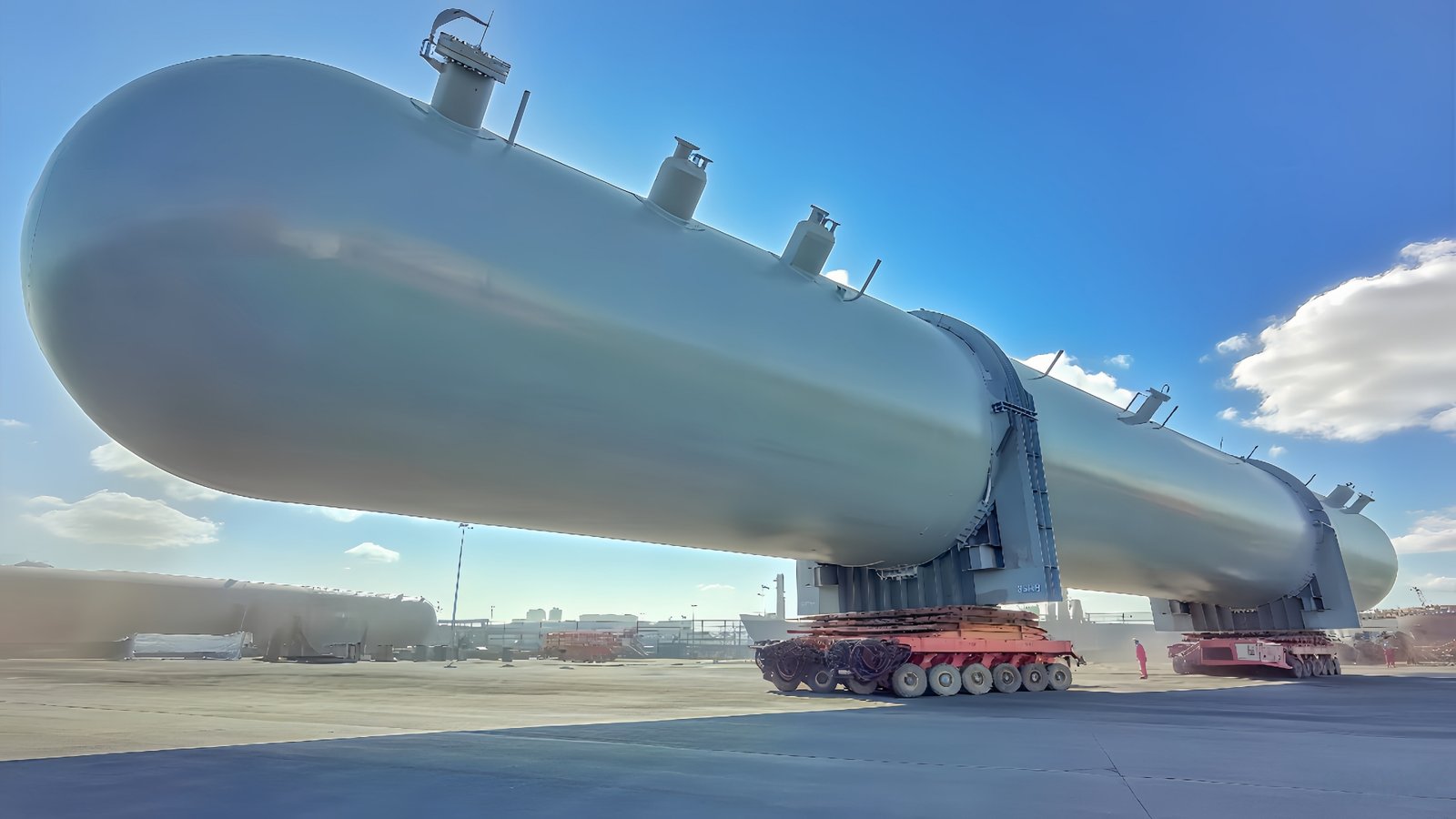
Because a buffer vessel may operate at pressures far above the storage tank pressure, it should be specified as pressure equipment where applicable. Buyers can review custom pressure vessels and industrial storage tanks when planning equipment categories for nitrogen supply and chemical storage systems.
How the System Works During Tank Operation
During Pump-Out or Cooling
When liquid is withdrawn from a tank, vapor space increases and pressure can fall. Cooling can also reduce vapor pressure. The blanketing regulator opens and admits nitrogen to prevent excessive vacuum and reduce air ingress. The buffer vessel helps maintain header pressure during fast demand changes.
During Filling or Heating
When a tank is filled or warmed, vapor space decreases and pressure can rise. The blanketing valve should close, and excess vapor should leave through the normal vent path. Emergency venting remains a separate protection layer for abnormal overpressure scenarios.
During Standby
During storage, the system maintains a low positive pressure and compensates for small breathing losses. For sensitive chemicals, nitrogen purity, dew point, oxygen analyzer performance, and regulator lock-up can be important to product quality and safety.
Key Selection Factors
Stored Chemical and Hazard Basis
The stored chemical defines the protection objective. EPC buyers should confirm whether the goal is fire and explosion risk reduction, oxidation control, moisture control, odor reduction, vapor emission reduction, corrosion control, or product quality protection. Important inputs include flash point, vapor pressure, limiting oxygen concentration where relevant, reactivity, toxicity, corrosion behavior, and sensitivity to moisture or oxygen.
Tank Pressure and Venting Data
Tank pressure limits are often much lower than the pressure rating of a nitrogen buffer vessel. Buyers should confirm normal operating pressure, maximum allowable working pressure where applicable, vacuum limit, PVRV set points, emergency vent settings, and the pressure hierarchy between the blanketing regulator and relief devices. API Standard 2000 is commonly used as a reference for atmospheric and low-pressure tank venting.
Nitrogen Demand and Buffer Vessel Sizing
Nitrogen demand is not defined by tank volume alone. It depends on pump-out rate, thermal inbreathing, simultaneous operation of multiple tanks, purge requirements, startup requirements, leakage, pressure drop, and nitrogen source response. The buffer vessel should be sized by usable gas volume between maximum and minimum operating pressures, not by nominal vessel volume alone.
| Input | Typical question | Effect on selection |
|---|---|---|
| Pump-out rate | How fast can liquid leave the tank? | Sets peak inbreathing demand for the blanketing valve. |
| Simultaneous users | How many tanks can demand nitrogen at once? | Defines header capacity and buffer reserve. |
| Supply source response | Can the generator or vaporizer respond instantly? | Controls required buffer size and backup philosophy. |
| Pressure limits | What are the high and low pressure limits? | Defines usable gas volume and regulator settings. |
| Oxygen target | What oxygen concentration must be maintained? | Influences nitrogen purity, purging, and analyzer requirements. |
Nitrogen Source and Purity
Common nitrogen sources include bulk liquid nitrogen, PSA nitrogen generators, membrane nitrogen generators, and cylinder supply. Bulk liquid nitrogen can support high flow and high purity, but requires cryogenic storage, vaporization, logistics, and safe venting. PSA and membrane systems can reduce delivered-gas dependency, but buyers should confirm purity, dew point, turndown, startup behavior, low-purity alarms, and backup supply.
Nitrogen purity should be based on the required oxygen concentration in the tank headspace and product quality needs. A generic high-purity specification may increase cost without improving the system if the real control issue is pressure stability, analyzer reliability, or venting design.
Pressure Control and Relief Protection
A tank blanketing regulator controls nitrogen admission, but it does not replace pressure/vacuum relief valves, emergency vents, or pressure safety valves on the buffer vessel. EPC buyers should define the blanketing regulator set point, supply pressure, downstream pressure reduction, PVRV set points, emergency vent set point, buffer vessel PSV setting, and credible failure cases.
The pressure-control design should prevent one device from defeating another. For example, a blanketing regulator that fails open should not overpressure the tank before the proper venting or relief layer acts. A blocked outlet, backflow, frozen vent, regulator lock-up, or instrument failure should be considered in the project safety review.
Materials and Cleanliness
Dry nitrogen is usually noncorrosive, but the system may still require careful material selection. Possible issues include chemical vapor backflow, moisture, outdoor corrosion, low temperature from vaporized gas, cleanliness requirements, elastomer compatibility, and hazardous area classification. Carbon steel may be suitable for many buffer vessels, while stainless steel may be selected for high-purity, clean, corrosive, or product-sensitive systems.
Safe Vent Location and Personnel Protection
Nitrogen can displace oxygen and create an oxygen-deficient atmosphere. This risk is especially important near pits, platforms, confined spaces, enclosed rooms, and poorly ventilated areas. EIGA guidance on safe location of oxygen and inert gas vents is a useful reference for reviewing vent discharge locations. The U.S. Chemical Safety Board has also published safety material on nitrogen asphyxiation hazards.
Manufacturing and Quality Control
A large-scale pressure vessel manufacturer should review process datasheets, mechanical drawings, material specifications, nozzle orientation, welding requirements, NDT scope, pressure testing, coating, packing, and delivery conditions before fabrication. For chemical storage and inert gas systems, interface review is important because the vessel, regulators, instruments, valves, and tank vents must work together.

Quality control may include material certificate review, welding procedure control, welder qualification, dimensional inspection, visual inspection, radiographic testing, ultrasonic testing, magnetic particle testing, liquid penetrant testing, pressure testing, coating inspection, and final document review. Final documentation may include calculations, drawings, material certificates, welding records, NDT reports, pressure test reports, coating records, nameplate information, and as-built documents.
How to Compare Vendor Proposals
Vendor proposals should be compared with a technical compliance matrix rather than price alone. A complete proposal should state the design code, sizing basis, nitrogen demand assumptions, usable buffer capacity, materials of construction, pressure rating, relief-device basis, instrumentation, hazardous-area requirements, inspection scope, documentation list, and delivery terms.
| Proposal item | Good proposal | Risky proposal |
|---|---|---|
| Sizing basis | Shows peak and normal nitrogen demand, pressure range, and reserve time. | Quotes only a standard vessel volume. |
| Code basis | Identifies ASME or applicable project code and inspection scope. | Uses unclear “standard fabrication” wording. |
| Safety devices | Coordinates regulator, PVRV, emergency vent, PSV, and alarm settings. | Treats the regulator as the only pressure-control device. |
| Materials | Defines vessel, nozzle, gasket, valve, coating, and cleanliness requirements. | Lists only generic carbon steel without service review. |
| Documentation | Includes drawings, calculations, ITP, certificates, and final data book. | Provides only a commercial quotation. |
Common Buyer Mistakes
Choosing Vessel Size Before Defining Demand
A standard buffer vessel may be too small for fast pump-out or too large for the actual operating need. Sizing should start with nitrogen demand, pressure range, source response, and reserve requirement.
Ignoring Tank Venting and Relief Coordination
Blanketing, venting, and relief devices must be coordinated. If set points conflict, the system may waste nitrogen, overpressure the tank, pull vacuum, or fail to maintain the intended inert atmosphere.
Assuming Nitrogen Has No Safety Risk
Nitrogen is inert for many chemical reactions, but it can create oxygen-deficiency hazards for personnel. Vent routing, analyzer placement, ventilation, training, and maintenance procedures should be included in the safety review.
Comparing Only Equipment Price
A low-cost proposal may exclude relief-device sizing, instrumentation, material traceability, NDT, pressure testing, coating, documentation, or commissioning support. EPC buyers should compare complete technical scope and lifecycle risk.
What EPC Buyers Should Prepare Before Requesting a Quotation
- Tank list, tank volume, and vapor-space information
- Stored chemical name, hazard data, vapor pressure, and compatibility data
- Required oxygen concentration or inerting objective
- Liquid filling rate and pump-out rate
- Normal, minimum, and maximum tank pressure limits
- PVRV, emergency vent, flame arrester, and vent routing requirements
- Nitrogen source type, purity, pressure, dew point, and capacity
- Simultaneous-use cases and reserve time expectation
- Buffer vessel design pressure and temperature basis
- Material requirements, corrosion allowance, coating, and cleanliness requirements
- Instrumentation, alarms, analyzers, and control narrative
- Applicable design code, project standards, and inspection requirements
- Delivery destination, packing, documentation, and commissioning support requirements
FAQ
How should EPC buyers size nitrogen blanketing and inert gas buffer vessels?
They should start with tank operating data, including pump-out rate, filling rate, vapor-space volume, pressure limits, thermal breathing, oxygen target, nitrogen source capacity, and simultaneous demand. The buffer vessel should be sized by usable gas volume between maximum and minimum operating pressures.
Why is nitrogen blanketing important for chemical storage tanks?
Nitrogen blanketing can reduce oxygen and moisture ingress, helping protect product quality and reduce certain fire, explosion, corrosion, odor, or contamination risks when the system is properly designed and controlled.
Is a tank blanketing regulator enough?
No. A tank blanketing regulator controls nitrogen admission, but the tank still needs appropriate pressure/vacuum relief, emergency venting, safe vent routing, and process safety review.
What nitrogen source should EPC buyers choose?
The nitrogen source should be selected by demand profile, purity requirement, reliability, operating cost, site utilities, footprint, logistics, and backup philosophy. Bulk nitrogen, PSA generators, membrane generators, and cylinders all have different trade-offs.
Does an inert gas buffer vessel need ASME design?
It may need ASME or another pressure vessel code depending on pressure, volume, temperature, jurisdiction, and project requirements. EPC buyers should confirm the applicable code with qualified engineers and the inspection authority.
What documents should be requested from suppliers?
Buyers should request process datasheets, sizing calculations, P&ID, control narrative, mechanical drawings, material certificates, welding records, NDT reports, pressure test reports, inspection and test plan, and final data book.
Conclusion
Nitrogen blanketing and inert gas buffer vessels protect chemical storage systems by stabilizing pressure, reducing oxygen ingress, supporting product quality, and helping control flammable or reactive tank headspaces where the process safety basis requires inerting. For EPC buyers, the right selection depends on chemical hazards, tank breathing demand, nitrogen source reliability, usable buffer volume, pressure-control hierarchy, relief protection, materials, instrumentation, documentation, and safe venting.
If you are sourcing nitrogen buffer vessels, chemical storage tanks, pressure vessels, blanketing system vessels, or related custom equipment for chemical, petrochemical, refining, fertilizer, or EPC projects, you can discuss your project requirements with an engineering and manufacturing team. Sharing tank data, nitrogen demand, material requirements, inspection needs, and delivery terms will help support technical communication and fabrication evaluation.
External references used: API Standard 2000; ASME BPVC Section VIII Division 1; EIGA Doc 154; CSB nitrogen asphyxiation safety bulletin.