
Complete Pressure Vessel Scope of Supply for EPC Projects
For EPC contractors and industrial project buyers, a pressure vessel quotation should not be evaluated only by unit price. A complete pressure vessel scope of supply must define engineering inputs, materials, fabrication, inspection, testing, surface protection, documentation, packing and delivery boundaries. If these items are unclear at the RFQ stage, the project may face drawing revisions, cost adjustments, delivery disputes or site installation delays.
This guide explains what buyers should confirm before ordering custom pressure vessels for petrochemical, chemical, fertilizer, gas processing, new energy and environmental engineering projects.

A pressure vessel quotation can be compared fairly by unit price alone.False
Two quotations may include different engineering support, materials, NDE, testing, coating, documentation, packing and delivery boundaries, so EPC buyers should compare the complete scope.
The pressure vessel data book should be treated as part of the delivered product.True
Approved drawings, material certificates, welding records, NDE reports, pressure test records, coating records and as-built documents support traceability, acceptance and maintenance.
What Is a Complete Pressure Vessel Scope of Supply?
A complete pressure vessel scope of supply defines exactly what the manufacturer is responsible for delivering. It should cover the physical equipment, quality control process, documents, coatings, accessories required for the vessel body, shipment preparation and handover conditions.
For EPC projects, this scope is usually based on approved drawings, datasheets, project specifications, applicable codes and inspection requirements. The buyer should avoid vague descriptions such as “supply one pressure vessel” without listing the engineering, quality and delivery expectations.
When buyers source custom pressure vessels, the scope should be reviewed as a project package, not as a simple catalog purchase.
Why Scope Definition Matters in EPC Procurement
Pressure vessels are often connected to piping, foundations, platforms, instruments, process systems and downstream equipment. A missed detail in the supply scope can affect more than the vessel itself.
For example, unclear nozzle orientation may affect piping installation. Missing coating requirements may delay site acceptance. Incomplete inspection records may create documentation gaps. Poor transport preparation may damage coating or vessel supports before arrival.
A clear scope helps EPC buyers compare suppliers fairly. It also helps manufacturers prepare more accurate pricing, production planning and delivery schedules.
Complete Pressure Vessel Scope Summary
| Scope area | What should be defined | Why it matters |
|---|---|---|
| Engineering inputs | Datasheets, drawings, design conditions, medium, code and revision control | Reduces assumptions and uncontrolled drawing changes |
| Materials | Material grades, certificates, traceability, PMI, impact tests and corrosion allowance | Supports quality traceability and service compatibility |
| Fabrication | Shells, heads, nozzles, manways, supports, lifting points, welding and assembly | Defines the physical equipment boundary |
| Inspection and testing | ITP, NDE, pressure test, coating inspection and hold points | Controls acceptance records and project quality review |
| Documentation and delivery | Data book, packing, lifting, export documents and handover terms | Prevents site acceptance and logistics gaps |
Engineering Inputs and Drawing Review
Basic Documents Buyers Should Provide
Before requesting a quotation, buyers should provide the available engineering documents, including:
- Equipment datasheet
- General arrangement drawing
- Nozzle schedule
- Material specification
- Design pressure and temperature
- Operating pressure and temperature
- Medium composition and corrosion information
- Applicable design code
- Inspection and test requirements
- Painting or coating specification
- Delivery terms and destination
If some information is not finalized, it should be clearly marked as preliminary. This helps the manufacturer identify assumptions and avoid uncontrolled changes later.
Drawing Deepening and Engineering Coordination
For project-based equipment, drawing review is often part of the manufacturer’s work. The manufacturer may check manufacturability, welding access, lifting points, plate layout, transportation size, nozzle orientation and support arrangement.
However, the final process design and code responsibility should follow the project contract, engineering authority and applicable regulations. Buyers should confirm which party is responsible for design calculation, drawing approval and design change control.
Related page: WSHI pressure vessel manufacturer.
Material Supply and Traceability
Material requirements should be clearly defined in the scope of supply. This includes base plates, forgings, pipes, flanges, welding consumables and any material certificates required by the project.
For pressure vessels used in oil and gas, petrochemical, chemical, fertilizer or new energy projects, material selection may depend on pressure, temperature, corrosion, low-temperature service, hydrogen service, sour service or other operating conditions. Buyers should confirm these conditions with the project engineering team before procurement.
A strong scope should include:
- Material grade and standard
- Certificate type and traceability requirement
- Positive material identification if required
- Impact test requirement if applicable
- Heat treatment requirement if applicable
- Corrosion allowance
- Special procurement requirements
Material traceability is especially important for large industrial pressure vessels because later replacement or verification can be difficult after installation.
Fabrication Scope
Main Vessel Fabrication
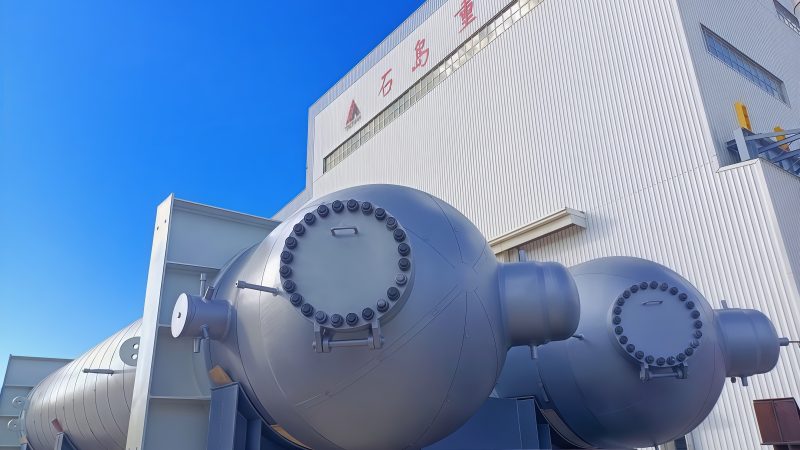
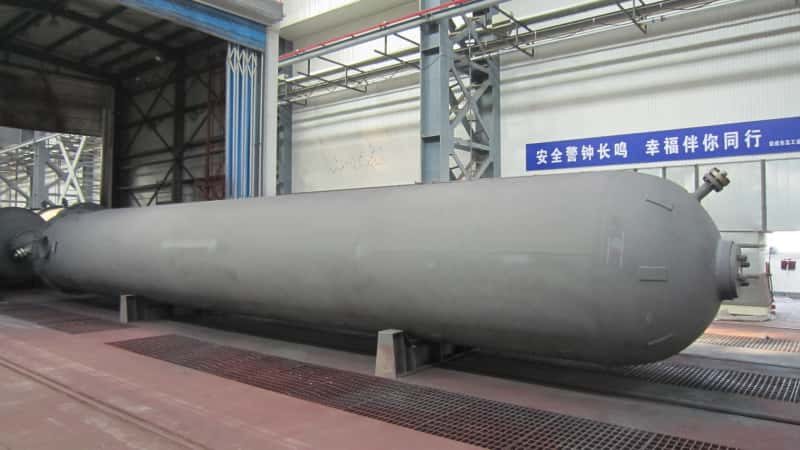
The manufacturing scope should define the vessel body, heads, shells, nozzles, manways, supports, lifting points and other welded parts that form the complete pressure vessel. The goal is to ensure the delivered equipment is ready for the agreed project interface.
For large custom vessels, fabrication may include plate cutting, rolling, forming, welding, assembly, dimensional inspection, heat treatment if required, pressure testing and surface treatment.

Welding and Manufacturing Control
Welding is one of the most important parts of pressure vessel manufacturing. The scope should identify welding procedure requirements, welder qualification requirements and weld examination methods according to the applicable project code.
EPC buyers should not rely only on final inspection. Manufacturing quality is built through controlled procedures, qualified personnel, material control, fit-up inspection, welding sequence control and documented examination.
For buyers comparing suppliers, pressure vessel manufacturing capability should be evaluated together with quality system execution, not only workshop size.
Inspection and Test Scope
Inspection and Test Plan
A pressure vessel inspection and test plan, often called an ITP, should define the hold points, witness points, inspection methods and acceptance records required during manufacturing.
Common inspection and test items may include:
- Material receiving inspection
- Dimensional inspection
- Weld visual inspection
- Radiographic testing where required
- Ultrasonic testing where required
- Magnetic particle or penetrant testing where required
- Heat treatment record review if applicable
- Hydrostatic or pneumatic pressure test according to project requirements
- Coating inspection
- Final inspection before shipment
The exact inspection scope should be based on the latest applicable standards, project specifications and local regulatory requirements.
Pressure Testing
Pressure testing is a key acceptance step for many pressure vessels. The test method, test pressure, medium, holding time, safety precautions and acceptance criteria should be defined by the applicable code and project requirements.
Buyers should avoid informal or incomplete pressure test descriptions. For regulated equipment, the project team should review the requirements carefully and ensure that all records are included in the final documentation package.
External reference: ASME BPVC Section VIII. ASME’s BPVC overview also describes the code set as a major technical source for boiler and pressure vessel manufacturing, construction and operation.
Surface Treatment, Coating and Corrosion Protection
Surface protection is often underestimated during procurement. For pressure vessels used in outdoor plants, coastal projects, chemical environments or export shipments, coating requirements can affect long-term reliability and delivery acceptance.
The scope should define:
- Surface preparation grade
- Primer and topcoat system
- Dry film thickness requirement
- Color requirement if applicable
- Internal coating or lining if required
- Coating inspection method
- Repair responsibility after transport damage
If the vessel will be used with corrosive media, coating or lining decisions should be confirmed by the project engineering team. The manufacturer can fabricate according to the approved specification, but should not guess corrosion protection requirements without project input.
Documentation and Data Book
For EPC projects, the pressure vessel data book is part of the delivered product. It helps support traceability, inspection review, site acceptance and future maintenance.
A typical documentation package may include:
- Approved drawings
- Material certificates
- Welding procedure records
- Welder qualification records where required
- NDE reports
- Dimensional inspection reports
- Heat treatment charts if applicable
- Pressure test report
- Coating inspection report
- Final inspection report
- Packing list
- Nameplate information
- As-built drawings if required
Documentation requirements should be agreed before manufacturing starts. If documents are requested only after shipment, the project may face delays or incomplete records.
For commercial conversion, a data-book-focused article can naturally link to download the pressure vessel catalog when readers need product and manufacturing references.
Packing, Loading and Export Delivery
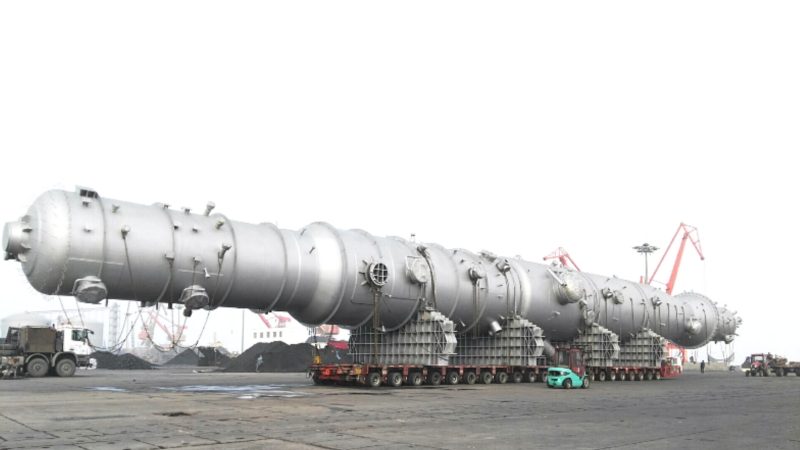
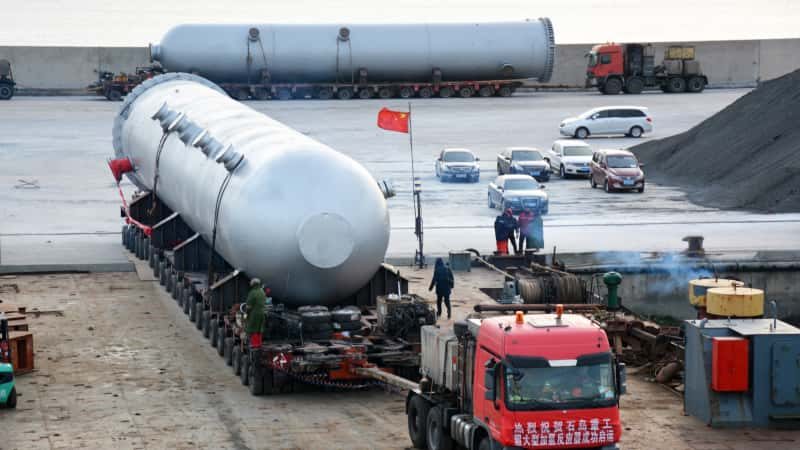
Large pressure vessels often require special transport planning. Export projects may involve road transport, port delivery, sea freight, lifting coordination and protective packing.
The supply scope should clarify:
- Delivery term and handover point
- Export packing requirements
- Saddle or support protection
- Lifting lug and lifting instruction requirements
- Temporary supports or transport frames if required
- Flange protection
- Coating protection during transport
- Port delivery coordination
- Shipping document responsibility

For overseas buyers, supplier experience in large-equipment loading and export delivery can reduce execution risk. This is especially important for pressure vessels used in oil and gas pressure vessel applications and international petrochemical projects.
Equipment Scope by Application
Petrochemical and Chemical Plants
Petrochemical and chemical projects may require reactors, separators, towers, heat exchangers and storage vessels. These items often have complex material, corrosion and inspection requirements.
Related page: petrochemical pressure vessels.
Gas Processing Projects
Gas processing facilities may require separators, scrubbers, knock-out drums, heat exchangers and pressure vessels for different gas treatment stages. The scope should define medium composition, pressure rating, nozzle orientation and inspection requirements.
Related page: pressure vessels for oil and gas.
New Energy and Environmental Projects
Hydrogen, biofuel, carbon capture, wastewater treatment and waste-to-resource projects may require custom pressure vessels, heat exchangers, evaporators, scrubber towers and large storage tanks. These projects often need customized layouts and project-specific material decisions.
Related page: pressure vessels for new energy.
Common Scope Gaps Buyers Should Avoid
Missing Interface Requirements
Nozzle orientation, support type, platform interface and lifting points should be reviewed before fabrication. If these details are not coordinated, site installation may require modification.
Unclear Inspection Responsibility
Buyers should confirm whether third-party inspection, client witness points or special testing are required. These requirements can affect schedule and cost.
Incomplete Coating Specification
Coating should not be left as a general note. Surface preparation, paint system, thickness and inspection method should be defined.
Undefined Documentation Package
The data book should be part of the purchase scope. Missing documentation can create problems during site acceptance or future maintenance.
Ignoring Transport Limits
Large vessels should be checked against road, port and site lifting limits early. Transport feasibility should be considered during drawing review, not only after fabrication.
API Standard 510 is an in-service inspection, rating, repair and alteration code for pressure vessels. While it is not a fabrication scope checklist, it is a useful reminder that documentation and traceability can affect later inspection and maintenance work.
How to Compare Pressure Vessel Suppliers
When evaluating an EPC pressure vessel supplier, buyers should ask:
- Can the supplier review drawings and communicate with the engineering team?
- Does the supplier have experience with large custom pressure vessels?
- Can the supplier manage material traceability?
- Are welding, NDE and pressure testing controlled and documented?
- Can the supplier handle coating and export delivery?
- Is the quotation scope clear enough to compare with other offers?
- Does the supplier provide a complete documentation package?
Price remains important, but it should be compared only after the technical and delivery scope is aligned.
Conclusion
A complete pressure vessel scope of supply helps EPC buyers reduce procurement uncertainty, avoid hidden cost and improve project execution. The scope should cover engineering coordination, materials, fabrication, inspection, testing, coating, documentation, packing and delivery.
For petrochemical, chemical, fertilizer, gas processing, new energy and environmental projects, custom pressure vessels should be purchased as engineered project equipment rather than simple standard products.
If you are preparing an RFQ for custom pressure vessels, separators, heat exchangers, towers, large storage tanks or other non-standard chemical equipment, you can share your drawings, datasheets and project requirements with WSHI. Our engineering and manufacturing team can help review the equipment scope and discuss fabrication feasibility. You can request a quotation for your project.
FAQ
What does pressure vessel scope of supply mean?
It means the complete responsibility boundary of the supplier, including equipment fabrication, materials, inspection, testing, coating, documentation, packing and delivery terms as agreed in the purchase contract.
Why is scope definition important for EPC projects?
A clear scope helps EPC buyers compare suppliers fairly, avoid missing cost items, reduce site installation risk and ensure documentation is ready for project acceptance.
What documents should be included in a pressure vessel data book?
A data book may include approved drawings, material certificates, welding records, NDE reports, pressure test records, coating reports, inspection reports and as-built documents, depending on project requirements.
Should coating and export packing be included in the RFQ?
Yes. Coating and export packing can affect cost, delivery quality and site acceptance. They should be clearly defined before quotation and fabrication.
Can WSHI support custom pressure vessel projects for overseas EPC buyers?
WSHI can support project-based custom pressure vessel manufacturing, including drawing review, material procurement, welding fabrication, inspection, testing, coating and export delivery discussion according to project requirements.