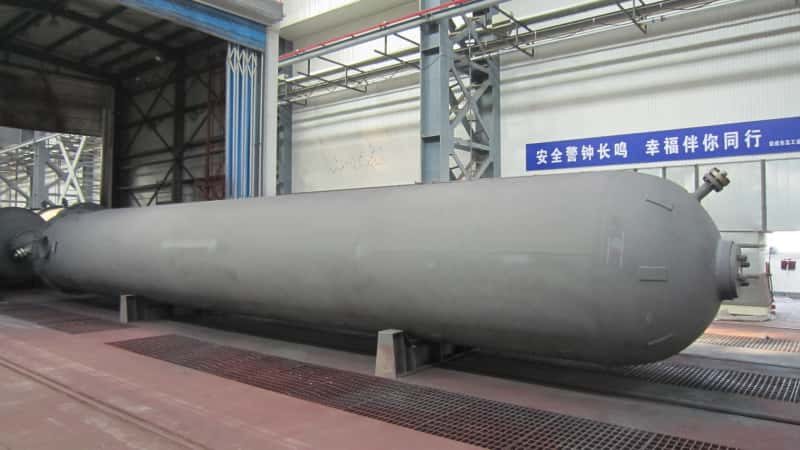

PDH Unit Process Equipment for Propane-to-Propylene Projects
Propane dehydrogenation projects are drawing attention again as petrochemical producers expand propylene supply for downstream plastics, chemicals and performance materials. Recent industry reports noted that Zhejiang Petroleum & Chemical selected Lummus Technology for a new PDH unit at its Zhoushan complex, showing continued investment in large propane-to-propylene production capacity.
For EPC buyers and project teams, PDH unit process equipment is not a single-machine purchase. A PDH project may require reactors, heat exchangers, gas-liquid separators, process towers, pressure vessels, LPG or propane storage tanks and other custom-fabricated equipment. The procurement challenge is to define the complete equipment boundary before fabrication begins.
PDH unit process equipment can be purchased as standard catalog products.False
PDH equipment must match licensed process requirements, pressure, temperature, materials, layout, inspection scope, logistics and project documentation.
EPC buyers should evaluate PDH reactors, heat exchangers, separators, towers and LPG storage tanks as a complete project equipment boundary.True
The process equipment must integrate with plant layout, utility systems, piping, lifting, export delivery and site acceptance requirements.
What Is a PDH Unit?
A propane dehydrogenation unit converts propane into propylene through a high-temperature catalytic process. The propylene is then used as a key feedstock for polypropylene and other petrochemical products.
From an equipment procurement perspective, a PDH unit usually involves multiple sections: propane feed preparation, reaction, heat recovery, separation, compression, product recovery, utility integration and storage. The exact configuration depends on the licensed process, project design basis and plant owner requirements.
For manufacturers of petrochemical pressure vessels, PDH projects are relevant because they require heavy-duty process equipment designed around pressure, temperature, material compatibility, inspection requirements and project delivery conditions.
Why PDH Projects Need Custom Process Equipment
PDH units operate under demanding process conditions. Equipment must support stable operation, thermal performance, pressure containment, separation efficiency and safe integration with surrounding plant systems.
Oil & Gas Journal reported on September 11, 2026 that ZPC contracted Lummus Technology to license PDH technology for a new 1.2-million tpy unit at its Zhoushan integrated complex. Lummus’ PRNewswire announcement dated September 10, 2026 described the unit as a 1.2 million metric tons per annum CATOFIN propane dehydrogenation unit.
These project reports are useful industry background, but each PDH project still requires its own licensed process documents, approved drawings and EPC engineering review before equipment can be specified.
EPC buyers usually need custom equipment rather than standard catalog products because each project has its own:
- Process licensor requirements
- Design pressure and temperature
- Feed composition and product specification
- Site layout and piping arrangement
- Material and corrosion requirements
- Inspection and testing scope
- Shipping route and lifting conditions
- Documentation and project acceptance requirements
This is why PDH unit process equipment should be purchased as an engineered package of complete equipment items, not as isolated small components.
Related page: custom pressure vessels.
Main Equipment Used in PDH Unit Projects
Reactors and High-Temperature Process Vessels
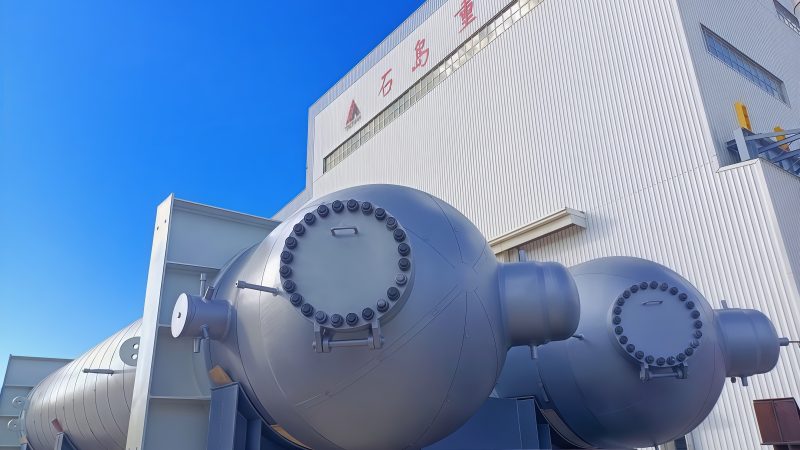
The reactor section is central to propane dehydrogenation. Depending on the process technology, reactor-related vessels may involve high-temperature service, catalyst-related process requirements and strict mechanical design review.
For EPC buyers, the key is not to generalize reactor design. Reactor dimensions, material selection, fabrication method, heat treatment, inspection and testing should follow approved engineering documents, licensed technology requirements and applicable standards.
A qualified manufacturer should be able to review drawings, confirm manufacturability, control welding quality and prepare required documentation. However, it should not replace the process licensor or engineering design authority.
Related page: industrial pressure vessels.
Heat Exchangers for Heat Recovery and Process Cooling
PDH units require heat transfer equipment for feed heating, product cooling, heat recovery, condensation and utility integration. Shell and tube heat exchangers are often considered in petrochemical services where pressure, temperature and maintainability are important.
When selecting heat exchangers for petrochemical plants, EPC buyers should confirm heat duty, operating and design temperature, operating and design pressure, shell-side and tube-side media, fouling tendency, allowable pressure drop, material requirements, cleaning and inspection access, and NDE and pressure test requirements.
WSHI does not focus on plate heat exchangers. For PDH and petrochemical applications, content should emphasize custom shell-and-tube and heavy industrial heat exchanger fabrication where suitable.
Related pages: industrial heat exchangers and shell and tube heat exchanger.
Separators and Process Drums
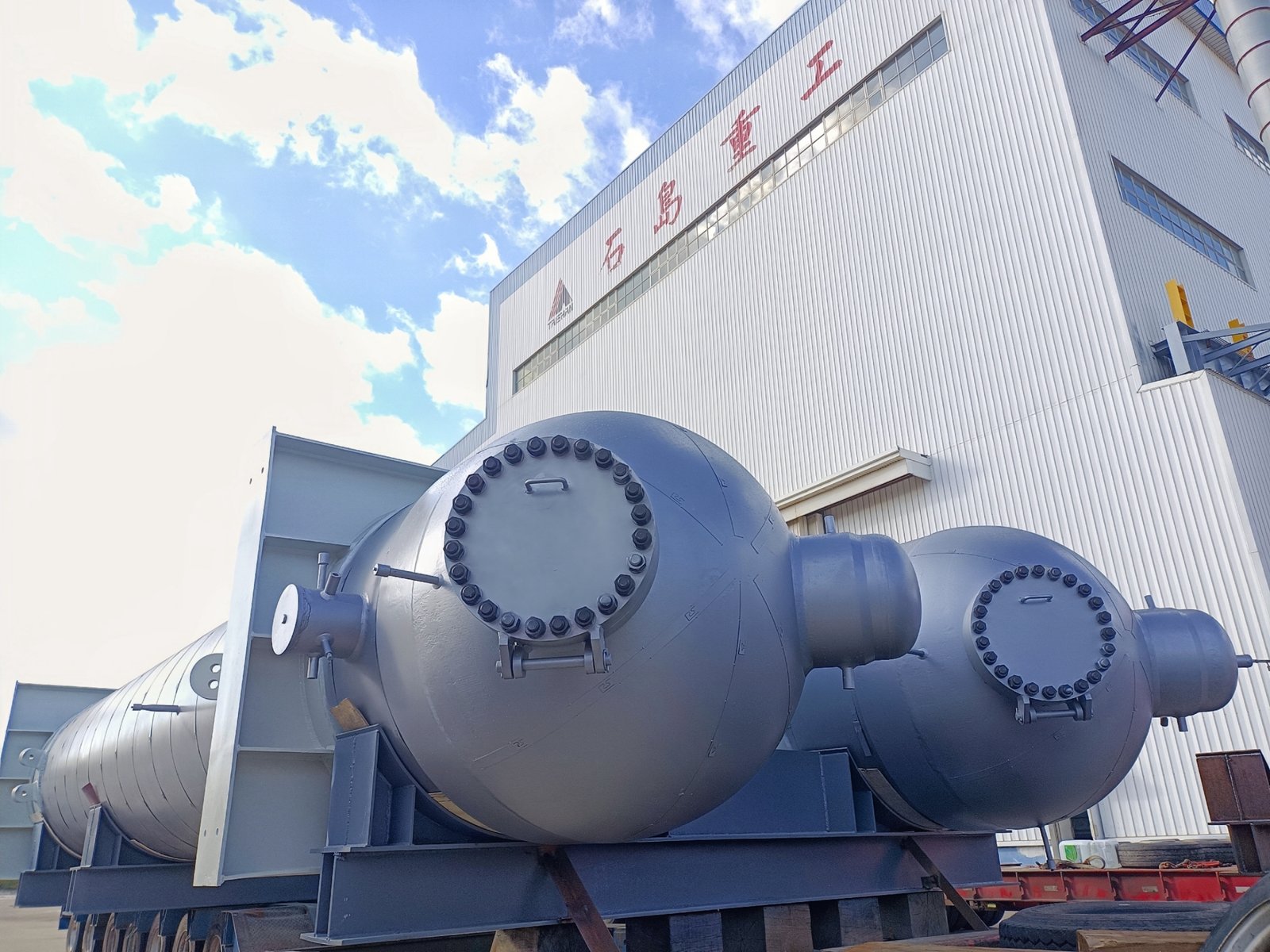
PDH projects may require gas-liquid separators, knock-out drums, flash drums, surge vessels and other process vessels for phase separation, liquid collection, pressure buffering and process stability.
For buyers, the important issue is complete vessel procurement. The RFQ should define vessel duty, medium, pressure, temperature, nozzle arrangement, support type, inspection scope, coating and documentation. Small internals or accessories should be considered only as part of the complete separator or process vessel supply boundary.
Related page: pressure vessels for oil and gas.
Process Towers and Columns
Separation and product recovery sections in petrochemical projects often require towers and columns. In PDH-related facilities, column equipment may be involved in purification, fractionation or supporting separation services, depending on process design.
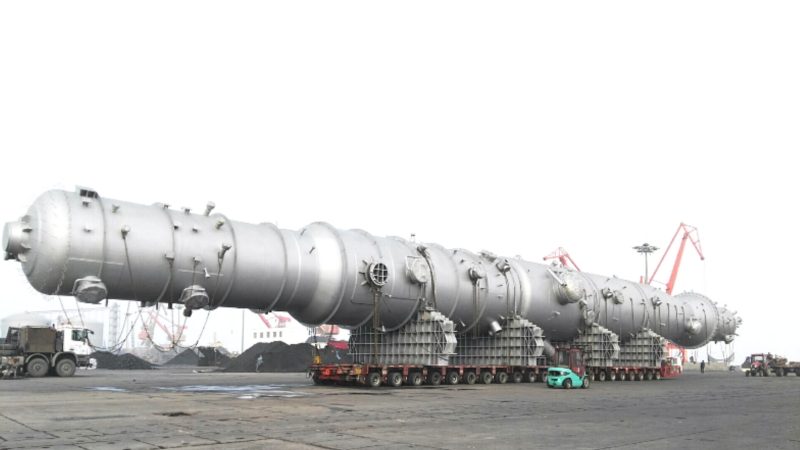
For large towers, EPC buyers should review tower diameter and height, design pressure and temperature, material and corrosion allowance, nozzle orientation, platform and ladder interface, lifting and transport plan, inspection and test requirements, and final documentation package.
The article should not position tower internals as standalone products. For this website, the commercial focus should remain on process towers and columns as complete fabricated equipment.
LPG and Propane Storage Tanks
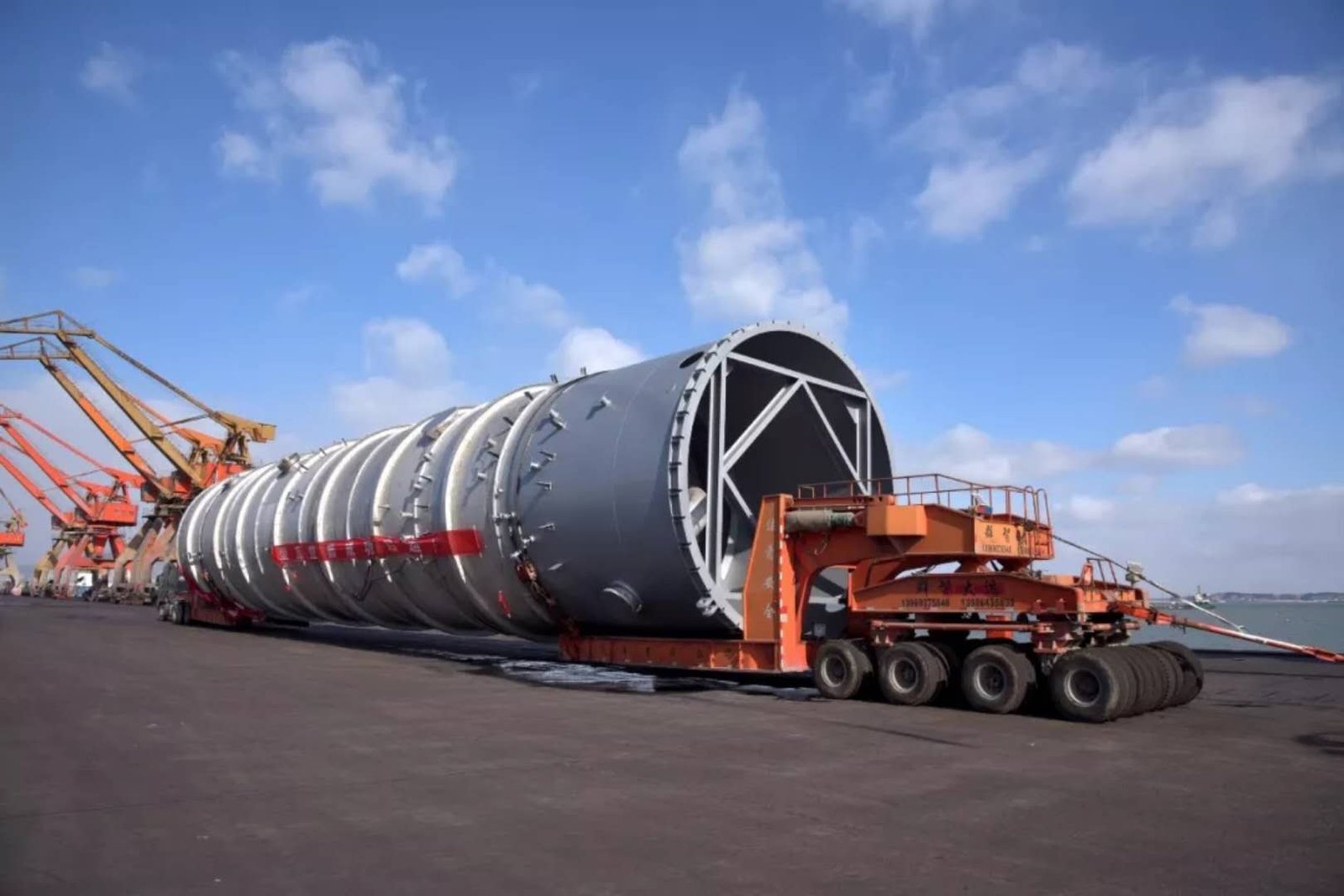
PDH projects are closely linked to propane feedstock supply. Large LPG or propane storage tanks may be required for feed storage, logistics buffering or terminal integration. For WSHI’s positioning, the focus should remain on large industrial tanks above 1,000 liters and complete project storage equipment.
Buyers should confirm propane or LPG composition, storage capacity, design pressure and temperature, site climate and installation condition, material requirements, corrosion protection, safety and regulatory requirements, and transportation and site lifting limitations.
WSHI supplies LPG-related storage equipment, not LNG tanks. Any article on PDH storage should avoid creating confusion between LPG/propane service and LNG cryogenic service.
Related pages: industrial storage tanks and LPG storage tanks.
PDH Unit Equipment Procurement Summary
| Equipment category | What EPC buyers should define | Why it matters |
|---|---|---|
| Reactors and process vessels | Licensor requirements, temperature, pressure, materials, heat treatment and inspection | Supports high-temperature catalytic process duties |
| Heat exchangers | Heat duty, media, fouling, pressure drop, materials and cleaning access | Controls heat recovery, cooling and maintainability |
| Separators and drums | Phase load, liquid handling, nozzles, supports, NDE and documentation | Improves process stability and downstream protection |
| Process towers | Dimensions, pressure, material, platforms, lifting and transport limits | Reduces installation and logistics risk |
| LPG storage tanks | Propane service, capacity, pressure, materials, safety basis and delivery route | Connects PDH feedstock supply with plant storage needs |
Key Selection Factors for EPC Buyers
Process Duty and Design Basis
Before requesting a quotation, EPC buyers should prepare the design basis for each equipment item. This includes medium, flow rate, pressure, temperature, corrosion risk, material requirements, applicable codes and expected inspection level.
A supplier cannot provide a reliable technical offer if the equipment duty is unclear. For PDH unit process equipment, early engineering communication helps reduce later revisions.
Material Selection
Material selection should be based on operating condition, process medium, temperature, corrosion potential and project specification. Carbon steel, low-alloy steel or stainless steel may be considered depending on service conditions, but the final decision should follow engineering review and current applicable standards.
For high-temperature or hydrogen-containing environments, buyers should avoid generic assumptions. The project engineering team should confirm material suitability, heat treatment requirements and inspection requirements.
Welding and Fabrication Capability
Large PDH equipment requires controlled fabrication. Important manufacturing factors include plate forming, shell rolling, welding procedure control, welder qualification, dimensional inspection, heat treatment if required and final pressure testing.
When evaluating a large-scale pressure vessel manufacturer, buyers should review whether the supplier can handle heavy equipment size, project documentation, inspection coordination and export delivery.
Inspection and Testing
Inspection and testing requirements should be agreed before production. Typical requirements may include material verification, weld visual inspection, radiographic testing, ultrasonic testing, magnetic particle testing, penetrant testing, dimensional inspection, pressure testing and coating inspection.
The exact inspection scope should follow the applicable code, project specification and local regulatory requirements. ASME BPVC Section VIII may be relevant for pressure vessel construction where the project specification requires it. Buyers should treat online articles as general guidance, not as a substitute for engineering review.
Delivery Scope and Export Considerations
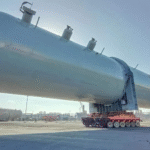
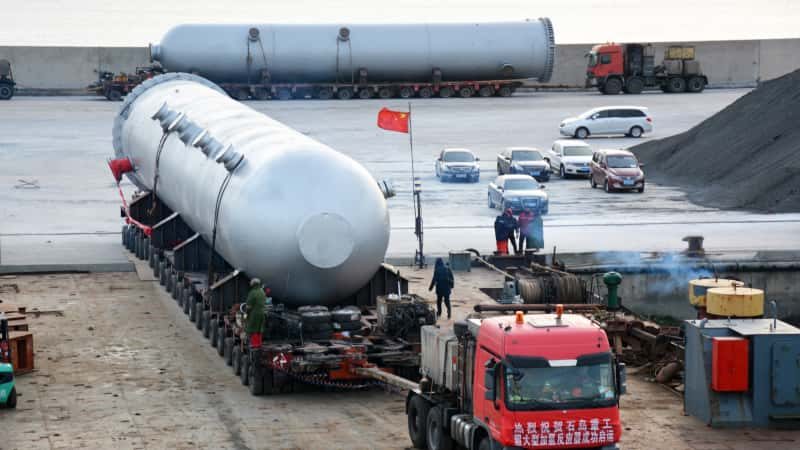
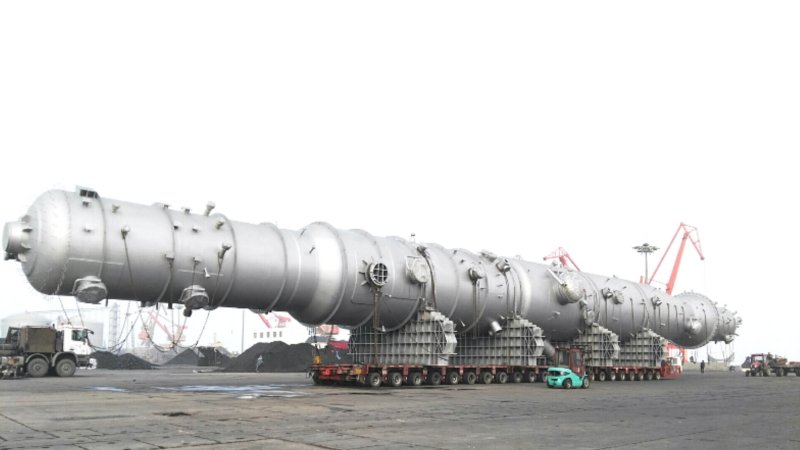
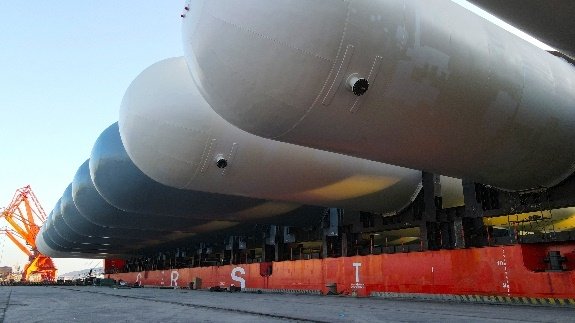
PDH projects often involve heavy and oversized equipment. Towers, reactors, large heat exchangers and storage tanks may require careful planning for workshop handling, road transport, port delivery, sea freight and site lifting.
Before placing an order, EPC buyers should clarify delivery term and handover point, maximum transport dimensions, lifting lug and support requirements, export packing method, flange and nozzle protection, coating protection during shipment, shipping documents, and site unloading and installation boundary.
Logistics should be reviewed during the drawing stage. If the equipment is already fabricated before transport restrictions are checked, the project may face cost and schedule risk.
Common Buyer Mistakes to Avoid
Comparing Only Equipment Price
A low price may exclude coating, NDE, pressure testing, documentation, export packing or port delivery. Buyers should compare the complete scope of supply, not just the vessel body price.
Treating PDH Equipment as Standard Products
PDH units are project-specific. Equipment should be fabricated according to approved drawings, datasheets and specifications. Generic equipment names are not enough for accurate procurement.
Leaving Nozzle Orientation Too Late
Nozzle orientation affects piping, platforms, installation and maintenance access. EPC buyers should review orientation drawings before fabrication.
Ignoring Documentation Requirements
A complete data book supports inspection review, site acceptance and future maintenance. Material certificates, welding records, NDE reports, pressure test records, coating reports and as-built drawings should be defined in the purchase scope.
Why Customized Manufacturing Matters
Customized manufacturing matters because PDH equipment must fit the process design, plant layout, transport route and project schedule. A capable manufacturer can support drawing review, material procurement, welding fabrication, inspection, coating and delivery planning.
For EPC buyers, the best supplier is not simply the one that can quote quickly. It is the one that can understand the project boundary, manufacture according to approved requirements and deliver documentation that supports project acceptance.
To continue reviewing related capabilities, buyers may visit pressure vessel manufacturing, petrochemical pressure vessels and custom heat exchangers.
Conclusion
PDH unit process equipment plays an important role in propane-to-propylene projects. EPC buyers should evaluate reactors, heat exchangers, separators, towers, pressure vessels and LPG storage tanks as part of a complete procurement and delivery scope.
A successful purchase should define process duty, materials, fabrication requirements, inspection scope, coating, documentation and export delivery before manufacturing begins.
If you are sourcing PDH unit process equipment, petrochemical pressure vessels, heat exchangers, process towers, gas-liquid separators or large LPG storage tanks for an EPC project, you can share your drawings, datasheets and project requirements with WSHI. Our engineering and manufacturing team can help review fabrication feasibility and discuss the equipment supply boundary. You can discuss your project requirements with our team.
FAQ
What equipment is commonly used in a PDH unit?
A PDH unit may use reactors, heat exchangers, separators, process drums, towers, columns, pressure vessels, LPG or propane storage tanks and supporting custom chemical equipment. The final equipment list depends on process technology and project design.
Why do PDH projects require custom pressure vessels?
PDH equipment is designed around specific pressure, temperature, medium, layout and inspection requirements. Custom pressure vessels help match the project’s approved drawings and process conditions.
Are LPG storage tanks relevant to PDH projects?
Yes. PDH units use propane as feedstock, so large LPG or propane storage tanks may be part of the supply chain or plant storage system. The design should be reviewed according to project conditions and applicable standards.
What should EPC buyers prepare before requesting a quotation?
Buyers should prepare datasheets, drawings, medium information, design pressure, design temperature, material requirements, inspection scope, coating requirements, delivery terms and documentation requirements.
Can one manufacturer supply multiple equipment types for PDH projects?
A qualified custom equipment manufacturer may support multiple equipment categories such as pressure vessels, heat exchangers, towers and storage tanks. The exact scope should be clearly defined in the technical agreement and purchase order.