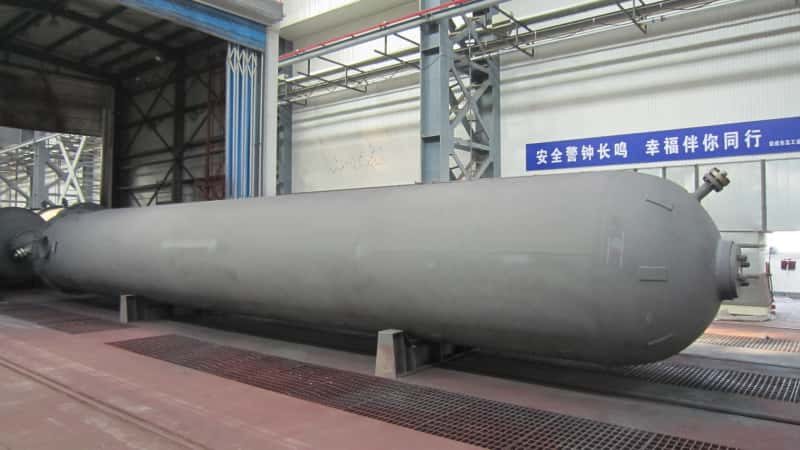

Shop-Fabricated vs Field-Erected Large Storage Tanks
For EPC buyers and plant owners, choosing between shop-fabricated and field-erected large storage tanks is not only a manufacturing decision. It affects engineering review, transport feasibility, coating quality, site construction workload, inspection planning, delivery schedule and total project risk.
In chemical plants, petrochemical facilities, oil and gas projects, environmental systems and energy infrastructure, storage tanks are often required for feedstock, intermediate products, utilities, wastewater, LPG, chemicals or process liquids. This article focuses on large industrial storage tanks above 1,000 liters and complete tank procurement. It does not discuss small tanks, accessories or isolated components as standalone purchasing items.
Shop-fabricated storage tanks are always better than field-erected tanks.False
Shop fabrication can improve factory control, but field erection may be necessary when tank size, capacity, transport route or site conditions make complete-unit delivery impractical.
EPC buyers should compare shop-fabricated and field-erected tanks by total delivered scope, not fabrication price alone.True
Coating, testing, documentation, transport, site work, lifting, inspection and handover boundaries can differ significantly between the two options.
What Are Shop-Fabricated and Field-Erected Storage Tanks?
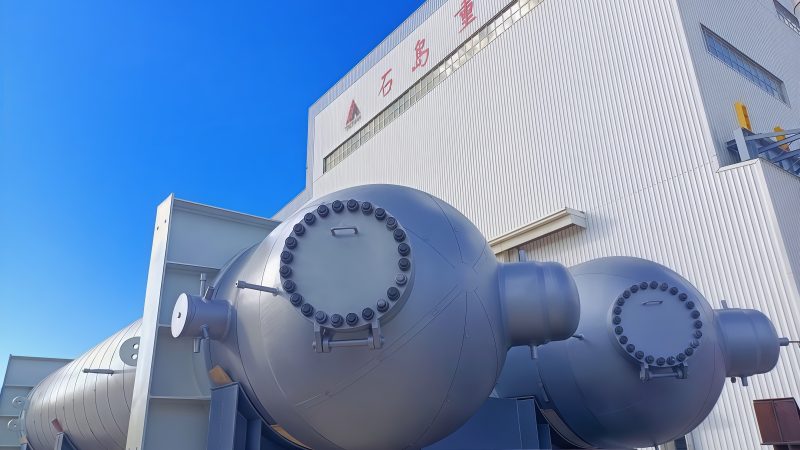
Shop-fabricated storage tanks are manufactured mainly in a controlled workshop. The tank shell, heads or bottom plates, nozzles, supports and other main welded structures are fabricated before delivery. Depending on tank size and transport limits, the tank may be shipped as a complete unit or as large pre-fabricated sections.
Field-erected storage tanks are assembled at the project site. Plate materials or prefabricated sections are transported to the site, then welded, inspected, tested and coated according to the project construction plan.
For EPC projects, the question is not which method is always better. The right choice depends on tank capacity, diameter, height, design pressure, medium, material, coating requirements, transport route, site labor conditions, lifting capacity and project schedule.
Related product page: industrial storage tanks.
Shop-Fabricated vs Field-Erected Tank Summary
| Decision factor | Shop-fabricated tank | Field-erected tank |
|---|---|---|
| Fabrication location | Main welding, inspection and coating are completed in the workshop. | Main assembly, welding and testing are completed at site. |
| Best fit | Transportable tanks or large prefabricated sections. | Very large tanks that exceed transport limits. |
| Coating control | Often easier to control surface preparation and coating environment. | Depends heavily on weather, access, humidity and site controls. |
| Site workload | Lower site welding and assembly workload. | Higher site labor, lifting, inspection and construction coordination. |
| Main risk | Road, port, lifting and delivery feasibility. | Site schedule, weather, manpower, coating and inspection coordination. |
When Shop-Fabricated Large Storage Tanks Make Sense
Shop-fabricated tanks are often suitable when the tank size can be transported safely from the workshop to the site or port. This option is attractive for buyers who want stronger manufacturing control, reduced site work and more predictable quality documentation.
Advantages of Shop Fabrication
A workshop environment can provide better control over welding, dimensional inspection, surface preparation and coating conditions. Manufacturers can use established equipment, lifting resources, inspection procedures and quality records.
For international projects, shop fabrication may also simplify procurement because the buyer receives a more complete product before shipment. The tank can be inspected before delivery, and key documents can be prepared as part of the final package.
Typical advantages include:
- Better workshop control of welding and fit-up
- Easier dimensional inspection before delivery
- More controlled surface preparation and coating
- Reduced on-site welding workload
- Clearer factory acceptance process
- Easier integration with export packing and loading
- More predictable manufacturing documentation
For buyers sourcing custom pressure storage tanks, shop fabrication is often preferred when the vessel size, road limits and shipping plan are manageable.
Limits of Shop Fabrication
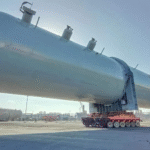
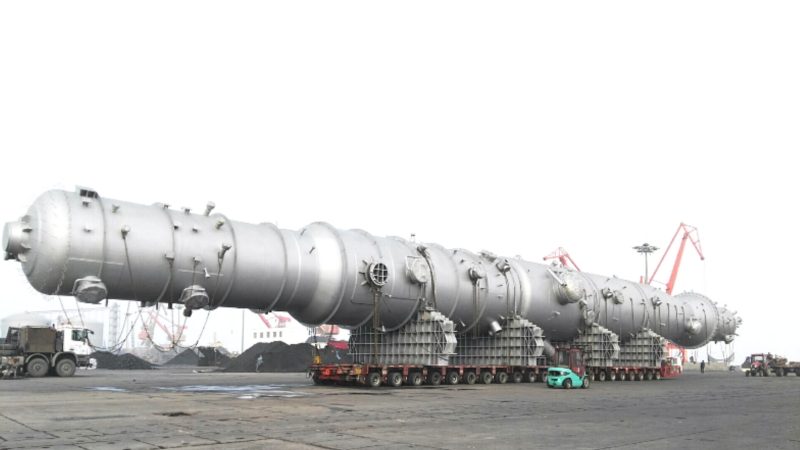
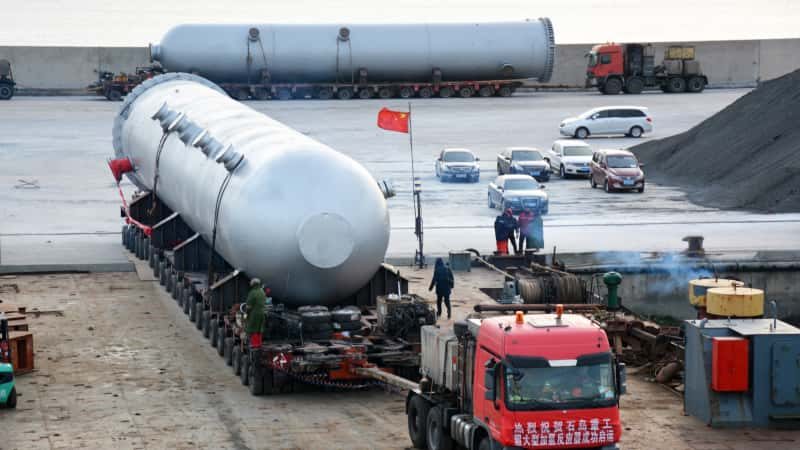
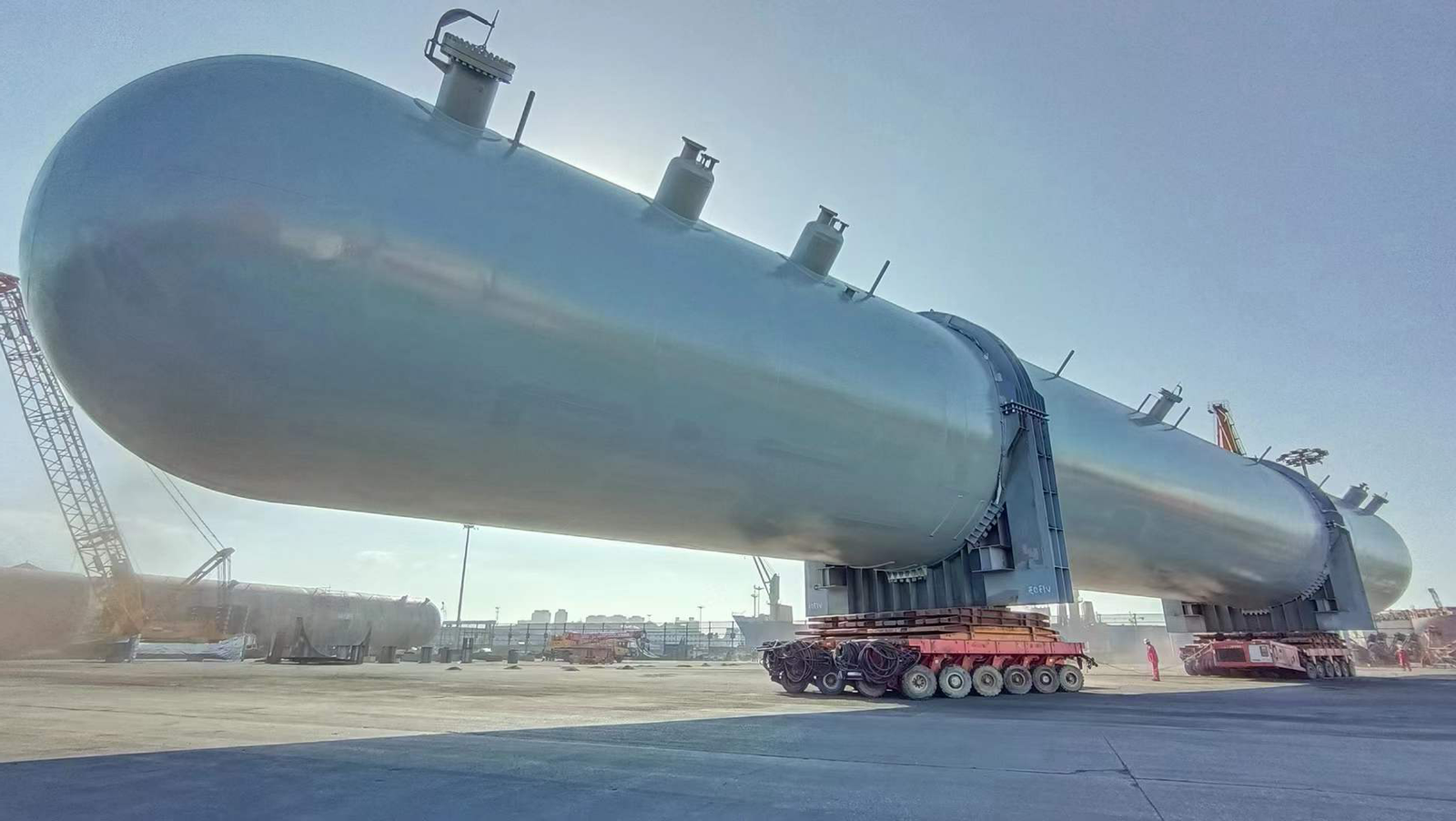
The main limitation is transport. Large-diameter or very long tanks may exceed road, bridge, port or shipping restrictions. Even when fabrication is technically possible, transport cost or risk may become too high.
EPC buyers should confirm maximum road transport size and weight, port handling capacity, lifting plan requirements, site access conditions, temporary supports during transport, coating protection during shipment, and the delivery term and handover point.
If these points are unclear, a shop-fabricated tank can create logistics risk after manufacturing is complete.
When Field-Erected Large Storage Tanks Are Preferred
Field-erected tanks are usually considered when the tank is too large to transport as a complete unit or when the project site requires very large capacity. This approach is common for large atmospheric storage tanks, bulk storage terminals and some process plant tank farms.
Advantages of Field Erection
Field erection allows the project to build tanks that exceed normal transport size limits. It can also reduce oversized transport constraints because plates or prefabricated sections are easier to move than a complete tank.
Field erection may be suitable when tank diameter or height is too large for road transport, site construction space is available, local installation resources are available, the project schedule allows field welding and testing, large tank farm construction is planned, and civil foundation work is coordinated early.
Limits of Field Erection
Field erection requires more site coordination. Weather, welding environment, manpower availability, lifting access, scaffolding, inspection schedule and coating conditions can all affect execution.
Buyers should review the site welding and NDE plan, weather protection, coating application environment, foundation readiness, crane and lifting access, hydrostatic testing water supply and disposal, local safety requirements and site acceptance procedure.
If field work is not managed carefully, the project may face delays or inconsistent quality records.
Key Selection Factors for EPC Buyers
Tank Size and Transport Feasibility
Tank size is often the first decision point. A tank may be designed correctly but still be difficult to ship. EPC buyers should review transport feasibility during the early engineering phase, not after the purchase order.
For shop-fabricated tanks, confirm the maximum allowable diameter, length, height and weight for road transport, port handling and final site access. For field-erected tanks, confirm site space, lifting access and construction sequence.
Design Pressure and Operating Conditions
Some large storage tanks operate near atmospheric pressure, while others may be designed as pressure storage vessels. LPG storage tanks, pressurized gas storage vessels and certain chemical storage applications require careful pressure vessel design and inspection planning.
For LPG or other liquefied gas applications, buyers should review the project’s design basis, safety requirements, material selection and applicable standards with qualified engineering personnel. WSHI manufactures LPG-related equipment, but this article does not apply to LNG tank procurement.
Related product page: LPG storage tanks.
Stored Medium and Material Selection
Material selection depends on the stored medium, operating temperature, corrosion risk and project specification. Chemical storage tanks may require carbon steel, stainless steel or corrosion protection systems depending on the fluid.
Buyers should confirm stored medium and concentration, operating and design temperature, corrosion allowance, internal lining or coating, external environment, cleaning and maintenance conditions, and compatibility with process requirements.
For corrosive or hazardous media, material and coating decisions should be made according to the latest project standards and engineering review.
Coating and Corrosion Protection
Coating quality is one of the biggest differences between shop fabrication and field erection. In a workshop, surface preparation and coating can often be controlled more consistently. On-site coating may be affected by weather, dust, humidity, access limitations and schedule pressure.
The scope should define surface preparation grade, primer and topcoat system, dry film thickness, internal coating or lining, external coating, holiday testing if required, coating repair after transport or erection, and responsibility for touch-up work.
For tanks exposed to chemical plant, coastal, outdoor or wastewater environments, corrosion protection should be reviewed carefully.
Manufacturing and Quality Control Considerations
Welding and Dimensional Control
Large tanks require consistent welding quality and dimensional control. Workshop fabrication can provide stable tooling and production procedures, while field erection requires stronger site supervision and coordination.
Buyers should confirm whether the supplier can support plate cutting and forming, shell rolling and assembly, welding procedure control, welder qualification management, dimensional inspection, NDE coordination, pressure or leak testing according to project requirements, and final documentation.
For large custom tanks, pressure vessel manufacturing capability is relevant even when the tank is not a high-pressure vessel, because welding control, material traceability and inspection discipline still matter.
Inspection and Testing
Inspection and testing should follow the project specification, applicable tank or pressure vessel standards and local regulatory requirements. Typical inspection items may include material verification, weld visual inspection, dimensional inspection, non-destructive examination, leak testing, hydrostatic testing, coating inspection and final documentation.
For welded tanks used in oil storage service, API Standard 650 is an important industry reference. API describes API 650 as a standard for welded tanks for oil storage, with the thirteenth edition published for safety, sustainability and environmental performance.
For aboveground tanks used in oil-related service, buyers should also pay attention to local spill prevention and secondary containment requirements. The U.S. EPA notes that facilities with aboveground storage tanks holding oils may be subject to SPCC requirements depending on conditions and capacity. Requirements vary by country and project location, so regulatory conclusions should be confirmed locally.
Documentation Package
A large tank should be delivered with documentation that supports traceability and site acceptance. The required data package may include approved drawings, material certificates, welding records, NDE reports, dimensional inspection reports, test reports, coating inspection records, packing list, as-built drawings and operation or maintenance information if included in the contract.
EPC buyers should include documentation requirements in the RFQ rather than requesting them after delivery.
Delivery Scope and Project Boundary
Large tank procurement should clearly define the supply boundary. This is especially important when comparing shop-fabricated and field-erected solutions.
For Shop-Fabricated Tanks
The supply scope may include main tank fabrication, nozzles, supports, surface treatment, coating, inspection, testing, export packing, loading and port delivery. The buyer should confirm whether unloading, site installation and final touch-up are included or excluded.
For Field-Erected Tanks
The scope may include design support, material supply, prefabricated plate sections, site erection, welding, inspection, testing, coating and final acceptance. The buyer should confirm who provides site labor, cranes, scaffolding, utilities, water for testing, safety supervision and local permits.
The clearer the boundary, the lower the risk of disputes during execution.
Common Buyer Mistakes to Avoid
Choosing Fabrication Method Too Late
Fabrication method should be considered during engineering, not after procurement starts. Tank size, transport route and site conditions can change the best manufacturing plan.
Comparing Prices Without Scope Alignment
A shop-fabricated quote and a field-erected quote may include different responsibilities. Buyers should compare coating, testing, documentation, delivery and site work scope before evaluating price.
Ignoring Coating Repair Responsibility
Coating may be damaged during transport or site erection. The contract should state who is responsible for inspection and repair.
Underestimating Site Conditions
Field erection depends heavily on foundation readiness, weather, labor, crane access and inspection coordination. These factors should be included in the project schedule.
Attracting the Wrong Tank Inquiry
For industrial EPC projects, content and RFQs should specify large storage tanks above 1,000 liters, engineered storage conditions and complete tank supply. This avoids confusion with small commercial or workshop tanks.
Which Option Is Better?
There is no universal answer. Shop-fabricated tanks are often better when the size is transportable and the buyer wants more factory-controlled manufacturing. Field-erected tanks are often better when the tank is too large to transport or when very large capacity is required at the site.
A practical decision process is:
- Confirm tank duty, medium and design requirements.
- Check whether the tank can be transported as a complete unit.
- Compare workshop coating quality with site coating feasibility.
- Review site construction resources and schedule.
- Define inspection, testing and documentation requirements.
- Compare total delivered cost, not only fabrication price.
- Confirm the final scope boundary before purchase.
For buyers working on petrochemical, chemical, oil and gas, new energy or environmental projects, the best solution usually comes from early communication between the EPC team and the tank manufacturer. Related industry pages include oil and gas pressure vessel applications, petrochemical pressure vessels and pressure vessels for new energy.
Conclusion
Shop-fabricated and field-erected large storage tanks both have valid applications. The right choice depends on tank size, medium, pressure, material, coating, transport route, site conditions and project schedule.
For EPC buyers, the most important step is to define the complete procurement boundary. A large storage tank is not only a shell and nozzles. It is an engineered project item involving fabrication, inspection, coating, documentation, logistics and site interface.
If you are sourcing large industrial storage tanks above 1,000 liters, LPG storage tanks, chemical storage tanks or custom pressure storage vessels for an EPC project, you can share your drawings, tank duty, medium, capacity and delivery requirements with WSHI. Our engineering and manufacturing team can help discuss fabrication feasibility, supply scope and project delivery options. You can discuss your project requirements with our team.
FAQ
What is the difference between shop-fabricated and field-erected storage tanks?
Shop-fabricated tanks are mainly manufactured in a workshop and delivered as complete units or large sections. Field-erected tanks are assembled and welded at the project site. The best choice depends on tank size, transport limits and site conditions.
Are shop-fabricated tanks better than field-erected tanks?
Not always. Shop fabrication can provide better workshop control and reduce site work, but it is limited by transport size and weight. Field erection is often used for very large tanks that cannot be shipped as complete units.
What should EPC buyers confirm before ordering large storage tanks?
Buyers should confirm stored medium, capacity, pressure, temperature, material, corrosion protection, coating, inspection scope, transport route, installation boundary and documentation requirements.
Can LPG storage tanks be shop-fabricated?
Many LPG storage tanks are fabricated in a workshop when size and transportation conditions allow. However, the final decision should be based on design pressure, capacity, site requirements, applicable standards and transport feasibility.
Why should storage tank content avoid small tank inquiries?
For large industrial manufacturers, the target customer is usually an EPC contractor or industrial plant buyer looking for complete project equipment. Specifying large tanks above 1,000 liters helps reduce irrelevant small-tank inquiries.