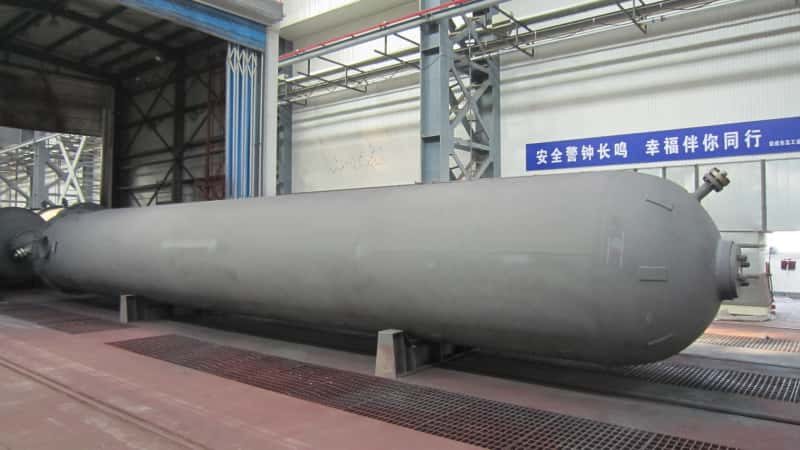

How Do EPC Buyers Specify Large Gas Buffer Vessels for Process Plants?
Large gas buffer vessels help process plants manage pressure fluctuation, flow instability and temporary gas volume changes between equipment sections. For EPC buyers, these vessels are not simple storage tanks. They are engineered pressure vessels that must match the process duty, operating conditions, site layout, inspection requirements and delivery boundary.
In natural gas processing, petrochemical, chemical, hydrogen, environmental and industrial utility projects, a gas buffer vessel may be used upstream or downstream of compressors, separators, reactors, scrubbers, dryers or other process units. A clear specification helps buyers avoid undersized equipment, interface changes, missing documents and delivery problems.
Large gas buffer vessels can be specified only by nominal volume.False
Nominal volume is not enough. EPC buyers should also define gas composition, process function, pressure range, temperature, material requirements, nozzle interfaces, inspection scope and delivery boundary.
A gas buffer vessel should be reviewed as part of the complete process system.True
The vessel connects with piping, compressors, controls, safety devices, instruments and downstream equipment, so its specification should align with the full project interface.
What Is a Gas Buffer Vessel?
A gas buffer vessel is a pressure vessel used to provide temporary gas volume and stabilize pressure or flow in an industrial process system. It may also be called a gas buffer tank, surge vessel, pulsation buffer vessel or process gas receiver, depending on the application and engineering context.
The vessel does not work alone. It is usually connected with piping, compressors, control valves, separators, heat exchangers, gas treatment units or downstream process equipment. For this reason, buyers should specify the vessel as part of the complete process system boundary.
For custom projects, custom pressure vessels should be designed and fabricated according to approved drawings, datasheets, applicable standards and project requirements.
Where Are Large Gas Buffer Vessels Used?
Natural Gas Processing
Gas buffer vessels may be used in gas gathering, dehydration, sweetening, compression and pressure regulation systems. They help reduce operational instability caused by changing feed flow or compressor operation.
In these projects, the buyer should confirm gas composition, pressure range, condensate risk, corrosion potential and any sour gas or low-temperature requirements. Related equipment may be reviewed together with pressure vessels for oil and gas.
Petrochemical and Chemical Plants
In petrochemical and chemical plants, gas buffer vessels may support reaction systems, gas recovery, purge gas handling, vapor systems and intermediate process sections. The vessel may need to operate with flammable, toxic, corrosive or high-temperature media, depending on the process.
For these applications, material selection, nozzle orientation, inspection requirements and safety review should follow project engineering documents. Buyers planning similar equipment packages can review petrochemical pressure vessels.
Hydrogen and New Energy Projects
Hydrogen production, purification and utilization systems may require buffer vessels for process gas stabilization, storage interface management or pressure fluctuation control. Hydrogen-related applications should be reviewed carefully because material compatibility, leakage control and inspection requirements can be more demanding.
For complete project equipment planning, buyers can also review pressure vessels for new energy.
Environmental and Utility Systems
Industrial environmental projects may use gas buffer vessels in waste gas treatment, biogas upgrading, off-gas recovery, VOC treatment or compressed air systems. In these cases, the vessel should be specified according to real operating conditions rather than only nominal gas volume.

Gas Buffer Vessel Specification Summary
| Specification item | What EPC buyers should define | Why it matters |
|---|---|---|
| Process function | Flow buffering, pressure stabilization, surge volume, compressor protection or utility gas receiving | Determines volume basis, control philosophy and equipment interfaces |
| Gas data | Composition, moisture, condensable components, corrosive components and hazard properties | Supports material selection, corrosion review and safety planning |
| Pressure and temperature | Operating pressure, design pressure, operating temperature and design temperature | Controls wall thickness, code design, testing and inspection requirements |
| Mechanical interfaces | Nozzles, supports, instruments, safety device connections, lifting and foundation data | Reduces installation conflicts and late field rework |
| Quality scope | Materials, welding, NDE, pressure testing, coating, nameplate and final data book | Defines the complete delivered pressure vessel package |
Key Parameters Buyers Should Confirm
Gas Composition
The first question is what gas the vessel will handle. Natural gas, hydrogen, nitrogen, propane-rich gas, process off-gas, compressed air and waste gas may require different material, sealing, corrosion and safety considerations.
Buyers should provide:
- Gas composition
- Moisture content
- Condensable components
- Corrosive components
- Flammable or hazardous properties
- Expected impurity range
If the gas composition is uncertain, the RFQ should clearly state that values are preliminary and subject to engineering confirmation.
Design Pressure and Operating Pressure
A gas buffer vessel is normally specified by both operating pressure and design pressure. The design pressure should be determined by the project engineering team according to the system design basis and applicable regulations.
Buyers should avoid asking manufacturers to “choose a safe pressure” without process information. The manufacturer can support fabrication review, but the final design basis should come from the project specification.
Design Temperature and Operating Temperature
Temperature affects material selection, wall thickness calculation, toughness requirements, coating selection and inspection planning. Low-temperature service, high-temperature process gas or cyclic operation may require special review.
The RFQ should include both normal operating temperature and design temperature, including upset or startup conditions if relevant.
Required Volume and Process Function
The required gas volume depends on the process purpose. A buffer vessel used for compressor suction stabilization may be different from one used for pressure balancing or short-term surge absorption.
Buyers should clarify whether the vessel is intended for:
- Flow buffering
- Pressure stabilization
- Compressor protection
- Surge volume
- Temporary gas holding
- Process transition control
- Utility gas receiving
The final size should be confirmed by process engineering calculations. Online articles can help prepare RFQ questions, but they should not replace engineering design.
Material Selection and Corrosion Review
Material selection should be based on gas composition, pressure, temperature, corrosion risk and project standard. Carbon steel may be suitable for some dry gas or utility services, while stainless steel, low-temperature steel or other materials may be required for specific process conditions.
For EPC pressure vessel procurement, buyers should confirm:
- Base material grade
- Corrosion allowance
- Impact test requirement if applicable
- Sour service or hydrogen service requirements if applicable
- Heat treatment requirements
- Internal coating or lining requirements
- External coating system
- Material certificate requirements
A qualified industrial pressure vessel manufacturer should fabricate according to approved material specifications and maintain traceability during production.
Nozzle Orientation and Project Interfaces
Nozzle orientation is a frequent source of field installation problems. A gas buffer vessel may connect to inlet and outlet piping, instruments, drain lines, vents, safety devices and control systems. If these interfaces are not coordinated early, the site team may face piping conflicts or rework.
Before fabrication, EPC buyers should review:
- General arrangement drawing
- Nozzle schedule
- Orientation drawing
- Support type
- Foundation interface
- Lifting lug arrangement
- Instrument connection locations
- Maintenance access
- Transportation dimensions
For project-based manufacturing, drawing review is part of reducing execution risk. These interface items should be treated as part of the complete vessel procurement scope, not as standalone small accessories.
Manufacturing and Quality Control
Welding and Fabrication
Large gas buffer vessels require controlled welding, fit-up, dimensional inspection and fabrication planning. The manufacturer should review shell thickness, forming method, welding access, heat treatment needs and inspection points before production.
Important manufacturing controls may include:
- Material receiving inspection
- Plate cutting and forming
- Shell rolling and assembly
- Welding procedure control
- Welder qualification control
- Dimensional inspection
- Heat treatment if required
- Final inspection before shipment
These requirements should be agreed in the purchase order and technical specification.
Non-Destructive Examination
Non-destructive examination may include radiographic testing, ultrasonic testing, magnetic particle testing, penetrant testing or other methods required by the project. The exact scope should follow applicable standards, design code and project requirements.
EPC buyers should not assume one inspection level fits all vessels. Gas composition, pressure, wall thickness, welding category and regulatory requirements can affect the inspection plan.
Pressure Testing
Pressure testing should be performed according to the applicable design code and project specification. Hydrostatic testing is common for many vessels, while pneumatic testing may be considered only when permitted and properly controlled under the relevant safety requirements.
The test method, pressure, holding time, acceptance criteria and documentation should be defined before manufacturing begins. ASME BPVC Section VIII is a commonly referenced pressure vessel construction standard, while the final applicable code must be confirmed by the project engineering team. Buyers may also review the broader ASME BPVC standards overview and API Standard 510 for in-service inspection context.
Documentation Buyers Should Request
For EPC projects, the documentation package is part of the delivered value. It supports site acceptance, inspection review, future maintenance and project records.
A gas buffer vessel data book may include:
- Approved drawings
- Material certificates
- Welding procedure documents
- Welder qualification records where required
- NDE reports
- Dimensional inspection report
- Heat treatment records if applicable
- Pressure test report
- Coating inspection report
- Final inspection report
- Packing list
- Nameplate information
- As-built drawings if required
Buyers should define documentation requirements at the RFQ stage. If documents are requested after shipment, the project may face delays. Buyers preparing early-stage inquiries can also download the pressure vessel catalog before organizing the equipment scope.
Coating, Packing and Export Delivery
Large gas buffer vessels are often shipped to petrochemical, gas processing or overseas EPC sites. Delivery planning should be considered during engineering, not only after fabrication.
Buyers should confirm:
- Surface preparation grade
- External coating system
- Internal coating if required
- Flange and nozzle protection
- Temporary supports
- Lifting and loading plan
- Export packing requirements
- Port delivery or site delivery boundary
- Shipping document responsibility
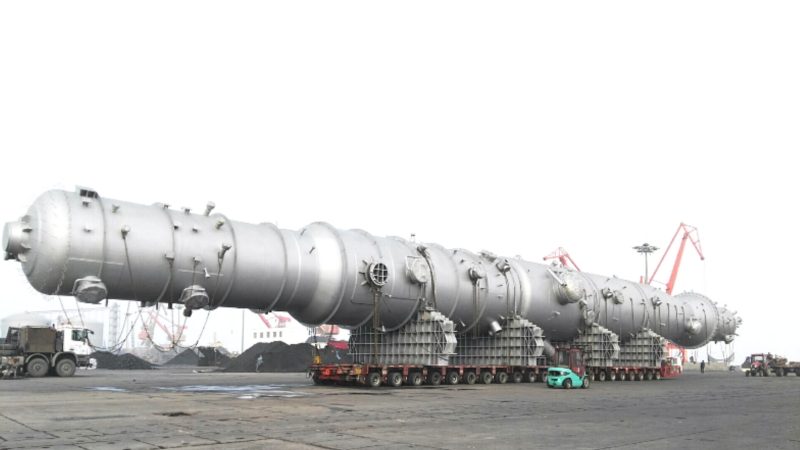
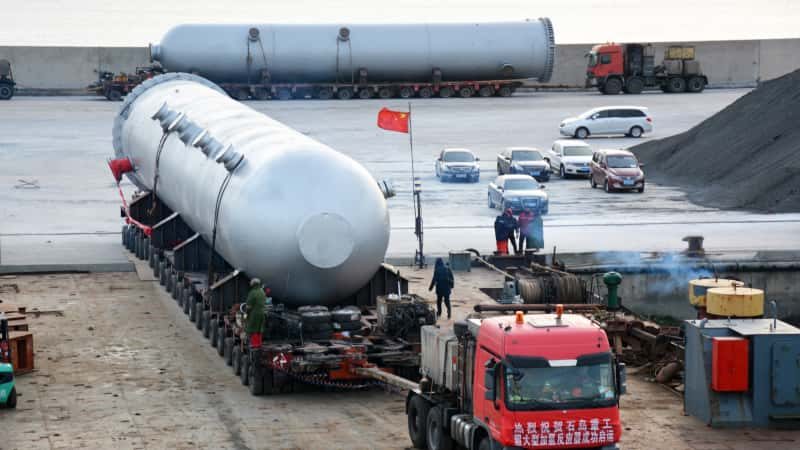
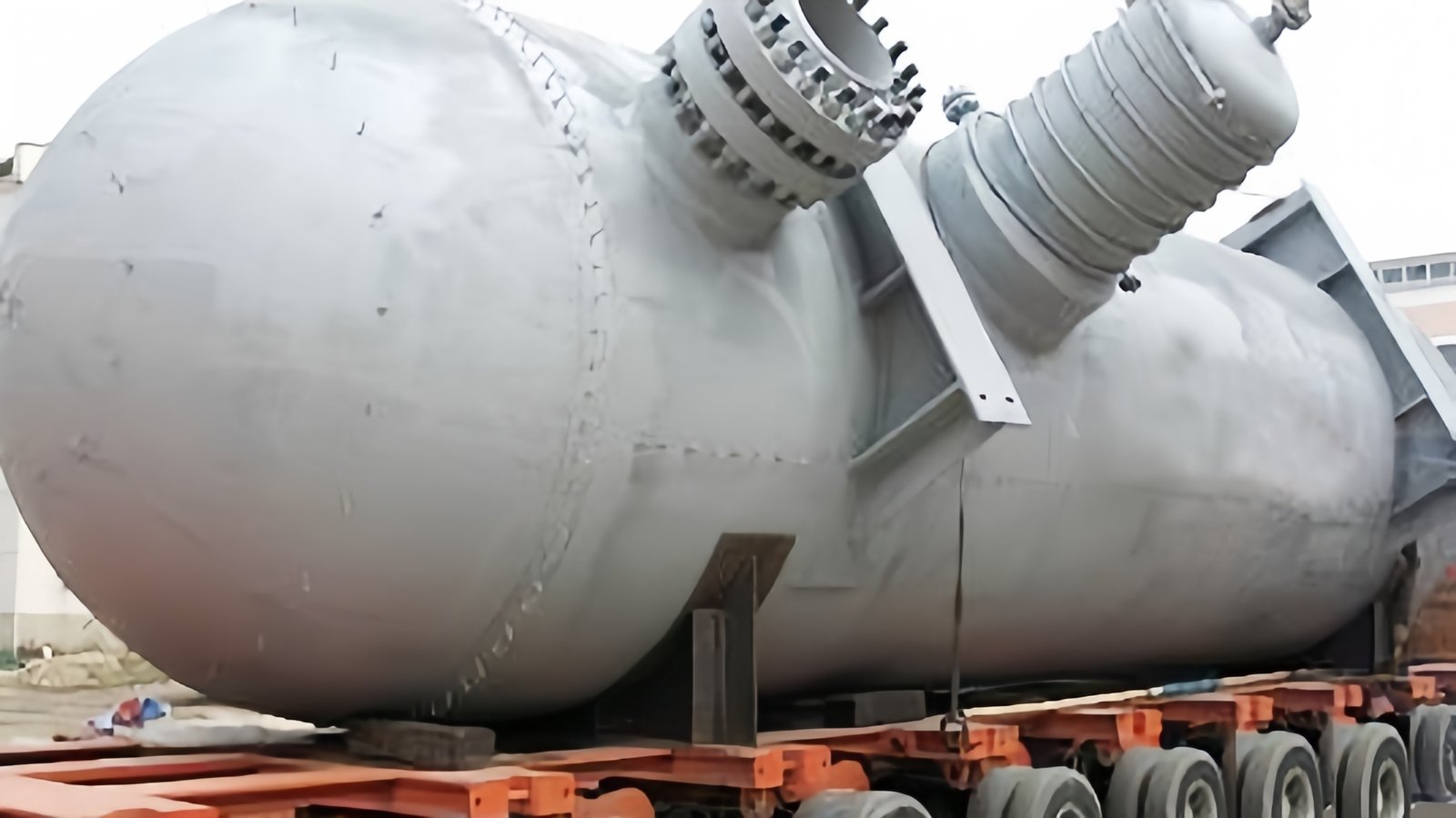
For large vessels, transport dimensions and lifting conditions can affect fabrication decisions. If a vessel is too large for the planned route, design or fabrication adjustments may be needed before production. A large-scale pressure vessel manufacturer should be able to review fabrication, coating, loading and export delivery requirements as part of the project workflow.
Common Buyer Mistakes to Avoid
Using Only Nominal Gas Volume
The vessel size should be based on the process function, pressure range, gas properties and operating scenario. Nominal volume alone is not enough for procurement.
Ignoring Condensate or Corrosion Risk
Some gas streams may contain water, hydrocarbons, acid gas or other corrosive components. These conditions can affect material, drainage, coating and inspection requirements.
Leaving Interface Review Too Late
Nozzle orientation, support location and instrument connections should be confirmed before fabrication. Late changes can create cost and schedule impact.
Comparing Supplier Prices Without Scope Alignment
One quotation may include NDE, coating, documentation and export packing, while another may not. EPC buyers should compare the complete supply scope.
Treating the Vessel as a Small Utility Tank
For industrial projects, large gas buffer vessels should be specified as engineered pressure vessels with complete fabrication, inspection and delivery requirements.
Why Customized Manufacturing Matters
Large gas buffer vessels often need custom dimensions, project-specific materials, special nozzle layouts, controlled welding and detailed documentation. Standard tank selection is usually not enough when the vessel is part of a gas processing, petrochemical, hydrogen or chemical system.
A custom manufacturer can support:
- Drawing review and manufacturability feedback
- Material procurement according to specification
- Welding fabrication
- NDE coordination
- Pressure testing
- Surface treatment and coating
- Large-vessel loading and export delivery
- Final documentation preparation
This helps EPC buyers reduce procurement uncertainty and keep the equipment aligned with project execution needs.
Conclusion
Large gas buffer vessels help process plants manage pressure fluctuation, flow variation and temporary gas volume requirements. For EPC buyers, the key is to define the vessel duty, gas composition, design pressure, temperature, material, nozzle orientation, inspection scope, documentation and delivery boundary before fabrication.
If you are sourcing large gas buffer vessels, surge vessels, gas-liquid separators, heat exchangers, process towers or other custom pressure vessels for natural gas processing, petrochemical, hydrogen, chemical or environmental projects, you can share your drawings, datasheets and project requirements with WSHI. Our engineering and manufacturing team can help review fabrication feasibility and discuss the complete equipment supply scope. Contact our engineering team to discuss your pressure vessel requirements.
FAQ
What is a gas buffer vessel used for?
A gas buffer vessel provides temporary gas volume to help stabilize pressure, flow or operating conditions between process equipment. It may be used near compressors, separators, gas treatment systems, reactors or utility gas systems.
Is a gas buffer vessel the same as a storage tank?
Not exactly. A storage tank is mainly used for holding media, while a gas buffer vessel is usually designed to support process stability. In many applications, it is treated as an engineered pressure vessel.
What information is needed to quote a gas buffer vessel?
Buyers should provide gas composition, design pressure, design temperature, operating conditions, required volume, material requirements, drawings, nozzle schedule, inspection scope, coating requirements and delivery terms.
What standards apply to gas buffer vessels?
Applicable standards depend on project location, design code, pressure, medium and regulatory requirements. ASME BPVC Section VIII is commonly referenced for pressure vessels, but the final standard should be confirmed by the project engineering team.
Can WSHI manufacture gas buffer vessels for overseas EPC projects?
WSHI can support custom pressure vessel manufacturing for industrial and EPC projects, including drawing review, material procurement, welding fabrication, inspection, pressure testing, coating and export delivery discussion according to project requirements.