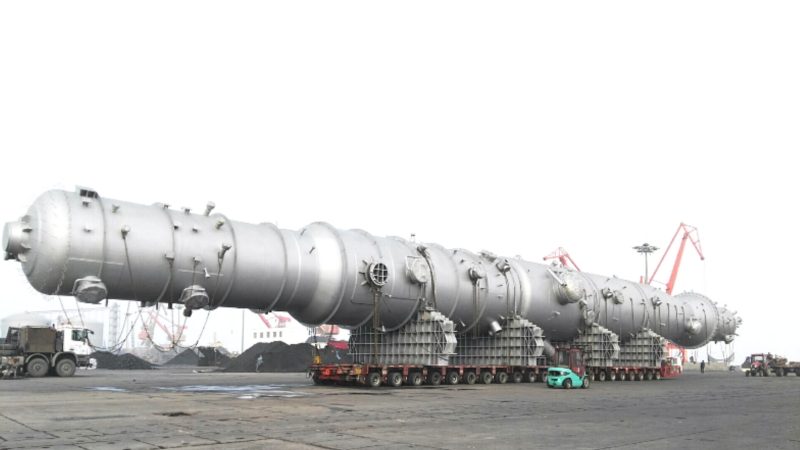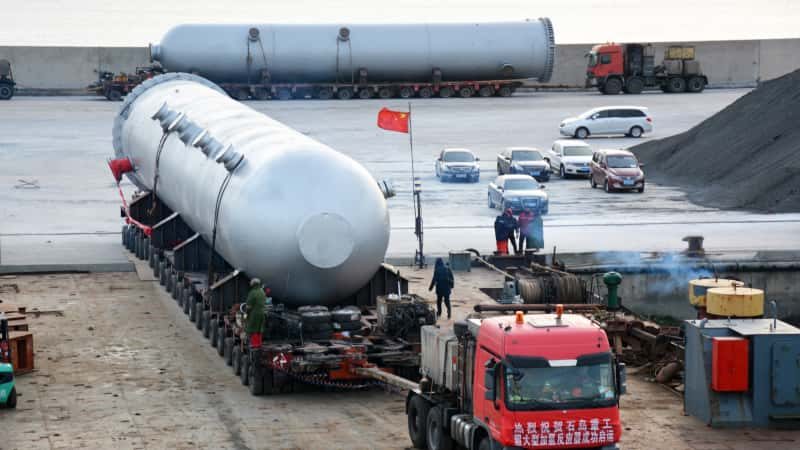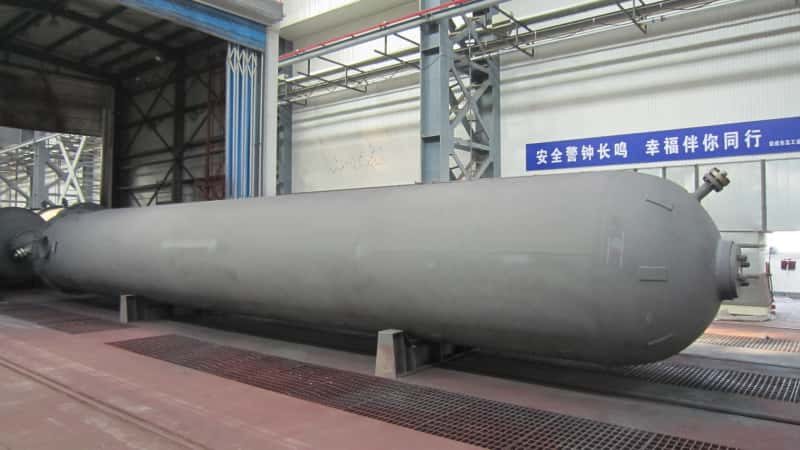

Catalytic reactors are used wherever a catalyst makes an industrial reaction faster, more selective, more energy efficient, or commercially practical. Their applications range from petroleum refining and bulk chemical synthesis to hydrogen production, emissions control, renewable fuels, carbon conversion, pharmaceuticals, and advanced materials.
The correct reactor depends on more than the name of the industry. Buyers must match reaction chemistry, catalyst form, feed impurities, phase behavior, heat release, operating pressure, mass transfer, regeneration strategy, and maintenance needs to the equipment design.
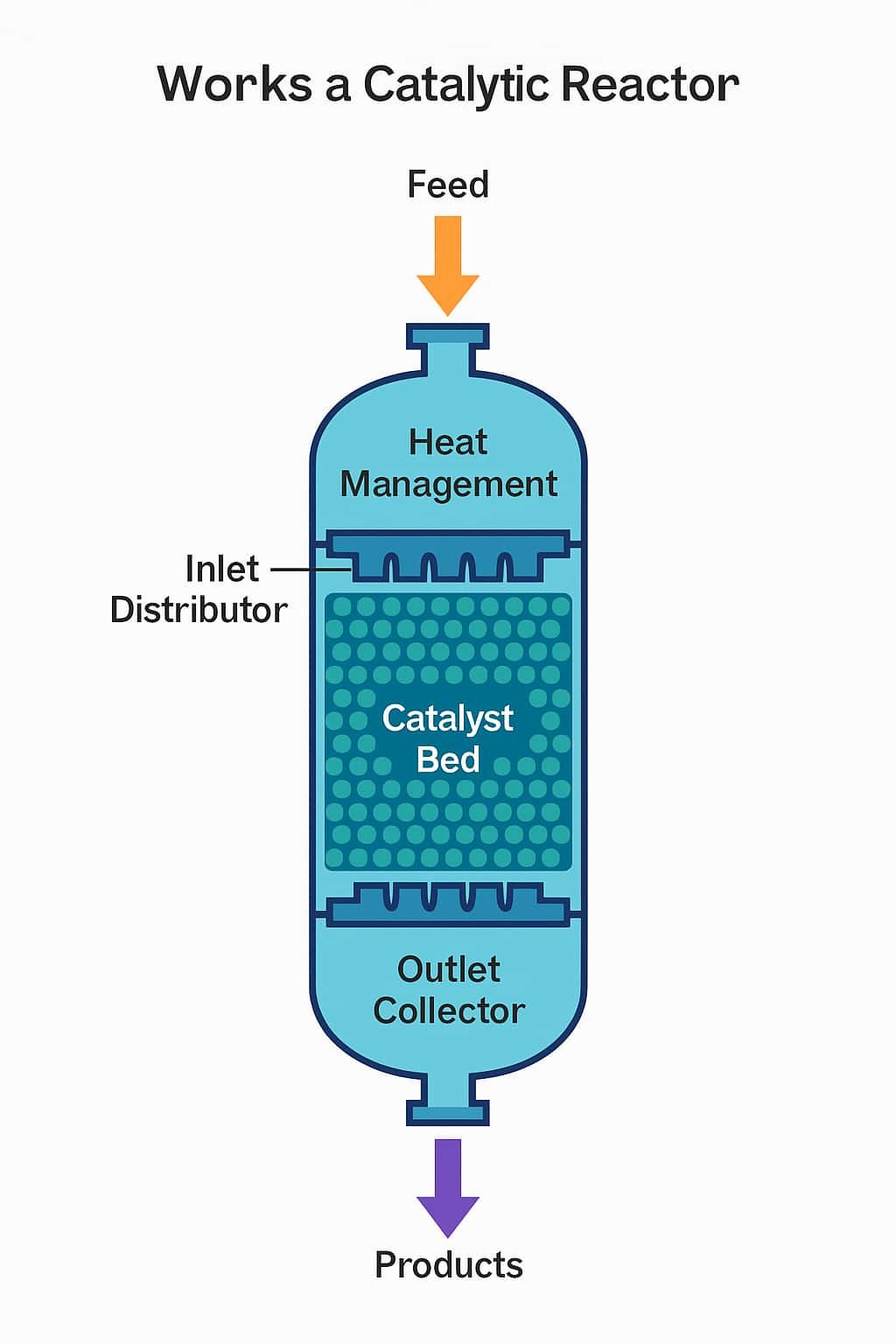
Quick Answer: Where Are Catalytic Reactors Used?
The main applications of catalytic reactors include fluid catalytic cracking, hydrocracking, hydrotreating, catalytic reforming, hydrogenation, steam reforming, water-gas shift, ammonia and methanol synthesis, oxidation, dehydrogenation, polymer and fine chemical production, VOC oxidation, selective catalytic reduction, automotive exhaust treatment, biomass upgrading, renewable fuel production, CO2 conversion, and plastic recycling.
Common equipment configurations include fixed-bed reactors, trickle-bed reactors, fluidized beds, slurry reactors, tubular catalytic reactors, monolith reactors, gauze converters, and stirred vessels using homogeneous or suspended catalysts.
Catalytic reactors are used when improved reaction rate, selectivity, energy efficiency, or equipment compactness justifies the added requirements for catalyst protection, heat management, pressure drop, regeneration, and replacement.True
Catalysis can make difficult reactions commercially practical, but the reactor must maintain the catalyst's chemical activity and provide reliable heat and mass transfer throughout the operating cycle.
For a direct comparison with uncatalyzed equipment, see Catalytic vs Non-Catalytic Reactor: Key Differences. DOE’s overview of catalysts also explains why catalytic pathways are central to energy and chemical manufacturing.
Catalytic Reactor Application Map
| Industry or process | Typical catalytic reaction | Common reactor type | Main engineering concern |
|---|---|---|---|
| Petroleum refining | Cracking, hydrotreating, reforming, isomerization, and hydrogenation | Fixed bed, trickle bed, riser-fluidized bed, or moving bed | Feed contaminants, hydrogen service, heat release, pressure drop, and catalyst cycle |
| Hydrogen and syngas | Steam reforming, shift conversion, methanation, and tar reforming | Catalyst tubes, fixed beds, adiabatic beds, or heat-exchanged reactors | Heat input, carbon formation, sulfur poisoning, temperature profile, and gas ratio |
| Ammonia and methanol | High-pressure equilibrium-limited synthesis | Multi-bed fixed bed, radial flow, or cooled tubular reactor | Gas purity, heat removal, recycle, pressure, and catalyst protection |
| Environmental control | VOC and CO oxidation, NOx reduction, and exhaust conversion | Monolith, packed bed, plate, or structured catalyst reactor | Poisoning, particulates, temperature window, pressure drop, and emissions performance |
| Renewable fuels and biomass | Hydrodeoxygenation, tar reforming, Fischer-Tropsch, and catalytic pyrolysis | Fixed bed, trickle bed, fluidized bed, slurry, or circulating catalyst system | Variable feed, oxygen, metals, tars, coke, water, and catalyst deactivation |
| Fine chemicals and pharmaceuticals | Selective hydrogenation, oxidation, coupling, and asymmetric synthesis | Stirred tank, slurry, fixed bed, flow reactor, or homogeneous catalyst system | Selectivity, contamination, catalyst recovery, cleaning, and batch traceability |
1. Petroleum Refining and Petrochemicals
Refineries use catalytic reactors to chemically transform fractions that distillation can only separate. Catalysis breaks heavy molecules, removes sulfur and nitrogen, increases gasoline octane, stabilizes reactive streams, and produces petrochemical feedstocks.
Distillation separates refinery streams by boiling range, while catalytic reactors create value by changing molecular structure and removing chemically bound contaminants.True
Processes such as FCC, hydrocracking, hydrotreating, reforming, isomerization, and selective hydrogenation cannot be replaced by physical fractionation alone.
Fluid Catalytic Cracking
FCC converts vacuum gas oil and other heavy streams into gasoline-range material, LPG, propylene-rich gases, and lighter products. Hot circulating catalyst contacts vaporized feed in a riser, products are separated rapidly, and coke is burned from the catalyst in a regenerator. EIA describes fluid catalytic cracking as an important gasoline-production step.
Reactor design focuses on feed injection, short residence time, catalyst circulation, cyclone efficiency, stripping, erosion-resistant refractory, regenerator air distribution, emissions, and the reactor-regenerator heat balance.
Hydrocracking and Hydrotreating
Hydrocracking combines acid cracking and hydrogenation to produce clean diesel, jet fuel, naphtha, and LPG from heavier feedstocks. Hydrotreating removes sulfur, nitrogen, oxygen, metals, and unstable compounds while limiting cracking. Both commonly use high-pressure fixed-bed or trickle-bed reactors.
These services require hydrogen partial pressure, catalyst grading, liquid-gas distribution, interbed quench, pressure-drop control, and hot-hydrogen metallurgy. The article on hydrocracking reactor fundamentals covers this severe-service application in detail. EIA also explains the importance of hydrocracking for diesel and jet fuel.
Catalytic Reforming and Isomerization
Catalytic reforming converts hydrotreated naphtha into high-octane reformate, aromatics-rich streams, and hydrogen. Isomerization rearranges straight-chain light paraffins into higher-octane branched molecules. Noble-metal and acidic catalysts are highly sensitive to sulfur, nitrogen, water, and other impurities, making feed pretreatment essential.
Selective Hydrogenation and Petrochemical Integration
Selective hydrogenation removes diolefins, acetylenes, gum-forming compounds, or unwanted unsaturation while preserving valuable olefins and aromatics. Applications include pyrolysis gasoline, FCC gasoline, C3 and C4 streams, and intermediates for polymer production.
| Refinery application | Main feed | Product or purpose | Typical reactor issue |
|---|---|---|---|
| FCC | VGO and heavy gas oils | Gasoline, LPG, propylene, and light cycle oil | Catalyst circulation, erosion, coke burn, cyclones, and heat balance |
| Hydrocracking | VGO, coker gas oil, DAO, and heavy distillates | Diesel, jet fuel, naphtha, and LPG | Hydrogen, exotherm, pressure drop, contaminants, and thick-wall metallurgy |
| Hydrotreating | Naphtha, kerosene, diesel, VGO, and cracked stocks | Low-sulfur product and protected downstream catalyst | Feed contaminants, hydrogen distribution, and catalyst cycle |
| Catalytic reforming | Hydrotreated naphtha | High-octane reformate, aromatics, and hydrogen | Noble-metal catalyst sensitivity and regeneration strategy |
| Isomerization | C5 and C6 light naphtha | High-octane, low-aromatic isomerate | Water, sulfur, chloride or zeolite catalyst management |
2. Hydrogen Production and Syngas Processing
Hydrogen and syngas plants use several catalytic reactors in sequence. Feed desulfurization protects downstream catalyst, reforming produces hydrogen and carbon monoxide, shift conversion increases hydrogen yield, and methanation removes residual carbon oxides or produces synthetic methane.
Steam-Methane Reforming
Steam reforming reacts methane or refinery gas with steam over catalyst inside high-temperature tubes. It is strongly endothermic, so furnace heat transfer, tube metallurgy, catalyst shape, pressure drop, steam-carbon ratio, sulfur removal, and carbon formation control are central. DOE describes natural-gas reforming for hydrogen production as a mature catalytic route.
Water-Gas Shift
Shift reactors convert carbon monoxide and steam into carbon dioxide and additional hydrogen. High- and low-temperature catalyst stages may be used with cooling between beds. The reactor must maintain the catalyst’s approved temperature and prevent contaminants from the upstream reformer or gasifier reaching sensitive beds.
Methanation and Gas Polishing
Methanation converts carbon oxides and hydrogen into methane and water. It can polish hydrogen-rich gas before ammonia synthesis or produce synthetic natural gas. Because the reaction is exothermic, feed control, temperature monitoring, staged beds, and recycle or dilution may be required.
| Syngas reactor | Main duty | Heat behavior | Key buyer concern |
|---|---|---|---|
| Steam reformer | Convert methane and steam into H2-rich syngas | Strongly endothermic | Tube life, firing, sulfur, carbon formation, and catalyst loading |
| Autothermal reformer | Use oxidation and reforming to make syngas | Integrated exothermic and endothermic reactions | Burner mixing, oxygen, refractory, hot spots, and catalyst support |
| Water-gas shift reactor | Increase hydrogen and adjust H2/CO ratio | Exothermic | Temperature profile, sulfur tolerance, and interstage cooling |
| Methanation reactor | Remove CO/CO2 or produce synthetic methane | Strongly exothermic | Temperature excursion, gas purity, water, and staged conversion |
| Tar reformer | Convert biomass or waste-gasification tars | Usually endothermic or heat-demanding | Fouling, sulfur, particulates, catalyst deactivation, and cleaning |
3. Ammonia, Methanol, and Basic Chemicals
Many high-volume chemicals rely on catalytic reactors because their synthesis reactions are slow, equilibrium limited, or insufficiently selective without catalyst. Pressure, temperature, recycle, gas purification, and heat recovery remain necessary even when catalysis improves the rate.
Ammonia Synthesis
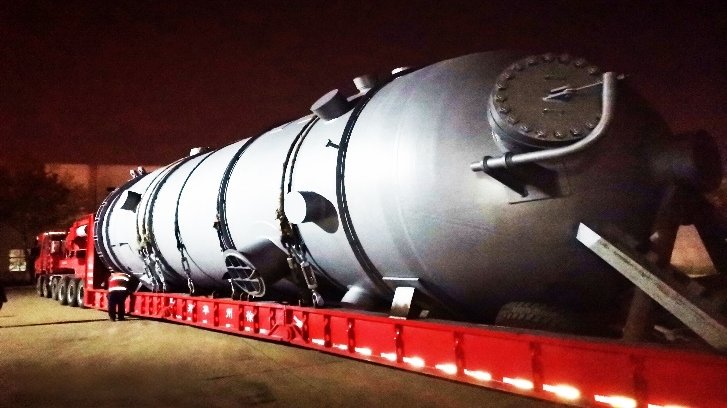
Ammonia converters react purified nitrogen and hydrogen over catalyst at high pressure. Multiple beds, interbed cooling or quench, radial-flow internals, gas recycle, and strict removal of catalyst poisons are used to achieve economic conversion.
Methanol Synthesis
Methanol reactors convert CO, CO2, and hydrogen over copper-based or other licensed catalyst systems. Boiling-water tubular reactors, adiabatic multi-bed converters, and radial-flow designs manage the exothermic reaction. Green methanol projects add renewable hydrogen, captured CO2, and variable operating conditions. See reactors used in green methanol and e-methanol plants.
Nitric Acid and Sulfuric Acid
Nitric acid plants oxidize ammonia over catalyst gauze before absorption. Sulfuric acid plants oxidize sulfur dioxide to sulfur trioxide in multi-bed catalytic converters with interstage cooling. Gas cleaning, temperature control, catalyst distribution, and corrosion-resistant downstream equipment are essential.
Selective Oxidation and Dehydrogenation
Processes for ethylene oxide, formaldehyde, styrene intermediates, and other products depend on catalysts that favor desired partial conversion rather than complete combustion or excessive byproducts. These reactors require precise temperature control because product selectivity can fall rapidly outside the intended operating window.
4. Environmental Protection and Emissions Control
Catalytic environmental reactors convert pollutants at temperatures or selectivities that may be difficult to achieve thermally. Applications include VOC oxidation, carbon monoxide oxidation, selective catalytic reduction of NOx, vehicle exhaust treatment, diesel oxidation, and process tail-gas cleanup.
Catalytic emissions equipment is effective only when the gas composition, temperature, particulates, condensables, sulfur, halogens, metals, and catalyst poisons match the approved operating envelope.True
A catalytic reactor cannot treat every exhaust stream without pretreatment. Fouling, poisoning, masking, plugging, and operation below light-off temperature can reduce removal performance.
Catalytic Oxidizers
Catalytic oxidizers treat suitable VOC, hydrocarbon, and carbon monoxide streams at a lower temperature than many thermal oxidizers. The EPA provides monitoring context for catalytic oxidizers. Pretreatment may be needed for particulates, aerosols, silicon, sulfur, halogens, heavy metals, or condensable material.
Selective Catalytic Reduction
SCR reactors reduce nitrogen oxides using ammonia or urea-derived reagent over catalyst. They are used in power, boilers, furnaces, engines, cement, refining, and other combustion systems. Ammonia distribution, temperature window, dust, sulfur chemistry, pressure drop, and catalyst replacement determine performance.
Mobile-Source Catalysts
Automotive three-way catalysts, diesel oxidation catalysts, and catalytic particulate-filter systems use structured substrates and active coatings. Thermal cycling, vibration, poisoning, pressure drop, and cold-start performance matter as much as intrinsic catalyst activity.
| Environmental application | Target pollutant | Typical catalyst arrangement | Main limitation |
|---|---|---|---|
| Catalytic oxidation | VOCs, hydrocarbons, and CO | Monolith, packed bed, or structured media | Poisoning, condensables, particulates, and minimum temperature |
| SCR | NOx | Honeycomb, plate, or corrugated catalyst modules | Ammonia slip, dust, SO2/SO3 chemistry, and temperature window |
| Vehicle exhaust catalyst | CO, hydrocarbons, and NOx | Coated ceramic or metallic monolith | Cold start, thermal aging, poisoning, and vibration |
| Tail-gas treatment | Sulfur species, CO, hydrocarbons, or process contaminants | Fixed beds or structured catalysts | Gas cleanup, moisture, corrosion, and catalyst compatibility |
5. Renewable Fuels, Biomass, and Clean Energy
Renewable feedstocks are often oxygen-rich, variable, wet, contaminated, or prone to tar and coke. Catalytic reactors upgrade these streams into stable fuels and chemicals by removing oxygen, reforming tars, adjusting syngas composition, or synthesizing finished molecules.
Bio-Oil Hydrotreating and Hydrodeoxygenation
Renewable oils, fats, and bio-oils are treated with hydrogen over catalyst to remove oxygen and stabilize products. Feed contaminants, acidity, water, metals, phosphorus, nitrogen, and strong heat release can shorten catalyst life. Guard beds and staged reactors are common.
Biomass Gasification and Tar Reforming
Gasifiers produce raw syngas that can contain tar, methane, sulfur, ammonia, particulates, and alkalis. Catalytic tar reformers and shift reactors improve gas quality before hydrogen, methanol, Fischer-Tropsch, or synthetic methane production.
Fischer-Tropsch and Sustainable Aviation Fuel
Fischer-Tropsch reactors convert clean syngas into synthetic hydrocarbons over cobalt, iron, or another licensed catalyst. Heat removal and product handling determine whether fixed-bed tubular, slurry, or other reactor designs are suitable. Downstream hydrocracking and isomerization can produce diesel and aviation-fuel fractions. See reactors used in SAF production.
CO2 Conversion and Power-to-X
Catalytic CO2 hydrogenation, reverse water-gas shift, methanation, and synthesis reactors convert captured carbon and renewable hydrogen into methanol, methane, syngas, or other intermediates. DOE’s catalytic conversion pathway highlights the role of catalysts and reactors in conversion technologies.
| Clean-energy route | Catalytic reactor duty | Typical product | Critical risk |
|---|---|---|---|
| HEFA and renewable diesel | Hydrodeoxygenation, hydrotreating, hydroisomerization, and hydrocracking | Renewable diesel and SAF components | Feed contaminants, hydrogen, exotherm, and catalyst deactivation |
| Biomass-to-liquids | Tar reforming, shift, Fischer-Tropsch, and product upgrading | Synthetic fuels and chemicals | Syngas purity, tar, sulfur, alkalis, and heat removal |
| Green methanol | CO2 hydrogenation or syngas methanol synthesis | Methanol | Water formation, feed purity, recycle, heat removal, and flexibility |
| Renewable natural gas | Methanation of CO/CO2 and hydrogen | Synthetic methane | Strong exotherm, gas purity, water, and staged conversion |
| Plastic chemical recycling | Catalytic pyrolysis, hydrogenation, or vapor upgrading | Olefins, aromatics, fuels, or chemical feedstocks | Chlorine, additives, metals, coke, and variable feed composition |
6. Fine Chemicals, Pharmaceuticals, and Polymers
Fine chemical and pharmaceutical processes often use catalytic hydrogenation, oxidation, coupling, carbonylation, and asymmetric synthesis to obtain high-value molecules with tight impurity limits. Batch stirred tanks, slurry reactors, fixed-bed flow reactors, and homogeneous catalyst systems may be used.
These applications emphasize selectivity, catalyst contamination of product, cleaning validation, solvent compatibility, heat release, filtration, catalyst recovery, batch traceability, and scale-up. A catalyst that gives excellent laboratory yield may still be unsuitable if it is difficult to separate, sensitive to impurities, or unsafe during large-scale heat release.
Polymer and monomer production also uses catalytic reactors for olefin polymerization, selective hydrogenation, oxidation, dehydrogenation, and removal of catalyst poisons from feed. Reactor design must handle viscosity changes, fouling, heat transfer, catalyst injection, particle morphology, and product discharge.
How Reactor Configuration Matches the Application
| Reactor configuration | Best-fit applications | Main advantage | Main buyer concern |
|---|---|---|---|
| Fixed bed | Hydrogenation, hydrotreating, synthesis, shift, oxidation, and gas cleanup | Simple catalyst containment and proven continuous operation | Pressure drop, distribution, hot spots, catalyst replacement, and poisoning |
| Trickle bed | Gas-liquid catalytic hydroprocessing and hydrogenation | Continuous gas-liquid-solid contacting | Liquid distribution, catalyst wetting, quench, and pressure drop |
| Fluidized bed | FCC, catalytic pyrolysis, fast oxidation, and catalyst-regeneration systems | Strong mixing, heat transfer, and catalyst circulation | Attrition, erosion, cyclones, fluidization stability, and solids loss |
| Slurry reactor | Fischer-Tropsch, hydrogenation, and gas-liquid-solid synthesis | High catalyst contact and heat-transfer capability | Catalyst filtration, erosion, settling, scale-up, and product separation |
| Structured or monolith reactor | Emissions control and low-pressure-drop gas treatment | Large area with low pressure drop | Coating durability, plugging, thermal cycling, and replacement |
| Stirred catalytic reactor | Fine chemicals, pharmaceuticals, batch hydrogenation, and homogeneous catalysis | Flexible mixing and heat transfer | Gas dispersion, catalyst separation, seals, scale-up, and cleaning |
Selection Factors for EPC Buyers
Feed Composition and Catalyst Poisons
Sulfur, chlorine, silicon, metals, particulates, water, oxygen, nitrogen compounds, tars, and solvents can deactivate or damage catalysts. The complete feed envelope and upset cases should be defined before selecting catalyst and reactor type.
Heat and Mass Transfer
Fast catalytic chemistry can make heat removal or reactant transport the true performance limit. Buyers should request temperature profiles, distribution basis, pressure drop, catalyst effectiveness, quench duty, heat-transfer area, and turndown behavior.
Catalyst Lifecycle
The project should define catalyst loading, activation, reduction or sulfiding, expected cycle, regeneration, unloading, disposal, spares, and supplier field support. Catalyst access affects vessel nozzles, platforms, internals, and turnaround duration.
Mechanical Design
Design pressure and temperature, materials, corrosion allowance, erosion, refractory, cladding, weld overlay, cyclic service, nozzles, supports, lifting, relief, inspection, and transport must follow the approved process basis. A catalytic vessel may fall under pressure-equipment rules depending on its conditions and jurisdiction.
What Buyers Should Prepare Before Requesting a Quotation
- Process description and catalytic reaction duty
- Feed and product composition, phases, contaminants, and operating range
- Required conversion, selectivity, yield, purity, and capacity
- Catalyst type, form, particle size, density, loading, life, and regeneration method
- Design and operating pressure and temperature
- Reaction heat, heat-transfer duty, quench, and temperature limits
- Flow regime, pressure-drop limit, mixing, and distribution requirements
- Internals scope, support loads, catalyst retention, and separation requirements
- Materials, corrosion, erosion, fouling, refractory, cladding, or lining
- Instrumentation, analyzers, sampling, relief, and shutdown interfaces
- Catalyst loading and unloading access, platforms, lifting, and maintenance clearances
- Applicable code, NDT, inspection, testing, documentation, packing, and delivery terms
Common Procurement Mistakes
Choosing the Reactor Before the Catalyst and Process Route
Catalyst volume, heat release, pressure drop, support loads, regeneration, and feed-purity limits affect vessel size and internal arrangement.
Assuming One Fixed-Bed Design Fits Every Application
Gas-only, gas-liquid, highly exothermic, fouling, catalyst-circulation, and slurry duties require different flow and heat-management solutions.
Ignoring Pretreatment
A catalyst cannot overcome sulfur, metals, particulates, tars, aerosols, or other contaminants outside its approved specification. Pretreatment may determine the real plant availability.
Comparing Only Catalyst Activity
Laboratory activity does not define commercial performance. Selectivity, stability, pressure drop, thermal conductivity, mechanical strength, poison tolerance, regeneration, and cost also matter.
Comparing Suppliers Only by Vessel Price
One quotation may include internals, catalyst handling, NDT, heat treatment, refractory, documentation, field support, and export packing while another includes only the shell.
FAQ
What are the main applications of catalytic reactors?
They are used in refining, petrochemicals, hydrogen and syngas production, ammonia and methanol synthesis, oxidation, environmental emissions control, renewable fuels, biomass conversion, fine chemicals, pharmaceuticals, and polymers.
Which catalytic reactor is most common?
Fixed-bed reactors are widely used, but no configuration is universally best. Trickle beds suit gas-liquid hydroprocessing, fluidized beds suit circulating catalyst and strong heat-transfer duties, and slurry reactors suit selected gas-liquid-solid processes.
Why do refineries use catalytic reactors?
They crack heavy molecules, remove sulfur and nitrogen, improve octane, stabilize reactive streams, produce hydrogen, and create clean fuels and petrochemical feedstocks beyond what distillation alone can achieve.
How are catalytic reactors used for environmental protection?
Catalytic oxidizers, SCR reactors, automotive catalysts, diesel oxidation catalysts, and process tail-gas reactors convert pollutants such as VOCs, CO, hydrocarbons, and NOx into less harmful compounds.
What causes catalyst deactivation?
Common causes include poisoning, fouling, coking, sintering, attrition, leaching, phase transformation, thermal damage, and loss of active coating.
What information is needed to quote a catalytic reactor?
Buyers should provide the reaction duty, feed composition, catalyst data, conversion and selectivity targets, pressure, temperature, heat duty, flow regime, internals, materials, inspection, testing, maintenance, documentation, and delivery requirements.
Conclusion
Catalytic reactors are core process equipment in refining, chemical synthesis, hydrogen production, environmental control, renewable fuels, biomass upgrading, and high-value manufacturing. Their value comes from making reactions faster, more selective, more compact, or less energy intensive.
The correct application depends on matching catalyst chemistry with feed quality, phases, heat and mass transfer, operating conditions, reactor configuration, materials, internals, inspection, and maintenance. A catalyst alone does not guarantee performance; the complete reactor system must protect and use it effectively.
If you are sourcing fixed-bed reactors, trickle-bed reactors, hydrogenation reactors, synthesis converters, catalytic oxidation equipment, slurry reactors, or other catalytic reactors for refining, petrochemical, chemical, environmental, or new-energy projects, you can discuss your project requirements with an engineering and manufacturing team. Sharing the process basis, catalyst information, feed composition, internals, inspection requirements, and delivery terms will support technical communication and fabrication evaluation.