
CO2 compression and dehydration systems are used in carbon capture, utilization, storage, EOR, liquefaction, and transport projects to raise captured carbon dioxide to the required pressure and remove water before export. For EPC contractors, CCS developers, and equipment procurement teams, the equipment package is not only a compressor. It is a coordinated system of compressors, coolers, knockout drums, coalescers, dehydration units, filters, analyzers, control systems, safety equipment, and auxiliary vessels.
Captured CO2 is often wet and may contain oxygen, nitrogen, argon, SOx, NOx, H2S, amines, hydrocarbons, particulates, or other impurities depending on the capture process. Compression changes temperature and phase behavior, while cooling can condense water. Dehydration is therefore central to corrosion control, hydrate prevention, pipeline integrity, liquefaction stability, and injection reliability.
Quick Answer: What Equipment Is Needed?
A CO2 compression and dehydration system typically includes inlet scrubbers, filter coalescers, multistage CO2 compressors, intercoolers, aftercoolers, knockout drums, condensate vessels, dehydration units, regeneration heaters, regeneration gas coolers, dry gas filters, moisture analyzers, CO2 quality analyzers, control valves, anti-surge systems, relief devices, blowdown systems, instrument air, lube oil systems, seal gas systems, control panels, and safety shutdown equipment.
CO2 compression and dehydration systems normally require compression, cooling, liquid separation, dehydration, filtration, analysis, controls, and safety systems as one integrated package.True
Wet CO2 compression raises temperature, cooling can condense water, and transport specifications usually require controlled moisture and impurity levels. Compressors, coolers, knockout drums, dryers, filters, analyzers, controls, and safety equipment must be coordinated.
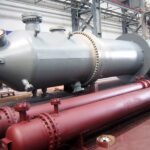
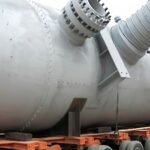
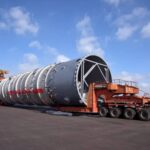
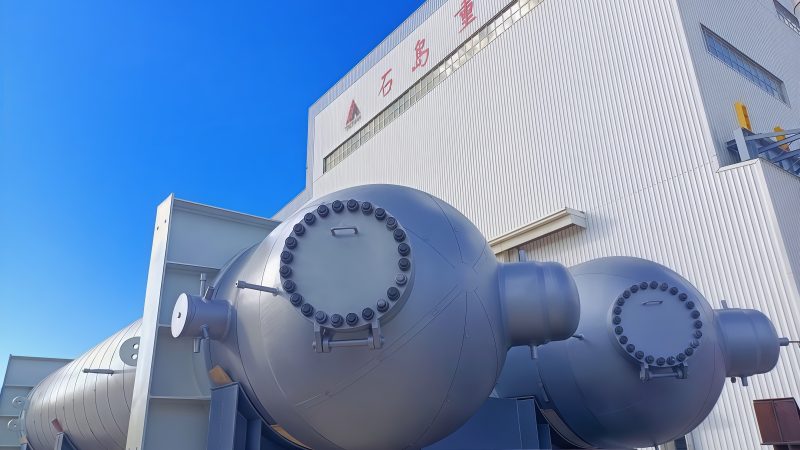
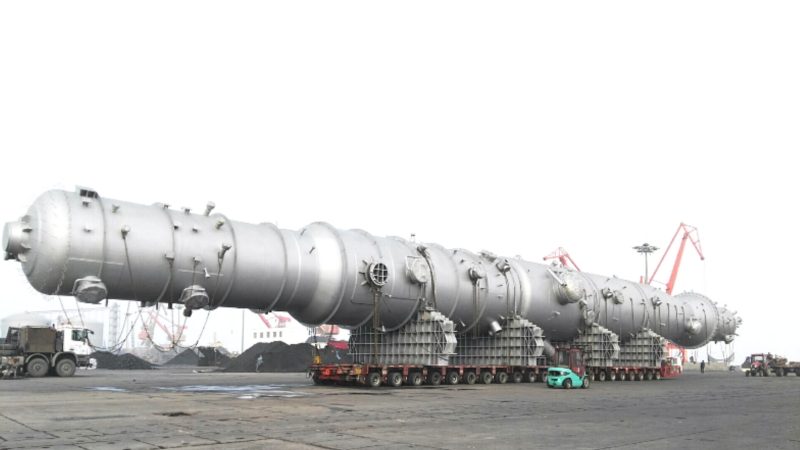
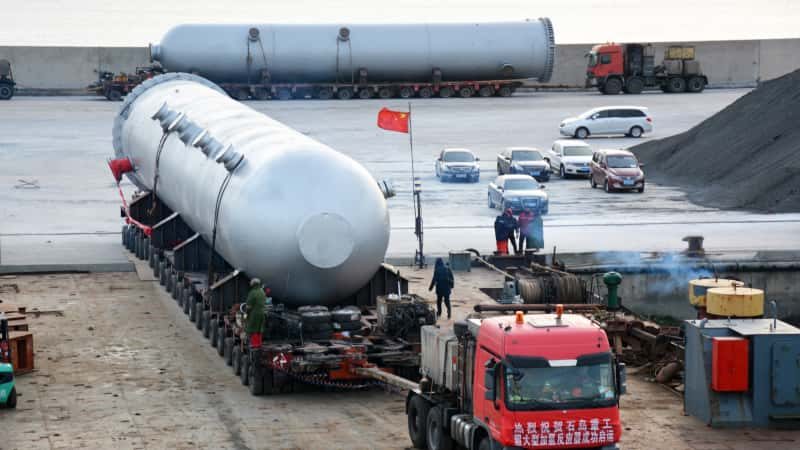
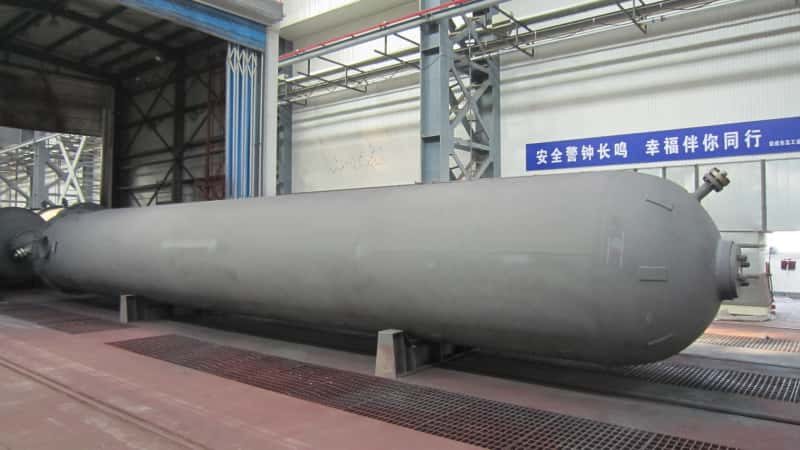
Many supporting vessels and skids in the package fall within the broader category of custom pressure vessels. Buyers planning carbon capture or CO2 transport projects may also review pressure vessels for new energy projects, separators, storage vessels, and heat exchangers as part of the complete equipment scope.
Why CO2 Compression and Dehydration Matter
CO2 captured from amine units, fermentation, gas processing, hydrogen production, cement, power, or industrial sources is usually not ready for transport immediately. It may be at low pressure, saturated with water, and mixed with impurities. Before entering a pipeline, ship, storage tank, or injection system, the CO2 stream must be conditioned to meet the approved product specification.
SLB’s CO2 dehydration information highlights the need to remove water from CO2 streams because wet CO2 can create corrosion and hydrate-related problems. The U.S. Department of Energy’s carbon capture supply chain report provides broader CCS equipment and infrastructure context. For transport and storage planning, CO2GeoNet also describes compression, transport, and injection as part of large-scale CCS systems.
Main Equipment in a CO2 Compression and Dehydration Package
| Equipment Group | Typical Items | Main Function |
|---|---|---|
| Inlet conditioning | Inlet scrubber, filter coalescer, demister, feed separator | Remove free liquid, aerosols, particles, amine mist, and carryover before compression. |
| Compression | Centrifugal compressor, reciprocating compressor, screw compressor, diaphragm compressor | Raise CO2 pressure in stages according to transport, storage, liquefaction, or injection requirements. |
| Cooling and separation | Intercoolers, aftercoolers, knockout drums, condensate vessels | Control compression temperature and remove condensed water between stages. |
| Dehydration | TEG contactor, molecular sieve beds, silica gel dryers, regeneration equipment | Reduce water content to the required outlet specification. |
| Filtration and product protection | Coalescing filters, particulate filters, carbon beds, guard beds, dry gas filters | Protect compressors, dryers, valves, pipelines, liquefaction units, and injection systems. |
| Controls and safety | Anti-surge controls, moisture analyzers, CO2 analyzers, ESD valves, relief devices, blowdown systems | Maintain stable operation, product quality, equipment protection, and safe shutdown. |
Inlet Scrubbers and Filter Coalescers
Before CO2 enters the compressor, inlet separation protects rotating equipment from liquid carryover, aerosols, solids, amine mist, glycol, or upstream process contaminants. Depending on the source, the inlet package may include a suction scrubber, vertical separator, demister, filter coalescer, drain vessel, and liquid level controls.
Buyers should define inlet pressure, temperature, CO2 composition, liquid loading, aerosol content, solids, amine carryover, expected transients, turndown, and shutdown conditions. If the vessel is pressure-rated, it should be designed with the proper design pressure, design temperature, relief interface, nozzle schedule, internals, and inspection scope.
Multistage CO2 Compressors
CO2 compression is usually performed in stages because the gas heats up during compression. Interstage cooling reduces the temperature before the next stage and may condense water, which must be removed. Compressor type depends on flow rate, pressure ratio, discharge pressure, CO2 purity, operating mode, availability target, and project scale.
Large continuous CCS projects may use centrifugal or integrally geared compressors. Reciprocating compressors may be selected for high pressure, lower flow, or flexible operation. Screw compressors may suit some lower-pressure applications, while diaphragm compressors can be used for small high-purity services. The compressor package should include anti-surge or capacity control, vibration monitoring, seal systems, lube oil systems, drivers, coolers, and shutdown logic.
Intercoolers, Aftercoolers, and Knockout Drums
Cooling equipment manages heat generated during compression. Intercoolers and aftercoolers may be air-cooled, water-cooled, or shell-and-tube designs depending on site utilities, duty, fouling risk, and maintenance strategy. Buyers can review industrial heat exchangers or a shell and tube heat exchanger when robust pressure equipment is needed.
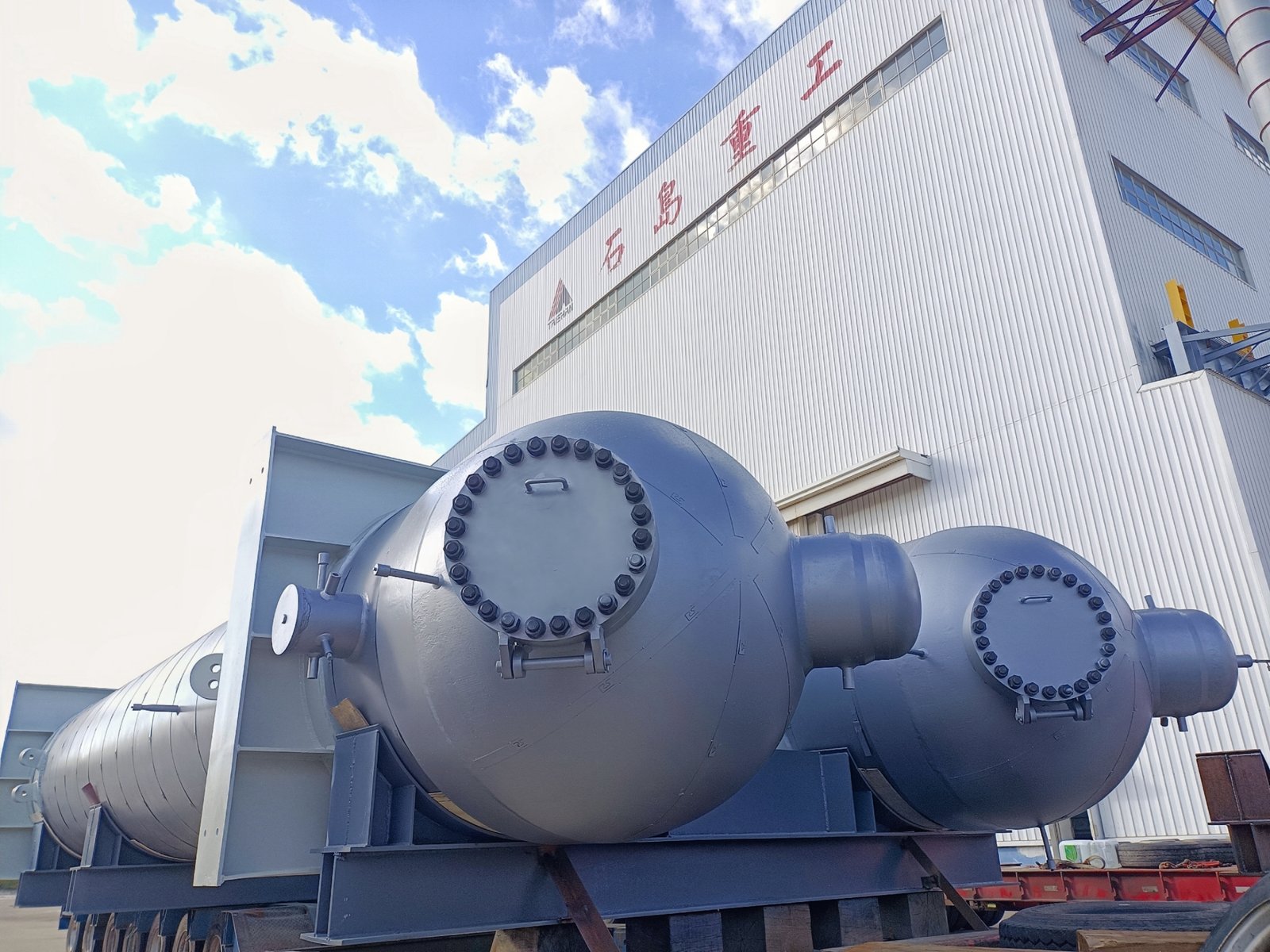
After cooling, knockout drums or separators remove condensed water and liquid contaminants. Cooling without separation is not enough; the liquid must be physically removed and safely drained. Interstage drums, dehydration inlet separators, regeneration gas separators, and condensate vessels should be specified with proper internals, level instruments, drains, relief devices, and access for inspection.
CO2 Dehydration Equipment
Dehydration removes water from the CO2 stream before pipeline transport, liquefaction, storage, or injection. Common dehydration technologies include TEG dehydration, molecular sieve adsorption, silica gel adsorption, activated alumina, and membrane-based drying. The best choice depends on inlet water content, pressure, temperature, impurity profile, outlet dew point, operating mode, regeneration utilities, and required availability.
High compressor discharge pressure does not eliminate the need for CO2 dehydration.True
Water remains a design concern after compression. Wet compressed CO2 can still cause corrosion, hydrate formation, ice formation during pressure reduction, liquid water dropout, and pipeline or injection specification failure.
A TEG dehydration system may include a contactor tower, glycol circulation pump, flash tank, filters, heat exchangers, reboiler, stripping gas system, and controls. A molecular sieve system may include two or more adsorber vessels, switching valves, regeneration heaters, regeneration coolers, separators, filters, and moisture analyzers. Molecular sieve is often selected when very low water content is required, while TEG may fit moderate dehydration targets and continuous operation.
Filtration and Contaminant Removal
CO2 streams may contain contaminants that damage compressors, dryers, valves, pipelines, liquefaction units, storage formations, or EOR injection systems. Filtration and contaminant removal equipment may include inlet coalescers, particulate filters, activated carbon beds, sulfur guard beds, mercury removal beds, oxygen removal reactors, desiccant dust filters, and analyzer sample conditioning systems.
A molecular sieve dryer is not a universal contaminant removal device. It primarily removes water and can be damaged by liquid carryover, oils, amines, sulfur compounds, heavy contaminants, or solids. Upstream and downstream filters should be defined according to CO2 source, impurity envelope, dehydration technology, and product specification.
Dehydration Technology Selection
| Technology | Typical Fit | Buyer Checks |
|---|---|---|
| TEG dehydration | Moderate dehydration targets, continuous operation, familiar gas-treatment style package. | Outlet water target, glycol losses, regeneration heat, foaming, contamination, and reboiler design. |
| Molecular sieve | Very low water specifications, pipeline or liquefaction-quality CO2, cyclic adsorption service. | Bed sizing, regeneration energy, switching valves, desiccant protection, dust filtration, and analyzer control. |
| Silica gel or activated alumina | Selected adsorption services where outlet specification and regeneration conditions match media capability. | Water loading, regeneration temperature, contaminant sensitivity, bed life, and pressure drop. |
| Membrane drying | Special services or polishing where membrane compatibility and operating envelope are suitable. | CO2 loss, pressure differential, membrane compatibility, contamination control, and outlet dew point. |
Instrumentation, Control, and Safety Equipment
CO2 compression and dehydration systems require pressure, temperature, flow, level, moisture, vibration, speed, seal, and lube oil instrumentation. Analyzer systems may monitor water content, CO2 purity, oxygen, sulfur species, nitrogen, hydrocarbons, or other project-specific impurities. Sample conditioning is important because dense-phase or wet CO2 samples can be difficult to handle reliably.
Compressor anti-surge control, recycle valves, capacity control, vibration monitoring, emergency shutdown, relief valves, rupture disks, thermal relief, blowdown valves, vent stacks, CO2 detectors, oxygen deficiency monitors, ventilation, and access protection should be reviewed as part of the package. CO2 is nonflammable, but it can displace oxygen and create asphyxiation risk in enclosed, low-lying, or poorly ventilated areas.
What Buyers Should Prepare Before Quotation
Before requesting a quotation for CO2 compression and dehydration equipment, buyers should prepare:
- CO2 source and process description
- Normal, minimum, and maximum CO2 flow rate
- Inlet pressure and temperature
- Required discharge pressure or dense-phase condition
- CO2 composition and impurity envelope
- Water content and required outlet dew point or water specification
- Transport route: pipeline, liquefaction, ship, tank, EOR, or injection
- Compressor operating mode, turndown, redundancy, and availability target
- Cooling utility data and ambient conditions
- Materials, corrosion allowance, low-temperature requirements, and contaminants
- Dehydration technology preference or licensor requirements
- Analyzer, metering, control, anti-surge, and ESD requirements
- Relief, blowdown, venting, drainage, and safety philosophy
- Applicable codes, inspection scope, documentation, delivery, and site constraints
Manufacturing and Quality Control
Before fabrication starts, the manufacturer should review process datasheets, mechanical drawings, materials, nozzle orientation, internals, welding procedures, NDT scope, pressure testing, coating, packing, and delivery conditions. Pressure-rated scrubbers, knockout drums, dehydration vessels, filter vessels, receiver vessels, and heat exchangers require careful material control, welding, inspection, and documentation.
Quality control may include material certificate review, heat-number traceability, visual inspection, dimensional inspection, radiographic testing, ultrasonic testing, magnetic particle testing, liquid penetrant testing, hydrostatic testing, leak testing, coating inspection, internals inspection, skid assembly checks, and final document review.
Common Buyer Mistakes
Selecting the Compressor Before Defining the CO2 Specification
Compressor type, stages, cooling, materials, dehydration, and controls all depend on the required export pressure, flow range, impurity profile, water specification, and transport mode.
Underestimating Water and Condensate Handling
Compression and cooling can create condensed water. Without proper knockout drums, coalescers, drains, and dehydration, the system may face corrosion, hydrates, unstable operation, or off-spec CO2.
Treating the Dryer as a Standalone Vessel
A dryer needs inlet protection, regeneration equipment, outlet filtration, moisture analysis, switching valves, controls, and safe condensate handling. Missing auxiliaries can prevent the dryer from meeting its outlet target.
Ignoring CO2 Detection and Ventilation
CO2 is nonflammable, but it can displace oxygen. Enclosed compressor buildings, low areas, trenches, and confined spaces should be reviewed for CO2 detection, ventilation, alarms, and access control.
FAQ
What equipment is needed for a CO2 compression and dehydration system?
A typical system includes CO2 compressors, intercoolers, aftercoolers, knockout drums, moisture separators, dehydration units, filters, pumps, valves, analyzers, control panels, relief devices, blowdown systems, and safety equipment.
How does a CO2 compression system work?
A CO2 compression system increases pressure in stages. After each stage, the gas is usually cooled and separated to remove condensed water before further compression, dehydration, dense-phase export, liquefaction, or injection.
Why is CO2 dehydration required before transport or storage?
CO2 dehydration removes water that can cause corrosion, hydrate formation, ice formation during pressure reduction, liquid dropout, and pipeline or injection system problems.
Is molecular sieve or glycol better for CO2 dehydration?
Molecular sieve is often selected for very low water specifications, while glycol dehydration may fit moderate dehydration targets and continuous operation. The right choice depends on outlet water specification, pressure, temperature, impurities, regeneration utilities, and project availability requirements.
What data is needed to quote CO2 compression equipment?
Buyers should provide CO2 flow rate, inlet pressure and temperature, target discharge pressure, composition, water content, impurities, operating mode, turndown, material requirements, safety requirements, and delivery scope.
Can CO2 compression and dehydration equipment be supplied as skids?
Many items can be skid-mounted, including filter packages, dehydration units, analyzer skids, lube oil systems, seal gas systems, and control panels. Large compressors, coolers, vessels, or piping may still require modular or field assembly depending on size and project layout.
Conclusion
CO2 compression and dehydration systems require coordinated selection of compressors, coolers, separators, dryers, filters, analyzers, controls, safety equipment, and auxiliary pressure vessels. For CCS, carbon capture, CO2 transport, liquefaction, EOR, and storage projects, equipment selection should be based on flow rate, pressure, water content, impurity profile, outlet specification, materials, safety requirements, inspection, and delivery feasibility.
If you are sourcing CO2 dehydration vessels, knockout drums, filter vessels, heat exchangers, storage tanks, or other custom pressure equipment for CCS, CCUS, oil and gas, new energy, or EPC projects, you can discuss your project requirements with an engineering and manufacturing team. Sharing CO2 composition, operating conditions, water specification, materials, inspection needs, and delivery terms will support technical communication and fabrication evaluation.