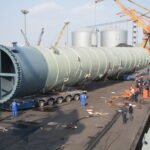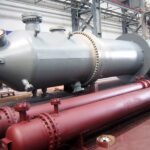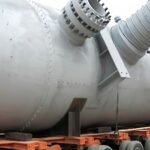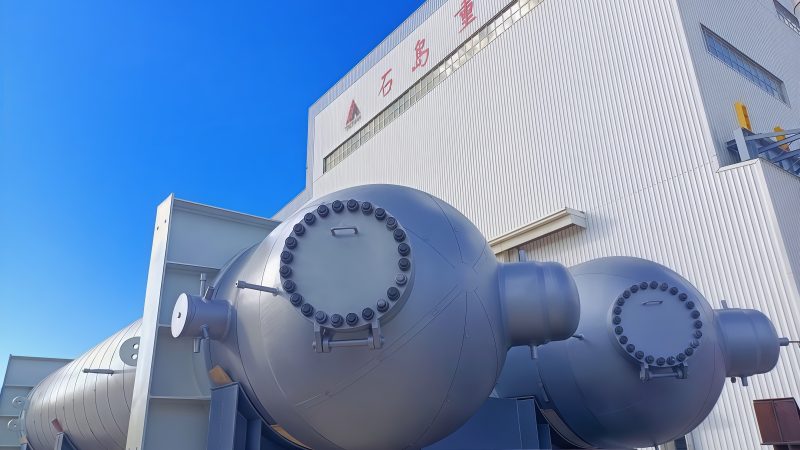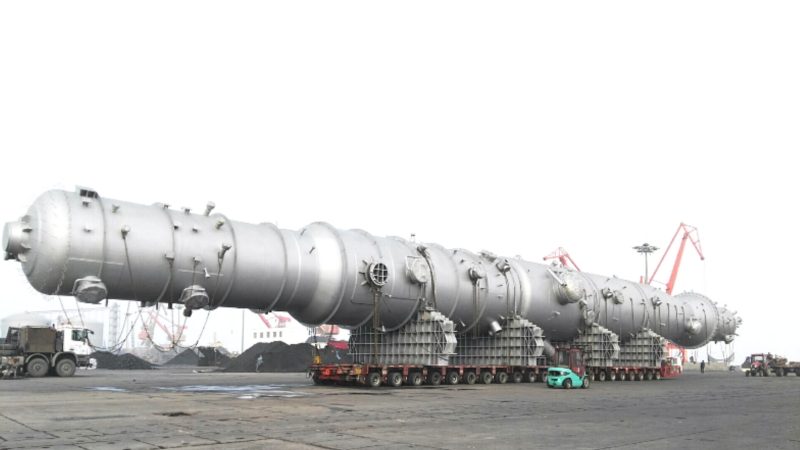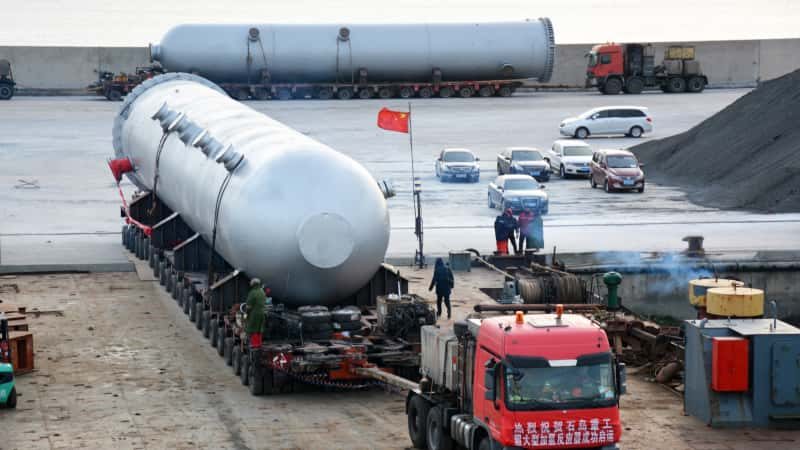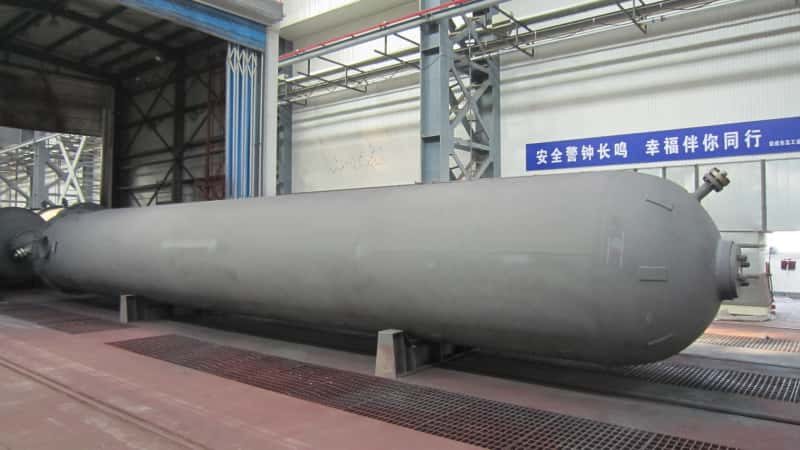

Sulfur recovery units are used in refineries, natural gas processing plants, coal chemical projects, and acid gas treatment systems to convert hydrogen sulfide-containing gas into elemental sulfur. For EPC contractors, plant engineers, and procurement teams, selecting sulfur recovery unit equipment requires careful review of process conditions, high-temperature service, acid gas composition, corrosion, sulfur condensation, pressure containment, inspection, and safety requirements.
An SRU is not a single vessel. It is a process system that may include a reaction furnace, waste heat boiler, Claus reactors, sulfur condensers, knockout drums, reheaters, separator vessels, sulfur storage and handling equipment, tail gas treatment equipment, and auxiliary pressure vessels. Each item must fit the process licensor’s design basis, site safety philosophy, inspection requirements, and delivery plan.
Quick Answer: What Pressure Equipment Is Used in an SRU?
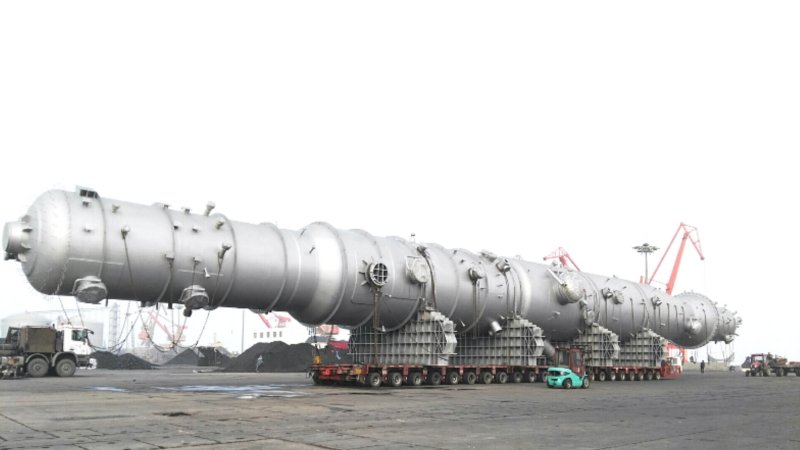
A typical sulfur recovery unit may use a reaction furnace or thermal reactor, waste heat boiler, catalytic Claus reactor vessels, sulfur condensers, reheaters, steam drums, knockout drums, tail gas separators, acid gas drums, liquid sulfur vessels, sulfur storage tanks, and utility pressure vessels. The exact equipment list depends on the Claus configuration, H2S concentration, acid gas flow rate, ammonia and hydrocarbon content, sulfur recovery target, tail gas treatment route, operating pressure, temperature profile, and project standards.
Sulfur recovery unit equipment should be specified as an integrated process package, not as isolated pressure vessels.True
Reaction furnace interfaces, waste heat boiler duty, Claus reactor catalyst beds, sulfur condenser drainage, reheater temperature control, tail gas treatment, H2S safety systems, pressure relief, and sulfur handling all affect each other in SRU operation.
For buyers comparing equipment families, SRU vessels may be planned together with custom pressure vessels, industrial heat exchangers, separator vessels, and storage tanks. The buyer’s quotation package should define not only vessel dimensions, but also the duty, materials, internals, inspection scope, documentation, and logistics requirements.
What Is a Sulfur Recovery Unit?
A sulfur recovery unit, often based on the Claus process, converts hydrogen sulfide into elemental sulfur. The U.S. EPA’s AP-42 sulfur recovery section describes sulfur recovery as a common process in petroleum refineries and natural gas processing plants.
In general terms, the Claus process includes a thermal stage and one or more catalytic stages. Acid gas containing H2S is partially combusted in the thermal section. The hot gas is cooled, elemental sulfur is condensed and drained, and the remaining gas passes through catalyst beds where additional sulfur-forming reactions occur. Condensation and reheating may repeat between stages.
The final SRU design depends on acid gas composition, H2S concentration, CO2 content, ammonia content, hydrocarbon content, water, BTEX, sulfur recovery target, turndown requirements, tail gas treatment, emissions limits, and licensor requirements. Because H2S is hazardous, equipment selection must be handled within the project’s process safety and industrial hygiene framework.
Main Pressure Equipment in SRU Systems
| Equipment | Typical Function | Important Buyer Checks |
|---|---|---|
| Reaction furnace or thermal reactor | Partial combustion of acid gas and initial sulfur-forming reactions. | Refractory, burner interface, thermal expansion, nozzles, inspection access, and waste heat boiler connection. |
| Waste heat boiler | Cools hot process gas and recovers heat, often by generating steam. | Gas temperature, steam conditions, tube materials, thermal stress, corrosion, refractory interface, and cleaning access. |
| Claus reactor vessel | Contains catalyst beds for continued sulfur-forming reactions. | Catalyst support, distributor design, thermowells, manways, internals, refractory or insulation, and pressure rating. |
| Sulfur condenser | Cools process gas and condenses elemental sulfur between stages. | Drainage, plugging risk, sulfur temperature, corrosion, steam generation, tube cleaning, and maintenance access. |
| Reheater | Raises gas temperature before catalytic reactors or tail gas treatment. | Temperature control, hot spot risk, materials, pressure drop, and process integration. |
| Knockout drum or separator | Removes liquid sulfur, condensate, mist, or entrained liquids. | Residence time, demister or internals, drains, sulfur seal interface, level instruments, and access. |
| Steam drum or utility vessel | Supports waste heat recovery, steam generation, or utility systems. | Steam conditions, water quality, code requirements, relief devices, and inspection scope. |
| Sulfur tank or storage vessel | Stores and handles liquid sulfur before degassing, pumping, or loading. | Heating, insulation, H2S release, vent treatment, corrosion, cleanout, and safe access. |
Reaction Furnace and Thermal Reactor
The reaction furnace is the high-temperature section where part of the H2S is combusted and the first conversion reactions occur. This area is usually specialized, refractory-lined equipment and must be designed around process licensor requirements.
For equipment buyers, the key concern is interface control. Refractory design, burner connection, waste heat boiler transition, nozzles, inspection access, thermal expansion, support loads, and downstream gas cooling should be coordinated before fabrication. Field changes in this area can be expensive because temperatures and refractory interfaces leave little room for improvisation.
Waste Heat Boiler
The waste heat boiler cools hot process gas from the thermal stage and recovers heat, often by generating steam. It is a critical item because it faces high temperature, sulfur species, thermal stress, vibration risk, tube-side or shell-side corrosion, and strict cleanliness requirements.
Buyers should define process gas conditions, steam pressure, steam temperature, boiler water conditions, materials, tube configuration, inspection scope, refractory interfaces, access for cleaning, and delivery limitations. A waste heat boiler is closely related to industrial heat exchangers in procurement planning, but SRU duty requires project-specific review.
Claus Reactor Vessels
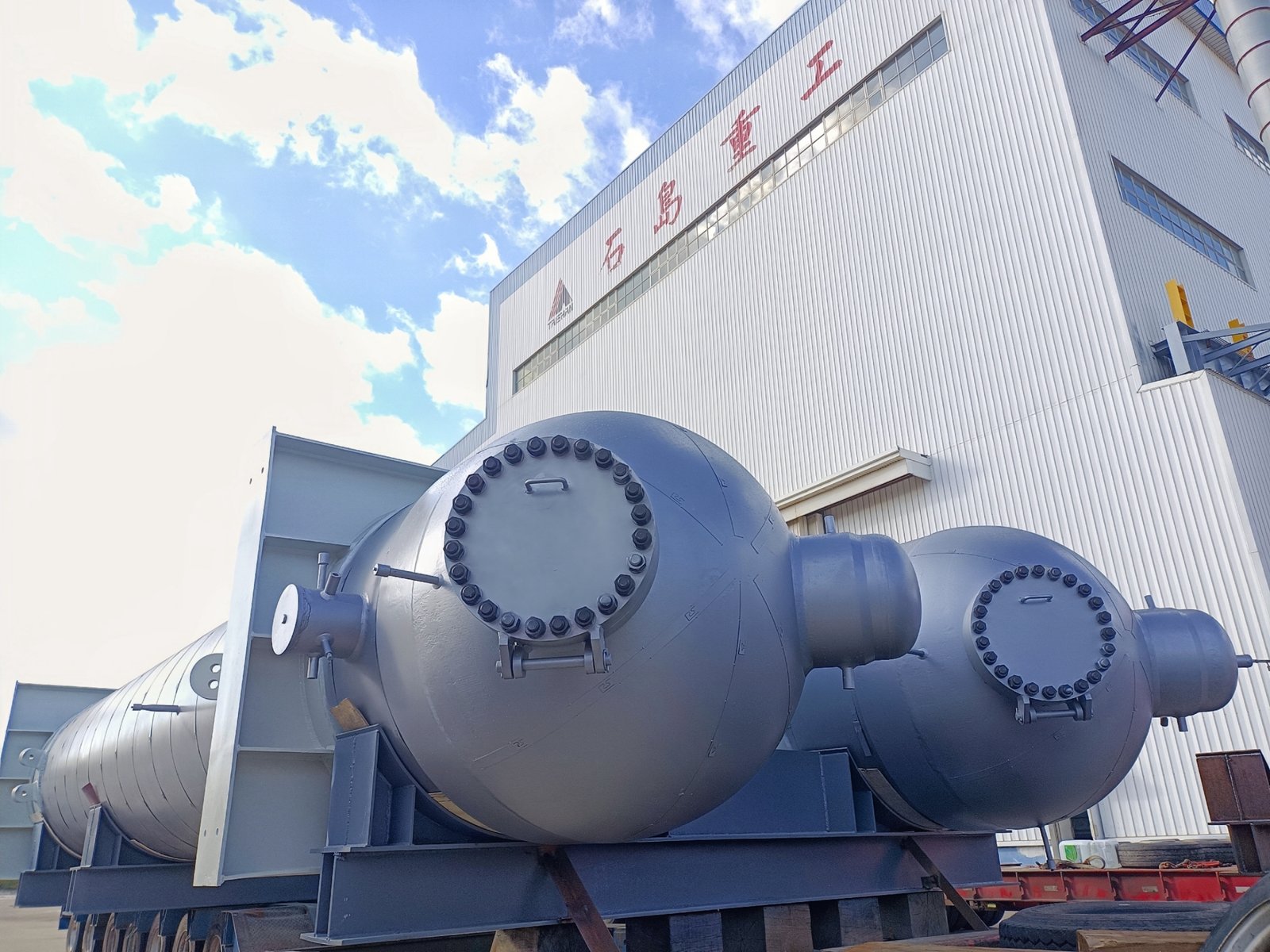
Claus reactors contain catalyst beds where sulfur-forming reactions continue after the thermal stage. These reactor vessels may include inlet distributors, catalyst support grids, outlet collectors, thermowells, manways, refractory or insulation interfaces, catalyst loading access, and drainage or cleaning provisions.
Depending on service, these may be considered custom pressure vessels and should be specified according to approved process datasheets. Catalyst bed support, gas distribution, pressure drop, temperature monitoring, and access for catalyst replacement should be coordinated with the process licensor and internals supplier.
Sulfur Condensers
Sulfur condensers cool process gas and condense elemental sulfur between reaction stages. They may be designed as shell and tube heat exchanger equipment or process-specific heat transfer equipment depending on the design basis.
Sulfur condenser design should consider sulfur temperature control, plugging risk, corrosion, steam generation, gas-side pressure drop, liquid sulfur drainage, insulation, trace heating, access for inspection, and safe maintenance. Poor sulfur drainage can cause plugging, unstable operation, or downstream equipment problems.
Knockout Drums and Separator Vessels
SRU systems may require knockout drums, coalescers, liquid sulfur separators, condensate drums, tail gas separators, and other process vessels. These vessels protect downstream equipment and help manage condensed sulfur, water, or process liquids.
For oil, gas, and acid gas facilities, pressure vessels for oil and gas are relevant to the broader equipment package. Buyers should define phase behavior, liquid loading, internals requirements, instrument connections, drains, sulfur seals, relief interfaces, and maintenance access.
Sulfur Storage and Handling Equipment
Liquid sulfur may require storage, degassing, heating, pumping, and loading equipment. Storage systems must consider temperature control, H2S release risk, corrosion, vent treatment, access control, cleanout, and safe handling procedures.
Where storage is required, buyers may review industrial storage tanks as part of the project equipment scope. If the storage system includes pressure-rated vessels, degassing equipment, or vapor handling, the mechanical and safety requirements should be defined clearly in the quotation package.
Key Selection Factors for SRU Equipment
Acid Gas Composition
Buyers should provide H2S concentration, CO2, hydrocarbons, ammonia, water, BTEX, oxygen, nitrogen, sulfur species, and other relevant components. Acid gas composition affects furnace design, flame stability, catalyst performance, corrosion risk, sulfur condensation, tail gas treatment, and emissions performance.
An SRU designed for high-H2S refinery acid gas may not fit a lean acid gas stream, ammonia-rich sour water stripper gas, or gas with heavy hydrocarbons. The equipment manufacturer should work from approved process data rather than generic assumptions.
Temperature, Thermal Cycling, and Corrosion
SRU equipment may experience high temperature, refractory-lined service, sulfur condensation, acid gas corrosion, thermal cycling, and localized cold spots. Materials, linings, coatings, refractory systems, insulation, heat tracing, and inspection plans should follow project specifications and licensor requirements.
Cold areas can promote sulfur condensation or acidic corrosion, while overheated areas can damage materials, refractory, catalyst, or downstream equipment. Temperature control should be reviewed across the complete process, not only at individual vessel nozzles.
Sulfur Condensation and Plugging Risk
Condensed sulfur must be drained and handled properly. Equipment design should consider slopes, drains, heating, insulation, sulfur seals, maintenance access, operating temperature control, and startup or shutdown procedures.
Sulfur condenser drainage, heat tracing, and temperature control are procurement issues, not only operating details.True
If condensed sulfur is not drained and kept within the proper temperature range, SRU equipment can plug, lose heat transfer performance, damage downstream catalyst operation, or create difficult maintenance conditions.
Safety and H2S Handling
H2S is toxic and can create severe occupational safety risk. Gas detection, ventilation, isolation, pressure relief, emergency shutdown, operating procedures, respiratory protection, access control, and maintenance planning should be defined by the project safety team. The CDC/NIOSH Pocket Guide provides a useful H2S hazard reference, but site-specific safety requirements must follow the project jurisdiction and owner standards.
Inspection and Documentation
Inspection scope depends on vessel type, code, materials, wall thickness, refractory or lining, service severity, and project standards. The buyer should define hold points, witness points, third-party inspection, NDT extent, pressure testing, refractory inspection, coating inspection, and final document requirements before fabrication begins.
Manufacturing and Quality Control
Before fabrication starts, a large-scale pressure vessel manufacturer should review process datasheets, mechanical drawings, materials, refractory or lining requirements, welding procedures, NDT scope, pressure testing, coating, packing, delivery route, and documentation scope.

Manufacturing may include material inspection, cutting, shell rolling, head forming, nozzle installation, support welding, internals support welding, tube bundle or heat-transfer component assembly, dimensional inspection, pressure testing, coating, refractory coordination, and final packing.
Quality control may include material certificate review, heat-number traceability, welding procedure control, welder qualification, visual inspection, dimensional inspection, radiographic testing, ultrasonic testing, magnetic particle testing, liquid penetrant testing, pressure testing, leak testing, refractory inspection, coating inspection, and final documentation review.
SRU Equipment Procurement Checklist
| Procurement Area | What Buyers Should Confirm | Why It Matters |
|---|---|---|
| Process basis | Acid gas composition, flow rate, H2S concentration, ammonia, hydrocarbons, and operating cases. | Controls sizing, material selection, corrosion risk, and tail gas requirements. |
| Thermal design | Temperature profile, waste heat recovery, sulfur condensation, reheating, and heat tracing. | Prevents plugging, catalyst upset, corrosion, and poor heat transfer. |
| Mechanical design | Design pressure, design temperature, nozzle loads, supports, refractory or insulation interfaces. | Ensures the vessel fits process, safety, and installation requirements. |
| Materials | Base metal, cladding, corrosion allowance, refractory, coating, gasket, and bolting requirements. | Controls long-term resistance to sulfur, acid gas, temperature, and process contaminants. |
| Internals | Catalyst supports, distributors, demisters, drains, thermowells, sulfur seals, and access openings. | Connects vessel fabrication with process performance and maintenance. |
| Inspection | NDT, pressure testing, refractory inspection, coating inspection, third-party witness points. | Reduces quality risk and supports project acceptance. |
| Delivery | Overall dimensions, weight, lifting lugs, transport route, packing, port delivery, and site unloading. | Large SRU items can delay the project if logistics are not reviewed early. |
What Buyers Should Prepare Before Quotation
Before requesting a quotation for sulfur recovery unit equipment, buyers should prepare:
- Process description and SRU equipment list
- Acid gas composition and design cases
- H2S concentration and flow rate
- Ammonia, hydrocarbon, water, BTEX, and contaminant data
- Operating pressure and operating temperature
- Design pressure and design temperature
- Material specification and corrosion allowance
- Refractory, lining, insulation, or heat tracing requirements
- Catalyst bed interface and internals requirements
- Heat exchanger, condenser, reheater, or waste heat boiler duty
- Sulfur condenser drainage and sulfur handling requirements
- Nozzle schedule and orientation
- Relief, vent, safety, and instrumentation interface requirements
- NDT, inspection, pressure testing, and leak testing scope
- Documentation, packing, delivery destination, and transport restrictions
Common Buyer Mistakes
Quoting SRU Equipment Without Acid Gas Data
A request that only names a Claus reactor or sulfur condenser is not enough. Acid gas composition, flow, temperature, pressure, contaminants, and operating cases are required for reliable technical review.
Ignoring Refractory and Thermal Interfaces
Reaction furnace and waste heat boiler interfaces involve high temperature, refractory, expansion, and process gas transitions. These details should be settled before fabrication, not adjusted at site.
Treating Sulfur Condensers Like Ordinary Coolers
Sulfur condensers must control sulfur condensation, drainage, plugging, corrosion, and heat recovery. A generic cooler design can create serious operability problems in SRU service.
Comparing Suppliers Only by Vessel Price
A lower quotation may exclude internals, refractory coordination, NDT, pressure testing, documentation, third-party inspection support, packing, or delivery to port. EPC buyers should compare suppliers on the same technical scope.
FAQ
What equipment is used in a sulfur recovery unit?
Common equipment includes the reaction furnace, waste heat boiler, Claus reactor vessels, sulfur condensers, reheaters, knockout drums, separators, steam drums, sulfur storage tanks, and tail gas treatment equipment.
What is a Claus reactor vessel?
A Claus reactor vessel contains catalyst beds that support sulfur-forming reactions after the thermal stage. Its design depends on process conditions, catalyst requirements, materials, internals, pressure rating, and inspection scope.
Why are sulfur condensers important?
Sulfur condensers cool process gas and condense elemental sulfur between reaction stages. They affect sulfur recovery, downstream reactor conditions, heat recovery, drainage, plugging risk, and maintenance.
What makes SRU equipment challenging?
SRU equipment may involve H2S, high temperature, sulfur condensation, acid gas corrosion, plugging risk, refractory interfaces, catalyst service, and strict safety requirements.
What should buyers evaluate in an SRU equipment supplier?
Buyers should evaluate engineering review capability, pressure vessel fabrication, heat exchanger manufacturing, material control, welding quality, NDT, refractory or lining coordination, testing, documentation, and delivery support.
Can one manufacturer supply multiple SRU equipment items?
A capable pressure equipment manufacturer may support Claus reactor vessels, condensers, drums, separators, heat exchangers, and storage-related vessels if the workshop capability, code basis, materials, and inspection requirements are aligned with the project.
Conclusion
Sulfur recovery units rely on reactors, waste heat boilers, condensers, reheaters, drums, storage tanks, and auxiliary pressure vessels to convert acid gas into elemental sulfur and manage process streams safely. For EPC buyers, equipment selection should consider acid gas composition, temperature, corrosion, sulfur condensation, H2S safety, refractory interfaces, inspection, documentation, and delivery feasibility.
If you are sourcing Claus reactors, sulfur condensers, waste heat boilers, separator vessels, heat exchangers, storage tanks, or other sulfur recovery unit equipment, you can discuss your project requirements with an engineering and manufacturing team. Sharing process datasheets, acid gas composition, operating conditions, material requirements, inspection needs, and delivery terms will support technical communication and fabrication evaluation.