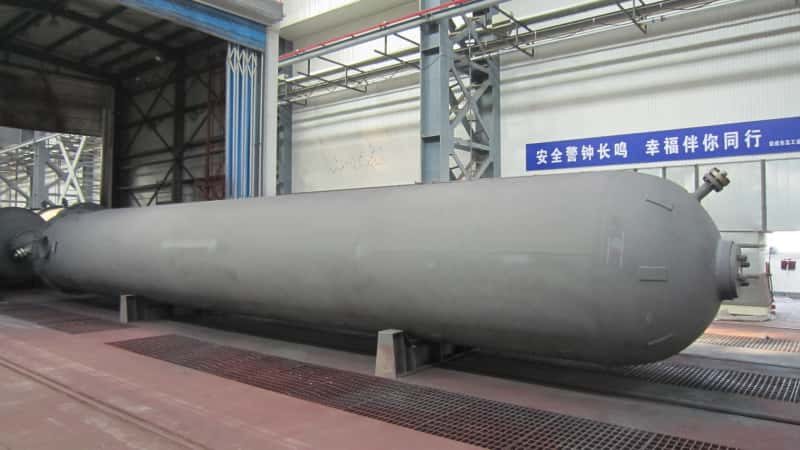

Purchasing large liquefied gas storage tanks is a high-value engineering decision with consequences for safety, permitting, construction, product losses, operating cost, and long-term reliability. Buyers should not select a tank from capacity and price alone because liquefied petroleum gas (LPG), liquefied natural gas (LNG), ammonia, liquid nitrogen, liquid oxygen, liquid argon, liquid hydrogen, and liquid carbon dioxide (LCO2) require different storage concepts.
The correct purchase starts with the stored product and operating philosophy. Gas composition, phase behavior, storage temperature, pressure, hazard classification, boil-off rate, material compatibility, transfer method, site conditions, and applicable regulations must be defined before the tank type and supplier scope are frozen.
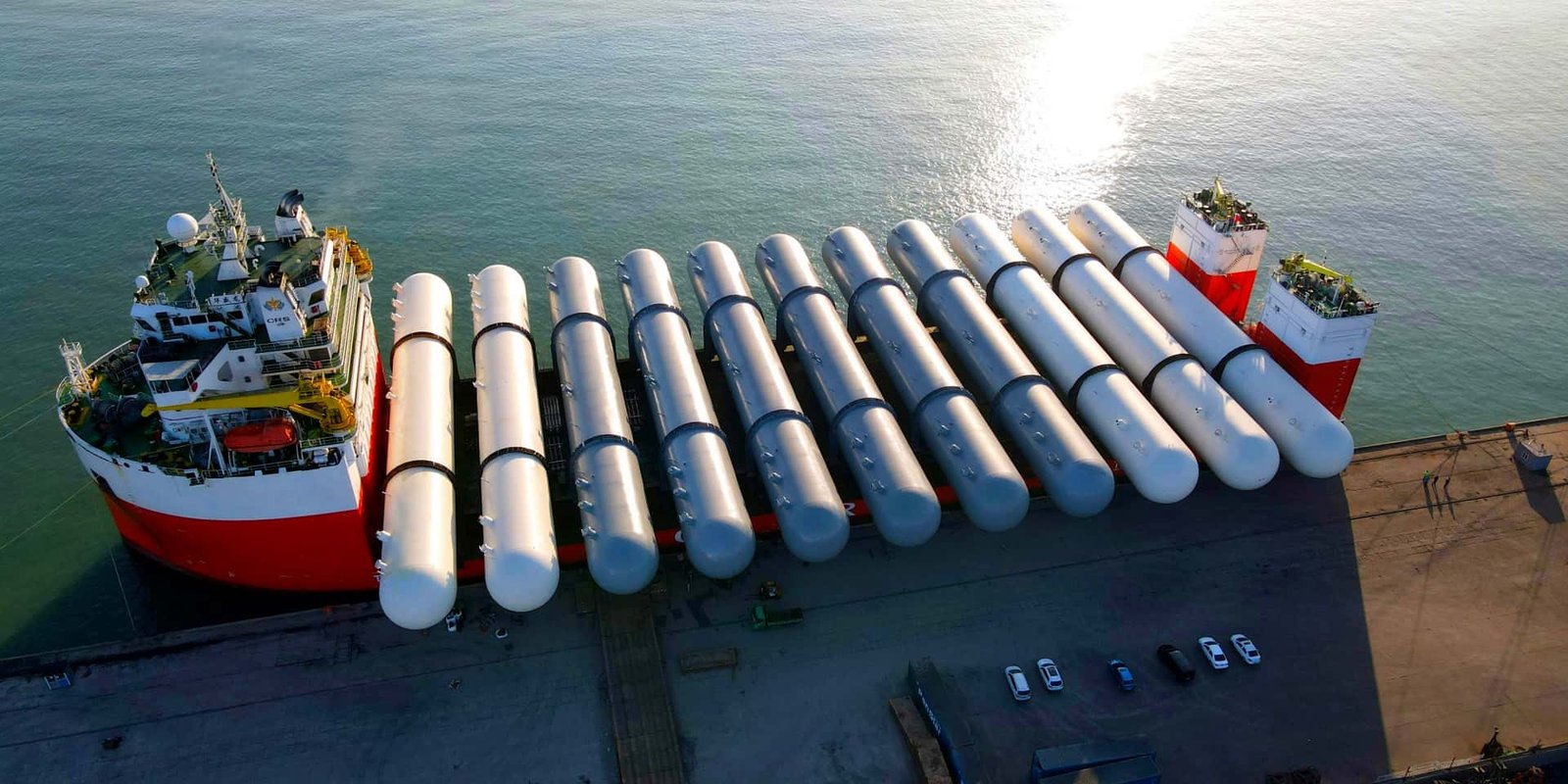
Quick Answer: What Should Buyers Check Before Purchasing?
Before requesting a quotation, buyers should define the gas composition, required working capacity, storage autonomy, normal and design pressure, operating and design temperature, minimum design metal temperature, filling limit, insulation performance, boil-off gas strategy, materials, relief cases, instrumentation, foundation loads, site climate, seismic and wind basis, installation method, inspection scope, documentation, and lifecycle support.
Large liquefied gas storage tanks should be specified from the stored gas properties and operating philosophy before the tank type, material, insulation, pressure rating, and relief system are selected.True
Liquefied gases differ in boiling point, vapor pressure, density, flammability, toxicity, oxidizing behavior, corrosivity, cryogenic temperature, expansion behavior, and boil-off rate. These properties directly determine containment design and safe operation.
The first technical decision is whether the service requires a pressurized vessel, refrigerated low-pressure tank, double-wall vacuum-insulated vessel, bullet tank, sphere, mounded vessel, field-erected tank, or full-containment system. Buyers comparing industrial categories can review liquefied gas storage tanks and broader custom pressure vessels while developing the equipment list.
1. Start With Gas Properties and Phase Behavior
A liquefied gas remains liquid only within a suitable pressure-temperature range. Refrigerated storage lowers temperature to reduce vapor pressure, while pressurized storage maintains the liquid at a warmer temperature by containing higher pressure. The selected approach affects tank geometry, materials, insulation, foundation, pressure relief, refrigeration, and transfer systems.
The NIST Chemistry WebBook fluid-property resource provides thermophysical data for selected fluids. Final design should use an approved product composition and verified property model rather than a generic product name or a single handbook value.
| Gas property | Why it matters | Purchasing consequence |
|---|---|---|
| Boiling point | Indicates the temperature needed for low-pressure liquid storage. | Influences material toughness, insulation class, refrigeration, cooldown, and commissioning. |
| Vapor-pressure curve | Defines pressure at different storage temperatures. | Drives design pressure, normal operating band, relief setting, refrigeration duty, and holding time. |
| Critical point | Defines the limit beyond which a distinct liquid phase does not exist. | Prevents selection of an impractical storage condition and supports process simulation. |
| Triple point | Identifies conditions where solid, liquid, and vapor can coexist. | Important for products such as CO2, where depressurization may form solids and obstruct equipment. |
| Liquid density | Converts geometric volume into inventory mass and hydrostatic load. | Affects shell stress, foundation, seismic load, weighing, and usable capacity. |
| Heat of vaporization | Influences how much product vaporizes for a given heat input. | Drives insulation guarantee, boil-off gas load, pressure rise, and refrigeration demand. |
| Vapor density | Influences where a release may accumulate and how it disperses. | Affects detector elevation, ventilation, exclusion zones, drainage, and emergency planning. |
| Flammability, toxicity, or oxidizing behavior | Defines the primary release hazard. | Influences spacing, fire protection, gas detection, materials, emergency isolation, and operating procedures. |
| Impurities | May change phase behavior, corrosion, freezing, hydrate formation, and product quality. | Requires a composition envelope, not just a commercial gas name. |
2. Match the Product to the Correct Tank Family
Large liquefied gas tanks are not interchangeable. A pressurized LPG bullet is fundamentally different from a near-atmospheric LNG full-containment tank. A liquid oxygen vessel needs oxygen-service cleanliness that is not required for liquid nitrogen. A hydrogen tank faces extremely low temperature and leakage concerns. An ammonia tank must address toxic release and chemical compatibility.
| Liquefied gas | Common storage direction | Key purchasing focus |
|---|---|---|
| LNG | Large refrigerated single, double, or full-containment tank, commonly at low pressure. | Cryogenic materials, containment philosophy, insulation, boil-off gas, rollover, impoundment, and seismic design. |
| LPG, propane, or butane | Pressurized bullet, sphere, mounded vessel, or refrigerated storage for very large terminals. | Vapor pressure, filling limit, fire exposure, relief, spacing, transfer, and product composition. |
| Ammonia | Refrigerated low-pressure tank or pressurized vessel depending on scale and logistics. | Toxicity, release control, materials, water content, refrigeration, detection, and emergency response. |
| Liquid nitrogen | Vacuum-insulated shop vessel or larger refrigerated cryogenic tank. | Cryogenic toughness, vacuum and insulation performance, oxygen-deficiency risk, and pressure control. |
| Liquid oxygen | Oxygen-clean vacuum-insulated or refrigerated cryogenic tank. | Oxygen-compatible materials, cleanliness, lubricants, valves, ignition prevention, and contamination control. |
| Liquid argon | Cryogenic tank with service-specific density and pressure basis. | Low temperature, high liquid density, asphyxiation, insulation, and foundation loads. |
| Liquid hydrogen | Specialized vacuum-insulated cryogenic storage system. | Extremely low temperature, heat leak, boil-off, leakage, vent routing, materials, and ignition control. |
| LCO2 | Refrigerated pressure vessel or controlled low-temperature storage system. | Triple point, dry-ice formation, impurity control, depressurization, dense-gas dispersion, and corrosion. |
3. Define Capacity and Pressure Together
Capacity cannot be separated from pressure and temperature. Gross geometric volume is not the same as usable working capacity. Buyers should account for maximum filling ratio, vapor space, heel, minimum pump suction, boil-off, thermal expansion, operating reserve, maintenance outage, transfer parcel size, and future expansion.
Annual throughput is not enough to determine tank capacity. A terminal movement study should cover the largest ship, rail, truck, or pipeline receipt; peak dispatch; delayed delivery; refrigeration or compressor outage; product settling; certification; and the inventory needed while one tank is unavailable.
Pressure Values That Must Be Distinguished
- Normal operating pressure and normal operating range
- Maximum and minimum operating pressure
- Design pressure and design external pressure or vacuum
- Maximum allowable working pressure, where applicable
- Pressure-relief set pressure and allowable accumulation
- Hydrostatic head and static liquid-column pressure
- Test pressure and test medium
- Maximum pressure during filling, standby, refrigeration loss, or compressor failure
Working capacity, storage pressure, filling limit, vapor space, boil-off control, and relief cases must be defined together before procurement.True
Usable storage changes with operating temperature, inventory expansion, transfer logistics, pressure control, minimum pump level, maintenance reserve, and emergency cases. These requirements determine the appropriate containment concept and design code.
Low pressure also matters. Rapid pump-out, vapor condensation, cooldown, blocked vents, or incorrect purging can expose a large flat-bottom tank to vacuum or external pressure. Buyers should explicitly define full or partial vacuum requirements, vacuum breakers, vapor return, inert-gas padding, and operating interlocks.
4. Review Materials and Minimum Design Metal Temperature
Normal operating temperature is not the only material-selection basis. Minimum design metal temperature should cover cooldown, depressurization, cold vapor exposure, emptying, emergency venting, and credible abnormal operation. Shell plates, heads, bottoms, roofs, nozzles, forgings, flanges, internal piping, supports, weld metal, and heat-affected zones must remain suitable at the lowest credible temperature.
Depending on service, materials may include carbon steel, low-temperature carbon steel, stainless steel, nickel steel, aluminum alloys, clad materials, or prestressed concrete containment. Final selection depends on temperature, pressure, tank size, stored product, impurities, construction code, fracture-control requirements, and approved project specifications.
Material documentation may include certificates, heat-number traceability, impact-test results, positive material identification where specified, welding procedure qualifications, welder qualifications, heat-treatment records, NDT reports, and approved substitution controls.
Service-Specific Compatibility
Oxygen service requires strict cleanliness and compatible materials because oxygen intensifies combustion. Ammonia service requires review of chemical compatibility and stress-related degradation concerns. CO2 service requires control of water and impurities and awareness of solid formation during pressure loss. Hydrogen service requires close attention to leakage, low-temperature behavior, and the project’s material qualification basis.
5. Treat Insulation as Part of the Process System
Insulation is not a cosmetic accessory. It controls heat leak, boil-off gas generation, pressure rise, refrigeration load, product loss, cooldown behavior, and outer-surface temperature. The insulation design should include a guaranteed thermal-performance basis and clearly defined ambient conditions.
| Insulation consideration | Questions for the supplier | Why it matters |
|---|---|---|
| Guaranteed heat leak | What ambient temperature, wind, solar load, liquid level, and operating condition apply? | Determines normal boil-off, pressure control, and refrigeration duty. |
| Insulation type | Is the system vacuum, perlite, cellular glass, foam glass, mineral, multilayer, or composite? | Affects thermal performance, structural load, moisture resistance, installation, and repair. |
| Vapor barrier | How are joints, penetrations, roof details, and repairs sealed? | Moisture ingress can degrade insulation and promote corrosion or ice formation. |
| Thermal bridges | How are nozzles, supports, anchors, platforms, piping, and instrumentation treated? | Local heat leaks may dominate performance and create frost or condensation. |
| Base insulation | How does it carry tank load while maintaining thermal performance? | Critical for settlement, bottom heat leak, foundation frost protection, and structural integrity. |
| Inspection and repair | Can vacuum, annular space, cladding, vapor barrier, and insulation condition be monitored? | Poor access can turn insulation deterioration into a long undetected lifecycle problem. |
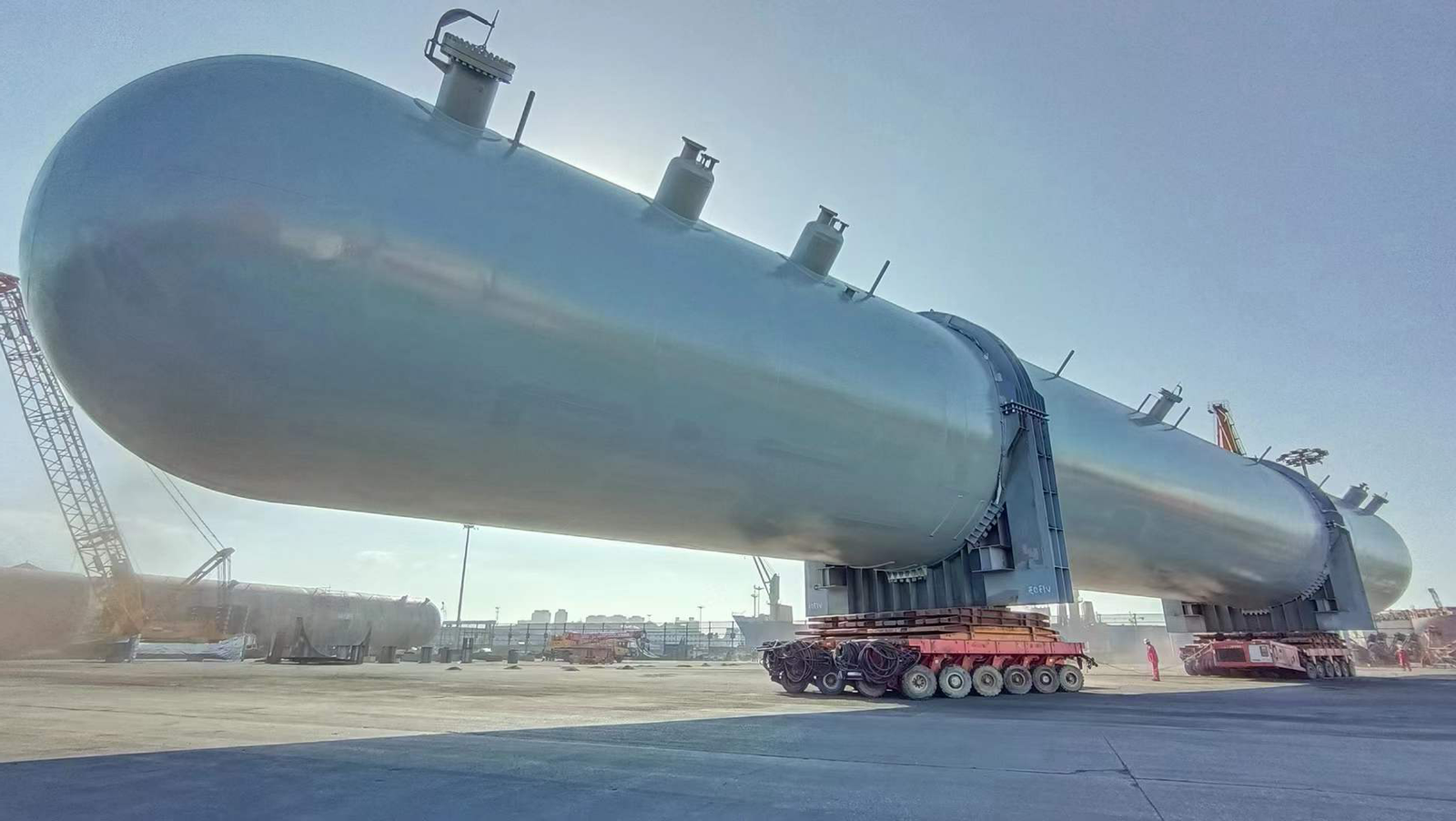
6. Define Boil-Off Gas and Pressure-Control Philosophy
Heat entering a refrigerated or cryogenic tank vaporizes part of the stored liquid. The resulting boil-off gas (BOG) must be recovered, compressed, returned, reliquefied, used as fuel or process gas, or safely routed according to the approved project design. A steel tank quotation without a BOG and pressure-control basis is incomplete for refrigerated service.
Buyers should define normal heat leak, expected BOG rate, transfer-generated vapor, maximum holding time, refrigeration or compressor availability, vapor return, pressure-control valves, flare or vent philosophy, standby power, and the response to loss of utilities.
Questions to Ask About Boil-Off
- What thermal conditions support the guaranteed heat-leak and BOG values?
- How does the BOG rate change at minimum and maximum liquid level?
- What happens during unloading, filling, cooldown, or product recirculation?
- How long can the tank remain in standby without refrigeration or vapor removal?
- Where does BOG go during compressor, power, or refrigeration failure?
- What pressure rise and relief load result from credible failure scenarios?
7. Complete Relief and Depressurization Design Before Ordering
Relief valves and emergency vents should not be added after the shell and roof are designed. Relief cases can affect nozzle size, roof design, platform arrangement, vent-stack routing, backpressure, materials, discharge temperature, and site layout.
Credible cases may include blocked-in thermal expansion, external fire, loss of refrigeration, BOG compressor failure, pressure-control failure, overfilling, transfer error, rollover where relevant, external heat input, blocked vents, vacuum, rapid depressurization, and two-phase flashing. Every isolated liquid section should be reviewed for thermal relief.
For transportable equipment in the United States, 49 CFR 173.315 addresses compressed gases in cargo tanks and portable tanks. Stationary facilities and other jurisdictions may follow different requirements, so the EPC team must identify the governing regulatory route.
8. Match Safety Systems to the Actual Gas Hazard
The tank is only one part of the hazardous-fluid storage system. Pressure relief, emergency isolation, excess-flow protection, level measurement, independent high-level protection, temperature and pressure transmitters, gas detection, oxygen-deficiency monitoring, fire protection, grounding, ventilation, impoundment, drainage, and emergency procedures should be integrated with the stored product.
| Primary hazard | Example products | Typical system considerations |
|---|---|---|
| Flammable vapor | LNG, LPG, hydrogen, ethylene | Hazardous-area classification, gas detection, ESD, ignition control, fire protection, spacing, and dispersion. |
| Oxidizer | Liquid oxygen | Oxygen cleaning, compatible materials, controlled lubricants, contamination prevention, and ignition analysis. |
| Toxic vapor | Ammonia and other toxic liquefied gases | Toxic-gas detection, emergency isolation, ventilation, evacuation, protective equipment, and release mitigation. |
| Oxygen displacement | Nitrogen, argon, CO2, methane in enclosed areas | Ventilation, oxygen monitoring, confined-space controls, detector placement, and safe vent routing. |
| Dense cold vapor | LNG, LPG, CO2, argon | Low-level accumulation, drainage, ground-level dispersion, pits, trenches, and detector elevation. |
| Very light vapor | Hydrogen | High-level ventilation, roof-space detection, leak minimization, vent discharge, and ignition control. |
For U.S. LPG workplace installations, OSHA 29 CFR 1910.110 is one relevant reference. It defines LP-Gas systems as assemblies that include containers and major devices such as vaporizers, safety relief valves, regulators, and connecting piping, reinforcing that safe procurement extends beyond the vessel shell.
Safety systems, relief design, gas detection, fire protection, containment, and emergency isolation must be defined before the tank purchase order is released.True
These systems affect tank nozzles, pressure limits, platforms, layout, piping, electrical classification, civil works, control logic, and commissioning. Late definition commonly causes redesign and field modification.
9. Select the Applicable Code and Jurisdiction Early
The governing code depends on the gas, pressure, temperature, tank geometry, capacity, location, and whether the equipment is stationary, field erected, transportable, marine, or part of a regulated facility. Projects may reference API refrigerated-tank standards, ASME pressure-vessel rules, NFPA requirements, transport regulations, local pressure-equipment laws, fire codes, environmental permits, or owner standards.
Buyers should not assume that every referenced standard applies automatically or that one certificate covers the complete installation. The project code matrix should identify the applicable edition, design scope, authority having jurisdiction, required registration or stamping, third-party inspection, local seismic and wind rules, and documentation language.
10. Verify Site Conditions and Installation Feasibility
A mechanically correct tank can still fail as a project if the site cannot support, deliver, erect, test, commission, inspect, or safely operate it. Site qualification should begin before diameter, height, foundation interface, and construction method are frozen.
Geotechnical and Foundation Conditions
Large tanks require settlement analysis, bearing-capacity checks, groundwater review, frost protection where relevant, seismic soil data, foundation drainage, and monitoring provisions. Differential settlement can distort shells, bottoms, roofs, nozzles, piping, and insulation systems.
Wind, Seismic, Flood, and Climate Loads
Buyers should provide approved wind speed, exposure, seismic parameters, snow or ice loads, ambient temperature range, rainfall, flood elevation, corrosive atmosphere, solar conditions, and any typhoon, hurricane, sandstorm, or coastal requirements.
Transport and Constructability
Shop-built pressure vessels may face road, bridge, port, height, width, weight, and turning restrictions. Field-erected tanks require plate storage, lifting or jacking equipment, crane pads, welding power, weather protection, NDT exclusion areas, scaffolding, coating zones, and safe worker access.
Utilities and Commissioning
The site may need electrical power, instrument air, nitrogen, refrigeration, BOG compression, flare or vent systems, firewater, hydrotest water, treatment and disposal, drying gas, vacuum equipment, purging, cooldown media, and product for commissioning. Hydrotest, drying, purge, and cooldown plans should be established early because they influence materials, cleanliness, schedule, and environmental permits.
11. Plan Inspection and Documentation Before Fabrication
The inspection and test plan should identify purchaser, supplier, third-party, and authority hold points. Scope may include material inspection, impact testing, welding procedure review, dimensional inspection, radiographic or ultrasonic testing, magnetic particle or liquid penetrant testing, vacuum-box testing, leak testing, hydrostatic or pneumatic testing, oxygen cleaning, insulation inspection, vacuum testing, settlement monitoring, coating inspection, and final dossier review.
Final records may include approved drawings, calculations, material certificates, weld maps, welding qualifications, heat-treatment charts, NDT reports, dimensional records, pressure or leak-test reports, cleaning certificates, insulation and vacuum records, coating reports, relief-device certificates, instrument data, as-built drawings, packing records, and operating and maintenance manuals.
12. Evaluate Supplier Capability, Not Price Alone
A qualified large-scale pressure vessel manufacturer should be able to review the process datasheet, gas properties, tank concept, materials, insulation, relief interfaces, site conditions, inspection plan, delivery route, erection method, and documentation requirements before committing to a price and schedule.
| Supplier qualification area | Evidence to request | Why it matters |
|---|---|---|
| Code capability | Current authorizations, approved procedures, comparable calculations, and destination-jurisdiction experience. | Confirms the supplier can legally and technically deliver the required equipment. |
| Relevant gas references | Projects matching gas, temperature, pressure, containment type, insulation, and capacity. | Generic tank photographs do not prove cryogenic or liquefied-gas competence. |
| Material and welding control | Traceability, impact testing, WPS/PQR, qualifications, heat treatment, NDT, and repair control. | Low-temperature and pressure service depend on disciplined material and weld quality. |
| Insulation competence | Thermal calculations, installation procedures, vacuum or annular-space tests, vapor-barrier details, and guarantees. | Insulation performance affects losses, pressure control, and operating cost. |
| Safety integration | Relief interfaces, instrument nozzles, platforms, ESD valves, detector and fire-system coordination. | A tank designed in isolation creates field changes and operational gaps. |
| Documentation | Sample manufacturing record book, drawing register, document schedule, and as-built process. | Poor records delay approval, commissioning, inspection, and future repairs. |
| Delivery and erection | Transport study, lifting plan, jacking or crane method, site team, HSE plan, and realistic milestones. | Large tanks often fail schedule at logistics and field execution interfaces. |
| Lifecycle support | Spare parts, inspection support, repair procedures, warranty response, and technical service. | Reduces long-term downtime and dependency on undocumented components. |
What Buyers Should Prepare Before Requesting a Quotation
- Stored gas name, full composition range, impurities, and product specification
- Required inventory mass, gross volume, working volume, filling limit, heel, and vapor space
- Receipt parcel, filling rate, discharge rate, storage autonomy, and simultaneous operating cases
- Normal, maximum, and minimum operating pressure and temperature
- Design pressure, vacuum requirement, design temperature, and minimum design metal temperature
- Preferred tank concept or process licensor requirements, if already defined
- Materials, corrosion allowance, cleanliness, and compatibility requirements
- Insulation type, guaranteed heat leak, boil-off rate, and holding-time basis
- BOG recovery, refrigeration, vapor return, flare, or vent philosophy
- Relief cases, set pressures, discharge routing, and thermal-relief requirements
- Nozzle schedule, piping loads, instruments, level protection, and ESD interfaces
- Applicable codes, editions, local registration, third-party inspection, and documentation
- Geotechnical, wind, seismic, flood, ambient, corrosion, and plot-plan data
- Transport route, port, heavy lift, crane, laydown, erection, testing, and commissioning conditions
- Delivery terms, project schedule, spare parts, training, and lifecycle support
Common Purchasing Mistakes
Using the Product Name Instead of a Composition Envelope
LNG, LPG, ammonia, and captured CO2 streams can vary in composition. Impurities may change phase behavior, corrosion, freezing, and relief requirements.
Comparing Tank Prices Before Normalizing Scope
One quotation may include insulation, instruments, relief devices, testing, third-party inspection, shipping supports, erection, and documentation while another includes only the vessel.
Defining Only Maximum Pressure
Minimum pressure, vacuum, cooldown, condensation, and rapid pump-out cases can be equally important for large low-pressure tanks.
Treating Insulation as a Vendor Detail
Insulation affects BOG rate, pressure control, energy use, product loss, condensation, corrosion, and holding time.
Ignoring Site and Delivery Constraints
Road limits, foundation settlement, crane access, weather, utilities, hydrotest water, drying, purging, and cooldown can determine whether a tank can be installed on schedule.
Selecting a General Fabricator Without Relevant Gas Experience
Low-temperature materials, cleanliness, insulation, pressure relief, and final documentation require specialized controls that generic steel fabrication may not provide.
FAQ
How should buyers choose the right liquefied gas storage tank?
Start with gas composition, storage temperature, vapor pressure, required working capacity, hazard classification, transfer method, site conditions, and governing codes. These inputs determine whether the project needs pressurized, refrigerated, vacuum-insulated, field-erected, or full-containment storage.
Why are pressure and temperature requirements important?
They determine material toughness, wall thickness, tank type, insulation, operating range, relief settings, refrigeration duty, filling limit, and the response to abnormal heat input or pressure loss.
Are LPG and LNG tanks interchangeable?
No. LPG is commonly stored in pressurized bullets or spheres, although refrigerated storage may be used at large scale. LNG is normally stored at cryogenic temperature in specialized refrigerated containment systems.
What should buyers check about insulation?
Confirm the insulation type, guaranteed heat leak, design ambient conditions, vapor barrier, thermal bridges, base insulation, moisture control, inspection method, vacuum performance where applicable, and repair procedure.
Why does boil-off gas matter?
BOG influences pressure rise, product loss, compressor or refrigeration duty, venting, emissions, holding time, and operating cost. It must be included in the storage and utility design.
What inspections are commonly required?
Depending on the design, inspection may include material verification, impact testing, welding review, dimensional inspection, RT, UT, MT, PT, leak or pressure testing, vacuum testing, cleanliness inspection, insulation checks, coating inspection, and final document review.
How should buyers compare suppliers?
Compare code capability, relevant gas references, materials and welding controls, insulation experience, safety integration, documentation, delivery and erection resources, commissioning support, and lifecycle service on the same technical scope.
Conclusion
Before purchasing large liquefied gas storage tanks, buyers should connect gas properties with capacity, pressure, temperature, materials, insulation, boil-off management, relief design, safety systems, site conditions, inspection, and supplier capability. The correct storage solution for LPG may be unsuitable for LNG, ammonia, liquid oxygen, hydrogen, or LCO2.
A strong procurement package defines the complete engineered system rather than only the tank shell. This improves technical quotation accuracy, reduces field changes, supports regulatory review, protects operating reliability, and makes lifecycle costs easier to evaluate.
If you are sourcing liquefied gas storage tanks, LPG bullets, LCO2 vessels, cryogenic tanks, pressure vessels, heat exchangers, or other custom equipment for terminals, industrial gases, oil and gas, petrochemical, chemical, or EPC projects, you can discuss your project requirements with an engineering and manufacturing team. Sharing the gas composition, operating conditions, capacity, materials, inspection needs, site data, and delivery terms will support technical communication and fabrication evaluation.