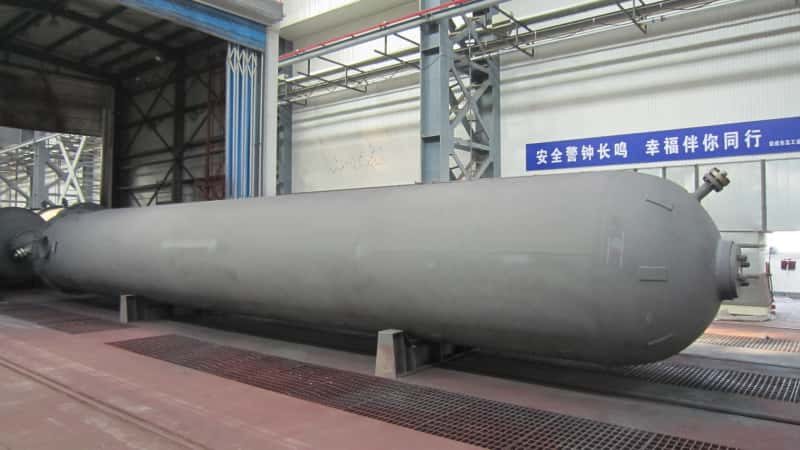

Gas-liquid separators are important pressure equipment in chemical plants, gas processing units, petrochemical facilities, compressor systems and environmental treatment projects. For EPC buyers and project engineers, the key question is not only “What separator size do we need?” A reliable selection must consider gas flow, liquid loading, pressure, temperature, fluid properties, materials, corrosion risk, inspection requirements and complete vessel delivery.
This guide explains how to select a gas-liquid separator vessel for industrial projects. It focuses on complete fabricated separator equipment, not demisters, internal elements or small accessories as standalone purchases.
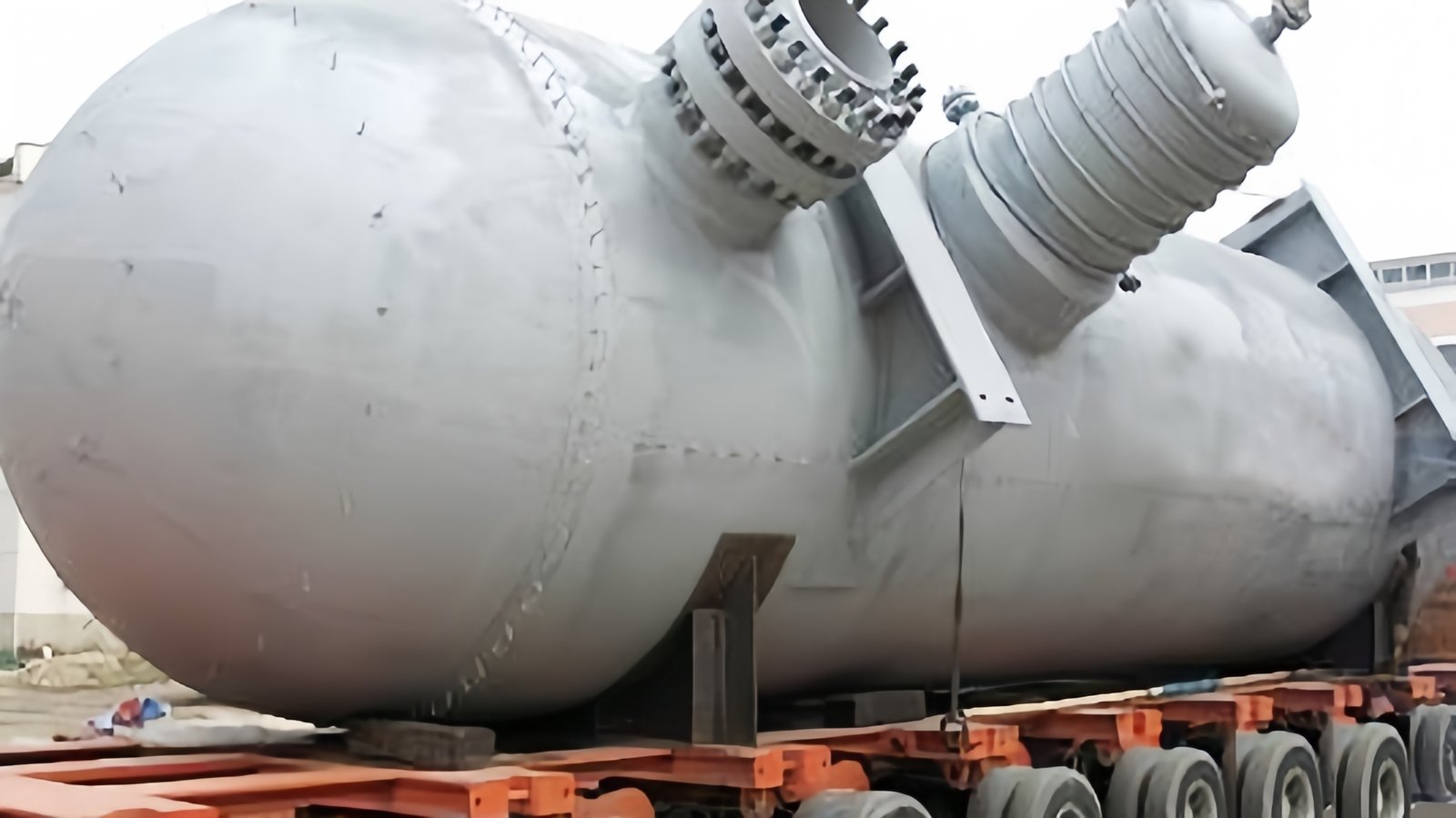
Gas-liquid separator selection should start with gas flow, liquid loading, pressure, temperature and fluid properties.True
Separator orientation, vessel size, material selection, drainage, inspection scope and downstream protection depend on complete process data rather than vessel diameter alone.
A demister or internal element alone is the same as a complete gas-liquid separator vessel.False
For EPC procurement, the complete vessel scope includes shell, heads, nozzles, supports, inspection openings, pressure testing, coating and documentation, with any internals handled as part of the vessel package.
What Is a Gas-Liquid Separator?
A gas-liquid separator is a pressure vessel used to separate liquid droplets, condensate or entrained liquid from a gas stream. It helps protect downstream compressors, heat exchangers, reactors, purification systems, pipelines and process equipment from liquid carryover.
In chemical and gas processing projects, separators may be used for:
- Natural gas treatment
- Compressor inlet protection
- Process gas conditioning
- Condensate removal
- Flash gas separation
- Hydrogen, syngas or industrial gas handling
- Refinery and petrochemical process units
- Environmental gas treatment systems
Because separators often operate under pressure, buyers should review them as custom pressure vessels rather than simple tanks or commodity items.
Main Applications in Chemical and Gas Processing
Natural Gas and Industrial Gas Treatment
Gas processing plants often use separators to remove condensate, water or hydrocarbon liquids from gas streams. In these projects, separator design affects downstream dehydration, compression, purification and pipeline operation.
For oil and gas applications, buyers may review pressure vessels for oil and gas together with gas-liquid separators, scrubbers, knock-out drums and storage equipment.
Chemical Process Units
Chemical plants may use gas-liquid separators after reactors, condensers, evaporators or absorption systems. The separator must match actual process media, pressure, temperature and corrosion conditions.
Compressor Inlet Protection
A compressor inlet separator helps reduce liquid carryover into compression equipment. Improper separator selection may increase maintenance risk or affect operating reliability.
Environmental and Gas Cleaning Systems
Scrubber systems, vent treatment units and acid gas treatment packages may require separators before or after gas-liquid contact. In these cases, separator vessels are often procured together with scrubber towers and other process vessels.

Vertical vs Horizontal Gas-Liquid Separators
| Configuration | Typical fit | Buyer review points |
|---|---|---|
| Vertical separator | Limited plot space, moderate liquid volume, compact gas-liquid separation duties | Liquid holdup, vessel height, maintenance access, drainage and platform clearance |
| Horizontal separator | Higher liquid volume, longer residence time, larger gas flow or condensate handling | Footprint, saddle supports, transport length, liquid inventory and site access |
| Final selection | Project-specific process and layout decision | Gas flow, liquid loading, residence time, available space, supports, transport limits and EPC specification |
There is no universal answer. The right configuration depends on gas flow rate, liquid loading, residence time, available space, maintenance access, support design, transport limitations and project specifications. EPC buyers should provide process data and layout constraints before requesting a final recommendation.
Key Selection Factors for EPC Buyers
Gas Flow Rate
Gas flow rate is one of the most important sizing inputs. Buyers should provide normal, minimum and maximum flow rates. If the process has startup, shutdown or upset conditions, those should also be identified.
Liquid Loading
Separator performance depends strongly on how much liquid enters the vessel. Buyers should provide expected liquid flow, condensate rate, droplet behavior and whether the liquid is water, hydrocarbon, solvent, chemical solution or mixed phase.
Operating Pressure and Design Pressure
Gas-liquid separators are usually pressure vessels. Buyers should define operating pressure, design pressure, possible vacuum condition and pressure fluctuation range. The final design should follow applicable project code and regulatory requirements.
ASME BPVC Section VIII is commonly referenced for pressure vessel design, fabrication, inspection and testing, but the applicable standard must be confirmed by the project specification and local requirements. Buyers may also review the ASME Boiler and Pressure Vessel Certification page when evaluating code-related supplier capability.
Operating Temperature and Design Temperature
Temperature affects material selection, corrosion risk, gas density, liquid behavior and mechanical design. Buyers should provide normal and maximum operating temperatures as well as design temperature.
Fluid Properties
Important fluid data includes gas density, liquid density, viscosity, surface tension, molecular weight, vapor pressure, corrosive components, solids content and foaming tendency. Without this information, separator selection may be unreliable.
Material and Corrosion Allowance
Material selection should be based on gas composition, liquid chemistry, temperature, pressure, corrosion behavior and project standards. Carbon steel, stainless steel, low-alloy steel or other project-specified materials may be considered depending on service.
For sour gas, acidic gas, chloride-containing streams, solvents or corrosive chemical media, corrosion allowance and material compatibility should be reviewed carefully.
Inspection and Testing Requirements
Depending on code and project specification, inspection may include visual inspection, radiographic testing, ultrasonic testing, magnetic particle testing, penetrant testing, hydrostatic testing, pneumatic testing or leak testing. Inspection scope should be agreed before fabrication begins.
Manufacturing Considerations
Complete Vessel Fabrication
A separator should be procured as a complete vessel scope, including shell, heads, supports, nozzles, inspection openings, lifting points, coating, testing and documentation. Interface details are important, but they should be handled within the complete equipment package.
Welding Quality
Welding quality is critical for separator pressure integrity. EPC buyers should confirm welding procedure requirements, welder qualification, fit-up control, weld traceability and NDT requirements according to the project specification.
Surface Treatment and Coating
External coating and internal protection should be selected according to installation environment and process medium. Outdoor, coastal, chemical and corrosive services may require specific coating systems or lining requirements.
Delivery and Installation
Large separator vessels may have transport limits. Buyers should confirm diameter, length, lifting weight, saddle design, shipping method, port delivery and site access before fabrication is finalized.

RFQ Checklist for Gas-Liquid Separator Vessels
| RFQ item | Why it matters |
|---|---|
| Process flow diagram and equipment datasheet | Defines separator duty, interfaces and project boundary |
| Gas flow rate and liquid loading | Supports vessel sizing, residence review and downstream protection |
| Gas and liquid composition | Guides material selection, corrosion review and fouling assessment |
| Pressure and temperature conditions | Defines pressure boundary, design code basis and inspection scope |
| Separation purpose | Clarifies compressor protection, condensate removal, flash separation or process gas conditioning |
| Orientation and layout limits | Prevents conflicts with plot space, supports, maintenance access and transport route |
| NDT, testing and documentation | Supports EPC quality review, third-party inspection and project handover |
| Delivery terms and site location | Helps plan packing, lifting, port delivery and installation constraints |
If some data is preliminary, mark it clearly. Final sizing and design should be reviewed by the project engineering team.
Common Procurement Mistakes
Treating the Separator as a Small Component
A gas-liquid separator is complete pressure equipment. Buying decisions should focus on the full vessel, manufacturing quality, inspection plan and project delivery, not only on a single internal item.
Sending Incomplete Process Data
Without gas flow, liquid loading, pressure, temperature and fluid properties, a supplier cannot accurately review separator feasibility.
Ignoring Corrosion Risk
Gas and liquid streams may contain water, acid gas, solvents, chlorides or sulfur compounds. Material and corrosion allowance should be reviewed before quotation finalization.
Forgetting Site and Transport Limits
Separator orientation, size and support design must fit the plant layout and delivery route. Late changes can increase cost and delay installation.
FAQ
What information is needed to size a gas-liquid separator?
Buyers should provide gas flow rate, liquid loading, pressure, temperature, gas and liquid properties, separation purpose, material requirements and installation limits.
Should I choose a vertical or horizontal separator?
It depends on gas flow, liquid volume, residence time, available space, maintenance access and project specifications. There is no single configuration suitable for all services.
Is a gas-liquid separator a pressure vessel?
In many chemical and gas processing applications, yes. It should be reviewed according to applicable pressure vessel codes, project specifications and regulatory requirements.
Can I buy only the demister or internal separation element?
This article is focused on complete separator vessel procurement. Internal details should be reviewed as part of the full vessel scope, not as standalone equipment purchasing.
What industries use gas-liquid separators?
They are used in natural gas processing, petrochemical plants, chemical production, hydrogen and syngas systems, compressor stations and environmental gas treatment projects.
Conclusion
Selecting a gas-liquid separator for chemical and gas processing projects requires more than choosing a vessel size. EPC buyers should confirm gas flow, liquid loading, pressure, temperature, fluid properties, material, corrosion allowance, inspection scope, manufacturing quality and delivery constraints.
If you are sourcing gas-liquid separator vessels for a chemical, petrochemical, natural gas, hydrogen, syngas or environmental project, you can share drawings, datasheets, process conditions and delivery requirements with our engineering team. WSHI can support manufacturing feasibility review for complete separator vessels and related custom pressure equipment.