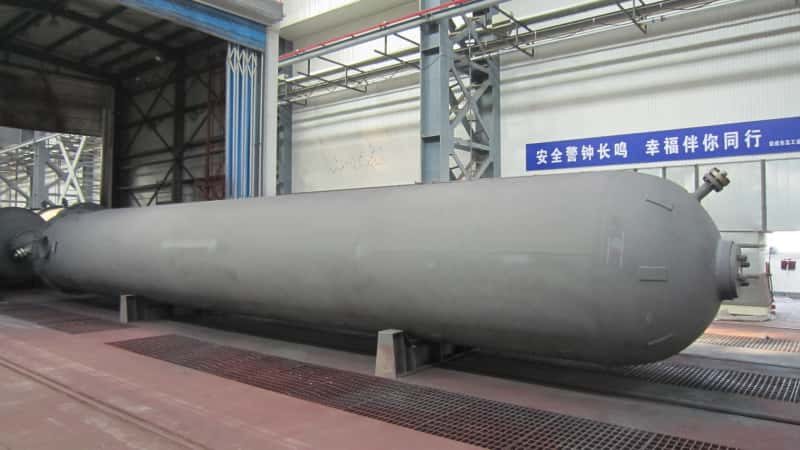

Industrial wastewater evaporator systems are often used when chemical, petrochemical, pharmaceutical, coal chemical, metal processing or environmental projects need liquid volume reduction, concentration, pretreatment or controlled wastewater handling. For EPC buyers, the biggest risk is ordering an evaporator based only on flow rate. Feed composition, scaling tendency, corrosion, condensate quality, concentrate handling, large storage tanks and delivery boundaries can all affect whether the system is suitable for the project.
This guide provides a practical checklist for EPC contractors and industrial procurement teams before ordering wastewater evaporator systems. It focuses on complete equipment packages, including evaporators, condensers, heat exchangers, process vessels and large tanks above 1,000 liters.
Industrial wastewater evaporator selection should begin with feed composition, not only flow rate.True
Scaling, corrosion, volatility, condensate quality, concentrate behavior and material selection all depend on wastewater analysis and project operating conditions.
Condensate from wastewater evaporation can always be reused or discharged directly.False
Condensate quality depends on volatile components, carryover, condenser design and downstream treatment requirements, so it should be verified by process design and local regulations.
What Is an Industrial Wastewater Evaporator System?
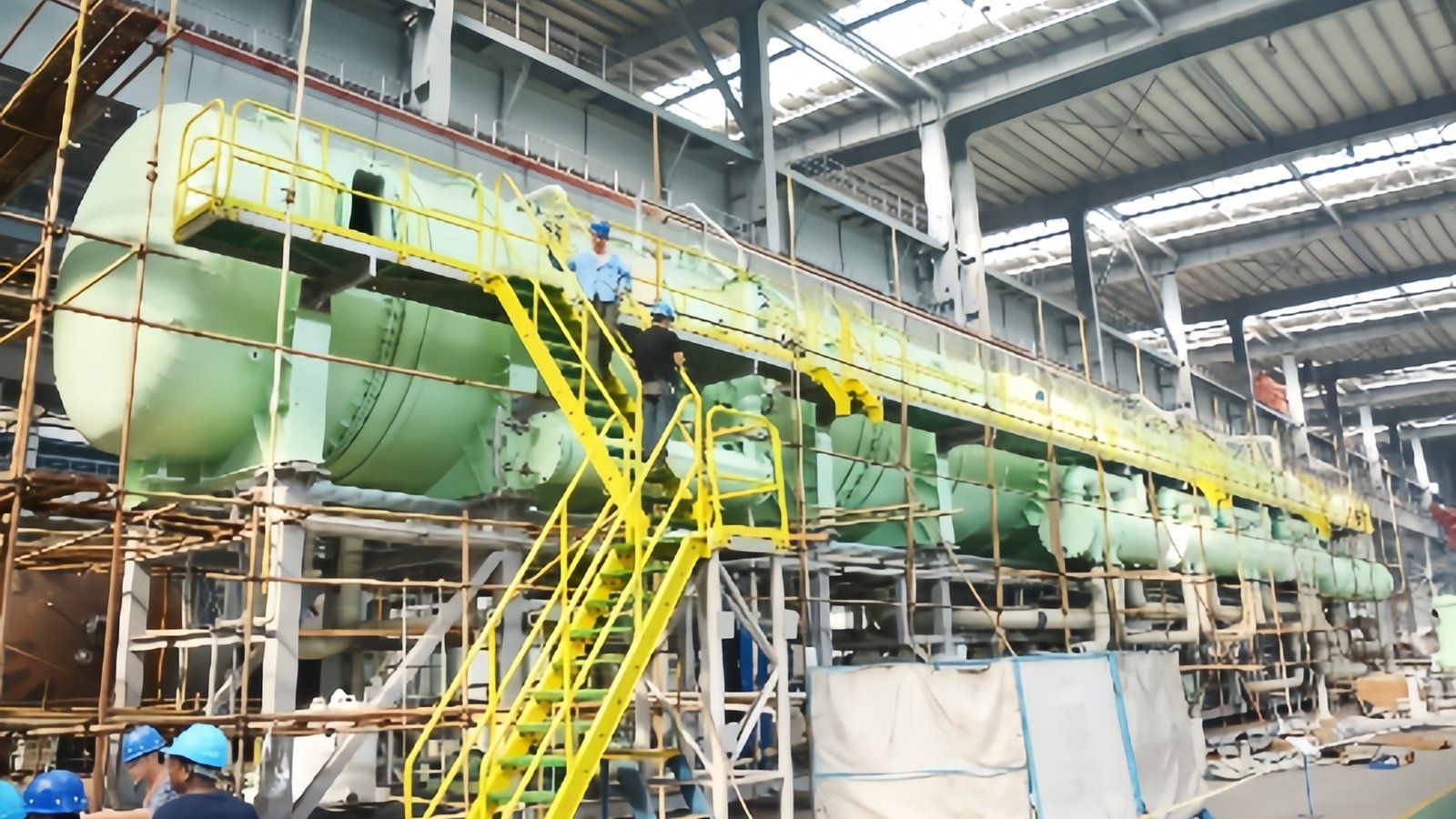
An industrial wastewater evaporator system uses heat transfer to vaporize water or volatile components from wastewater, leaving a concentrated liquid, slurry, brine or residue. The vapor may be condensed and sent for further treatment, reuse assessment or controlled discharge, depending on the project design.
A complete system may include:
- Evaporator body
- Heating section or heat exchanger
- Vapor-liquid separator
- Condenser
- Preheater
- Feed holding tank above 1,000 liters
- Concentrate tank above 1,000 liters
- Condensate tank above 1,000 liters
- Process vessels
- Platforms, supports and delivery interfaces
For EPC procurement, these items should be reviewed as a complete system. Small nozzles, fittings, instruments or internal details should be handled within the full equipment scope, not as standalone purchasing targets.
Buyers can review custom pressure vessels and industrial heat exchangers when planning the fabrication scope for wastewater evaporation projects.
Where Industrial Wastewater Evaporators Are Used
Chemical and Petrochemical Wastewater
Chemical plants may generate wastewater containing salts, solvents, organics, acids, alkalis or mixed contaminants. Evaporator systems can support volume reduction and concentration before further treatment or disposal.
Coal Chemical and High-Salt Wastewater
Coal chemical wastewater may include high dissolved solids, ammonia-related compounds, phenolic compounds, salts or other difficult streams. Evaporation may be considered as part of a broader pretreatment, concentration or zero-liquid-discharge-related process.
Pharmaceutical and Fine Chemical Wastewater
Batch processes can create variable wastewater composition. Feed equalization, corrosion review and cleaning strategy are especially important.
Industrial Brine and Concentrated Waste Streams
High-salt brine, mother liquor, scrubber blowdown and regeneration wastewater may require special review because scaling and fouling risks can be high.
EPC Checklist Before Ordering
| Checklist item | What to confirm | Why it matters |
|---|---|---|
| Wastewater composition | COD, TDS, TSS, pH, chlorides, solvents, hardness, silica and suspended solids | Controls evaporator type, materials, scaling risk and condensate handling |
| Flow and schedule | Daily flow, peak flow, batch size, operating hours and turndown | Defines capacity, equalization and operating flexibility |
| Scaling and fouling | Salt behavior, crystallization, organic deposits and cleaning method | Prevents heat-transfer loss and maintenance problems |
| Materials and corrosion | Chlorides, acids, alkalis, solvents, temperature and concentration | Prevents underspecified vessels, tanks and heat-transfer surfaces |
| Condensate handling | Expected quality, volatile carryover, condenser duty and further treatment | Avoids unsupported reuse or discharge assumptions |
| Concentrate handling | Final volume, solids, viscosity, storage time and disposal route | Defines tank, transfer and downstream handling requirements |
| Utilities | Steam, thermal oil, electricity, cooling water and control requirements | Influences MVR, multi-effect, forced circulation or other system choices |
| Inspection and delivery | NDT, testing, coating, documents, lifting and transport limits | Reduces fabrication, site and handover risk |
1. Confirm the Wastewater Composition
Wastewater composition is the first selection factor. Buyers should provide actual analysis where available, including COD, TDS, TSS, pH, chloride concentration, sulfate, ammonia nitrogen, oil content, solvent content, volatile components, hardness, silica and suspended solids.
If wastewater composition changes by batch, production line or season, the RFQ should include normal, maximum and abnormal values. A single average number may not be enough.
2. Define Flow Rate and Operating Schedule
Buyers should confirm daily flow, hourly flow, peak flow, batch size, operating hours and expected turndown. An evaporator for continuous operation may differ from one used for intermittent batch wastewater.
Feed equalization tanks above 1,000 liters may be required when wastewater arrives in uneven batches. These tanks should be specified by capacity, medium, temperature, corrosion protection and delivery boundary.
3. Review Scaling and Fouling Risk
Scaling and fouling are common reasons for poor evaporator performance. High hardness, salts, silica, suspended solids or organic deposits may reduce heat transfer and increase cleaning frequency.
Before ordering, EPC buyers should ask:
- Is the feed likely to scale?
- Is crystallization expected?
- Is pretreatment required?
- What cleaning method is planned?
- Is there enough access for maintenance?
- Is the selected evaporator type suitable for the fouling risk?
A forced circulation evaporator, MVR system, multi-effect evaporator or other configuration may be considered depending on the wastewater. Final selection should follow process testing and engineering review.
4. Confirm Material Selection and Corrosion Protection
Industrial wastewater may contain chlorides, acids, alkalis, solvents or mixed corrosive components. Material selection should consider corrosion behavior, temperature, concentration, weldability and project standards.
Depending on service, materials may include carbon steel, stainless steel, duplex stainless steel or other project-specified materials. Large tanks may also require internal lining or coating. The manufacturer can review fabrication feasibility, but final material selection should be confirmed by the project engineering team.
5. Define Condenser and Condensate Handling Requirements
Condensate from wastewater evaporation should not be assumed clean. Volatile organics, ammonia or other components may carry over depending on wastewater composition and system design.
EPC buyers should confirm expected condensate quality, further treatment requirements, condenser duty, cooling medium, non-condensable gas handling, condensate tank capacity, monitoring and sampling requirements.
A shell and tube heat exchanger may be considered for certain condenser or heat transfer duties, depending on the process design.
6. Plan Concentrate and Residue Handling
The concentrated stream may be high-salt, viscous, corrosive, hazardous or difficult to pump. Buyers should confirm final concentrate volume, solids content, temperature, storage time, transfer method and downstream disposal route.
Large concentrate tanks above 1,000 liters may be needed. These industrial storage tanks should be reviewed for corrosion protection, venting, coating, inspection and delivery requirements.
7. Confirm Energy and Utility Conditions
Evaporator system selection depends strongly on available utilities. Buyers should define steam pressure, thermal oil temperature, electricity supply, cooling water, chilled water, compressed air and plant control requirements.
MVR systems may be attractive where electricity is available and feed conditions are suitable. Multi-effect systems may be considered where steam economy is important. The correct choice depends on wastewater properties, operating schedule and project economics.
8. Check Inspection, Testing and Documentation
Evaporators, condensers, tanks and pressure-related vessels may require inspection and testing according to applicable codes and project specifications. Buyers should confirm NDT requirements, pressure or leak testing, dimensional inspection, coating records, material certificates and final documentation.
For pressure-containing equipment, ASME BPVC Section VIII or other applicable standards may be referenced depending on the project. Final code selection should follow project and regulatory requirements.
RFQ Information EPC Buyers Should Prepare
- Wastewater analysis report
- Process flow diagram
- Equipment layout drawing
- Daily and peak wastewater flow
- Operating schedule
- Feed temperature
- COD, TDS, TSS, pH and chloride data
- Scaling and fouling information
- Volatile component information
- Required concentration target
- Condensate handling requirements
- Concentrate handling requirements
- Available utilities
- Material requirements
- Tank capacity requirements above 1,000 liters
- Inspection and testing requirements
- Delivery terms and site installation limits
If some data is unknown, it should be marked as preliminary. For complex wastewater, pilot testing or process validation may be needed before final equipment selection.
Common Ordering Mistakes
Ordering Based Only on Flow Rate
Flow rate alone does not determine evaporator suitability. Feed chemistry, scaling, volatility, corrosion and concentrate behavior are equally important.
Ignoring Condensate Quality
Condensate may require further treatment. Buyers should not assume it can be reused or discharged without analysis and regulatory review.
Forgetting Large Tank Boundaries
Feed, condensate and concentrate tanks should be defined early. Missing tank scope can create installation delays and unclear delivery responsibilities.
Overlooking Cleaning and Maintenance
Industrial wastewater evaporators must be maintainable. Cleaning access, fouling control and shutdown procedures should be considered during selection.
Further Reading
FAQ
What data is needed before selecting an industrial wastewater evaporator system?
Buyers should provide wastewater composition, flow rate, pH, TDS, COD, suspended solids, scaling tendency, volatile components, temperature, operating schedule and concentration target.
Can an evaporator system guarantee wastewater discharge compliance?
No. Evaporator equipment can support concentration or volume reduction, but discharge compliance depends on complete treatment design, operation, monitoring and local regulations.
Why are large tanks needed in evaporator systems?
Large feed, condensate and concentrate tanks above 1,000 liters may be needed for equalization, storage, controlled transfer and downstream handling.
What causes scaling in wastewater evaporators?
Scaling can be caused by salts, hardness, silica, suspended solids or crystallization during concentration. Actual risk depends on wastewater analysis and operating conditions.
Which evaporator type is best for industrial wastewater?
There is no universal best type. MVR, multi-effect, forced circulation, vacuum or other evaporator designs may be considered depending on feed properties, utilities and project requirements.
Conclusion
Before ordering industrial wastewater evaporator systems, EPC buyers should check feed composition, scaling risk, material compatibility, condenser design, condensate handling, concentrate storage, utility conditions, inspection requirements and delivery boundaries. A complete equipment review helps reduce procurement risk and improves coordination between process design, fabrication and site installation.
If you are preparing procurement for an industrial wastewater evaporation, chemical wastewater concentration or waste reduction project, you can share wastewater analysis, drawings, flow rate, operating conditions and delivery requirements with our engineering team. WSHI can support manufacturing feasibility review for evaporators, condensers, heat exchangers, large storage tanks and related custom process equipment.