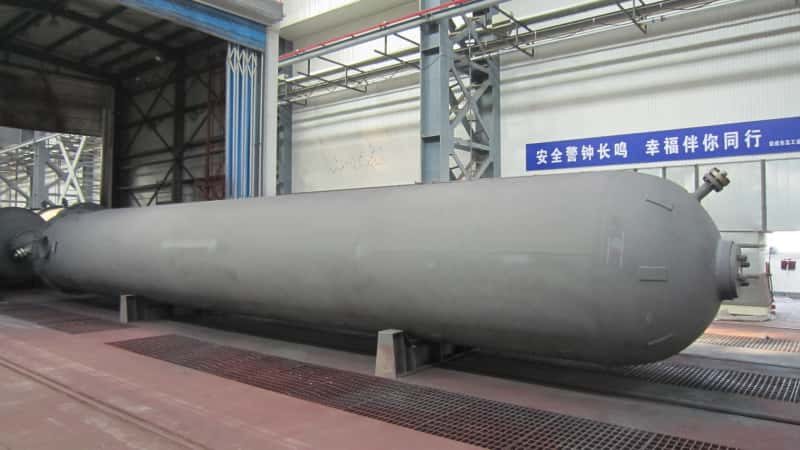

Pharmaceutical and fine chemical manufacturing can generate complex wastewater streams that are difficult to handle with conventional treatment alone. Solvents, salts, active pharmaceutical residues, high-COD streams, cleaning wastewater, mother liquor and mixed process waste may require pretreatment, concentration or volume reduction before further treatment or disposal. For EPC contractors and environmental engineering companies, pharmaceutical wastewater evaporator systems should usually be evaluated as complete equipment packages, not as a single evaporator purchase.
This guide explains what buyers should review when sourcing evaporators, condensers, heat exchangers, large holding tanks and related process vessels for pharmaceutical and fine chemical wastewater projects. It does not promise discharge compliance or fixed removal performance. Final treatment results depend on wastewater composition, process design, operation and applicable regulations.
A pharmaceutical wastewater evaporator should be selected only after wastewater composition, scaling risk, condensate handling and concentrate disposal are reviewed.True
Evaporator performance and equipment materials depend on wastewater analysis, volatile content, solids, salts, corrosion risk, operating schedule and downstream treatment requirements.
An evaporator system alone can guarantee pharmaceutical wastewater discharge compliance.False
Compliance depends on the complete treatment train, operating control, monitoring, local permit limits and wastewater characteristics, not on the evaporator name alone.
Why Pharmaceutical Wastewater Needs Careful Equipment Selection
Pharmaceutical wastewater is not a single standard stream. It can vary by product, batch process, cleaning method, solvent use, salt content, pH, organic load and production schedule. A wastewater stream from API production may behave very differently from cleaning wastewater, laboratory wastewater or fine chemical mother liquor.
The U.S. EPA maintains pharmaceutical manufacturing effluent guideline documents and broader industrial effluent guideline resources, which show that pharmaceutical wastewater is treated as an industry-specific environmental category. For equipment buyers, this means evaporator selection should begin with wastewater characterization, not with a generic capacity request.
Pharmaceutical wastewater evaporator systems are usually selected to reduce liquid volume, concentrate difficult streams, recover condensate where technically appropriate or support downstream treatment. In many projects, they are used as part of a pretreatment or waste reduction strategy rather than a standalone compliance solution.
Buyers evaluating custom pressure vessels and industrial heat exchangers for environmental projects should also review the complete evaporation system boundary.
What Is a Pharmaceutical Wastewater Evaporator System?
A pharmaceutical wastewater evaporator system uses heat transfer to vaporize water or volatile components from wastewater, leaving a more concentrated liquid, slurry or residue. Depending on the process, the vapor may be condensed, treated, reused or sent to downstream handling.
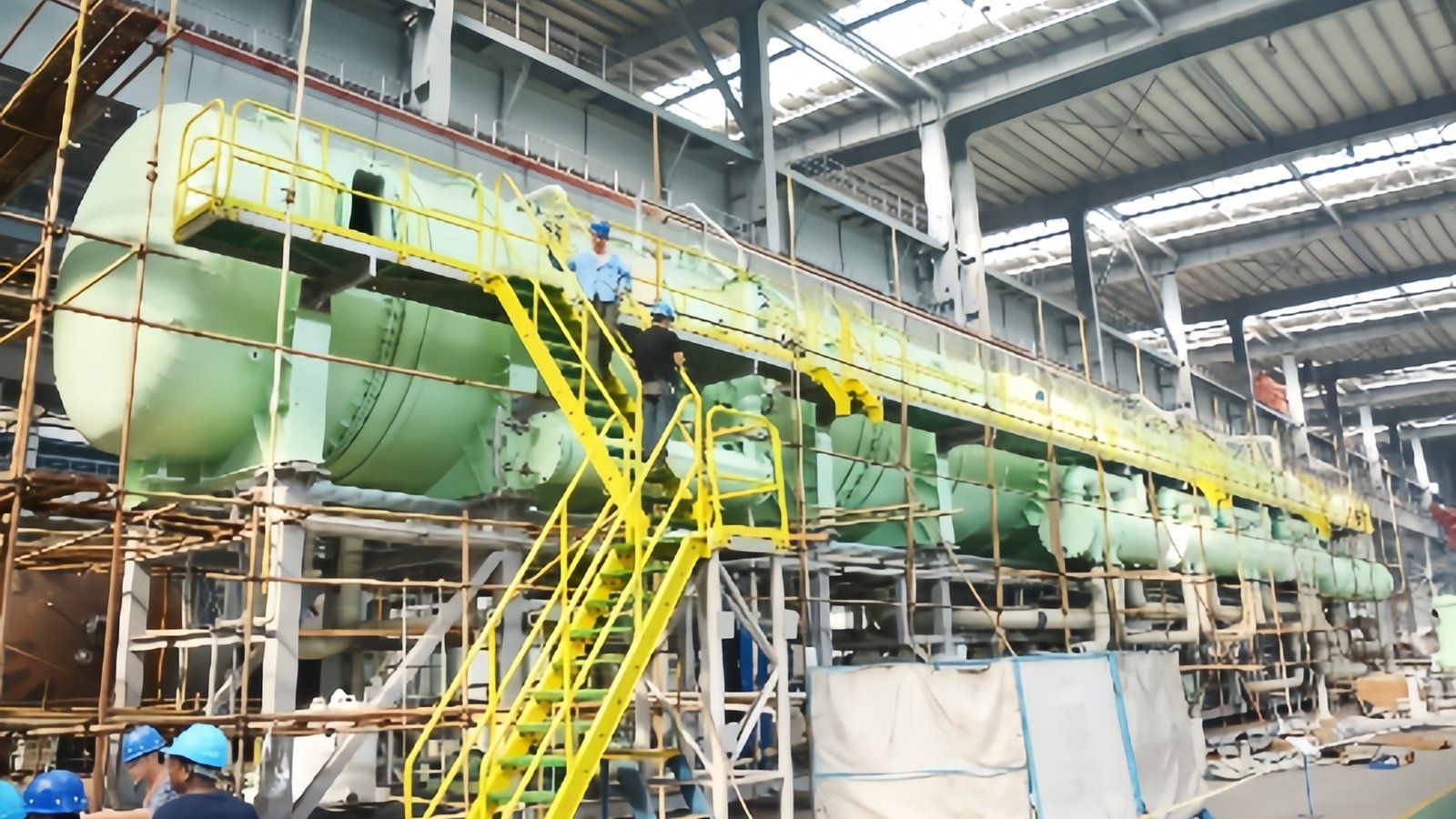
A complete system may include:
- Evaporator body
- Heating section or heat exchanger
- Vapor-liquid separator
- Condenser
- Preheater
- Feed tank above 1,000 liters
- Concentrate holding tank above 1,000 liters
- Condensate tank above 1,000 liters
- Process piping and control interfaces
- Vacuum or compression-related equipment where specified by the process
- Structural supports and platforms as part of the complete package
For industrial procurement, these items should be reviewed as a coordinated equipment package. Small fittings, individual nozzles or minor parts should be handled within the complete system scope, not as separate standalone purchases.
Main Applications in Pharmaceutical and Fine Chemical Plants
API and Intermediate Manufacturing Wastewater
API and intermediate production may generate wastewater with solvents, salts, high COD, process residues or difficult-to-biodegrade compounds. Evaporation can reduce liquid volume and concentrate streams for further treatment or disposal, depending on the project plan.
Buyers should provide actual wastewater analysis, batch variability and expected operating schedule before selecting equipment.
Mother Liquor and High-Salt Streams
Mother liquor or crystallization-related waste streams may contain high dissolved solids or salts. These streams can cause scaling, fouling or crystallization inside equipment if not properly reviewed.
For these applications, material selection, heat transfer design, cleaning access and concentrate handling are especially important.
Cleaning Wastewater and Batch Plant Waste
Pharmaceutical and fine chemical plants often operate in batches. Cleaning wastewater may vary widely in concentration and composition. An evaporator system for this service should be designed with feed variability, surge storage and operating flexibility in mind.
Large industrial storage tanks may be required for feed equalization, condensate collection or concentrate holding. The focus should remain on tanks above 1,000 liters and project-based equipment delivery.
Environmental Engineering and Waste Reduction Projects
Environmental engineering companies may use evaporator systems to reduce wastewater volume before off-site disposal, pretreatment, incineration, crystallization or further treatment. In these projects, equipment must be integrated with upstream collection and downstream handling.
Common Evaporator System Types
| Evaporator type | Where it may fit | What EPC buyers should confirm |
|---|---|---|
| Single-effect evaporator | Simple concentration duties, smaller or less energy-sensitive projects | Steam use, operating cost, wastewater variability and downstream handling |
| Multi-effect evaporator | Continuous services where steam economy matters | Feed stability, condensate routing, heat integration and maintenance access |
| MVR evaporator system | Projects where vapor recompression can reduce external steam demand | Scaling risk, compressor suitability, power cost, vapor quality and operating pattern |
| Forced circulation evaporator | High-salt, scaling, crystallizing or higher-solids wastewater streams | Circulation rate, fouling control, cleaning method, pump selection and concentrate handling |
| Vacuum evaporation system | Heat-sensitive or difficult streams where lower boiling temperature helps | Vacuum stability, condenser duty, leakage control, vapor treatment and operating complexity |
The final evaporator type should be selected according to pilot data, wastewater analysis, energy availability and project engineering requirements.
Key Selection Factors for EPC Buyers
Wastewater Composition
Buyers should provide COD, TDS, salt content, pH, solvent content, suspended solids, chloride concentration, boiling point elevation, foaming tendency, scaling tendency and any hazardous characteristics. Without this information, it is difficult to select the correct evaporator type, material and cleaning strategy.
Flow Rate and Operating Schedule
Pharmaceutical plants often have batch production. The evaporator system should be reviewed for daily flow, peak flow, batch size, operating hours, feed variation and required turndown. Feed equalization tanks may be needed to stabilize operation.
Concentration Target
The target may be liquid volume reduction, concentration of salts, preparation for crystallization, reduced off-site disposal volume or pretreatment before another process. Buyers should state the expected concentrate condition, but final performance should be confirmed by process testing and project design.
Scaling, Fouling and Cleaning
Scaling and fouling are common concerns in wastewater evaporation. The RFQ should describe suspended solids, salts, organic content and cleaning requirements. Equipment layout should allow inspection, flushing and maintenance according to project needs.
Material and Corrosion Protection
Wastewater may contain chlorides, solvents, acids, alkalis or mixed contaminants. Material selection may include carbon steel, stainless steel, duplex stainless steel or other project-specified materials depending on service. Lining or coating may be considered for certain tanks or vessels.
Final material selection should be confirmed by the engineering team based on actual wastewater analysis and applicable standards.
Condensate Handling
Condensate quality depends on volatile content and system design. Buyers should not assume condensate is automatically reusable or dischargeable. Condensate may require further treatment, monitoring or controlled handling according to local regulations and project specifications.
Large Tank Integration
A complete system may require feed tanks, buffer tanks, condensate tanks and concentrate tanks above 1,000 liters. These tanks should be specified by medium, temperature, corrosion protection, capacity, venting, inspection and delivery boundary.
Manufacturing and Quality Control Considerations
Drawing and Datasheet Review
The manufacturer should review evaporator drawings, tank datasheets, vessel specifications, heat exchanger requirements, support structures, nozzle orientation, lifting points, maintenance access and transportation limits before fabrication.
Heat Transfer Equipment Fabrication
Evaporator systems rely heavily on heat transfer equipment. Buyers should provide heat duty, steam or thermal fluid conditions, wastewater properties, fouling allowance and cleaning expectations when discussing exchangers or heating sections.
A shell and tube heat exchanger may be considered in some industrial heat transfer duties, but final selection must follow the process design.
Welding, NDT and Testing
Evaporator bodies, condensers, tanks and pressure-related vessels may require welding control, nondestructive examination and pressure or leak testing depending on design code and project specification. Inspection requirements should be confirmed before production.
Coating, Packing and Delivery
Wastewater systems may be installed in corrosive environments. Surface treatment, coating, lining, packing, shipping supports and export documentation should be reviewed before delivery.

RFQ Checklist for Pharmaceutical Wastewater Evaporator Systems
| RFQ item | Why it matters |
|---|---|
| Wastewater analysis report | Supports material selection, scaling review, condensate handling and process route selection |
| Daily flow, peak flow and batch schedule | Helps size evaporator capacity, feed equalization and operating flexibility |
| COD, TDS, pH, salts, solvents and suspended solids | Defines fouling, corrosion, vapor quality and safety concerns |
| Required concentration target | Clarifies whether the goal is volume reduction, pretreatment, crystallization feed or disposal reduction |
| Available utilities | Influences single-effect, multi-effect, MVR or other system configuration |
| Large tank requirements above 1,000 liters | Defines feed, buffer, condensate and concentrate storage scope |
| Inspection and documentation requirements | Supports EPC review, third-party inspection, export delivery and handover |
| Delivery and installation constraints | Prevents late issues with lifting, transport, nozzle protection and site access |
If the wastewater composition changes by campaign or product line, this variability should be clearly stated.
Common Procurement Mistakes
Requesting Only One Evaporator
A pharmaceutical wastewater project usually needs a complete system, including tanks, heating sections, condensers, separators, controls and downstream handling. A single equipment name is not enough for accurate procurement.
Ignoring Wastewater Variability
Batch production can cause major changes in composition and flow. Equipment selected for one average value may not handle peak or abnormal conditions.
Assuming Condensate Is Automatically Clean
Condensate quality must be confirmed by testing and process design. It may require additional treatment before reuse, discharge or disposal.
Overlooking Concentrate Handling
The concentrated stream may be corrosive, viscous, high-salt or difficult to pump. Holding tanks, transfer systems and downstream disposal should be reviewed early.
Related Equipment in Complete Wastewater Reduction Packages
Pharmaceutical wastewater evaporation projects may also require condensers, vapor-liquid separators, holding tanks, transfer vessels, heat exchangers and auxiliary process equipment. For project-based manufacturing, buyers can review a large-scale pressure vessel manufacturer together with related pressure vessels, heat-transfer equipment and large tanks.
Useful internal references include custom pressure vessels, industrial heat exchangers, industrial storage tanks and downloadable equipment information.
Further Reading
- EPA pharmaceutical manufacturing effluent guidelines documents
- EPA industrial effluent guidelines
- EPA industrial wastewater overview
FAQ
What is a pharmaceutical wastewater evaporator system used for?
It is used to reduce wastewater volume, concentrate difficult streams or support pretreatment before further handling. Final performance depends on wastewater composition and process design.
What data is needed before selecting an evaporator system?
Buyers should provide flow rate, COD, TDS, pH, salt content, solvent content, suspended solids, scaling tendency, temperature, concentration target and operating schedule.
Can an evaporator system guarantee wastewater discharge compliance?
No. Equipment can be fabricated according to process requirements, but discharge compliance depends on complete treatment design, operation, monitoring and local regulations.
Why are large tanks needed in wastewater evaporation projects?
Feed, condensate and concentrate tanks above 1,000 liters may be needed for equalization, storage, controlled transfer and downstream treatment or disposal.
Which evaporator type is best for pharmaceutical wastewater?
There is no universal answer. Single-effect, multi-effect, MVR, forced circulation or vacuum evaporators may be considered depending on wastewater properties, energy conditions, scaling risk and project requirements.
Conclusion
Pharmaceutical wastewater evaporator systems can support industrial waste reduction, pretreatment and volume concentration in pharmaceutical and fine chemical projects. EPC buyers should review wastewater composition, flow variability, evaporator type, material selection, fouling risk, condensate handling, large tank integration, inspection and delivery requirements before procurement.
If you are planning a pharmaceutical, fine chemical or industrial wastewater reduction project, you can share wastewater analysis, flow rate, process requirements, drawings and delivery conditions with our engineering team. WSHI can support manufacturing feasibility review for evaporators, condensers, heat exchangers, large storage tanks and related custom process equipment.