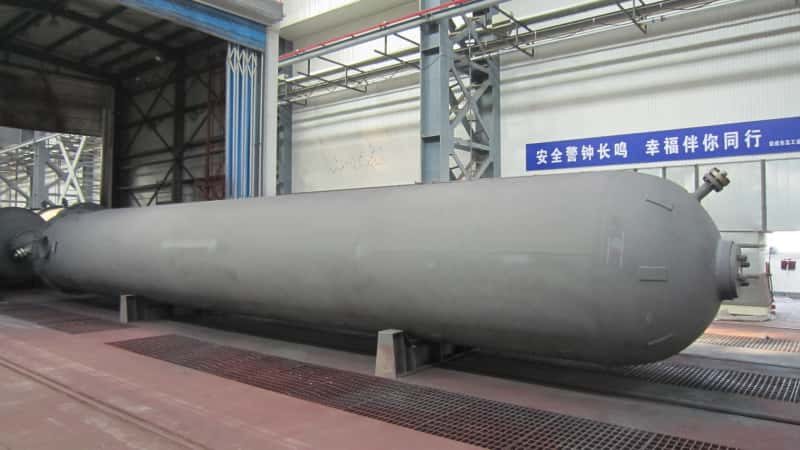

Requesting a pressure vessel quote is not the same as asking for a price for a standard metal tank. A pressure vessel is engineered around pressure, temperature, medium, material, corrosion allowance, welding requirements, inspection scope, documentation, and delivery conditions. If the request for quotation is incomplete, the manufacturer has to make assumptions, and those assumptions can lead to inaccurate pricing, delayed technical review, design changes, or unsafe equipment selection.
For EPC contractors, plant engineers, procurement teams, and industrial buyers, the best approach is to prepare a clear RFQ package before contacting a pressure vessel manufacturer. The package does not always need final fabrication drawings at the first stage, but it should clearly explain the vessel function, service conditions, code requirements, materials, nozzles, inspection needs, and delivery destination.

External references such as ASME BPVC, the Pressure Equipment Directive, and the U.S. EPA’s pressure vessel rupture hazard alert all reinforce the same practical point: pressure equipment should be treated as engineered safety-critical equipment, not generic fabrication.
A pressure vessel manufacturer can provide a reliable final quote using only volume and material.False
Volume and material are not enough. The quote also depends on design pressure, design temperature, medium, corrosion allowance, code, nozzle layout, inspection scope, documentation, coating, packing, and delivery conditions.
A complete RFQ package helps buyers compare pressure vessel suppliers more accurately.True
When all suppliers quote against the same design basis, materials, inspection scope, documentation, and delivery terms, the buyer can compare technical scope and total project value instead of only headline price.
Quick Answer: What Should Buyers Provide?
Before requesting a pressure vessel quotation, buyers should provide the vessel application, process medium, operating pressure, design pressure, operating temperature, design temperature, required capacity, material specification, corrosion allowance, vessel orientation, nozzle schedule, inspection requirements, design code, delivery destination, documentation requirements, and any available drawings.
| RFQ Data | What to Provide | Why It Matters |
|---|---|---|
| Vessel function | Storage vessel, separator, receiver, reactor, surge drum, filter housing, accumulator, or other duty | Defines the process purpose, internal requirements, and mechanical layout |
| Pressure and temperature | Operating and design pressure, operating and design temperature, vacuum condition, upset cases | Controls shell thickness, flange rating, material toughness, test pressure, and cost |
| Medium and process data | Fluid name, phase, composition, concentration, corrosiveness, toxicity, flammability, flow rate | Drives material selection, corrosion allowance, gasket choice, coating, and safety review |
| Materials | Carbon steel, stainless steel, duplex, alloy, clad plate, lining, polishing, coating system | Major influence on raw material cost, welding, testing, delivery time, and service life |
| Code and certification | ASME, PED, EN, GB, API, local regulation, owner specification, third-party inspection | Determines design calculations, inspection hold points, nameplate, and document package |
| Nozzle and layout | Nozzle size, rating, facing, orientation, manway, drain, vent, relief connection, supports | Prevents piping conflicts, field modification, and quotation scope gaps |
| Delivery conditions | Quantity, destination, Incoterms, packing, transport limits, target schedule | Affects logistics, export packing, lifting design, and project schedule risk |
Why Complete RFQ Information Matters
A pressure vessel quote is built from engineering assumptions. If those assumptions are incomplete or wrong, the price may look attractive but fail during detailed review. Two vessels with the same volume can have very different costs if one requires a higher design pressure, stainless steel construction, full radiography, post-weld heat treatment, third-party inspection, internal lining, or export packing.
Complete information helps the manufacturer estimate material weight, shell thickness, head type, welding scope, nozzle reinforcement, testing requirements, coating system, documentation workload, and shipment method. It also helps buyers compare suppliers fairly. A low quotation may only be low because it excludes inspection, drawings, data books, coating, accessories, or certification.
Minimum Technical Data for a Pressure Vessel Quote
The minimum technical data should include the vessel service, required capacity, operating pressure, design pressure, operating temperature, design temperature, medium, material preference, corrosion allowance, design code, and installation location. These items allow the manufacturer to begin a preliminary mechanical review.
Operating pressure is the normal pressure during service. Design pressure is the pressure used for mechanical design and should account for credible maximum operating conditions. The same distinction applies to operating temperature and design temperature. If the vessel may experience vacuum, external pressure, steam-out, thermal cycling, pressure cycling, or low-temperature service, that condition should be stated early.
Fluid and Process Information
The contained fluid is one of the most important inputs. Buyers should identify the medium by chemical name, concentration, phase, density, viscosity, vapor pressure, pH, water content, chloride content, sulfur content, toxicity, flammability, and corrosiveness where relevant. Cleaning chemicals, flushing media, batch changeover fluids, or temporary operating media should also be listed if they can contact the vessel.
For gas-liquid separation service, provide gas flow, liquid flow, slug volume, liquid loading, droplet removal target, foaming tendency, and required residence time. For hygienic service, provide internal finish, drainability, polishing, cleaning method, and connection requirements. For hazardous service, provide toxicity, flammability, relief requirements, and site safety constraints.
| Process Detail | Example of Useful Input | Risk If Missing |
|---|---|---|
| Medium | Wet natural gas with condensate and trace H2S | Wrong material, corrosion allowance, or sour service assumption |
| Corrosion condition | Chloride-containing water at 60 degrees C | Unsuitable stainless steel or lining may be selected |
| Phase behavior | Two-phase gas-liquid stream with intermittent slugs | Separator volume, internals, and drains may be undersized |
| Solids | Fine catalyst particles or abrasive slurry | Erosion, clean-out, and lining requirements may be overlooked |
| Cyclic service | Frequent batch operation or pressure cycling | Fatigue and weld detail review may be missed |
| Vacuum | Full vacuum during steam-out or cleaning | Vessel may not be designed for external pressure |
Mechanical Configuration and Vessel Layout
Buyers should provide the preferred vessel orientation, approximate diameter and length or height limits, head type, support type, nozzle arrangement, manway location, lifting requirements, insulation needs, and maintenance access. If the buyer does not know whether the vessel should be vertical or horizontal, the RFQ should describe site space, process function, access restrictions, and installation method so the manufacturer can advise.
Nozzle information should include size, pressure rating, facing, flange standard, service name, orientation angle, elevation, projection, quantity, and material. The nozzle schedule should cover process connections, drains, vents, manways, instrument ports, relief valve connections, sample points, clean-out nozzles, and spare connections if required.
Code, Certification, and Regulatory Requirements
A professional RFQ should clearly state the required code of construction and project standard. Common references may include ASME Section VIII, PED 2014/68/EU, EN standards, GB standards, API requirements, local pressure vessel regulations, and owner specifications. The selected basis affects material acceptance, calculation method, weld joint efficiency, nondestructive examination, pressure testing, authorized inspection, nameplate marking, and final documentation.
If the vessel needs ASME U-stamp, CE marking, National Board registration, notified body involvement, purchaser witness points, or third-party inspection, this should be included in the RFQ. Adding certification after quotation can change the price and schedule significantly.
Materials, Corrosion Allowance, and Surface Treatment
Material selection should not be reduced to “steel” or “stainless steel.” Buyers should specify the required material grade if known, such as carbon steel, 304L, 316L, duplex stainless steel, nickel alloy, clad plate, lined steel, or other project-specific materials. If the material is not final, the buyer should at least provide medium composition, design temperature, corrosion risk, design life, and site environment.
Corrosion allowance is also important. A vessel with 0 mm corrosion allowance and a vessel with 3 mm corrosion allowance may have different wall thickness, weight, welding volume, and price. Surface treatment requirements should include blasting grade, coating system, dry film thickness, color, internal lining, pickling, passivation, sanitary polishing, oxygen cleaning, or other cleanliness requirements.
Inspection, Testing, and Quality Documentation
Inspection scope should be agreed before fabrication begins. Depending on design code, material, wall thickness, joint type, service condition, and purchaser specification, inspection may include visual inspection, dimensional inspection, radiographic testing, ultrasonic testing, magnetic particle testing, liquid penetrant testing, positive material identification, hardness testing, impact testing, hydrostatic testing, pneumatic testing, leak testing, coating inspection, and lining holiday testing.
Documentation requirements may include design calculations, general arrangement drawings, fabrication drawings, welding procedure specifications, procedure qualification records, welder qualifications, material test reports, NDT reports, heat-treatment charts, pressure test reports, coating reports, inspection release notes, conformity certificates, packing records, and final data books.

Pressure Relief and Instrument Connections
Even if pressure relief valves and instruments are supplied by others, the RFQ should define the required connection points. Relief devices, pressure gauges, pressure transmitters, level instruments, temperature instruments, drains, vents, sample points, sight glasses, and control interfaces affect nozzle size, location, projection, accessibility, and fabrication scope.
For air receivers and other regulated pressure equipment, local requirements may define pressure gauges, safety valve arrangement, and inspection expectations. The manufacturer should receive the approved connection requirements from the engineering team rather than guessing after the vessel is built.
Site, Installation, and Shipping Information
A pressure vessel can meet the technical design and still cause project problems if it cannot be transported, lifted, installed, inspected, or maintained. Buyers should provide site location, indoor or outdoor installation, ambient temperature, wind and seismic requirements if applicable, hazardous area classification, available crane capacity, transport route limits, building access, foundation information, maintenance clearance, and storage conditions before installation.
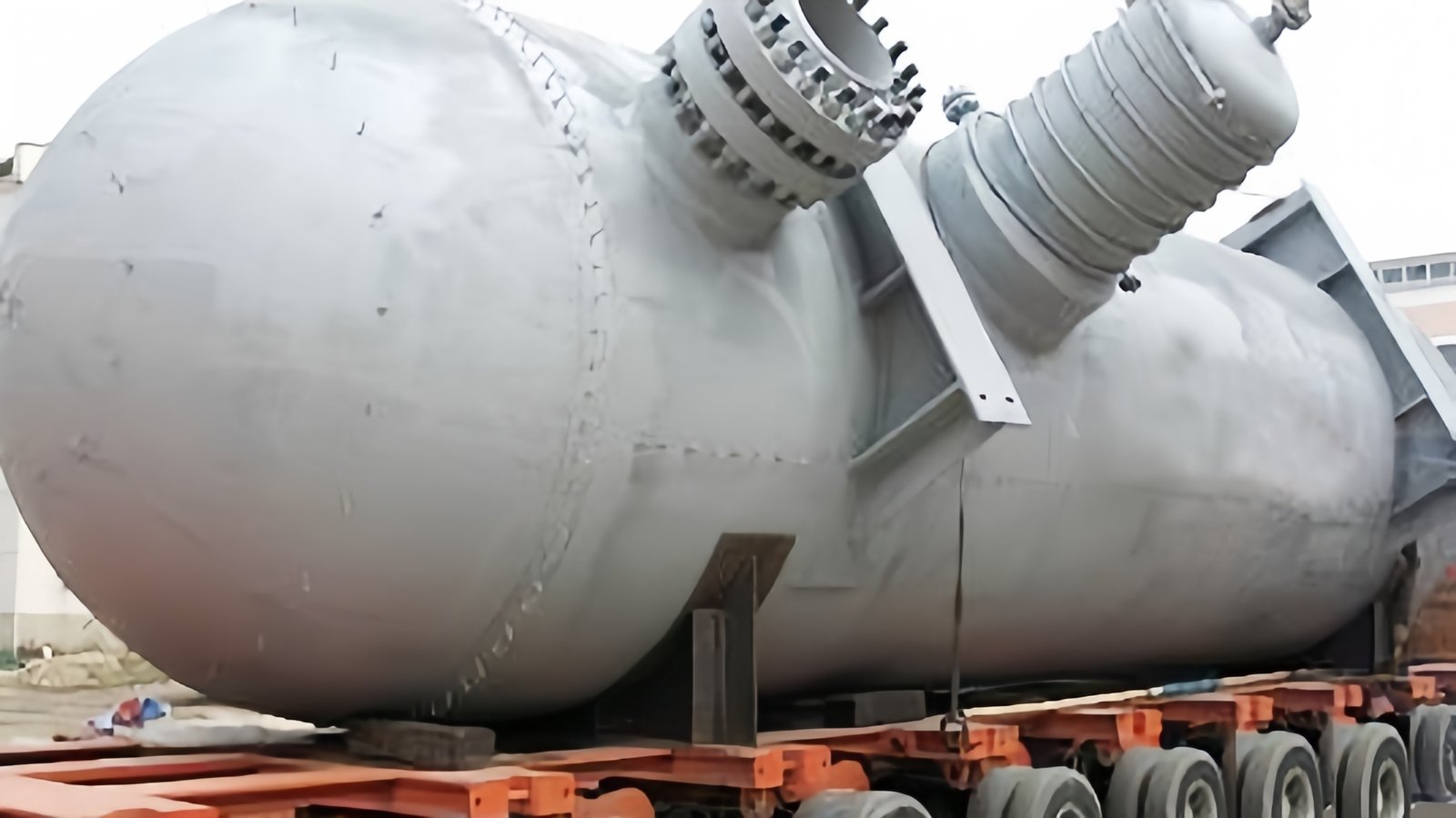
For export projects, buyers should also define packing, preservation, flange protection, shipping saddles, lifting lugs, sea shipment requirements, port delivery, and final unloading conditions. Large industrial storage tanks, separators, and custom vessels often need logistics review before fabrication dimensions are finalized.
Commercial Information Buyers Should Include
A complete pressure vessel RFQ should include quantity, target delivery date, delivery address or port, Incoterms, preferred currency, payment terms, warranty expectation, spare parts requirements, quotation validity, language of documentation, and whether installation or commissioning support is needed. Buyers should also state whether the request is for budgetary pricing, firm quotation, or a fully engineered proposal.
Accessories should be clearly included or excluded. These may include safety valves, gauges, level instruments, temperature instruments, valves, platforms, ladders, insulation, control panels, spare gaskets, anchor bolts, and loose shipped items.
Common Buyer Mistakes Before Requesting a Quote
One common mistake is sending only volume and material. This may be enough for a rough discussion, but it is not enough for a reliable quote. Another mistake is comparing suppliers without checking scope. One quotation may include full NDT, coating, third-party inspection support, drawings, and export packing, while another may include only the bare vessel shell.
Buyers also sometimes ignore site constraints. Existing pipe racks, building access, road limits, lifting windows, foundation conditions, and maintenance clearance can affect nozzle layout, support design, vessel orientation, and delivery method. For brownfield projects, replacement dimensions and interface requirements should be shared as early as possible.
Practical RFQ Checklist
| Checklist Item | Recommended Buyer Action |
|---|---|
| Application and service | Explain what the vessel does and where it fits in the process. |
| Process data | Provide pressure, temperature, medium, flow, phase, and operating cases. |
| Mechanical data | Provide capacity, dimensions, orientation, supports, nozzles, manways, and internals. |
| Code and certification | State ASME, PED, GB, EN, API, owner specification, or local regulatory basis. |
| Materials and corrosion | Define material grade, corrosion allowance, lining, coating, and design life. |
| Inspection and testing | Define NDT, pressure test, witness points, third-party inspection, and data book needs. |
| Delivery and logistics | Provide destination, schedule, transport limits, packing, and unloading conditions. |
Related Equipment Buyers May Need
Pressure vessel RFQs often connect with a broader equipment package. Depending on the project, buyers may also need custom pressure vessels, separators, industrial heat exchangers, reactors, columns, or storage tanks. For refinery and gas processing projects, pressure vessels for oil and gas may be reviewed together with separators, knockout drums, and process vessels. For chemical units, petrochemical pressure vessels may be part of the same procurement scope.
FAQ
What information should buyers provide before requesting a pressure vessel quote?
Buyers should provide the vessel function, process medium, operating and design pressure, operating and design temperature, capacity, material specification, corrosion allowance, orientation, nozzle schedule, code requirement, inspection scope, documentation needs, delivery destination, and available drawings.
Why are operating pressure and design pressure important?
Operating pressure describes normal service, while design pressure is used for mechanical design. These values affect shell thickness, material selection, flange rating, welding requirements, pressure testing, relief connections, inspection scope, and final price.
How do material, medium, and corrosion data affect pricing?
They determine the vessel material, corrosion allowance, coating or lining, welding method, inspection scope, wall thickness, and expected service life. A vessel for clean compressed air is very different from a vessel for corrosive chemicals, sour gas, seawater, or hygienic service.
Does a buyer need drawings before requesting a quotation?
Complete drawings are not always required for an initial budget quote, but they make the quotation more accurate. Useful drawings include general arrangement drawings, nozzle layouts, foundation drawings, P&IDs, process datasheets, and existing vessel drawings for replacement projects.
How can buyers get the most accurate pressure vessel quote?
Prepare a complete RFQ package with technical specifications, process conditions, code requirements, materials, drawings, inspection scope, documentation requirements, commercial terms, and delivery expectations. This reduces assumptions and helps suppliers quote the same scope.
Conclusion
A reliable pressure vessel quotation depends on complete and accurate input data. Buyers should define service conditions, pressure, temperature, medium, materials, corrosion allowance, code, nozzles, inspection, documentation, and logistics before comparing suppliers. This helps avoid under-design, over-design, hidden exclusions, schedule delays, and unexpected cost changes.
If you are preparing a pressure vessel RFQ for a refinery, petrochemical plant, chemical plant, gas processing unit, storage project, or EPC package, you can discuss your project requirements with an engineering and manufacturing team or download the pressure vessel catalog for preliminary reference. Sharing drawings, process data, material requirements, inspection needs, and delivery terms will help support a clearer quotation and better fabrication evaluation.