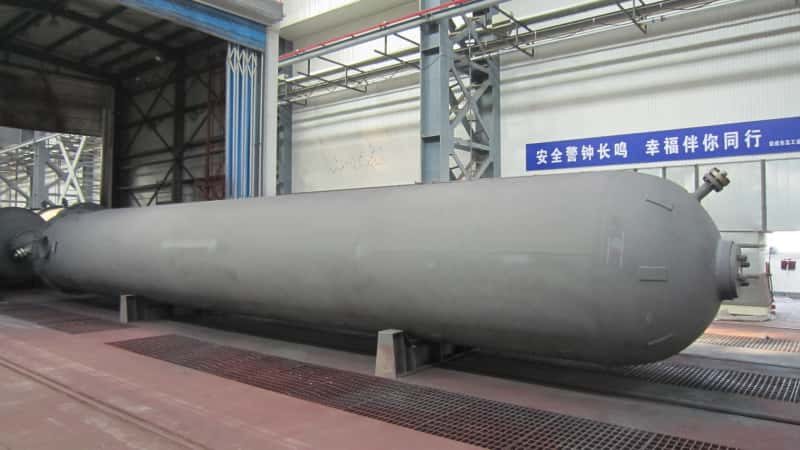

A urea scrubber column is an important process and environmental control component in many urea production plants. For EPC contractors, fertilizer plant owners, technical managers, and equipment procurement teams, the key question is not only what the scrubber column does, but how it connects with the urea synthesis loop, ammonia and carbon dioxide recovery, condensation, off-gas treatment, and downstream finishing sections.
In a typical urea plant, ammonia and carbon dioxide react under high pressure to form ammonium carbamate, which then dehydrates to form urea. Because conversion is not complete in one pass, unreacted ammonia and carbon dioxide must be recovered and recycled where possible. Scrubber columns help manage these gas streams by absorbing recoverable components, reducing losses, and supporting process stability. The exact configuration depends on the licensor, plant capacity, synthesis technology, recovery section, environmental requirements, and project specifications.
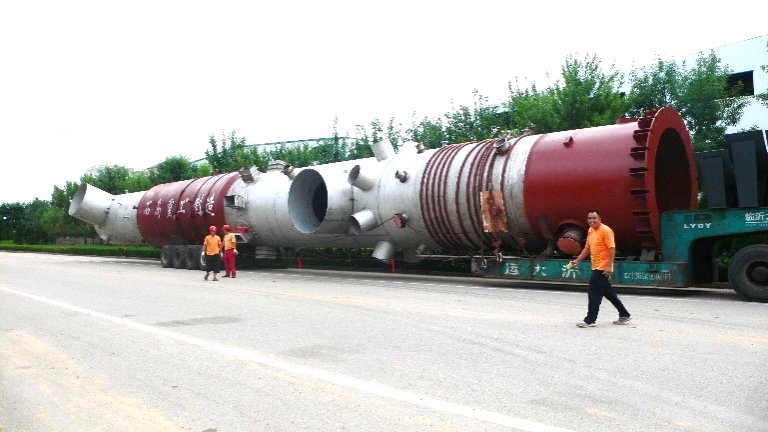
What Is a Urea Scrubber Column?
A urea scrubber column is a gas-liquid contact tower used to absorb ammonia, carbon dioxide, or other soluble components from gas streams in a urea plant. It may be designed as a packed column, tray column, spray tower, or process-specific scrubber depending on the technology package.
In many cases, the scrubber column receives gas from the synthesis section, recovery section, decomposer, condenser, vacuum system, granulation/prilling vent, or storage and handling systems. A scrubbing liquid, such as water, weak carbamate solution, process condensate, or another approved liquid, contacts the gas stream and absorbs target components. The resulting liquid may be returned to the process, sent to recovery, or treated according to the plant design.
For equipment buyers, a urea scrubber column belongs to the broader family of process towers and columns. Depending on pressure and design conditions, it may also be supplied with custom pressure vessels, heat exchangers, condensers, receivers, and storage tanks as part of a fertilizer project equipment package.
Where the Scrubber Fits in the Urea Synthesis Process
1. High-Pressure Urea Synthesis Loop
The heart of a urea plant is the synthesis loop. Ammonia and carbon dioxide are fed to the high-pressure section, where ammonium carbamate forms and then partially converts to urea. Because the reaction is equilibrium-limited, the outlet stream typically contains urea, water, ammonium carbamate, excess ammonia, and carbon dioxide.
Depending on the process route, the high-pressure section may include a reactor, stripper, condenser, scrubber, and associated separators. In this area, a scrubber column or scrubber vessel may be used to recover ammonia and carbon dioxide from off-gas streams and return them to the synthesis loop or recovery system.
A related ammonia synthesis tower is not the same as a urea scrubber column, but both are examples of high-value fertilizer plant equipment where pressure, materials, corrosion, welding quality, and inspection requirements matter.
2. Recovery and Decomposition Sections
After the high-pressure synthesis stage, the urea solution usually passes through recovery and decomposition stages to separate unreacted ammonia and carbon dioxide from the urea-water solution. These gases may be condensed, absorbed, and recycled.
A urea scrubber column can integrate into this recovery system by contacting gas streams with a liquid phase and converting gas-phase ammonia and carbon dioxide into a recoverable liquid stream. This supports raw material efficiency and helps reduce the load on downstream emission control systems.
The exact location of the scrubber varies by technology. In some plants, scrubbers are closely tied to high-pressure recovery. In others, separate scrubbers may be used for medium-pressure, low-pressure, or finishing section off-gases.
3. Condensation and Heat Recovery
Condensation is central to urea plant recovery systems. Ammonia and carbon dioxide may be condensed or absorbed into liquid streams under controlled pressure and temperature. Heat exchangers and condensers help manage temperature, recover heat, and maintain stable operating conditions.
For EPC buyers, this means the scrubber column should not be evaluated alone. It usually operates with condensers, coolers, carbamate condensers, heat exchangers, pumps, circulation vessels, and control systems. Industrial heat exchangers and shell and tube heat exchanger equipment may be part of the same procurement scope.
4. Off-Gas Treatment from Finishing Sections
Urea production does not end at synthesis. The urea solution is concentrated and then converted into solid product through prilling, granulation, or other finishing methods. These finishing sections can generate dust, ammonia-containing air, and other emissions depending on the process.
The U.S. EPA’s AP-42 Chapter 8 materials and AP-42 Section 8.2 urea manufacturing reference identify ammonia and particulate emissions as relevant concerns in urea manufacturing and reference control devices such as scrubbers in the emissions context. The European Commission JRC fertilizer industry BREF reference can also provide broader environmental context for fertilizer plant projects.
For finishing section scrubbers, the main design focus may shift from high-pressure recovery to air pollution control, dust removal, ammonia absorption, liquid circulation, mist elimination, and wastewater handling.
Main Functions of a Urea Scrubber Column
Ammonia Recovery
Ammonia is a valuable raw material and a potential emission concern. A scrubber column may absorb ammonia from process or vent gas streams into a liquid phase so it can be recovered, reused, or treated. The recovery route depends on the plant design and process chemistry.
Carbon Dioxide Recovery
CO2 is also a reactant in urea synthesis. In certain sections, a scrubber may help recover CO2-containing gases, especially where gas streams are part of the synthesis or recovery loop. However, CO2 recovery behavior depends heavily on pressure, temperature, liquid composition, and process configuration.
Carbamate Solution Management
When ammonia and CO2 dissolve in water or process solution, ammonium carbamate may form under suitable conditions. Carbamate service is known for corrosion challenges, so materials, welding, passivation, and corrosion control should be reviewed carefully in the project design.
Emission Control
Scrubbers in urea plants may support the reduction of ammonia, urea dust, or other relevant emissions from process or finishing sections. However, emission compliance should not be assumed from equipment name alone. It depends on gas composition, scrubber design, operating conditions, control system, maintenance, and regulatory requirements.
Process Stability and Load Balancing
In integrated urea systems, scrubbers can help stabilize gas recovery and reduce losses. They may also protect downstream equipment by reducing ammonia concentration, controlling gas composition, or preventing excessive carryover.
Key Design and Procurement Factors
Process Data and Gas Composition
The most important input is complete process data. Buyers should provide gas flow rate, ammonia concentration, CO2 concentration, water vapor content, temperature, pressure, particulate loading, oxygen content if relevant, and expected operating range.
For finishing section scrubbers, dust concentration, particle size, humidity, and air flow are also important. For synthesis or recovery section scrubbers, pressure, carbamate service, corrosion risk, and process recycle conditions are more critical.
Scrubbing Liquid and Circulation System
The scrubbing liquid may be water, process condensate, weak carbamate solution, ammonium carbonate solution, or another process-specific liquid. The liquid system may include a circulation tank, pump, heat exchanger, cooler, chemical dosing, blowdown, and level control.
The liquid chemistry affects absorption performance, corrosion, crystallization risk, fouling, and wastewater handling.
Internals and Gas-Liquid Contact
Urea scrubber columns may use packing, trays, spray nozzles, liquid distributors, demisters, support grids, or mist eliminators. The internal design affects contact efficiency, pressure drop, liquid distribution, fouling behavior, and maintenance access.
Internals may be supplied by the process licensor, a specialist vendor, or the column manufacturer depending on the project scope. The interface must be defined clearly before fabrication.
Materials and Corrosion Control
Urea and carbamate services can be corrosive under certain conditions. Material selection may involve stainless steel, duplex stainless steel, urea-grade stainless steel, lined equipment, or other specified materials depending on service conditions. Final material selection should follow the process licensor’s requirements and project engineering documents.
For atmospheric finishing scrubbers, corrosion may be driven by ammonia, moisture, additives, and wash water chemistry. In all cases, material decisions should be based on actual service conditions.
Pressure, Temperature, and Mechanical Design
A urea scrubber column may operate under different pressure ranges depending on location. High-pressure loop scrubbers, medium-pressure recovery scrubbers, low-pressure scrubbers, and atmospheric vent scrubbers all have different mechanical requirements.
Mechanical design should consider shell thickness, corrosion allowance, nozzle loads, supports, internal loads, thermal expansion, vibration, lifting, transportation, and maintenance access.
Manufacturing and Quality Control Considerations
Drawing Review Before Fabrication
Before production starts, the manufacturer should review general arrangement drawings, process datasheets, material specifications, nozzle orientation, internal support requirements, welding requirements, inspection scope, heat treatment requirements if any, coating or passivation requirements, and delivery conditions.
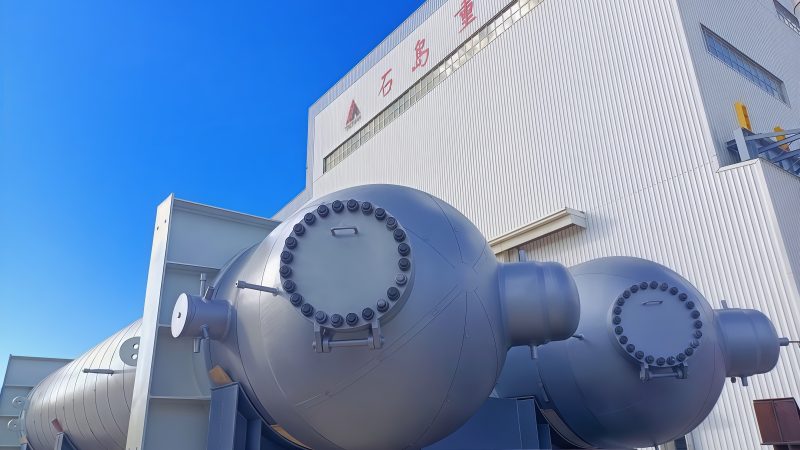
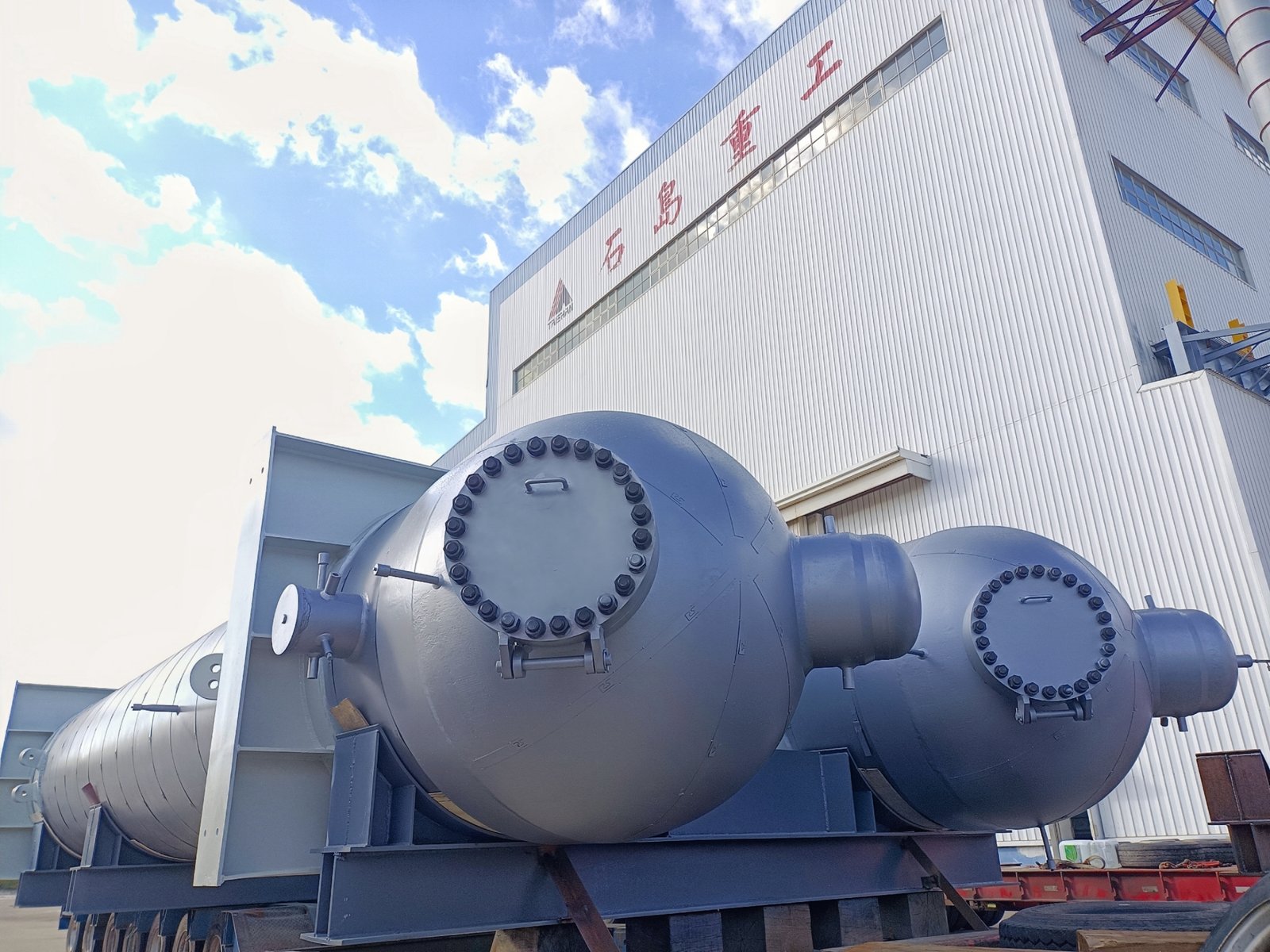
A large-scale pressure vessel manufacturer can support manufacturability review for urea scrubber columns, auxiliary vessels, heat exchangers, and large fertilizer plant equipment.
Welding, Forming, and Assembly
Fabrication may include plate cutting, shell rolling, head forming, nozzle installation, internal support welding, manway installation, dimensional inspection, and final assembly. If the column is pressure-rated, pressure vessel manufacturing requirements apply. If it is an atmospheric or low-pressure scrubber, the project specification should still define fabrication quality, leak testing, and documentation.

Inspection and Testing
Inspection may include material certificate review, dimensional inspection, weld visual inspection, radiographic testing, ultrasonic testing, magnetic particle testing, liquid penetrant testing, pressure testing, leak testing, passivation inspection, lining inspection, or coating inspection depending on design and project requirements.
Inspection and test plans should be agreed before fabrication begins, especially when the scrubber is part of an EPC package with third-party inspection.
Documentation and Export Delivery
For fertilizer projects and overseas EPC supply, final documentation may include material certificates, welding records, NDT reports, dimensional records, pressure or leak test reports, coating or passivation records, as-built drawings, packing records, and shipping documents.
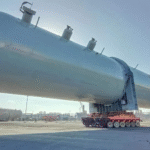
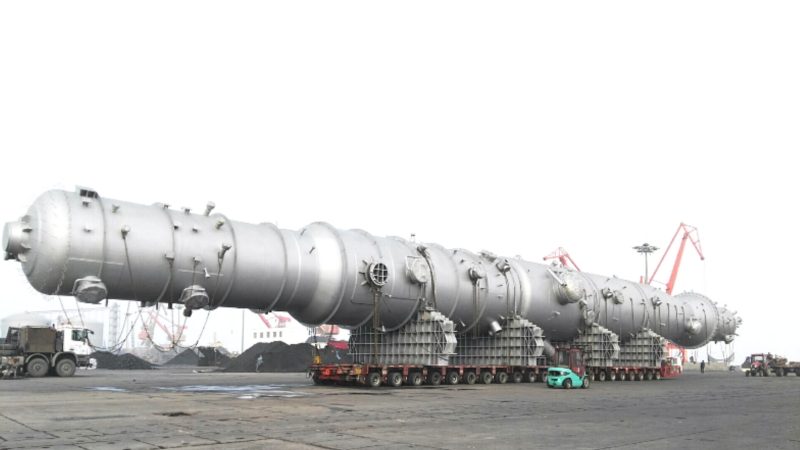
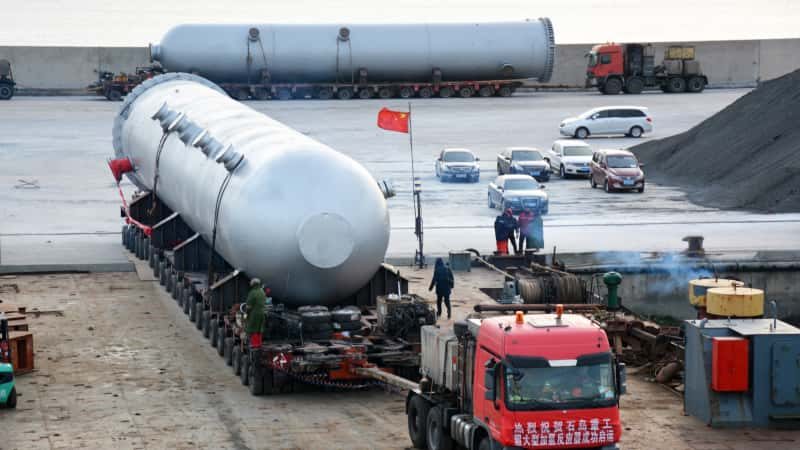
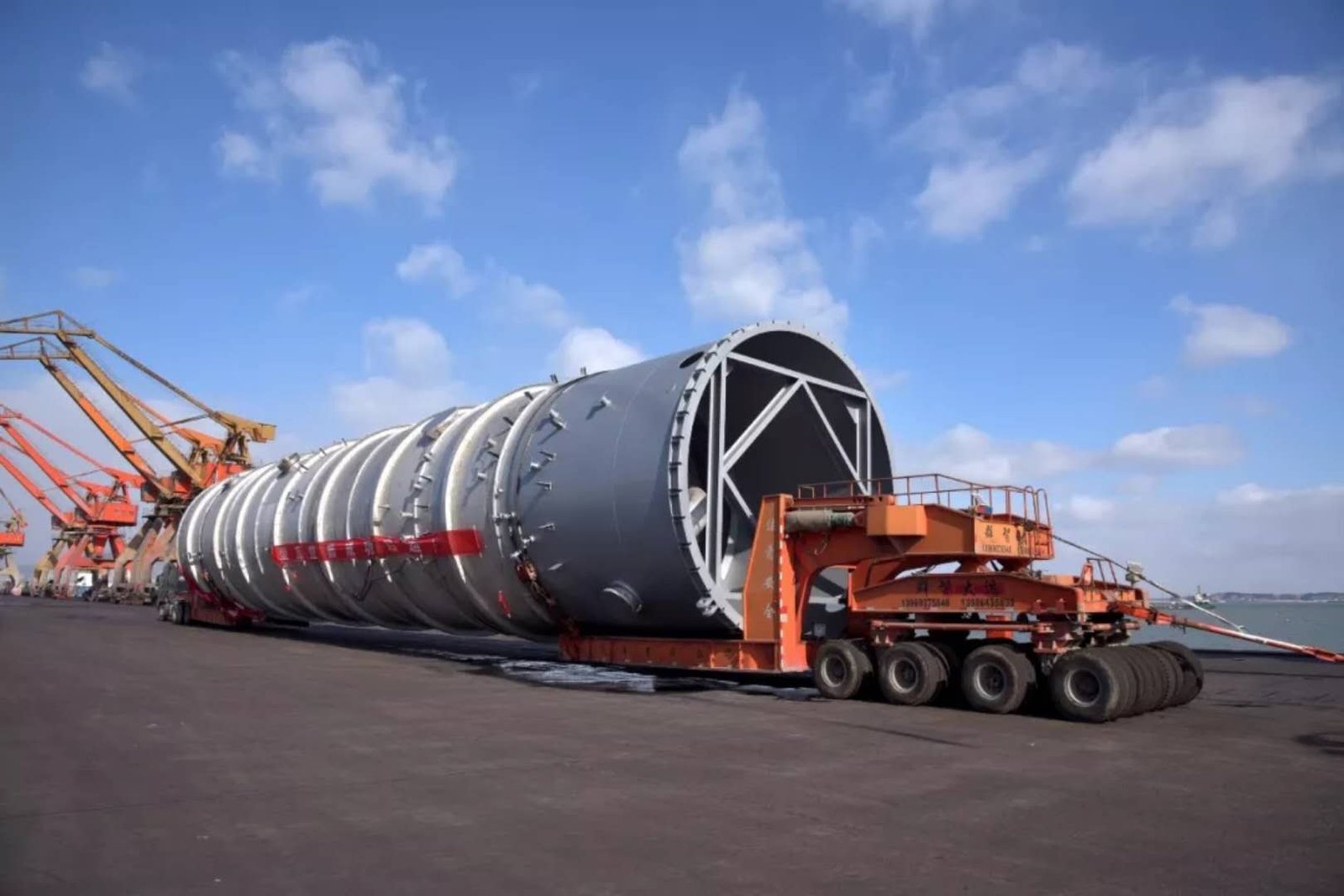
Large columns may require transport route review, lifting lug design, shipping saddles, packing protection, port delivery planning, and site unloading coordination.
How the Scrubber Column Interfaces with Other Equipment
A urea scrubber column may connect with:
- Urea reactor or synthesis loop equipment
- Stripper or decomposer sections
- Carbamate condenser
- Ammonia condenser
- Process gas cooler
- Absorber or recovery vessel
- Circulation pumps
- Heat exchangers
- Mist eliminators
- Vent stack
- Process condensate system
- Storage tanks
- Instrumentation and control system
Where storage or chemical holding is required, industrial storage tanks may also be included. For broader fertilizer projects, pressure vessels for chemical plants are often procured together with scrubber columns, condensers, reactors, and heat exchangers.
What Buyers Should Prepare Before Requesting a Quotation
Before requesting a quotation for a urea scrubber column, buyers should prepare:
- Process description and equipment location
- Gas source and destination
- Gas flow rate and operating range
- Ammonia and CO2 concentration
- Pressure and temperature conditions
- Scrubbing liquid composition
- Circulation rate, if known
- Required removal or recovery objective
- Material specification
- Corrosion allowance
- Internals requirements
- Nozzle schedule and orientation
- Support and lifting requirements
- Applicable code and project standard
- NDT and inspection requirements
- Pressure or leak testing requirements
- Passivation, lining, or coating requirements
- Delivery destination and transport limits
- Documentation requirements
If the scrubber is part of a licensed urea process, the licensor’s datasheets and specifications should govern the technical basis.
Common Buyer Concerns
Confusing Process Recovery Scrubbers with Finishing Scrubbers
A high-pressure or recovery-section scrubber is different from a finishing vent scrubber. They may handle different gas compositions, pressures, temperatures, liquids, materials, and performance objectives.
Underestimating Carbamate Corrosion
Carbamate service can create demanding corrosion conditions. Material selection, welding quality, passivation, oxygen control where applicable, and inspection requirements should be reviewed by qualified engineers.
Treating Internals as an Afterthought
The column shell and the internals must match. Poor distributor layout, packing support, demister installation, or manway access can affect performance and maintenance.
Comparing Suppliers Only by Shell Price
A quotation may or may not include internals, distributors, demisters, passivation, NDT, third-party inspection, export packing, documentation, or delivery to port. EPC buyers should compare based on the complete technical scope.
FAQ
What does a urea scrubber column do?
A urea scrubber column contacts gas with liquid to absorb ammonia, carbon dioxide, or other soluble components. It may support raw material recovery, process stability, or emission control depending on where it is installed.
Where is the scrubber located in a urea plant?
It may be located in the high-pressure synthesis loop, recovery section, low-pressure section, vacuum system, finishing section, or vent gas treatment system. The exact location depends on the urea process technology.
Is a urea scrubber column the same as a general scrubber tower?
Not exactly. A urea scrubber column is designed around urea plant gas streams, ammonia and CO2 recovery, carbamate chemistry, and fertilizer plant operating conditions. A general scrubber tower may be used for other industrial gas treatment duties.
What materials are used for urea scrubber columns?
Materials depend on pressure, temperature, ammonia, CO2, carbamate service, corrosion risk, liquid chemistry, and project specifications. Stainless steels, special urea-grade materials, lined equipment, or other materials may be specified depending on service.
What information is needed to quote a urea scrubber column?
Buyers should provide process datasheets, gas composition, pressure, temperature, scrubbing liquid, internals requirements, material specification, inspection scope, testing requirements, and delivery terms.
Can a scrubber column guarantee ammonia emission compliance?
No equipment should be assumed to guarantee compliance by name alone. Performance depends on process design, gas composition, operating conditions, internals, liquid circulation, controls, maintenance, and local regulatory requirements.
Conclusion
A urea scrubber column integrates into the overall urea synthesis process by helping recover ammonia and carbon dioxide, manage carbamate-containing streams, treat off-gases, and support process and environmental control. Its exact role depends on whether it is installed in the synthesis loop, recovery section, condensation system, finishing section, or vent treatment unit.
For EPC contractors and fertilizer plant buyers, the column should be evaluated as part of a complete process system, not as an isolated shell. Process data, gas composition, liquid chemistry, internals, materials, corrosion control, inspection, documentation, and delivery planning all matter.
If you are sourcing urea scrubber columns, ammonia scrubbers, process towers, heat exchangers, pressure vessels, storage tanks, or other custom equipment for fertilizer and chemical plant projects, you can discuss your project requirements with an engineering and manufacturing team. Sharing process datasheets, drawings, material requirements, inspection needs, and delivery terms will help support technical communication and fabrication evaluation.