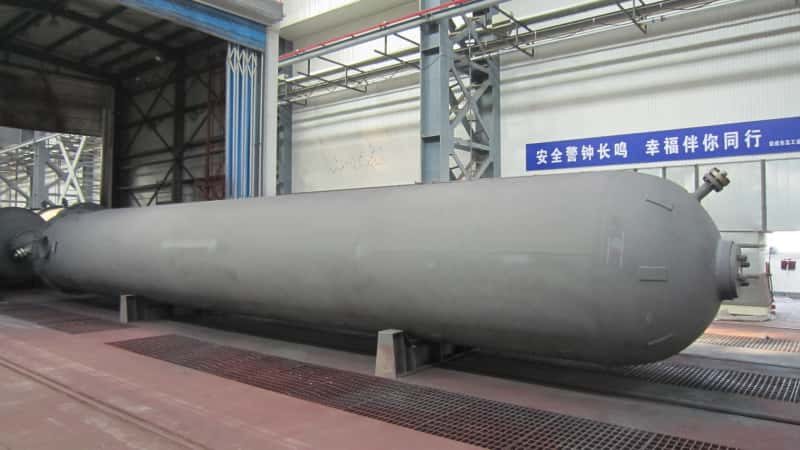

Scrubber towers are widely used in industrial gas treatment, emission control, odor removal, acid gas absorption, and process gas purification. For EPC contractors, environmental engineering companies, chemical plants, petrochemical facilities, fertilizer plants, and industrial project owners, the key question is not only “What does a scrubber tower do?” but also “Where is it suitable, what data is needed for selection, and what should buyers evaluate before ordering?”
A scrubber tower is typically a vertical process column designed to bring a gas stream into contact with a scrubbing liquid. Depending on the process, it may remove acidic gases, alkaline gases, soluble vapors, odor compounds, dust, mist, or selected contaminants. The final design depends on gas composition, flow rate, temperature, pressure, liquid chemistry, removal objective, corrosion risk, and project requirements.
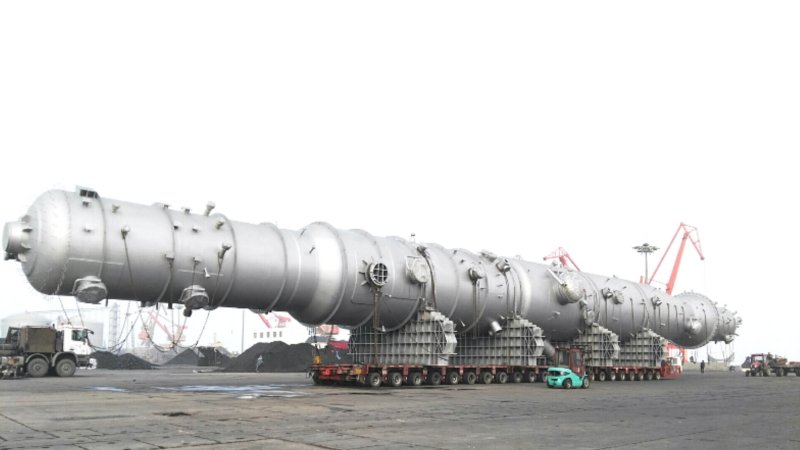
What Is a Scrubber Tower?
A scrubber tower is a gas-liquid contact column used to remove certain pollutants or process components from a gas stream. In a wet scrubber tower, the gas flows through the tower while a liquid phase is sprayed, distributed, or circulated through the column. The contact between gas and liquid allows absorption, neutralization, condensation, or particle capture depending on the design.
Common scrubber tower configurations may include:
- Packed bed scrubber towers
- Spray towers
- Tray scrubbers
- Venturi scrubber systems
- Multi-stage scrubber towers
- Acid gas scrubbers
- Caustic scrubbers
- Water scrubbers
- Chemical absorption towers
For buyers comparing equipment categories, scrubbers are part of broader process towers and columns and can be evaluated together with custom pressure vessels, separators, storage tanks, and heat exchangers in industrial process systems.
The U.S. EPA describes wet scrubbers as air pollution control devices that use liquid to remove pollutants from gas streams, and its packed-bed scrubber fact sheet identifies packed-bed or packed-tower scrubbers as a common technology for gaseous pollutant control. This makes scrubber towers relevant not only for environmental compliance, but also for process gas conditioning and plant safety.
Main Applications of Scrubber Towers
1. Acid Gas Removal in Chemical and Petrochemical Plants
One of the most common applications of scrubber towers is acid gas control. Chemical and petrochemical facilities may generate gas streams containing hydrogen chloride, sulfur dioxide, hydrogen sulfide, chlorine-containing compounds, or other acidic components depending on the process.
A wet scrubber tower may use water, caustic solution, alkaline scrubbing liquid, or another approved reagent to absorb or neutralize acid gases. The final chemistry should be determined by process engineers and environmental specialists.
In petrochemical projects, scrubber towers are often connected with reactors, storage vents, process columns, condensers, and safety relief systems. Buyers planning these systems may also evaluate petrochemical pressure vessels and related process equipment as part of the same EPC package.
2. Fertilizer and Ammonia Plant Gas Treatment
Fertilizer and ammonia-related facilities may use scrubber towers to treat ammonia-containing gas streams, urea plant emissions, process vents, or off-gases from chemical reaction and granulation areas. In these cases, the scrubber tower may help recover useful components, reduce odor, or support emission control.
For fertilizer and chemical facilities, tower design should consider gas flow, ammonia concentration, temperature, mist carryover, corrosion risk, and scrubbing liquid management. The tower may require corrosion-resistant materials, internal packing, liquid distributors, demisters, and maintenance access.
Project teams working in this sector may also review pressure vessels for chemical plants when planning towers, vessels, heat exchangers, and auxiliary equipment.
3. Refinery and Oil & Gas Gas Treatment
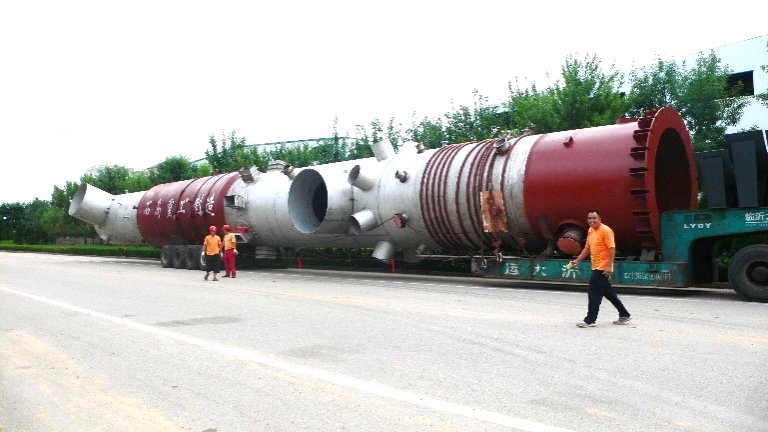
Refineries and oil and gas facilities may require scrubber towers for acid gas handling, sour gas treatment interfaces, process vent control, fuel gas conditioning, wastewater area ventilation, sulfur-related systems, or odor management.
Hydrogen sulfide requires special attention because it is highly hazardous. OSHA provides dedicated guidance on hydrogen sulfide hazards and exposure control. For equipment buyers, this means scrubber tower design should be handled within a complete process safety and industrial hygiene framework, not as a simple fabrication purchase.
For oil and gas projects, scrubbers may be evaluated with pressure vessels for oil and gas, separators, knockout drums, heat exchangers, and storage vessels.
4. VOC and Odor Control in Industrial Facilities
Some industrial facilities use scrubber towers to reduce water-soluble volatile compounds, odor-causing gases, or process vapors before exhaust is discharged. Applications may include chemical storage, wastewater treatment areas, coating or resin operations, waste handling, pharmaceutical production, and fine chemical plants.
However, not all VOCs are suitable for wet scrubbing. The effectiveness depends on solubility, reactivity, gas concentration, temperature, contact time, and scrubbing liquid chemistry. In some cases, activated carbon, thermal oxidation, biofiltration, condensation, or hybrid systems may be more appropriate. Buyers should confirm the treatment route with qualified environmental engineers.
5. Wastewater Treatment and Environmental Engineering Projects
Industrial wastewater treatment systems can generate odor, acidic gases, alkaline vapors, or volatile compounds from tanks, equalization basins, neutralization systems, sludge treatment, and chemical dosing areas. Scrubber towers may be used to treat collected exhaust air from these systems.
Environmental engineering companies may integrate scrubber towers with ductwork, fans, chemical dosing systems, circulation tanks, pumps, demisters, instrumentation, and discharge stacks. EPA Clean Air Technology Center products can provide broader context for air pollution control technology references. In more complex projects, scrubbers may be supplied alongside evaporators, crystallizers, storage tanks, and other custom environmental equipment.
6. Coal Chemical and Industrial Process Gas Treatment
Coal chemical projects, gasification units, syngas conditioning systems, and downstream chemical units may involve gas streams requiring washing, cooling, neutralization, or contaminant removal. Scrubber towers can be used where the gas treatment objective matches the liquid absorption or washing mechanism.
In these applications, the gas may contain dust, tar, sulfur compounds, ammonia, chlorides, or other challenging contaminants. Equipment design should consider fouling, erosion, corrosion, solids handling, cleaning access, and wastewater generation.
7. Emergency Vent and Safety-Related Gas Scrubbing
Certain industrial facilities may use emergency scrubbers or vent scrubbers to treat gases released from storage tanks, process vessels, reactors, or relief systems. These applications are highly project-specific and must be reviewed by qualified process safety engineers.
For safety-related service, buyers should avoid generic assumptions. Required flow rate, release scenario, reaction chemistry, neutralization capacity, materials, instrumentation, and redundancy should be confirmed through the project’s hazard analysis and engineering documents.
Key Selection Factors for Scrubber Towers
Gas Composition and Flow Rate
The most important selection data is the gas stream itself. Buyers should provide gas flow rate, temperature, pressure, humidity, pollutant concentration, particulate loading, corrosive components, and expected operating range.
A scrubber designed for low-concentration odor control may be very different from a tower designed for acid gas absorption or emergency vent treatment. The equipment supplier needs complete process data to evaluate tower diameter, height, internals, liquid circulation, nozzle layout, and material requirements.
Target Pollutants and Removal Objective
Different pollutants behave differently in a scrubber tower. Acid gases, ammonia, hydrogen sulfide, water-soluble vapors, mists, and particles may require different designs or chemical systems.
Buyers should define whether the goal is:
- Neutralization
- Absorption
- Mist removal
- Particulate capture
- Odor reduction
- Component recovery
- Process gas conditioning
- Emergency gas treatment
Treatment performance should not be promised without validated process data, pilot results, or licensor guidance.
Scrubbing Liquid and Chemical System
The scrubbing liquid may be water, caustic solution, acidic solution, oxidizing solution, or another process-specific liquid. The choice affects material selection, corrosion risk, pump design, dosing system, wastewater handling, and operation cost.
Buyers should clarify whether chemical dosing, pH control, oxidation-reduction potential control, blowdown, makeup water, and wastewater discharge are included in the equipment scope.
Tower Internals
Scrubber towers may use packing, trays, spray nozzles, liquid distributors, demisters, support grids, redistributors, and mist eliminators. The internal design affects gas-liquid contact efficiency, pressure drop, fouling risk, maintenance access, and removal performance.
For packed towers, packing material and distributor design are important. For high-solids or fouling services, spray tower or open design concepts may be considered depending on process requirements.
Materials and Corrosion Resistance
Scrubber towers often operate in corrosive environments. Materials may include carbon steel with lining, stainless steel, duplex stainless steel, FRP, lined steel, rubber-lined steel, alloy materials, or other specified materials depending on service conditions.
Material choice should be based on gas chemistry, liquid chemistry, temperature, pressure, chloride content, pH, oxidizing conditions, and maintenance strategy. Any material recommendation should be confirmed by qualified engineers.
Pressure Drop and Fan Requirements
Scrubber pressure drop affects fan selection, energy consumption, operating stability, and system integration. Packed towers, spray towers, and venturi scrubbers can have very different pressure drop characteristics.
EPC buyers should coordinate scrubber tower design with ducting, fan capacity, stack requirements, control valves, and plant ventilation strategy.
Manufacturing and Quality Control Considerations
Engineering Review Before Fabrication
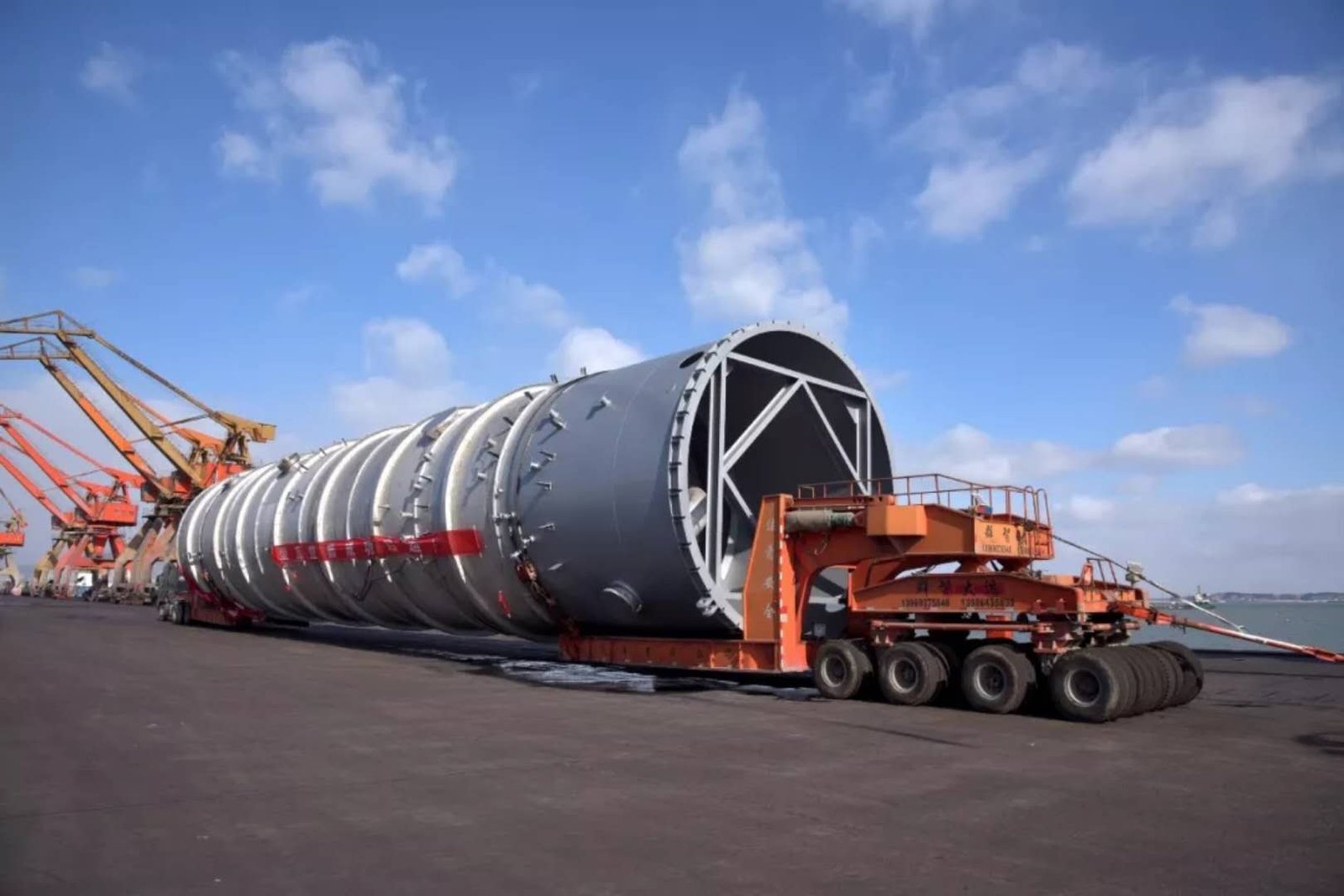
Before fabrication, the manufacturer should review process datasheets, general arrangement drawings, nozzle orientation, internals interface, materials, lining or coating requirements, inspection scope, transport limits, and documentation needs.
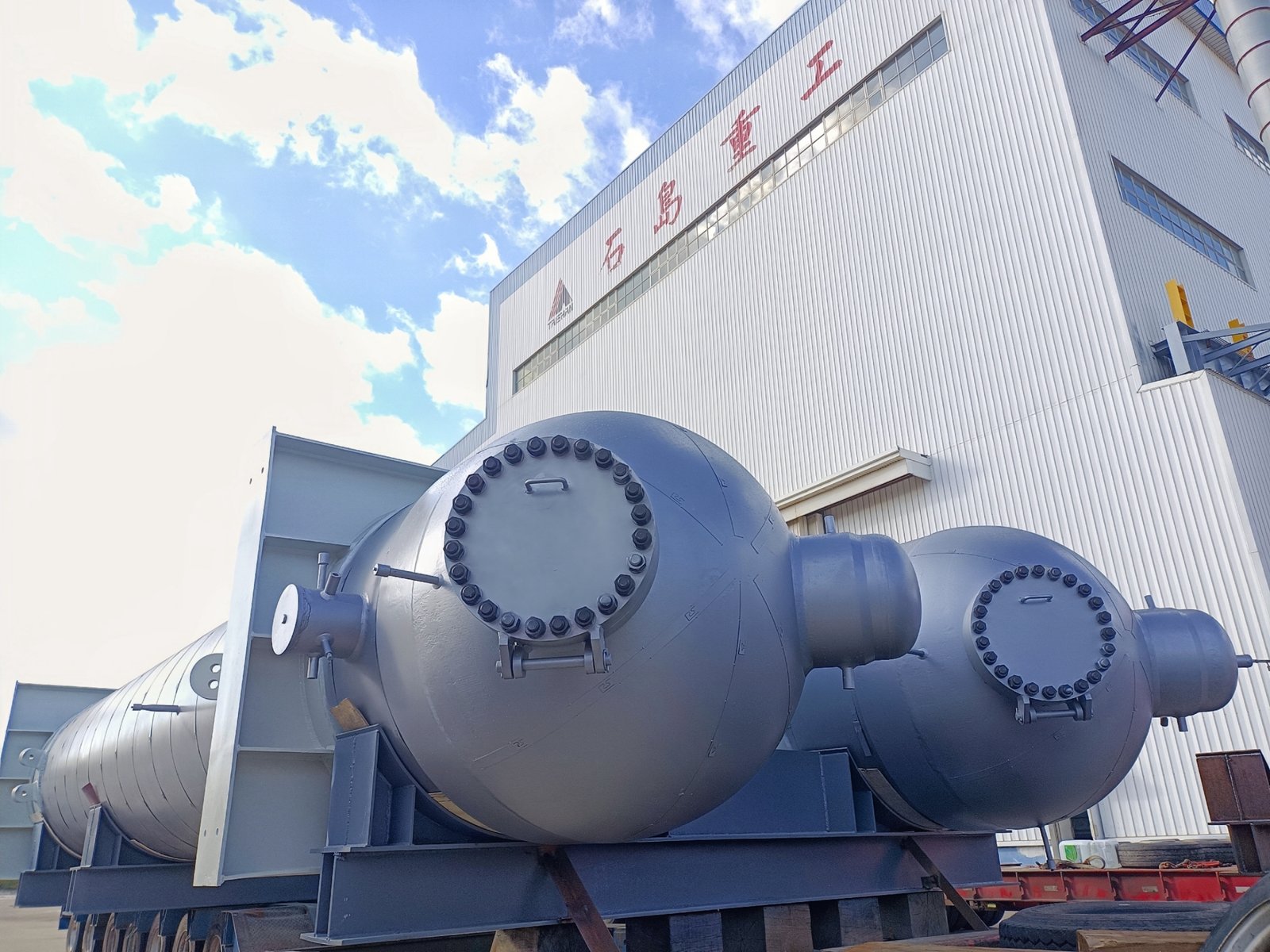
A large-scale pressure vessel manufacturer can support manufacturability review for large towers, heavy columns, pressure vessels, and auxiliary equipment. For scrubber towers, this review should include shell sections, internal supports, manways, lifting points, flange orientation, and shipping dimensions.
Fabrication and Welding
Scrubber tower fabrication may include plate cutting, rolling, shell welding, head forming, nozzle installation, support ring welding, internal component fitting, ladder or platform interface preparation, and dimensional inspection.
If the tower is designed as a pressure vessel, pressure vessel fabrication requirements may apply. If it is atmospheric or low-pressure equipment, the applicable project specification should still define fabrication, inspection, lining, and leak testing requirements.
Lining, Coating, and Surface Protection
Many scrubber towers require internal lining or corrosion-resistant surfaces. Lining quality can be as important as metal fabrication quality. Buyers should define surface preparation, lining material, thickness, holiday testing, repair method, cure conditions, and inspection requirements.
External coating should consider outdoor exposure, coastal environments, chemical plant atmosphere, transport damage, and site touch-up.
Inspection, Testing, and Documentation
Inspection may include material certificate review, dimensional inspection, weld inspection, visual inspection, NDT where required, lining inspection, leak testing, hydrostatic testing, or pressure testing depending on design and project requirements.
Final documentation may include material certificates, welding records, NDT reports, dimensional reports, lining inspection records, pressure or leak test reports, coating records, packing records, and as-built drawings.
Related Equipment in Scrubber Tower Systems
A scrubber tower rarely operates alone. A complete system may include:
- Circulation tank
- Recirculation pumps
- Chemical dosing skid
- [Heat exchanger](https://pressure-tank.com/pressure-vessels/heat-exchanger/) or cooler
- Mist eliminator
- Fan and ducting
- Blowdown system
- Makeup water system
- Instrumentation and controls
- Storage tanks
- Separators or knockout drums
- Stack or exhaust outlet
Where gas cooling or condensation is required, industrial heat exchangers or a shell and tube heat exchanger may be included. In projects involving liquid storage or chemical dosing, industrial storage tanks may also be part of the scope.
What Buyers Should Prepare Before Requesting a Quotation
Before requesting a quotation for scrubber towers, buyers should prepare:
- Gas source and process description
- Gas flow rate and operating schedule
- Gas temperature and pressure
- Pollutant type and concentration
- Humidity and moisture content
- Particulate or mist loading
- Target removal objective
- Scrubbing liquid or reagent requirements
- Required materials or lining system
- Corrosion allowance
- Tower type, if already specified
- Internals requirements
- Nozzle schedule and orientation
- Fan and ducting interface conditions
- Inspection and testing requirements
- Coating and packing requirements
- Delivery destination and transport limits
- Documentation requirements
If the project is still in early design, preliminary gas data can still help the manufacturer identify missing information and fabrication feasibility concerns.
Common Buyer Mistakes
Assuming Every Gas Can Be Treated by the Same Scrubber
Scrubber performance depends on pollutant solubility, reaction chemistry, contact time, gas temperature, liquid distribution, and operating conditions. A design that works for ammonia may not work for VOCs or acid gas without process changes.
Ignoring Wastewater and Blowdown
Wet scrubbers transfer contaminants into a liquid stream. Buyers should plan how scrubber blowdown, spent chemicals, sludge, or concentrated wastewater will be treated or disposed of.
Overlooking Corrosion and Lining Details
Corrosion is one of the most important risks in scrubber service. Material and lining decisions should be made based on actual gas and liquid chemistry, not only price.
Comparing Suppliers Only by Tower Shell Price
A low tower shell price may exclude internals, distributors, demisters, lining, inspection, pumps, chemical dosing, documentation, packing, or delivery. EPC buyers should compare quotations based on the complete technical scope.
Forgetting Maintenance Access
Packing replacement, nozzle cleaning, demister inspection, liquid distributor maintenance, and lining repair require access. Manway size, location, platform interface, and internal layout should be reviewed before fabrication.
FAQ
What is a scrubber tower used for?
A scrubber tower is used to treat gas streams by bringing them into contact with a liquid. It may be used for acid gas removal, ammonia control, odor reduction, particulate capture, mist removal, or process gas conditioning depending on the design.
Which industries use scrubber towers?
Scrubber towers are used in chemical plants, petrochemical facilities, fertilizer plants, refineries, oil and gas projects, wastewater treatment systems, coal chemical plants, waste handling facilities, and environmental engineering projects.
What is the difference between a scrubber tower and a packed column?
A packed column is a type of tower that uses packing to increase gas-liquid contact area. Many scrubber towers are packed towers, but scrubbers may also use spray, tray, venturi, or multi-stage configurations depending on the application.
What materials are used for scrubber towers?
Materials may include carbon steel with lining, stainless steel, duplex stainless steel, FRP, rubber-lined steel, or other materials depending on gas chemistry, scrubbing liquid, temperature, pressure, corrosion risk, and project requirements.
What information is needed to quote a scrubber tower?
Buyers should provide gas flow rate, gas composition, pollutant concentration, temperature, pressure, humidity, target removal objective, scrubbing liquid, materials, internals, inspection requirements, and delivery terms.
Can scrubber towers guarantee emission compliance?
Emission compliance should not be guaranteed based only on equipment name. Performance depends on process design, operating data, pollutant chemistry, control system, maintenance, and regulatory requirements. Final compliance should be confirmed by qualified environmental engineers and project documents.
Conclusion
Scrubber towers are important equipment for industrial gas treatment, acid gas removal, ammonia control, odor reduction, and environmental protection projects. Their applications span chemical plants, petrochemical facilities, fertilizer plants, refineries, oil and gas systems, wastewater treatment, coal chemical projects, and emergency gas treatment.
For EPC contractors and industrial buyers, selecting scrubber towers requires careful review of gas composition, pollutant targets, scrubbing liquid, internals, materials, corrosion risk, inspection scope, auxiliary systems, and delivery conditions. The right manufacturer should support engineering communication, controlled fabrication, quality inspection, documentation, and project delivery.
If you are sourcing scrubber towers, absorber columns, heat exchangers, pressure vessels, storage tanks, or other custom process equipment for chemical, petrochemical, fertilizer, refining, environmental, or EPC projects, you can discuss your project requirements with an engineering and manufacturing team. Sharing gas composition, process data, drawings, material requirements, inspection needs, and delivery terms will help support technical communication and fabrication evaluation.