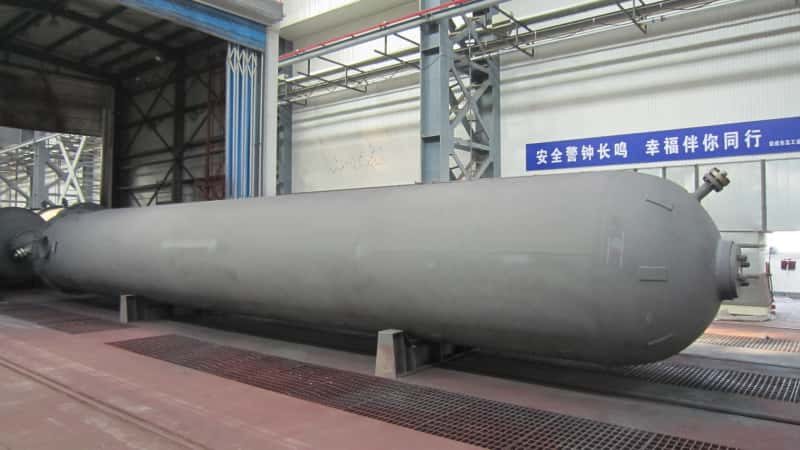

Recent ammonia-urea project activity, including KBR’s July 2026 announcement that its ammonia technology was selected for Pampa Energia’s new ammonia-urea complex in Argentina, shows continued investment in fertilizer and chemical production capacity. For EPC contractors and project procurement teams, these projects require more than individual equipment quotations. They require coordinated review of pressure vessels, heat exchangers, process towers, storage tanks, and custom chemical equipment under demanding process, safety, inspection, and delivery requirements.
This guide explains what EPC buyers should confirm before procuring pressure equipment for ammonia and urea plants. It focuses on complete fabricated equipment and project-based procurement, not small accessories or standalone minor parts.
Ammonia-urea plant pressure equipment can be quoted reliably from equipment name alone.False
EPC buyers should provide datasheets, process medium, pressure, temperature, material requirements, corrosion allowance, inspection scope, testing requirements, and delivery terms.
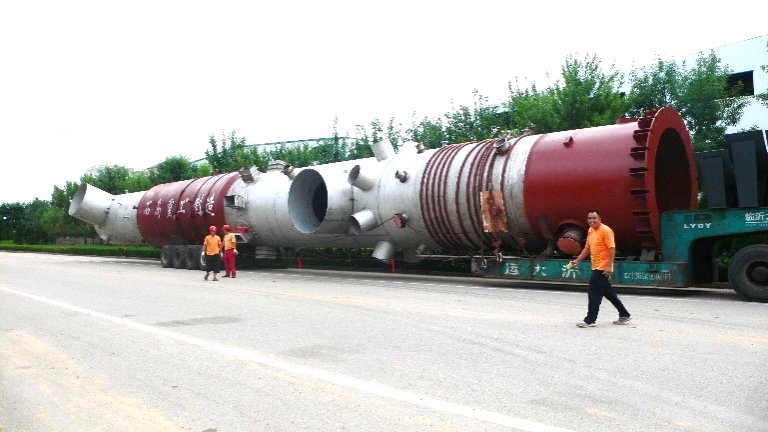
Pressure vessels, heat exchangers, process towers, and storage tanks should be reviewed as a coordinated ammonia-urea plant equipment package.True
Coordinated procurement helps reduce interface gaps across fabrication, inspection, documentation, packing, delivery, and site installation.
Why Ammonia-Urea Projects Require Careful Equipment Procurement
Ammonia and urea plants operate under complex chemical, thermal, and pressure conditions. Equipment selection affects process reliability, safety review, plant layout, installation, maintenance access, and long-term operating stability. A pressure vessel that meets a basic dimensional requirement may still be unsuitable if material, corrosion allowance, inspection scope, nozzle orientation, or documentation requirements are incomplete.
For EPC buyers, the procurement challenge is not simply finding a vessel manufacturer. The more important question is whether the manufacturer can review drawings, understand fabrication feasibility, manage welding quality, coordinate inspection, and deliver large custom equipment according to the project schedule.
In fertilizer and chemical projects, buyers often need to evaluate fertilizer and chemical pressure vessels together with custom pressure vessels, heat exchangers, towers, columns, and storage tanks.
| Procurement Area | What EPC Buyers Should Confirm | Why It Matters |
|---|---|---|
| Process basis | Medium composition, design pressure, design temperature, operating cases, and licensor requirements | Defines vessel duty, material review, corrosion allowance, and process interfaces |
| Mechanical design | Code basis, shell thickness, supports, nozzles, lifting points, internals interfaces, and transport limits | Controls fabrication feasibility and site installation fit |
| Inspection scope | NDT, pressure testing, leak testing, hold points, third-party inspection, and data book requirements | Reduces acceptance risk and supports project handover |
| Delivery planning | Packing, coating protection, shipping supports, port delivery, lifting method, and arrival date | Helps keep the equipment package aligned with EPC schedule |
Main Equipment Used in Ammonia-Urea Plants
Pressure Vessels and Process Drums
Pressure vessels are used in many process sections of ammonia and urea plants. Depending on the project design, they may serve as process drums, separators, buffer vessels, condensate vessels, reaction-related vessels, or storage-related equipment.
EPC buyers should confirm design pressure, design temperature, medium composition, operating cycles, corrosion allowance, insulation requirements, and inspection class before issuing a final RFQ. For ammonia, carbon dioxide, carbamate solution, and other process media, material compatibility and corrosion risk must be reviewed carefully by the project engineering team.
Ammonia Synthesis Towers and High-Pressure Columns
Ammonia synthesis service may involve high-pressure process equipment and strict requirements for materials, welding, testing, and documentation. When sourcing an ammonia synthesis tower, buyers should confirm the design code, operating parameters, heat treatment requirements, weld inspection scope, and delivery constraints.
Because ammonia synthesis equipment is closely tied to process technology and project licensing requirements, the manufacturer should fabricate according to approved drawings and specifications rather than making unsupported design assumptions.
Urea Scrubber Columns and Process Towers
Urea plants may include scrubber columns, absorption-related vessels, and process towers used for gas treatment, recovery, and emission control within the process system. When reviewing process towers and columns, EPC buyers should focus on complete equipment scope, including shell fabrication, pressure boundary, corrosion protection, testing, and final documentation.
Internal process details should be handled according to project drawings and licensor requirements. From a procurement perspective, the priority is to ensure the complete tower or column can be fabricated, inspected, and delivered according to specification.
Heat Exchangers
Ammonia and urea plants require heat exchange equipment for process heating, cooling, condensation, heat recovery, and utility integration. Shell and tube heat exchangers are commonly reviewed for chemical and fertilizer applications because they can be designed for a wide range of pressure, temperature, and material requirements.
When sourcing from a heat exchanger manufacturer, buyers should provide process datasheets, heat duty, inlet and outlet temperatures, pressure drop limits, fluid properties, fouling allowance, material requirements, and cleaning expectations.
Storage Tanks and Pressure Storage Vessels
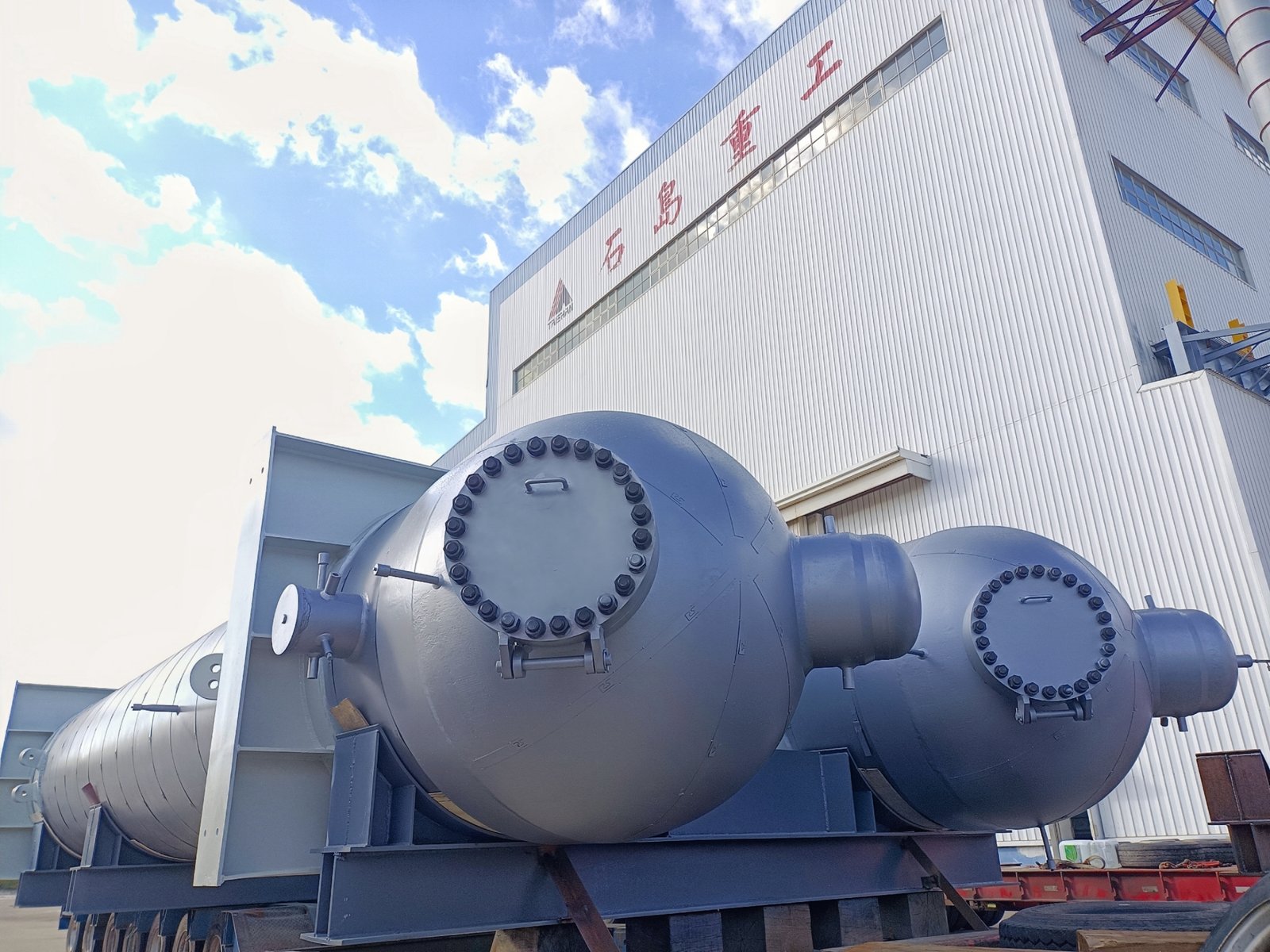
Ammonia-urea projects may also require large storage tanks for feedstock, intermediate liquids, utility media, wastewater, condensate, or other plant fluids. For pressure-containing or hazardous service, tanks should be reviewed with the same seriousness as process vessels.
For larger project requirements, EPC buyers can evaluate industrial storage tanks and pressure storage vessels as part of the complete equipment package. Storage tank content should be specified for industrial project volumes, not small container demand.
Equipment Package Review Matrix
| Equipment Category | Typical Procurement Role | Key Data to Prepare |
|---|---|---|
| Pressure vessels and drums | Separation, buffering, condensation, recovery, process holding, or utility service | Datasheet, medium, pressure, temperature, material, corrosion allowance, NDT, and drawings |
| Ammonia synthesis tower | High-value process column or reactor-related equipment in ammonia service | Licensor documents, design code, materials, weld requirements, heat treatment, and transport limits |
| Urea scrubber column | Gas treatment, recovery, absorption, or process emission control duty | Gas composition, liquid chemistry, corrosion data, internals interface, inspection scope, and delivery terms |
| Heat exchangers | Cooling, heating, condensation, heat recovery, or utility integration | Heat duty, fluids, pressure drop, fouling, materials, cleaning access, and testing requirements |
| Storage tanks | Feedstock, intermediate liquid, utility, condensate, wastewater, or pressure storage service | Capacity above 1,000L, stored medium, pressure boundary, material, coating, nozzles, and delivery limits |
Key RFQ Information EPC Buyers Should Prepare
A complete RFQ helps suppliers evaluate cost, schedule, and fabrication feasibility accurately. For ammonia-urea plant equipment, buyers should prepare the following information where available:
- General arrangement drawings
- Equipment datasheets
- Process medium and composition
- Operating pressure and design pressure
- Operating temperature and design temperature
- Material requirements
- Corrosion allowance
- Heat treatment requirements
- Welding and NDT requirements
- Design code and project specification
- Painting, lining, or insulation requirements
- Documentation requirements
- Packing, shipping, and delivery terms
- Site installation restrictions
- Third-party inspection requirements, if applicable
If some information is preliminary, buyers should mark it clearly. Technical assumptions should be reviewed before order confirmation, especially for hazardous media or pressure-containing equipment.
Material and Corrosion Considerations
Material selection in ammonia-urea plants can be more complex than in general chemical storage or utility service. Equipment may contact ammonia, carbon dioxide, carbamate solution, condensate, process gas, wastewater, or mixed chemical streams. Each medium may create different corrosion or stress risks.
Buyers should not select material only by price. The correct material depends on service condition, temperature, pressure, chemical concentration, corrosion allowance, welding feasibility, and code requirements. In some applications, carbon steel may be suitable. In others, stainless steel, low-alloy steel, clad construction, special corrosion allowance, or internal protection may be required.
The manufacturer can support fabrication feasibility review, but final material selection should be confirmed by the project engineering team, licensor requirements, and applicable standards.
Manufacturing Capability: What to Evaluate
Drawing Review and Engineering Coordination
Before fabrication, the manufacturer should review drawings for dimensions, pressure boundary, weld details, supports, lifting points, nozzle orientation, inspection openings, shipping limits, and installation constraints. This review helps identify manufacturing or transportation issues before production begins.
For large custom equipment, small interface details can affect site piping and installation. However, they should be reviewed as part of the complete vessel, exchanger, column, or tank scope, not as standalone procurement items.
Welding and Heat Treatment Control
Welding quality is central to pressure vessel manufacturing. EPC buyers should confirm whether the supplier can follow the required welding procedures, manage qualified welders, control fit-up, maintain traceability, and perform post-weld heat treatment if required by the project specification.
For high-pressure or critical chemical service, welding control should be discussed early rather than treated as a routine production step.
Nondestructive Examination and Testing
Inspection requirements may include visual inspection, radiographic testing, ultrasonic testing, magnetic particle testing, penetrant testing, hydrostatic testing, pneumatic testing, or leak testing, depending on the equipment type and applicable code.
ASME BPVC Section VIII is commonly referenced for pressure vessel construction, inspection, and testing requirements, but the final applicable code must be confirmed by the project specification and local regulatory requirements.
Surface Treatment, Coating, and Packing
Fertilizer and chemical plant equipment may face outdoor exposure, corrosive plant environments, coastal shipping conditions, or long storage before installation. Surface preparation, primer, paint system, dry film thickness, packing method, and shipping supports should be confirmed before production completion.
Export delivery also requires attention to lifting marks, saddle design, packaging protection, port handling, and documentation.
Common Procurement Mistakes in Ammonia-Urea Projects
Sending Only a Basic Equipment Name
An RFQ that only says “pressure vessel,” “scrubber,” “heat exchanger,” or “storage tank” is not enough. Suppliers need operating conditions, drawings, material requirements, and inspection expectations to provide a meaningful quotation.
Ignoring Licensor or Process Package Requirements
Ammonia and urea plants are often connected to licensed technologies or process packages. Equipment fabrication should follow approved drawings, process specifications, and technical documents. Unsupported substitutions can create engineering risk.
Underestimating Delivery Size and Weight
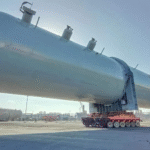
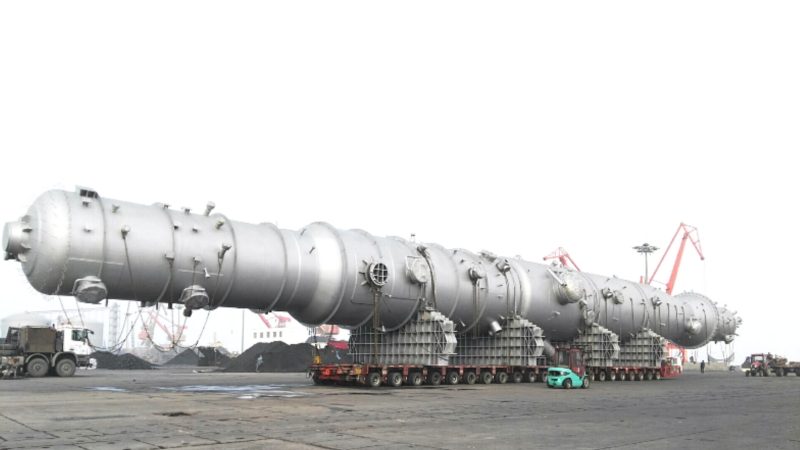
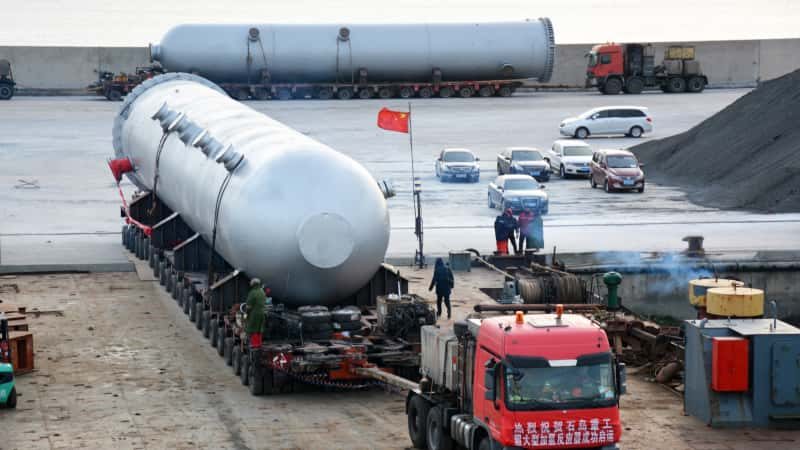
Large pressure vessels, towers, and exchangers can create transportation challenges. Buyers should confirm maximum shipping size, weight, route restrictions, lifting plan, and port delivery requirements before finalizing drawings.
Treating Inspection as a Late-Stage Issue
Inspection planning should begin before fabrication. NDT scope, hold points, witness requirements, test pressure, documentation format, and third-party inspection requirements should be agreed early.
Why Working With a Custom Manufacturer Matters
Ammonia-urea plant equipment is project-specific. Even when two vessels have similar names, their pressure, temperature, material, corrosion allowance, welding requirements, and documentation scope may be different.
A custom equipment manufacturer can help EPC teams review whether the requested vessel, tower, exchanger, or storage tank can be fabricated, tested, and shipped according to the project schedule. This is especially important when multiple equipment types must be delivered together.
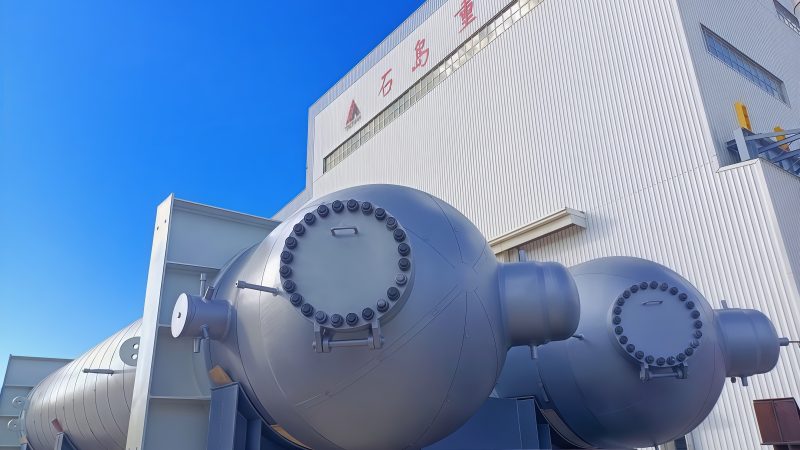
WSHI manufactures large custom pressure vessels, process towers, heat exchangers, storage tanks, and non-standard chemical equipment for industrial projects. Buyers can also review the pressure vessel product catalog before preparing a detailed inquiry.
FAQ
What equipment is commonly required in ammonia-urea plant procurement?
Typical procurement may include pressure vessels, ammonia synthesis towers, urea scrubber columns, heat exchangers, process drums, storage tanks, and other custom chemical equipment, depending on the project design.
What information should EPC buyers provide for a pressure vessel quotation?
Buyers should provide drawings, datasheets, design pressure, design temperature, medium composition, material requirements, corrosion allowance, inspection requirements, testing requirements, and delivery terms.
Are ammonia-urea plant vessels standard products?
Usually not. Most pressure vessels, towers, and exchangers for ammonia-urea plants are custom-built according to project drawings, process conditions, and applicable standards.
Why is material selection important in urea plant equipment?
Urea and ammonia-related process media may create corrosion or stress risks under certain conditions. Material selection should be reviewed according to actual medium, temperature, pressure, and project specifications.
Should inspection requirements be confirmed before fabrication?
Yes. NDT scope, pressure testing, witness points, and documentation requirements should be confirmed before production to avoid delays and rework.
Conclusion
Ammonia-urea plant pressure vessel procurement requires careful coordination between process design, engineering, fabrication, inspection, and delivery. EPC buyers should confirm equipment scope, operating conditions, material requirements, corrosion allowance, welding requirements, NDT scope, testing, coating, documentation, and logistics before placing an order.
If you are preparing procurement for an ammonia, urea, fertilizer, or chemical plant project, you can share drawings, datasheets, operating conditions, and delivery requirements with our engineering team. WSHI can support manufacturing feasibility review for pressure vessels, heat exchangers, process towers, storage tanks, and related custom chemical equipment.
CTA: Discuss your project requirements or download the pressure vessel catalog.