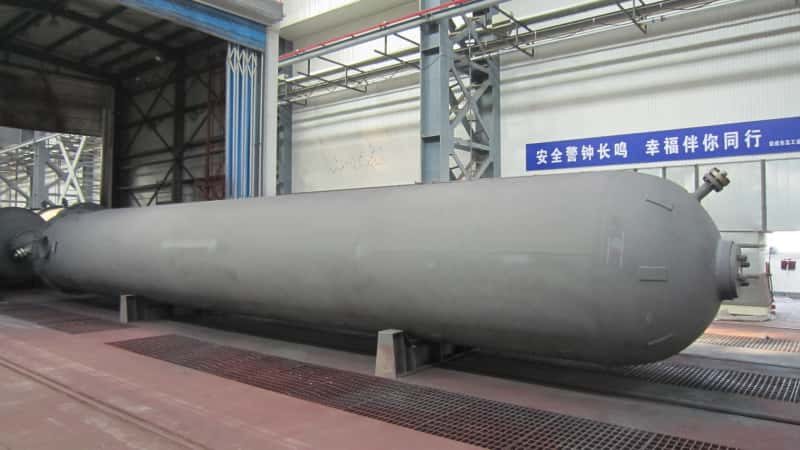

Off-grid green hydrogen projects are gaining attention as industrial producers connect renewable power directly with localized hydrogen production. A recent example is Verde Hydrogen’s announced 25-MW electrolyzer contract with China Coal Energy Group, which includes integrated gas-liquid separation and high-purity hydrogen purification equipment for an off-grid renewable hydrogen project. For EPC buyers, this trend highlights an important point: hydrogen production is not only about electrolyzers. It also requires reliable hydrogen purification vessels, gas-liquid separators, buffer vessels, cooling equipment, and complete pressure equipment packages.
This article explains what engineering and procurement teams should review when sourcing hydrogen purification vessels and related equipment for green hydrogen projects. The focus is complete fabricated equipment, not small fittings, internals, or standalone accessories.
Hydrogen purification vessels can be treated as minor electrolyzer accessories in EPC procurement.False
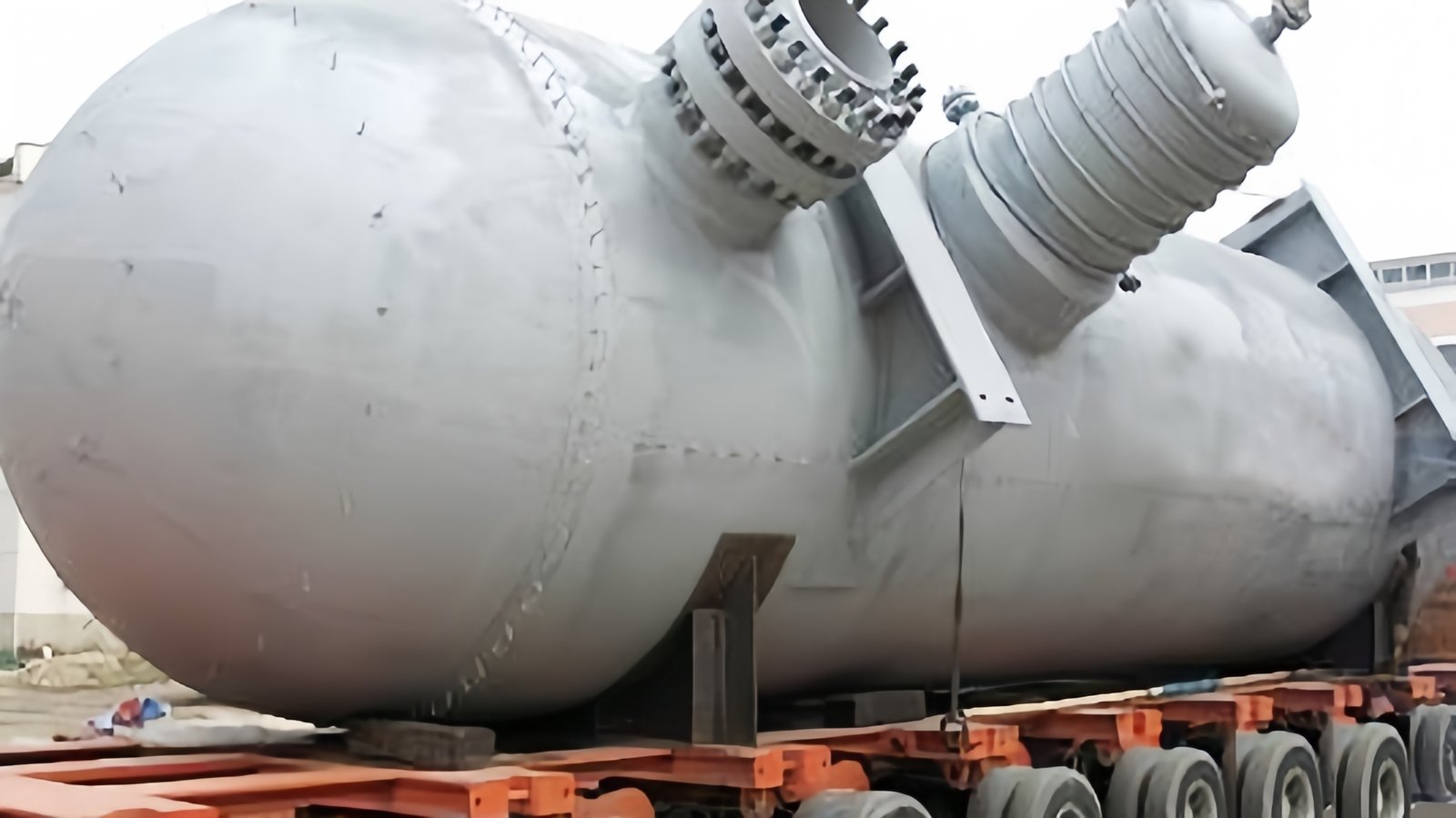
Hydrogen purification vessels, separators, and buffer vessels are pressure-containing equipment that require process datasheets, material review, welding control, inspection, testing, and documentation.
A vessel manufacturer should avoid guaranteeing hydrogen purity unless the complete purification process and operating conditions are defined by project documents.True
Hydrogen purity depends on process technology, gas composition, operating conditions, adsorbents or drying systems, controls, and system integration, not only the fabricated vessel shell.
Why Hydrogen Purification Vessels Matter in Green Hydrogen Projects
Electrolysis uses electricity to split water into hydrogen and oxygen. The U.S. Department of Energy describes electrolysis as a pathway that can use renewable or nuclear electricity, with electrolyzers ranging from small distributed units to large central production facilities. In industrial projects, however, the hydrogen stream leaving the production section usually requires additional handling before it can be stored, compressed, transported, or supplied to downstream users.
Depending on the process design, this handling may include gas-liquid separation, mist removal, cooling, drying, purification, buffering, and pressure stabilization. These steps often require pressure-containing equipment that must be properly designed, fabricated, inspected, and documented.
For EPC buyers, hydrogen purification vessels are important because they affect hydrogen quality, equipment protection, downstream compressor operation, plant reliability, and safety review. They should be purchased as complete pressure equipment, with clear drawings, datasheets, materials, inspection requirements, and delivery boundaries.
Buyers can review custom pressure vessels and pressure vessels for new energy when planning procurement for hydrogen-related projects.
| System Function | Typical Equipment | Buyer Review Point |
|---|---|---|
| Gas-liquid separation | Hydrogen separators, knock-out vessels, condensate collection vessels | Gas flow, liquid loading, pressure, temperature, drainage, materials, and inspection scope |
| Gas conditioning and purification | Purification vessels, drying vessels, polishing vessels, process pressure vessels | Gas composition, impurity profile, outlet target, pressure cycling, material, and documentation |
| Flow stabilization | Buffer vessels, surge drums, pressure holding vessels | Volume, control philosophy, pressure range, cyclic operation, safety interfaces, and delivery limits |
| Temperature management | Coolers, condensers, heat exchangers, auxiliary vessels | Heat duty, fluids, pressure drop, fouling, material, cleaning access, and testing requirements |
Main Equipment in a Hydrogen Purification and Handling Package
Gas-Liquid Separators
In many hydrogen production systems, gas-liquid separators are used to separate hydrogen gas from entrained water, alkaline solution, condensate, or other liquid phases depending on the process. The separator helps protect downstream purification, drying, compression, and storage equipment.
When selecting a gas-liquid separator for hydrogen service, EPC buyers should confirm gas flow rate, liquid loading, pressure, temperature, medium composition, operating stability, drainage requirements, material requirements, and inspection scope. The focus should be the complete separator vessel, including pressure boundary, supports, nozzles, testing, and documentation.
Hydrogen Purification Vessels
Hydrogen purification vessels may be used in different ways depending on the technology package. They may support drying, impurity removal, polishing, or gas conditioning before storage or downstream use. The exact function and design should follow the process technology supplier’s datasheets and approved engineering documents.
Buyers should avoid assuming that all purification vessels are interchangeable. Hydrogen purity requirements, operating pressure, moisture content, impurity profile, temperature, and cycling conditions can vary significantly by project.
Buffer Vessels and Surge Drums
Off-grid hydrogen production can be affected by renewable power variability. Buffer vessels or surge drums may be used to stabilize flow, manage short-term fluctuations, and protect downstream equipment. These vessels should be specified according to pressure, volume, flow variation, control philosophy, and safety requirements.
For procurement, buyers should confirm whether the vessel is designed for continuous operation, cyclic pressure service, intermittent operation, or emergency buffering. This affects material review, fatigue consideration, inspection scope, and documentation.
Cooling and Heat Exchange Equipment
Hydrogen production and purification systems may require cooling or heat exchange at different points. Cooling can support gas conditioning, condensate removal, compressor protection, or purification efficiency.
When sourcing from a heat exchanger manufacturer, EPC buyers should provide process datasheets, fluid properties, inlet and outlet temperatures, heat duty, pressure drop limits, material requirements, and maintenance expectations. For high-pressure hydrogen or related gas service, the final exchanger design should follow project specifications and applicable standards.
Storage and Pressure Holding Equipment
Green hydrogen projects may also require pressure-rated holding vessels, storage-related vessels, or large industrial tanks for process water, condensate, chemical solution, or other project fluids. Hydrogen storage itself requires careful safety and code review, and should be specified according to applicable project standards.
For complete equipment planning, buyers may review industrial storage tanks as part of the broader plant equipment scope. Storage tank topics should remain focused on industrial project volumes above 1,000 liters and complete equipment delivery.
Key Selection Factors for Hydrogen Purification Vessels
Hydrogen Flow Rate and Operating Pressure
Flow rate and pressure are basic design inputs for separator and vessel sizing. EPC buyers should provide normal, minimum, and maximum flow rates, operating pressure, design pressure, pressure fluctuation range, and any expected operating cycles.
For off-grid projects, renewable power variability may create different operating profiles from grid-connected plants. Buyers should clarify whether the equipment will see frequent start-stop operation or load changes.
Gas Composition and Impurities
The hydrogen stream may contain moisture, oxygen traces, nitrogen, alkaline mist, or other impurities depending on the electrolysis technology and process design. The purification vessel must be reviewed according to the actual impurity profile and required outlet specification.
Manufacturers can support fabrication feasibility, but the final purification process and performance requirements should be confirmed by the process technology provider or engineering contractor.
Liquid Loading and Drainage
Gas-liquid separation equipment must be reviewed for expected liquid carryover, condensate formation, drainage requirements, and liquid handling boundary. Drainage and level-control interfaces should be defined in the project drawings and datasheets.
These interface details should be handled as part of the complete vessel procurement scope, not as separate small-item purchases.
Material Compatibility
Hydrogen service may require careful review of material compatibility, pressure level, temperature, weld quality, and applicable code requirements. Depending on the service, carbon steel, stainless steel, low-alloy steel, or other project-specified materials may be used. Material decisions should consider hydrogen exposure, moisture, impurity chemistry, corrosion allowance, weldability, and inspection requirements.
Final material selection should be confirmed against the project specification, design code, and latest applicable standards.
Inspection and Testing Requirements
Hydrogen purification vessels and separators are pressure equipment. Inspection may include visual inspection, radiographic testing, ultrasonic testing, magnetic particle testing, penetrant testing, hydrostatic testing, pneumatic testing, leak testing, or other project-specified checks.
Because hydrogen is flammable and can be difficult to contain safely, testing requirements and acceptance criteria should be defined before fabrication begins.
Site Layout and Delivery Conditions
Off-grid hydrogen projects may be located near renewable power resources, mines, industrial parks, or remote production sites. Transportation, lifting, access roads, installation sequence, and site weather conditions can influence equipment fabrication and delivery.
Buyers should confirm shipping dimensions, lifting weight, saddle/support design, packaging, documentation, and delivery boundary early in the procurement process.
RFQ Checklist for EPC Buyers
Before requesting a quotation for hydrogen purification vessels, buyers should prepare:
- Equipment name and service description
- Process flow diagram or equipment arrangement drawing
- Vessel datasheet
- Hydrogen flow rate
- Gas composition and impurity profile
- Operating pressure and design pressure
- Operating temperature and design temperature
- Liquid loading and drainage requirements
- Required hydrogen outlet condition
- Material requirements
- Corrosion allowance
- Applicable design code
- NDT and pressure testing requirements
- Coating or painting specification
- Documentation requirements
- Delivery terms and site location
- Transportation or lifting restrictions
If some values are preliminary, they should be clearly marked. For hydrogen service, assumptions should be reviewed carefully before final fabrication release.
Manufacturing and Quality Control Review
Drawing and Datasheet Review
Before production, the manufacturer should review vessel drawings, process datasheets, material specifications, welding requirements, nozzle orientation, support structure, lifting points, inspection openings, and transportation constraints. Early review helps identify fabrication or installation issues before they become project delays.
Welding Quality Control
Hydrogen-related pressure vessels require disciplined welding control. EPC buyers should confirm whether the manufacturer can follow required welding procedures, manage welder qualification, control fit-up, and maintain traceability according to project requirements.
For high-pressure or cyclic service, welding and inspection requirements should be discussed early with the project engineering team.
NDT, Pressure Testing, and Documentation
Nondestructive examination and pressure testing should follow the applicable design code and project specification. Buyers should confirm NDT scope, pressure test medium, test pressure, hold points, third-party inspection requirements, and documentation format before order confirmation.
Documentation may include material certificates, weld maps, NDT reports, pressure test records, dimensional inspection records, coating reports, and packing lists.
Surface Treatment and Export Delivery
Hydrogen equipment may be installed outdoors, in remote locations, or in harsh industrial environments. Surface preparation, painting, corrosion protection, packing, and shipping supports should be defined clearly. For export projects, port delivery, seaworthy packing, and lifting marks should also be confirmed.
Common Procurement Mistakes
Treating Purification Equipment as an Electrolyzer Accessory
Hydrogen purification vessels and separators are not minor accessories. They are pressure-containing equipment that can affect hydrogen quality, downstream equipment protection, and plant reliability.
Providing Incomplete Gas Composition Data
A purification vessel cannot be properly reviewed without gas composition, moisture content, impurity profile, and operating conditions. Incomplete data can lead to unsuitable materials, wrong vessel sizing, or unclear performance boundaries.
Ignoring Off-Grid Operating Variability
Off-grid renewable power can create changing operating loads. EPC buyers should clarify whether equipment must handle frequent start-stop operation, variable flow, or pressure cycling.
Delaying Inspection Planning
Inspection and testing requirements should be agreed before fabrication. Late changes to NDT scope or testing method can affect schedule, cost, and documentation.
Why Customized Manufacturing Matters
Off-grid green hydrogen projects are project-specific. A vessel for gas-liquid separation, hydrogen purification, or buffering must match the actual process, pressure, temperature, medium, installation location, and delivery plan. Standard equipment may not fit the project’s operating profile or documentation requirements.
Working with a manufacturer of custom pressure vessels helps EPC buyers align drawings, fabrication feasibility, welding quality, inspection scope, and delivery planning. WSHI manufactures large pressure vessels, separators, heat exchangers, storage tanks, and custom industrial equipment for new energy and chemical projects. Buyers can also download the pressure vessel catalog before preparing a detailed inquiry.
FAQ
What are hydrogen purification vessels used for?
Hydrogen purification vessels are used to support gas conditioning, drying, impurity removal, or polishing before hydrogen is stored, compressed, or supplied to downstream users, depending on the project design.
Why are gas-liquid separators needed in green hydrogen projects?
Gas-liquid separators help remove entrained liquid, condensate, or process solution from hydrogen gas, protecting downstream purification, drying, compression, and storage equipment.
What information is needed for a hydrogen pressure vessel quotation?
Buyers should provide drawings, datasheets, hydrogen flow rate, gas composition, pressure, temperature, liquid loading, material requirements, inspection scope, testing requirements, and delivery terms.
Are hydrogen purification vessels standard products?
Usually not for industrial EPC projects. They should be designed and fabricated according to the actual process conditions, design code, material requirements, and project specifications.
Can a vessel manufacturer guarantee hydrogen purity?
A vessel manufacturer can fabricate equipment according to drawings and specifications, but hydrogen purity depends on the complete process design, purification technology, operating conditions, and system integration.
Conclusion
Hydrogen purification vessels are an important part of off-grid green hydrogen projects. EPC buyers should review gas-liquid separation, purification, buffering, cooling, pressure containment, inspection, and delivery requirements as a complete equipment scope. The best procurement results usually come from clear datasheets, accurate process conditions, and early communication between engineering, procurement, and manufacturing teams.
If you are sourcing hydrogen purification vessels, gas-liquid separators, buffer vessels, or related pressure equipment for a green hydrogen project, you can share drawings, datasheets, gas composition, operating conditions, and delivery requirements with our engineering team. WSHI can support manufacturing feasibility review for hydrogen pressure vessels and related custom process equipment.
CTA: Discuss your project requirements or download the pressure vessel catalog.