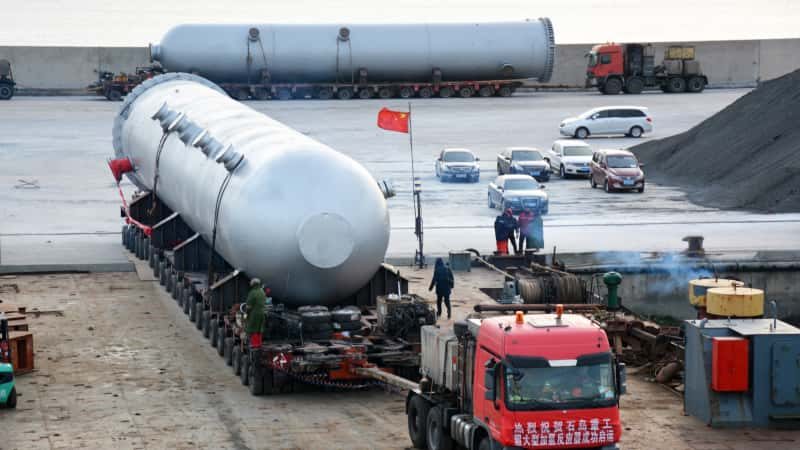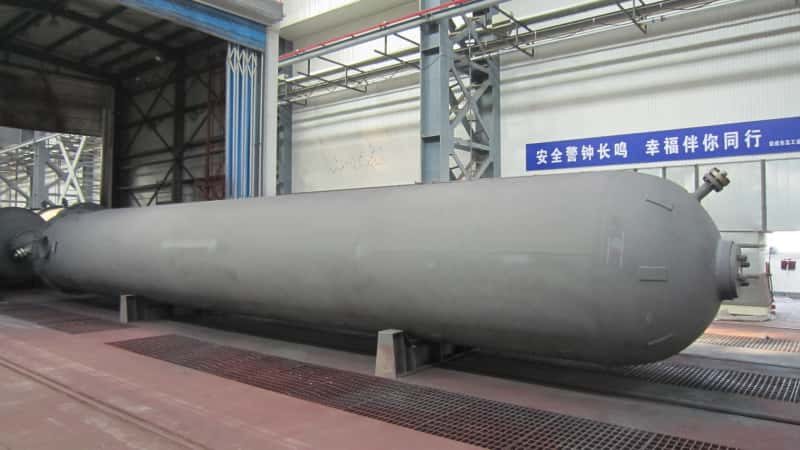

Does a Pressure Vessel Need a Full Vacuum Rating?
A pressure vessel needs a full vacuum rating when the approved design basis requires it to withstand the corresponding external pressure differential. That requirement may arise from normal operation, cleaning, commissioning or other evaluated conditions. It should be established by engineering review rather than assumed for every vessel.
For EPC buyers, the key distinction is straightforward: a vessel’s ability to withstand internal pressure does not automatically establish its ability to withstand external pressure. Before ordering equipment, buyers should define the lowest internal pressure, the pressure outside the vessel and the associated temperature.
A vessel rated for high internal pressure is automatically suitable for full vacuum.False
Internal pressure produces mainly tensile loading, while external pressure can cause compressive instability and buckling. External-pressure capability requires a separate design assessment.
Full vacuum requirements should state the external differential or minimum absolute pressure together with the coincident temperature.True
The words full vacuum alone can be ambiguous, especially when ambient pressure, jackets or multiple pressure chambers affect the governing load case.
What Does Full Vacuum Mean for a Pressure Vessel?
Vacuum describes an internal pressure below the surrounding pressure. The structural load depends on the difference between the pressure outside the vessel and the pressure inside it.
For a vessel exposed to the atmosphere, an internal pressure approaching zero absolute pressure produces an external differential approaching the surrounding atmospheric pressure. The project specification should define the design value and associated temperature rather than rely on the words “full vacuum” alone.
Absolute and gauge pressure must be clearly distinguished. Absolute pressure is referenced to a perfect vacuum; gauge pressure is referenced to a stated ambient pressure. An unqualified pressure value can therefore create ambiguity in a datasheet or quotation.
A full vacuum design basis also does not describe how leak-tight the vessel must be. Structural resistance and acceptable leakage are separate requirements that need separate acceptance criteria.
Why an Internal Pressure Rating Is Not Enough
Internal pressure generally creates tensile stresses in a vessel shell. External pressure can produce compressive loading and instability, making buckling an important consideration.
The external-pressure assessment depends on the vessel’s geometry, material properties, temperature and relevant construction details. Consequently, an internal maximum allowable working pressure should not be converted into a vacuum rating through a simple assumption.
Engineering guidance for industrial refrigeration similarly illustrates why a substantial internal-pressure rating does not automatically establish full-vacuum capability. Requirements developed for another industry or service should not be applied indiscriminately to chemical equipment.
For custom pressure vessels, the inquiry should identify internal and external design conditions explicitly so that the manufacturer can evaluate both where required.
When Can a Process Vessel Experience Vacuum?
Normal Vacuum Operation
Some separation, evaporation and drying processes operate below atmospheric pressure. Where vacuum is part of the intended process, the required operating range should be available early in equipment selection.
The design review should establish how the operating range relates to the required external-pressure design basis. The normal operating vacuum is not necessarily the most severe condition the vessel can encounter.
Cooling and Vapor Condensation
Pressure can decrease when vapor condenses in a closed vessel. This may be relevant after steam cleaning or when a hot process system cools.
The responsible process team should evaluate whether the operating arrangement can produce an external-pressure condition and identify the pressure-temperature combinations that matter. Procurement should carry those approved conditions into the equipment specification.
Liquid Withdrawal and Connected Systems
Removing liquid can reduce vessel pressure if replacement gas does not enter at the required rate. Connected vacuum equipment or other process systems may also influence the pressure a vessel can experience.
These scenarios depend on the installation and operating arrangement. They should be reviewed as part of the process system rather than inferred solely from the vessel’s normal service description.
Commissioning, Cleaning and Shutdown
Temporary activities can impose conditions that differ from normal production. A vessel may operate under positive pressure during service but be exposed to vacuum during an approved preparation or maintenance procedure.
Buyers should therefore obtain input from commissioning and operating teams before finalizing the design basis. A procedure introduced after equipment purchase may require a fresh engineering review.
What Should EPC Buyers Specify?
A clear inquiry describes the load cases that the complete vessel must withstand.
| Specification item | What buyers should establish |
|---|---|
| Minimum internal pressure | Absolute pressure and the relevant operating or temporary condition |
| External pressure | Atmospheric exposure, jacket pressure or another applicable condition |
| Coincident temperature | Temperature associated with each external-pressure case |
| Other pressure chambers | Relevant combinations for jackets or connected pressure boundaries |
| Service life assumptions | Corrosion allowance and expected operating cycles |
| Acceptance requirements | Design records, fabrication checks and any specified leakage testing |
These requirements should remain consistent across the process datasheet, mechanical specification and purchase order.
Consider Pressurized Jackets Separately
For a jacketed vessel, the pressure outside the inner shell may be greater than atmospheric pressure. If the inner vessel is under vacuum while its jacket is pressurized, the differential across the inner shell can exceed an atmospheric full-vacuum case.
Specify the required combinations rather than treating the inner vessel and jacket as unrelated equipment. The mechanical designer should assess the applicable load cases for the complete assembly.
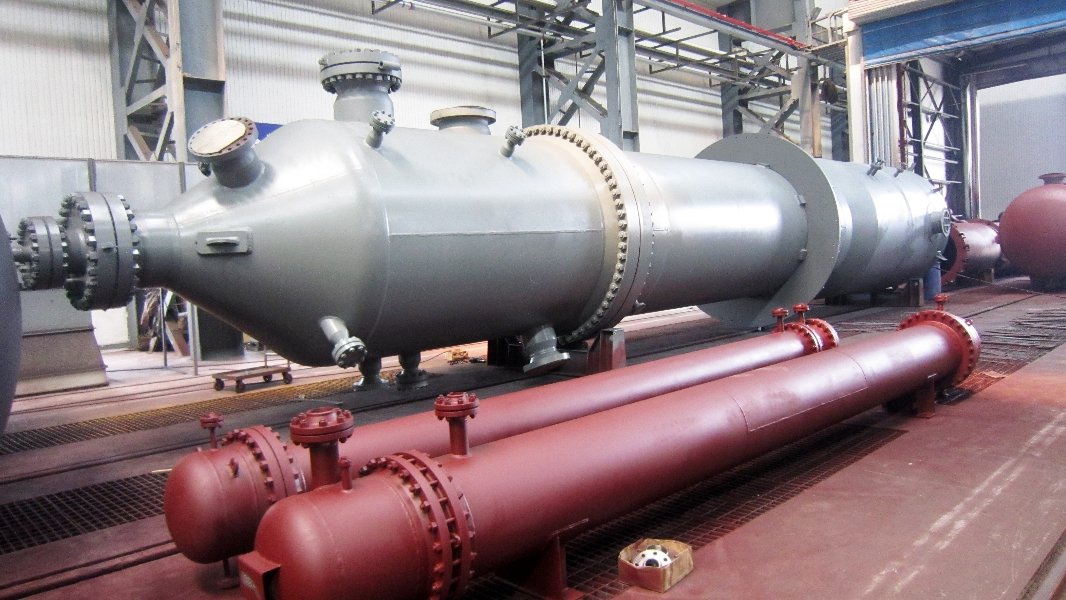
A similar need for coordination can arise in shell and tube heat exchangers, where separate pressure chambers require an agreed design basis.
What Influences External-Pressure Capability?
Vessel diameter, thickness, unsupported length, shape and material properties influence external-pressure resistance. Fabrication tolerances also matter, so a calculation based on nominal dimensions must be supported by appropriate manufacturing control.
Temperature can affect the properties used in the assessment. The designer therefore needs the relevant pressure and temperature together, rather than independent maximum values with no stated relationship.
Corrosion and other service allowances must be addressed in accordance with the applicable design method. Existing equipment may also require consideration of its actual condition before a new vacuum duty is accepted.
Codeware’s external-pressure design overview explains why overall vessel geometry is relevant to the assessment. For procurement purposes, the practical lesson is to request a documented design basis rather than judge vacuum suitability from shell thickness alone.
Does Every Vessel Need Full Vacuum Design?
No. The required external-pressure capability should follow the project’s evaluated conditions and governing requirements.
Some equipment may need full vacuum design, while other equipment may have a different specified external-pressure requirement. The engineering team should establish the basis and document any assumptions.
Where the design relies on protective arrangements or operating restrictions, their adequacy and permitted use require project-specific review. Procurement should not remove a vacuum requirement simply because a protective device is planned, nor add full vacuum as an unexplained default.
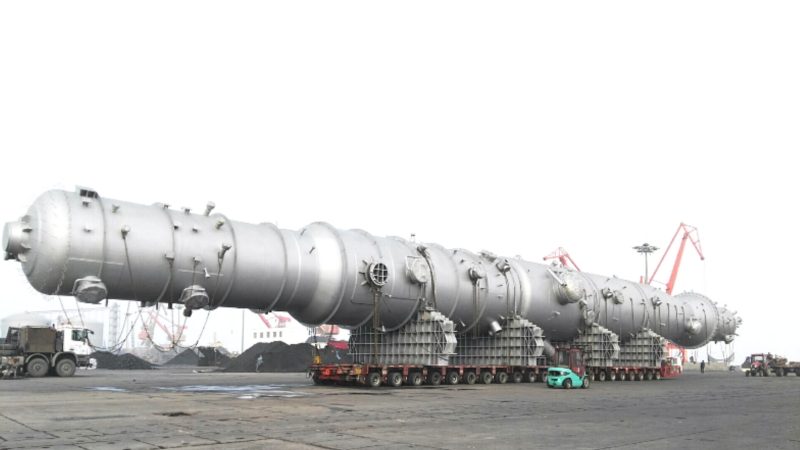
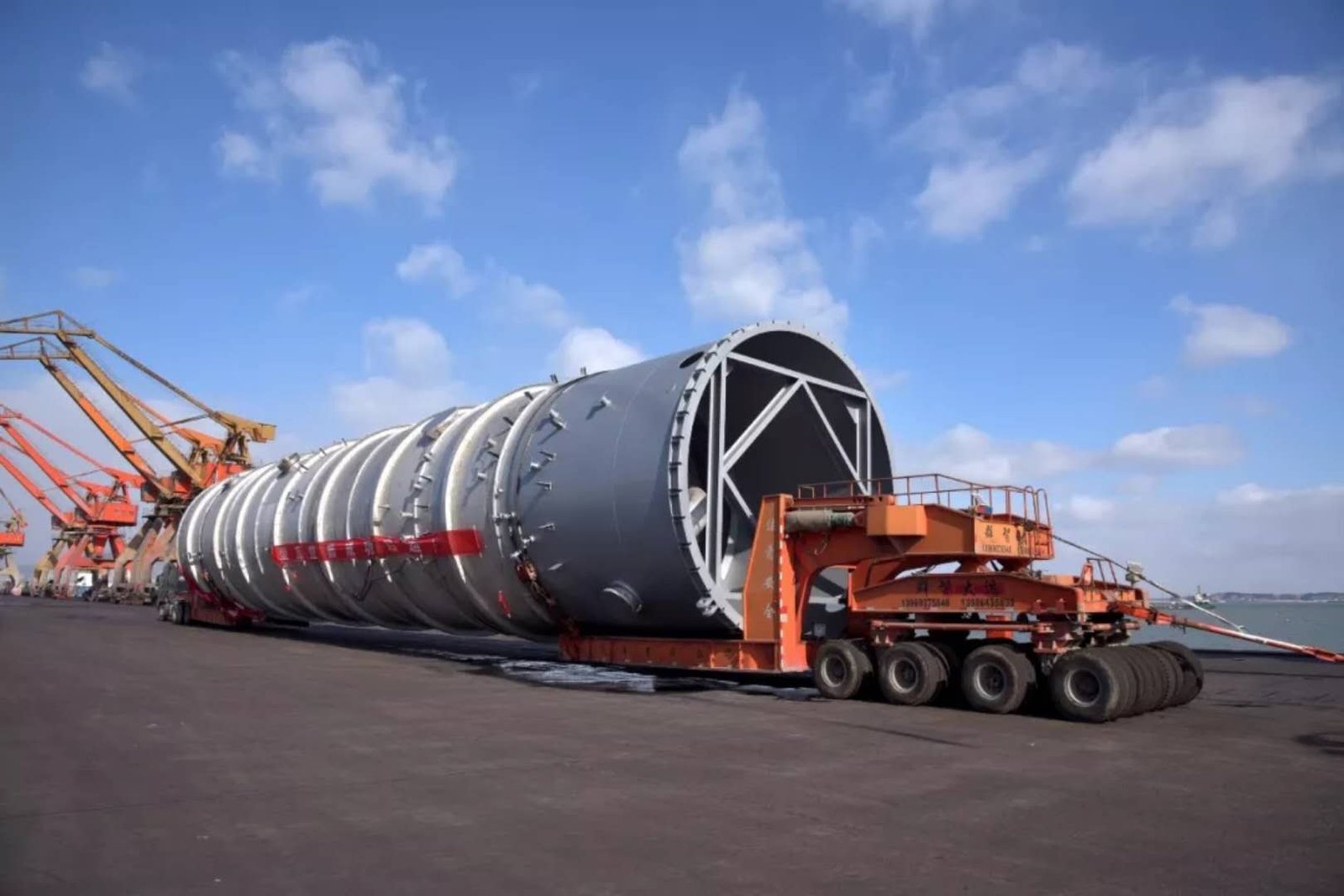
For process towers and columns, identifying this requirement early allows manufacturers to assess its effect on construction, weight, inspection and delivery.
Manufacturing, Inspection and Documentation
External-pressure capability should be reflected in the approved design calculations and manufacturing documents. The inspection plan should address the dimensional and fabrication requirements relevant to that design.
Material traceability, welding records, required examination and dimensional reports provide evidence that the supplied vessel matches its approved construction basis. Required inspection stages should be agreed before fabrication begins.
Where applicable, ASME BPVC Section VIII, Division 1 includes requirements for vessels subject to internal or external pressure. The applicable code, edition and destination requirements must be established for the order. Citing a standard does not establish the manufacturer’s certification.
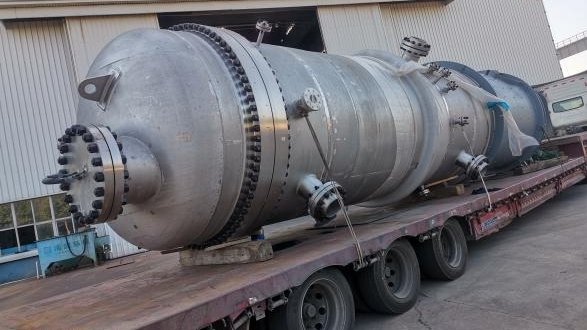
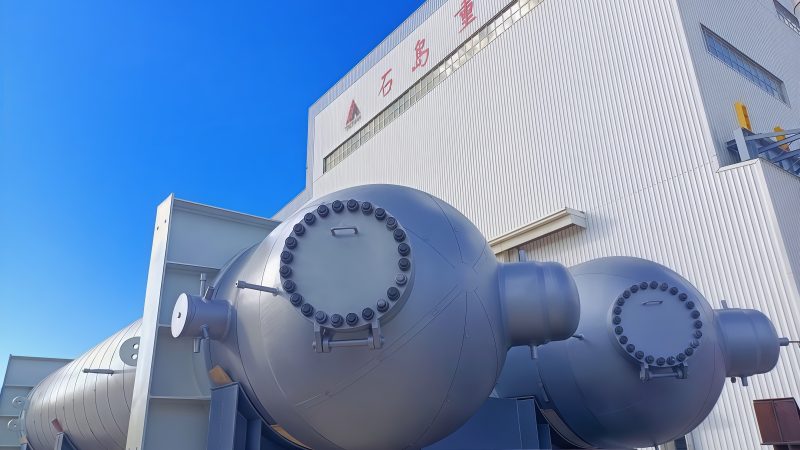
WSHI’s manufacturing capability includes engineering coordination, material procurement, welding fabrication, nondestructive examination, pressure testing and delivery preparation. Any external-pressure duty should be reviewed within the agreed design and supply scope.
Does a Hydrostatic Test Prove Vacuum Capability?
A conventional positive-pressure hydrostatic test does not, by itself, establish resistance to external-pressure buckling.
Likewise, a leakage test and a structural design assessment answer different questions. The acceptance plan should distinguish mechanical construction, external-pressure capability and any process-specific leakage limit.
Buyers should request the required design evidence and approved test procedures. Applying vacuum to equipment without a confirmed design basis is not an appropriate substitute for engineering verification.
What Should Be Confirmed Before Shipment?
The final documentation should identify the approved design conditions and remain consistent with the supplied vessel. Where required, the relevant rating should be reflected in the nameplate and manufacturer’s records under the applicable rules.
Resolve discrepancies between drawings, calculations and purchase specifications before release. Preservation and transport arrangements should also protect the equipment from damage that could affect its condition or installation.
For an existing vessel proposed for a new vacuum duty, collect the original design records and current inspection information. Refer the proposed service change to the responsible engineer before assuming that the equipment can be reused.
FAQ
Can a high-pressure vessel withstand full vacuum?
Possibly, but its internal-pressure rating alone does not prove this. External-pressure capability requires confirmation against the vessel’s design, geometry, materials, temperature and condition.
Does full vacuum mean exactly minus one bar?
That shorthand can be ambiguous. The specification should define the external differential or minimum absolute pressure and its reference conditions, together with the associated temperature.
Can a vessel need vacuum design even if it normally operates under pressure?
Yes. Cleaning, cooling, commissioning or other evaluated conditions may introduce vacuum. These cases should be considered when establishing the equipment design basis.
Can full vacuum capability be added after fabrication?
A qualified engineering assessment is required. The existing design may be adequate, may require modification, or may be unsuitable. A revised rating cannot be established merely by changing the datasheet.
Discuss Your Vessel Design Conditions
A full vacuum pressure vessel specification should connect actual process conditions with documented mechanical capability. Clear pressure references, associated temperatures and load combinations help EPC buyers obtain comparable quotations and avoid late design changes.
If your project requires a vessel, column or exchanger with an external-pressure duty, contact our engineering team with the equipment datasheet, operating cases, drawings and delivery requirements. WSHI can review the proposed complete-equipment scope and identify the information needed for manufacturing evaluation.