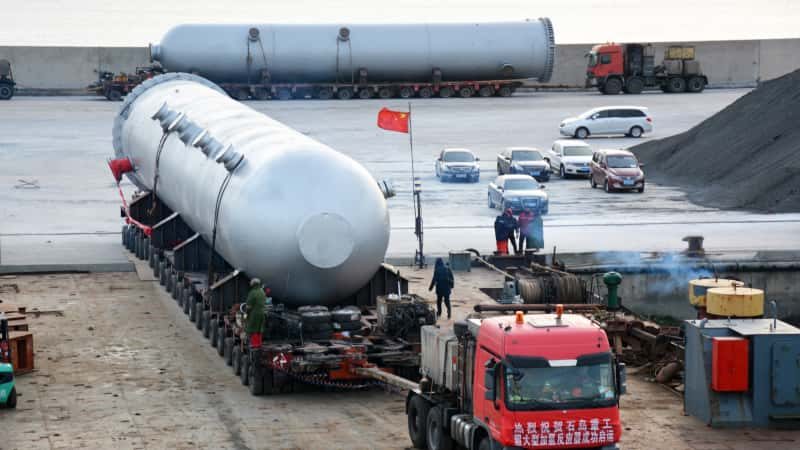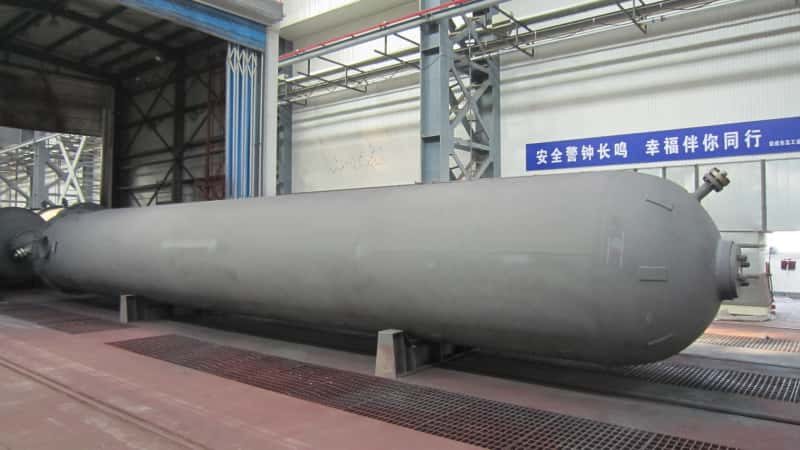

MVR or Multiple-Effect Evaporation: Which Fits Your Industrial Wastewater Project?
Choosing between mechanical vapor recompression and multiple-effect evaporation requires more than comparing electricity with steam. Industrial wastewater composition, required concentration, operating hours, utility availability and maintenance conditions can change which arrangement is practical.
For EPC buyers and chemical plant project teams, the useful comparison starts with the same treatment duty and the same equipment boundary. Both proposals should address an agreed feed range, water removal rate, concentrate condition and condensate requirement. Without that common basis, a lower equipment price or advertised energy figure can be misleading.
MVR is always cheaper to operate than multiple-effect evaporation.False
Operating cost depends on feed behavior, electricity and steam costs, operating hours, compressor performance, cleaning requirements and the complete system design.
MVR and multiple-effect evaporation can be combined in one engineered process.True
They are different heat-recovery approaches and may be combined when the temperature levels, wastewater properties and project economics support the arrangement.
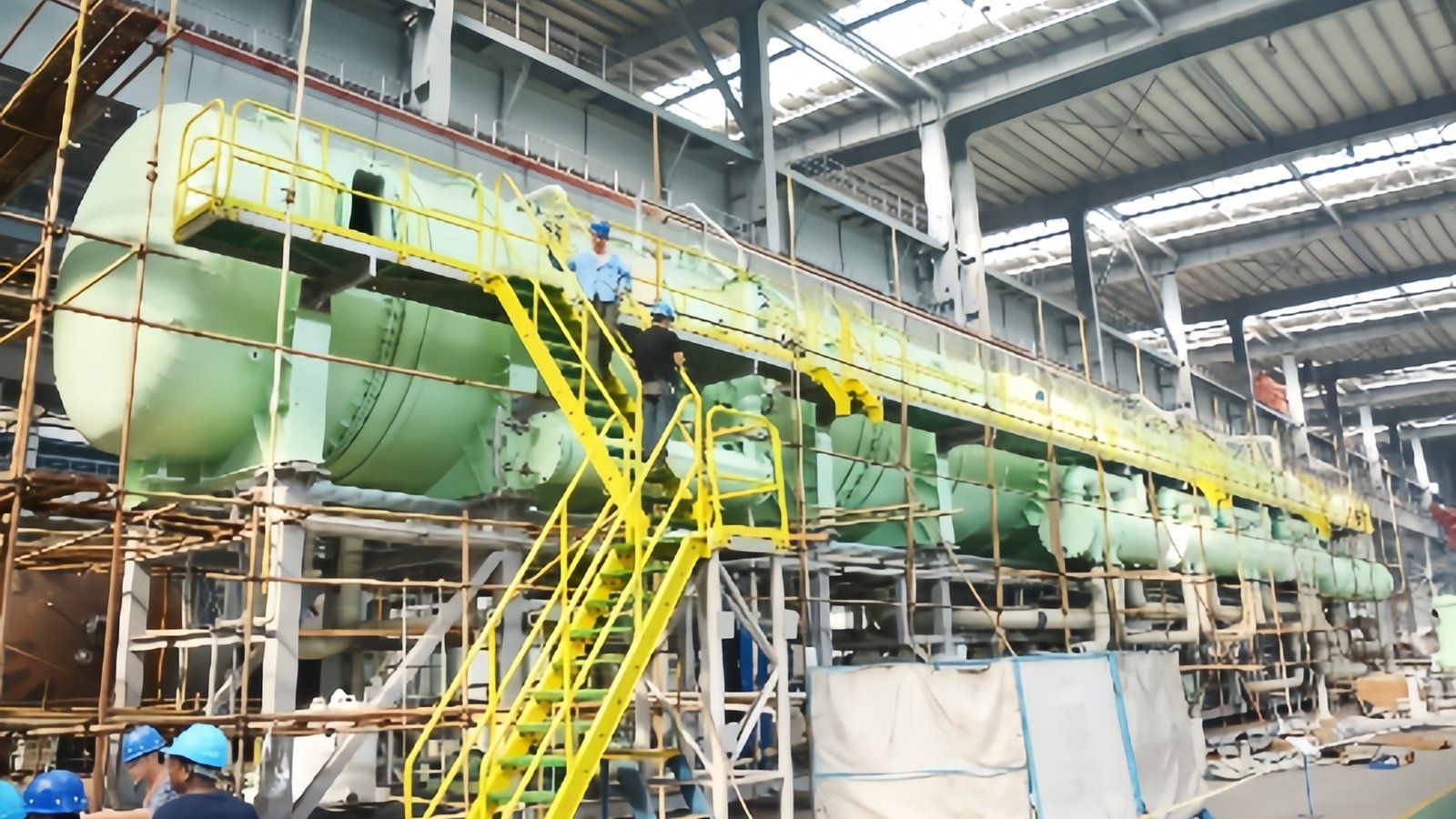
How Do the Two Evaporation Routes Work?
Mechanical Vapor Recompression
Mechanical vapor recompression, or MVR, raises the pressure and temperature of vapor generated by evaporation so that its heat can be reused. In an electrically driven arrangement, the vapor compressor is a major electricity consumer.
The process still requires a complete thermal and mechanical system. Startup heating, feed preheating, circulation, noncondensable-gas removal and other auxiliary duties need to be included in the project assessment.
Multiple-Effect Evaporation
Multiple-effect evaporation reuses vapor heat across successive evaporation stages operating at different pressures and boiling temperatures. External heat enters the system, and vapor from one effect supplies heat to another.
Additional effects can improve steam economy, but the available temperature range, equipment area and process characteristics limit the practical arrangement. A U.S. EPA technical development document describes multiple-effect evaporation and vapor recompression as different methods for improving evaporation energy efficiency.
The two concepts are not mutually exclusive. A project may combine multiple effects with vapor recompression where the engineering and economics support that configuration.
Compare the Options on a Consistent Basis
| Selection factor | MVR assessment | Multiple-effect assessment |
|---|---|---|
| Main purchased utility | Electricity for an electrically driven vapor compressor, plus auxiliaries | Steam or another suitable heat source, plus electrical auxiliaries |
| Thermal constraints | Required vapor temperature lift and available heat-transfer driving force | Available temperature range across the selected effects |
| Operating flexibility | Compressor operating envelope and integrated controls | Stability across effects and response to changing steam and feed conditions |
| Maintenance | Complete evaporation system plus compressor maintenance | Multiple evaporation stages and associated equipment |
| Economic assessment | Electricity tariffs, installed electrical capacity and operating hours | Delivered steam cost, heat availability and operating hours |
| Common requirement | Verified feed data, materials, cleaning strategy and outlet specifications | Verified feed data, materials, cleaning strategy and outlet specifications |
This comparison is a screening framework. It does not establish that either option will always cost less or perform better.
Start with the Wastewater, Not the Energy Label
Define Feed Composition and Variability
A representative feed analysis should cover dissolved salts, suspended solids, organics, pH and relevant contaminants. Identify normal operation as well as credible variation caused by production changes, cleaning cycles or mixing of wastewater streams.
For industrial wastewater evaporation, a single sample may not adequately represent the design duty. Buyers should explain where samples were collected and how they relate to the proposed feed.
Where behavior remains uncertain, laboratory concentration tests or pilot work may be needed before a supplier can make a reliable process commitment. The testing scope should address the uncertainty that matters to selection, rather than become a generic requirement.
Confirm Boiling-Point Elevation and Concentrate Properties
As some solutions become more concentrated, their boiling temperature rises relative to that of pure water at the same pressure. This boiling-point elevation affects the temperature difference available for heat transfer.
The assessment should follow the concentration range through the proposed process. Properties at the dilute inlet alone may not describe conditions near the final concentration.
Viscosity, precipitation and foaming can also change during concentration. These characteristics influence the selected evaporation arrangement, circulation requirements and cleaning strategy. Neither MVR nor multiple-effect heat reuse automatically resolves difficult feed behavior.
Distinguish Feed Rate from Evaporation Rate
A system treating a stated quantity of wastewater does not necessarily evaporate that entire quantity. Buyers should define feed flow, feed concentration, water removal and the required concentrate condition through an agreed mass balance.
Vendor utility figures should use a clearly stated denominator. Electricity per tonne of feed cannot be compared directly with electricity per tonne of water evaporated.
Evaluate Fouling and Cleaning Before Equipment Selection
Deposits can reduce heat transfer and change the operating behavior of an evaporator. The inquiry should identify known scaling, solids deposition or organic fouling tendencies and the basis for expected cleaning intervals.
Ask how the proposed system will be cleaned, what access is required and how wastewater will be managed during downtime. Include cleaning-fluid handling and restart requirements in the operating assessment.
Evaporator configuration and energy-recovery method are separate decisions. For example, choosing MVR does not by itself determine whether a falling-film or forced-circulation arrangement is suitable.
For complete industrial heat exchangers associated with evaporation, thermal design should be coordinated with the intended maintenance method and realistic fouling assumptions.
Compare Utility Costs at the Project Site
MVR may be attractive where electricity is suitable and the proposed duty can be served efficiently by vapor recompression. Multiple-effect evaporation may warrant consideration where an appropriate steam supply or usable heat source is available. Neither observation replaces a site-specific calculation.
The U.S. Bureau of Reclamation’s report on high-recovery processing discusses steam versus electricity as an evaporation selection issue. Its technical context supports evaluating local utility conditions rather than assuming a universal preferred route.
For procurement, request an annual operating-cost model using the same production schedule and treatment duty. Include startup energy, circulation, vacuum equipment, cooling, cleaning and other applicable auxiliaries.
Electricity costs may include demand charges and additional connection capacity. Steam should be valued on an agreed basis that accounts for its supply and alternative uses. Describing available steam as “free” can conceal a real project cost.
Include Availability and Downtime
The financial comparison should reflect expected annual operating hours and realistic availability. A theoretically efficient arrangement may deliver limited benefit if production campaigns are short or cleaning downtime is substantial.
Evaluate maintenance support, spare-equipment strategy and the operational consequence of a shutdown. These considerations should be included in the complete-system assessment, with responsibilities assigned to the relevant suppliers.
Define Condensate and Concentrate Requirements
Evaporation separates streams; it should not be described as automatically destroying all pollutants. Volatile substances and entrained liquid can affect condensate quality, depending on the wastewater and process arrangement.
Specify the intended condensate destination and the corresponding quality criteria. Reuse, further treatment and discharge are different objectives. Any required polishing or off-gas treatment should have an identified owner.
The concentrate also needs a defined destination. Confirm the required concentration, transfer characteristics and downstream handling method. If crystallization or drying is needed, state whether it belongs in the order or another package.
An evaporator alone should not be presented as a guaranteed zero-liquid-discharge system. The entire liquid and solids balance must support that claim.
Specify Materials for Concentrated Service
Materials should be evaluated at the relevant process conditions, including the most demanding expected concentration. A material that appears suitable for dilute feed may require further assessment for hot concentrate.
The review should consider chemical composition, temperature, solids, cleaning chemicals and potential localized corrosion. Blanket requests for stainless steel do not define an adequate procurement specification.
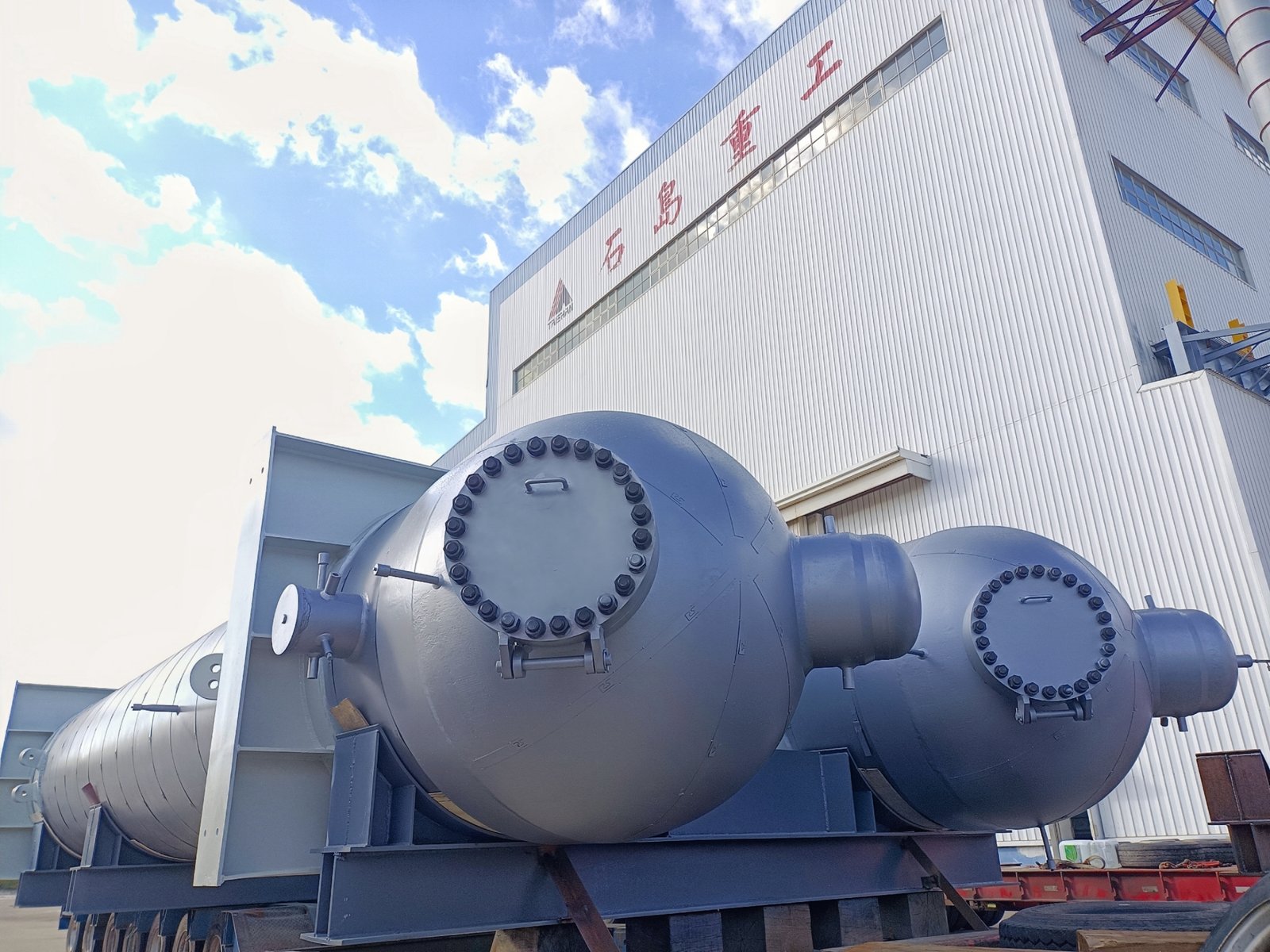
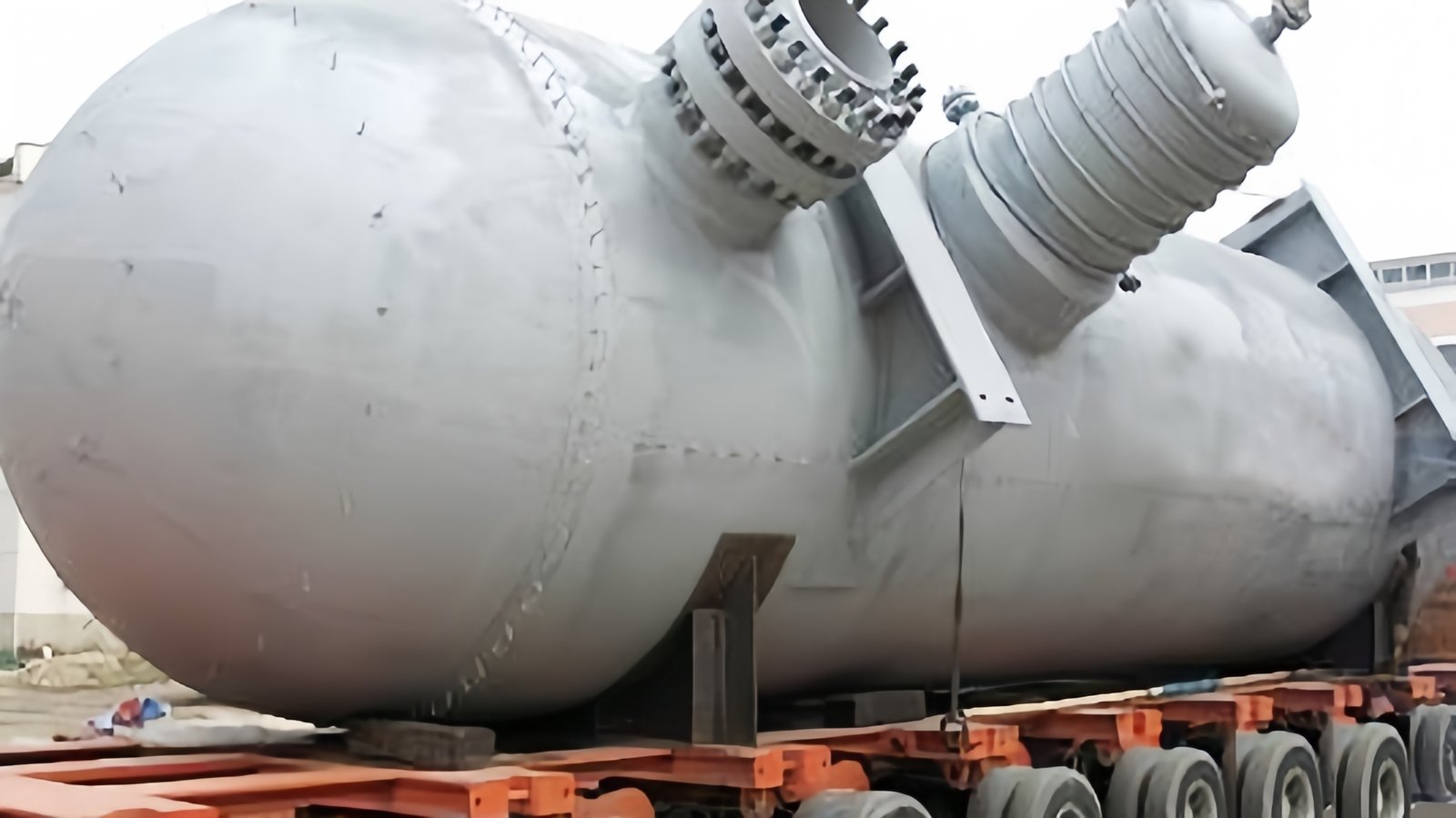
For custom pressure vessels, provide the approved material basis and design conditions. Any external-pressure duty should be included where relevant to vacuum operation.
Applicable construction standards, inspection requirements and acceptance records should be identified before suppliers prepare firm offers.
Clarify the Complete Equipment Supply Scope
A process proposal and a manufacturing quotation can cover different responsibilities. Buyers should distinguish the equipment manufacturer’s scope from that of the process designer, vapor-compressor supplier and system integrator.
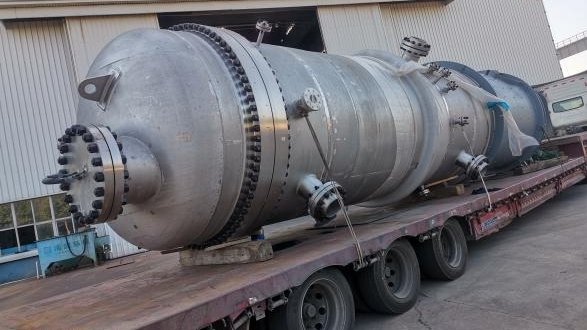
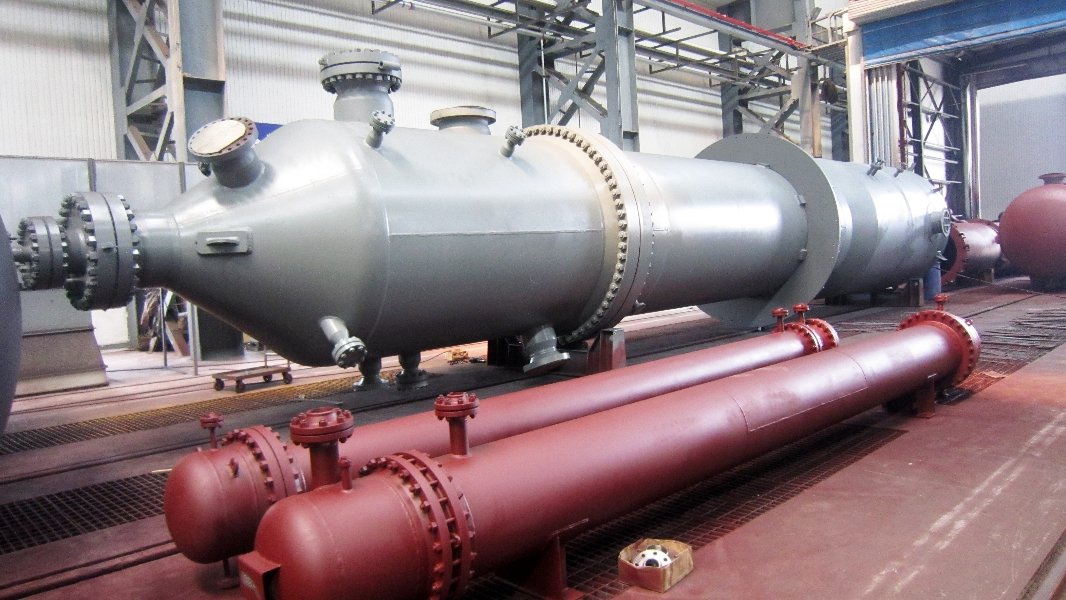
The equipment list may include evaporator bodies, heating equipment, separation vessels, condensers where required, and feed or concentrate tanks. Specify what is included in the complete package and who coordinates the interfaces.
For associated industrial storage tanks, WSHI’s relevant scope is tanks above 1,000 liters. Capacity should follow the operating balance, including feed buffering and the agreed handling of process interruptions.
The quotation should explicitly identify responsibility for compressors, pumps, automation, electrical systems, installation and commissioning. A stationary-equipment order should not be assumed to include the entire evaporation plant.
Review Manufacturing and Performance Acceptance Separately
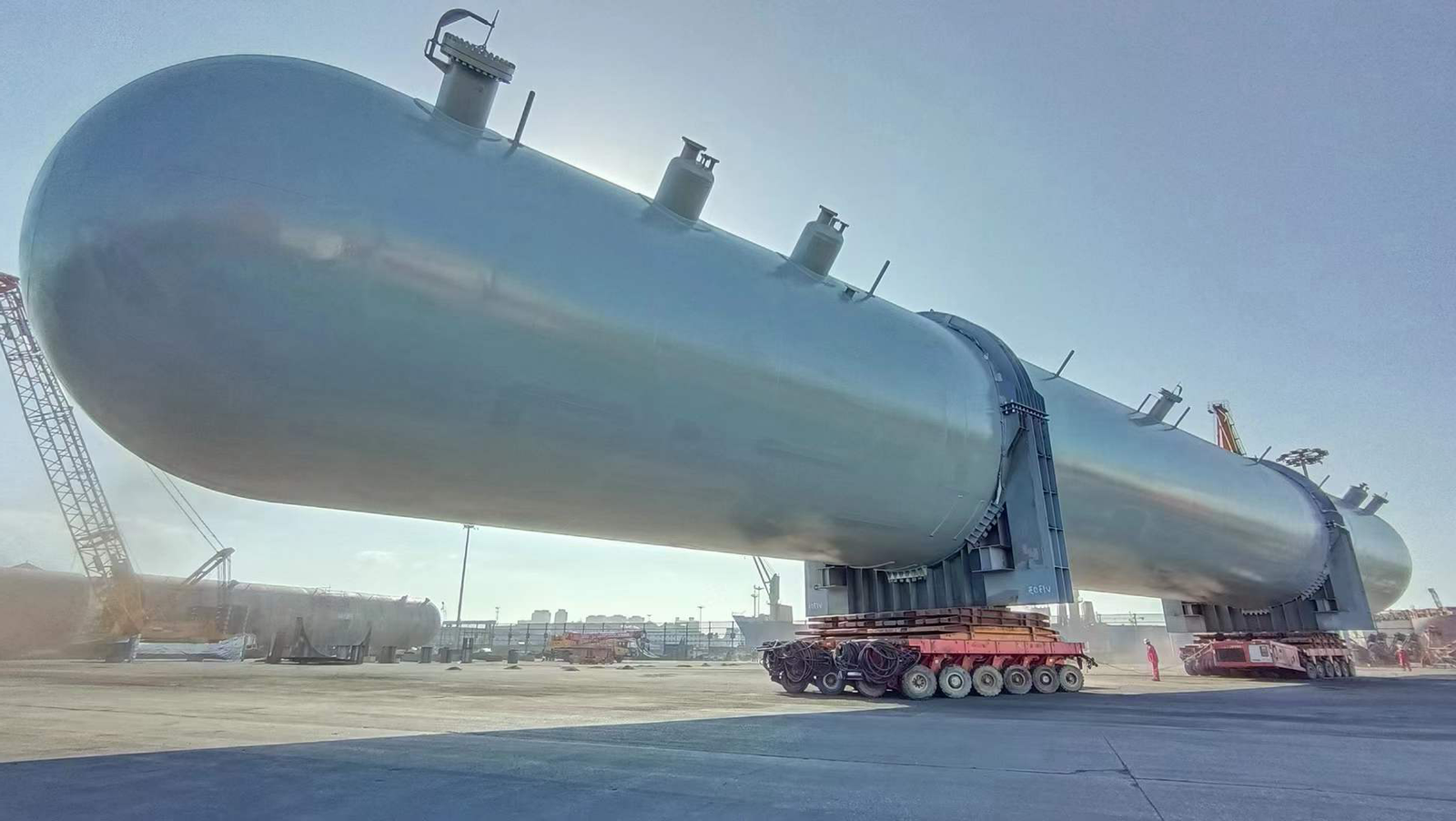
Manufacturing acceptance should address material traceability, welding documentation, dimensional verification, required examination and testing. The inspection plan should match the applicable equipment specification.
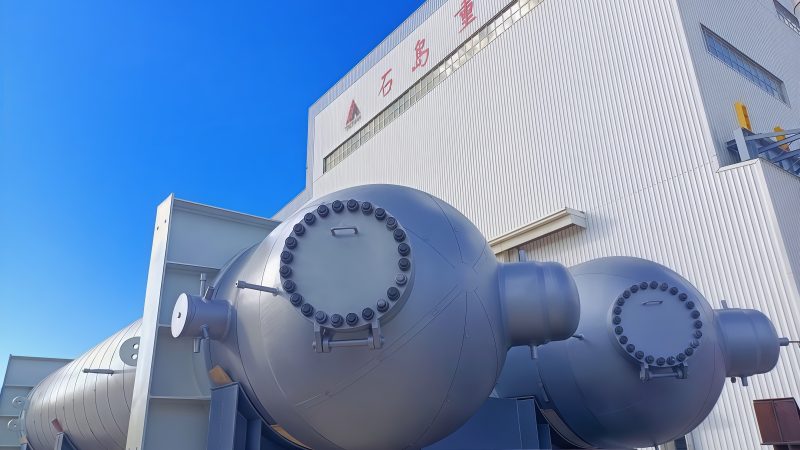
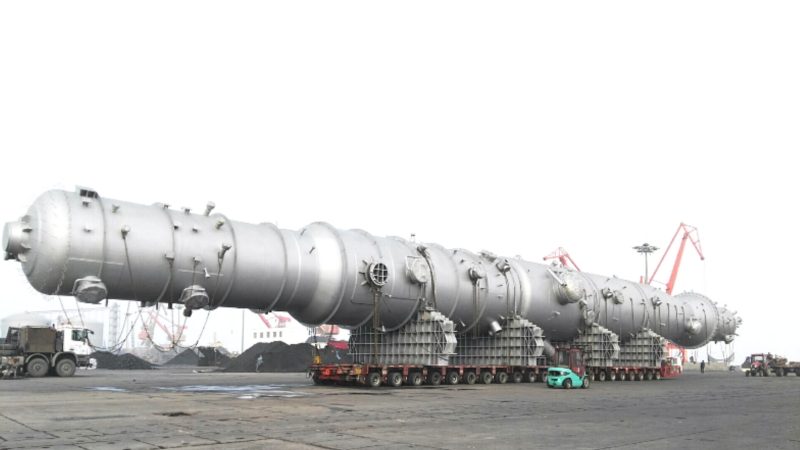
WSHI’s manufacturing capability includes engineering coordination, material procurement, welding fabrication, nondestructive examination, pressure testing, coating and heavy-equipment delivery activities. The scope available for an evaporation project should be confirmed against its equipment list.
Mechanical acceptance does not establish treatment performance. The contract should separately define how throughput, water removal, condensate quality, concentrate condition and utility consumption will be evaluated.
Performance testing needs an agreed feed envelope and operating conditions. A guarantee based on one feed composition should not be treated as valid for unlimited wastewater variation.
What Should Buyers Send with an Inquiry?
Provide representative feed analyses, flow variability, the required mass balance, available utilities and intended outlet destinations. Include operating hours, known fouling behavior and any relevant test results.
The mechanical package should identify materials, design conditions, inspection expectations and delivery requirements. Require bidders to state assumptions, exclusions and information needed for final design.
Compare proposals only after aligning their treatment duty and supply boundaries. This is more useful than ranking equipment by a single energy-consumption figure or purchase price.
FAQ
Is MVR always cheaper to operate than multiple-effect evaporation?
No. Operating cost depends on feed behavior, utility prices, equipment design, operating hours and maintenance. Both options need assessment against the same treatment duty.
Can MVR and multiple-effect evaporation be combined?
Yes. They describe different ways of recovering and reusing heat and can be combined in an engineered arrangement. The benefit must be established for the individual process.
Does MVR eliminate the need for steam and cooling utilities?
Not necessarily. Startup, auxiliary duties and the selected process configuration can require additional utilities. Suppliers should provide a complete utility schedule for all agreed operating modes.
Is the condensate automatically suitable for reuse?
No. Quality depends on feed composition, volatility, entrainment and system performance. Reuse criteria should be defined and verified, with additional treatment included where necessary.
Discuss Your Wastewater Evaporation Equipment
The choice between MVR and multiple-effect evaporation should follow the wastewater characteristics, utility conditions and required treatment result. A clear equipment boundary helps buyers connect that process decision with a realistic manufacturing and delivery scope.
For an industrial wastewater project, contact our engineering team with your feed analysis, required water removal, utility information and equipment list. WSHI can review the proposed evaporators, heat exchangers, vessels and tanks above 1,000 liters, and discuss the information needed for a manufacturing quotation.