
Green Ammonia Plant Heat Exchangers: Defining Cooling Duties During FEED
Green ammonia plant heat exchangers need a clear operating basis before EPC teams can compare supplier proposals. Heat duty alone is insufficient: cooling-water temperature, process composition, allowable pressure drop and expected operating range all influence equipment selection.
During front-end engineering design, or FEED, buyers have an opportunity to resolve these conditions before equipment dimensions and project costs become difficult to change. The objective is to translate the process design into complete exchanger packages with defined engineering, manufacturing, inspection and delivery responsibilities.
Heat duty alone is enough to compare green ammonia plant heat exchanger proposals.False
Comparable proposals also require agreed fluid properties, utility conditions, pressure-drop limits, fouling assumptions, operating cases and engineering responsibilities.
A FEED award confirms that EPC execution and equipment orders have been approved.False
FEED develops the technical and commercial basis. EPC progression may remain subject to approvals, financing, final investment decision and other project conditions.
A New Green Ammonia FEED Award Highlights the Planning Stage
On September 16, 2026, Técnicas Reunidas announced a FEED contract from Hive Hydrogen South Africa for a green hydrogen and ammonia facility in the Coega Special Economic Zone. The announced scope includes hydrogen production, air separation, an ammonia production loop and supporting infrastructure.
According to the engineering contractor’s announcement, progression to EPC remains subject to conditions including successful FEED completion, approvals, financing and a final investment decision.
The announcement provides a timely context for discussing equipment definition. It does not establish an exchanger procurement list or any WSHI involvement. The following considerations apply generally to projects developing their cooling-equipment scope.
Identify Cooling Duties by Process Function
A green ammonia development can contain several cooling systems with different owners and design requirements. Depending on the selected process, candidate duties may include gas cooling around compression, cooling and condensation associated with ammonia recovery, and auxiliary process-fluid cooling.
These duties should not be grouped under one generic specification. Each exchanger needs an equipment tag, defined fluid streams, operating cases and an identified engineering owner.
For industrial heat exchangers, the inquiry should also distinguish sensible cooling from duties involving condensation. When phase change occurs, the thermal design needs an appropriate physical-property and phase-equilibrium basis.
Some cooling duties may sit inside a compressor or technology package. Others may be purchased separately by the EPC contractor. Establishing those boundaries early reduces the risk of duplicate purchases or missing equipment.
Separate Cooling Water from Refrigeration
Cooling water cannot meet every process temperature requirement. Where a duty requires refrigeration, its temperature levels and utility conditions must come from the approved process design.
The purchaser should identify the actual cooling medium for each exchanger rather than allow bidders to assume interchangeable utilities. Equipment intended for cooling-water service should not be treated as equivalent to equipment operating with a refrigerant.
Define Green Ammonia Plant Heat Exchangers Across the Operating Range
Provide More Than a Maximum Heat Duty
The thermal datasheet should identify process flow, composition, inlet conditions, required outlet condition and allowable pressure drop. Relevant properties should be supplied or assigned to the party responsible for thermal design.
Separate normal, maximum and minimum cases. State which conditions occur together so that suppliers do not combine unrelated extremes or overlook a demanding operating case.
For condensing service, clarify whether the required result is a temperature, a condensed quantity, an outlet vapor fraction or another process criterion. These descriptions are not automatically equivalent.
Confirm the Plant’s Actual Operating Strategy
Renewable electricity introduces planning questions, but it does not prove that every green ammonia exchanger will experience frequent cycling. Hydrogen storage, electricity procurement and the chosen synthesis operating strategy can influence how different parts of the plant operate.
The project team should provide the expected operating envelope rather than ask suppliers to infer it from the word “green.” Where load changes or repeated starts are expected, identify the relevant frequency, temperature changes and operating sequences for engineering review.
A proposal based only on one steady-state condition may leave important operating questions unresolved.
Establish a Credible Cooling-Water Basis
Cooling-water availability is a plant-level constraint that affects individual exchanger performance. FEED should establish the supply temperature, available flow, permissible return temperature and pressure available at the equipment.
Seasonal conditions matter. A supplier proposal based on favorable water temperatures should not be compared directly with one evaluated against the project’s summer design condition.
Water quality also needs definition. The distinction between an open cooling-water circuit, a closed treated-water loop and direct seawater service has practical consequences for materials, fouling assumptions and maintenance.
A coastal project location does not establish that seawater will enter the exchanger. The actual cooling-system arrangement must be confirmed.
Coordinate Fouling and Cleaning Assumptions
Specify the fouling basis used for thermal rating and identify the expected cleaning approach. A numerical fouling allowance alone does not establish that an exchanger will remain maintainable in the proposed installation.
For shell and tube heat exchangers, access requirements can influence the construction selected. The layout should accommodate the maintenance operations associated with that design.
Treat Pressure Drop as a System Requirement
Allowable pressure drop affects both exchanger selection and connected equipment. Process-side limits should be coordinated with the compressor or process-package supplier, while water-side limits should reflect the cooling network.
Increasing exchanger area does not automatically resolve hydraulic constraints. The thermal and hydraulic assessment should demonstrate that the proposal meets the agreed duty within the available pressure-drop limits.
Select Materials for the Actual Service
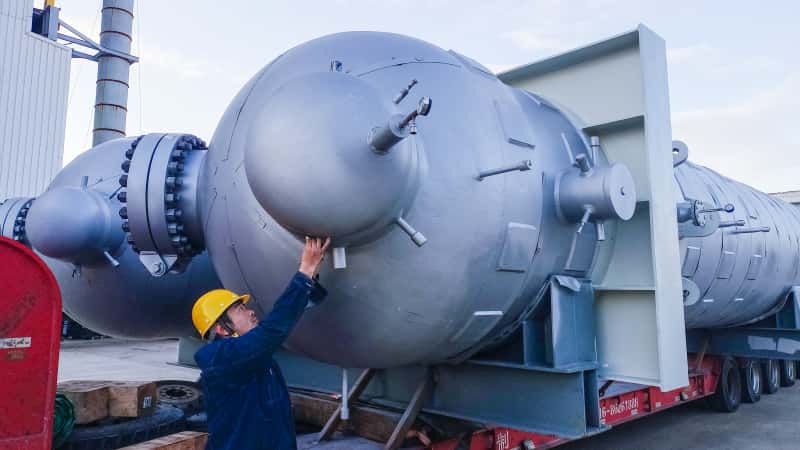
“Ammonia plant service” is not a complete material specification. Different exchangers may handle different gas compositions, condensed liquids, cooling media and temperature ranges.
The materials review should address each side of the exchanger. Relevant considerations include fluid chemistry, moisture, contaminants, cleaning conditions and any low-temperature requirements associated with the specified duty.
Buyers should avoid prescribing one material across every cooling service for purchasing convenience. Equally, a broad request for stainless steel does not define the grade, corrosion basis or construction requirements.
Material selection and required verification should be agreed before long-lead procurement. Any unresolved assumptions should remain visible in the supplier’s quotation.
Clarify Thermal Design and Performance Responsibilities
A quotation should state whether the supplier provides thermal design, mechanical design and fabrication, or only a defined portion of that work.
Where thermal performance is included, identify the governing cases, calculation basis and acceptance conditions. If the purchaser supplies an approved thermal design, the manufacturer still needs the information necessary to develop the mechanical equipment.
Performance commitments should relate to conditions that the plant can supply and measure. Cooling-water conditions, process composition, fouling state and operating flow all need consideration when defining a guarantee.
The supplier of one exchanger should not be assumed to guarantee ammonia production capacity or the complete plant’s energy consumption. Those commitments require separate contractual allocation.
Agree Construction and Inspection Requirements
Where required by the project, TEMA Standards provide a basis for tubular heat exchanger construction. The inquiry should identify the applicable edition, class and project additions.
The governing pressure-equipment construction code must also be established. Where applicable, ASME BPVC Section VIII, Division 1 addresses pressure-vessel design, fabrication, inspection and testing. These references do not establish a manufacturer’s certification or membership.
The equipment specification should define the pressure and temperature requirements for each chamber and the load combinations requiring assessment. Associated system protection remains an engineering responsibility that must be assigned within the project.
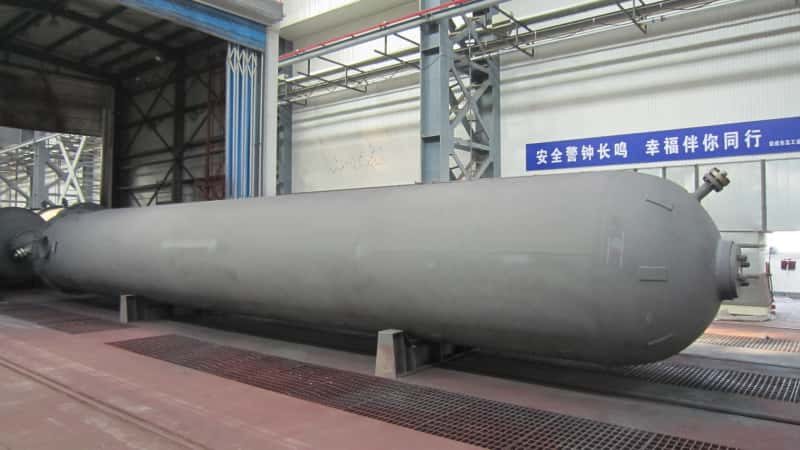
The inspection and test plan should identify material records, welding documentation, dimensional checks, required examination and pressure testing. Additional requirements should follow the service and governing specification rather than a generic claim of maximum inspection.
A pressure test supports mechanical acceptance. It does not demonstrate heat-transfer performance or the ability of the cooling network to meet the plant’s operating needs.
Review Manufacturing and Delivery During FEED
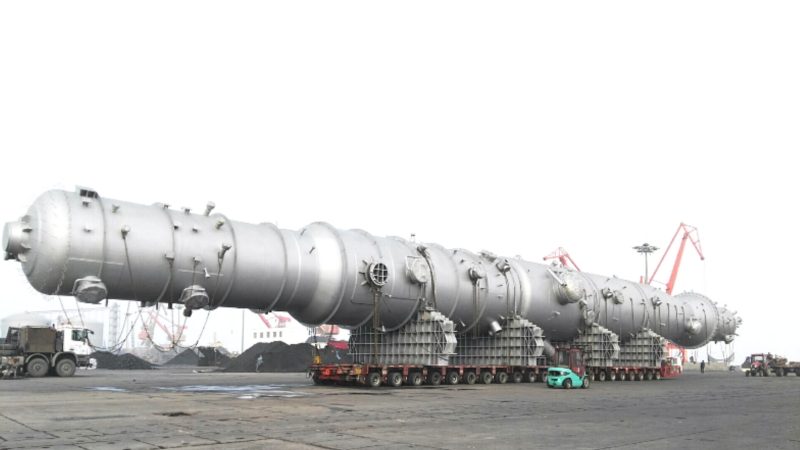
Early manufacturing review can identify constraints before the layout is fixed. Exchanger dimensions, material availability, fabrication methods, inspection stages and shipping limits can all affect the proposed schedule.
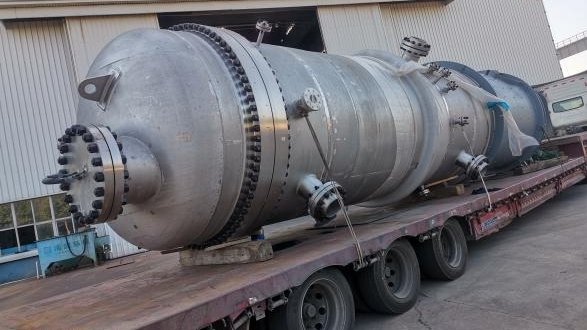
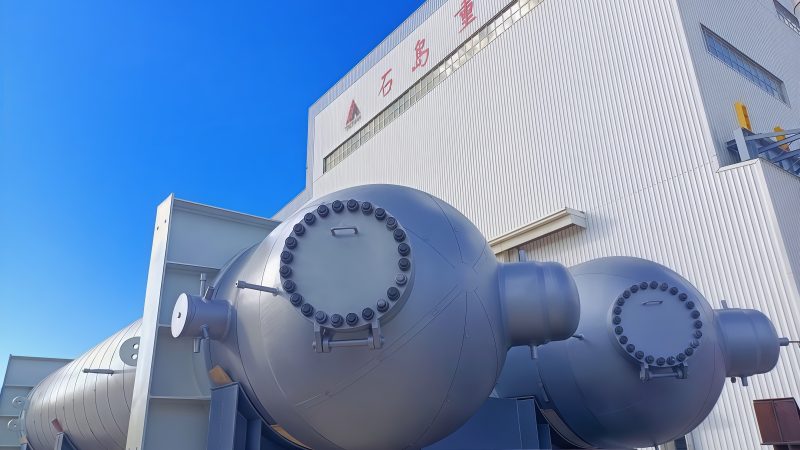
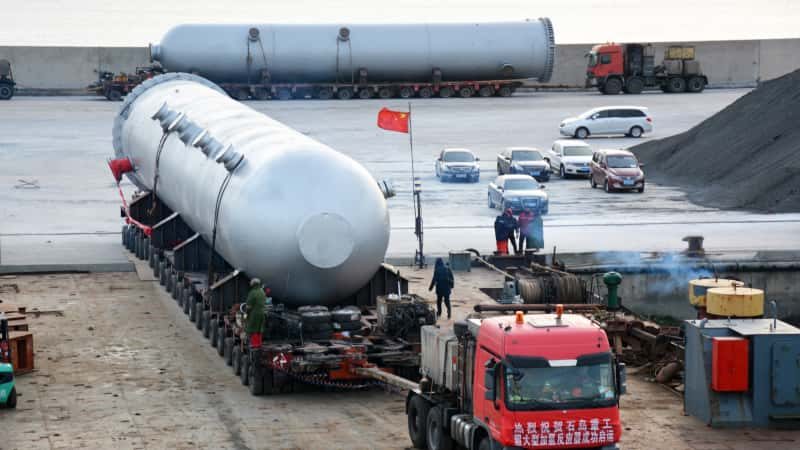
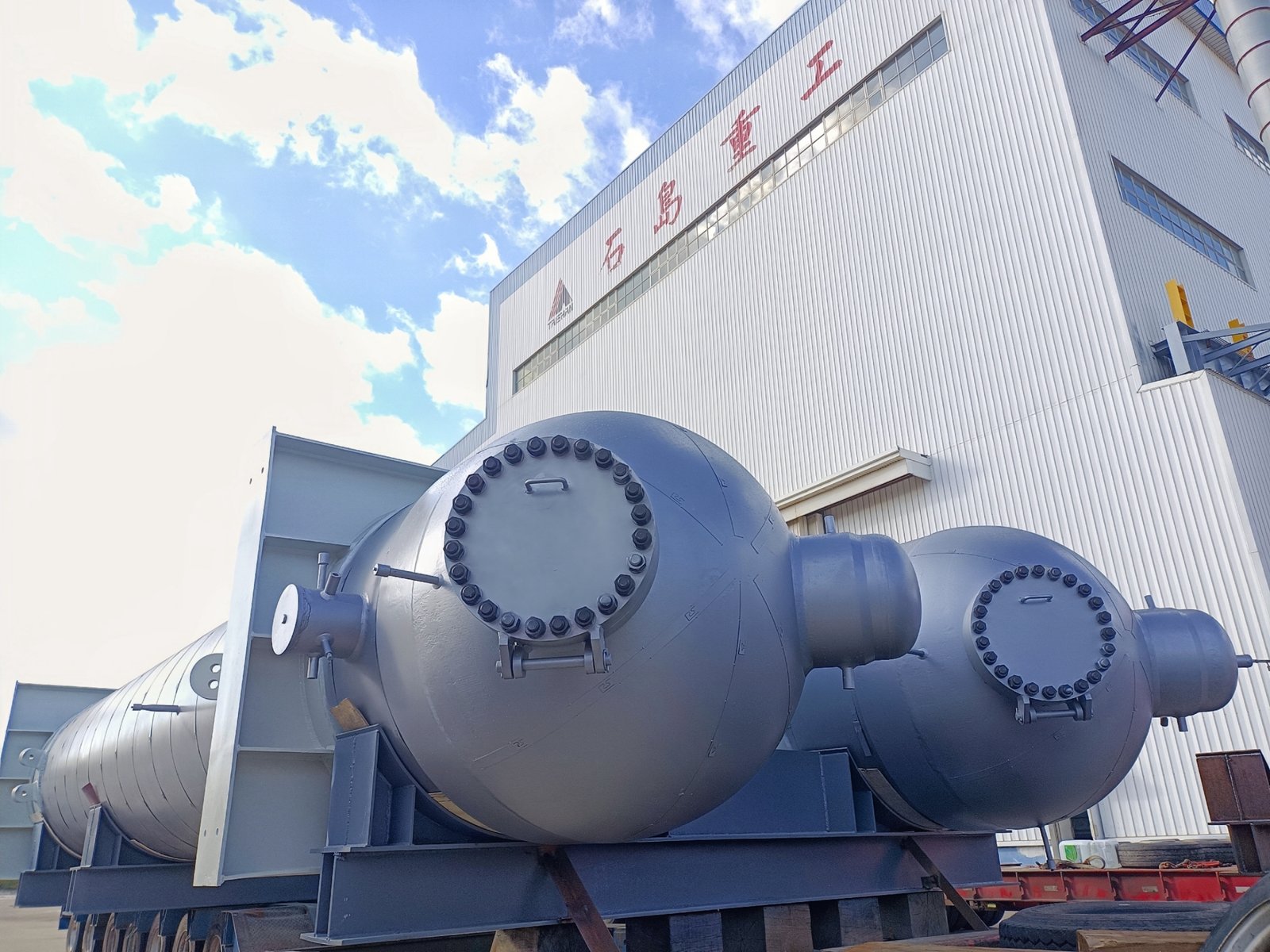
WSHI’s manufacturing capability includes engineering coordination, material procurement, welding fabrication, nondestructive examination, pressure testing, coating and heavy-equipment loading and delivery activities. The scope applicable to a green ammonia inquiry should be confirmed against the proposed equipment specifications.
Maintenance access should be reviewed alongside delivery access. A removable construction requires suitable space and lifting arrangements at the site, not merely an acceptable transport route.
Agree whether the supplier’s delivery responsibility ends at the factory, port or project site. Unloading, erection, insulation and commissioning should be assigned explicitly.
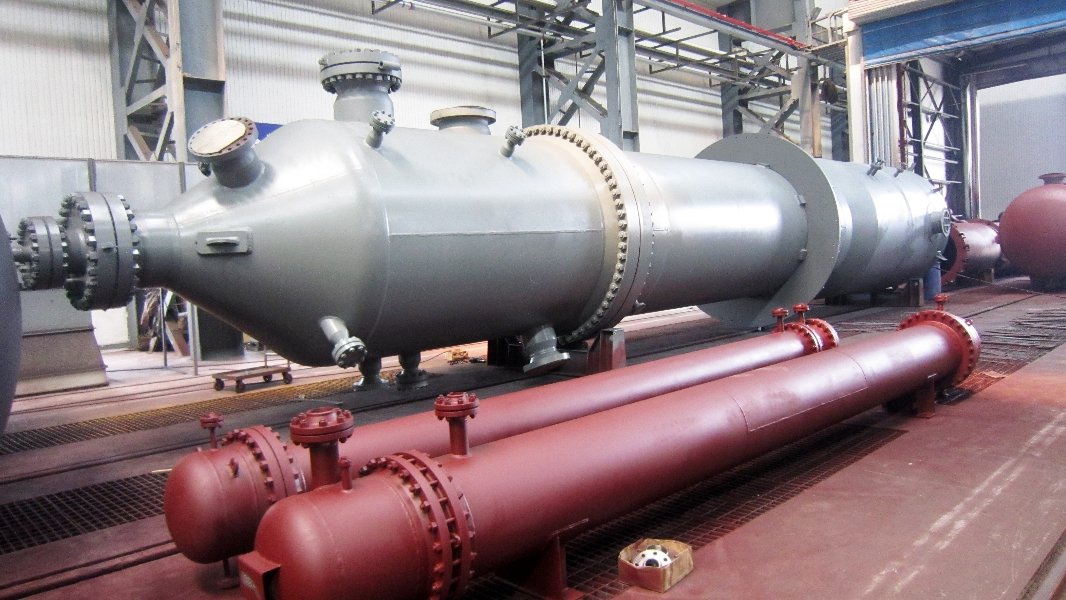
What Should an EPC Inquiry Include?
A consistent inquiry package helps suppliers produce comparable proposals.
| Inquiry item | Required definition |
|---|---|
| Equipment duty | Cooling or condensation objective and governing cases |
| Process streams | Composition, flow, pressure, temperature and property basis |
| Cooling utility | Medium, available conditions and seasonal limits |
| Hydraulic limits | Allowable pressure drop on each side |
| Materials and maintenance | Material basis, fouling assumptions and cleaning access |
| Engineering scope | Thermal design, mechanical design and performance responsibility |
| Acceptance and delivery | Inspection records, testing, preservation and delivery point |
Preliminary values are acceptable for a budget inquiry when clearly identified. Before fabrication release, unresolved conditions that affect the selected equipment must be closed or addressed through an agreed change process.
FAQ
Do green ammonia plants need a special type of heat exchanger?
The production route does not determine one universal exchanger type. Selection depends on the individual duty, fluids, pressure, temperature, maintenance requirements and package design.
Can cooling water serve every ammonia plant cooling duty?
No. The required process temperature may call for a different utility, including refrigeration. The process design should establish the appropriate cooling medium for each item.
Should exchangers always be designed for fluctuating renewable power?
The operating cases should follow the actual plant strategy. Storage and energy-supply arrangements can change the load pattern experienced by different equipment packages.
What should buyers compare besides price?
Compare thermal cases, utility assumptions, pressure drops, materials, engineering responsibilities, inspection scope, maintenance access and delivery conditions. Differences in these items can explain substantial price variations.
Discuss Your Green Ammonia Cooling Equipment
Green ammonia plant heat exchangers are easier to procure when FEED establishes realistic cooling duties, utility conditions and supplier responsibilities. These decisions give manufacturers a clearer basis for evaluating complete equipment packages.
For a green ammonia or related chemical project, contact our engineering team with your exchanger datasheets, process conditions, cooling-medium information and delivery requirements. WSHI can review the proposed manufacturing scope and identify the information needed for a project quotation.